
Technical Contents
Engineering Guide: Fluorocarbon Seals
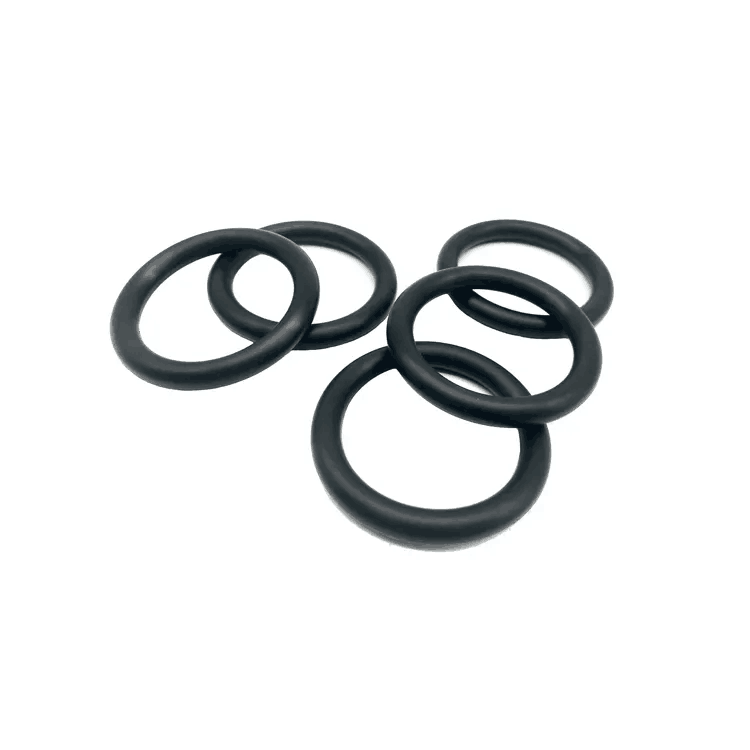
Engineering Insight: The Critical Role of Material Selection in Fluorocarbon Seals
Fluorocarbon seals, commonly known as FKM or Viton® seals, are widely specified in high-performance industrial applications due to their exceptional resistance to heat, oxidation, and a broad range of aggressive chemicals. While they are often perceived as a universal solution for demanding sealing environments, the reality is far more nuanced. Off-the-shelf fluorocarbon seals frequently underperform or fail prematurely when deployed without rigorous material evaluation against specific operational parameters. This underscores the critical importance of engineered material selection over generic substitution.
The base polymer formulation of fluorocarbon elastomers varies significantly across grades. Standard FKM compounds offer good resistance to non-polar fluids such as mineral oils and hydrocarbons, but may degrade rapidly when exposed to polar solvents, ketones, or esters. Specialty grades—such as low-temperature FKM, high fluorine content FKM, or tetrafluoroethylene/propylene (TFE/P)—are engineered to extend performance into extreme environments, including cryogenic temperatures or highly corrosive chemical baths. Selecting the wrong grade, even within the fluorocarbon family, can result in seal hardening, cracking, or excessive swelling, leading to catastrophic system failure.
Equally critical is the consideration of compounding ingredients. Additives such as curatives, fillers, and plasticizers are tailored to optimize compression set resistance, low-temperature flexibility, or purity for semiconductor or pharmaceutical applications. A seal formulated for automotive fuel systems may not withstand the steam sterilization cycles required in bioprocessing equipment, despite both applications specifying FKM.
Furthermore, service conditions must be holistically evaluated. Temperature excursions, dynamic vs. static loading, surface finish of mating hardware, and exposure to intermittent media all influence seal longevity. For example, a seal operating continuously at 200°C may require a peroxide-cured FKM formulation to minimize compression set, whereas an application with intermittent high-temperature exposure might benefit from a bisphenol-cured variant with better processability.
Suzhou Baoshida Trading Co., Ltd. emphasizes application-specific engineering to avoid the pitfalls of one-size-fits-all solutions. Our technical team collaborates with OEMs to analyze fluid compatibility, thermal profiles, and mechanical stresses, ensuring that each fluorocarbon seal is optimized for its intended duty cycle.
Below is a comparison of common fluorocarbon seal variants and their key performance characteristics:
| FKM Grade Type | Temperature Range (°C) | Fluid Resistance | Key Applications |
|---|---|---|---|
| Standard FKM | -20 to 200 | Hydrocarbons, oils, fuels | Automotive, hydraulics |
| Low-Temperature FKM | -40 to 180 | Similar to standard, with improved cold flexibility | Aerospace, cold climate equipment |
| High-Fluorine FKM (68%+) | -15 to 230 | Improved chemical resistance, amines | Chemical processing, oil & gas |
| TFE/P (Tetrafluoroethylene/Propylene) | -10 to 250 | Superior resistance to bases, steam, amines | Semiconductor, pharmaceutical |
Material selection is not a commodity decision—it is an engineering imperative. At Suzhou Baoshida, we deliver precision fluorocarbon seals engineered for reliability, not just conformity.
Material Specifications
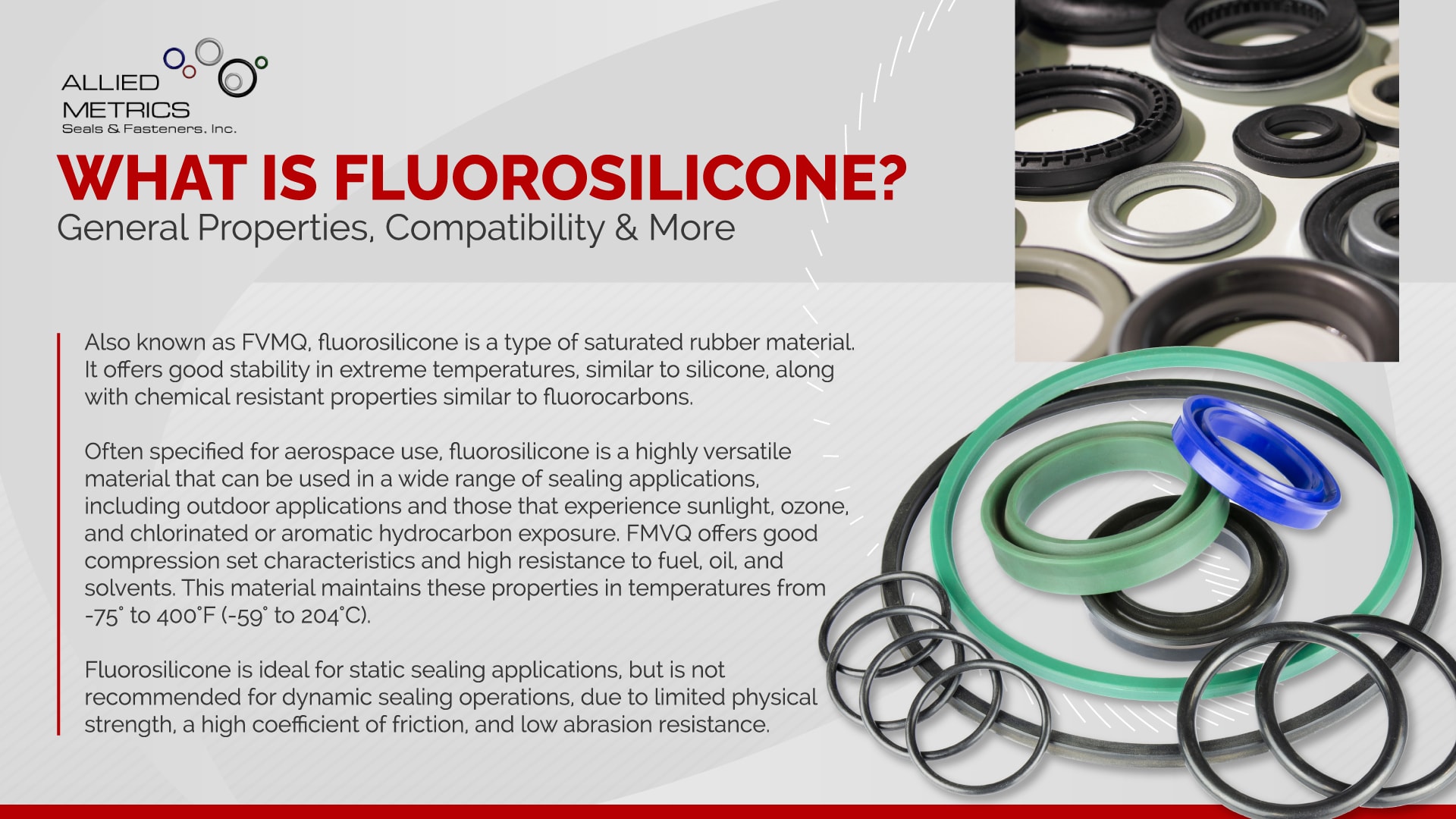
Material Specifications for Precision Fluorocarbon Seals
Selecting the optimal elastomer is paramount for seal integrity in demanding industrial applications. At Suzhou Baoshida Trading Co., Ltd., our engineering team emphasizes that material properties directly dictate performance lifespan, chemical compatibility, and operational safety. Fluorocarbon seals, particularly Viton (FKM), represent the pinnacle for extreme environments, yet Nitrile (NBR) and Silicone (VMQ) remain vital solutions where specific constraints exist. Understanding the nuanced specifications of each material is non-negotiable for OEM success. Misalignment between seal material and application parameters inevitably leads to premature failure, costly downtime, and potential safety hazards. Our precision manufacturing process begins with rigorous material qualification against these core specifications.
Viton fluorocarbon rubber offers exceptional resistance to high temperatures, aggressive chemicals, fuels, and oils. Its molecular structure provides outstanding stability in continuous service up to 250°C, with short-term excursions possible higher. Viton excels in aerospace hydraulic systems, semiconductor manufacturing chemicals, and downhole oilfield equipment where exposure to acids, amines, and hydrocarbons is routine. Critical limitations include higher cost versus NBR and reduced flexibility at very low temperatures below -20°C. Swelling can occur in ketones and certain organic acids, necessitating grade selection.
Nitrile rubber provides an excellent balance of oil and fuel resistance at a competitive cost, making it the workhorse for automotive and general industrial hydraulics. Standard NBR grades perform reliably between -30°C and 120°C continuous. Its strong resistance to aliphatic hydrocarbons, water, and hydraulic fluids suits it for fuel hoses, O-rings in transmissions, and pneumatic systems. However, NBR exhibits poor resistance to ozone, weathering, and polar solvents like ketones or esters. Significant compression set above 100°C limits high-temperature use, and low-temperature flexibility degrades rapidly below -40°C in standard formulations.
Silicone rubber delivers unparalleled temperature resilience, functioning effectively from -60°C to 230°C. Its inertness and biocompatibility make it ideal for medical devices, food processing, and high-temperature electrical insulation. Silicone resists ozone, UV radiation, and water exceptionally well. Key weaknesses include poor resistance to petroleum-based oils and fuels, relatively low tensile strength, and high gas permeability. Compression set resistance is generally inferior to Viton, especially in demanding dynamic applications, though peroxide-cured grades offer improvement.
The following table details critical comparative specifications for informed material selection:
| Material | Temperature Range (°C) | Key Chemical Resistances | Primary Limitations | Typical OEM Applications |
|---|---|---|---|---|
| Viton (FKM) | -20 to 250 (continuous) | Fuels, oils, acids, solvents, hydraulic fluids, steam | Cost, poor ketone resistance, limited low-temp flexibility | Aerospace seals, semiconductor tooling, chemical processing, oilfield equipment |
| Nitrile (NBR) | -30 to 120 (continuous) | Aliphatic hydrocarbons, water, hydraulic oils, silicone fluids | Ozone/weathering, polar solvents, high-temp compression set | Automotive fuel systems, hydraulic O-rings, general industrial seals |
| Silicone (VMQ) | -60 to 230 (continuous) | Ozone, UV, water, steam, oxygen, biocompatibility | Petroleum oils/fuels, low tensile strength, high gas permeability | Medical devices, food & beverage seals, high-temp electrical, static gaskets |
Suzhou Baoshida Trading Co., Ltd. provides exhaustive material data sheets and application engineering support. Our OEM partnership ensures seal specifications are precisely matched to your operational demands, leveraging decades of compounding expertise to optimize performance and total cost of ownership within your manufacturing ecosystem. Material choice is never generic; it is a calculated engineering decision.
Manufacturing Capabilities
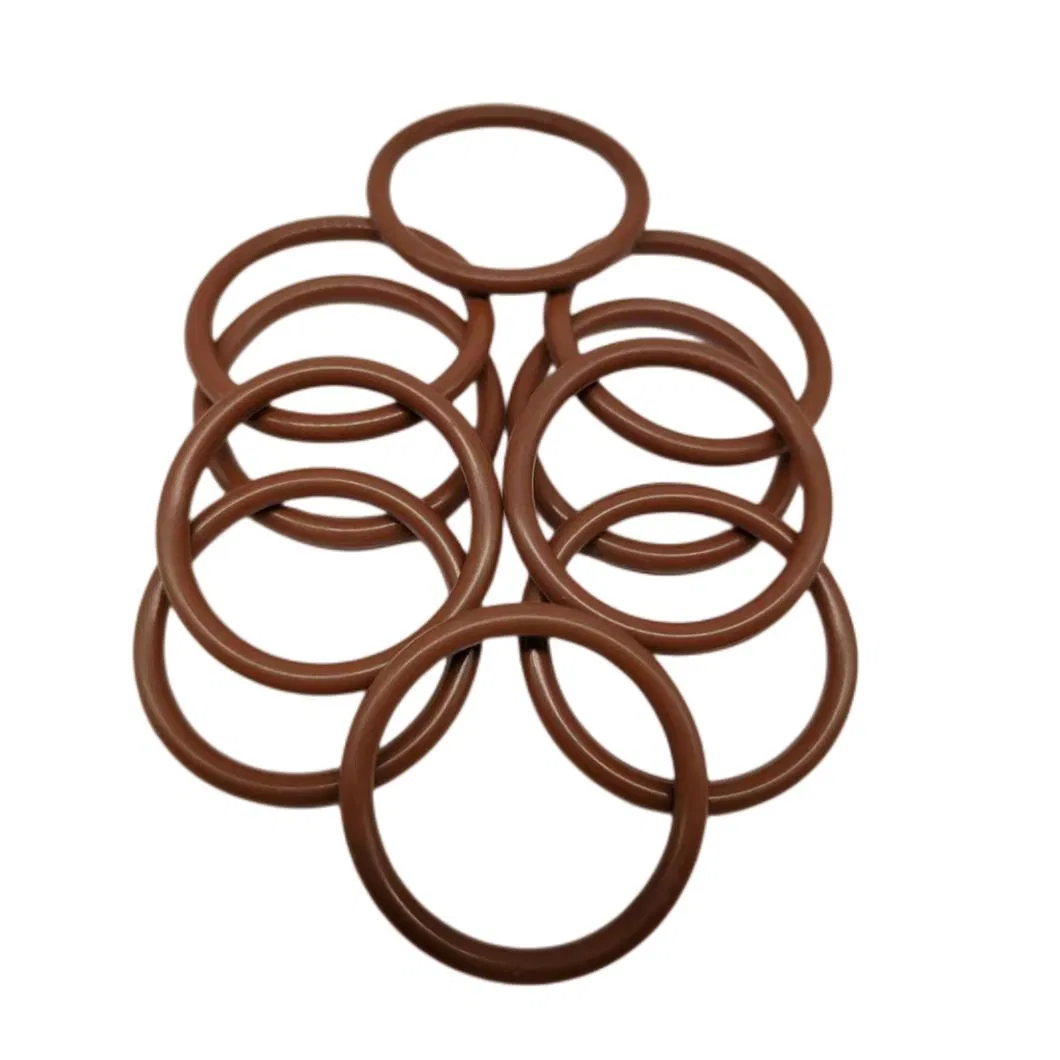
Engineering Capability: Precision Development for Fluorocarbon Seals
At Suzhou Baoshida Trading Co., Ltd., our engineering capability in the design and production of fluorocarbon seals is anchored in deep technical expertise and a vertically integrated development process. Our team comprises five dedicated mould engineers and two specialized rubber formulation engineers, enabling us to deliver high-performance sealing solutions tailored to the most demanding industrial environments. This integrated technical team ensures seamless coordination from material selection and compound development to precision tooling and final product validation.
Our formulation engineers possess advanced knowledge in fluoropolymer chemistry, specifically in optimizing FKM (fluoroelastomer) and FFKM (perfluoroelastomer) compounds for targeted performance characteristics. They systematically adjust polymer base types, cure systems, filler content, and additive packages to achieve desired properties such as enhanced chemical resistance, low-temperature flexibility, compression set resistance, and thermal stability up to 300°C. Each custom formulation undergoes rigorous laboratory testing for hardness, tensile strength, elongation, and volume swell in aggressive media, ensuring reliability under real-world operating conditions.
Complementing our material science expertise, our five mould engineers bring precision to the manufacturing stage. They specialize in designing and optimizing steel and aluminum tooling for injection, compression, and transfer moulding processes. Utilizing CAD/CAM software and precision CNC machining, they ensure tight tolerances (±0.05 mm for critical dimensions), optimal gate placement, and uniform material flow—critical factors in producing defect-free fluorocarbon seals with consistent cross-sectional profiles. Our in-house tooling capability allows rapid prototyping, design iteration, and fast time-to-market for OEM clients.
We fully support original equipment manufacturer (OEM) partnerships, providing end-to-end engineering services from technical consultation and drawing review to full-scale production. Our team collaborates directly with client engineering departments to interpret performance requirements, validate seal geometry, and qualify materials per ASTM, ISO, or custom specifications. This OEM-centric approach ensures that every fluorocarbon seal meets exact functional and regulatory demands across industries such as semiconductor manufacturing, aerospace, oil & gas, and pharmaceutical processing.
The synergy between our formulation and mould engineering teams enables us to solve complex sealing challenges with scientific precision and industrial reliability. Whether developing a new compound for aggressive chemical exposure or refining a seal profile for dynamic applications, our engineering framework is built for performance, consistency, and long-term durability.
Typical Fluorocarbon Seal Specifications
| Property | Test Method | FKM Standard Grade | FFKM High-Performance Grade |
|---|---|---|---|
| Hardness (Shore A) | ASTM D2240 | 70–90 | 75–85 |
| Tensile Strength | ASTM D412 | ≥12 MPa | ≥10 MPa |
| Elongation at Break | ASTM D412 | ≥150% | ≥120% |
| Compression Set (70h, 200°C) | ASTM D395 | ≤35% | ≤20% |
| Operating Temperature Range | — | -20°C to +250°C | -15°C to +300°C |
| Volume Swell in ASTM Fuel B | ASTM D471 | ≤15% | ≤5% |
Customization Process
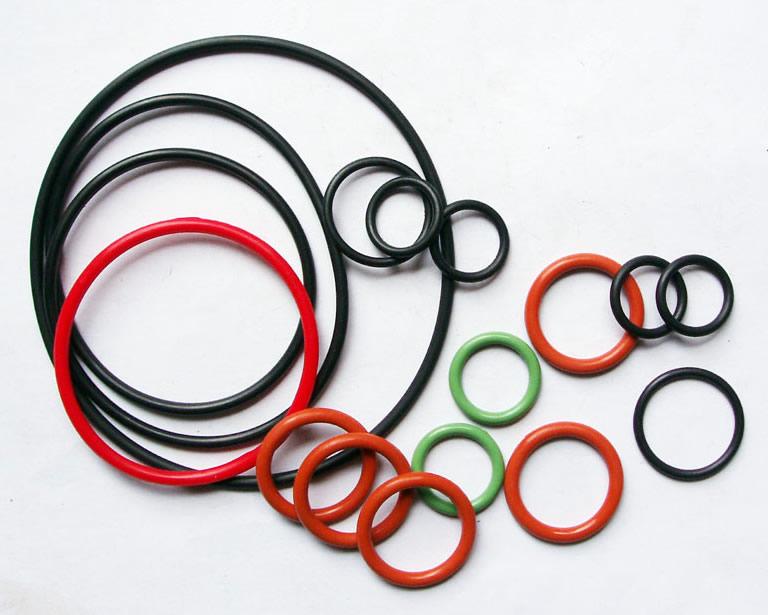
Fluorocarbon Seal Customization: Precision Engineering Process
At Suzhou Baoshida Trading Co., Ltd., our fluorocarbon (FKM/Viton®) seal customization follows a rigorously controlled engineering sequence to ensure optimal performance in demanding industrial applications. This process transforms client specifications into mission-critical components through systematic technical validation and material science expertise.
Drawing Analysis initiates the workflow. Our engineering team conducts a comprehensive review of client-provided CAD models and technical drawings, focusing on critical dimensions, tolerances per ISO 3302-1, surface finish requirements, and geometric deviations. We verify compatibility with dynamic/static sealing environments using finite element analysis (FEA) to predict compression set behavior and stress distribution. Any ambiguities in GD&T callouts or material specifications trigger immediate client consultation to prevent downstream deviations. This phase includes feasibility assessment against ASTM D2000 material classification standards, ensuring the design aligns with fluorocarbon’s inherent properties.
Formulation Development leverages Suzhou Baoshida’s proprietary compound library. Based on the operational environment—chemical exposure, temperature extremes, and pressure cycles—we select the optimal FKM grade (e.g., standard, low-temperature, or peroxide-cured). Our rubber formula engineers adjust fluorine content (66–70%), cure system chemistry, and additive packages (e.g., thermal stabilizers) to meet exact performance targets. Critical parameters like compression set (ASTM D395), tensile strength (ASTM D412), and fluid resistance are modeled prior to compounding. Each formulation undergoes stringent batch documentation for full traceability under IATF 16949 protocols.
Prototyping employs precision molding techniques—compression, transfer, or injection—to produce validation samples. We conduct empirical testing per SAE AS568 standards, including accelerated aging (ASTM D573), volume swell analysis in specified fluids (ASTM D471), and leak rate verification under simulated service conditions. Client feedback on prototype performance drives iterative refinements; minor adjustments to durometer or crosslink density may occur here without redesign. Statistical process control (SPC) data from this stage validates production capability.
Mass Production commences only after formal client sign-off. Our ISO 9001-certified facility implements real-time monitoring of cure times, mold temperatures, and post-cure cycles. Every batch undergoes 100% visual inspection and抽样 testing per AQL 1.0 standards. Full lot traceability—from raw material certificates to final dimensional reports—is maintained digitally. Suzhou Baoshida’s OEM management ensures seamless scale-up while adhering to strict IP protection agreements and on-time delivery metrics.
Key Fluorocarbon Material Specifications
| Property | Test Standard | Typical Range for Precision Seals | Industrial Significance |
|---|---|---|---|
| Temperature Range | ASTM D1418 | -25°C to +230°C (short-term +300°C) | Critical for aerospace/hydraulic systems |
| Fluorine Content | ISO 1407 | 66–70% | Directly correlates with chemical resistance |
| Hardness (Shore A) | ASTM D2240 | 60–90 | Affects sealing force and extrusion resistance |
| Compression Set (70h/150°C) | ASTM D395 | ≤25% | Predicts long-term sealing integrity |
| Tensile Strength | ASTM D412 | 10–18 MPa | Indicates durability under mechanical stress |
This end-to-end customization framework ensures Suzhou Baoshida delivers fluorocarbon seals that exceed OEM performance expectations while minimizing time-to-market. Our process integrates material science rigor with industrial manufacturing discipline, establishing reliability in every component.
Contact Engineering Team
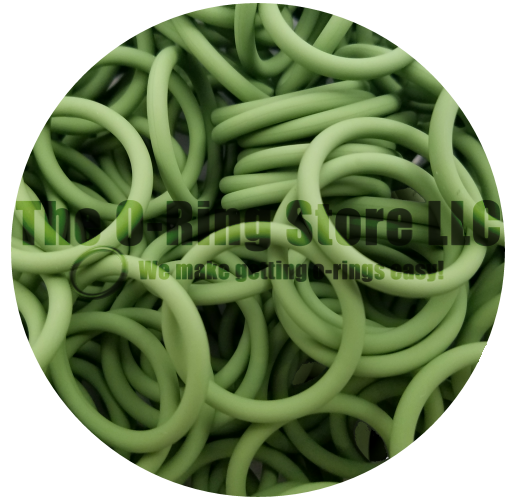
Contact Suzhou Baoshida for Precision Fluorocarbon Seals
For industrial manufacturers seeking high-performance sealing solutions, Suzhou Baoshida Trading Co., Ltd. delivers engineered fluorocarbon seals designed for extreme environments. Our expertise in fluoroelastomer (FKM/FPM) formulation, precision molding, and OEM customization ensures reliable performance in aerospace, automotive, semiconductor, and chemical processing applications. When temperature extremes, aggressive fluids, or long service life are critical, our fluorocarbon seals provide the durability and consistency your operations demand.
We invite engineers, procurement managers, and R&D teams to contact Mr. Boyce, OEM Manager at Suzhou Baoshida, to discuss your specific sealing requirements. Whether you need standard FKM profiles or fully customized solutions with tight tolerances and special compounding, our technical team supports you from concept to production. We specialize in low-compression-set formulations, acid- and fuel-resistant grades, and ultra-pure compounds for cleanroom environments.
Our manufacturing processes adhere to ISO 9001 standards, with in-house material testing, mold design, and dimensional verification using coordinate measuring machines (CMM). We offer full traceability, batch certification, and accelerated aging data upon request. With short lead times and scalable production capacity, Suzhou Baoshida is positioned to support both prototyping and high-volume OEM contracts.
To initiate a technical consultation, request samples, or obtain a quote, please reach out directly to Mr. Boyce via email at [email protected]. Include your application details, performance requirements, and preferred dimensions or drawings for fastest response. Our team responds to all inquiries within 24 business hours and provides technical documentation, including material datasheets, compliance statements (REACH, RoHS), and hardness validation reports.
Below are typical physical and chemical properties of our standard fluorocarbon seal compounds. Custom formulations are available to meet ASTM D2000 specifications or OEM-specific material standards.
| Property | Test Method | Typical Value |
|---|---|---|
| Hardness (Shore A) | ASTM D2240 | 70 ±5 |
| Tensile Strength | ASTM D412 | ≥15 MPa |
| Elongation at Break | ASTM D412 | ≥200% |
| Compression Set (70 hrs @ 200°C) | ASTM D395 | ≤25% |
| Operating Temperature Range | — | -20°C to +230°C |
| Fluid Resistance (IRMOG) | IRM 903 | Grade A (Excellent) |
| Specific Gravity | ASTM D297 | 1.82 ±0.05 |
Suzhou Baoshida is committed to technical excellence and responsive customer service. Partner with us to resolve sealing challenges in high-pressure, high-temperature, or chemically aggressive environments. Contact Mr. Boyce today at [email protected] to advance your next design with precision-engineered fluorocarbon seals.
⚖️ O-Ring Weight Calculator
Estimate rubber O-ring weight (Approx).