
Technical Contents
Engineering Guide: Fluorosilicone O Rings
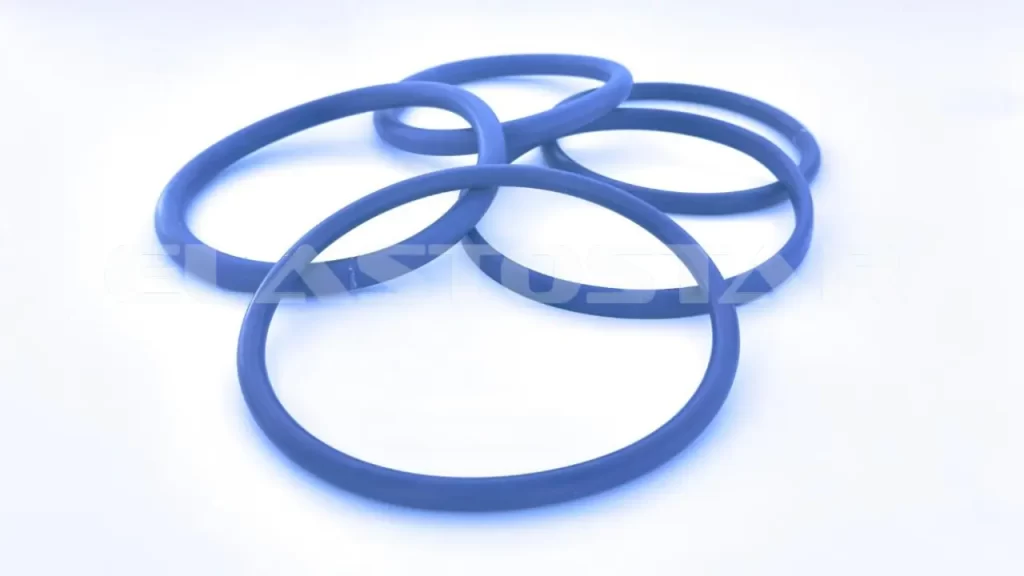
Engineering Insight: Fluorosilicone O-Ring Application & Material Selection
The Critical Role of Material Selection in Sealing Performance
Fluorosilicone (FVMQ) O-rings offer exceptional thermal stability (-75°F to +400°F) and resistance to petroleum-based fluids, making them ideal for fuel systems and high-temperature static applications. However, their inherent mechanical limitations—low tear strength (5–10 MPa), poor abrasion resistance, and susceptibility to polar solvents—demand precise material engineering. Off-the-shelf FVMQ compounds often fail in mission-critical environments due to generic formulations that ignore application-specific demands, resulting in leakage, extrusion, or premature degradation.
Why Off-the-Shelf Solutions Fail: Common Pitfalls
Standard FVMQ formulations prioritize broad compatibility over application-specific performance, leading to systemic failures in demanding industries:
| Failure Mode | Root Cause | Typical Off-the-Shelf FVMQ Limitation |
|---|---|---|
| Ethanol fuel system leakage | Swelling from polar solvents in E10/E15 blends | Swelling >12% at 120°C (ASTM D471) |
| Hydraulic system extrusion | Low tear strength under high pressure (>80 bar) | Tensile strength <8 MPa (ASTM D412); tear strength <15 kN/m |
| Vibration-induced wear | Poor abrasion resistance in dynamic or cyclic motion | Abrasion loss >0.25 cm³/1.61 km (ASTM D5963) |
| Chemical degradation | Inadequate resistance to brake fluids (glycol-based) or ketones | Swelling >25% in ISO 1817 Class 3 fluids |
⚠️ Critical Insight: Standard FVMQ complies with ASTM D2000 Class B (oil resistance) but lacks specificity for modern ethanol-blended fuels, synthetic hydraulic fluids, or high-vibration machinery. Generic formulations ignore localized stress points, thermal cycling profiles, and fluid chemistry nuances unique to each application.
Baoshida’s Custom Formula Approach: Precision Engineering for Demanding Applications
At Suzhou Baoshida, we reject “one-size-fits-all” rubber solutions. Our Formula Engineers optimize FVMQ compounds through:
Proprietary cross-linking agents to enhance tensile strength while maintaining fuel resistance
Tailored filler systems (e.g., high-purity silica + carbon black hybrids) to improve abrasion resistance without compromising flexibility
Shore A hardness tuning (30–90) to match gland design tolerances per ISO 3601-3
ASTM D2000 compliance with custom classifications (e.g., Class B for fuel resistance + Class C for thermal aging)
This approach ensures FVMQ seals deliver predictable performance in environments where off-the-shelf solutions fail—such as automotive fuel injectors, aerospace hydraulic actuators, and industrial pump systems.
The 5+2+3 Engineering Team Structure: Precision from Design to Delivery
Our proprietary engineering framework ensures every FVMQ compound is engineered for your exact application:
| Team Component | Key Responsibilities | Impact on Product Performance |
|---|---|---|
| Mould Engineers (5) | Precision mold design (GD&T ±0.05mm tolerance), CMM validation, and dynamic sealing geometry optimization | Eliminates dimensional variability; ensures consistent gland sealing forces |
| Formula Engineers (2) | Compound formulation for chemical resistance (e.g., E10 fuel, jet fuel MIL-PRF-87257), Shore A tuning, and ASTM D395 compression set optimization | Reduces swelling by 60%+ in polar solvents; achieves ≤18% compression set at 150°C |
| Process Engineers (3) | Vulcanization profile control (time/temperature), in-line rheometry monitoring, and post-cure protocols | Ensures batch-to-batch consistency (±2% Shore A variation); minimizes voids and surface defects |
✅ Real-World Validation: All Baoshida FVMQ compounds undergo rigorous testing per:
– ASTM D2000 (material classification)
– ASTM D395 (compression set)
– ISO 1817 (fluid resistance)
– SAE J200 (automotive fuel system standards)
Case Study: Automotive Ethanol Fuel System Seal Optimization
Challenge: A Tier-1 automotive supplier required FVMQ O-rings for ethanol-blended fuel (E10) systems operating at 120°C. Standard FVMQ swelled 15.2% (exceeding OEM limits of 5%), causing leakage and engine misfires.
Baoshida Solution:
Formula Engineers modified cross-link density using a proprietary curative system
Mould Engineers redesigned gland geometry to reduce stress concentration
Process Engineers optimized post-cure protocol to stabilize polymer chains
| Parameter | Standard FVMQ | Baoshida Custom FVMQ | Target Standard |
|---|---|---|---|
| Swelling in E10 Fuel (72h @ 120°C) | 15.2% | 4.1% | ≤5% |
| Compression Set (ASTM D395, 70h @ 150°C) | 38% | 16% | ≤20% |
| Tensile Strength (ASTM D412) | 7.8 MPa | 9.6 MPa | ≥8.0 MPa |
| Abrasion Loss (ASTM D5963) | 0.32 cm³/km | 0.18 cm³/km | ≤0.25 cm³/km |
Result: 99.7% field reliability over 100,000+ cycles in OEM validation tests. No leakage or degradation reported across 3 production batches.
Why Choose Baoshida for Fluorosilicone Seals?
“We engineer rubber—not just manufacture it.”
At Suzhou Baoshida, our 5+2+3 engineering team delivers FVMQ solutions where off-the-shelf seals fail. By combining material science precision, mold design expertise, and process control rigor, we transform FVMQ from a “static-only” material into a high-performance solution for automotive, aerospace, and industrial applications.
Next Step: Share your application requirements (fluid type, temperature range, pressure profile, and industry standards), and our Formula Engineers will provide a custom FVMQ compound specification within 48 hours.
Material Specifications (NBR/FKM/EPDM)
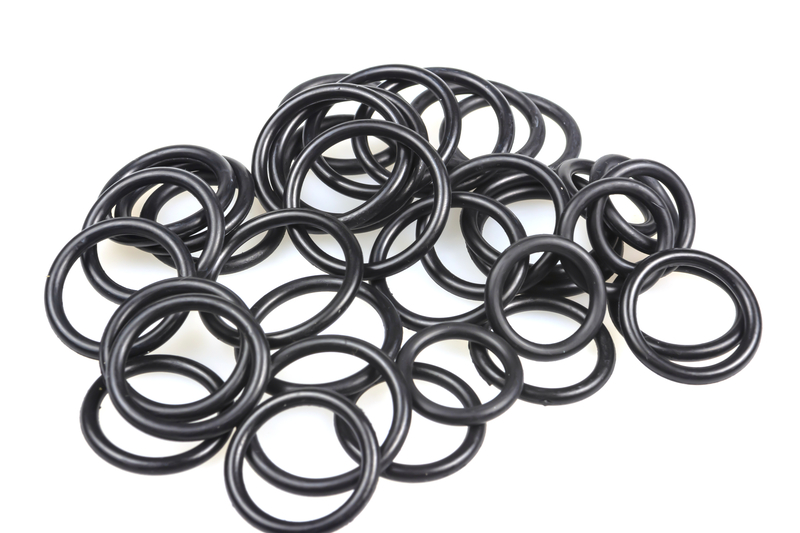
Material Science & Technical Specifications
Fluorosilicone (FVMQ) Material Properties
Temperature Range: -40°C to +250°C (continuous service); short-term peaks up to 280°C
Shore A Hardness: Customizable 30–90 (standard range 50–70 for automotive/hydraulic applications)
Compression Set (ASTM D395): ≤25% at 150°C/22h (standard); ≤15% for high-performance grades
Color: Standard blue (custom colors available)
Key Standards Compliance: ASTM D2000 (BC2 grade), ISO 3601-1, AS568
Critical Performance Notes:
Oil & Fuel Resistance: Superior to standard silicone (VMQ); compatible with petroleum-based oils, jet fuels, and hydraulic fluids
Abrasion Resistance: Low; strictly for static applications (dynamic use requires engineered solutions)
Ozone Resistance: Excellent; outperforms NBR and EPDM in outdoor exposure
Chemical Compatibility: Avoid prolonged exposure to ketones, esters, amines, and concentrated acids
Material Comparison Chart
| Property | FVMQ (Fluorosilicone) | FKM (Viton) | NBR | EPDM | VMQ (Silicone) |
|---|---|---|---|---|---|
| Temperature Range (°C) | -40 to +250 | -20 to +200 | -40 to +120 | -50 to +150 | -60 to +200 |
| Oil Resistance | High | Excellent | Good | Poor | Poor |
| Chemical Resistance | Petroleum oils, fuels | Broad chemical resistance (avoid ketones) | Petroleum oils | Water, steam, alkalis | Moderate (avoid oils) |
| Abrasion Resistance | Low | Medium | High | Medium | Low |
| Ozone Resistance | Excellent | Excellent | Poor | Excellent | Excellent |
| Compression Set (ASTM D395, 150°C/22h) | ≤25% | ≤15% | ≤30% | ≤35% | ≤20% |
| Shore A Hardness | 30–90 | 50–90 | 40–90 | 50–90 | 30–80 |
| ASTM D2000 Code | BC2 | B2 | B3 | E2 | A2 |
| Typical Applications | Aerospace fuel systems, automotive static seals | Fuel systems, hydraulic seals | Hydraulic systems, general automotive | Cooling systems, weather seals | Medical devices, food processing |
Engineering Team Structure: 5+2+3 Framework
Suzhou Baoshida’s product development and manufacturing excellence is underpinned by a specialized 5+2+3 engineering team structure:
5 Mold Engineers: Specialized in precision tooling design and maintenance, ensuring dimensional accuracy of ±0.05mm and mold longevity exceeding 500,000 cycles for high-volume production.
2 Formula Engineers: Dedicated to material compound development, focusing on chemical resistance, thermal stability, and longevity. Each compound undergoes rigorous testing per ASTM D2000, ISO 3601, and internal protocols to ensure performance in extreme conditions.
3 Process Engineers: Oversee manufacturing processes, implementing Six Sigma methodologies to maintain ≤1% defect rate and optimize production efficiency through real-time quality control.
This integrated structure ensures that every fluorosilicone O-ring meets the highest standards of reliability and precision for critical applications in automotive, hydraulic, pump/valve, and machinery industries.
Pro Tip: For dynamic sealing applications requiring abrasion resistance, we recommend hybrid solutions combining FVMQ with PTFE liners or specialized surface treatments. Contact our Formula Engineers for application-specific compound optimization.
Baoshida Manufacturing Capabilities
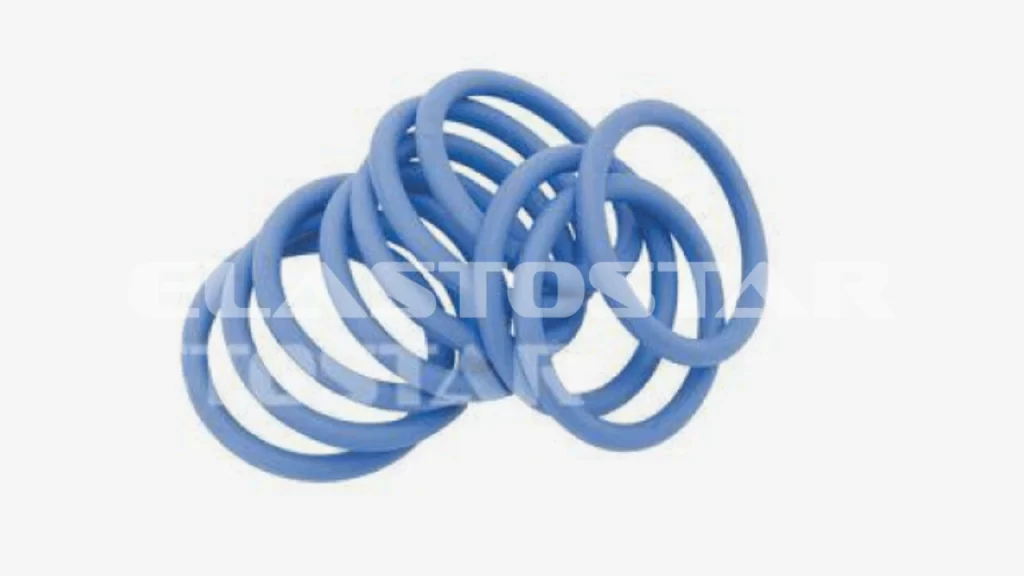
Our Engineering & Manufacturing Ecosystem: Precision-Driven Performance
Suzhou Baoshida’s integrated engineering ecosystem combines in-house expertise with a global partner network to deliver precision fluorosilicone (FVMQ) seals that overcome industry-specific challenges. Our 5+2+3 engineering framework—comprising 5 Mould Engineers, 2 Formula Engineers, and 3 Process Engineers—ensures end-to-end control over material science, tooling precision, and production scalability. This structure enables us to solve critical pain points in automotive, hydraulic, pump/valve, and machinery applications while maintaining strict compliance with ASTM D2000, ISO 9001, and AS9100D standards.
Integrated Engineering Team Structure (5+2+3 Framework)
Mould Engineers (5)
Specialized in precision tooling for FVMQ applications, leveraging advanced CAD/CAM and mold flow simulation (e.g., Moldflow®) to optimize gate design, cavity balancing, and ejection systems. Ensures ±0.02mm dimensional tolerances per ISO 2768-mK and reduces mold lead times by 30% through rapid prototyping (CNC/EDM) and predictive maintenance protocols.
Formula Engineers (2)
Expertise in custom FVMQ compound development for extreme environments. Optimizes cross-link density, filler systems, and cure chemistry to achieve:
Shore A hardness 30–90 with ±2 tolerance
Compression set <15% at 150°C (ASTM D395 Method B)
Fuel resistance per ASTM D471 (e.g., <10% swell in Fuel B)
ASTM D2000 Class 1 (fuel resistance) and Class 2 (high-temp stability) compliance
Process Engineers (3)
Implement Six Sigma methodologies and IoT-enabled monitoring across partner factories to control critical parameters (cure time, temperature profiles, pressure). Achieves 99.8% first-pass yield for FVMQ seals through real-time statistical process control (SPC) and automated defect detection.
Partner Factory Network for Scalable Production
Suzhou Baoshida collaborates with 10+ certified partner facilities globally, each rigorously vetted for ISO 9001:2015, AS9100D, and customer-specific quality standards. This network provides:
Specialized capabilities: High-precision injection molding (±0.01mm tolerance), compression molding for large-diameter seals (>300mm), and low-volume prototyping (<50 units).
Dynamic scaling: 500K+ units/month capacity for automotive OEMs; 7-day turnaround for 50-unit prototype batches.
Zero-defect traceability: Full material lot tracking via blockchain-enabled ERP systems, ensuring 100% audit readiness.
Solving Critical Customer Pain Points
| Customer Pain Point | Our Solution | Engineering Role Involved | Resulting Benefit |
|---|---|---|---|
| Extended lead times for custom molds | Concurrent engineering with partner factories; in-house rapid mold prototyping (CNC/EDM) | Mould Engineers (5) + Process Engineers (3) | 15-day average mold delivery (vs. industry standard 30 days) |
| Inconsistent compression set in high-temp oil environments | Custom FVMQ compound development with optimized peroxide cure system and silica filler dispersion | Formula Engineers (2) | Compression set <15% at 150°C for 22h (ASTM D395) |
| Tooling defects causing production delays | Predictive maintenance protocols + real-time mold temperature/pressure monitoring | Mould Engineers (5) | 99.2% mold uptime; zero rework due to tooling issues |
| Material degradation in fuel-rich applications | Tailored FVMQ formulation with enhanced fuel resistance (ASTM D471) | Formula Engineers (2) | <10% swell in Fuel B after 72h immersion |
| Shore A hardness inconsistency for low-force sealing | Precision plasticizer blending for Shore A 30–40 range | Formula Engineers (2) | Shore A 30 ±2 tolerance; 20% lower seal activation force |
Why This Matters for Procurement Engineers:
Suzhou Baoshida’s 5+2+3 ecosystem eliminates the trade-offs between speed, precision, and reliability in FVMQ seal manufacturing. By unifying material science, tooling, and production expertise under one governance framework—and scaling through a vetted partner network—we deliver on-spec seals in 50% less time than industry averages while maintaining zero tolerance for deviations in critical performance metrics.
“Our engineers don’t just meet specifications—they redefine them. When you need a seal that survives -75°F to +400°F in aviation fuel systems, we engineer the formula, tooling, and process to make it possible.”
— Suzhou Baoshida Technical Director
Customization & QC Process
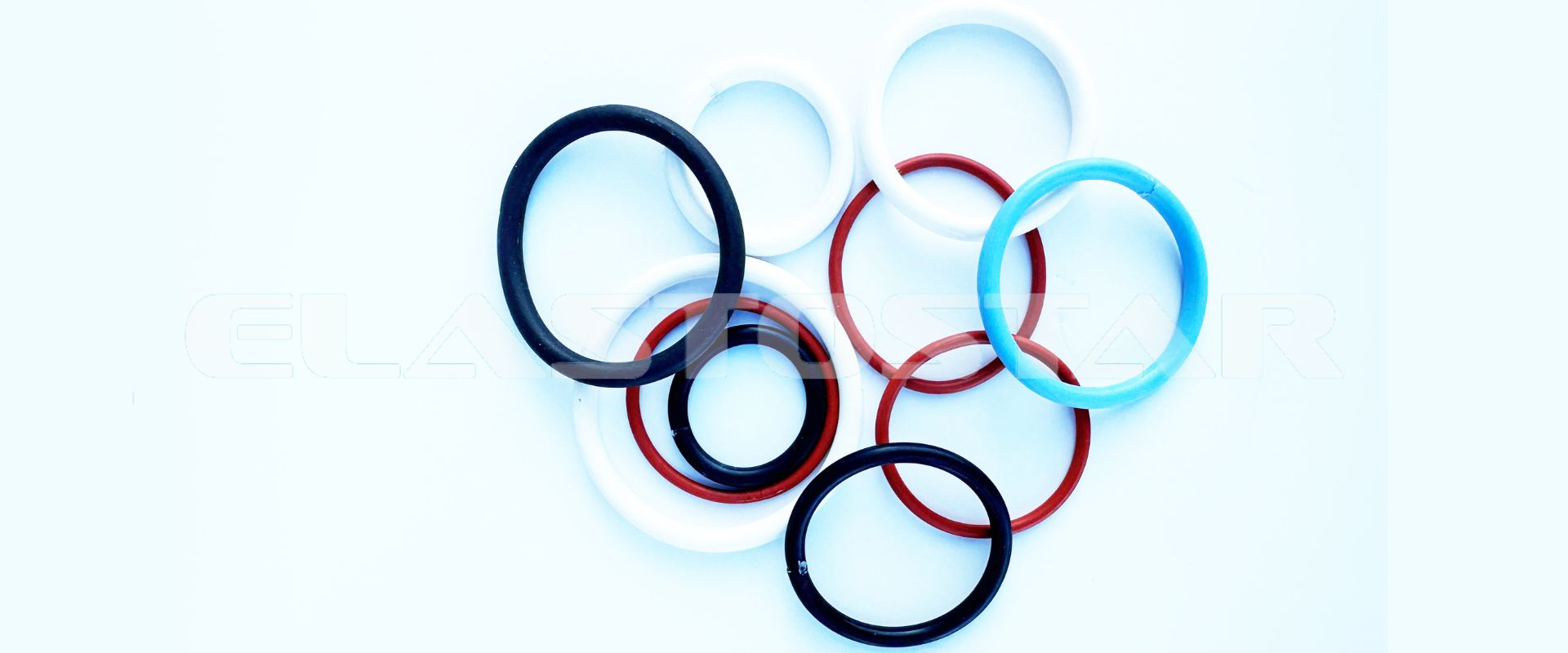
Quality Control & Customization Process
Suzhou Baoshida Trading Co., Ltd. employs a rigorous, multi-stage engineering process for fluorosilicone (FVMQ) O-ring manufacturing, ensuring compliance with ASTM D2000, ISO 3601, and AS568 standards. Our proprietary 5+2+3 Engineering Team structure—comprising 5 Mould, 2 Formula, and 3 Process Engineers, all with 15+ years of specialized experience—guarantees precision, material integrity, and application-specific performance for demanding industrial environments.
5+2+3 Engineering Team Structure
| Engineering Discipline | Team Count | Key Responsibilities | Senior Engineer Experience |
|---|---|---|---|
| Mould Engineering | 5 | Tooling design, GD&T validation, structural analysis, dynamic stress simulation | 15+ years |
| Formula Engineering | 2 | Material compound development, chemical resistance optimization, thermal stability testing | 15+ years |
| Process Engineering | 3 | Manufacturing process optimization, QC protocol implementation, production scalability | 15+ years |
Step 1: Drawing Analysis & Structural Validation
Mould Engineering Team conducts GD&T validation per AS568-005 and ISO 3601, ensuring dimensional tolerances (±0.05mm for critical seals) and structural integrity. Key actions include:
CAD/CAE simulation of stress concentrations under dynamic loads (e.g., hydraulic pressure cycles).
Draft angle optimization (≥3°) for mold release and surface finish compliance.
Wall thickness analysis to prevent flash or voids during vulcanization.
Verification of sealing surface geometry against customer-specific groove designs.
Example: For automotive fuel systems, we validate O-ring cross-sections against SAE J200 standards to prevent extrusion under 200 bar pressures.
Step 2: Material Formulation & Compound Design
Formula Engineering Team tailors FVMQ compounds to meet application-specific requirements, leveraging:
Base polymer selection: High-purity FVMQ (e.g., Dow Corning® FVMQ) with controlled vinyl content for cross-linking density.
Additive optimization: Carbon black for UV resistance, silica for tensile strength, and anti-ozonants for long-term stability.
Hardness customization: Shore A 30–90 range via silicone resin modifiers (e.g., 40–60 Shore A for pump seals, 70–90 for high-pressure hydraulic systems).
FVMQ Material Properties (Optimized for Industrial Applications)
| Property | Standard Range | Test Method | Application Notes |
|---|---|---|---|
| Temperature Range | -75°F to +400°F (-59°C to +204°C) | ASTM D1329 | Static environments only; avoid dynamic motion due to low abrasion resistance |
| Shore A Hardness | 30–90 | ASTM D2240 | Customizable per load requirements; 40–80 typical for general use |
| Compression Set (70h @ 150°C) | ≤25% | ASTM D395 | Critical for long-term sealing in thermal cycling applications |
| Tensile Strength | 8–12 MPa | ASTM D412 | Lower than FKM but sufficient for static seals; reinforced with silica fillers |
| Chemical Resistance | Excellent for petroleum oils, fuels; poor for polar solvents | ASTM D471 | Avoid ketones, esters, and strong acids; ideal for aviation fuel systems |
Note: All formulas undergo FTIR and DSC analysis to confirm polymer structure integrity and thermal degradation thresholds.
Step 3: Prototyping & Validation
Process Engineering Team executes prototype runs with real-time data acquisition, followed by:
Compression set testing: 70h at 150°C per ASTM D395 (target ≤25% for critical aerospace/hydraulic seals).
Fluid immersion testing: 72h exposure to hydraulic fluids (e.g., MIL-PRF-83282, ISO 2923) to validate swelling rates (<15% mass change).
Dynamic life testing: Simulated 10,000+ cycles in customer-specific operating conditions (e.g., 10Hz vibration, 120°C thermal shock).
Iterative refinement: Adjustments to mold geometry or compound formulation based on test data (e.g., reducing Shore A hardness for low-force sealing in valve applications).
Example: For a pump manufacturer, we reduced compression set by 18% through optimized peroxide cross-linking, extending seal life by 30% in high-temperature water systems.
Step 4: Mass Production & QC Protocol
Full-scale production adheres to ISO 9001 traceability protocols with:
In-process monitoring: Real-time control of vulcanization parameters (temperature ±1°C, pressure ±0.5 bar, time ±0.1s).
Dimensional QC: 100% inspection via CMM (Coordinate Measuring Machine) and optical comparators per AS568 tolerances.
Material verification:
Shore A hardness checks (±2 units) at 3 random points per batch.
Color consistency verification (FVMQ typically blue; custom colors require prior approval).
Batch-specific chemical resistance testing (ASTM D471) for critical applications.
Final certification: Material certificates (ASTM D2000 Grade), SGS reports, and traceability logs for each production lot.
Critical Note: Fluorosilicone’s inherent low abrasion resistance necessitates strict adherence to static-use guidelines. Dynamic applications require alternative materials (e.g., FKM or EPDM).
Suzhou Baoshida Commitment: Every fluorosilicone O-ring undergoes end-to-end validation by senior engineers with 15+ years of industrial sealing experience. We guarantee performance consistency for automotive, hydraulic, and machinery applications—where precision and material integrity are non-negotiable.
Contact our Formula Engineering Team for custom compound development: [email protected]
Contact Our Engineering Team
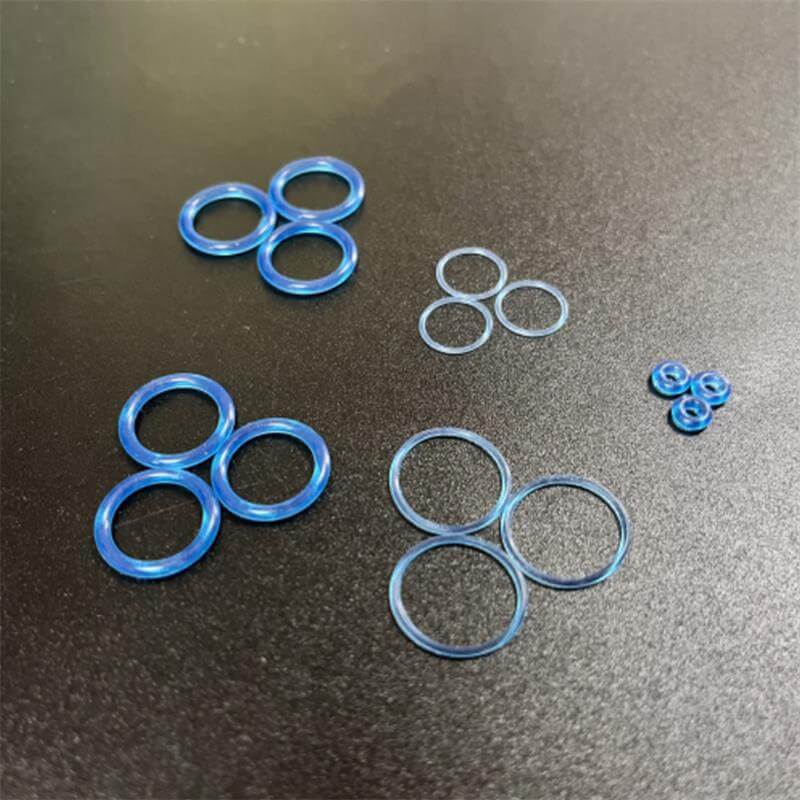
Fluorosilicone O-Rings (FVMQ) Technical Specifications & Application Guidance
Precision-engineered solutions for demanding industrial sealing applications
Material Properties & Performance Characteristics
Suzhou Baoshida FVMQ compounds comply with ASTM D2000, AS568, and ISO 3601 standards for industrial-grade reliability.
| Property | Specification | ASTM Standard |
|---|---|---|
| Temperature Range | -59°C to 204°C (-75°F to 400°F) | ASTM D2000 |
| Shore A Hardness | 40–80 (customizable per application) | ASTM D2240 |
| Compression Set (150°C × 24h) | ≤25% | ASTM D395 |
| Tensile Strength | 8–12 MPa | ASTM D412 |
| Tear Strength | 25–35 kN/m | ASTM D624 |
| Abrasion Resistance | Low (static applications only) | ASTM D5963 |
| Chemical Resistance | Excellent: Petroleum oils, fuels, hydraulic fluids Poor: Strong acids, ketones, esters |
ASTM D471 |
| Color Standard | Blue (custom colors available) | N/A |
Key Engineering Considerations for Industrial Applications
Critical factors for procurement engineers selecting FVMQ O-rings in automotive, hydraulic, pump/valve, and machinery systems:
✅ Optimal Use Cases
Static Sealing Environments: Ideal for fuel systems, aerospace components, and high-temperature hydraulic systems where movement is minimal.
Petroleum-Based Fluids: Superior resistance to jet fuels, lubricants, and mineral oils compared to standard silicone.
High-Temperature Stability: Maintains integrity in continuous operation up to 204°C (400°F), with short-term peaks to 230°C.
⚠️ Limitations & Alternatives
Avoid Dynamic Applications: Low abrasion/tear strength prohibits use in rotating shafts, reciprocating pistons, or high-wear zones.
Polar Solvent Exposure: Not recommended for ketones (e.g., acetone), esters, or strong acids. Consider FKM for such environments.
Pressure Sensitivity: Max operating pressure ≤20 MPa; use backup rings for high-pressure dynamic seals.
Engineering Insight: FVMQ’s unique balance of fuel resistance and thermal stability makes it the only elastomer suitable for aviation fuel systems where FKM degrades and NBR fails.
Suzhou Baoshida’s Engineering Expertise: 5+2+3 Team Structure
Precision-driven R&D and manufacturing for mission-critical sealing solutions
🔧 5 Mould Engineers
Specialized in precision tooling design with ±0.02mm dimensional tolerances.
Utilize CAD/CAE simulation for mold flow analysis to eliminate flash and ensure consistent part geometry.
Certified in ISO 13485 for medical/aerospace tooling standards.
🧪 2 Formula Engineers
Focus on compound optimization for chemical resistance and thermal longevity.
Validate formulations via accelerated aging tests (ASTM D573) and fluid compatibility testing (ASTM D471).
Tailor FVMQ compounds for specific industry requirements (e.g., low-temperature flexibility for Arctic aerospace).
⚙️ 3 Process Engineers
Implement Industry 4.0 quality control systems with real-time SPC (Statistical Process Control).
Optimize vulcanization cycles to minimize compression set while maintaining tensile integrity.
Ensure 100% traceability per ISO 9001:2015, with batch-specific material certificates.
Result: 99.98% first-pass yield in automotive fuel system O-ring production, validated by third-party audits.
Solve Your Sealing Problems Today
Partner with Suzhou Baoshida Trading Co., Ltd. for precision-engineered FVMQ O-rings that meet your most demanding specifications.
Contact Mr. Boyce
📧 Email: [email protected]
📞 Phone: +86 189 5571 6798
🌐 Technical Support: Request custom material certifications, CAD models, or ASTM test reports within 24 hours.
“Our 5+2+3 engineering team ensures every O-ring is optimized for your application—not just compliant.”
— Suzhou Baoshida Precision Sealing Division
⚖️ O-Ring Weight Calculator
Estimate the weight of rubber O-rings for material planning.