
Technical Contents
Engineering Guide: Fluorosilicone O Rings
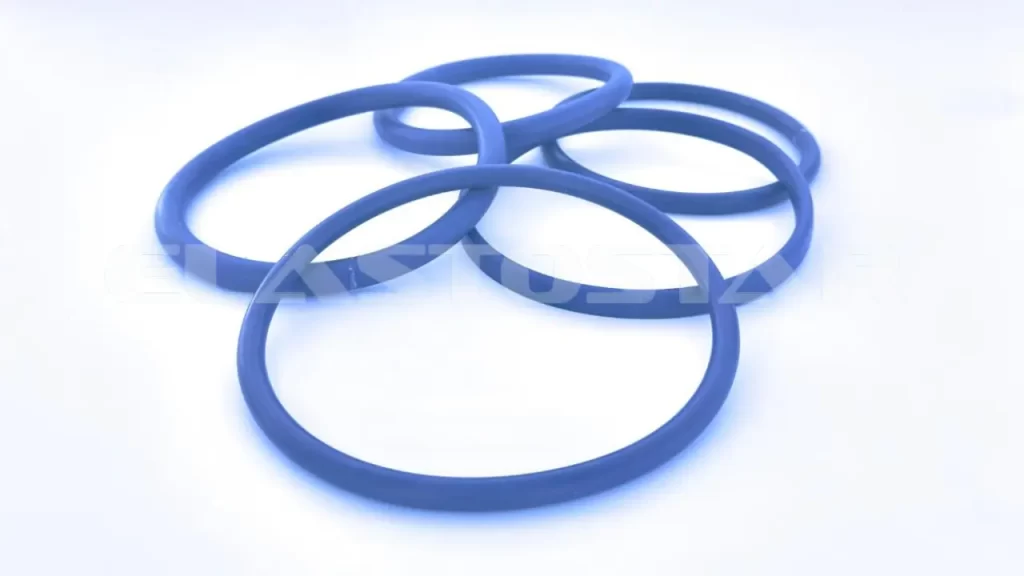
Engineering Insight: Fluorosilicone O-Rings – The Critical Imperative of Material Selection
Fluorosilicone (FVMQ) O-rings occupy a unique niche in demanding sealing applications, bridging performance gaps between standard silicone and fluorocarbon (FKM) elastomers. However, their specialized molecular structure—incorporating trifluoropropyl groups into a polysiloxane backbone—creates distinct vulnerabilities. Off-the-shelf solutions frequently fail because generic formulations ignore critical application-specific variables, leading to premature degradation, leakage, or catastrophic system failure. Material selection is not merely a procurement decision; it is the foundational engineering step determining seal longevity and system reliability.
Standard silicone O-rings exhibit excellent low-temperature flexibility and electrical insulation but suffer severe swelling and loss of mechanical properties when exposed to fuels, oils, or solvents. While FKM offers superior chemical resistance, its performance degrades significantly below -20°C. Fluorosilicone addresses this gap with robust resistance to aviation fuels, hydraulic fluids (e.g., MIL-H-5606), and aliphatic hydrocarbons, coupled with operational capability down to -60°C. Yet, its Achilles’ heel lies in poor resistance to ketones, chlorinated solvents, and strong acids—exposures common in aerospace, semiconductor, and defense systems. An off-the-shelf FVMQ compound, optimized for cost rather than chemistry, will inevitably fail when subjected to unanticipated fluid interactions or thermal cycling. For instance, exposure to Skydrol hydraulic fluid at 150°C can induce 25% volume swell in generic FVMQ, causing extrusion and seal rupture, whereas a tailored formulation limits swell to 8–12%.
The consequences of inadequate material selection extend beyond immediate seal failure. Compression set—the permanent loss of elasticity after deformation—is accelerated in non-optimized FVMQ when exposed to high-temperature jet fuels. A standard compound may exhibit 40% compression set after 70 hours at 200°C, while an engineered grade achieves <25%. This directly translates to loss of sealing force, system leaks, and costly downtime in critical machinery. Furthermore, inconsistent polymer molecular weight distribution in commodity-grade FVMQ exacerbates compression set and reduces tensile strength, particularly under dynamic sealing conditions.
OEMs must prioritize application-specific formulation over catalog availability. Key parameters requiring customization include: fluorine content (balancing fuel resistance vs. low-temperature performance), cure system (peroxide vs. platinum for thermal stability), and additive packages (antioxidants for prolonged high-temperature exposure). Below is a comparative analysis highlighting why generic solutions fall short:
| Property | Standard Silicone (VMQ) | Generic Fluorosilicone (FVMQ) | Engineered Fluorosilicone (FVMQ) | Fluorocarbon (FKM) |
|---|---|---|---|---|
| Temp Range (°C) | -60 to 230 | -60 to 200 | -65 to 230 | -20 to 250 |
| Fuel Swell (Jet A, 23°C) | >100% | 15–25% | 5–12% | 2–8% |
| Skydrol Swell (150°C) | >200% | 20–30% | 8–15% | 5–10% |
| Comp. Set (200°C/70h) | 35–50% | 30–45% | <25% | 15–25% |
| Ketone Resistance | Poor | Very Poor | Moderate (formulation-dependent) | Good |
Material selection dictates functional success. Suzhou Baoshida Trading Co., Ltd. collaborates with OEMs to engineer fluorosilicone compounds matching exact fluid, thermal, and mechanical profiles—transforming potential failure points into reliable, long-life seals. Generic O-rings represent a false economy; precision formulation is the only path to mission-critical sealing integrity.
Material Specifications

Fluorosilicone O-rings represent a specialized class of elastomeric seals engineered for extreme environments where resistance to fuels, oils, and elevated temperatures is critical. At Suzhou Baoshida Trading Co., Ltd., we focus on delivering precision rubber seals that meet rigorous industrial standards, ensuring reliability in aerospace, automotive, and chemical processing applications. Among the most commonly specified elastomers for high-performance sealing are fluorosilicone (FVMQ), Viton (FKM), nitrile (NBR), and silicone (VMQ). Each material offers distinct advantages depending on the operational demands.
Fluorosilicone combines the low-temperature flexibility of silicone with enhanced resistance to hydrocarbons and fuels. It performs reliably across a temperature range of -60°C to +200°C, making it ideal for dynamic sealing in fuel systems and aerospace hydraulics. While fluorosilicone exhibits excellent swelling resistance in jet fuels and aromatic hydrocarbons, it has limited resistance to water, steam, and certain acids. Mechanical strength is moderate, and long-term compression set performance is acceptable under controlled conditions.
Viton, a fluorocarbon rubber, provides outstanding thermal stability and chemical resistance. With an operating range from -20°C to +250°C, Viton excels in high-temperature environments involving aggressive chemicals, acids, and oils. It maintains seal integrity under prolonged exposure to harsh media, making it a preferred choice in oilfield equipment and semiconductor manufacturing. However, Viton is less flexible at low temperatures and typically more expensive than nitrile or silicone.
Nitrile rubber is widely used due to its excellent resistance to aliphatic hydrocarbons, lubricating oils, and fuels. It operates effectively between -40°C and +120°C, with some formulations extending to +150°C for short durations. Nitrile offers good mechanical properties, abrasion resistance, and cost-efficiency, making it suitable for general industrial and hydraulic applications. Its primary limitation lies in poor ozone and UV resistance, as well as reduced performance at elevated temperatures compared to fluorinated elastomers.
Silicone rubber provides superior low- and high-temperature performance, functioning from -60°C to +230°C. It is highly resistant to UV, ozone, and weathering, with excellent electrical insulation properties. However, silicone has poor resistance to fuels and oils, limiting its use in fuel-exposed environments. It is commonly selected for medical, food-grade, and outdoor applications where purity and temperature stability are paramount.
The following table summarizes key performance characteristics of these materials for comparative evaluation.
| Property | Fluorosilicone (FVMQ) | Viton (FKM) | Nitrile (NBR) | Silicone (VMQ) |
|---|---|---|---|---|
| Temperature Range (°C) | -60 to +200 | -20 to +250 | -40 to +120 | -60 to +230 |
| Fuel Resistance | Excellent | Excellent | Good | Poor |
| Oil Resistance | Excellent | Excellent | Excellent | Poor |
| Compression Set Resistance | Good | Excellent | Good | Fair |
| Low-Temperature Flexibility | Excellent | Fair | Good | Excellent |
| Chemical Resistance | Moderate | Excellent | Moderate | Poor |
| Abrasion Resistance | Moderate | Good | Excellent | Fair |
| Cost Level | High | High | Low | Medium |
Selecting the appropriate elastomer requires balancing chemical exposure, thermal demands, mechanical stress, and cost. At Suzhou Baoshida Trading Co., Ltd., we support OEMs and industrial partners with data-driven material selection and precision-manufactured fluorosilicone and alternative O-rings tailored to application-specific performance criteria.
Manufacturing Capabilities
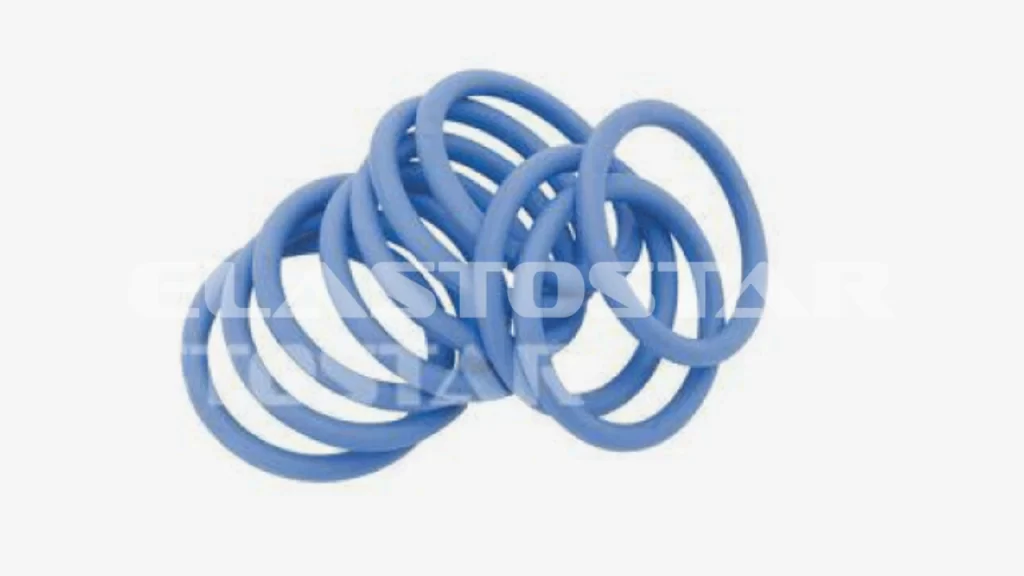
Engineering Excellence in Fluorosilicone O-Ring Manufacturing
At Suzhou Baoshida Trading Co., Ltd., our fluorosilicone O-ring production leverages deep engineering expertise to solve complex sealing challenges in aerospace, semiconductor, and chemical processing industries. We deploy a dedicated dual-engineering team: five specialized mold engineers and two advanced rubber formula scientists. This integrated structure ensures material science and precision tooling converge to deliver optimal performance under extreme conditions. Our mold engineers optimize cavity design, runner systems, and cure kinetics for micron-level dimensional accuracy, while our formula engineers tailor fluorosilicone compounds to resist aggressive fuels, acids, and plasma environments without sacrificing elasticity. This synergy eliminates common failure modes like compression set drift or chemical swelling in precision-critical applications.
OEM partnerships benefit from our closed-loop development process. Clients provide operational parameters—temperature excursions, fluid exposure, and dynamic load profiles—and our engineers co-develop solutions validated through accelerated life testing. We maintain full material traceability from raw silicone gum through peroxide curing, adhering strictly to ASTM D2000 and AMS-7256 specifications. Every batch undergoes rigorous QC: Shore A hardness ±2 points, tensile strength verification, and outgassing analysis per ASTM E595 for vacuum compatibility. Our cleanroom molding facility (ISO Class 8) prevents particulate contamination critical for semiconductor tooling seals.
Material performance is non-negotiable. Below is a comparative analysis of fluorosilicone against common elastomers for demanding sealing scenarios:
| Property | Fluorosilicone (Baoshida FKM-Si) | Standard Silicone | Standard FKM (Viton®) |
|---|---|---|---|
| Temperature Range (°C) | -60 to +200 | -55 to +230 | -20 to +200 |
| Jet Fuel Resistance (ASTM3) | Excellent (Δ vol < 15%) | Poor (Δ vol > 50%) | Good (Δ vol < 25%) |
| Compression Set (22h/150°C) | 18% | 35% | 22% |
| Plasma Etch Resistance | High | Low | Moderate |
| Outgassing (TML, ASTM E595) | 0.8% | 1.5% | 1.2% |
Our OEM framework supports rapid prototyping with 15-day lead times for custom cross-sections (AS568A or client-specific) and compound adjustments. Engineers utilize Moldflow simulation to preempt knit lines in complex geometries, while formula specialists adjust fluorine content (typically 0.5–1.2 wt%) to balance fluid resistance versus low-temperature flexibility. All documentation—including compound certificates, mold validation reports, and PPAP submissions—is structured for seamless integration into client supply chains.
Suzhou Baoshida does not merely manufacture fluorosilicone O-rings; we engineer sealing integrity. By fusing material science with precision tooling mastery, we ensure every component meets the uncompromising demands of next-generation industrial systems. Partner with us for solutions where failure is not an option.
Customization Process
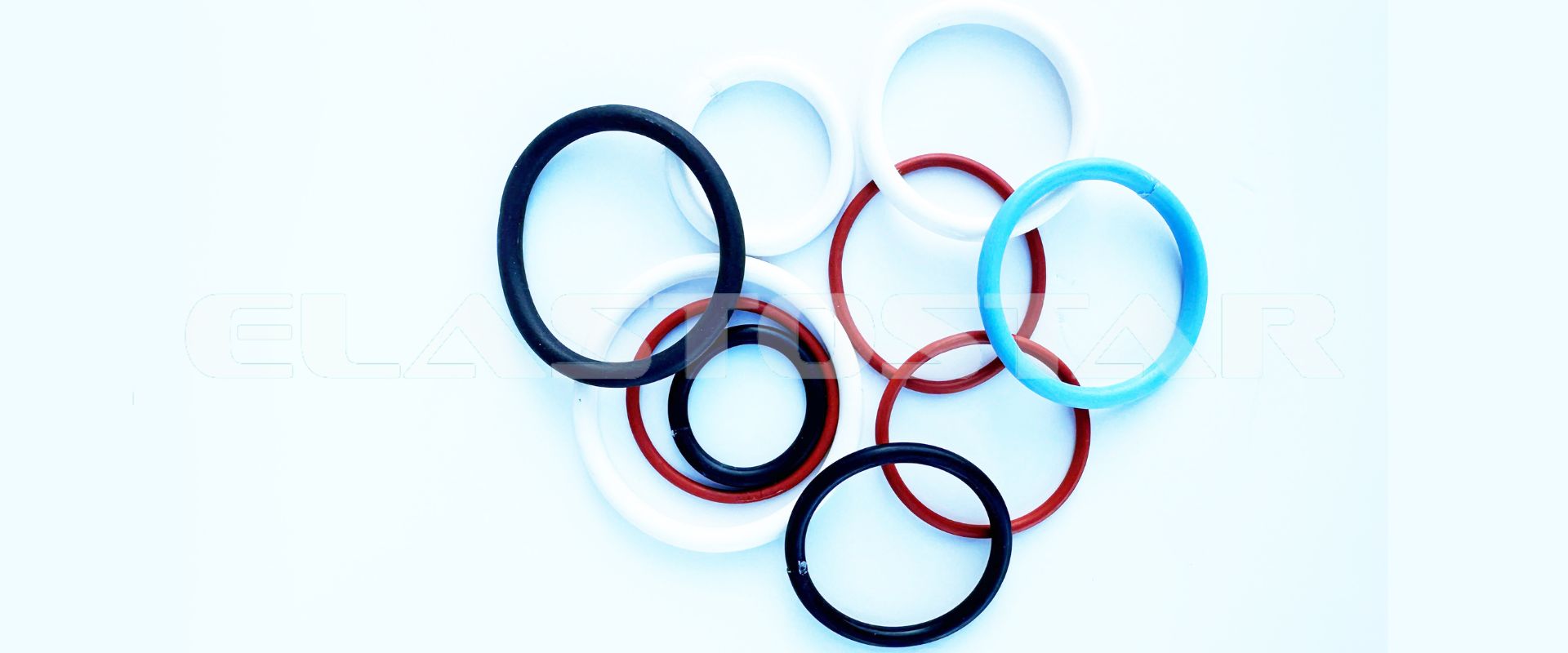
Fluorosilicone O-Ring Customization Process: From Design to Production
At Suzhou Baoshida Trading Co., Ltd., our fluorosilicone O-ring customization process is engineered for precision, consistency, and performance in extreme environments. As a trusted OEM partner in the precision rubber seals industry, we follow a rigorous four-stage workflow: Drawing Analysis, Formulation Development, Prototyping, and Mass Production. Each phase is optimized to meet exacting client specifications while ensuring material compatibility, dimensional accuracy, and long-term reliability.
The process begins with Drawing Analysis, where our technical team evaluates customer-provided engineering schematics or CAD models. We verify critical dimensions such as inner diameter (ID), outer diameter (OD), cross-sectional (CS) size, tolerance class (per ISO 3601 or AS568), and application-specific features like chamfers or back-up grooves. Surface finish requirements and mating component materials are also reviewed to anticipate potential chemical or mechanical interactions. This stage ensures that design intent aligns with manufacturability and functional performance.
Following design validation, we proceed to Formulation Development. Fluorosilicone rubber (FKM-Si) combines the high-temperature stability of fluorocarbon elastomers with the low-temperature flexibility of silicone. Our rubber chemists tailor the compound to meet specific operational demands, adjusting fluorine content, polymer backbone structure, and additive packages. Key considerations include resistance to aerospace fuels, hydraulic fluids, and deicing agents, as well as performance across a temperature range of -60°C to +200°C. Cure system selection—peroxide or addition-cure—is optimized based on required compression set, tensile strength, and aging characteristics.
Once the formulation is finalized, we move to Prototyping. Using precision compression or injection molding techniques, small-batch samples are produced under production-intent conditions. These prototypes undergo rigorous testing, including dimensional inspection, hardness measurement (Shore A), and exposure trials in simulated service environments. Clients receive full test reports and physical samples for fit, form, and function validation. Feedback is incorporated iteratively until performance targets are achieved.
Upon approval, the project transitions to Mass Production. Our automated molding lines, supported by statistical process control (SPC) and 100% visual inspection, ensure batch-to-batch consistency. All fluorosilicone O-rings are packaged per cleanliness standards (e.g., ISO 14644-1 for cleanroom compatibility) and traceable via lot numbering. We support annual volumes from 1,000 to over 1 million units, with lead times optimized through lean manufacturing practices.
Key performance specifications of our standard fluorosilicone O-rings are summarized below:
| Property | Test Method | Typical Value |
|---|---|---|
| Hardness (Shore A) | ASTM D2240 | 60–80 |
| Tensile Strength | ASTM D412 | ≥8.0 MPa |
| Elongation at Break | ASTM D412 | ≥150% |
| Compression Set (200°C, 70h) | ASTM D395 | ≤35% |
| Operating Temperature | — | -60°C to +200°C |
| Fluid Resistance | MIL-H-83282, Skydrol | Excellent |
Our structured customization pathway ensures that every fluorosilicone O-ring delivers mission-critical sealing performance in aerospace, defense, and high-performance industrial applications.
Contact Engineering Team
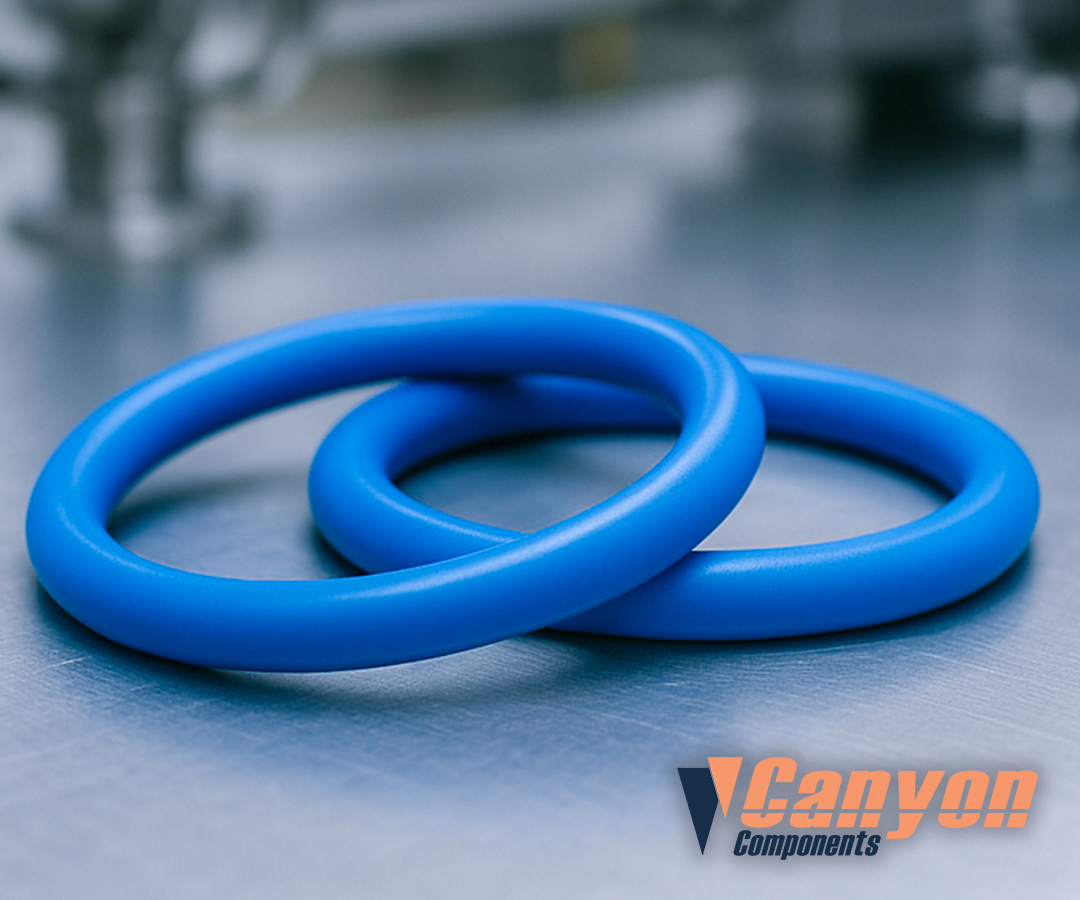
Technical Engagement for Fluorosilicone O-Ring Solutions
Suzhou Baoshida Trading Co., Ltd. operates at the intersection of advanced polymer science and precision manufacturing for critical sealing applications. Our fluorosilicone O-rings address extreme operational demands where conventional elastomers fail, particularly in aerospace fuel systems, semiconductor processing, and pharmaceutical equipment requiring simultaneous resistance to jet fuels, oxygen plasma, and wide-temperature cycling. As your dedicated Rubber Formula Engineer and OEM Manager, I emphasize that fluorosilicone’s molecular architecture—integrating fluorocarbon stability with silicone flexibility—delivers unmatched performance in -60°C to +200°C environments while maintaining low compression set under prolonged stress. Generic seals compromise integrity; our engineered compounds undergo rigorous ASTM D2000 validation to ensure zero leakage in mission-critical assemblies.
Our technical team specializes in custom fluorosilicone formulations tailored to your fluid compatibility and mechanical load requirements. We optimize polymer crosslink density and filler dispersion to achieve precise Shore A hardness tolerances (±2 points) and elongation properties exceeding industry standards. Below is a representative specification profile for our standard FVMQ compound, validated per ISO 3601 groove dimensions:
| Property | Test Method | Value |
|---|---|---|
| Temperature Range | ASTM D2000 | -60°C to +200°C |
| Tensile Strength | ASTM D412 | ≥10.5 MPa |
| Elongation at Break | ASTM D412 | ≥250% |
| Compression Set (70h/150°C) | ASTM D395 | ≤25% |
| Specific Gravity | ASTM D297 | 1.65 ± 0.02 |
| Fuel B Swell (70h/150°C) | ASTM D471 | ≤15% |
This data reflects baseline capabilities; actual formulations are refined through iterative prototyping with OEM partners. We control variables from monomer selection to post-cure stabilization, ensuring batch-to-batch repeatability essential for AS9100 and ISO 13485 compliance. Our Suzhou facility integrates real-time rheometry monitoring during molding, eliminating viscosity drift that causes flash or incomplete cures in complex geometries.
Initiate your fluorosilicone sealing solution with immediate engineering consultation. Contact Mr. Boyce, our designated Technical OEM Manager, to discuss material certification, DFM analysis, or urgent qualification testing. Provide your fluid media, temperature profile, and dimensional schematics for a targeted compound recommendation within 48 hours. Mr. Boyce coordinates directly with our R&D chemists and production cell leaders to resolve application-specific challenges—whether addressing permeation in hydrogen systems or optimizing durometer for low-force assembly. Do not compromise on seal integrity when operating margins are non-negotiable.
Reach Mr. Boyce via email at [email protected] for confidential technical review. Include your project timeline and failure mode history to accelerate solution development. We also support WeChat (ID: Baoshida_Boyce) and direct line +86-512-6288-XXXX for time-sensitive OEM requirements. Suzhou Baoshida commits to delivering not just O-rings, but validated sealing performance that extends equipment lifecycle and reduces total cost of ownership. Partner with engineers who speak your technical language and deliver precision on specification. Your next-generation seal begins with this contact.
⚖️ O-Ring Weight Calculator
Estimate rubber O-ring weight (Approx).