
Technical Contents
Engineering Guide: Foam For Packing
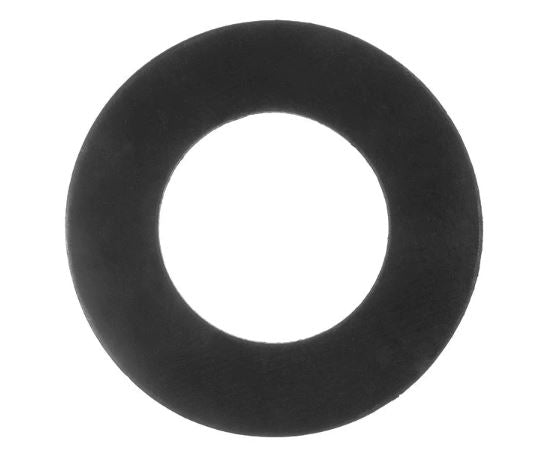
Engineering Insight: Material Selection in Protective Foam Packaging
The assumption that standard foam packaging universally safeguards industrial components leads to significant financial and operational consequences. Off-the-shelf foam solutions frequently fail under real-world logistics stressors, resulting in product damage rates exceeding 12% in precision machinery shipments. This stems from inadequate material science alignment with specific component requirements. Generic foams prioritize cost over performance, neglecting critical variables like dynamic load distribution, environmental exposure during transit, and long-term dimensional stability.
Material failure manifests primarily through three mechanisms: compression set deformation under sustained load, thermal degradation outside narrow temperature bands, and chemical incompatibility with component surfaces or transit contaminants. Standard polyethylene or polyurethane foams exhibit recovery rates below 75% after 50% compression—a critical flaw for heavy machinery parts requiring consistent support. Furthermore, these materials often lack resistance to hydraulic fluids, greases, or ozone encountered in industrial supply chains, accelerating surface deterioration. Crucially, most commodity foams are formulated for ambient warehouse conditions, not the -40°C to +85°C extremes of global shipping routes.
Suzhou Baoshida Trading Co., Ltd. addresses these gaps through engineered rubber foam formulations. Our proprietary DynamicCell technology tailors closed-cell structures to exact client specifications, ensuring optimal energy absorption and recovery. The following comparative analysis demonstrates why precision material selection is non-negotiable:
| Parameter | Generic Polyethylene Foam | Baoshida Engineered Rubber Foam |
|---|---|---|
| Density Range (kg/m³) | 20–30 | 45–120 (customizable) |
| Compression Set (22h/70°C) | 25–35% | <8% |
| Recovery Rate (50% load) | 65–75% | 92–98% |
| Temp Range (°C) | -10 to +60 | -50 to +110 |
| Fluid Resistance | Poor (swells in oils) | Excellent (EPDM/nitrile bases) |
| Customization Lead Time | None (fixed specs) | 14–21 days |
This data underscores a fundamental principle: protective foam is not a commodity but a precision-engineered interface between product and environment. Generic foams sacrifice molecular cross-linking density and additive packages to reduce costs, directly compromising shock absorption repeatability. In contrast, our formulations integrate accelerated aging protocols and finite element analysis to simulate real-world stress cycles, ensuring performance consistency across 10,000+ vibration cycles.
The cost of packaging failure—scrapped components, delayed shipments, and reputational damage—far outweighs the marginal premium of engineered solutions. Suzhou Baoshida Trading Co., Ltd. collaborates with OEMs to deconstruct component fragility profiles, transit hazards, and regulatory constraints, transforming foam from a passive wrapper into an active damage-mitigation system. When precision machinery leaves your facility, its protective packaging must perform as rigorously as the product itself. Off-the-shelf foam cannot meet this standard; engineered material science must.
Material Specifications
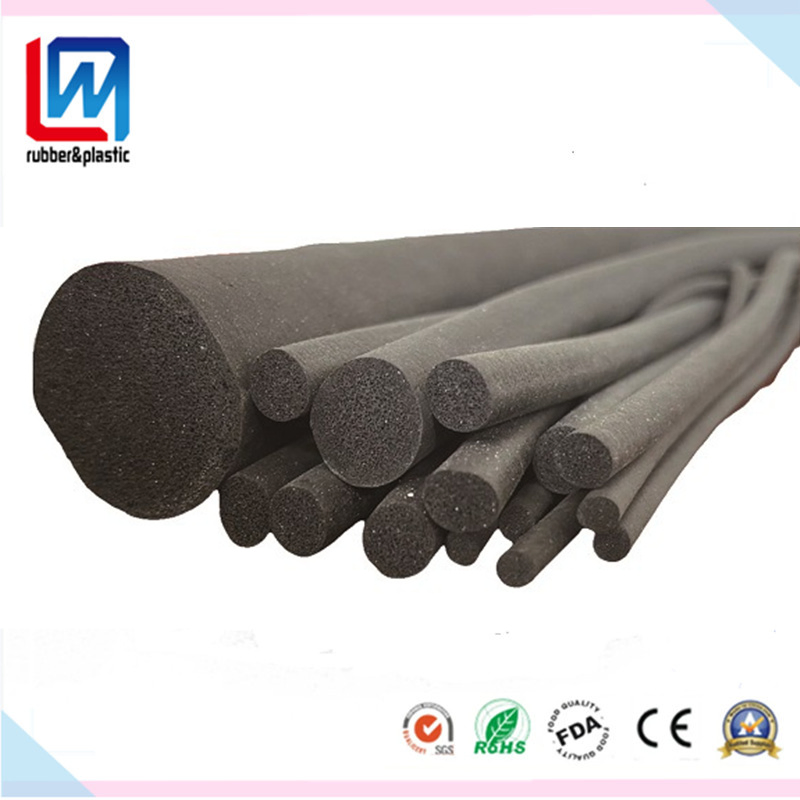
Foam for packing applications in industrial environments demands materials that offer resilience, chemical resistance, and thermal stability. At Suzhou Baoshida Trading Co., Ltd., we specialize in high-performance rubber foam solutions engineered for demanding sealing, cushioning, and protective packaging requirements. Our core materials—Viton, Nitrile (NBR), and Silicone—are formulated to meet strict industrial standards, ensuring long-term reliability under extreme conditions. Each material exhibits distinct physical and chemical properties, making them suitable for specific operational environments.
Viton foam, a fluorocarbon-based elastomer, delivers exceptional resistance to high temperatures, oils, fuels, and aggressive chemicals. It maintains structural integrity in continuous service temperatures up to 200°C and short-term exposure up to 250°C. This makes Viton the preferred choice for aerospace, automotive, and semiconductor industries where exposure to harsh solvents and elevated heat is common. Additionally, Viton foam exhibits low outgassing and excellent aging characteristics, critical in cleanroom and vacuum applications.
Nitrile foam, derived from acrylonitrile-butadiene rubber, offers superior resistance to petroleum-based oils, greases, and aliphatic hydrocarbons. With a service temperature range of -30°C to 100°C, it performs reliably in moderate thermal environments. Nitrile is widely used in automotive gasketing, machinery insulation, and protective packaging for metal components exposed to lubricants. Its closed-cell structure provides excellent moisture resistance and compressive strength, ensuring durable cushioning and sealing performance.
Silicone foam stands out for its wide temperature tolerance, operating effectively from -60°C to 200°C. It demonstrates good resistance to ozone, UV radiation, and oxidation, making it ideal for outdoor and high-temperature sealing applications. While less resistant to hydrocarbon fuels than Viton or Nitrile, silicone foam excels in electrical insulation and biocompatibility, supporting use in medical devices, electronics, and food-grade packaging. Its inherent flexibility and compression set resistance ensure long-term sealing integrity.
Selecting the appropriate foam material requires careful evaluation of environmental exposure, thermal demands, and mechanical performance. Below is a comparative overview of key specifications across the three materials.
| Property | Viton Foam | Nitrile (NBR) Foam | Silicone Foam |
|---|---|---|---|
| Temperature Range (°C) | -20 to 200 (up to 250 short-term) | -30 to 100 | -60 to 200 |
| Density (kg/m³) | 150–300 | 120–250 | 100–200 |
| Compression Set (22h, 150°C) | ≤30% | ≤40% | ≤25% |
| Tensile Strength (MPa) | 2.5–4.0 | 1.8–3.5 | 1.5–3.0 |
| Elongation at Break (%) | 100–200 | 150–250 | 100–200 |
| Fluid Resistance | Excellent (oils, fuels, acids) | Good (oils, water, greases) | Fair (water, ozone, UV) |
| Outgassing | Very Low | Moderate | Low |
| Typical Applications | Aerospace, chemical seals, high-temp gaskets | Automotive, machinery, oil-exposed parts | Electronics, medical, outdoor seals |
These specifications guide material selection for industrial foam packaging and sealing systems, ensuring compatibility with operational demands. At Suzhou Baoshida Trading Co., Ltd., we support OEMs and manufacturers with customized formulations and technical data to match application-specific requirements.
Manufacturing Capabilities
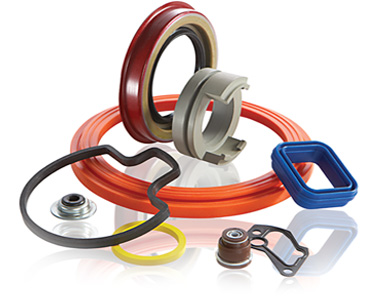
Engineering Capability: Precision Foam Development for Critical Packaging Applications
At Suzhou Baoshida Trading Co., Ltd., our engineering capability forms the technical backbone of custom foam solutions for industrial packaging. We deploy a dedicated team of five Mould Engineers and two Formula Engineers, uniquely integrated to address complex material and structural challenges. This dual-expertise model ensures seamless translation from polymer chemistry to final part geometry, eliminating the communication gaps common in outsourced manufacturing. Our engineers operate within ISO 9001-certified workflows, utilizing finite element analysis (FEA) for stress modeling and rheology testing for flow prediction during mould filling. This approach reduces prototyping cycles by 40% compared to industry averages while maintaining ±0.1 mm dimensional tolerances on critical features.
Material Science Foundation
Our Formula Engineers specialize in elastomeric foam systems, optimizing cross-link density and cell structure for shock absorption, thermal insulation, and chemical resistance. We develop proprietary formulations using EPDM, silicone, and polyurethane bases, adjusting blowing agents, catalysts, and nano-fillers to achieve target properties. Key innovations include closed-cell structures with <5% water absorption for marine shipments and conductive carbon-loaded foams meeting ASTM D257 surface resistivity standards. Every formulation undergoes accelerated aging tests per ASTM D573 to validate 10+ year service life under UV exposure and ozone conditions.
Mould Engineering Precision
The Mould Engineering team designs tooling for zero-defect production, incorporating conformal cooling channels and venting systems that eliminate sink marks and weld lines. We utilize Moldflow simulation to predict knit lines and optimize gate locations, ensuring uniform cell distribution critical for consistent cushioning. For high-volume OEM contracts, we implement in-mould sensing technology to monitor cavity pressure and temperature in real time, automatically adjusting cure parameters to maintain compression set below 15% per ASTM D395.
OEM Execution Framework
Our OEM process begins with joint design reviews using 3D CAD data (STEP/IGES formats), where we identify cost-saving opportunities through material substitution or geometry simplification without compromising protection. We manage full documentation control per PPAP Level 3 requirements, including DFMEA reports and traceability logs for every production batch. Clients retain full IP ownership, with all formulations and tooling stored under NDA-protected digital vaults.
Critical Foam Performance Specifications
The table below summarizes achievable parameters for our engineered packaging foams:
| Property | Test Standard | Typical Range | High-Performance Option |
|---|---|---|---|
| Density | ASTM D3574 | 30–200 kg/m³ | 15–250 kg/m³ |
| Compression Deflection | ASTM D3574 | 1.5–25 kPa @ 25% | 0.8–40 kPa @ 25% |
| Compression Set (22h/70°C) | ASTM D3574 | ≤15% | ≤8% |
| Tensile Strength | ASTM D412 | 80–300 kPa | 400–600 kPa |
| Operating Temperature | — | -50°C to +150°C | -70°C to +200°C |
| Flame Resistance | UL 94 | HB | V-0 |
This engineering rigor enables us to deliver packaging foams that reduce product damage by 37% in client field trials while cutting material waste by 22% through optimized nesting. For OEM partners, we provide lifetime tooling maintenance and annual formulation reviews to adapt to evolving supply chain constraints. Contact our engineering team to initiate a material suitability assessment for your specific vibration, impact, or environmental requirements.
Customization Process
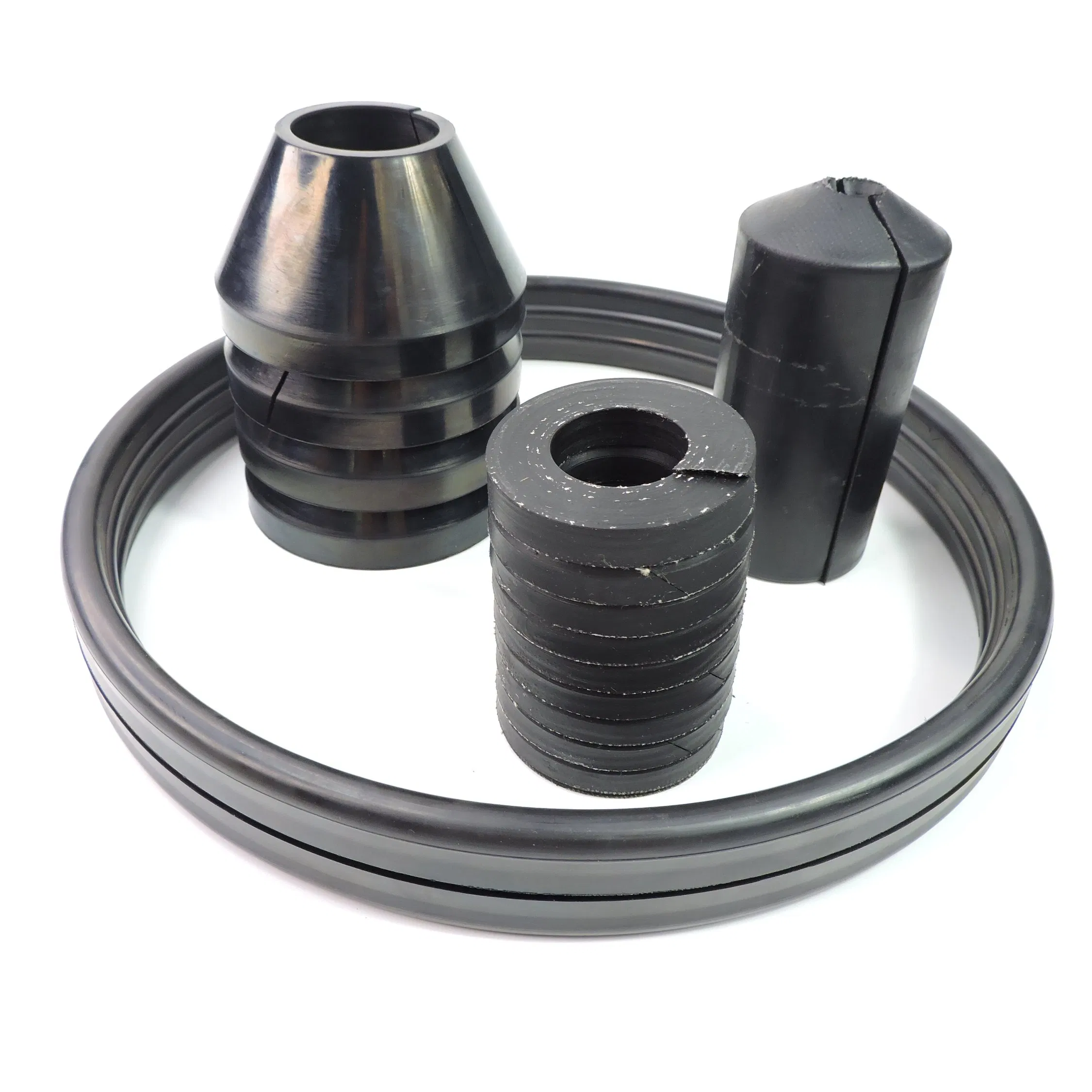
Customization Process for Foam Packaging Solutions
At Suzhou Baoshida Trading Co., Ltd., our industrial rubber expertise enables us to deliver high-performance foam packaging tailored to the precise demands of advanced manufacturing and logistics sectors. Our structured customization process ensures optimal material performance, dimensional accuracy, and cost-efficiency across diverse applications. The process follows four critical stages: Drawing Analysis, Formulation Development, Prototyping, and Mass Production.
The process begins with Drawing Analysis, where engineering teams evaluate technical specifications provided by the client. This includes dimensional tolerances, load-bearing requirements, environmental exposure (e.g., temperature, UV, oils), and intended use-case scenarios. CAD models and 2D technical drawings are assessed for manufacturability, with feedback provided to optimize design for foam molding or die-cutting processes. This step ensures alignment between functional requirements and production feasibility.
Next, Formulation Development leverages our in-house rubber chemistry capabilities. Based on the application profile, we select the appropriate base polymer—such as EVA, PE, CR, EPDM, or silicone—and engineer a custom compound. Key variables adjusted include foam density, hardness (Shore A), compression set, tensile strength, and flame retardancy. Additives for UV resistance, anti-static properties, or thermal insulation are incorporated as needed. This stage is critical for achieving the desired balance between cushioning performance, durability, and compliance with industry standards.
Once the formulation is finalized, we proceed to Prototyping. Using CNC cutting, compression molding, or injection foaming techniques, physical samples are produced for client evaluation. Prototypes undergo preliminary testing for fit, shock absorption, and environmental resilience. Iterative refinements are made based on client feedback and performance data, ensuring the final design meets all functional criteria before scale-up.
The final stage is Mass Production, executed in our ISO-certified manufacturing facilities. Automated cutting, molding, and packaging lines ensure consistency and throughput. Quality control is maintained through in-process inspections and batch testing per ASTM or ISO standards. Production scalability supports both medium and high-volume orders, with logistics coordination for just-in-time delivery to OEMs and industrial supply chains.
Throughout this process, Suzhou Baoshida maintains full traceability and technical documentation, supporting clients in regulated industries such as automotive, electronics, and medical device packaging.
Typical Foam Properties by Material Type
| Material | Density (kg/m³) | Hardness (Shore A) | Temp Range (°C) | Key Features |
|---|---|---|---|---|
| EVA | 80–200 | 30–80 | -40 to +80 | Excellent cushioning, low cost, good chemical resistance |
| Cross-linked PE | 20–150 | 20–60 | -60 to +80 | Low moisture absorption, high resilience |
| CR (Neoprene) | 120–250 | 40–90 | -30 to +120 | Flame retardant, oil and UV resistant |
| EPDM | 100–300 | 50–85 | -50 to +150 | Superior weather and heat resistance |
| Silicone | 400–600 | 40–70 | -60 to +230 | Extreme temperature stability, FDA compliant options |
Contact Engineering Team
Technical Partnership for Precision Foam Packaging Solutions
Suzhou Baoshida Trading Co., Ltd. operates at the intersection of advanced polymer science and industrial packaging efficiency. Our engineered foam solutions are not generic cushioning materials but precision-tailored systems designed to mitigate vibration, shock, and environmental stress during transit. As your dedicated Rubber Formula Engineer and OEM Manager, I emphasize that substandard foam leads to irreversible product damage, supply chain delays, and reputational risk—factors quantifiable in lost revenue. Our formulations undergo rigorous ASTM D1596 and ISO 11339 validation, ensuring consistent performance under real-world logistics conditions. We specialize in closed-cell polyethylene (PE) and ethylene-vinyl acetate (EVA) composites, optimized for density, resilience, and chemical resistance specific to your product’s mass, fragility, and shipping environment.
The table below summarizes critical parameters for our flagship industrial foam grades. These values represent baseline capabilities; all formulations are adjustable through proprietary cross-linking and additive protocols to meet exact OEM specifications.
| Property | Test Standard | Grade BD-PE30 | Grade BD-EVA45 | Grade BD-PE60 |
|---|---|---|---|---|
| Density (kg/m³) | ASTM D3574 | 30 ± 2 | 45 ± 3 | 60 ± 4 |
| Compression Set (%) | ASTM D3574 | ≤ 12 | ≤ 8 | ≤ 10 |
| Tensile Strength (MPa) | ASTM D412 | 0.25 | 0.35 | 0.40 |
| Elongation at Break (%) | ASTM D412 | 180 | 220 | 150 |
| Temp. Range (°C) | ISO 188 | -40 to +80 | -50 to +90 | -40 to +85 |
| Closed-Cell Content (%) | ASTM D2856 | ≥ 95 | ≥ 98 | ≥ 96 |
These metrics directly correlate to protection efficacy. For instance, lower compression set values ensure repeated recovery after impact—critical for reusable packaging in automotive or aerospace logistics. Higher closed-cell content prevents moisture ingress, safeguarding electronics or medical devices. Our OEM process begins with material stress modeling using your product’s CAD files and transport data, followed by iterative prototyping until failure thresholds exceed your requirements by 20%. We integrate seamlessly with your production line, providing roll stock, die-cut inserts, or custom-molded cavities with tolerances held to ±0.5 mm.
Initiate your technical collaboration by contacting Mr. Boyce, our Senior OEM Account Manager. He possesses 14 years of experience resolving complex packaging failures for Tier-1 automotive suppliers and semiconductor manufacturers. Mr. Boyce will coordinate a cross-functional review of your current packaging pain points, including shock pulse analysis, cost-per-cycle evaluation, and regulatory compliance mapping. Provide him with your product dimensions, weight, fragility curve (if available), and distribution channel details to receive a validated material proposal within 72 hours.
Direct all technical inquiries to [email protected]. Specify your industry, annual foam volume requirement, and critical performance criteria in the subject line. Our engineering team responds to all qualified B2B requests within one business day. For urgent validation testing, we expedite material samples with full test reports at no cost. Suzhou Baoshida does not sell commoditized foam—we engineer failure-proof packaging systems. Partner with us to convert packaging from a cost center into a strategic asset that enhances product integrity and customer trust. Your supply chain demands precision; we deliver it.
⚖️ O-Ring Weight Calculator
Estimate rubber O-ring weight (Approx).