
Technical Contents
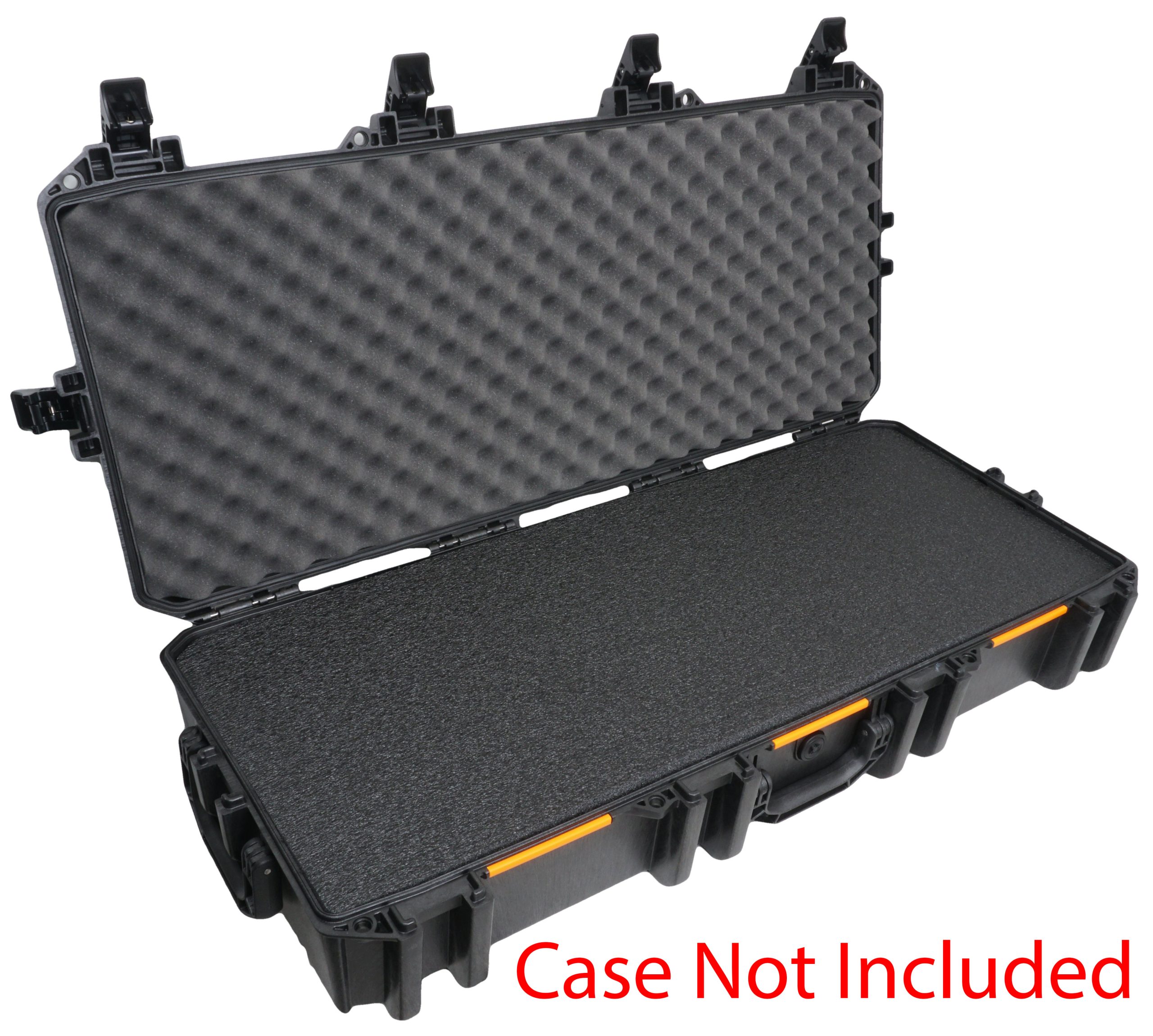
Engineering Guide: Foam For Pelican Vault
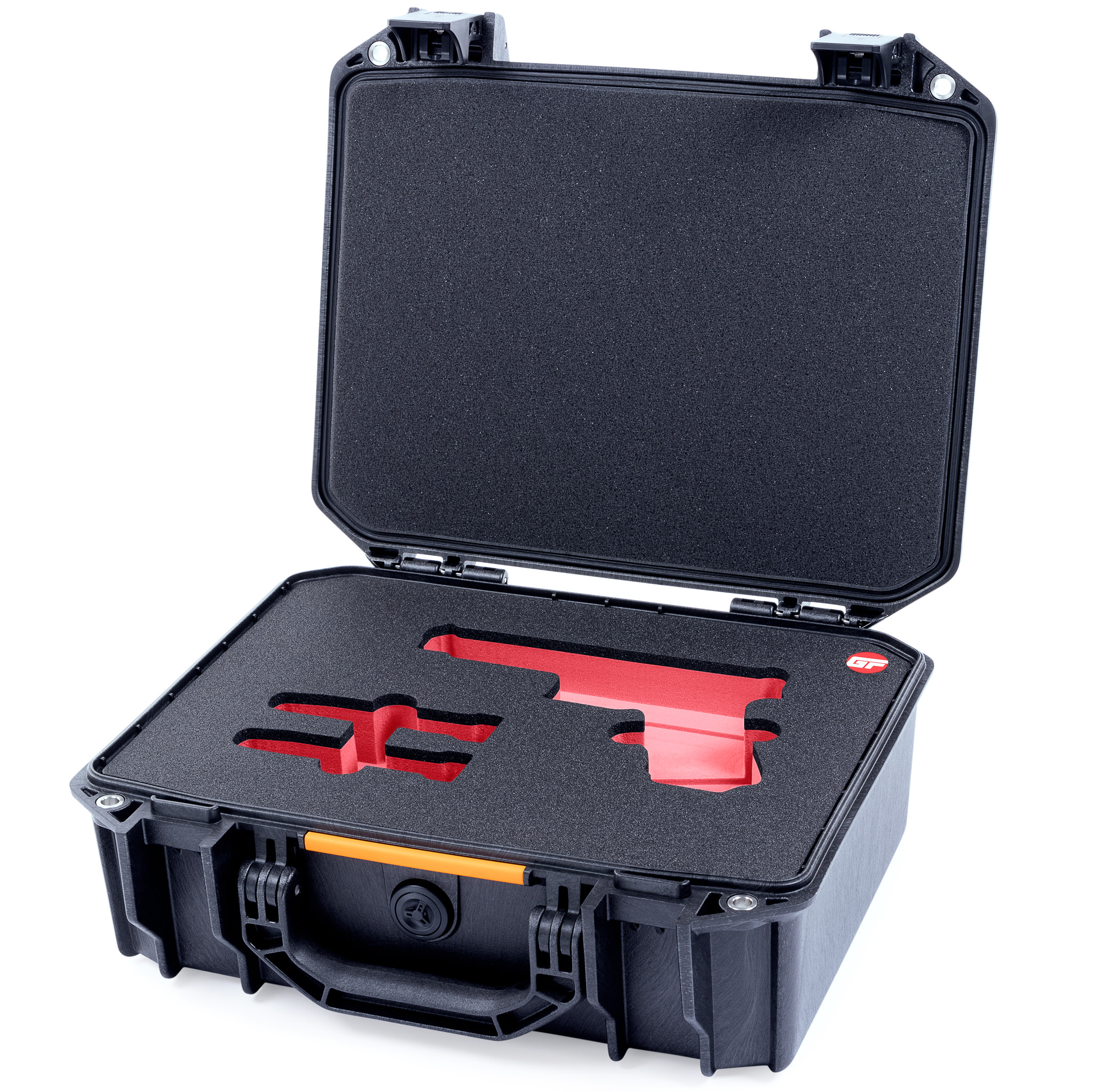
Engineering Insight: Foam for Pelican Vault – The Critical Role of Material Selection
In the design and manufacturing of protective enclosures such as Pelican vaults, the selection of internal cushioning materials—specifically foam—is not merely a secondary consideration but a core engineering decision. These high-performance cases are deployed in mission-critical environments including aerospace, defense, medical device transport, and precision instrumentation, where failure is not an option. Off-the-shelf foam solutions, while cost-attractive and readily available, frequently fail to meet the rigorous demands of such applications due to inadequate material properties, poor environmental resilience, and insufficient customization.
The primary function of foam in a Pelican vault is energy absorption, vibration damping, and environmental sealing. However, generic foams such as standard polyethylene or low-density polyurethane often degrade under thermal cycling, UV exposure, or prolonged compression. They may also outgas volatile organic compounds (VOCs), which is unacceptable in cleanroom or medical applications. Additionally, improper cell structure can lead to poor recovery after impact, resulting in permanent deformation and loss of protective capability.
At Suzhou Baoshida Trading Co., Ltd., our approach begins with a thorough analysis of the end-use environment. We evaluate mechanical stress profiles, temperature ranges, chemical exposure, and required service life. This enables us to engineer foam solutions with tailored closed-cell structures, controlled density gradients, and enhanced cross-linking for superior resilience. For example, cross-linked polyethylene (XLPE) with a density of 96 kg/m³ and a compression set below 10% after 22 hours at 70°C provides exceptional recovery and long-term shape retention—critical for reusable transport systems.
Furthermore, material compatibility with sensitive components must be rigorously assessed. Conductive foams may induce electrostatic discharge (ESD), while certain elastomers can react with metal alloys or optical coatings. Our formulations are tested for non-reactivity and compliance with ISO 10993 and MIL-STD-810 standards, ensuring safety and reliability across diverse operational conditions.
Customization extends beyond material chemistry. Precision die-cutting, multi-layer lamination, and hybrid foam-elastomer composites allow for zonal protection—softer zones for impact absorption, firmer zones for structural support. This level of engineering is unattainable with generic foam inserts.
Ultimately, the performance of a Pelican vault is only as robust as its weakest internal component. Choosing a standardized foam solution risks compromising the integrity of high-value payloads. Partnering with a specialized industrial rubber and foam engineer ensures that every specification is met—not just for today’s application, but for the lifespan of the product.
| Material Property | Standard PE Foam | Engineered XLPE Foam (Baoshida) |
|---|---|---|
| Density (kg/m³) | 25–40 | 96 |
| Compression Set (22h @ 70°C) | 25–40% | <10% |
| Tensile Strength (MPa) | 0.3–0.5 | 1.8 |
| Elongation at Break (%) | 150–200 | 280 |
| Operating Temperature Range | -20°C to +70°C | -40°C to +90°C |
| Cell Structure | Open/Partially Closed | Fully Closed |
| ESD Compliance | No | Optional (10⁵–10⁹ Ω/sq) |
Material Specifications
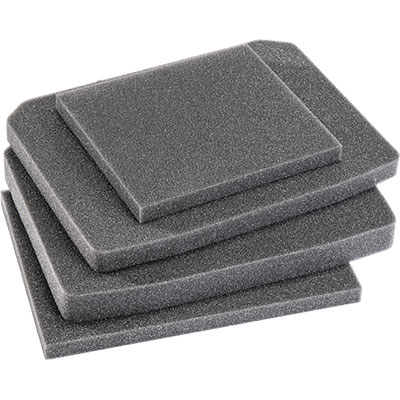
Material Specifications for Pelican Vault Sealing Applications
Suzhou Baoshida Trading Co., Ltd. provides engineered rubber foam solutions optimized for Pelican vault security containers. Precise material selection ensures long-term environmental sealing against dust, moisture, and chemical ingress under rigorous operational conditions. Our formulations adhere to ASTM D2000 and ISO 37 standards, with critical performance parameters detailed below for Viton (FKM), Nitrile (NBR), and Silicone (VMQ) foam variants. Each material addresses distinct environmental challenges while maintaining the compression set resilience required for vault integrity over 10,000+ closure cycles.
Viton foam delivers unparalleled resistance to aggressive chemicals, including jet fuels, hydraulic fluids, and halogenated solvents. Operating effectively from -20°C to 230°C, it maintains seal integrity in aerospace and military vault applications where exposure to aromatic hydrocarbons is unavoidable. Its inherent flame resistance (UL 94 V-0) and low outgassing properties make it indispensable for sensitive electronic storage. However, Viton requires specialized compounding for foam expansion and carries a premium cost structure.
Nitrile foam offers an optimal balance of hydrocarbon resistance and cost efficiency for commercial vault deployments. With a functional range of -30°C to 120°C, it excels in environments exposed to petroleum-based oils and greases. Standard formulations achieve 50-70 Shore A hardness, providing sufficient compressive force for IP67-rated sealing. While inferior to Viton in high-temperature stability, NBR foam’s rapid cure kinetics enable economical high-volume production for OEM partners.
Silicone foam provides the broadest thermal stability, operating continuously from -60°C to 200°C. Its inert composition meets FDA 21 CFR 177.2600 for medical-grade vaults storing pharmaceuticals or biological samples. Exceptional UV and ozone resistance ensures outdoor deployment longevity, though tensile strength remains lower than hydrocarbon-based elastomers. Silicone’s high gas permeability necessitates filler optimization for vacuum-sealed vault compartments.
The following comparative analysis highlights critical specifications for vault seal design:
| Property | Viton (FKM) Foam | Nitrile (NBR) Foam | Silicone (VMQ) Foam |
|---|---|---|---|
| Temperature Range (°C) | -20 to 230 | -30 to 120 | -60 to 200 |
| Compression Set (ASTM D395, 22h/150°C) | ≤15% | 25-35% | 18-25% |
| Tensile Strength (MPa) | 8.0-10.5 | 10.0-14.0 | 5.5-7.5 |
| Specific Gravity | 1.45-1.60 | 1.20-1.35 | 1.10-1.25 |
| Hydrocarbon Resistance | Excellent | Good | Poor |
| Standard Hardness (Shore A) | 60-75 | 50-70 | 40-60 |
Suzhou Baoshida’s OEM engineering team tailors cellular structure density (45-120 kg/m³) and crosslink density to vault closure force requirements. We prioritize low-compression-deflection values (15-35 psi at 25% compression) to ensure user-friendly operation while maintaining leak-tight performance. All materials undergo accelerated aging per ASTM D573 to validate 15-year service life under simulated vault storage conditions. Partner with us to specify the optimal foam compound for your security container’s environmental profile and lifecycle demands.
Manufacturing Capabilities
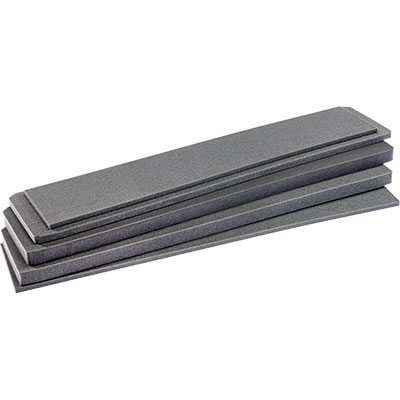
Suzhou Baoshida Trading Co., Ltd. operates at the forefront of industrial rubber solutions, delivering precision-engineered foam components tailored for high-performance applications such as the Pelican vault series. Our engineering capability is anchored in a dedicated team of technical experts, including five specialized mould engineers and two advanced formula engineers, enabling us to provide fully integrated OEM support from concept to production.
Our mould engineers possess extensive experience in designing and optimizing compression, transfer, and injection moulds specifically for closed-cell and open-cell rubber foams. They utilize advanced CAD/CAM software and finite element analysis (FEA) to simulate material flow, predict compression set behavior, and ensure dimensional stability under extreme environmental conditions. This precision ensures that every foam component meets the stringent mechanical and sealing requirements of protective vault enclosures.
Complementing our mould design expertise, our two in-house formula engineers focus exclusively on elastomer compounding for foam applications. They develop custom rubber formulations using EPDM, silicone, neoprene, and NBR, tailored to meet specific performance criteria such as flame resistance, UV stability, compression deflection, and low-temperature flexibility. By controlling the formulation process internally, we ensure batch-to-batch consistency, regulatory compliance (including RoHS and REACH), and full traceability—critical factors in mission-critical OEM deployments.
Our OEM capabilities extend beyond design and formulation to full turnkey manufacturing. We support customers through every phase of development, from initial material selection and prototyping to tooling validation and high-volume production. Our collaborative engineering approach allows for rapid iteration based on environmental testing feedback, ensuring the final foam component delivers optimal sealing, shock absorption, and long-term durability within the Pelican vault system.
All foam solutions are manufactured under ISO 9001-certified processes, with stringent quality control protocols including hardness testing, density measurement, and accelerated aging analysis. We maintain full in-house mixing, moulding, and curing facilities, enabling tight control over production timelines and quality assurance.
The table below outlines key technical specifications achievable with our engineered foam solutions for Pelican vault applications.
| Property | Typical Range | Test Method |
|---|---|---|
| Hardness (Shore A) | 30–80 | ASTM D2240 |
| Density | 0.4–0.9 g/cm³ | ASTM D3574 |
| Compression Deflection (25%) | 3–15 psi | ASTM D575 |
| Tensile Strength | 100–300 psi | ASTM D412 |
| Elongation at Break | 100–300% | ASTM D412 |
| Operating Temperature | -40°C to +150°C | ASTM D832 |
| Compression Set (22h, 70°C) | ≤25% | ASTM D395B |
Through the synergy of advanced material science and precision tooling, Suzhou Baoshida delivers engineered foam solutions that meet the exacting demands of industrial OEM clients. Our technical team ensures every component enhances the performance, reliability, and longevity of the final assembly.
Customization Process
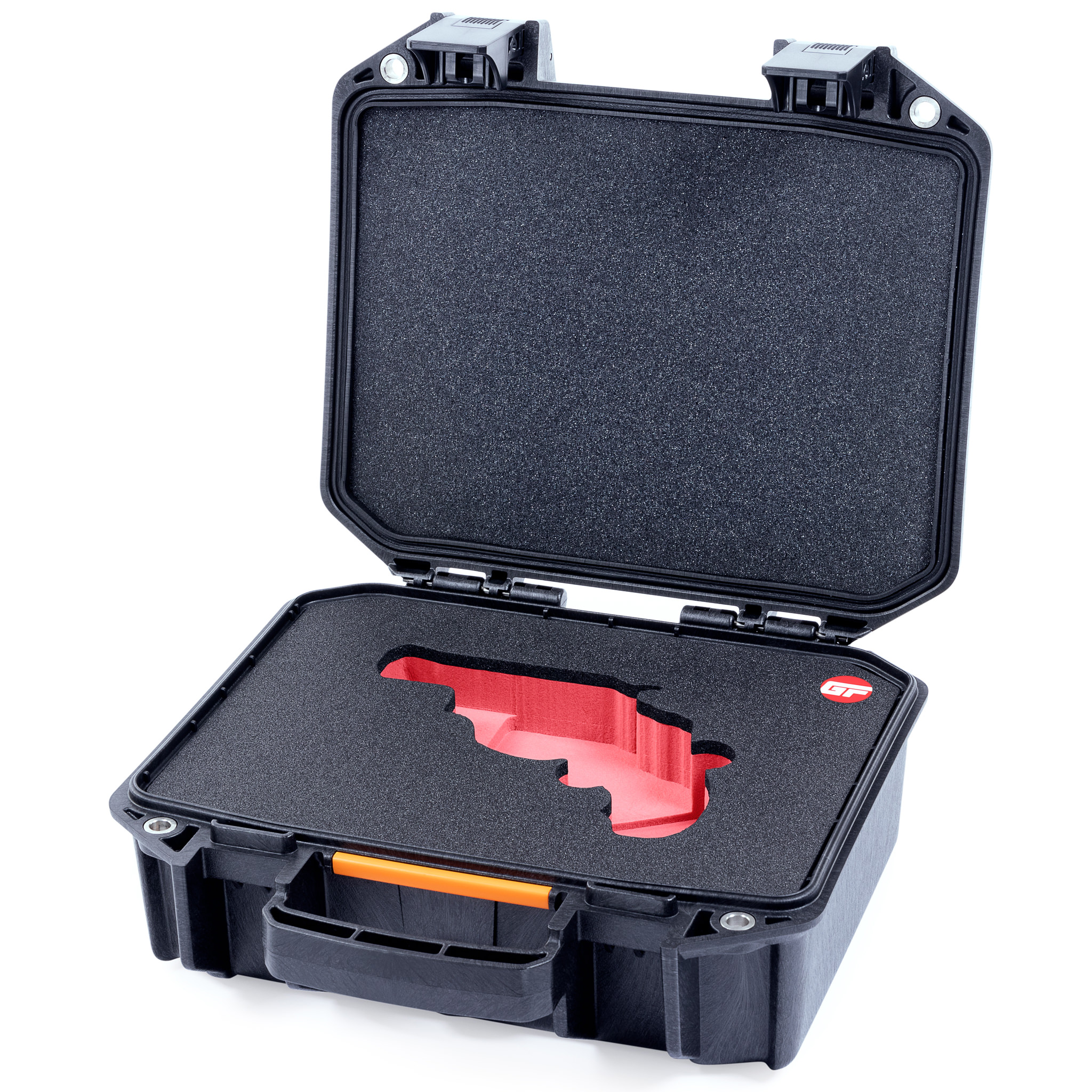
Customization Process for Pelican Vault Protective Foam Solutions
At Suzhou Baoshida Trading Co., Ltd., our industrial rubber engineering team executes a rigorous four-phase customization workflow to deliver precision foam inserts for Pelican vault applications. This process ensures optimal part retention, shock absorption, and environmental resistance while adhering to stringent OEM specifications.
Drawing Analysis
We initiate with comprehensive CAD drawing review, focusing on cavity dimensions, part geometry, and tolerance requirements. Critical parameters such as undercut allowances, wall thickness gradients, and venting needs are quantified. Our engineers cross-reference ISO 2768-mK geometric tolerancing standards with client-specified load cases, identifying potential stress concentration zones. This phase validates feasibility and establishes material performance targets, including minimum compression set thresholds and chemical exposure limits.
Formulation Development
Based on drawing analysis, our rubber compounding laboratory designs a proprietary foam formulation. Key considerations include density optimization for weight-sensitive applications, Shore A hardness calibration (typically 15–45A for Pelican vaults), and closed-cell structure integrity for moisture resistance. We prioritize halogen-free阻燃 (flame-retardant) additives per UL 94 HF-1 standards where required. Formulations are validated through accelerated aging tests simulating 10,000+ compression cycles and exposure to oils, solvents, and UV radiation per ASTM D395 and ISO 188 protocols.
Prototyping & Validation
Pre-production tooling generates functional prototypes using CNC-machined aluminum molds. Each prototype undergoes dimensional verification via CMM (Coordinate Measuring Machine) against original CAD data, with deviations documented per ASME Y14.5. Physical testing includes:
Drop testing per MIL-STD-810H Method 516.8
Coefficient of friction measurement for part insertion force
Thermal cycling between -40°C to +85°C
Client feedback drives iterative refinements until all performance metrics are achieved within ±0.2mm tolerance.
Mass Production Execution
Upon prototype approval, we transition to high-volume manufacturing in our ISO 9001-certified facility. Automated compression molding presses with real-time cavity pressure monitoring ensure batch consistency. Every production lot undergoes 100% visual inspection and statistical sampling for:
Density uniformity (ASTM D3574)
Compression deflection characteristics
Color fastness to ISO 105-B02
Traceability is maintained via laser-etched batch codes, with full material test reports provided.
Critical Foam Performance Specifications
| Property | Test Standard | Target Range (Pelican Vault) | Significance |
|---|---|---|---|
| Density | ASTM D3574 | 90–150 kg/m³ | Weight optimization vs. impact absorption |
| Compression Set (22h) | ASTM D395 | ≤15% | Long-term shape retention |
| Tensile Strength | ISO 1889 | ≥0.8 MPa | Tear resistance during part insertion |
| Closed Cell Content | ISO 1898 | ≥90% | Moisture/chemical barrier integrity |
This systematic approach guarantees foam inserts that withstand extreme field conditions while meeting Pelican’s exacting dimensional and durability requirements. Suzhou Baoshida maintains zero-defect mass production through embedded statistical process control, ensuring every vault component performs to specification across its operational lifecycle.
Contact Engineering Team
For industrial manufacturers seeking high-performance foam solutions tailored to secure transit and storage applications, Suzhou Baoshida Trading Co., Ltd. delivers precision-engineered rubber and foam materials designed for demanding environments. Our specialty in industrial rubber solutions positions us as a trusted partner for OEMs and system integrators requiring durable, shock-absorbing, and chemically resistant foam components—particularly for applications such as Pelican vaults, where protection, dimensional stability, and long-term reliability are non-negotiable.
Our engineered foam materials are formulated to meet rigorous performance standards, including resistance to compression set, temperature extremes, UV exposure, and mechanical fatigue. Whether you require closed-cell ethylene propylene diene monomer (EPDM), neoprene (CR), or silicone-based foams, our formulations are customized to your application’s thermal, mechanical, and environmental requirements. We understand that Pelican vaults—used in defense, aerospace, medical, and industrial sectors—demand more than generic foam padding. They require precision die-cut inserts, custom density profiles, and materials that maintain integrity under repeated use and extreme conditions.
Suzhou Baoshida combines advanced compounding expertise with strict quality control protocols to ensure every foam component meets exact dimensional and performance tolerances. Our manufacturing process includes computer-aided die cutting, CNC waterjet profiling, and multi-layer lamination, enabling us to produce complex geometries and multi-density inserts with tight repeatability. All materials are tested in-house for compression deflection, tensile strength, elongation, and aging resistance per ASTM and ISO standards.
Below is a representative specification table for one of our standard high-performance foam formulations commonly used in Pelican-style protective cases:
| Property | Test Method | Typical Value |
|---|---|---|
| Material Type | — | Closed-Cell EPDM Foam |
| Density | ASTM D3574 | 0.032 lb/in³ (880 kg/m³) |
| Hardness (Shore A) | ASTM D2240 | 45 ± 5 |
| Tensile Strength | ASTM D412 | 18 psi (124 kPa) |
| Elongation at Break | ASTM D412 | 150% |
| Compression Set (22h, 70°C) | ASTM D395 | ≤ 20% |
| Operating Temperature Range | — | -40°C to +100°C |
| Flame Resistance | UL 94 | HB Rated |
| Water Absorption (24h) | ASTM D3574 | < 3% |
| Custom Colors & Textures | — | Available |
All formulations are customizable to meet specific OEM requirements, including conductivity, static dissipation, and FDA/USP Class VI compliance for sensitive applications.
To discuss your foam requirements for Pelican vaults or other protective enclosures, contact Mr. Boyce, OEM Account Manager at Suzhou Baoshida Trading Co., Ltd. Direct technical collaboration ensures optimal material selection, prototyping support, and scalable production planning. Reach Mr. Boyce at [email protected] for a detailed consultation, material samples, or engineering data sheets. Partner with a leader in industrial rubber solutions—where precision, performance, and reliability define every product.
⚖️ O-Ring Weight Calculator
Estimate rubber O-ring weight (Approx).