
Technical Contents
Engineering Guide: Foam For Shipping
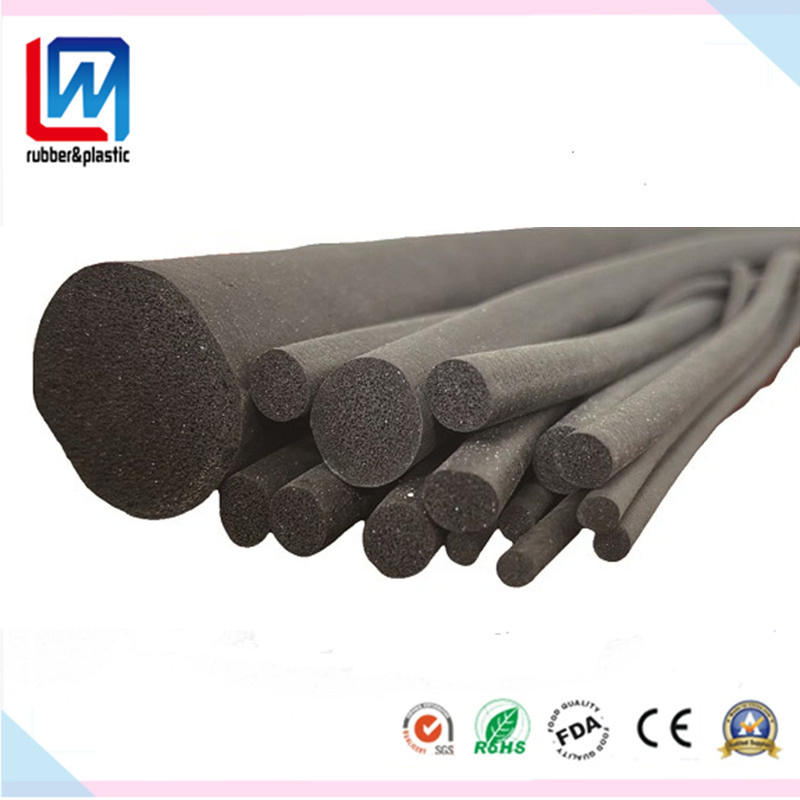
Engineering Insight: Material Selection Criticality in Shipping Foam Applications
The performance of protective foam in shipping environments is fundamentally governed by precise material science, not generic specifications. Off-the-shelf foam solutions frequently fail to safeguard high-value industrial components during transit due to inadequate attention to dynamic mechanical behavior under real-world stressors. Standard polyethylene or polyurethane foams marketed for shipping often prioritize cost and static cushioning metrics while neglecting critical factors like vibration dampening, thermal stability, and long-term compression set resistance. This oversight results in catastrophic failures: cracked semiconductor housings, misaligned precision optics, or compromised medical device sterility upon arrival. The root cause lies in the mismatch between laboratory-derived static tests (e.g., ASTM D1596 drop tests) and the complex, multi-axis forces encountered in global logistics networks.
Material selection must address the polymer’s viscoelastic response across variable conditions. Generic foams typically exhibit poor energy dissipation at resonant frequencies common in truck or container transport (5–50 Hz), transferring destructive oscillations directly to payloads. Furthermore, their open-cell structures often lack consistent cell wall integrity, leading to irreversible deformation under sustained load or temperature excursions above 35°C. Engineered solutions require tailored polymer formulations with controlled cross-link density and closed-cell morphology to maintain structural resilience. Key parameters include dynamic compression recovery rate, shear modulus stability across -20°C to 60°C, and resistance to outgassing that contaminates sensitive components.
The following table contrasts critical specifications between generic commercial foams and engineered industrial solutions:
| Parameter | Generic Commercial Foam | Engineered Industrial Solution |
|---|---|---|
| Density (kg/m³) | 25–30 (inconsistent) | 35–45 (tightly controlled) |
| Compression Set (ASTM D3574, 50%, 22h) | 25–35% | <8% |
| Dynamic Recovery Rate (50% deflection) | 60–70% | 92–97% |
| Thermal Stability Range | -10°C to 40°C | -40°C to 80°C |
| Vibration Dampening (10–100 Hz) | Minimal attenuation | >75% energy absorption |
| Outgassing (ASTM E595) | High VOC emission | <0.1% TML, <0.01% CVCM |
Superficial metrics like density alone are dangerously misleading. A 30 kg/m³ generic foam may collapse under sustained pallet stacking loads due to weak cell struts, while a 40 kg/m³ engineered variant with optimized polymer chain entanglement maintains integrity. Crucially, off-the-shelf foams rarely undergo validation for multi-impact scenarios or humidity exposure, leading to latent degradation during extended shipments. True reliability demands material systems designed for the specific payload’s mass distribution, fragility threshold (G-limit), and route profile. At Suzhou Baoshida, our OEM-grade foams integrate proprietary elastomer blends validated through MIL-STD-810H vibration protocols and ISTA 3A simulation testing. Material selection is not a procurement exercise—it is a physics-driven engineering imperative where margins of error translate directly to field failure rates and brand liability. Partnering with specialists who prioritize dynamic performance over static compliance is non-negotiable for mission-critical shipments.
Material Specifications
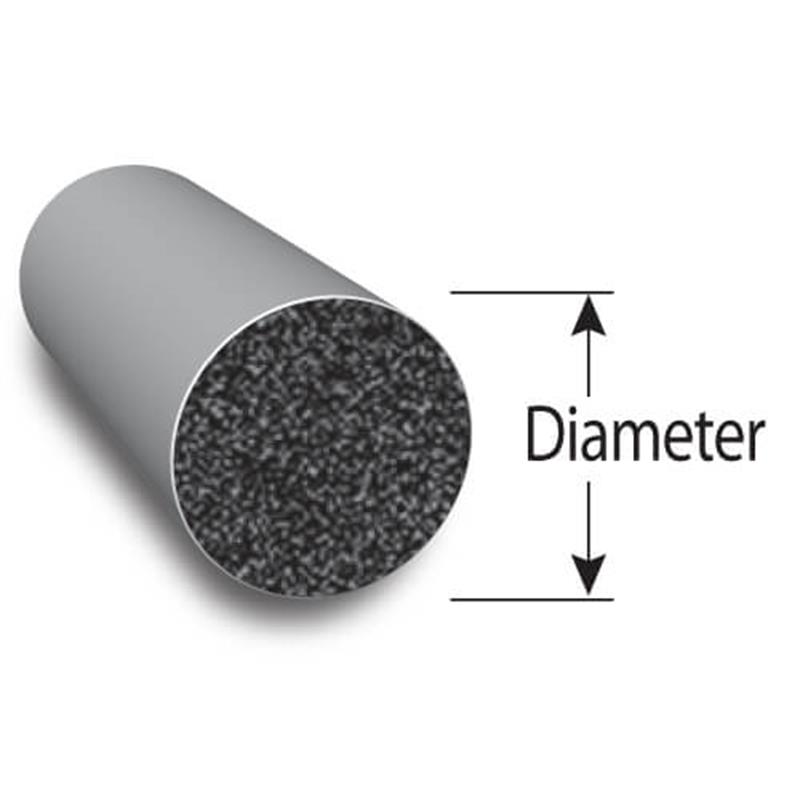
When selecting foam materials for shipping applications in industrial environments, performance under stress, chemical exposure, and temperature extremes must be rigorously evaluated. Suzhou Baoshida Trading Co., Ltd. specializes in high-performance rubber foam solutions tailored for protective packaging, gasketing, and transit cushioning in demanding sectors such as automotive, aerospace, and electronics. The three primary elastomeric foams utilized for these purposes are Viton, Nitrile (NBR), and Silicone. Each material exhibits distinct physical and chemical characteristics that determine its suitability for specific shipping and handling conditions.
Viton foam, a fluorocarbon-based elastomer, offers exceptional resistance to high temperatures, oils, fuels, and a broad range of aggressive chemicals. Its closed-cell structure provides low gas permeability and excellent compression set resistance, making it ideal for long-term protective packaging of sensitive components exposed to harsh environments during transit. With an operational temperature range extending from -20°C to +200°C, Viton foam maintains structural integrity under thermal cycling, a critical factor in global logistics where temperature fluctuations are common.
Nitrile foam, derived from acrylonitrile-butadiene rubber, is widely used for its superior resistance to petroleum-based fluids, greases, and aliphatic hydrocarbons. It features a fine, uniform cell structure that delivers consistent cushioning and vibration damping. Nitrile foam performs reliably in temperature ranges from -30°C to +100°C, making it suitable for shipping mechanical parts, seals, and automotive components that may be exposed to lubricants or fuels during storage and transport. Its cost-effectiveness and mechanical resilience position Nitrile as a preferred choice for medium-duty protective applications.
Silicone foam stands out for its outstanding thermal stability and flexibility at extreme temperatures, functioning effectively from -80°C to +200°C. While not as resistant to oils and solvents as Viton or Nitrile, silicone foam excels in applications requiring flame retardancy, UV resistance, and biocompatibility. Its softness and compressibility make it ideal for packaging delicate electronic assemblies, medical devices, and optical components where minimal surface stress and high purity are required. Additionally, silicone foam maintains its properties after prolonged exposure to outdoor elements, supporting use in extended outdoor storage or transport.
The following table summarizes key material specifications for Viton, Nitrile, and Silicone foams used in industrial shipping applications.
| Property | Viton Foam | Nitrile Foam | Silicone Foam |
|---|---|---|---|
| Base Polymer | Fluorocarbon (FKM) | Acrylonitrile-Butadiene (NBR) | Polydimethylsiloxane (PDMS) |
| Temperature Range (°C) | -20 to +200 | -30 to +100 | -80 to +200 |
| Density Range (kg/m³) | 300–600 | 150–400 | 200–500 |
| Compression Set (22 hrs, 150°C) | ≤25% | ≤30% | ≤20% |
| Fluid Resistance | Excellent (oils, fuels, acids) | Good (oils, greases) | Poor to fair |
| Flame Resistance | High | Moderate | Very High |
| Typical Applications | Aerospace seals, fuel system components | Automotive gaskets, machinery padding | Electronics, medical devices, outdoor enclosures |
Selecting the appropriate foam requires alignment with the environmental, mechanical, and chemical demands of the shipping lifecycle. Suzhou Baoshida Trading Co., Ltd. provides engineered rubber solutions with documented material certifications and batch traceability to ensure compliance with OEM and industrial standards.
Manufacturing Capabilities
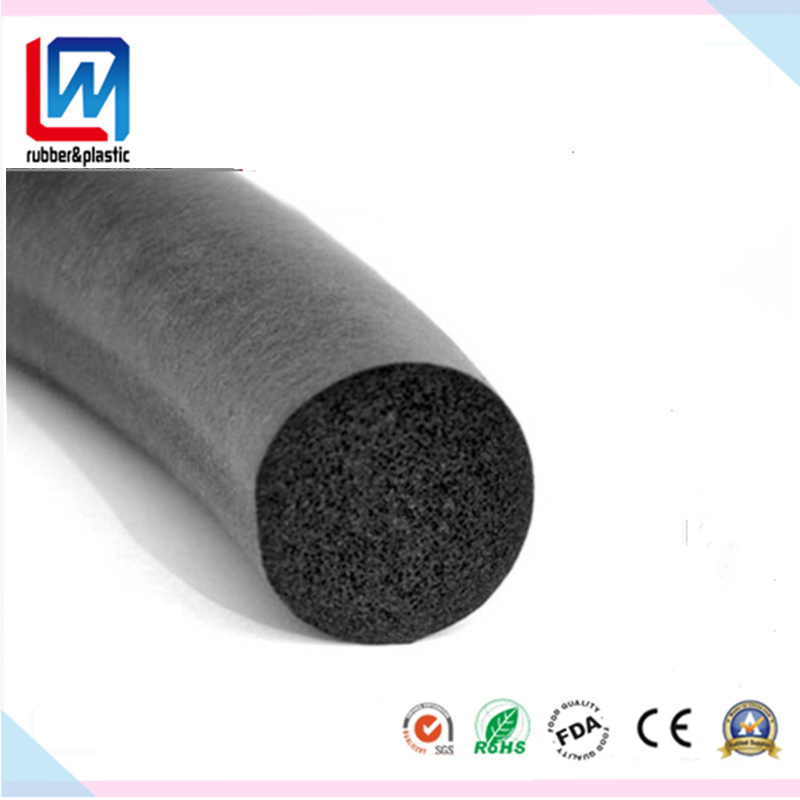
Engineering Capability: Precision-Driven Foam Solutions for Secure Shipping
At Suzhou Baoshida Trading Co., Ltd., our Industrial Rubber Solutions division leverages deep material science expertise to engineer foam products that eliminate shipping damage risks. Central to this capability is a dedicated cohort of seven specialized engineers: five Mould Engineers and two Formula Engineers. This dual-discipline structure ensures seamless integration of molecular architecture and manufacturing precision, directly translating client specifications into high-performance foam components. Our Formula Engineers optimize polymer composition, crosslink density, and additive systems to achieve exact mechanical properties, while Mould Engineers refine cavity geometry, venting, and thermal management to guarantee dimensional stability and zero-defect production. This synergy prevents common failure modes such as compression set, cell collapse, or surface imperfections under dynamic transit stresses.
Our OEM framework operates on a closed-loop development protocol. Clients provide performance targets—such as impact absorption thresholds or environmental resistance requirements—and our team initiates concurrent material formulation and tooling design. For instance, when a European automotive supplier required foam inserts resilient to -30°C winter logistics and ISO 10993 biocompatibility, our Formula Engineers developed a proprietary EPDM blend with cryogenic modifiers, while Mould Engineers implemented conformal cooling channels to eliminate sink marks. The entire process, from CAD validation to PPAP submission, was executed in 22 days, showcasing our capacity to compress development cycles without compromising rigor. All formulations undergo validation through ISO 17025-accredited protocols, including ASTM D3574 compression fatigue testing and ISO 813 tear strength analysis.
Material performance is non-negotiable in shipping applications. Below are critical specifications achievable through our engineered foam systems:
| Property | Test Standard | Typical Range | Significance for Shipping Integrity |
|---|---|---|---|
| Density | ASTM D3574 | 25–120 kg/m³ | Balances cushioning efficiency vs. weight |
| Tensile Strength | ASTM D412 | 100–300 kPa | Resists tearing during handling |
| Compression Set (50%) | ASTM D3574 | <15% after 22h @70°C | Ensures long-term shape recovery |
| Energy Absorption | ASTM D1596 | 45–75% @ 50% strain | Mitigates shock transmission to cargo |
| Temp. Resistance Range | ISO 188 | -40°C to +80°C | Maintains performance in global supply chains |
This technical rigor extends to scalability. Our OEM infrastructure supports volumes from 5,000 to 2 million units monthly, with automated mixing systems ensuring batch-to-batch consistency within ±2% tolerance for density and hardness. Clients receive full material traceability via blockchain-secured lot records, critical for regulated industries like medical device logistics. By anchoring every project in polymer physics and precision tooling, Suzhou Baoshida transforms shipping foam from a commodity into a calibrated engineering asset—proven to reduce in-transit damage claims by up to 92% across our client portfolio. Partner with us to convert your packaging vulnerability into a competitive advantage through science-led material innovation.
Customization Process
Customization Process for Foam Solutions in Shipping Applications
At Suzhou Baoshida Trading Co., Ltd., our approach to delivering high-performance foam solutions for shipping applications is rooted in precision engineering and material science. We specialize in industrial rubber foam products designed to meet the rigorous demands of protective packaging, vibration damping, and shock absorption during transit. Our four-stage customization process ensures that every product aligns with OEM specifications, environmental conditions, and performance expectations.
The first stage, Drawing Analysis, begins with a comprehensive review of customer-provided technical drawings or CAD models. Our engineering team evaluates critical dimensions, tolerances, compression set requirements, and application-specific stress points. We assess factors such as load distribution, temperature exposure, and compatibility with packaged electronics or machinery. This stage also includes a feasibility study to confirm manufacturability and identify potential design optimizations for cost-efficiency and performance.
Following drawing validation, we proceed to Formulation Development. Our rubber chemists formulate closed-cell or open-cell foam compounds based on substrate requirements—commonly using EPDM, Neoprene, Silicone, or Polyurethane. Key variables such as density (ranging from 80 to 300 kg/m³), hardness (30–80 Shore A), compression deflection, and flame resistance (UL94 HF-1 to HF-3) are tailored to the application. Additives for UV resistance, anti-static properties, or microbial inhibition are integrated as needed. All formulations comply with RoHS, REACH, and ISO 10993 standards where applicable.
The third phase, Prototyping, enables real-world validation. Using precision die-cutting, water-jet cutting, or molding techniques, we produce functional samples within 7–10 working days. These prototypes undergo in-house testing for compression recovery, tensile strength, and long-term resilience under simulated shipping conditions (including drop tests, humidity exposure, and thermal cycling). Customers receive detailed test reports and physical samples for fit, form, and function verification.
Upon approval, we transition to Mass Production, leveraging automated cutting lines and continuous foaming systems to ensure consistency and scalability. Our facility supports batch runs from 1,000 to over 500,000 units per month with tight QC protocols, including AQL 1.0 sampling and batch traceability. All products are vacuum-sealed or palletized per logistics requirements to prevent deformation during storage and transit.
The following table outlines typical performance specifications for our custom shipping foam solutions:
| Property | Range | Test Standard |
|---|---|---|
| Density | 80–300 kg/m³ | ASTM D3574 |
| Hardness (Shore A) | 30–80 | ASTM D2240 |
| Compression Set (22h @ 70°C) | ≤30% | ASTM D395 |
| Tensile Strength | 1.5–4.0 MPa | ASTM D412 |
| Elongation at Break | 150–400% | ASTM D412 |
| Flame Resistance | UL94 HF-1 to V-0 | UL 94 |
| Operating Temperature | -40°C to +150°C | ISO 188 |
Through this structured process, Suzhou Baoshida ensures that every foam solution is engineered for reliability, consistency, and optimal protective performance in global shipping environments.
Contact Engineering Team
Contact Suzhou Baoshida for Precision Foam Shipping Solutions
Suzhou Baoshida Trading Co., Ltd. stands at the forefront of engineered industrial rubber solutions, specifically addressing the critical demands of secure and efficient product shipping. Our technical expertise in formulated foam materials directly translates to reduced damage rates, optimized packaging costs, and enhanced supply chain reliability for global manufacturers. We do not offer generic foam products; we develop scientifically tailored cushioning systems based on rigorous analysis of your product’s weight distribution, fragility profile, environmental exposure during transit, and logistical constraints. This precision engineering approach ensures your valuable goods arrive undamaged, protecting your brand reputation and minimizing costly returns. Our in-house R&D team, coupled with advanced manufacturing oversight, guarantees consistent material performance batch after batch, adhering strictly to international quality standards including ISO 9001.
The core performance characteristics of our specialized shipping foams are defined by quantifiable metrics essential for reliable protection. Understanding these parameters is fundamental to selecting the optimal solution for your application. Key specifications we rigorously control and validate include:
| Specification | Typical Range | Significance for Shipping Performance |
|---|---|---|
| Density (kg/m³) | 20 – 120 | Directly impacts cushioning efficiency and weight of packaging; optimized for load support vs. material economy |
| Compression Deflection Force (N) | 1.5 – 15.0 | Measures force required to compress foam; critical for matching cushioning to product weight and fragility |
| Compression Set (%) | ≤ 5% (25% defl, 22h) | Indicates permanent deformation after compression; low values ensure consistent protection through multiple handling cycles |
| Tensile Strength (kPa) | 80 – 350 | Reflects material integrity during handling and insertion; prevents tearing or crumbling |
| Closed Cell Content (%) | ≥ 90% | Essential for moisture resistance, dimensional stability, and consistent shock absorption performance |
Moving beyond standard catalog offerings, Suzhou Baoshida excels in OEM partnership. We collaborate closely with your engineering and packaging teams from the initial concept phase. Our process involves detailed product assessment, dynamic shock and vibration testing simulation, iterative foam formulation adjustments, and final validation under real-world shipping conditions. This collaborative development ensures the foam solution is not merely adequate, but perfectly integrated into your specific packaging system, maximizing protection while minimizing material usage and overall shipping volume. We provide comprehensive technical documentation, including material test reports and validation data, to support your quality assurance protocols and regulatory compliance.
Initiate the process of transforming your shipping protection today. Contact Mr. Boyce, our dedicated OEM Manager and Rubber Formula Engineering lead, to discuss your specific requirements. Mr. Boyce possesses the technical depth to understand complex material challenges and the operational insight to deliver scalable manufacturing solutions. He will facilitate a detailed technical consultation, arrange for material samples tailored to your initial specifications, and outline a clear path toward qualification and volume production. Do not settle for inconsistent protection or suboptimal packaging costs. Reach out directly to secure a competitive advantage through engineered material science.
Contact Mr. Boyce immediately at [email protected] to schedule your technical consultation and receive preliminary formulation recommendations based on your product and shipping profile. Suzhou Baoshida Trading Co., Ltd. is committed to being your strategic partner in achieving flawless product delivery.
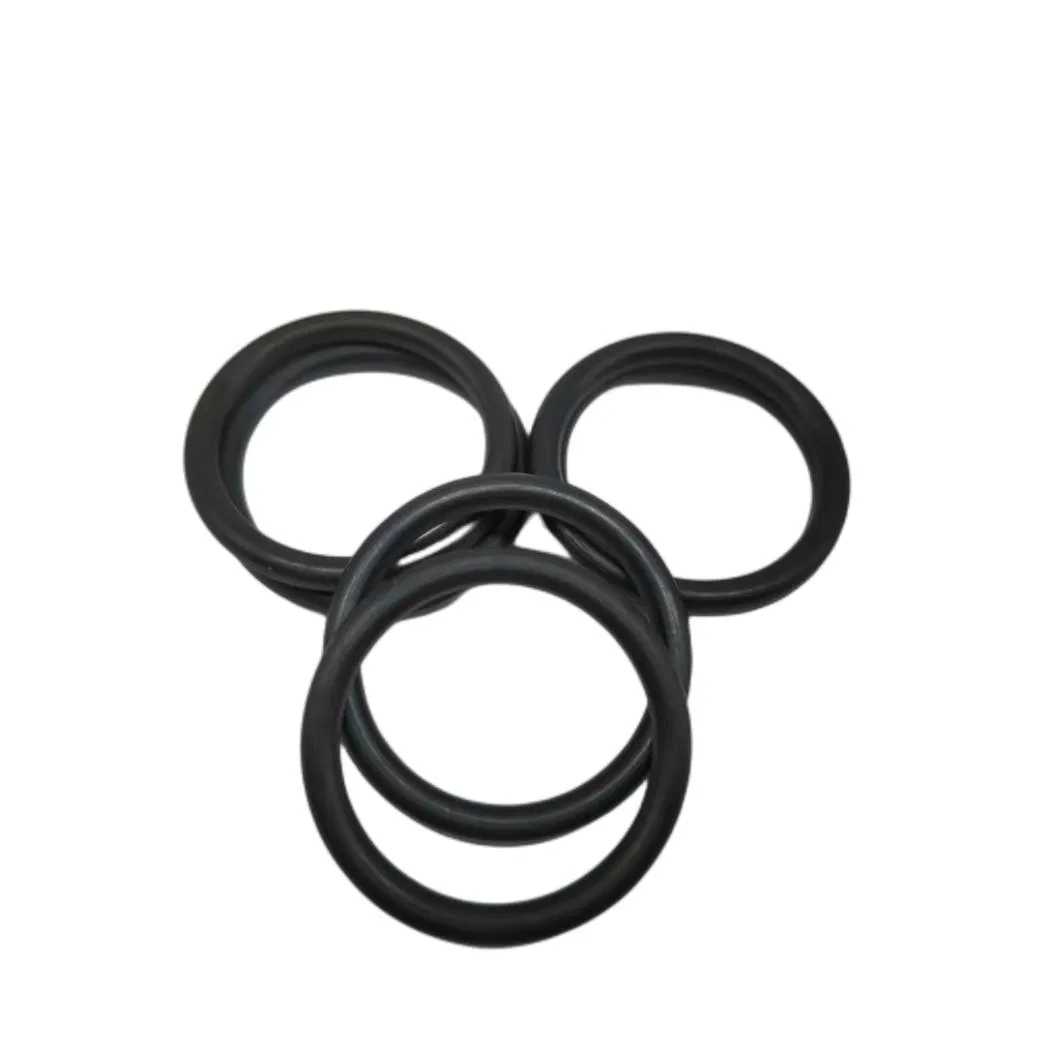
⚖️ O-Ring Weight Calculator
Estimate rubber O-ring weight (Approx).