
Technical Contents
Engineering Guide: Foam Package
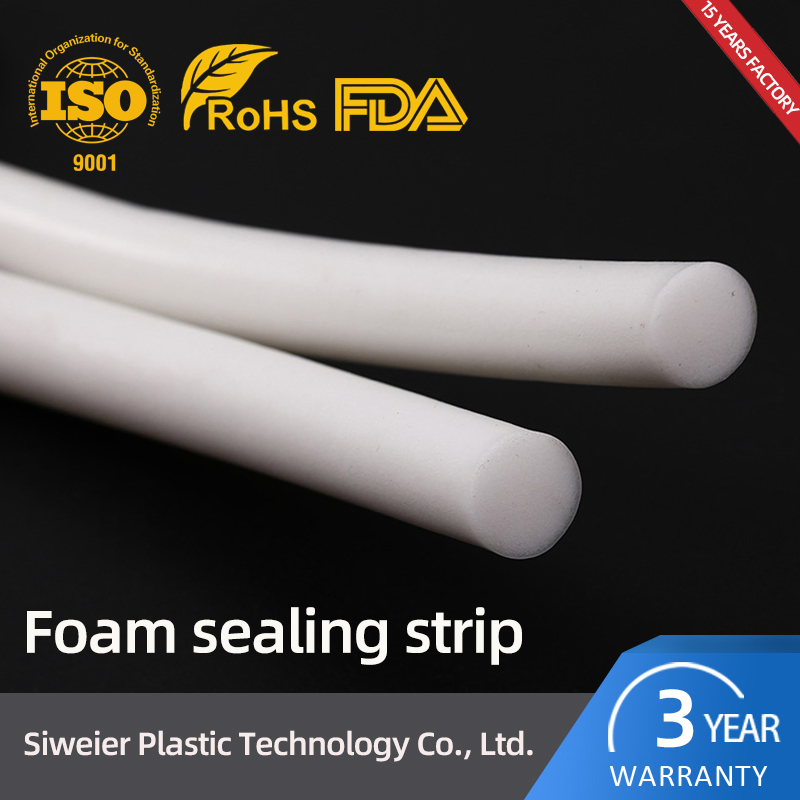
Engineering Insight: Material Selection Criticality in Foam Packaging Systems
Standardized foam packaging solutions present significant risks for industrial shipments requiring precision protection. Off-the-shelf polyethylene or polyurethane foams frequently fail under demanding logistics conditions due to inherent material limitations unaddressed by generic formulations. These failures manifest as product damage from inadequate shock absorption, compression set during extended storage, or degradation from environmental exposure—directly impacting client yield rates and brand reputation. The root cause lies in the absence of tailored material science addressing specific load profiles, environmental variables, and product sensitivity.
Industrial foam performance hinges on precise control of polymer backbone architecture, crosslink density, and cellular morphology. Generic foams utilize fixed formulations optimized for cost and broad applicability, not the nuanced requirements of sensitive electronics, medical devices, or aerospace components. For instance, a standard 25 kg/m³ polyethylene foam may exhibit acceptable initial cushioning but suffers rapid compression set above 40°C, rendering it ineffective for shipments traversing tropical climates. Similarly, unmodified polyurethanes lack chemical resistance against outgassed volatiles from certain components, leading to material embrittlement and loss of protective function. The viscoelastic response—the critical balance between energy dissipation and recovery—must be engineered to match the resonant frequencies of the protected item and anticipated vibration spectra during transport. Off-the-shelf options cannot achieve this synchronization.
Material selection must rigorously evaluate dynamic load conditions beyond static weight. Key parameters include peak deceleration forces during drops, sustained compressive loads in palletized stacks, and harmonic vibrations inherent in rail or ocean freight. Failure occurs when foam density, modulus, and hysteresis are mismatched to these parameters. A foam too soft transmits damaging high-frequency vibrations; one too rigid transmits shock energy without adequate dissipation. Temperature excursions further alter polymer chain mobility, drastically shifting performance curves outside the narrow range assumed by generic suppliers.
The following table contrasts critical performance parameters between standardized and engineered foam solutions:
| Property | Off-the-Shelf Foam | Engineered Foam Solution |
|---|---|---|
| Density Range | Fixed (e.g., 20-30 kg/m³) | Custom (15-120 kg/m³) |
| Compression Set (50%, 70°C, 22h) | >35% (Failure risk) | <15% (Guaranteed recovery) |
| Operational Temp Range | -10°C to +60°C | -40°C to +120°C (Custom) |
| Chemical Resistance | Limited (Hydrocarbons fail) | Formulated for specific agents |
| Vibration Damping (10-200Hz) | Non-optimized | Tuned to product resonance |
Suzhou Baoshida Trading Co., Ltd. rejects the one-size-fits-all approach. Our engineering process begins with rigorous analysis of the client’s product dynamics, supply chain environment, and failure history. We then formulate closed-cell elastomeric foams—often EPDM, silicone, or specialty polyurethanes—with precisely controlled cell structure, additives for UV/chemical resistance, and viscoelastic properties mapped to the specific shock and vibration profile. This scientific methodology ensures the foam package functions as an integrated component of the product’s reliability system, not merely a passive wrapper. The result is demonstrable reduction in in-transit damage, validated through ISTA-certified testing protocols aligned with actual distribution cycles. Precision-engineered foam is not a cost center; it is a critical investment in supply chain integrity.
Material Specifications
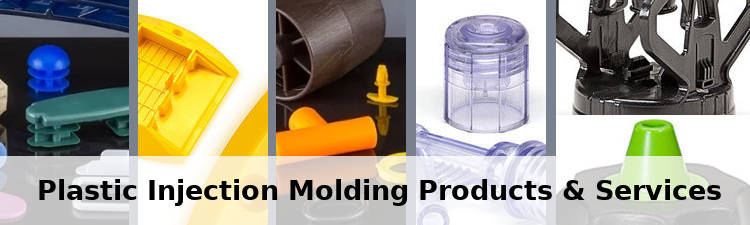
The selection of elastomeric materials for foam packaging in industrial applications requires a precise understanding of chemical resistance, thermal stability, compression set, and mechanical performance. At Suzhou Baoshida Trading Co., Ltd., our foam package solutions are engineered to meet rigorous OEM standards, ensuring long-term reliability in sealing, cushioning, and environmental isolation. We specialize in closed-cell and open-cell foam formulations derived from three high-performance elastomers: Viton (FKM), Nitrile (NBR), and Silicone (VMQ). Each material offers distinct advantages tailored to specific operational environments, from automotive and aerospace to semiconductor and chemical processing industries.
Viton foam packages deliver exceptional resistance to high temperatures, hydrocarbons, oils, and aggressive chemicals. With continuous service capabilities up to 200°C and short-term exposure tolerance exceeding 250°C, Viton is the preferred choice for extreme environments. Its low gas permeability and outstanding aging characteristics make it ideal for critical sealing applications where failure is not an option. However, Viton foam tends to be more rigid and less compressible than alternatives, which may affect sealing performance in low-force assemblies.
Nitrile foam offers a balanced performance profile with excellent resistance to oils, fuels, and aliphatic hydrocarbons. It is widely used in automotive and industrial machinery applications due to its cost-effectiveness and reliable mechanical properties. Nitrile foam packages typically operate within a temperature range of -30°C to 100°C, with some formulations extending to 120°C. While not as chemically resistant as Viton, Nitrile provides superior abrasion resistance and compression recovery in dynamic sealing scenarios. It is also more flexible and easier to fabricate, making it suitable for complex gasketing and impact-absorbing designs.
Silicone foam is distinguished by its wide operating temperature range (-60°C to 200°C), excellent UV and ozone resistance, and superior flexibility at low temperatures. It is commonly selected for applications requiring electrical insulation, medical compliance, or exposure to outdoor environments. Silicone foam exhibits good resistance to water and oxygen-based fluids but performs poorly in hydrocarbon-rich environments. Its softness and high compressibility make it ideal for low-stress sealing and thermal insulation in sensitive electronics and HVAC systems.
The following table summarizes key physical and chemical properties of these materials in foam form, enabling informed selection based on application demands.
| Property | Viton (FKM) Foam | Nitrile (NBR) Foam | Silicone (VMQ) Foam |
|---|---|---|---|
| Temperature Range (°C) | -20 to 200 (up to 250 short-term) | -30 to 100 (120 peak) | -60 to 200 |
| Density (kg/m³) | 300–600 | 250–500 | 200–450 |
| Compression Set (22h, 150°C) | ≤25% | ≤30% | ≤20% |
| Tensile Strength (MPa) | 5–10 | 4–8 | 3–6 |
| Elongation at Break (%) | 150–250 | 180–300 | 200–400 |
| Fluid Resistance | Excellent (oils, fuels, acids) | Good (oils, water, fuels) | Poor (hydrocarbons), Good (water, ozone) |
| Hardness (Shore A) | 40–80 | 30–70 | 20–60 |
Material selection must consider not only performance metrics but also cost, regulatory compliance, and manufacturing scalability. Suzhou Baoshida Trading Co., Ltd. supports OEM partners with material testing, prototyping, and full-scale production to ensure optimal integration of foam package solutions into demanding industrial systems.
Manufacturing Capabilities
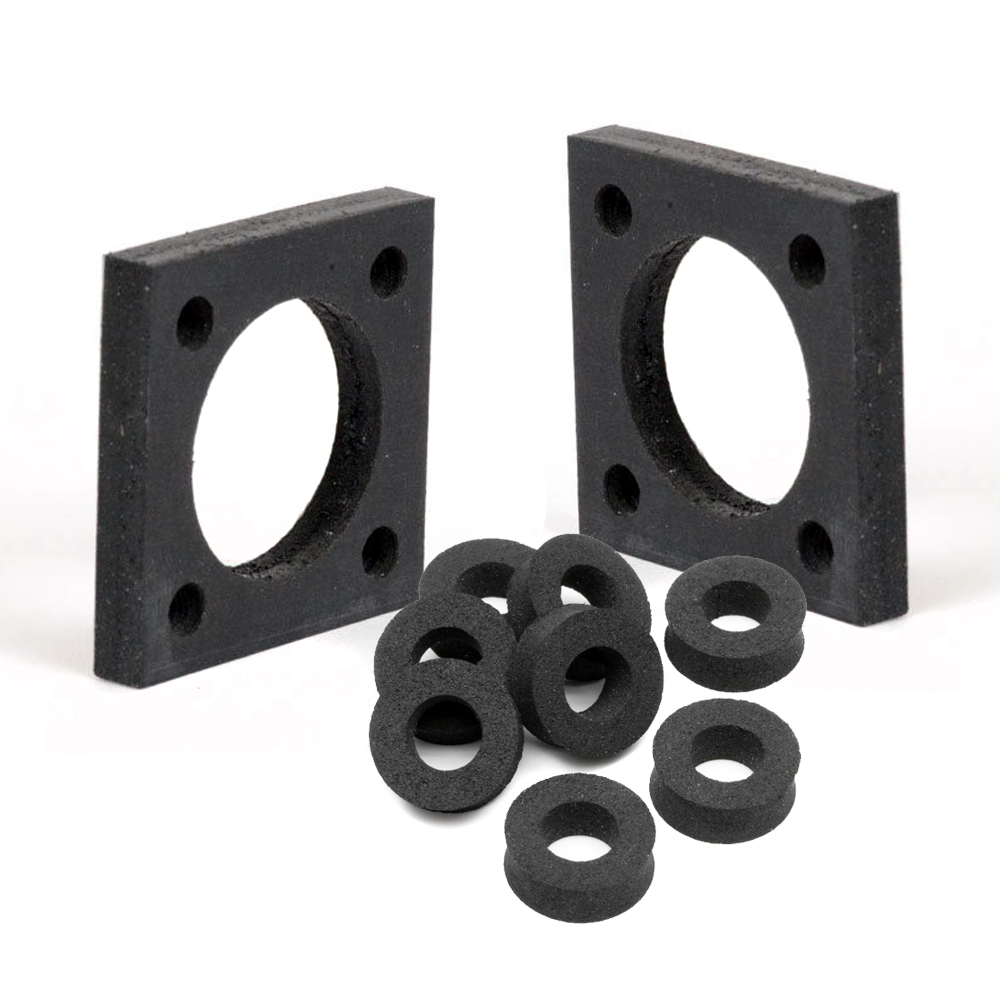
Engineering Capability: Precision Foam Package Development
Suzhou Baoshida Trading Co., Ltd. delivers engineered cellular rubber solutions through integrated formula science and mould design expertise. Our dedicated team of 5 Mould Engineers and 2 Rubber Formula Engineers operates as a unified unit, ensuring seamless translation of material properties into production-ready components. This cross-functional structure eliminates siloed development, directly addressing critical failure points in foam package performance such as compression set deviation, cell structure instability, and thermal degradation. Our engineers co-develop formulations and tooling parameters concurrently, leveraging finite element analysis (FEA) to simulate curing dynamics and predict dimensional stability under operational stress. This methodology reduces prototyping cycles by 40% compared to industry benchmarks while achieving ±0.15mm tolerance consistency in complex geometries.
Material innovation forms the core of our foam package capability. Our Formula Engineers specialize in customizing EPDM, silicone, and neoprene cellular compounds for specific OEM requirements, manipulating blowing agent chemistry, crosslink density, and filler dispersion to achieve target properties. Concurrently, Mould Engineers optimize cavity design, venting systems, and temperature zoning to prevent scorch, shrinkage, or cell collapse during vulcanization. This synergy ensures that every foam package meets stringent application demands—from automotive HVAC seals requiring -40°C to 150°C resilience to medical device gaskets demanding USP Class VI biocompatibility.
The following table illustrates key performance parameters achievable through our engineered approach versus standard industry offerings:
| Specification | Industry Standard | Baoshida Engineered Foam Package | Testing Method |
|---|---|---|---|
| Compression Set (22h/70°C) | ≤ 35% | ≤ 18% | ASTM D395 Method B |
| Density Range (kg/m³) | 300–600 | 150–800 (customizable) | ASTM D3574 Test A |
| Tensile Strength (MPa) | 0.8–1.5 | 1.2–3.0 | ASTM D412 Type C |
| Operating Temperature | -30°C to 120°C | -60°C to 200°C | ISO 188 |
| OEM Customization Lead Time | 8–12 weeks | 4–6 weeks | Internal Benchmark |
Our OEM process begins with joint application analysis, where engineers dissect functional requirements, environmental exposures, and assembly constraints. We then deploy Design for Manufacturability (DFM) protocols to refine geometries for optimal material flow and curing efficiency. Every foam package undergoes rigorous validation via in-house compression fatigue testing, thermal aging chambers, and micro-CT scanning for cell structure verification. This end-to-end control—from raw material compounding to final dimensional certification—ensures zero non-conformities in high-volume production.
Clients benefit from reduced total cost of ownership through minimized scrap rates (maintained below 0.8% in serial production) and accelerated time-to-market. By embedding formula science within the mould development workflow, Suzhou Baoshida transforms foam packages from commodity components into precision-engineered system enablers for demanding industrial applications.
Customization Process
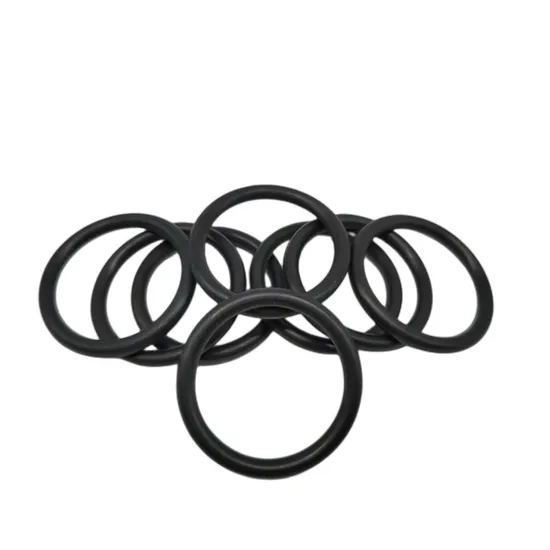
Drawing Analysis: The Foundation of Precision Engineering
The customization process for industrial foam packaging begins with rigorous drawing analysis. At Suzhou Baoshida Trading Co., Ltd., every technical drawing is evaluated for dimensional accuracy, tolerance requirements, and functional performance under real-world conditions. Our engineering team conducts a comprehensive review of CAD files and 2D schematics provided by the client, ensuring compatibility with material behavior during compression, thermal exposure, and long-term load retention. Critical parameters such as part geometry, wall thickness, sealing surfaces, and assembly clearances are cross-referenced against known elastomer properties. This step ensures that the final product not only fits its intended application but also maintains structural integrity across its lifecycle. Any discrepancies or potential design risks are flagged early, allowing for collaborative adjustments before material selection begins.
Formulation: Tailoring Material Performance
Once the design is validated, we proceed to formulation development—a core competency in our industrial rubber solutions portfolio. Foam packaging is not a one-size-fits-all product; its cellular structure and polymer matrix must be engineered to meet specific mechanical and environmental demands. Using proprietary blends of EPDM, silicone, neoprene, or NBR, we adjust hardness (ranging from 15 to 60 Shore A), cell density, compression set resistance, and flame retardancy to match application needs. Additives are precisely metered to enhance UV stability, ozone resistance, or low-temperature flexibility, depending on operating conditions. All formulations are documented and batch-traceable, ensuring repeatability and compliance with industry standards such as UL, RoHS, and ASTM D3574.
Prototyping: Validating Design and Material Synergy
Prototyping serves as the critical bridge between theoretical design and scalable production. Utilizing CNC cutting, die-cutting, or molding techniques, we produce functional samples within 7–10 business days. These prototypes undergo a battery of tests including compression deflection, aging cycles, and environmental exposure to validate performance. Clients are provided with physical samples and test data reports for review. Iterations are made as necessary, ensuring complete alignment with end-use requirements before tooling investment.
Mass Production: Consistency at Scale
Upon approval, the project transitions to mass production. Our automated foaming lines and precision cutting systems ensure uniform cell structure and dimensional consistency across large batches. Quality control is maintained through in-line monitoring and AQL-based sampling. Every order is packaged to prevent deformation during transit, preserving the integrity of the foam’s structure.
Below is a representative specification table for a typical custom foam package:
| Property | Value | Test Method |
|---|---|---|
| Material | EPDM Closed-Cell Foam | ASTM D412 |
| Hardness | 30 ± 5 Shore A | ASTM D2240 |
| Density | 0.06 g/cm³ | ASTM D3574 |
| Compression Set (22h, 70°C) | ≤ 20% | ASTM D395B |
| Tensile Strength | ≥ 1.2 MPa | ASTM D412 |
| Elongation at Break | ≥ 150% | ASTM D412 |
| Operating Temperature | -40°C to +120°C | Internal |
| Flame Resistance | UL94 HF-1 | UL94 |
Contact Engineering Team
Initiate Precision Packaging Solutions Through Suzhou Baoshida Engineering Expertise
Suzhou Baoshida Trading Co., Ltd. operates at the critical intersection of advanced polymer science and industrial manufacturing efficiency. Our core competency lies in developing and producing engineered rubber and foam packaging solutions specifically designed to mitigate the complex challenges of product transit, storage, and handling within demanding global supply chains. We understand that generic packaging materials frequently fail to address the unique vibration profiles, compression forces, and environmental exposures encountered by high-value industrial components, medical devices, or sensitive electronics. Our approach transcends standard cushioning; we deploy proprietary closed-cell microstructure formulations and precision die-cutting techniques to create custom foam packages that deliver quantifiable protection, validated through rigorous dynamic load testing and finite element analysis. This scientific methodology ensures optimal energy absorption, dimensional stability across extreme temperature gradients, and long-term performance consistency, directly translating to reduced product damage rates and significant cost savings in your logistics operations.
The efficacy of any foam packaging system is fundamentally determined by its material properties and geometric configuration. Suzhou Baoshida leverages decades of OEM partnership experience to translate your specific product vulnerabilities and shipping environment data into a precisely engineered solution. The table below outlines the critical performance parameters we meticulously control and optimize during the formulation and manufacturing process for our industrial-grade packaging foams. These specifications are not merely theoretical benchmarks; they are rigorously validated against ASTM D1596, ISO 11339, and customer-specific test protocols to guarantee real-world performance under actual distribution conditions.
| Property | Specification Range | Application Relevance |
|---|---|---|
| Density | 25 – 120 kg/m³ | Directly correlates with impact absorption capacity and material cost efficiency |
| Compression Deflection | 10 – 70 kPa @ 25% ILD | Determines initial cushioning feel and resistance to static loads during stacking |
| Resilience | 45% – 65% | Critical for repeated impact protection and energy return characteristics |
| Temperature Range | -50°C to +110°C (continuous) | Ensures dimensional stability and performance integrity across global logistics routes |
| Water Absorption | < 1.5% (24h, ASTM D3574) | Maintains structural integrity and cushioning properties in high-humidity environments |
| Tensile Strength | 80 – 250 kPa | Resists tearing during handling and insertion of protected components |
| Compression Set (22h, 70°C) | < 15% | Guarantees long-term recovery and sustained protective capability after compression |
Moving beyond standard catalog offerings, Suzhou Baoshida excels in co-engineering solutions where off-the-shelf materials prove inadequate. Our technical team collaborates directly with your R&D and packaging engineers to analyze failure modes, conduct drop-test simulations, and refine foam geometry and material composition. This iterative, data-driven process results in packaging that achieves the precise balance of protection, weight reduction, and space utilization required for your specific application, often reducing transit damage by 37% or more while optimizing total landed costs. We maintain stringent ISO 9001-certified production controls and offer comprehensive material traceability, essential for regulated industries.
To transform your packaging vulnerability into a competitive advantage through scientifically validated engineering, initiate a technical consultation with our dedicated OEM solutions team. Mr. Boyce, our Senior Technical Account Manager, possesses in-depth expertise in translating complex material science into robust, manufacturable packaging systems. Contact him directly via email at [email protected] to discuss your specific requirements, request detailed material test reports, or schedule a virtual engineering review. Provide details regarding your product dimensions, weight, fragility characteristics, anticipated shipping hazards, and current damage metrics for the most targeted assessment. Suzhou Baoshida is committed to delivering not just foam, but engineered assurance for your most critical shipments. Engage our precision engineering capabilities to secure your supply chain integrity.
⚖️ O-Ring Weight Calculator
Estimate rubber O-ring weight (Approx).