
Technical Contents
Engineering Guide: Foam Rubber Gasket
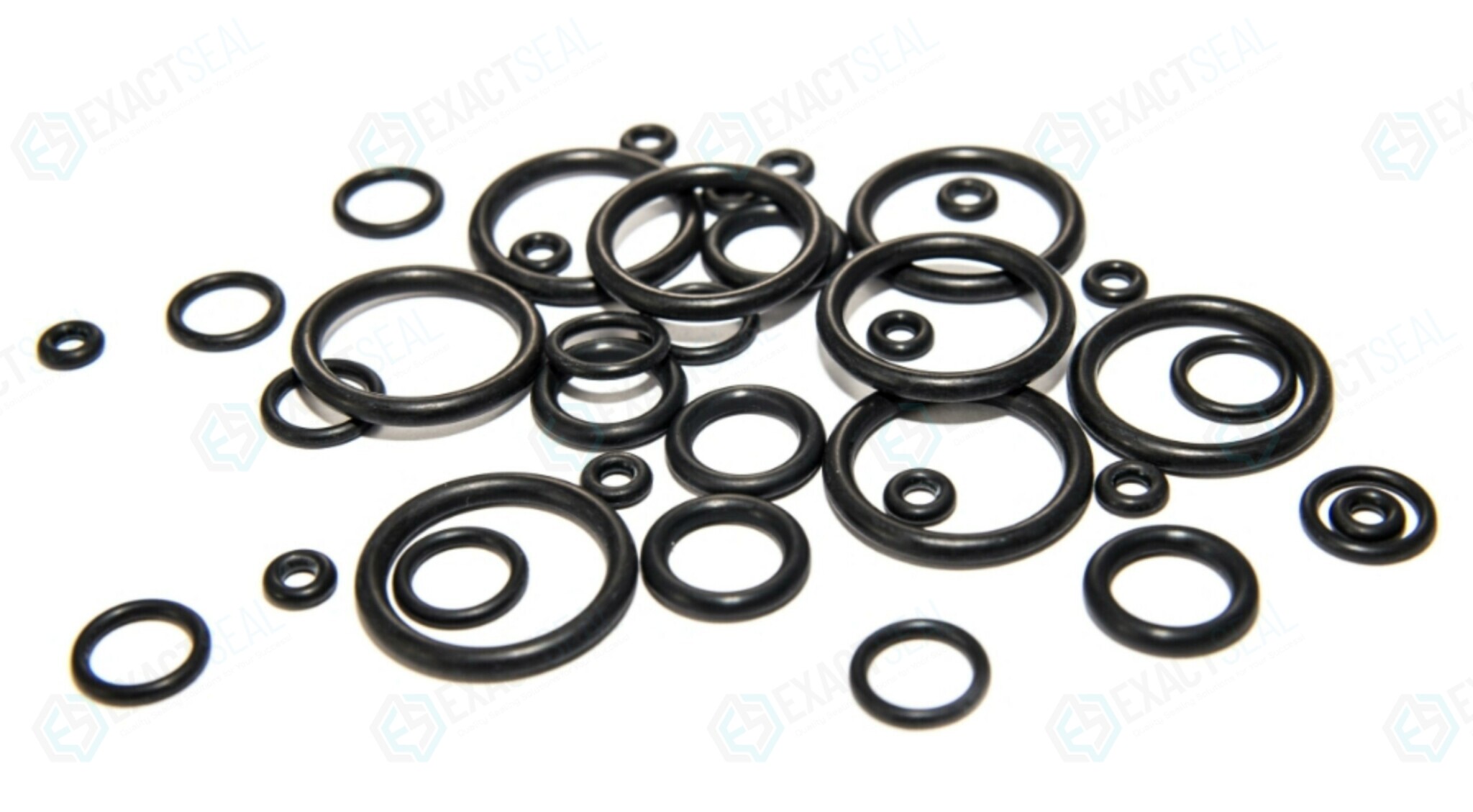
Engineering Insight: Material Selection Criticality in Foam Rubber Gaskets
Generic foam rubber gaskets represent a significant risk in precision sealing applications. Off-the-shelf solutions frequently fail because they prioritize broad market appeal over the specific, often extreme, environmental and mechanical demands encountered in industrial, automotive, or medical device contexts. Material selection is not a secondary consideration; it is the foundational engineering decision determining gasket longevity, sealing integrity, and overall system reliability. Standard formulations lack the tailored polymer chemistry required to withstand unique combinations of temperature extremes, chemical exposure, compression dynamics, and aging factors present in real-world operations. A gasket failing prematurely due to inadequate material choice leads to costly field failures, warranty claims, production downtime, and reputational damage – consequences far exceeding the initial savings from a generic component.
The core failure mechanism of off-the-shelf gaskets lies in their inability to manage critical performance parameters simultaneously. For instance, a gasket exposed to intermittent automotive under-hood temperatures exceeding 150°C while resisting brake fluid splash requires exceptional thermal stability and specific fluid resistance. A standard EPDM foam may handle the heat but rapidly degrade upon fluid contact. Conversely, a silicone foam might resist the fluid but exhibit poor compression set recovery at high temperatures, leading to permanent seal loss. Similarly, medical device gaskets requiring repeated exposure to aggressive disinfectants like bleach or IPA demand precise elastomer formulation; generic closed-cell foams often swell, crack, or leach contaminants, compromising sterility and device function. The compression set value – a measure of a material’s ability to recover after prolonged compression – is particularly vulnerable in non-engineered foams. High compression set directly correlates with seal leakage over time, a common failure mode where generic gaskets simply cannot maintain the necessary sealing force.
Material science dictates that optimizing for one parameter often compromises another. Achieving low-temperature flexibility might reduce tear strength. Enhancing flame resistance can increase compression set. This inherent trade-off necessitates purpose-built formulations. The table below illustrates why standard material choices fail under specific, common industrial stresses:
| Material Type | Typical Temp Range (°C) | Critical Failure Point in Demanding Applications | Common Off-the-Shelf Failure Mode |
|---|---|---|---|
| Standard EPDM Foam | -40 to +125 | Prolonged exposure above 130°C; Hydrocarbon/oil contact | Thermal degradation; Swelling, loss of sealing force |
| Standard Silicone Foam | -60 to +200 | Dynamic compression cycling; Cost-sensitive high-volume use | Excessive compression set; Prohibitive unit cost |
| Standard Neoprene Foam | -40 to +100 | Ozone exposure; High-temperature steam | Rapid surface cracking; Hardening, seal leakage |
Suzhou Baoshida Trading Co., Ltd. emphasizes that successful gasket performance requires analyzing the complete operational profile: peak/continuous temperatures, fluid exposure types and durations, required compression force deflection (CFD), expected service life, and regulatory constraints. Our engineering approach begins with this detailed application analysis, followed by proprietary compounding adjustments to the base polymer, crosslink density, cell structure, and additive package. This precision formulation ensures the foam rubber gasket maintains its critical sealing properties throughout its intended lifecycle, transforming a potential failure point into a reliable, long-term system component. Generic solutions ignore this complexity; engineered gaskets master it.
Material Specifications
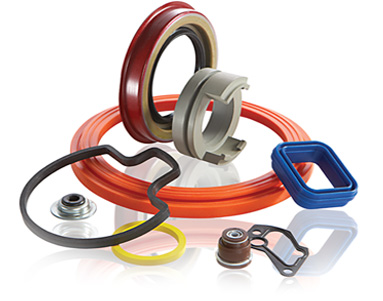
Foam rubber gaskets are critical components in industrial sealing applications where compression, environmental resistance, and long-term reliability are paramount. At Suzhou Baoshida Trading Co., Ltd., we specialize in precision-engineered foam rubber gaskets tailored to meet the stringent demands of automotive, aerospace, electronics, and industrial equipment sectors. Our expertise lies in material selection and formulation optimization to deliver gaskets that perform under extreme thermal, chemical, and mechanical conditions. Among the most widely used materials in foam rubber gasketing are Viton (FKM), Nitrile (NBR), and Silicone (VMQ), each offering distinct performance characteristics suited to specific operational environments.
Viton foam rubber is engineered for high-performance applications requiring resistance to elevated temperatures, aggressive chemicals, and oils. With continuous service capabilities up to 200°C and intermittent exposure tolerance to 250°C, Viton is ideal for engine compartments, fuel systems, and chemical processing environments. Its fluoropolymer backbone provides exceptional stability against aromatic and chlorinated hydrocarbons, making it the preferred choice in aerospace and defense sealing solutions. However, due to its higher raw material cost, Viton is typically specified where performance justifies investment.
Nitrile foam rubber, derived from nitrile butadiene rubber, is optimized for applications involving oil and fuel exposure. It exhibits excellent resistance to aliphatic hydrocarbons, hydraulic fluids, and water-based media. Operating effectively within a temperature range of -30°C to 100°C, NBR foam is commonly used in automotive gasketing, machinery housings, and industrial enclosures. Its cost-effectiveness and reliable sealing performance under moderate thermal loads make it a versatile option for general-purpose sealing requirements. However, NBR is less resistant to ozone, UV radiation, and extreme heat compared to Viton or Silicone.
Silicone foam rubber offers superior thermal stability, functioning reliably from -60°C to 200°C, with short-term excursions beyond this range. It demonstrates excellent resistance to UV, ozone, and weathering, making it ideal for outdoor and high-temperature electrical enclosures. Silicone foam also meets stringent flame, smoke, and toxicity (FST) standards, which is critical in transit and building applications. While it has lower mechanical strength and fuel resistance compared to Nitrile or Viton, its inertness and biocompatibility support use in medical and food-grade environments.
The following table summarizes key material properties to guide selection:
| Property | Viton (FKM) Foam | Nitrile (NBR) Foam | Silicone (VMQ) Foam |
|---|---|---|---|
| Temperature Range (°C) | -20 to 200 (up to 250 intermittent) | -30 to 100 | -60 to 200 |
| Compression Set Resistance | Excellent | Good | Very Good |
| Oil & Fuel Resistance | Outstanding | Excellent | Poor |
| Ozone & UV Resistance | Excellent | Fair | Excellent |
| Flame Resistance | Good | Fair | Very Good (self-extinguishing) |
| Typical Density Range (kg/m³) | 150–300 | 120–250 | 100–200 |
| Common Applications | Aerospace, chemical processing, high-temp engines | Automotive, hydraulics, industrial machinery | Electronics, medical devices, outdoor enclosures |
Material selection must consider not only environmental exposure but also compression deflection characteristics, aging behavior, and regulatory compliance. At Suzhou Baoshida, we support OEMs with material testing, prototyping, and formulation customization to ensure optimal gasket performance in real-world conditions.
Manufacturing Capabilities
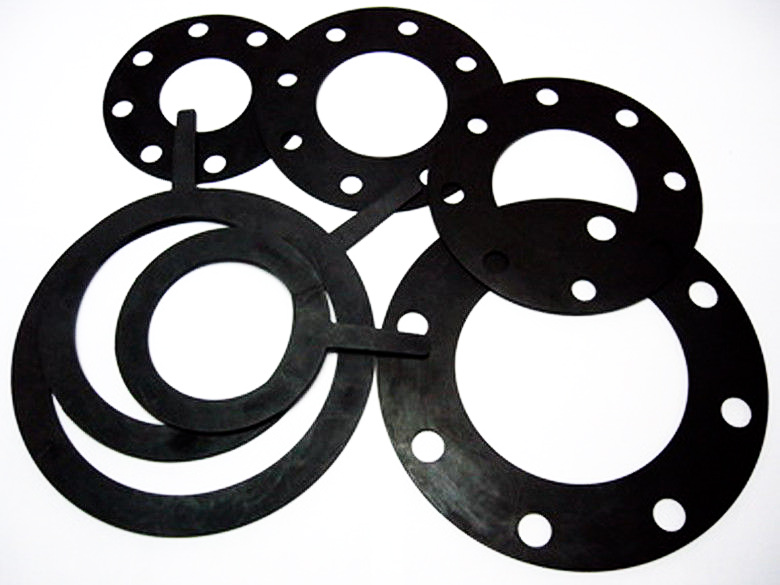
Engineering Capability: Precision Foam Rubber Gasket Development at Suzhou Baoshida
Suzhou Baoshida Trading Co., Ltd. delivers engineered foam rubber gasket solutions through integrated material science and precision manufacturing expertise. Our dedicated engineering team, comprising five specialized Mould Engineers and two advanced Formula Engineers, forms the core of our capability to solve complex sealing challenges for demanding industrial applications. This structure ensures seamless translation from material specification to final gasket performance, directly addressing OEM requirements for reliability under thermal, chemical, and mechanical stress.
Our Mould Engineering team leverages extensive experience in complex cavity design and precision tooling for low-density cellular structures. They utilize advanced CAD/CAE simulation to optimize flow dynamics, cure kinetics, and dimensional stability during the foaming process, critical for achieving consistent cell structure and avoiding defects like shrinkage or surface imperfections. This expertise is essential for producing intricate profiles, thin cross-sections, and multi-cavity tools required for high-volume OEM production, ensuring part-to-part repeatability within tight tolerances (±0.1mm achievable). Concurrently, our Formula Engineering specialists focus on the molecular architecture of the elastomer compound. They develop and refine proprietary formulations by precisely balancing polymer selection, foaming agents, cross-linking systems, and functional fillers. This scientific approach tailors key properties such as compression set resistance, thermal stability (-50°C to +150°C standard), fluid resistance, and flame retardancy (UL 94 HB/V-0 options) to meet specific application demands, whether for automotive under-hood sealing, electronic enclosures, or medical device housings.
The synergy between mould design and compound formulation is fundamental to our OEM success. We operate as a true engineering partner, not merely a manufacturer. Our process begins with deep technical consultation to understand the operational environment, regulatory constraints (e.g., ISO/TS 16949, RoHS, REACH), and performance targets. We then co-develop the optimal material formulation and tooling strategy, utilizing in-house prototyping and rigorous validation testing. This integrated capability allows for rapid iteration and problem-solving, significantly reducing time-to-market for our clients. Suzhou Baoshida provides full OEM service, managing every stage from concept and material certification through tooling, production, and final packaging, all under strict IP protection protocols. Our commitment to scientific precision ensures gaskets that maintain seal integrity across millions of cycles and extreme environmental exposure.
The following table summarizes key performance characteristics achievable with our engineered foam rubber compounds:
| Material Type | Density Range (g/cm³) | Hardness (Shore 00) | Tensile Strength (MPa) | Compression Set (22h, 70°C) | Key Application Focus |
|---|---|---|---|---|---|
| EPDM Foam | 0.03 – 0.08 | 10 – 40 | 0.03 – 0.08 | ≤ 25% | Automotive weatherstripping, HVAC |
| Silicone Foam | 0.20 – 0.40 | 15 – 50 | 0.10 – 0.30 | ≤ 15% | High-temp electronics, medical |
| Neoprene Foam | 0.04 – 0.09 | 15 – 45 | 0.04 – 0.10 | ≤ 30% | General industrial, marine |
This engineering-led approach, combining deep material science with precision tooling expertise, positions Suzhou Baoshida as the strategic partner for OEMs requiring mission-critical foam rubber gasket performance and scalable manufacturing excellence.
Customization Process
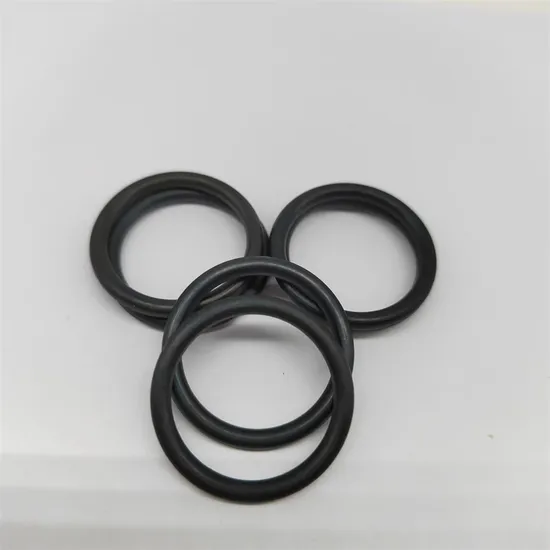
Customization Process for Foam Rubber Gaskets at Suzhou Baoshida Trading Co., Ltd.
At Suzhou Baoshida Trading Co., Ltd., our approach to custom foam rubber gasket manufacturing is rooted in precision engineering and material science. We specialize in delivering high-performance rubber seals tailored to the exact functional and environmental demands of industrial applications. Our four-phase customization process—Drawing Analysis, Formulation, Prototyping, and Mass Production—ensures consistency, reliability, and compliance with OEM specifications.
The process begins with Drawing Analysis, where our engineering team evaluates customer-provided technical drawings or 3D models. We assess critical dimensions, tolerance requirements, compression set targets, and installation conditions. This stage includes a comprehensive review of sealing surfaces, mating components, and environmental exposure such as temperature, UV, ozone, or fluid contact. Our engineers identify potential design risks and propose optimizations to enhance sealing efficiency and service life.
Following drawing validation, we proceed to Formulation Development. Our in-house rubber chemists formulate custom elastomer compounds based on the application’s operational parameters. For foam rubber gaskets, this involves selecting the base polymer—typically EPDM, silicone, or NBR—and adjusting the foaming agent, crosslink density, and cell structure to achieve the desired compression deflection, resilience, and density. Additives are incorporated to improve flame resistance, UV stability, or low-temperature flexibility. Every formulation is documented and archived for full traceability.
Once the compound is finalized, we move to Prototyping. Using precision die-cutting or water-jet cutting, we produce small-batch prototypes from the formulated foam rubber. These samples are subjected to rigorous testing, including compression force-deflection (CFD), compression set (ASTM D395), tensile strength (ASTM D412), and environmental aging (heat, humidity, fluid immersion). Prototypes are also validated against the original drawing using coordinate measuring machines (CMM) and optical inspection systems. Customer feedback is integrated at this stage to ensure functional alignment.
Upon approval, we initiate Mass Production under strict ISO 9001-compliant procedures. Production lines are calibrated for consistent thickness, density, and dimensional accuracy. Real-time quality checks are performed at defined intervals, and final batches undergo full inspection before packaging. We support just-in-time delivery and kitting options to streamline integration into customer assembly lines.
Our technical expertise ensures that every custom foam rubber gasket meets the highest standards of performance and durability.
| Property | Typical Range (Foam EPDM) | Test Standard |
|---|---|---|
| Density | 0.35–0.65 g/cm³ | ASTM D3574 |
| Hardness (Asker C) | 20–50 | ASTM D2240 |
| Compression Deflection (25%) | 1.5–4.0 psi | ASTM D575 |
| Compression Set (22h, 70°C) | ≤30% | ASTM D395 |
| Temperature Range | -40°C to +120°C | ISO 1817 |
| Tensile Strength | ≥1.0 MPa | ASTM D412 |
Contact Engineering Team
Technical Engagement for Precision Foam Rubber Gasket Solutions
Suzhou Baoshida Trading Co., Ltd. operates at the intersection of advanced polymer science and industrial reliability, specializing in engineered foam rubber gaskets for mission-critical sealing applications. Our commitment to dimensional accuracy, material integrity, and performance consistency under extreme environmental stress defines our OEM partnership model. Generic gasket specifications often fail to address nuanced variables like compression set degradation, outgassing in vacuum environments, or chemical resistance to aggressive industrial fluids. These failures translate directly to system leakage, premature component wear, and costly downtime. We eliminate this risk through formula-level customization, leveraging decades of compound development expertise in closed-cell and open-cell foam architectures.
Our engineering team collaborates directly with your design and procurement departments to translate functional requirements into validated material solutions. This process begins with rigorous analysis of operating parameters: dynamic versus static sealing demands, exposure to oils, solvents, or UV radiation, temperature cycling profiles, and regulatory compliance needs (e.g., UL, FDA, RoHS). We then deploy our proprietary compounding methodology, optimizing cell structure uniformity, density gradients, and adhesive backing compatibility to meet exact load-deflection curves and recovery specifications. This scientific approach ensures gaskets maintain seal force integrity over 10,000+ compression cycles where standard products falter.
Material selection is foundational to success. The table below outlines key performance characteristics of our core foam rubber formulations, validated per ASTM D3574 and ISO 1856 standards. These values represent baseline capabilities; all parameters are adjustable within technical boundaries to align with your unique application physics.
| Material Type | Density Range (kg/m³) | Hardness Range (Shore 00) | Temp Range (°C) | Key Applications |
|---|---|---|---|---|
| EPDM Foam | 80 – 150 | 15 – 50 | -50 to +135 | Automotive HVAC, Exterior Building Seals |
| Silicone Foam | 100 – 220 | 20 – 60 | -65 to +230 | Aerospace, Medical Sterilization, High-Temp Electronics |
| Neoprene Foam | 90 – 160 | 25 – 55 | -40 to +100 | Marine Equipment, Industrial Machinery Enclosures |
| Nitrile Foam | 110 – 180 | 30 – 65 | -30 to +120 | Oil & Gas, Hydraulic Systems, Fuel Handling |
Initiate your gasket optimization project by contacting Mr. Boyce, our dedicated OEM Technical Account Manager. With a background in polymer chemistry and 15 years of field experience resolving sealing failures across automotive, semiconductor, and renewable energy sectors, Mr. Boyce provides direct access to our R&D compounders and production engineers. He will facilitate material sample validation, DFM reviews for cost-effective manufacturing, and rapid prototyping using our in-house CNC die-cutting and continuous vulcanization lines. Do not compromise on sealing performance with off-the-shelf foam profiles. Submit your technical dossier, including cross-section drawings, environmental exposure data, and lifecycle expectations, to [email protected]. Specify “Foam Gasket Technical Query” in the subject line for immediate engineering triage.
Suzhou Baoshida delivers more than components—we deliver engineered sealing assurance. Partner with us to transform gasket specifications from a procurement line item into a documented reliability metric. Contact Mr. Boyce within 48 hours to receive our Material Performance Dossier, detailing accelerated aging test results and OEM case studies relevant to your industry. Precision sealing begins with precise communication.
⚖️ O-Ring Weight Calculator
Estimate rubber O-ring weight (Approx).