
Technical Contents
Engineering Guide: Foam Washer
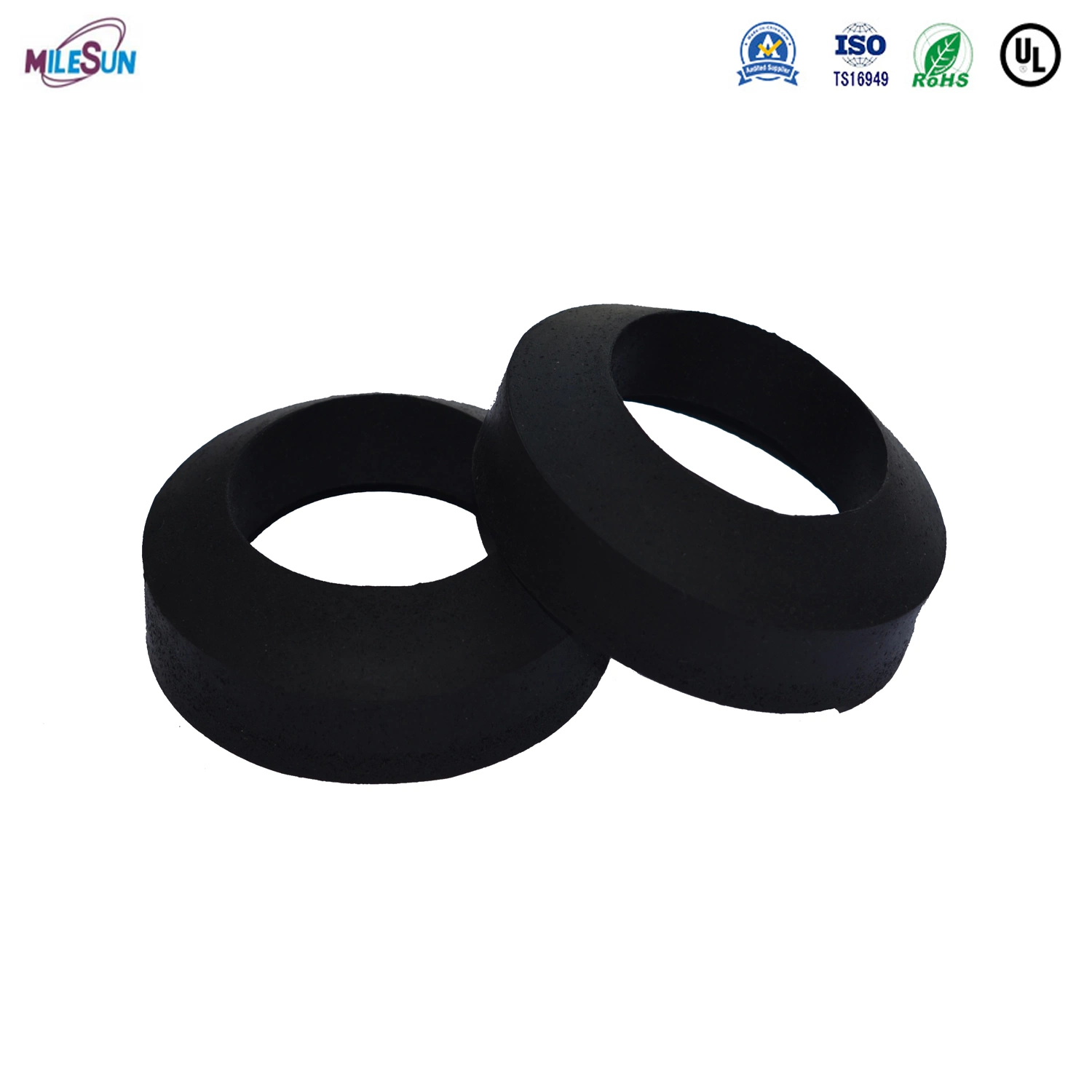
Engineering Insight: The Critical Role of Material Selection in Foam Washers
In precision sealing applications, foam washers serve as essential components for environmental isolation, vibration damping, and compression buffering. While they may appear functionally simple, the performance and longevity of foam washers are profoundly influenced by material selection. At Suzhou Baoshida Trading Co., Ltd., we emphasize that off-the-shelf foam washers often fail to meet the rigorous demands of industrial environments due to inadequate material compatibility and inconsistent physical properties under operational stress.
Standard foam washers, typically manufactured from generic closed-cell foams or low-grade EVA (ethylene-vinyl acetate), are designed for cost efficiency rather than performance integrity. These materials may exhibit short-term sealing capability but degrade rapidly when exposed to temperature extremes, UV radiation, or chemical agents. In automotive, aerospace, and industrial electronics applications, such degradation leads to seal failure, leakage, and ultimately, system malfunction. The root cause is not design flaw, but material misalignment with application parameters.
Material selection must account for multiple engineering variables: compression set resistance, tensile strength, thermal stability, and chemical compatibility. For instance, silicone foam offers superior performance in high-temperature environments (up to 200°C) and excellent resistance to ozone and UV, making it ideal for outdoor electronics enclosures. Conversely, EPDM foam provides exceptional resistance to water, steam, and polar solvents, rendering it suitable for HVAC and marine applications. Neoprene foam balances mechanical resilience with moderate chemical resistance, often used in industrial machinery where oil mist and moderate heat are present.
A critical failure point in generic foam washers is poor compression set performance. After prolonged compression, low-grade foams fail to recover their original thickness, resulting in permanent deformation and loss of sealing force. High-performance materials such as silicone and specially formulated polyurethane foams maintain dimensional stability over thousands of compression cycles, ensuring long-term reliability.
Furthermore, regulatory compliance—such as UL 94 flammability ratings, RoHS, and REACH—must be considered during material selection. Off-the-shelf products frequently lack proper certification documentation, exposing OEMs to compliance risks and potential liability.
At Suzhou Baoshida Trading Co., Ltd., we engineer foam washers with application-specific materials, ensuring optimal performance under real-world conditions. Our technical team collaborates with clients to analyze operating environments and select materials that align with mechanical, thermal, and chemical requirements.
Below is a comparison of common foam washer materials and their key performance characteristics:
| Material | Temperature Range (°C) | Compression Set (%) | Chemical Resistance | Key Applications |
|---|---|---|---|---|
| Silicone | -60 to +200 | <20% @ 22 hrs, 150°C | Excellent | Electronics, Aerospace |
| EPDM | -50 to +150 | <30% @ 22 hrs, 100°C | Good (water, alkalis) | HVAC, Marine, Automotive |
| Neoprene | -40 to +120 | <35% @ 22 hrs, 100°C | Moderate (oils, solvents) | Industrial Machinery, Rail |
| Polyurethane | -30 to +90 | <25% @ 22 hrs, 70°C | Poor to Moderate | Consumer Devices, Light Sealing |
| EVA (Generic) | -20 to +80 | >50% @ 22 hrs, 70°C | Poor | Non-critical, Short-term Use |
Material selection is not a commodity decision—it is an engineering imperative. Choosing the right foam washer material ensures system integrity, reduces lifecycle costs, and enhances product reliability.
Material Specifications
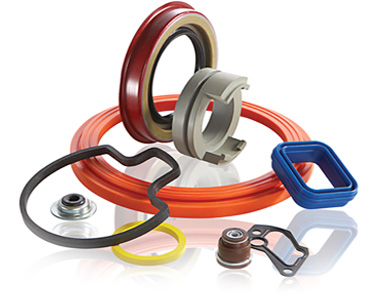
Material Specifications for Precision Foam Washers
Selecting the optimal elastomer for foam washers requires rigorous evaluation of chemical exposure, thermal demands, and mechanical performance. At Suzhou Baoshida Trading Co., Ltd., our OEM-grade foam washers leverage three core materials—Viton (FKM), Nitrile (NBR), and Silicone (VMQ)—each engineered for distinct industrial environments. Foam washers demand exceptional compression recovery and consistent cellular structure, necessitating precise polymer formulation to balance resilience with sealing integrity under dynamic loads. Material choice directly impacts service life, particularly in applications involving fluid immersion, temperature cycling, or vibration damping.
Viton (FKM) foam washers excel in extreme chemical and thermal conditions. As a fluorocarbon elastomer, Viton resists aggressive media including jet fuels, hydraulic fluids, and aromatic hydrocarbons up to 200°C continuous service. Its low gas permeability and 20% maximum compression set (ASTM D395, 70°C/22h) ensure reliable sealing in aerospace and semiconductor manufacturing. However, Viton exhibits limited flexibility below -20°C and higher cost versus standard elastomers. Standard grades comply with AMS 7256 and ISO 11798 for critical fluid systems.
Nitrile (NBR) remains the industry standard for cost-sensitive oil and fuel applications. With acrylonitrile content typically at 34%, NBR foam washers withstand aliphatic hydrocarbons, water, and silicone oils from -40°C to 125°C. Its 25% maximum compression set and superior abrasion resistance suit automotive fuel systems and hydraulic assemblies. NBR’s key limitation is poor ozone/weathering resistance and degradation above 150°C. All NBR compounds meet ASTM D2000 GLT classification for automotive OEM specifications.
Silicone (VMQ) foam washers deliver unmatched thermal stability from -60°C to 200°C with minimal compression set (15% max). Ideal for food, medical, and electronics sectors, silicone maintains flexibility across extreme temperatures and complies with FDA 21 CFR 177.2600 and USP Class VI. While resistant to water, oxygen, and UV, silicone lacks mechanical strength in high-stress environments and swells in non-polar solvents like gasoline. Standard grades adhere to AMS 3301 and ISO 3699.
Material Performance Comparison
| Property | Viton (FKM) | Nitrile (NBR) | Silicone (VMQ) |
|---|---|---|---|
| Temperature Range (°C) | -20 to +200 | -40 to +125 | -60 to +200 |
| Compression Set (Max %) | 20 | 25 | 15 |
| Key Chemical Resistance | Aromatics, Acids | Aliphatic Oils | Water, Steam |
| Key Limitation | Low Temp Flexibility | Ozone Degradation | Non-Polar Solvents |
| Standard Compliance | AMS 7256, ISO 11798 | ASTM D2000 GLT | AMS 3301, ISO 3699 |
Suzhou Baoshida’s OEM formulations optimize cellular structure for uniform compression load distribution, critical for foam washer functionality. Custom compound adjustments—such as peroxide curing for silicone or hydrogenated NBR for enhanced ozone resistance—are available to meet specific application thresholds. Material datasheets provide full ASTM/ISO test protocols for validation. Engineering collaboration is essential to align material properties with operational stressors, ensuring zero leakage in precision sealing interfaces.
Manufacturing Capabilities
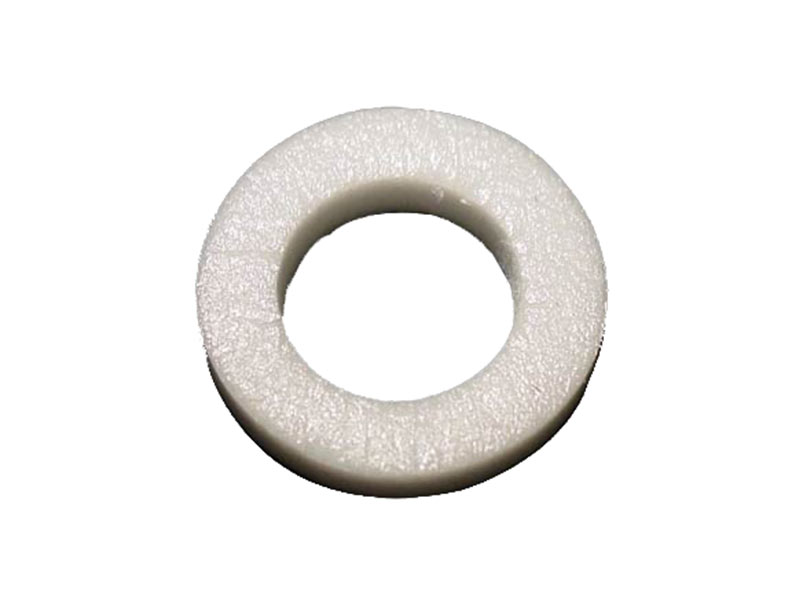
Suzhou Baoshida Trading Co., Ltd. operates at the forefront of precision rubber seal manufacturing, with a specialized focus on engineered foam washers for demanding industrial and automotive applications. Our Engineering Capability is anchored by a dedicated team of seven core specialists: five Mold Engineers and two Rubber Formula Engineers. This technical foundation enables us to deliver fully integrated OEM solutions—from concept validation to mass production—ensuring performance, consistency, and compliance with exacting client specifications.
Our Mold Engineers possess extensive experience in precision tooling design for low-compression-set foam washers used in sealing, cushioning, and environmental isolation. Utilizing advanced CAD/CAM systems and mold-flow simulation software, they optimize cavity layouts, gating configurations, and ejection mechanisms to ensure dimensional accuracy and repeatability across high-volume runs. Each mold is rigorously tested and fine-tuned to accommodate the unique expansion behavior of foam materials, minimizing flash and part variance.
Complementing this expertise are our two in-house Rubber Formula Engineers, who specialize in custom elastomer compounding tailored to specific mechanical, thermal, and environmental requirements. Foam washers often operate in dynamic sealing environments where resistance to compression set, temperature extremes, and chemical exposure is critical. Our formula development process leverages proprietary knowledge in sponge rubber chemistry, including precise control over blowing agents, crosslink density, and cell structure uniformity. This allows us to formulate materials that achieve target hardness (typically 15–40 Shore 00), closed-cell or open-cell morphology, and consistent density profiles (0.3–0.7 g/cm³).
We support full OEM collaboration, enabling co-development of application-specific foam washers for automotive HVAC systems, electronic enclosures, medical devices, and industrial machinery. Clients benefit from our vertical control over material formulation, mold design, and process validation. Prototypes are produced in-house using production-intent tooling, allowing for accurate performance assessment prior to launch. Our engineering team also conducts comprehensive validation testing, including compression deflection (IRHD), compression set (ASTM D395), aging resistance, and environmental sealing performance.
The following table outlines typical engineering specifications achievable for our foam washers:
| Parameter | Range / Value | Test Standard |
|---|---|---|
| Material Types | EPDM, Silicone, NBR, CR, Sponge Neoprene | ASTM D1418 |
| Hardness (Shore 00) | 15 – 40 | ASTM D2240 |
| Density | 0.3 – 0.7 g/cm³ | ASTM D3574 |
| Compression Deflection | 15 – 60% at 25% compression | ASTM F357 |
| Compression Set (22h, 70°C) | ≤ 20% (closed-cell), ≤ 30% (open) | ASTM D395 |
| Operating Temperature | -40°C to +150°C (Silicone up to +200°C) | — |
| Cell Structure | Closed-cell, Open-cell, or Hybrid | Microscopy Analysis |
| Custom Colors & Shapes | Available (die-cut, molded, roll good) | ISO 3302, ISO 2768 |
This synergy between mold engineering and rubber formulation positions Suzhou Baoshida as a technically advanced partner in the precision foam washer market. We deliver engineered reliability, material innovation, and scalable OEM manufacturing under one integrated system.
Customization Process
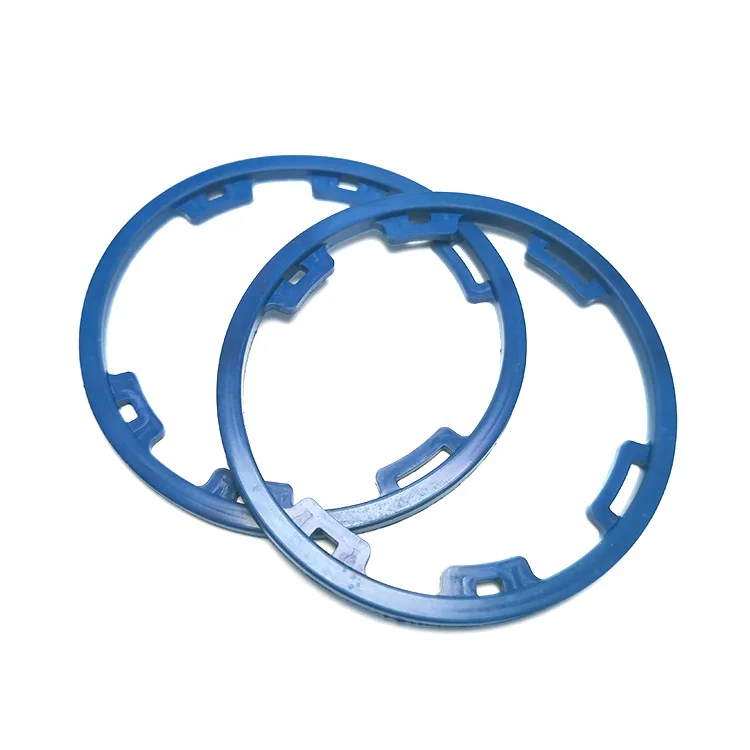
Precision Foam Washer Customization Process
Precision foam washer customization begins with rigorous drawing analysis to translate client specifications into manufacturable designs. Our engineering team conducts dimensional validation against ISO 2768-mK tolerances, verifying critical features including compression deflection profiles, cross-sectional geometries, and surface finish requirements. Material compatibility is assessed against fluid exposure, temperature ranges, and mechanical stress points using ASTM D2000 classification standards. Any ambiguities in GD&T callouts or sealing interface angles are resolved collaboratively with the client to prevent downstream deviations. This phase ensures the design aligns with both functional intent and rubber processing constraints.
Formulation development follows, where material science dictates performance. We select base polymers—typically EPDM, silicone, or neoprene—based on chemical resistance and thermal stability requirements. Critical parameters include optimizing crosslink density for compression set resistance, adjusting filler ratios for density control, and incorporating specialized additives for flame retardancy or UV stability. Each compound undergoes predictive modeling for vulcanization kinetics, ensuring cure times align with production cycles. Formulations are validated through accelerated aging tests per ASTM D573 and fluid immersion protocols to confirm long-term resilience.
Prototyping executes low-volume production using client-approved tooling. We produce 50–100 units for functional validation, measuring key metrics against the initial specification: compression force-deflection curves, outgassing levels, and dimensional stability after 72-hour thermal conditioning. Third-party lab reports for hardness (ASTM D2240), tensile strength (ASTM D412), and compression set (ASTM D395 Method B) are provided. Client feedback on prototype performance triggers iterative refinements until all parameters meet acceptance criteria.
Mass production initiates only after formal sign-off, leveraging statistical process control for consistency. Automated vision systems inspect 100% of units for dimensional conformity, while batch sampling verifies material properties. Production lots are traceable via laser-etched batch codes, with full documentation including CoC and CoA reports. Our ISO 9001-certified facility maintains ±0.05mm tolerances on critical dimensions and enforces zero-defect shipping standards through AQL 1.0 sampling.
Critical Foam Washer Specifications
| Parameter | Standard Range | Test Method | Industrial Application Target |
|---|---|---|---|
| Compression Set (22h/70°C) | ≤25% | ASTM D395 B | Long-term seal integrity |
| Density (g/cm³) | 0.35–0.65 | ASTM D3574 | Weight-sensitive assemblies |
| Temperature Range | -50°C to +200°C | ISO 188 | Extreme environment sealing |
| Hardness (Shore A) | 15–40 | ASTM D2240 | Low-compression-force fits |
This structured workflow minimizes time-to-market while guaranteeing that every foam washer meets the exacting demands of automotive, aerospace, and medical device OEMs. Suzhou Baoshida’s integration of material science rigor with precision manufacturing ensures optimal sealing performance in critical applications.
Contact Engineering Team
For precision-engineered foam washers that meet exacting industrial standards, Suzhou Baoshida Trading Co., Ltd. stands as a trusted partner in the global rubber sealing solutions market. With extensive expertise in custom formulation, tooling, and high-volume production, we deliver foam washers tailored to the functional demands of automotive, electronics, medical devices, and industrial equipment sectors. Our commitment to material integrity, dimensional accuracy, and long-term sealing performance ensures that every component exceeds OEM expectations.
Foam washers are critical in applications requiring compression set resistance, environmental sealing, vibration damping, and electromagnetic interference (EMI) shielding. At Suzhou Baoshida, we specialize in closed-cell and open-cell foam technologies using materials such as silicone, EPDM, neoprene, and proprietary sponge rubbers. Each formulation is engineered for specific thermal stability, chemical resistance, and compression-deflection characteristics, ensuring optimal performance under dynamic service conditions. Our in-house R&D team collaborates directly with clients to refine material properties, optimize cross-sectional profiles, and validate performance through accelerated aging, compression set testing, and environmental exposure trials.
We understand that precision in sealing is not a product of chance but of controlled manufacturing processes. Our production facilities utilize precision die-cutting, water-jet cutting, and continuous vulcanization lines to maintain tight tolerances down to ±0.1 mm. Whether you require low-density foam gaskets for lightweight enclosures or high-durometer sponge seals for rugged outdoor housings, our technical team ensures every specification is met with consistency and traceability.
To support global OEMs and Tier suppliers, we offer comprehensive documentation including material certifications (RoHS, REACH, UL), first-article inspection reports, and PPAP packages. Our quality management system is ISO 9001:2015 certified, and we maintain full control over raw material sourcing, compound mixing, and final inspection protocols.
For immediate technical consultation or custom quotation, contact Mr. Boyce, OEM Account Manager at Suzhou Baoshida Trading Co., Ltd. Mr. Boyce brings over 12 years of experience in rubber formulation and industrial sealing solutions, providing expert guidance from concept to量产 (mass production). Reach him directly via email at [email protected] to discuss your foam washer requirements, request samples, or initiate a design review.
Below is a representative specification table for a standard silicone foam washer. All parameters are adjustable based on customer drawings and performance criteria.
| Property | Value |
|---|---|
| Material | Platinum-Cured Silicone Foam |
| Density | 0.35 g/cm³ |
| Hardness (Shore A) | 25 ± 5 |
| Tensile Strength | ≥ 1.8 MPa |
| Elongation at Break | ≥ 150% |
| Compression Set (22 hrs, 70°C) | ≤ 15% |
| Operating Temperature Range | -60°C to +200°C |
| Cell Structure | Closed-cell |
| Standard Colors | Black, White, Custom (Pantone Matching) |
| Available Thickness Range | 0.5 mm – 10.0 mm |
| Tolerance (Thickness) | ±0.1 mm |
Initiate your next sealing solution with engineering precision and manufacturing reliability. Contact Mr. Boyce today at [email protected] to advance your design with technically optimized foam washers from Suzhou Baoshida.
⚖️ O-Ring Weight Calculator
Estimate rubber O-ring weight (Approx).