
Technical Contents
Engineering Guide: Fuel Hose Manufacturers
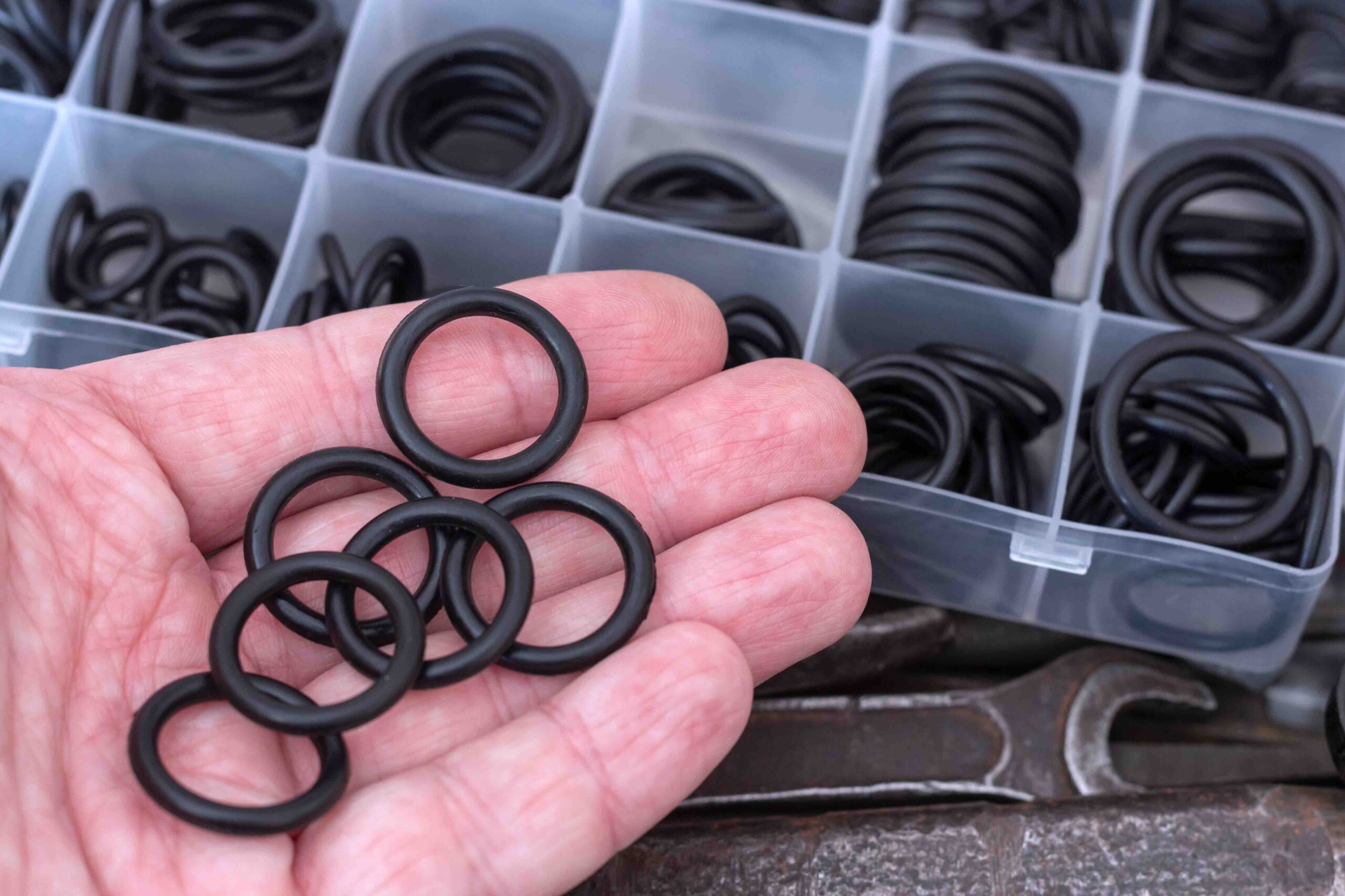
Material Selection in Fuel Hose Manufacturing: Engineering for Performance and Reliability
In the domain of industrial fluid transfer systems, fuel hoses represent a critical interface between engine performance and operational safety. For fuel hose manufacturers, material selection is not a matter of cost optimization alone—it is a foundational engineering decision that dictates chemical resistance, thermal stability, mechanical endurance, and service life. Off-the-shelf elastomeric compounds often fail in demanding fuel applications due to inadequate compatibility with modern fuel blends, extreme temperature cycles, and dynamic mechanical stresses.
Standard rubber formulations, such as generic nitrile (NBR), may offer acceptable performance with traditional gasoline or diesel. However, contemporary fuels—especially those containing bio-components like ethanol (E85) or biodiesel (B100)—pose aggressive chemical challenges. These oxygenated fuels permeate conventional elastomers, leading to swelling, loss of tensile strength, and eventual cracking or leakage. Moreover, modern engine compartments operate at elevated temperatures, frequently exceeding 125°C, which accelerates the degradation of substandard materials.
At Suzhou Baoshida Trading Co., Ltd., we emphasize engineered rubber solutions tailored to the specific fuel matrix and operating environment. For example, fluorocarbon rubber (FKM) exhibits superior resistance to hydrocarbon fuels, oxidation, and high temperatures, making it ideal for under-hood applications in automotive and industrial engines. Similarly, polyurethane (PU) offers excellent abrasion resistance and flexibility, suitable for mobile equipment where hose routing involves frequent movement and contact with sharp surfaces.
Another often-overlooked factor is permeation resistance. Regulatory standards, such as those from the EPA and EU directives, impose strict limits on hydrocarbon emissions through hose walls. Standard hoses using low-cost materials typically exceed allowable permeation rates, leading to non-compliance and environmental risk. Precision-engineered multilayer constructions—featuring barrier layers of PTFE or specialized copolymers—are necessary to meet these standards.
The failure of generic solutions underscores the necessity of application-specific formulation. Each fuel hose must be evaluated against its intended lifecycle: exposure duration, fuel type, pressure cycles, and environmental conditions. A one-size-fits-all approach compromises safety, reliability, and total cost of ownership.
To guide material selection, the following table outlines key performance characteristics of common elastomers used in fuel hose manufacturing:
| Material | Fuel Resistance (Gasoline/Ethanol) | Temperature Range (°C) | Permeation Resistance | Key Applications |
|---|---|---|---|---|
| NBR (Standard) | Moderate to Poor | -30 to +105 | Low | Older diesel systems, low-ethanol fuels |
| HNBR (Hydrogenated NBR) | Good | -40 to +150 | Moderate | High-performance engines, hybrid systems |
| FKM (Fluorocarbon) | Excellent | -20 to +200 | High | Turbocharged engines, ethanol blends, aerospace |
| PU (Polyurethane) | Good (varies by grade) | -40 to +100 | Moderate | Off-road machinery, portable fuel transfer |
| PTFE (with rubber cover) | Exceptional | -70 to +260 | Very High | Military, motorsport, chemical fuel handling |
Precision material engineering is not a luxury—it is a technical imperative. At Suzhou Baoshida, we collaborate with OEMs to develop fuel hose systems that meet exact chemical, thermal, and mechanical demands, ensuring long-term reliability in the most challenging environments.
Material Specifications
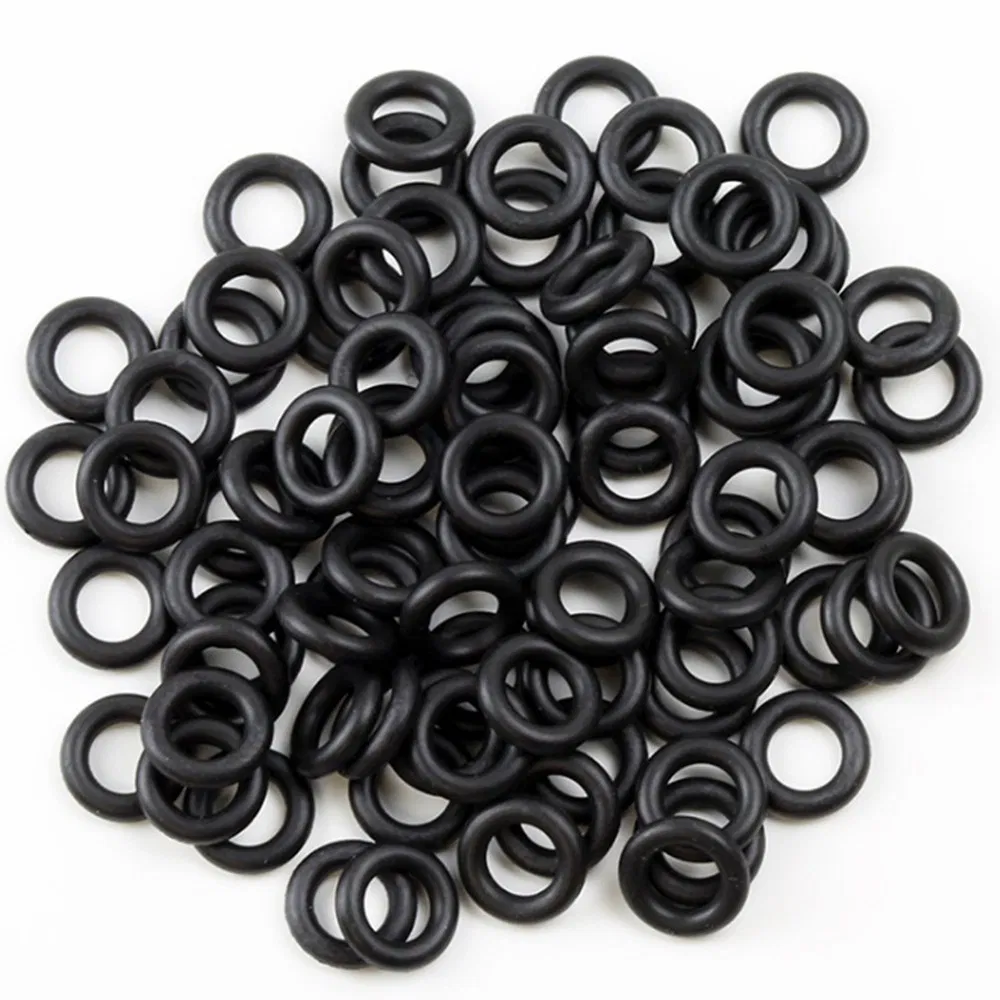
Material Specifications for Advanced Fuel Hose Manufacturing
Suzhou Baoshida Trading Co., Ltd. provides precision-engineered rubber compounds meeting stringent global fuel delivery system requirements. As an OEM partner, we prioritize material integrity under extreme thermal, chemical, and mechanical stress. Our formulations undergo rigorous ASTM D2000 and SAE J30 validation to ensure compliance with automotive, aerospace, and industrial fuel handling standards. Below we detail three critical elastomers for fuel hose applications, emphasizing performance boundaries and application-specific suitability.
Viton fluoroelastomers (FKM) represent the gold standard for high-performance fuel systems. Their molecular structure, featuring vinylidene fluoride-hexafluoropropylene copolymers, delivers exceptional resistance to modern biofuels, ethanol blends, and aggressive hydrocarbons. Viton maintains structural integrity from -40°C to 230°C continuous service, with short-term excursions up to 300°C. Its low permeation rate minimizes fuel vapor emissions, critical for meeting EPA Tier 3 and Euro 7 regulations. While higher in cost, Viton is indispensable for under-hood applications near turbochargers or exhaust components where thermal degradation risks compromise cheaper alternatives.
Nitrile rubber (NBR), a butadiene-acrylonitrile copolymer, offers optimal cost-performance balance for conventional gasoline and diesel systems. Acrylonitrile content directly governs fuel resistance; our high-ACN formulations (45-50%) exhibit minimal swell in aromatic fuels while retaining flexibility down to -40°C. NBR’s tensile strength (15-25 MPa) and abrasion resistance suit high-pressure fuel injection lines. However, its upper continuous limit of 120°C and vulnerability to oxygenated fuels like E85 necessitate careful application vetting. We customize NBR compounds with anti-degradation packages for extended service life in commercial vehicle fleets.
Silicone rubber (VMQ) provides unmatched low-temperature flexibility (-60°C) and ozone resistance but serves niche roles in fuel systems. Its high permeability to hydrocarbons restricts use to non-fuel-carrying sections like sensor boots or vacuum lines. While thermally stable to 200°C, silicone swells excessively in direct fuel contact, compromising sealing integrity. We deploy reinforced silicone only in auxiliary components requiring extreme cold flexibility, never in primary fuel pathways.
Critical material properties are summarized below for rapid OEM evaluation:
| Material | Base Polymer | Continuous Temp Range | Fuel Resistance | Key Advantages | Limitations |
|---|---|---|---|---|---|
| Viton (FKM) | Fluoroelastomer | -40°C to 230°C | Excellent (all fuels, incl. biofuels) | Ultra-low permeation, high thermal stability | Highest cost, lower flexibility at cold temps |
| Nitrile (NBR) | Acrylonitrile-Butadiene | -40°C to 120°C | Good (gasoline/diesel); Poor (high-ethanol) | Cost-effective, high strength, abrasion resistance | Limited biofuel compatibility, moderate ozone resistance |
| Silicone (VMQ) | Polysiloxane | -60°C to 200°C | Poor (high permeability) | Exceptional cold flexibility, ozone resistance | Unsuitable for fuel contact, low tensile strength |
Material selection directly impacts hose longevity, emissions compliance, and safety. Suzhou Baoshida’s OEM engineering team conducts application-specific compound tailoring, including custom durometer adjustments (50-90 Shore A) and reinforcement integration. We mandate full-system compatibility testing per ISO 1307 for all fuel hose projects, ensuring our materials withstand dynamic pressure cycling, vibration, and long-term fluid exposure without degradation. Partner with us to transform material science into mission-critical fluid conveyance solutions.
Manufacturing Capabilities
Engineering Capability: Precision-Driven Development for Fuel Hose Manufacturing
At Suzhou Baoshida Trading Co., Ltd., our engineering capability forms the backbone of our industrial rubber solutions, particularly in the specialized domain of fuel hose manufacturing. With a dedicated team comprising five certified mould engineers and two advanced rubber formula engineers, we deliver technically robust, application-specific products that meet the stringent performance demands of modern fuel delivery systems. Our integrated engineering approach ensures seamless transition from concept to production, enabling us to serve global OEMs with precision, speed, and reliability.
Our mould engineering team specializes in the design and optimization of complex rubber component tooling. Utilizing advanced CAD/CAM software and precision CNC machining techniques, they develop high-tolerance moulds tailored to the geometric and functional requirements of multi-layer fuel hoses. These include configurations for inner liners, reinforcement layers, and outer weather-resistant jackets. The team’s expertise extends to cavity analysis, flow simulation, and thermal management, ensuring consistent vulcanization and dimensional accuracy across production batches. This level of control is critical in preventing defects such as flash, incomplete curing, or layer delamination—common failure points in high-pressure fuel environments.
Complementing our mould engineering strength is our in-house rubber formulation capability. Our two formula engineers possess deep expertise in polymer chemistry, specifically in NBR (nitrile butadiene rubber), FKM (fluorocarbon rubber), and specialty blends engineered for fuel resistance. They develop custom compound formulations that balance critical performance parameters: fuel permeation resistance, thermal stability (from -40°C to +150°C), ozone and UV resistance, and mechanical durability under dynamic flexing. Each formulation undergoes rigorous laboratory testing, including immersion aging, tensile strength retention, and volume swell analysis in simulated gasoline, diesel, and biofuel environments.
Our OEM manufacturing model is built on collaborative engineering. We work directly with automotive, marine, and industrial equipment manufacturers to co-develop fuel hose solutions that align with original equipment specifications. This includes full documentation of material data sheets (MDS), process validation reports (PVR), and compliance with international standards such as SAE J30, ISO 7816, and EN 556. Our facility supports low-volume prototyping and high-volume production, with traceability systems ensuring lot-to-lot consistency.
The following table outlines key technical specifications achievable through our engineering and manufacturing platform:
| Parameter | Standard Performance Range | Test Method |
|---|---|---|
| Fuel Permeation Resistance | ≤ 15 g·mm/m²·day (gasoline blend) | ASTM D814 |
| Operating Temperature | -40°C to +150°C (intermittent) | ISO 1817 |
| Volume Swell (in Bunkers C) | ≤ 25% after 70 hrs at 70°C | ISO 1817 |
| Tensile Strength (cured) | ≥ 18 MPa (NBR), ≥ 12 MPa (FKM) | ASTM D412 |
| Elongation at Break | ≥ 250% | ASTM D412 |
| Ozone Resistance | No cracking at 50 pphm, 20% strain | ASTM D1149 |
Through the synergy of advanced mould design and proprietary rubber science, Suzhou Baoshida delivers fuel hose solutions that exceed OEM performance benchmarks. Our engineering team is available for technical consultation, co-design, and rapid prototyping to support next-generation fuel system development.
Customization Process
Customization Process for Precision Fuel Hose Manufacturing
At Suzhou Baoshida Trading Co., Ltd., our engineered rubber solutions for fuel hose manufacturing commence with rigorous Drawing Analysis. We dissect client-provided technical schematics to validate dimensional tolerances, layer configurations, and interface specifications against ISO 1307 and SAE J30 standards. This phase identifies critical parameters such as bend radius constraints, flange compatibility, and reinforcement ply angles. Our engineering team cross-references these against global fuel compatibility databases to preempt material degradation risks from ethanol blends or biofuels, ensuring zero geometric deviations before formulation begins.
Material Formulation follows stringent polymer matrix optimization. Our rubber chemists select base elastomers—typically NBR, FKM, or HNBR—based on fuel type, temperature range, and pressure demands. Additive packages are precision-calibrated for ozone resistance, flex fatigue life, and adhesion between rubber and textile/metal reinforcements. Key specifications are quantified below for common fuel hose applications.
| Parameter | Standard NBR Hose | High-Pressure FKM Hose | Biofuel-Resistant HNBR Hose |
|---|---|---|---|
| Material Grade | NBR 33% ACN | FKM 70% VF2 | HNBR 17% Saturation |
| Pressure Rating | 25 bar (static) | 60 bar (static) | 35 bar (static) |
| Temp Range | -40°C to +125°C | -25°C to +200°C | -40°C to +150°C |
| Key Standard | ISO 7241-1 | SAE J2044 | EN 598 |
Prototyping executes iterative validation under simulated operational stress. We fabricate 3–5 sample batches using client-specified tooling, subjecting hoses to burst pressure tests (1.5x working pressure per ISO 1436), permeation analysis via ASTM D380, and dynamic flex cycling exceeding 100,000 pulses. Real-time FTIR spectroscopy monitors fuel-induced swelling, while adhesion strength between rubber and braided steel is measured per ASTM D413. Client feedback on these prototypes triggers micro-adjustments to cure kinetics or additive ratios, achieving zero-defect validation within 15 business days.
Mass Production integrates closed-loop quality control. Each production run begins with raw material traceability via blockchain-secured batch codes, ensuring full compliance with REACH and FDA 21 CFR 177.2600. In-line monitoring tracks vulcanization state through moving die rheometry, while laser micrometers verify outer diameter consistency to ±0.15 mm. Every 50th hose undergoes destructive testing for tensile strength and elongation retention. Final shipment includes certified test reports with lot-specific MTRs, dimensional conformance data, and accelerated aging results per ASTM D573. This end-to-end precision guarantees OEMs consistent delivery of fuel hoses meeting Tier-1 automotive durability benchmarks at scale.
Contact Engineering Team
Contact Suzhou Baoshida for Precision Rubber Solutions in Fuel Hose Manufacturing
Suzhou Baoshida Trading Co., Ltd. stands at the forefront of industrial rubber solutions, delivering high-performance materials and engineered components tailored specifically for fuel hose manufacturers. With rigorous adherence to international quality standards and deep technical expertise in elastomer formulation, we provide OEMs and Tier-1 suppliers with reliable, durable, and chemically resistant rubber compounds engineered for modern fuel delivery systems. Our formulations meet the demanding requirements of gasoline, diesel, biofuels, and emerging alternative fuel applications, ensuring long-term integrity under extreme temperature fluctuations, pressure cycles, and exposure to aggressive hydrocarbons.
Our R&D team specializes in custom compound development, leveraging advanced testing methodologies and real-world simulation to optimize performance metrics such as permeation resistance, tensile strength, compression set, and low-temperature flexibility. Whether you require NBR, EPDM, FKM, or specialty blends, our formulations are designed to exceed ASTM, ISO, and OEM-specific specifications. We support full traceability, batch consistency, and on-site technical collaboration to ensure seamless integration into your production processes.
For fuel hose manufacturers operating in competitive global markets, material performance directly impacts product lifespan, safety compliance, and regulatory approval. Suzhou Baoshida is committed to being more than a supplier—we function as a technical partner, offering end-to-end support from concept validation through to mass production. Our quality management system is ISO 9001 certified, and our logistics network ensures timely delivery to manufacturing hubs across Asia, Europe, and North America.
To discuss your specific compound requirements, request sample batches, or initiate a technical audit, contact Mr. Boyce, our dedicated OEM Manager and Rubber Formula Engineer. With over 15 years of experience in industrial elastomer applications, Mr. Boyce leads our technical engagement strategy and ensures every client receives scientifically grounded, application-specific solutions.
Reach out today to optimize your fuel hose performance with engineered rubber compounds built for reliability and regulatory compliance.
| Property | Test Method | Typical Value |
|---|---|---|
| Hardness (Shore A) | ASTM D2240 | 65–75 |
| Tensile Strength | ASTM D412 | ≥18 MPa |
| Elongation at Break | ASTM D412 | ≥350% |
| Compression Set (70 hrs @ 100°C) | ASTM D395 | ≤25% |
| Fluid Resistance (IRM 903, 70°C, 70 hrs) | ASTM D471 | Volume swell ≤15% |
| Low-Temperature Resistance | ASTM D1329 | Pass at -40°C |
| Fuel Permeation (C1-C4, 40°C) | ISO 17749 | <15 g/m²/day |
For technical inquiries, material data sheets, or collaboration opportunities, contact Mr. Boyce directly at [email protected]. We respond to all inquiries within 24 business hours and offer virtual or on-site consultations based on project scope. Partner with Suzhou Baoshida to elevate your fuel hose manufacturing with precision-engineered rubber solutions.
⚖️ O-Ring Weight Calculator
Estimate rubber O-ring weight (Approx).