
Technical Contents
Engineering Guide: Fuel Line Adapter Fittings
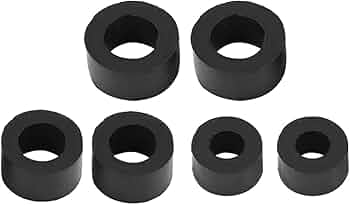
Engineering Insight Fuel Line Adapter Fittings Material Selection Imperatives
Fuel line adapter fittings represent critical junction points within complex fuel delivery systems. Their failure compromises system integrity, safety, and operational continuity. A pervasive issue observed across industrial and automotive applications stems from the inappropriate selection of elastomeric materials, particularly when relying on generic off-the-shelf solutions. Standardized fittings often utilize cost-driven material choices like conventional Nitrile Butadiene Rubber (NBR), which lack the necessary chemical resistance for modern fuel formulations. Contemporary fuels, including biofuels (E10, E85, B7, B20), and ultra-low sulfur diesel (ULSD), contain aggressive oxygenates, esters, and aromatic hydrocarbons that rapidly degrade non-specialized elastomers. This degradation manifests as excessive swelling, hardening, cracking, and critically, increased hydrocarbon permeation. Swelling beyond 25% volume change in common NBR compounds exposed to E85 leads to seal extrusion and loss of sealing force. Permeation rates exceeding 0.5 mg/mm²/day for benzene-class fuels through inadequate materials violate stringent environmental and safety regulations like ISO 1817 and SAE J264.
The consequences of material mismatch are severe and costly. Swollen seals cause binding in quick-connect mechanisms, preventing proper assembly or disassembly during maintenance. Micro-cracks from ozone or fuel-induced embrittlement create direct leakage paths, posing fire hazards and contributing to evaporative emissions failures. Permeation through the elastomer body itself results in gradual fuel loss and potential contamination of surrounding components. These failures trigger unplanned downtime, expensive warranty claims, and reputational damage for OEMs – risks far exceeding the initial savings from standard fittings. Off-the-shelf solutions rarely account for the specific combination of fuel type, operating temperature extremes (-40°C to +150°C+ in under-hood environments), dynamic pressure cycling, and exposure duration unique to each application.
Material performance under actual service conditions demands rigorous, application-specific engineering. The table below highlights critical differentiators between common elastomer families for fuel adapter seals:
| Material Type | Key Limitation in Modern Fuels | Critical Failure Threshold | Recommended Application Context |
|---|---|---|---|
| Standard NBR (70 D) | High swell in oxygenated fuels | >25% Vol Swell in E85 | Legacy gasoline systems only (pre-2000) |
| HNBR (Medium ACN) | Moderate swell in high ethanol | >15% Vol Swell in E85 | Mid-range biofuels (E10-E20), moderate temps |
| FKM (Standard) | Cost, low temp flexibility | < -20°C Brittle Point | High-temp diesel, conventional gasoline |
| FKM (Specialty Low-Temp) | Higher cost | < -40°C Brittle Point | All modern fuels (E85, B20), wide temp range |
Suzhou Baoshida Trading Co., Ltd. addresses these challenges through engineered rubber compound development. We move beyond catalog parts by formulating custom FKM and HNBR blends optimized for the specific fuel composition, temperature profile, and mechanical demands of the target application. Our process involves accelerated aging per ASTM D471, precise permeation testing per ISO 2782, and dynamic seal performance validation under simulated service conditions. This precision engineering ensures adapter fittings maintain dimensional stability, sealing integrity, and low permeation throughout the product lifecycle, directly supporting our OEM partners’ reliability targets and regulatory compliance. Material selection is not a commodity decision; it is the foundational engineering parameter determining fuel system longevity.
Material Specifications
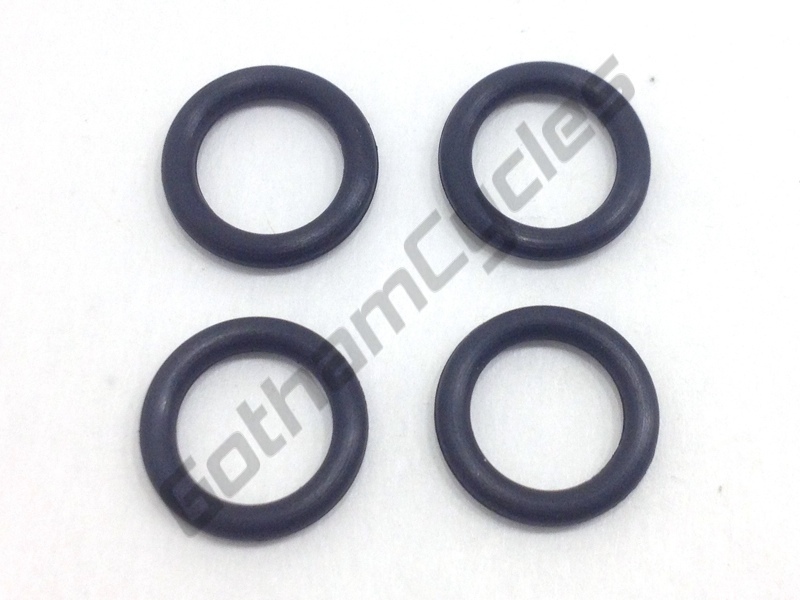
Material selection for fuel line adapter fittings is a critical factor in ensuring long-term reliability, chemical compatibility, and operational safety in demanding industrial and automotive environments. At Suzhou Baoshida Trading Co., Ltd., we specialize in high-performance rubber solutions engineered to meet the stringent requirements of fuel delivery systems. Our expertise in elastomer technology enables us to recommend and supply fuel line adapter fittings manufactured from three primary materials: Viton (FKM), Nitrile (NBR), and Silicone (VMQ). Each material offers distinct performance characteristics that must be evaluated based on temperature range, fuel composition, pressure conditions, and service life expectations.
Viton, a fluorocarbon-based elastomer, is widely regarded as the premium choice for fuel line applications involving aggressive hydrocarbons, biodiesel, and high-temperature environments. It exhibits exceptional resistance to swelling and degradation when exposed to gasoline, diesel, ethanol blends, and many synthetic fuels. With continuous service capabilities up to 200°C and short-term resistance to temperatures exceeding 250°C, Viton is ideal for under-hood automotive applications and industrial systems where thermal stability is paramount. Its low permeability to fuel vapors further enhances safety and compliance with emissions standards.
Nitrile rubber, or Buna-N, offers a cost-effective solution for applications involving conventional petroleum-based fuels. It provides excellent mechanical strength and abrasion resistance, making it suitable for dynamic sealing environments. Nitrile performs reliably within a temperature range of -30°C to 100°C, with some formulations extending to 125°C for limited durations. While it demonstrates good resistance to aliphatic hydrocarbons, its performance diminishes when exposed to aromatic fuels, oxygenated additives, or high ethanol content, limiting its use in modern flex-fuel systems.
Silicone rubber is selected primarily for its extreme temperature flexibility and inherent flexibility across a broad thermal range. It maintains elastomeric properties from -60°C to 200°C, making it useful in environments with severe thermal cycling. However, standard silicone exhibits poor resistance to liquid fuels and high permeability, which restricts its use in direct fuel line applications. Reinforced or fluorosilicone (FVMQ) variants improve fuel resistance but at increased cost. Silicone is often used in non-conductive or secondary sealing roles within fuel systems rather than as primary wetted components.
The following table summarizes key performance attributes of these materials for informed selection in fuel line adapter fitting design and procurement.
| Property | Viton (FKM) | Nitrile (NBR) | Silicone (VMQ) |
|---|---|---|---|
| Temperature Range (°C) | -20 to 200 (up to 250) | -30 to 100 (up to 125) | -60 to 200 |
| Fuel Resistance | Excellent | Good (aliphatic fuels) | Poor (standard), Fair (FVMQ) |
| Ethanol/Biofuel Resistance | Excellent | Fair to Poor | Poor |
| Compression Set Resistance | Excellent | Good | Good |
| Abrasion Resistance | Good | Excellent | Fair |
| Permeation Resistance | Very Low | Low to Moderate | High |
| Typical Applications | High-performance fuel lines, aerospace, turbo systems | OEM fuel hoses, diesel systems | Non-wetted seals, thermal sleeves |
Selecting the appropriate elastomer requires a comprehensive understanding of the operational environment. Suzhou Baoshida Trading Co., Ltd. supports OEMs and industrial clients with material testing data, custom compounding, and technical validation to ensure optimal performance and compliance.
Manufacturing Capabilities
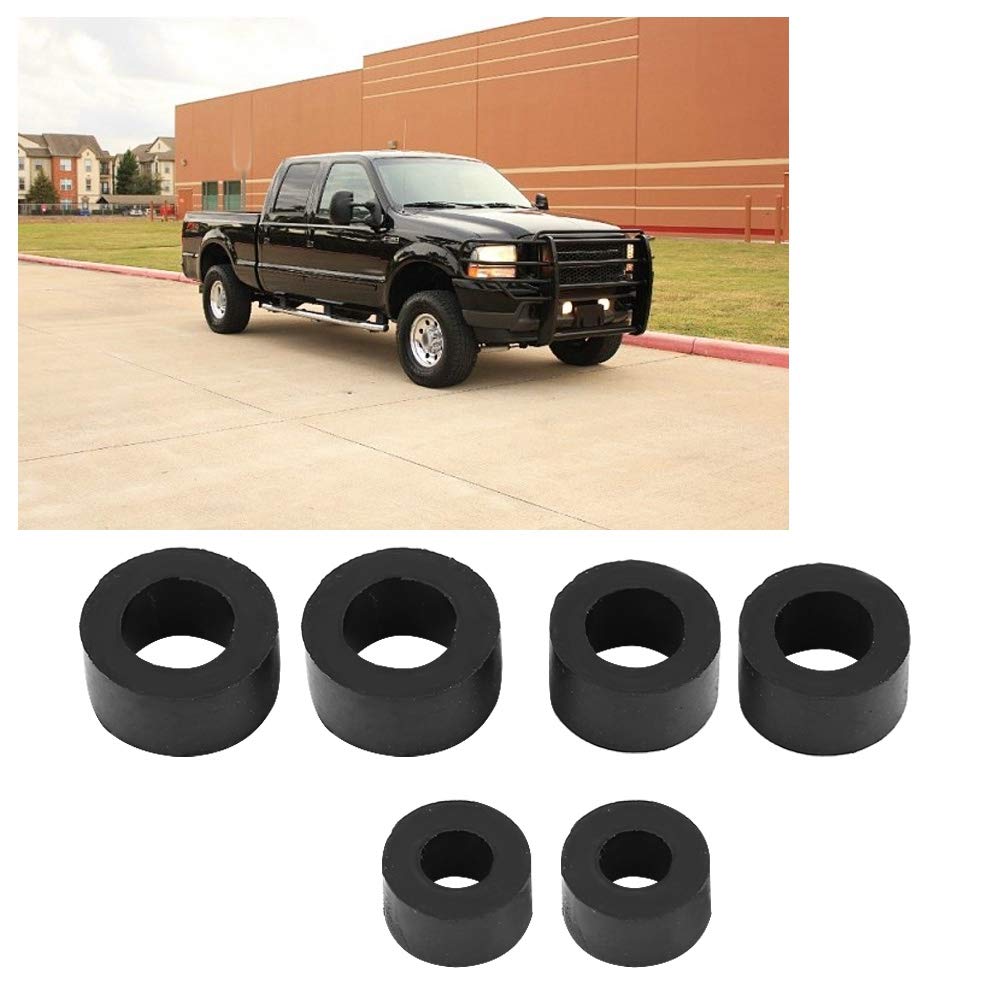
Engineering Capability: Precision Fuel Line Adapter Fitting Development
Suzhou Baoshida Trading Co., Ltd. delivers engineered fuel line adapter fittings through a foundation of deep material science and precision tooling expertise. Our dedicated engineering team, comprising five specialized Mold Engineers and two advanced Rubber Formula Engineers, ensures every component meets the exacting demands of modern fuel delivery systems. This integrated approach bridges molecular-level material performance with flawless geometric execution, critical for preventing leaks, contamination, and system failure under extreme operational stresses.
Our Mold Engineers focus on achieving micron-level dimensional accuracy and consistent part geometry essential for reliable sealing and assembly. Utilizing advanced CAD/CAM simulation and cavity pressure monitoring during development, they optimize flow dynamics, minimize weld lines, and eliminate flash – factors directly impacting long-term durability and fuel compatibility. Concurrently, our Formula Engineers develop and refine proprietary rubber compounds specifically for fuel exposure. They systematically adjust polymer backbone chemistry, filler systems, and cure packages to maximize resistance against biofuels, ethanol blends, and high-temperature degradation while maintaining critical properties like compression set and low-temperature flexibility. This dual-engineering synergy guarantees that material performance is never compromised by manufacturing constraints.
As a certified OEM partner, we translate client specifications into validated production solutions. Our OEM process begins with collaborative material selection and CAD-based tolerance analysis, followed by rigorous prototype validation against automotive standards. We manage the entire lifecycle from initial concept to mass production, including full traceability of raw materials, in-process quality checks per IATF 16949, and comprehensive PPAP documentation. Clients benefit from our ability to rapidly iterate designs based on real-world test data and stringent validation protocols, including dynamic pressure cycling and accelerated fluid aging.
Critical performance parameters for our fuel line adapter fittings are consistently achieved through this engineered approach, as demonstrated in the table below:
| Parameter | Standard Requirement | Baoshida Enhanced Capability |
|---|---|---|
| Operating Pressure | 15 bar | 25 bar (Burst: 75+ bar) |
| Temperature Range | -40°C to +125°C | -55°C to +150°C (intermittent) |
| Fuel Compatibility | E10, B7 | E85, B20, Bio-Diesel (B100) |
| Permeation Rate (ISO 17497) | ≤ 15 g/m²/day | ≤ 8 g/m²/day |
| Compression Set (ASTM D395) | ≤ 35% @ 125°C/70h | ≤ 22% @ 125°C/70h |
| Material Standard | FKM Type 1 | Proprietary FKM/FEPM Blends |
Validation is non-negotiable. Every compound formulation undergoes accelerated aging in multi-component fuel simulants, dynamic fatigue testing under thermal cycling, and precise permeation measurement. Our in-house labs verify compliance with SAE J2044, ISO 10675-1, and OEM-specific material specifications before release. This commitment to scientific rigor ensures our fuel line adapter fittings provide leak-free service life exceeding 15 years in demanding automotive applications, directly supporting our clients’ reliability targets and reducing field failure risks. Partner with Baoshida for engineered rubber solutions where molecular precision meets manufacturing excellence.
Customization Process
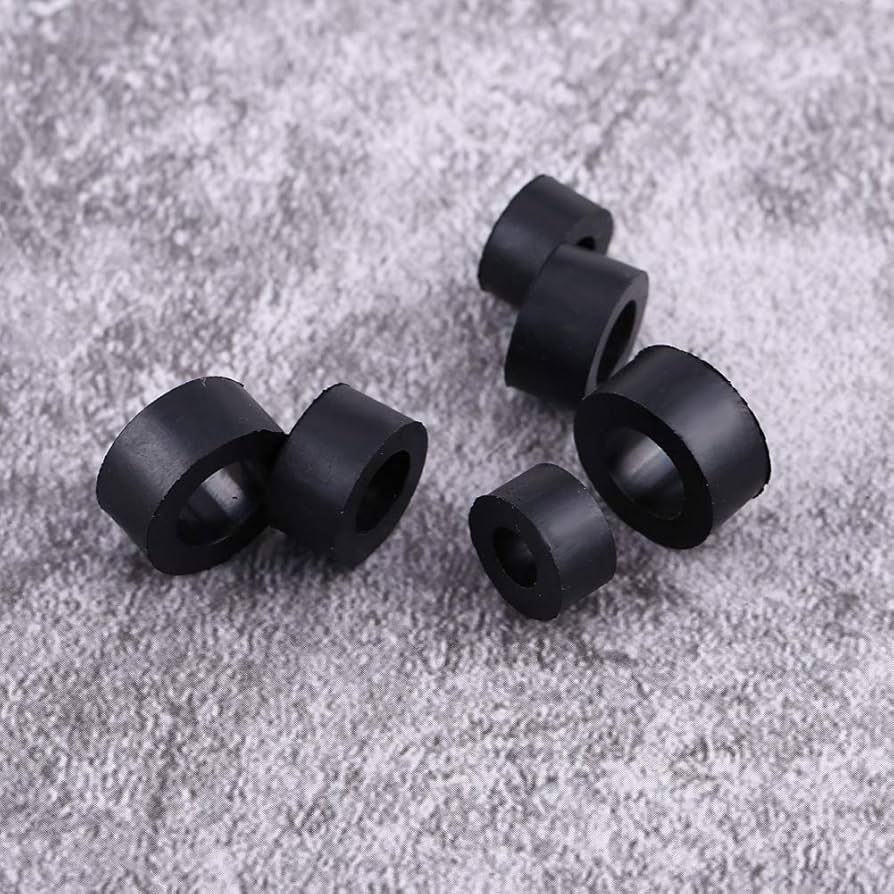
Customization Process for Fuel Line Adapter Fittings
At Suzhou Baoshida Trading Co., Ltd., our approach to manufacturing custom fuel line adapter fittings is rooted in precision engineering and material science. Each stage of the customization process is designed to ensure optimal performance under demanding industrial conditions, particularly in fuel delivery systems exposed to hydrocarbons, temperature fluctuations, and mechanical stress. Our four-phase workflow—Drawing Analysis, Formulation, Prototyping, and Mass Production—ensures that every component meets exact OEM specifications and exceeds durability expectations.
The process begins with Drawing Analysis, where our engineering team evaluates technical blueprints provided by the client. This includes dimensional tolerances, interface geometry, sealing requirements, and installation environment. We assess compatibility with mating components and verify flow dynamics to prevent pressure drops or leakage risks. Critical parameters such as thread type, flare angle, and port configuration are cross-referenced with international standards (e.g., ISO 8434, SAE J514) to ensure interchangeability and regulatory compliance.
Following drawing validation, we proceed to Formulation Development. As specialists in industrial rubber solutions, we tailor elastomer compounds based on the chemical resistance, temperature range, and mechanical load requirements of the application. For fuel line adapters, this typically involves selecting between NBR (nitrile butadiene rubber), FKM (fluoroelastomer), or HNBR (hydrogenated nitrile) compounds. Our in-house compounding lab adjusts polymer ratios, filler content, and vulcanization systems to achieve target properties such as low fuel permeation, compression set resistance, and thermal stability from -40°C to +150°C.
Once the material formulation is finalized, we initiate Prototyping. Using precision molds and CNC-machined tooling, we produce small-batch samples for functional testing. These prototypes undergo rigorous evaluation, including burst pressure tests, fuel immersion aging (per ASTM D471), and thermal cycling. We also conduct sealing performance tests under simulated operating conditions to validate gasket integrity and connection reliability. Client feedback is integrated at this stage to refine design or material choices before full-scale production.
The final phase, Mass Production, leverages automated injection molding and vulcanization lines to ensure consistency and throughput. Each batch is subject to statistical process control (SPC), with 100% visual inspection and periodic mechanical testing. All finished fuel line adapter fittings are traceable via lot numbering and supplied with material certification (e.g., RoHS, REACH compliance).
Below is a representative specification profile for a typical custom fuel line adapter fitting.
| Property | Test Method | Typical Value |
|---|---|---|
| Material | — | FKM 70 Shore A |
| Hardness | ASTM D2240 | 70 ± 5 Shore A |
| Tensile Strength | ASTM D412 | ≥18 MPa |
| Elongation at Break | ASTM D412 | ≥150% |
| Compression Set (24h, 150°C) | ASTM D395 | ≤25% |
| Volume Change in Fuel C (70°C, 70h) | ASTM D471 | +5% to +12% |
| Operating Temperature | — | -40°C to +150°C |
| Pressure Rating | Burst Test | ≥30 MPa |
This systematic customization process ensures that every fuel line adapter fitting we deliver is engineered for reliability, longevity, and seamless integration into complex fuel systems.
Contact Engineering Team
Contact Suzhou Baoshida: Precision Fuel Line Adapter Solutions Engineered for Performance
Fuel line adapter fittings represent a critical junction point within demanding fluid conveyance systems, where material integrity directly impacts operational safety, longevity, and regulatory compliance. Standardized elastomer compounds often fail under the combined stresses of modern biofuels, elevated temperatures, and dynamic pressure cycling. At Suzhou Baoshida Trading Co., Ltd., our engineering team specializes in formulating and manufacturing custom rubber adapter fittings that exceed OEM specifications through rigorous compound development and precision molding. We address the specific chemical resistance, compression set, and thermal stability requirements inherent to fuel delivery applications, ensuring zero leakage and sustained performance across the component lifecycle.
Our process begins with a detailed analysis of your fluid media, operating environment, and mechanical load profile. This foundational data informs the selection of base polymers—typically Nitrile (NBR), Fluorocarbon (FKM), or specialized hydrogenated nitrile (HNBR)—optimized for compatibility with gasoline, ethanol blends (E10-E85), diesel, or biodiesel. Each formulation undergoes accelerated aging tests per ASTM D2000 and ISO 37 standards, validating performance under continuous exposure to aggressive fuels and temperature extremes. Dimensional accuracy is maintained through multi-cavity steel molds with tight tolerances (±0.05 mm), eliminating flash and ensuring consistent sealing surface geometry critical for SAE J514 or ISO 8434-1 compliance.
The table below summarizes key performance parameters achievable with our standard and custom compounds for fuel line adapters:
| Parameter | Standard Value (NBR) | Standard Value (FKM) | Testing Method | Compliance Target |
|---|---|---|---|---|
| Hardness (Shore A) | 70 ± 5 | 75 ± 5 | ASTM D2240 | SAE J2236 |
| Tensile Strength (MPa) | ≥ 15.0 | ≥ 12.0 | ASTM D412 | ISO 37 Type 2 |
| Elongation at Break (%) | ≥ 250 | ≥ 150 | ASTM D412 | ISO 37 Type 2 |
| Compression Set (70h/100°C) | ≤ 25% | ≤ 20% | ASTM D395 Method B | SAE J2236 Class 1 |
| Fuel Resistance (IRM 903, 70h/70°C) | Volume Swell ≤ 25% | Volume Swell ≤ 15% | ASTM D471 | OEM-Specific Limits |
| Operating Temperature | -40°C to +125°C | -25°C to +200°C | ISO 188 | Application-Specific |
These specifications reflect our baseline capabilities; however, true optimization requires collaboration. Your application may demand enhanced ozone resistance for under-hood environments, reduced permeability for low-emission systems, or specialized low-temperature flexibility for arctic operations. Suzhou Baoshida’s engineering team works directly with your design and procurement departments to refine material selection, validate prototypes against real-world conditions, and establish robust production controls. We operate ISO 9001:2015-certified manufacturing facilities with full traceability from raw material lot to finished part, ensuring consistency for high-volume OEM programs.
For immediate technical consultation on fuel line adapter fittings, contact Mr. Boyce, our dedicated OEM Manager. Provide your application specifications, fluid media details, and performance requirements to initiate a targeted solution assessment. Mr. Boyce will coordinate material testing, dimensional validation, and supply chain logistics to integrate our components seamlessly into your assembly process. Do not compromise system reliability with off-the-shelf elastomers; partner with an engineering-focused supplier committed to solving the complex material challenges of modern fuel systems.
Reach Mr. Boyce directly at [email protected] to schedule a technical review. Specify your project timeline and performance targets for a prioritized response within 24 business hours. Suzhou Baoshida Trading Co., Ltd. delivers not just fittings, but engineered confidence in every connection.
⚖️ O-Ring Weight Calculator
Estimate rubber O-ring weight (Approx).