
Technical Contents
Engineering Guide: Fuel Resistant Gasket Material
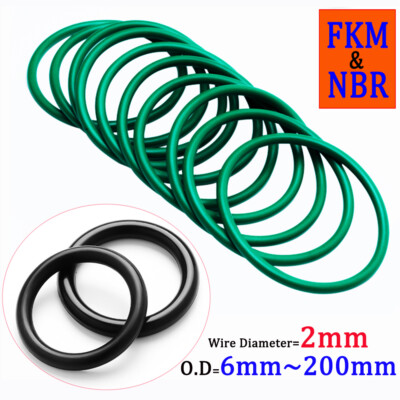
Engineering Insight: Fuel Resistant Gasket Material
In high-performance industrial and automotive systems, the integrity of a gasket under fuel exposure is not merely a matter of sealing efficiency—it is a fundamental requirement for operational safety, longevity, and compliance. The selection of fuel resistant gasket material demands rigorous engineering evaluation, as off-the-shelf elastomers often fail prematurely when exposed to modern hydrocarbon blends, biofuels, and additives. These failures stem from inadequate resistance to swelling, compression set, and chemical degradation—issues that standard rubber compounds are not designed to withstand.
Common materials such as natural rubber (NR) or even general-purpose nitrile butadiene rubber (NBR) may appear suitable based on initial cost and availability. However, when exposed to fuels containing ethanol, biodiesel, or aromatic hydrocarbons, these materials exhibit significant volume swell, loss of tensile strength, and embrittlement over time. The resulting degradation compromises the seal, leading to leaks, system contamination, and potential safety hazards. This is particularly critical in fuel delivery systems, engine compartments, and chemical processing equipment where continuous exposure occurs.
Material performance must be evaluated not only against pure gasoline or diesel but also against evolving fuel formulations. For instance, E85 (85% ethanol) imposes extreme demands on elastomer stability due to its high polarity and oxygen content. Similarly, biodiesel (B100) accelerates hydrolysis in certain polymers, leading to rapid deterioration. Therefore, selecting a gasket material requires understanding the full spectrum of fluid compatibility, temperature range, and dynamic stress conditions.
At Suzhou Baoshida Trading Co., Ltd., we specialize in precision rubber seals engineered for extreme chemical resistance. Our formulations are based on fluorocarbon rubber (FKM), hydrogenated nitrile (HNBR), and perfluoroelastomers (FFKM), each offering superior performance in aggressive fuel environments. These materials maintain dimensional stability, low compression set, and consistent sealing force even after prolonged immersion.
The table below outlines key performance characteristics of advanced fuel resistant elastomers commonly used in industrial gasketing applications.
| Material | Fuel Resistance (Gasoline/Diesel) | Biofuel Resistance (E10–E85, B100) | Temperature Range (°C) | Compression Set Resistance | Typical Applications |
|---|---|---|---|---|---|
| Standard NBR | Moderate | Poor | -30 to +100 | Moderate | Low-cost seals, non-critical fuel lines |
| HNBR | High | Good to High | -40 to +150 | Excellent | Turbocharger hoses, fuel injectors |
| FKM (Standard) | Excellent | Excellent | -20 to +200 | Excellent | Fuel rails, engine gaskets, aerospace |
| FFKM | Exceptional | Exceptional | -15 to +300 | Outstanding | High-end motorsports, chemical processing |
Selecting the correct material is not a one-size-fits-all decision. It requires a detailed analysis of the operating environment, fuel composition, and lifecycle expectations. Off-the-shelf gaskets often cut corners on polymer quality and additive packages, leading to premature failure. In contrast, engineered solutions from Baoshida are formulated with precise filler systems, cure chemistry, and quality control to ensure consistent performance under real-world conditions.
For mission-critical applications, material selection is not a cost center—it is a risk mitigation strategy. Partnering with a technical supplier who understands fuel chemistry and elastomer science ensures long-term reliability and system integrity.
Material Specifications
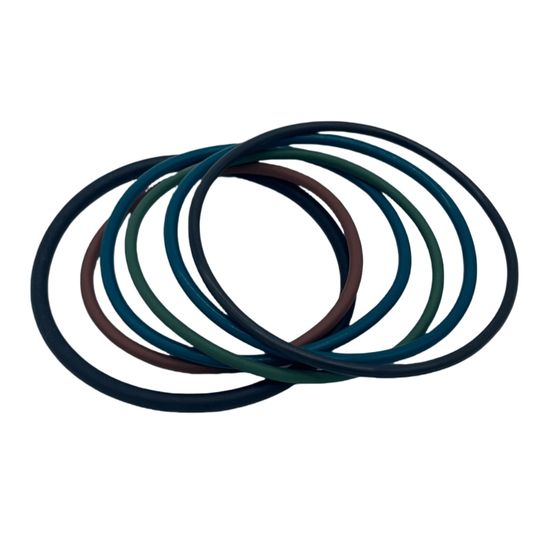
Material Specifications for Fuel Resistant Gasket Applications
Fuel resistance constitutes a critical performance parameter for gasket materials in automotive, aerospace, and industrial fluid systems. Degradation mechanisms such as swelling, hardening, or extraction of plasticizers directly compromise seal integrity, leading to leaks and system failure. At Suzhou Baoshida Trading Co., Ltd., our precision rubber seals undergo rigorous formulation to meet stringent OEM requirements for hydrocarbon and biofuel exposure. Three primary elastomers dominate this segment: Viton® (FKM), Nitrile (NBR), and Silicone (VMQ), each exhibiting distinct chemical resistance profiles dictated by molecular structure. Viton fluorocarbon rubber delivers exceptional resistance to a broad spectrum of fuels, including gasoline, diesel, jet fuels, and aggressive synthetic lubricants, due to its high fluorine content. Nitrile butadiene rubber provides a cost-effective solution for conventional petroleum-based fuels but exhibits limitations with oxygenated additives like ethanol blends above 15%. Silicone rubber, while outstanding for extreme temperature stability, demonstrates poor resistance to non-polar hydrocarbons and is generally unsuitable for direct fuel contact applications without specialized modification.
Material selection must align with specific fluid chemistry, temperature exposure, and mechanical stress conditions. Viton compounds maintain dimensional stability with typical fuel swell rates below 10% after 70 hours immersion in IRM 903 reference fluid per ASTM D471, making them ideal for under-hood and aviation fuel systems. NBR formulations require careful acrylonitrile (ACN) content optimization; high-ACN grades (45-50%) reduce swell in aliphatic fuels but sacrifice low-temperature flexibility. Silicone’s vulnerability to hydrocarbon swelling often exceeds 50% in gasoline, necessitating avoidance in primary fuel pathways despite its -60°C to +230°C operational range. All materials must comply with industry standards such as SAE AS5528, ISO 3601, or ASTM D2000 for critical applications.
The comparative performance characteristics are summarized below for rapid technical evaluation.
| Material | ASTM Standard Reference | Typical Fuel Swell (IRM 903, 70h @ 150°C) | Continuous Service Temperature Range | Primary Fuel Application Limitations |
|---|---|---|---|---|
| Viton (FKM) | D2000 FC 707 A14 B14 | 5-12% | -20°C to +230°C | None for standard hydrocarbons; limited for ketones |
| Nitrile (NBR) | D2000 BG 444 A10 B10 | 15-35% | -30°C to +125°C | Swell >25% in ethanol blends >15%; poor for biodiesel |
| Silicone (VMQ) | D2000 GE 300 A10 B14 | 40-70% | -60°C to +230°C | Unsuitable for gasoline/diesel; acceptable for fuel vapor |
Suzhou Baoshida Trading Co., Ltd. engineers custom formulations within these material families to address specific OEM fluid compatibility challenges. Our Viton compounds achieve Class 0 swell ratings per SAE AS5528 for aviation turbine fuels, while specialty hydrogenated NBR (HNBR) variants extend service life in biodiesel environments. Rigorous batch testing against client-specified fluids ensures compliance with dimensional tolerances per ISO 3302-1 M1 and compression set limits per ASTM D395 Method B. For mission-critical fuel systems, Viton remains the benchmark material where long-term chemical stability outweighs initial cost considerations. NBR serves effectively in cost-sensitive applications with controlled fuel chemistry, whereas silicone is reserved for non-fuel auxiliary systems requiring extreme temperature resilience. Consult our technical team for application-specific compound validation data and OEM qualification support.
Manufacturing Capabilities
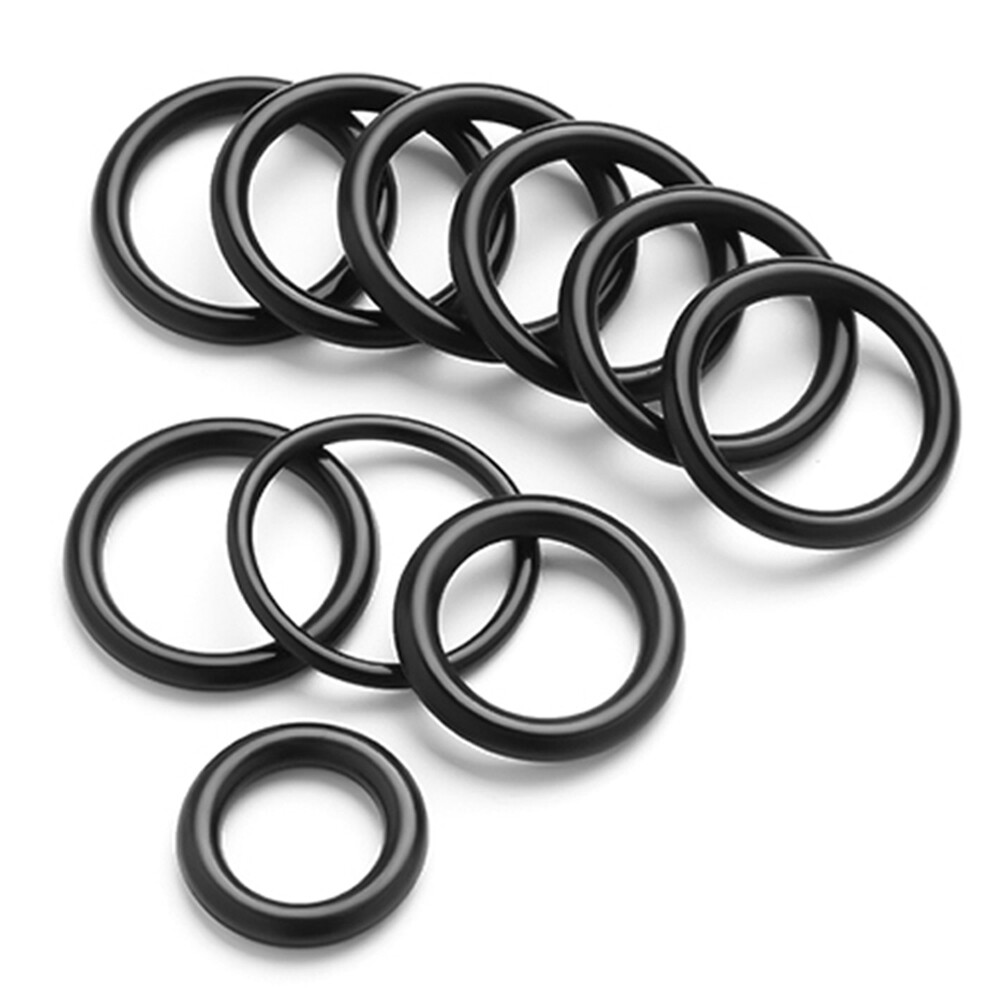
Engineering Capability: Precision Development of Fuel Resistant Gasket Materials
At Suzhou Baoshida Trading Co., Ltd., our engineering capability in the development and production of fuel resistant gasket materials is anchored in deep technical expertise and a vertically integrated OEM framework. With a dedicated team of five mould engineers and two specialized rubber formula engineers, we deliver precision-engineered sealing solutions tailored to the rigorous demands of automotive, industrial, and energy applications where exposure to hydrocarbons, biodiesel, ethanol blends, and synthetic fuels is prevalent.
Our formula engineers possess advanced knowledge in polymer chemistry, specifically in nitrile (NBR), hydrogenated nitrile (HNBR), fluorocarbon (FKM), and ACM elastomer systems. They design custom compound formulations that balance swelling resistance, compression set performance, low-temperature flexibility, and mechanical durability under prolonged fuel exposure. Each formulation undergoes accelerated aging tests in reference fuels such as ASTM No. 1 and No. 3, as well as real-world fuel simulants, ensuring compliance with OEM material specifications and international standards including ISO 1817 and SAE J20.
The integration of formulation science with precision moulding expertise enables seamless transition from concept to production. Our five mould engineers specialize in precision tooling design for compression, injection, and transfer moulding processes. They optimize cavity geometry, gating systems, and venting configurations to eliminate flash, ensure dimensional stability, and maintain tight tolerances (±0.1 mm for critical sealing surfaces). Finite element analysis (FEA) is employed during design to predict material flow and cure behavior, reducing prototyping cycles and accelerating time-to-market for custom gasket solutions.
We operate as a full-service OEM partner, offering end-to-end development from material selection and CAD-supported design to tooling fabrication, small-batch prototyping, and high-volume manufacturing. Our facility supports rapid sample turnaround—typically within 10–15 working days from design approval—and maintains traceability through batch-controlled production and comprehensive material certification (including RoHS and REACH compliance).
This synergy between material science and precision engineering ensures that every fuel resistant gasket we produce meets exact functional requirements under dynamic sealing conditions.
Typical Performance Specifications of Custom Fuel Resistant Compounds
| Property | Test Method | NBR (Custom) | HNBR (High-Performance) | FKM (Premium Grade) |
|---|---|---|---|---|
| Hardness (Shore A) | ASTM D2240 | 65–90 | 70–90 | 60–85 |
| Tensile Strength (MPa) | ASTM D412 | ≥15 | ≥18 | ≥12 |
| Elongation at Break (%) | ASTM D412 | ≥250 | ≥200 | ≥150 |
| Volume Swell in Fuel C (ASTM No. 3) | ASTM D471 | ≤25% | ≤15% | ≤10% |
| Compression Set (70h, 100°C) | ASTM D395 | ≤30% | ≤25% | ≤20% |
| Operating Temperature Range (°C) | — | -30 to +120 | -25 to +150 | -20 to +200 |
This technical foundation enables Suzhou Baoshida to deliver reliable, high-integrity gasket materials engineered for long-term performance in aggressive fuel environments.
Customization Process
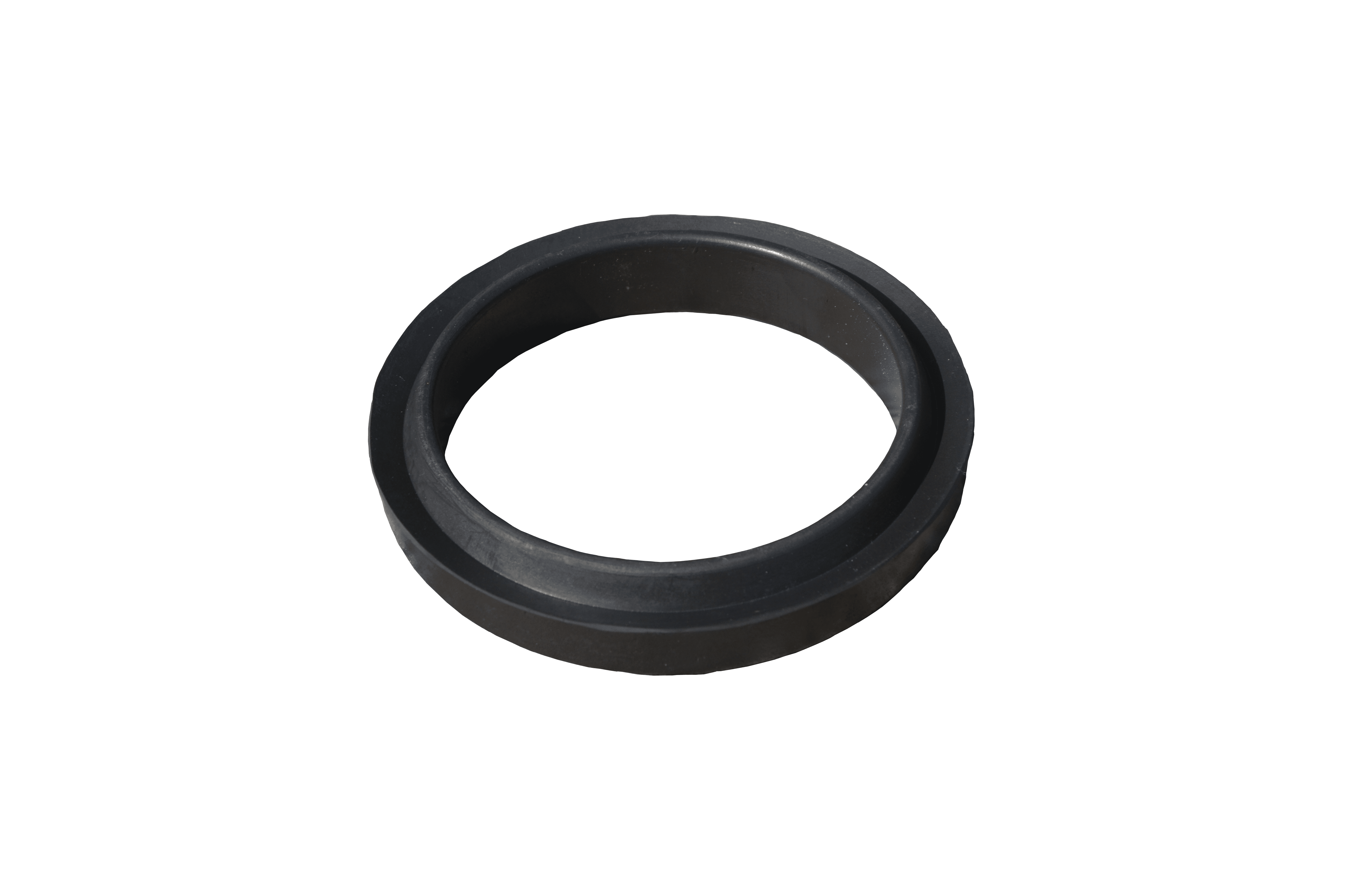
Customization Process for Fuel Resistant Gasket Material
At Suzhou Baoshida Trading Co., Ltd., our fuel-resistant gasket customization follows a rigorous engineering workflow to ensure optimal performance in demanding hydrocarbon environments. The process begins with Drawing Analysis, where our engineering team validates dimensional tolerances, surface finish requirements, and AS568 compliance against client specifications. Critical parameters such as cross-section compression, groove dimensions, and sealing pressure are cross-referenced with ISO 3601 standards. Any deviations triggering potential extrusion or stress relaxation risks are flagged for collaborative redesign with the client, ensuring geometric feasibility prior to material selection.
Formulation Development is the subsequent phase, driven by the specific fuel composition and operational conditions. Base polymers are selected from high-performance fluoroelastomers (FKM) or perfluoroelastomers (FFKM), with additive packages tailored to resist swelling, degradation, and loss of mechanical integrity. Key considerations include aromatic hydrocarbon content in fuels, temperature ranges, and exposure duration. Our proprietary compound database leverages decades of OEM validation data to optimize filler dispersion, cure kinetics, and hydrocarbon permeation resistance. All formulations strictly adhere to ASTM D2000 material classification codes, with traceable batch records for full regulatory compliance.
Prototyping employs precision compression molding or injection molding under controlled vulcanization conditions. Each prototype undergoes accelerated aging per SAE J2643 and ASTM D471 immersion testing in specified fuels (e.g., ASTM Fuel C, biodiesel blends, jet A-1) at elevated temperatures. Critical validation metrics include volume swell (<15%), tensile strength retention (>80%), and compression set after 72-hour fuel exposure. Dimensional inspection via CMM verifies conformity to drawing tolerances, while leak testing under dynamic pressure cycles confirms functional integrity. Client feedback on prototype performance directly informs final compound adjustments.
Mass Production commences only after formal sign-off on prototype validation data. Our ISO 9001-certified production lines implement statistical process control (SPC) for mixing, molding, and post-cure operations. Every production batch undergoes in-line hardness testing and post-vulcanization inspection. Final quality assurance includes batch-specific certificates of conformance detailing hardness, tensile properties, and fuel resistance test results against the agreed specification. Dedicated lot traceability ensures full material pedigree from raw polymer to finished gasket, supporting OEM recall protocols and lifetime performance tracking.
Critical Fuel Resistance Specifications
| Fuel Type | Recommended Material Grade | Hardness (Shore A) | Max Compression Set (ASTM D395, 150°C/70h) | Volume Swell in ASTM Fuel C (150h, 150°C) |
|---|---|---|---|---|
| Gasoline (E10) | FKM 70A | 68–72 | ≤25% | ≤12% |
| Diesel (ULSD) | FKM 75A | 73–77 | ≤22% | ≤10% |
| Jet Fuel (Jet A-1) | FFKM 80A | 78–82 | ≤18% | ≤8% |
| Biodiesel (B20) | Specialty FKM | 70–74 | ≤28% | ≤15% |
This structured approach guarantees gaskets that maintain sealing force and chemical stability across 10,000+ hours of service in fuel systems, directly supporting OEM reliability targets and emissions compliance. Suzhou Baoshida Trading Co., Ltd. delivers engineered resilience through science-driven material solutions.
Contact Engineering Team
Contact Suzhou Baoshida for High-Performance Fuel Resistant Gasket Materials
When engineering critical sealing solutions for fuel systems, material selection is not a compromise—it is a precision decision. At Suzhou Baoshida Trading Co., Ltd., we specialize in advanced rubber compounds engineered for extreme chemical resistance, thermal stability, and long-term reliability in fuel-rich environments. Our fuel resistant gasket materials are formulated to meet the exacting demands of automotive, aerospace, marine, and industrial OEMs where failure is not an option.
We understand that fuel formulations vary—from gasoline and diesel to biofuels and aggressive synthetic blends—and each presents unique compatibility challenges. That is why our R&D team develops custom elastomer solutions based on fluorocarbon (FKM), hydrogenated nitrile (HNBR), ethylene acrylate (AEM), and perfluoroelastomer (FFKM) polymers, ensuring optimal performance under sustained fuel exposure, elevated temperatures, and dynamic mechanical loads.
Our manufacturing process integrates rigorous quality control, from raw material sourcing to final product inspection, ensuring every gasket meets international standards such as ASTM D2000, ISO 3601, and SAE AS5753. Whether you require sheet gaskets, molded seals, or custom profiles, Suzhou Baoshida delivers dimensional accuracy, consistent durometer control, and batch traceability.
To support your application, we provide comprehensive technical documentation, including chemical resistance charts, compression set data, thermal aging profiles, and fuel immersion test results. Our engineering team collaborates directly with clients to analyze operating conditions, recommend the optimal compound, and accelerate prototyping and validation cycles.
For immediate assistance with material selection, sample requests, or custom formulation development, contact Mr. Boyce, OEM Account Manager at Suzhou Baoshida Trading Co., Ltd. With over 15 years of experience in precision rubber seals, Mr. Boyce supports global clients in transitioning from standard elastomers to high-integrity, fuel-resistant sealing solutions. He is available to review technical specifications, provide competitive pricing, and coordinate rapid sampling for qualification testing.
Reach out today to ensure your next gasket design is built on material science, not guesswork.
Key Fuel Resistant Gasket Material Specifications
| Material Type | Temperature Range (°C) | Fuel Resistance (Gasoline/Diesel) | Compression Set (22 hrs, 150°C) | Hardness Range (Shore A) | Typical Applications |
|---|---|---|---|---|---|
| FKM (Standard) | -20 to +230 | Excellent | ≤25% | 60–90 | Fuel injectors, pumps, engine covers |
| HNBR | -40 to +150 | Very Good | ≤20% | 65–85 | Turbochargers, fuel rails |
| AEM | -40 to +175 | Good to Very Good | ≤30% | 70–80 | Fuel caps, EV battery seals |
| FFKM | -15 to +325 | Exceptional | ≤15% | 75–90 | Aerospace, high-performance engines |
Contact Mr. Boyce at [email protected] to initiate a technical consultation. Let Suzhou Baoshida be your partner in fuel-resistant sealing innovation.
⚖️ O-Ring Weight Calculator
Estimate rubber O-ring weight (Approx).