
Technical Contents
Engineering Guide: Garage Door Tiles
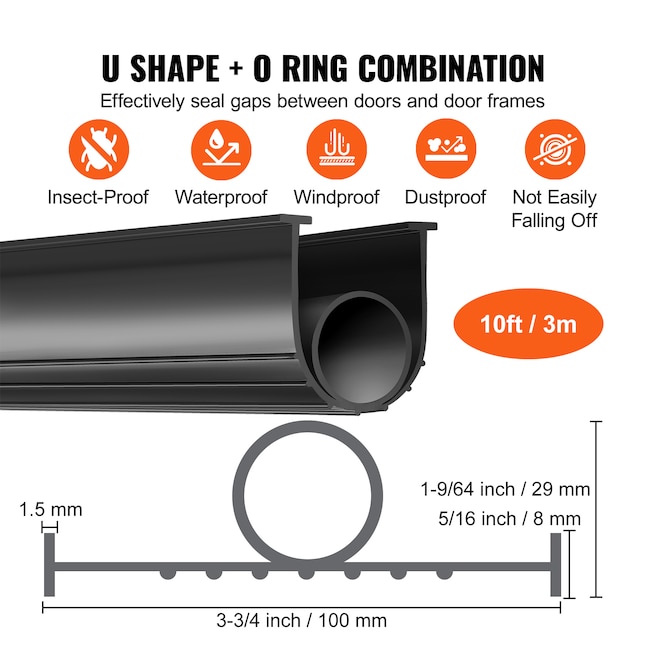
Engineering Insight: The Critical Role of Material Selection in Garage Door Tiles
In the industrial production of garage door tiles, material selection is not merely a design consideration—it is a foundational engineering decision that directly impacts performance, durability, and lifecycle cost. Garage doors operate under demanding mechanical and environmental conditions, including repeated compression cycles, exposure to UV radiation, temperature extremes, and contact with abrasive surfaces. Off-the-shelf rubber solutions often fail in this application due to an oversimplified understanding of material behavior under real-world stressors. Standard elastomers such as generic EPDM or low-grade SBR may appear cost-effective initially but lack the tailored compounding required for sustained resilience.
The failure mechanisms of substandard garage door tiles are well-documented. Common issues include compression set, surface cracking, loss of rebound resilience, and delamination from substrate layers. These defects arise when materials are selected based on nominal specifications rather than functional performance metrics. For instance, a rubber compound with inadequate crosslink density will exhibit permanent deformation after repeated door cycles, leading to misalignment and sealing inefficiencies. Similarly, insufficient UV stabilizers accelerate ozone cracking, particularly in outdoor installations exposed to direct sunlight.
At Suzhou Baoshida Trading Co., Ltd., our approach integrates application-specific compounding using high-purity synthetic rubbers engineered for dynamic load environments. We prioritize rebound resilience, Shore A hardness consistency, and low compression set values—parameters that directly correlate with long-term functionality. Our formulations incorporate reinforced polymer matrices with optimized filler dispersion to resist abrasion and maintain dimensional stability across thermal cycles from -40°C to +80°C.
The following table outlines key performance specifications for engineered rubber compounds used in industrial-grade garage door tiles, compared against typical off-the-shelf alternatives:
| Property | Engineered Compound (Baoshida) | Off-the-Shelf Generic Rubber |
|---|---|---|
| Base Polymer | High-transparency SBR/BR blend with nano-reinforcement | Standard EPDM or reprocessed SBR |
| Shore A Hardness | 65 ± 5 | 55–70 (inconsistent) |
| Tensile Strength | ≥ 18 MPa | 8–12 MPa |
| Elongation at Break | ≥ 450% | 200–300% |
| Compression Set (22h at 70°C) | ≤ 15% | 25–40% |
| Rebound Resilience | ≥ 60% | 35–45% |
| Operating Temperature Range | -40°C to +80°C | -20°C to +60°C |
| UV and Ozone Resistance | Excellent (ASTM D1149 compliant) | Poor to moderate |
As demonstrated, engineered materials significantly outperform generic alternatives across all critical parameters. The consequence of under-specifying rubber compounds extends beyond product failure—it impacts customer satisfaction, warranty costs, and brand integrity. Industrial clients must demand traceable material data sheets and third-party validation of performance claims.
Suzhou Baoshida Trading Co., Ltd. adheres to ISO 9001-certified formulation protocols, ensuring every batch meets exacting standards for structural integrity and environmental resistance. In the competitive landscape of garage door manufacturing, precision in material science is not optional—it is the cornerstone of reliable, high-performance solutions.
Material Specifications
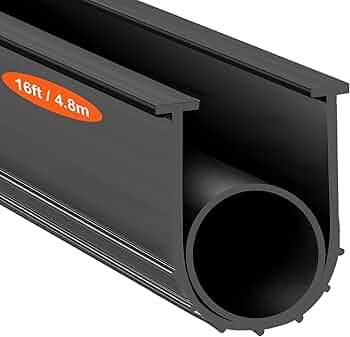
Material Specifications for Garage Door Tile Applications
Suzhou Baoshida Trading Co., Ltd. provides engineered rubber solutions optimized for garage door tile performance under rigorous industrial and environmental conditions. Material selection directly impacts longevity, sealing integrity, and resistance to mechanical stress, temperature extremes, and chemical exposure. Our formulations prioritize Viton® (FKM), Nitrile (NBR), and Silicone (VMQ) due to their distinct polymer architectures, which address specific operational challenges in garage infrastructure. Viton excels in high-heat and chemical-intensive environments, Nitrile offers cost-effective resilience against petroleum-based fluids, and Silicone delivers unmatched flexibility across extreme temperature cycles. Each compound undergoes stringent ASTM testing to ensure compliance with OEM durability benchmarks, including compression set resistance for consistent sealing force retention and tensile strength to prevent tile deformation during installation or operation.
The following table details critical performance parameters for each material, validated per industry-standard test methods. These specifications guide optimal material pairing based on regional climate, exposure risks, and mechanical load requirements.
| Property | Viton (FKM) | Nitrile (NBR) | Silicone (VMQ) | Test Standard |
|---|---|---|---|---|
| Temperature Range | -20°C to +230°C | -30°C to +120°C | -60°C to +200°C | ASTM D2240 |
| Tensile Strength (MPa) | 15–20 | 10–25 | 6–12 | ASTM D412 |
| Compression Set (%), 70°C/22h | ≤20 | ≤25 | ≤20 | ASTM D395 |
| Hardness (Shore A) | 60–90 | 55–90 | 30–80 | ASTM D2240 |
| Fuel/Oil Resistance | Excellent | Very Good | Poor | ASTM D471 |
| Ozone Resistance | Excellent | Good | Excellent | ASTM D1149 |
Viton’s fluorocarbon backbone provides exceptional stability against automotive fluids, solvents, and sustained high temperatures, making it ideal for tiles in commercial garages with frequent vehicle exhaust exposure. Nitrile’s acrylonitrile content delivers robust resistance to oils and greases at a competitive cost, suitable for residential applications with moderate chemical exposure. Silicone’s siloxane bonds ensure consistent elasticity in sub-zero climates, preventing tile brittleness during winter operation, though its lower tensile strength necessitates design adjustments for high-load zones.
As an OEM partner, Suzhou Baoshida emphasizes that compression set values below 25% are non-negotiable for garage door tiles to maintain sealing pressure after 10,000+ compression cycles. Nitrile formulations with 70–80 Shore A hardness balance flexibility and structural support for most standard tiles, while Viton variants above 80 Shore A are recommended for heavy-duty industrial doors. Silicone’s wide hardness range allows customization for noise-dampening tiles in residential settings. All materials are compounded without plasticizers to eliminate migration-related hardening, a critical failure point in UV-exposed installations. Consult our engineering team to align material specs with your regional environmental profiles and lifecycle expectations.
Manufacturing Capabilities
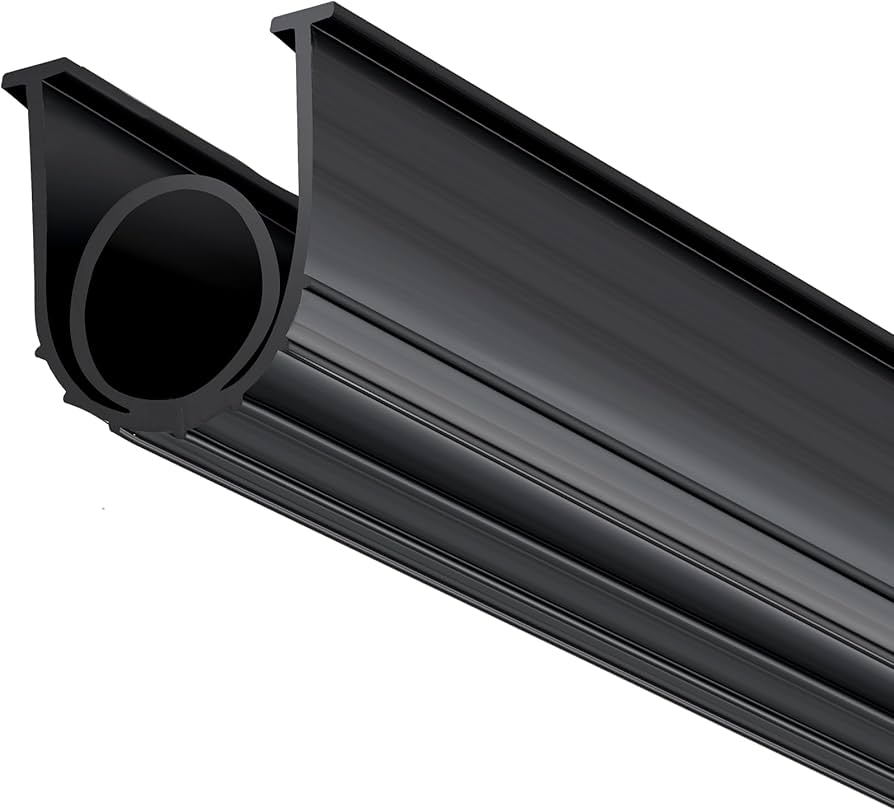
Engineering Capability: Precision-Driven Rubber Solutions for Garage Door Tiles
At Suzhou Baoshida Trading Co., Ltd., our engineering capability forms the backbone of our industrial rubber manufacturing excellence. With a dedicated team of five mould engineers and two specialized rubber formula engineers, we deliver technically advanced, durable, and application-specific garage door tile solutions tailored to OEM requirements. Our integrated engineering approach ensures seamless transition from concept to production, maintaining strict adherence to dimensional accuracy, mechanical performance, and environmental resilience.
Our mould engineering team employs advanced CAD/CAM software and finite element analysis (FEA) to design precision moulds optimized for high-volume consistency and minimal cycle times. Each mould is developed with attention to thermal distribution, wear resistance, and ejection dynamics, ensuring long service life and repeatable part quality. We utilize hardened tool steels and surface treatments such as nitriding to enhance durability under industrial operating conditions, reducing downtime and maintenance costs for our clients.
Complementing our mould expertise, our two in-house rubber formula engineers specialize in elastomer compounding for dynamic mechanical applications. They formulate custom rubber blends using EPDM, SBR, and NBR base polymers, tailored to meet specific hardness, compression set, tensile strength, and weather resistance requirements. Additives such as reinforcing fillers, anti-aging agents, and processing oils are precisely calibrated to ensure optimal performance under temperature extremes (-40°C to +120°C), UV exposure, and repeated mechanical stress—conditions typical in garage door environments.
We maintain full control over the vulcanization process, adjusting time, temperature, and pressure profiles to match each compound’s cure kinetics. This level of formulation and process control guarantees consistent cross-link density, minimizing product variability and maximizing long-term sealing and impact resistance.
As an OEM partner, we offer end-to-end development support—from initial technical consultation and 3D modelling to prototype validation and batch production. Our engineering team collaborates directly with client R&D departments to align material specifications, geometric tolerances, and performance benchmarks. We support low-volume pilot runs and scale efficiently to high-volume manufacturing, ensuring rapid time-to-market without compromising quality.
The following table outlines the standard technical specifications achievable for our garage door tile rubber components:
| Property | Test Standard | Typical Value |
|---|---|---|
| Hardness (Shore A) | ASTM D2240 | 50–80 ±5 |
| Tensile Strength | ASTM D412 | ≥8 MPa |
| Elongation at Break | ASTM D412 | ≥250% |
| Compression Set (22h, 70°C) | ASTM D395 | ≤25% |
| Operating Temperature Range | — | -40°C to +120°C |
| Specific Gravity | ASTM D297 | 1.15–1.25 |
| Tear Resistance | ASTM D624 | ≥20 kN/m |
| Abrasion Loss (Taber, 1000 cycles) | ASTM D1171 | ≤120 mg |
Our engineering team’s dual focus on precision tooling and advanced material science enables Suzhou Baoshida to deliver reliable, high-performance rubber components engineered for real-world durability. We are committed to innovation, consistency, and technical partnership in every OEM collaboration.
Customization Process
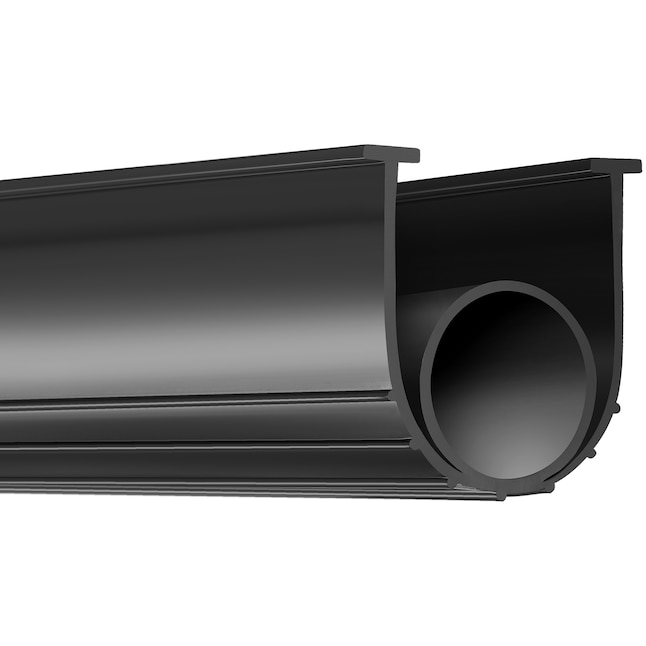
Garage Door Tile Customization Process: Precision Engineering Protocol
Suzhou Baoshida Trading Co., Ltd. executes a rigorously defined customization workflow for industrial rubber garage door tiles, ensuring optimal performance under dynamic operational stresses. Our process begins with Drawing Analysis, where engineering teams dissect client CAD files against material science constraints. Critical parameters include seal lip geometry, compression set tolerance (ISO 3384), and adhesion interface specifications. We verify compatibility with common garage door substrates (steel, aluminum, composites) while assessing deflection limits under cyclic loading. Any dimensional deviations exceeding ±0.15mm trigger collaborative redesigns with the client to prevent extrusion failure during installation.
Formulation Development follows dimensional validation, leveraging our proprietary polymer database. We prioritize EPDM or silicone compounds based on environmental exposure requirements. Key formulation adjustments address UV degradation resistance (ASTM G154), low-temperature flexibility (down to -50°C), and abrasion resistance for high-traffic installations. Accelerated aging tests determine optimal peroxide curing systems versus sulfur-based alternatives, balancing cost efficiency with 15+ year service life expectations. All compounds undergo Shore A durometer validation (±2 points tolerance) and ozone resistance screening per ASTM D1149.
Prototyping & Validation employs CNC-machined molds for initial 10-unit batches. Each prototype undergoes triaxial testing:
1. Compression deflection analysis at 25%, 50%, and 75% stroke lengths
2. Dynamic fatigue testing (10,000 cycles at 0.5Hz) simulating door operation
3. Adhesion peel strength verification (minimum 6 kN/m per ASTM D429)
Clients receive test reports with force-deflection curves and thermal imaging data. Only upon signed approval do we advance to production tooling.
Mass Production implements statistical process control (SPC) with real-time monitoring. Each production lot undergoes:
In-line durometer checks every 30 minutes
Dimensional sampling via CMM (Coordinate Measuring Machine) at 5% frequency
Batch retention testing for tensile strength and elongation at break
Our ISO 9001-certified facility maintains ±0.1mm dimensional consistency across 50,000+ unit runs, with full traceability from raw material batch codes to final shipment.
Critical Performance Specifications for Garage Door Seals
| Property | Test Standard | Minimum Requirement | Baoshida Target |
|————————-|—————|———————|—————–|
| Shore A Hardness | ASTM D2240 | 60 ± 5 | 62 ± 2 |
| Tensile Strength | ASTM D412 | 8.0 MPa | 10.5 MPa |
| Elongation at Break | ASTM D412 | 250% | 320% |
| Compression Set (70°C/22h)| ISO 815 | ≤ 25% | ≤ 18% |
| Low Temp Flexibility | ASTM D1329 | -40°C pass | -50°C pass |
| Heat Aging (100°C/72h) | ASTM D573 | ΔTensile ≤ -30% | ΔTensile ≤ -15% |
This structured approach eliminates guesswork in rubber component manufacturing. Suzhou Baoshida’s OEM partnership model ensures garage door tiles meet exact functional demands while maintaining cost efficiency through material science precision. All phases conclude with documented sign-offs, providing clients with auditable quality assurance from concept to container loading.
Contact Engineering Team
For industrial partners seeking high-performance rubber solutions tailored to demanding applications such as garage door tiles, Suzhou Baoshida Trading Co., Ltd. stands as a trusted OEM manufacturer and technical collaborator. With a focus on precision engineering, material science, and long-term durability, we specialize in delivering custom rubber components that meet rigorous functional and environmental requirements. Our expertise spans formulation development, mold design, vulcanization control, and full-scale production—ensuring every part performs consistently under real-world conditions.
Garage door tiles require more than aesthetic appeal—they demand resistance to compression set, UV degradation, temperature extremes, and repeated mechanical stress. At Suzhou Baoshida, we formulate EPDM, SBR, and NBR compounds specifically engineered for these challenges. Our rubber tiles maintain dimensional stability across -40°C to +120°C, exhibit Shore A hardness values optimized for impact absorption and sealing performance, and are manufactured using precision steel molds to ensure uniform thickness and edge integrity. Each batch undergoes strict quality control, including tensile strength, elongation at break, and compression deflection testing, to guarantee compliance with international industrial standards.
We understand that B2B clients require not only technical excellence but also supply chain reliability, scalable production capacity, and responsive engineering support. As an OEM partner, Suzhou Baoshida offers end-to-end service—from prototype development and material validation to serial production and logistics coordination. Our manufacturing facility in Jiangsu Province operates under ISO 9001-certified processes, with monthly production capacity exceeding 500,000 units for standard tile configurations. Custom colors, surface textures (e.g., anti-slip patterns), and embedded metal inserts are available upon request.
To ensure seamless integration into your product line, our technical team provides full documentation, including material data sheets (MDS), certificates of conformance (CoC), and 3D mold design files. We support both container-based bulk shipments and Just-in-Time delivery models depending on client needs.
For immediate technical consultation or quotation requests, please contact Mr. Boyce, OEM Project Manager at Suzhou Baoshida Trading Co., Ltd., via email at [email protected]. Mr. Boyce brings over 12 years of experience in rubber extrusion, compression molding, and industrial sealing solutions, and is available to discuss material selection, design optimization, and volume pricing structures.
Below are key technical specifications for our standard garage door tile formulation:
| Property | Test Method | Value |
|---|---|---|
| Material Type | ASTM D1418 | EPDM |
| Hardness (Shore A) | ASTM D2240 | 60 ± 5 |
| Tensile Strength | ASTM D412 | ≥ 9.0 MPa |
| Elongation at Break | ASTM D412 | ≥ 250% |
| Compression Set (22 hrs, 70°C) | ASTM D395 | ≤ 20% |
| Operating Temperature Range | — | -40°C to +120°C |
| Color Options | — | Black, Gray, Custom (Pantone Match) |
| Standard Tile Size | — | 500 mm × 500 mm × 10 mm |
| Fire Resistance | UL 94 | HB Rated |
Partner with Suzhou Baoshida for technically validated, industrially robust rubber solutions. Contact Mr. Boyce today to initiate your next production cycle with precision-engineered garage door tiles built to perform.
⚖️ O-Ring Weight Calculator
Estimate rubber O-ring weight (Approx).