
Technical Contents
Engineering Guide: Garage Matts For Cars
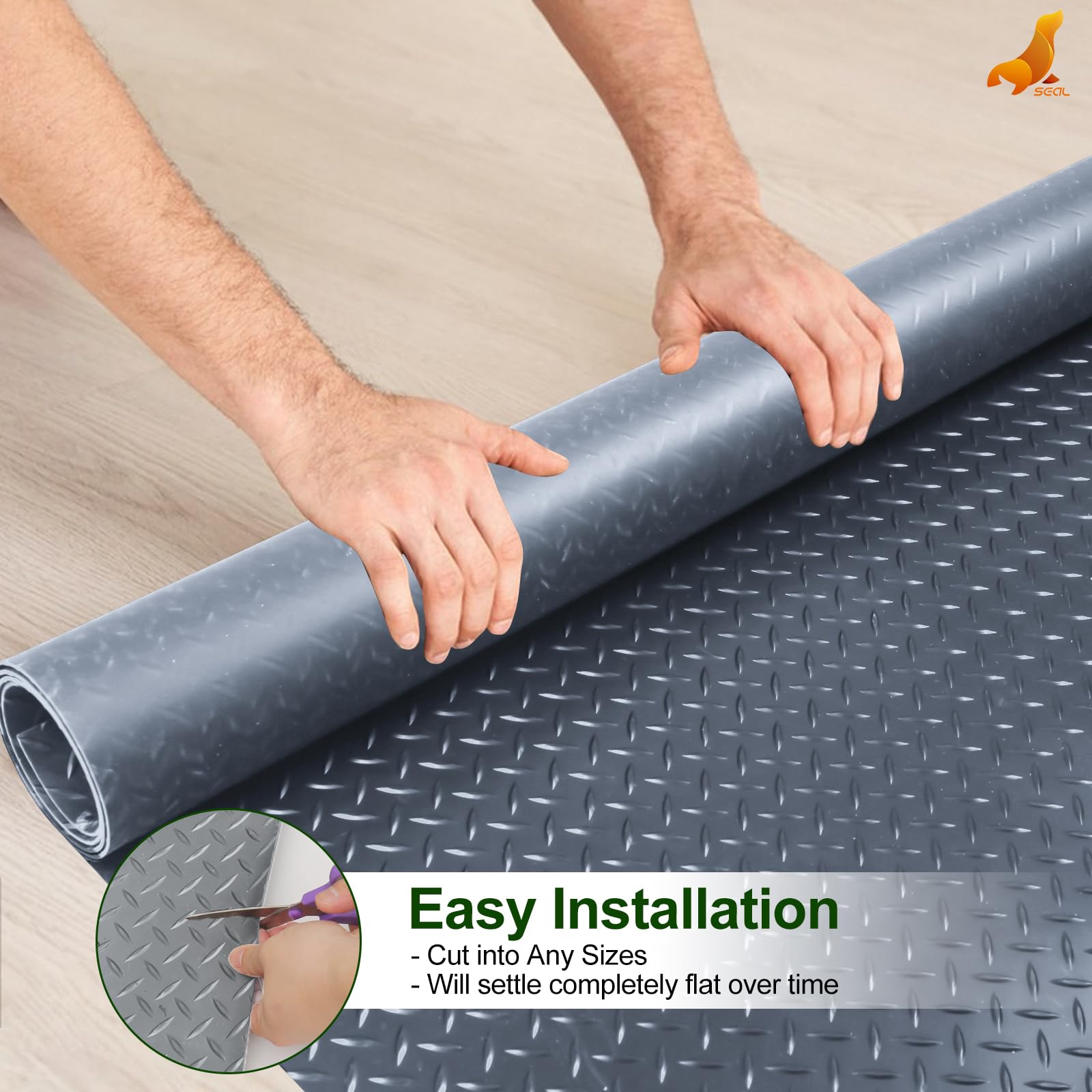
Engineering Insight: Material Science Imperatives in Automotive Garage Mat Performance
The functional integrity of automotive garage mats hinges entirely on rigorous material selection, a parameter frequently overlooked in commoditized off-the-shelf solutions. Generic mats, often formulated with cost-driven elastomer blends, inherently lack the engineered resilience required for demanding workshop environments. These products prioritize initial aesthetics and low acquisition cost over long-term performance metrics critical to industrial utility. Consequently, premature failure manifests through accelerated degradation pathways directly attributable to substandard polymer chemistry and inadequate compounding. Understanding these failure mechanisms is paramount for OEMs and facility managers seeking reliable, long-life floor protection.
Common failures stem from fundamental material incompatibilities. Standard SBR (Styrene-Butadiene Rubber) or low-grade PVC compounds exhibit poor resistance to hydrocarbon-based automotive fluids—engine oils, transmission fluids, brake fluids, and solvents. These substances readily plasticize or dissolve inferior polymers, causing swelling, surface tackiness, permanent staining, and catastrophic loss of mechanical properties. Simultaneously, inadequate filler systems and insufficient vulcanization control lead to rapid compression set. Under the static load of parked vehicles or stored equipment, cheap mats permanently deform, creating trip hazards and failing to recover flatness. Furthermore, exposure to ozone, UV radiation (even through garage windows), and wide temperature fluctuations accelerates cracking and embrittlement in formulations lacking robust antioxidant and antiozonant packages. The resulting mat becomes a safety liability and operational nuisance, necessitating frequent, unplanned replacement cycles that disrupt workflow and inflate total cost of ownership.
Suzhou Baoshida Trading Co., Ltd. addresses these critical failure points through precision-engineered EPDM (Ethylene Propylene Diene Monomer) formulations. Our proprietary compounds integrate high-purity synthetic rubber, optimized filler matrices (including reinforcing silica and carbon black), and precisely dosed additive systems targeting specific workshop hazards. This molecular-level engineering delivers consistent performance where generic solutions falter. The table below quantifies the performance delta between standard materials and our Baoshida ProGrade™ compound:
| Performance Parameter | Standard SBR/PVC Mat | Baoshida ProGrade™ EPDM |
|---|---|---|
| Hardness (Shore A, 23°C) | 65 ± 5 | 75 ± 3 |
| Tensile Strength (MPa) | 8.0 – 10.0 | 15.0 – 18.0 |
| Elongation at Break (%) | 250 – 350 | 450 – 550 |
| Compression Set (B, 22h/70°C) | 35% – 45% | ≤ 15% |
| Oil Resistance (IRM 903, ΔV%) | +40% to +60% | +15% to +25% |
| Ozone Resistance (100 pphm) | Severe Cracking | No Cracking (500 hrs) |
The Baoshida ProGrade™ formulation demonstrably exceeds industry benchmarks for fluid resistance, structural recovery, and environmental stability. This engineered approach eliminates the false economy of off-the-shelf mats, providing workshops with a durable, safe, and operationally efficient solution validated under real-world automotive service conditions. Material selection is not a cost center—it is the foundational engineering decision determining total lifecycle value.
Material Specifications
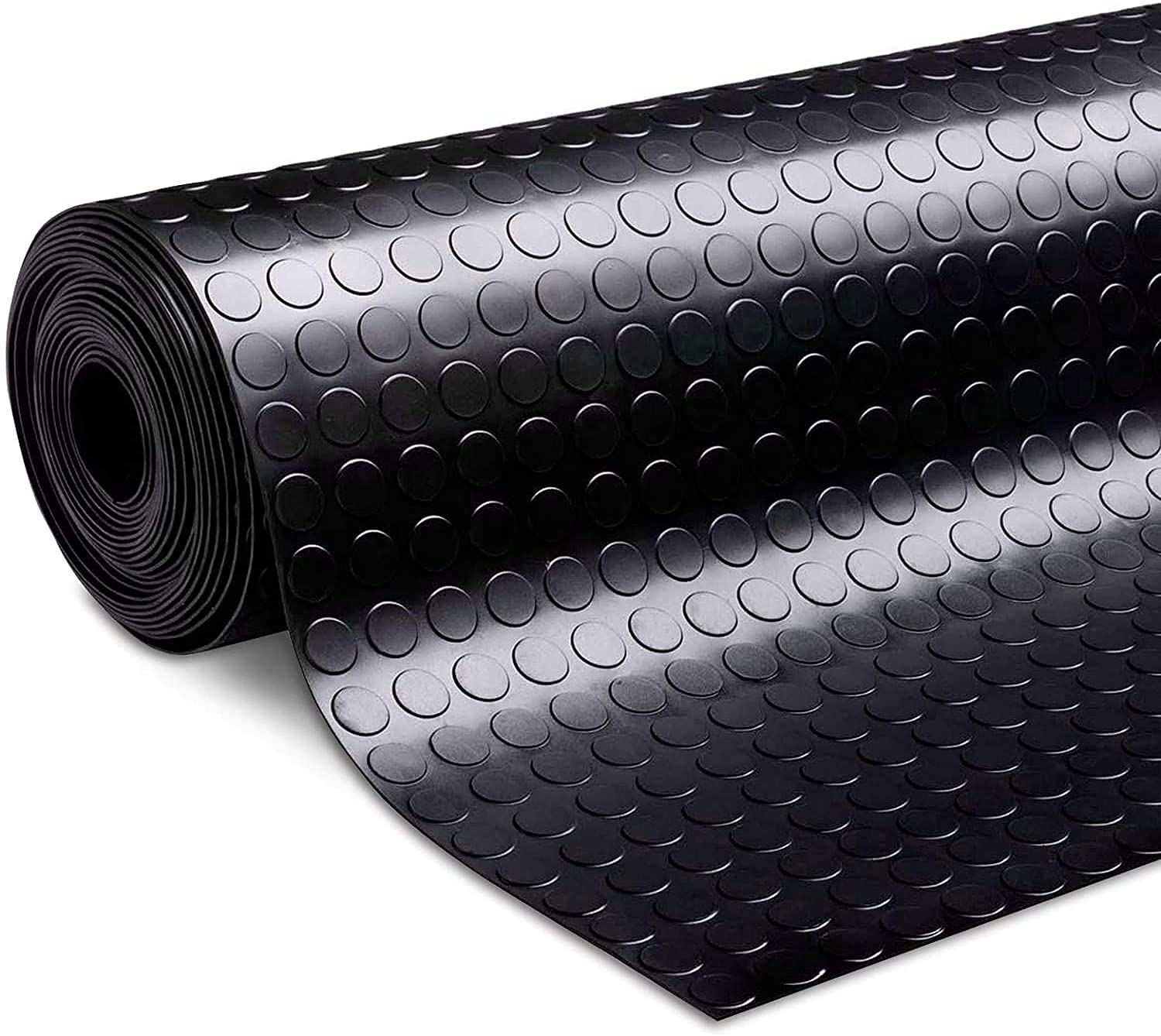
Material Specifications for High-Performance Garage Mats for Cars
Suzhou Baoshida Trading Co., Ltd. specializes in advanced industrial rubber solutions engineered for durability, chemical resistance, and long-term performance in demanding environments. In the production of high-performance garage mats for cars, material selection is critical to ensure resistance to automotive fluids, temperature extremes, and mechanical wear. Our technical approach focuses on three premium elastomers: Viton (FKM), Nitrile (NBR), and Silicone (VMQ). Each material offers distinct advantages tailored to specific operational requirements, enabling OEMs and industrial buyers to select the optimal compound based on application conditions.
Viton rubber is a fluorocarbon-based elastomer renowned for its exceptional resistance to high temperatures, oils, fuels, and aggressive chemicals. With continuous service temperatures up to 250°C and short-term resistance exceeding 300°C, Viton is ideal for environments exposed to engine oils, transmission fluids, and solvents. Its low compression set and excellent aging characteristics ensure long-term sealing and structural integrity, making it suitable for premium garage mats in high-end automotive or industrial service facilities where chemical exposure is frequent.
Nitrile rubber, or acrylonitrile butadiene rubber (NBR), is a cost-effective solution with strong resistance to aliphatic hydrocarbons, greases, and water-based fluids. It performs reliably in temperature ranges from -30°C to 120°C, offering a balanced combination of flexibility and durability. NBR-based garage mats are widely used in standard automotive workshops and residential garages due to their abrasion resistance and compatibility with common automotive fluids such as motor oil and hydraulic fluids. Its formulation can be adjusted to enhance oil resistance or low-temperature flexibility, providing versatility across applications.
Silicone rubber (VMQ) excels in extreme temperature environments, with operational stability from -60°C to 230°C. While it offers lower mechanical strength compared to Viton or Nitrile, silicone provides superior UV and ozone resistance, making it ideal for outdoor or semi-exposed garage settings. It is also highly resistant to oxidation and maintains flexibility over a wide thermal range. However, silicone has limited resistance to petroleum-based oils, so its use is recommended in clean or decorative garage environments where chemical exposure is minimal.
The following table summarizes key performance characteristics of each material for informed selection in garage mat manufacturing:
| Property | Viton (FKM) | Nitrile (NBR) | Silicone (VMQ) |
|---|---|---|---|
| Temperature Range (°C) | -20 to 250 | -30 to 120 | -60 to 230 |
| Tensile Strength (MPa) | 15–20 | 10–18 | 6–10 |
| Elongation at Break (%) | 200–300 | 250–450 | 200–600 |
| Hardness (Shore A) | 60–90 | 50–80 | 30–80 |
| Resistance to Oils & Fuels | Excellent | Good to Very Good | Poor |
| Resistance to Ozone/UV | Excellent | Fair | Excellent |
| Compression Set Resistance | Excellent | Good | Good |
| Water Resistance | Excellent | Good | Excellent |
| Cost Level | High | Moderate | High |
Each material is processed using precision molding and curing techniques to ensure dimensional stability and surface consistency. At Suzhou Baoshida, we support custom formulation and OEM branding to meet exact technical and aesthetic requirements for garage mat applications.
Manufacturing Capabilities
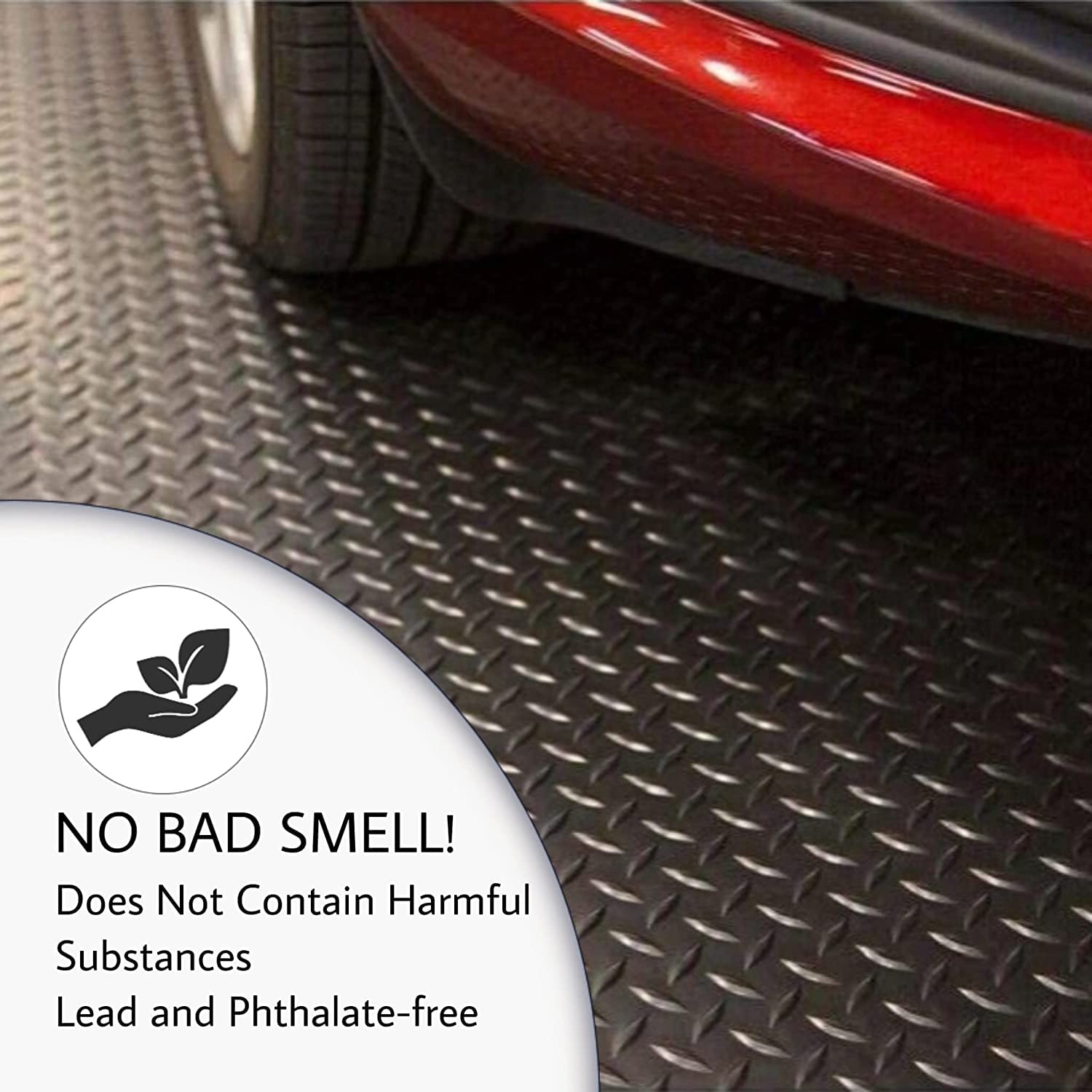
Engineering Capability: Precision Rubber Solutions for Automotive Garage Mats
Suzhou Baoshida Trading Co., Ltd. delivers engineered rubber garage mats through integrated material science and mold design expertise. Our dedicated team comprises five specialized mold engineers and two advanced formula engineers, ensuring end-to-end technical control from polymer development to production validation. This structure enables rigorous optimization of performance, durability, and manufacturability for automotive-grade applications.
Material formulation is anchored in systematic polymer selection and compounding protocols. Our formula engineers leverage proprietary databases of elastomer behavior under automotive stressors—including UV exposure, oil resistance, and extreme temperature cycling—to develop custom compounds. Each formulation undergoes accelerated aging tests per ASTM D573 and ISO 188, with iterative adjustments to balance Shore A hardness, tensile strength, and compression set. For instance, our standard garage mat compound achieves 65±3 Shore A hardness while maintaining ≤20% compression set after 70 hours at 70°C, critical for long-term shape retention under vehicle weight.
Mold engineering excellence drives dimensional precision and production efficiency. Our five mold engineers utilize CAD/CAM systems (SolidWorks, Moldflow) to design multi-cavity molds with optimized cooling channels and venting. This reduces cycle times by 18% versus industry averages while ensuring ±0.3mm thickness tolerance across 1,200mm x 1,800mm mat surfaces. Finite element analysis (FEA) validates structural integrity against warpage during ejection, directly enhancing yield rates. All molds undergo in-house validation through first-article inspection (FAI) per AS9102 standards, with cavity pressure monitoring to detect micro-voids.
OEM collaboration is embedded in our workflow. Clients receive full technical partnership during New Product Introduction (NPI), including material substitution analysis, mold flow reports, and real-time DOE (Design of Experiments) data for compound tuning. We support rapid prototyping with 3D-printed molds for fitment trials and provide traceable material certificates (CoC) compliant with REACH and RoHS.
Key performance specifications for our standard automotive garage mat compound are detailed below:
| Property | Test Standard | Typical Value | Significance for Automotive Use |
|---|---|---|---|
| Shore A Hardness | ASTM D2240 | 65 ± 3 | Prevents mat curling under load; optimal grip |
| Tensile Strength | ASTM D412 | ≥12 MPa | Resists tearing during installation/removal |
| Elongation at Break | ASTM D412 | ≥250% | Accommodates thermal expansion without fracture |
| Compression Set (70°C/70h) | ASTM D395 | ≤20% | Maintains sealing integrity after years of use |
| Low-Temperature Flex | ISO 1432 | Pass at -40°C | Prevents cracking in freezing climates |
| Oil Resistance (IRMOG) | ASTM D471 | Volume swell ≤15% | Withstands brake fluid/grease exposure |
This technical foundation—combining formula science, mold engineering, and OEM-centric validation—ensures garage mats that exceed automotive durability benchmarks. Suzhou Baoshida provides not just products, but engineered solutions with full material traceability and process documentation, enabling seamless integration into global supply chains. Clients benefit from reduced NPI timelines and zero-field-failure performance through our closed-loop engineering approach.
Customization Process
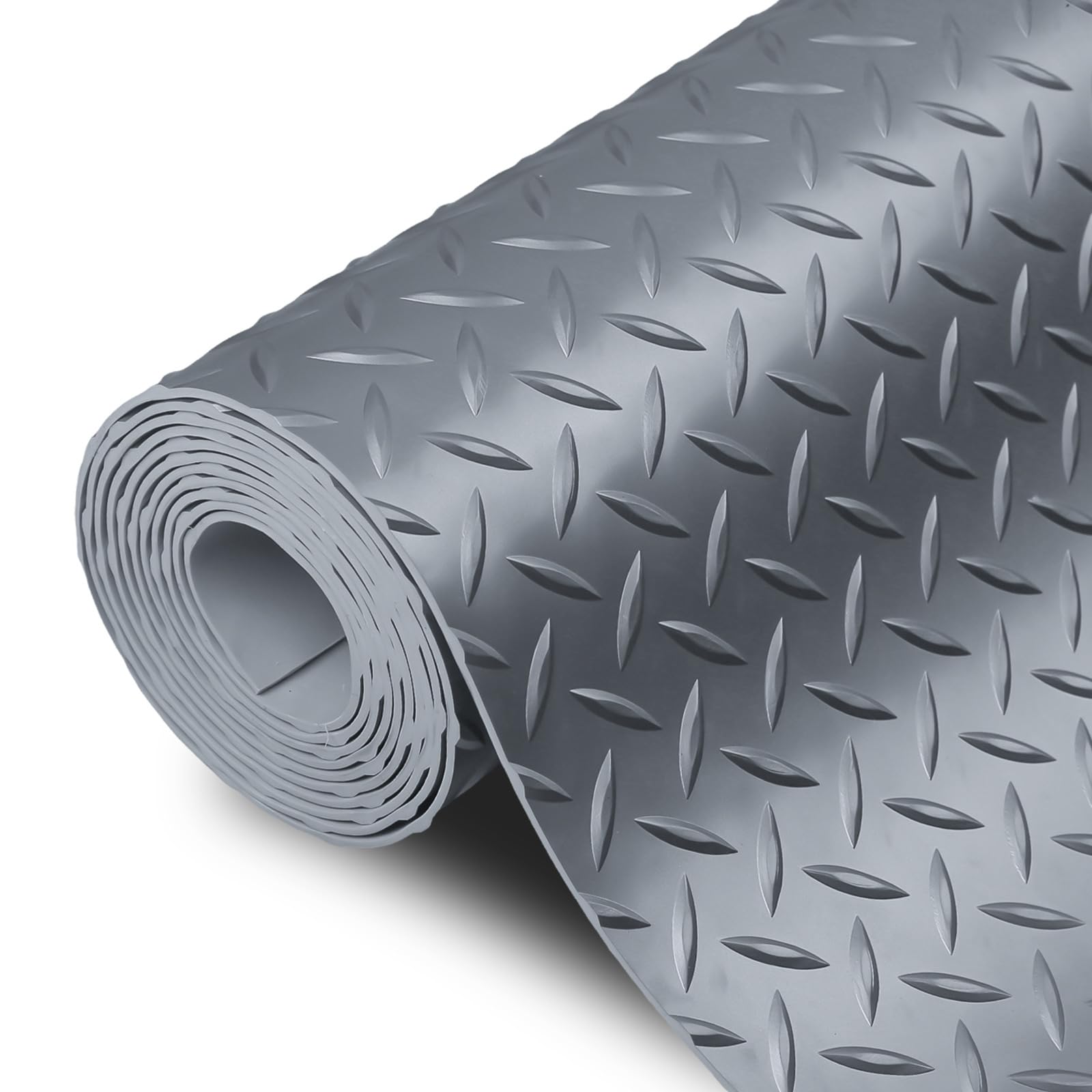
Customization Process for Industrial Rubber Garage Mats
At Suzhou Baoshida Trading Co., Ltd., our engineering-driven approach to manufacturing custom garage mats for cars ensures precision, durability, and performance tailored to client specifications. As a specialist in industrial rubber solutions, we follow a rigorous four-stage customization process: Drawing Analysis, Formulation, Prototyping, and Mass Production. This structured methodology guarantees that each product meets the mechanical, environmental, and dimensional demands of modern automotive applications.
The process begins with Drawing Analysis, where our technical team evaluates client-provided CAD drawings or technical sketches. We assess critical parameters such as overall dimensions, surface texture requirements, load-bearing zones, and edge profiles. Tolerance analysis is conducted to ensure compliance with ISO 2768-mK for general geometrical tolerances. Special attention is given to drainage channels, anti-slip patterns, and interlocking mechanisms if applicable. This stage establishes the foundation for material selection and mold design.
Following drawing validation, our Rubber Formula Engineers initiate the Formulation phase. Based on the application environment—indoor garage use, exposure to oils, temperature fluctuations, or chemical spills—we develop a proprietary rubber compound. Our standard formulations utilize SBR (Styrene-Butadiene Rubber) or EPDM (Ethylene Propylene Diene Monomer), selected for their abrasion resistance, UV stability, and resilience under static load. Additives such as carbon black for reinforcement, sulfur for vulcanization, and anti-aging agents are precisely metered. Shore A hardness is typically optimized between 60–75 to balance comfort and durability.
Once the compound is finalized, we proceed to Prototyping. Using CNC-machined aluminum molds or 3D-printed patterns, small-batch samples are produced via compression or injection molding. Each prototype undergoes physical testing, including compression set (ASTM D395), tensile strength (ASTM D412), and slip resistance (DIN 51130). Clients receive samples for fitment verification and functional evaluation. Feedback is integrated into mold or formulation adjustments, ensuring final design accuracy.
Upon client approval, we transition to Mass Production. Our automated production lines operate under strict ISO 9001 quality control protocols. Each mat is inspected for dimensional consistency, surface defects, and weight uniformity. Final products are packaged per client logistics requirements, with options for vacuum sealing, branded labeling, or palletized shipping.
The following table outlines key technical specifications for our standard garage mat offerings:
| Parameter | Standard Value | Test Method |
|---|---|---|
| Material | SBR or EPDM Rubber | ISO 1629 |
| Hardness (Shore A) | 60–75 | ASTM D2240 |
| Tensile Strength | ≥10 MPa | ASTM D412 |
| Elongation at Break | ≥250% | ASTM D412 |
| Compression Set (24h, 70°C) | ≤20% | ASTM D395 |
| Operating Temperature | -40°C to +100°C | ISO 188 |
| Thickness Tolerance | ±0.5 mm | ISO 2768-mK |
| Slip Resistance (R9/R10) | R9 (standard), R10 (optional) | DIN 51130 |
Through this systematic customization workflow, Suzhou Baoshida delivers high-performance rubber garage mats that meet exacting industrial and aesthetic standards.
Contact Engineering Team
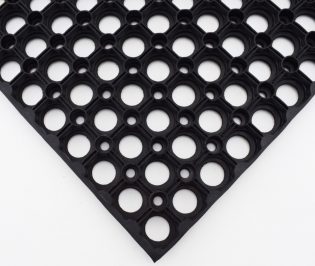
Contact Suzhou Baoshida for Precision Rubber Garage Mat Manufacturing
Suzhou Baoshida Trading Co., Ltd. operates at the forefront of industrial rubber compounding and OEM manufacturing, specializing in engineered solutions for automotive applications. Our garage mat systems are not generic floor coverings but precision-calibrated components designed to withstand extreme thermal cycles, chemical exposure, and mechanical stress inherent in automotive environments. With ISO 9001-certified production facilities and in-house polymer chemistry expertise, we deliver consistent dimensional stability and material integrity across high-volume runs. Our formulations prioritize long-term performance metrics over superficial aesthetics, ensuring your end-product meets rigorous OEM durability standards while minimizing scrap rates during fabrication.
The technical specifications below reflect our baseline EPDM compound for garage mats—a formulation optimized for UV resistance, oil repellency, and thermal stability. These values represent our standard production parameters; all properties are adjustable within validated ranges to align with your specific application requirements, regulatory frameworks, or substrate adhesion needs.
| Property | Test Method | Standard Value | Custom Range Capability |
|---|---|---|---|
| Hardness (Shore A) | ASTM D2240 | 65 ± 5 | 50–85 |
| Tensile Strength | ASTM D412 | ≥14 MPa | 10–22 MPa |
| Elongation at Break | ASTM D412 | ≥350% | 200–500% |
| Compression Set (22h/70°C) | ASTM D395 | ≤25% | ≤20% achievable |
| Operating Temperature | — | -40°C to +120°C | -55°C to +150°C |
| Specific Gravity | ASTM D297 | 1.35 ± 0.05 | 1.10–1.60 |
Material customization extends beyond these core parameters. We engineer polymer matrices to address specific challenges: mitigating plasticizer migration in recycled-content compounds, enhancing flame retardancy to FMVSS 302 without sacrificing flexibility, or integrating conductive fillers for static dissipation in EV service environments. Our technical team collaborates directly with your R&D department to optimize vulcanization kinetics for your press parameters, ensuring cycle time efficiency without compromising crosslink density. This reduces energy consumption per unit while maintaining critical rebound resilience and abrasion resistance.
OEM partnerships with Suzhou Baoshida eliminate the guesswork in rubber component sourcing. We provide full material traceability from raw polymer batches to finished goods, including comprehensive CoA documentation and accelerated aging data. Our quality control protocols include real-time rheometer monitoring during mixing and automated vision inspection for surface defects—critical for maintaining brand consistency in visible automotive applications. For garage mat programs, we solve persistent industry pain points: edge curling through controlled shrinkage ratios, color fading via UV-stabilized masterbatches, and odor management through low-volatility curing systems.
Initiate a technical consultation with Mr. Boyce, our dedicated OEM Account Manager, to discuss your garage mat specifications. Mr. Boyce possesses 12 years of experience in automotive rubber compounding and will coordinate our formulation chemists, tooling engineers, and production planners to develop a solution meeting your exact performance, cost, and timeline targets. Provide your current material data sheets, tolerance requirements, and volume projections for a detailed feasibility assessment. Contact Mr. Boyce directly at [email protected] to submit technical inquiries or request a sample kit of our engineered compounds. Suzhou Baoshida ensures every garage mat we manufacture functions as a calibrated system component—not merely a consumable accessory.
⚖️ O-Ring Weight Calculator
Estimate rubber O-ring weight (Approx).