
Technical Contents
Engineering Guide: Gasket Material 1 8
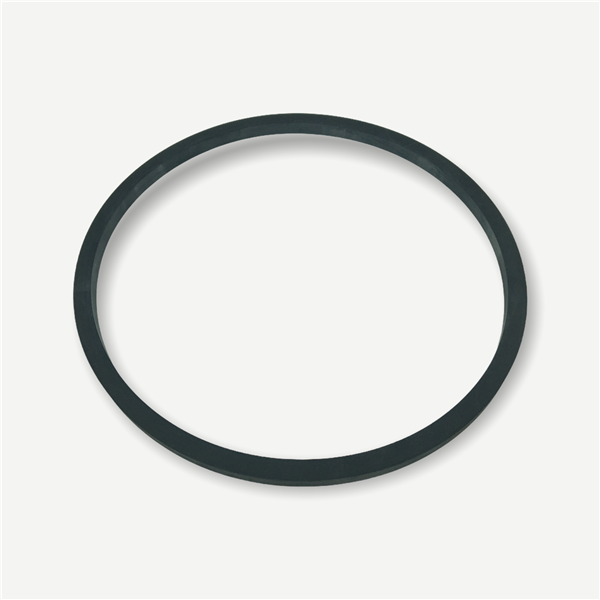
Engineering Insight: Gasket Material 1/8″ – The Critical Role of Material Selection
In precision sealing applications, the selection of gasket material is not a secondary consideration—it is a foundational engineering decision. The term “gasket material 1/8” refers not only to thickness but also implies a dimensional and functional requirement in dynamic or static sealing environments. At Suzhou Baoshida Trading Co., Ltd., we emphasize that off-the-shelf gasket solutions, while convenient, frequently fail to meet the rigorous demands of industrial systems due to mismatched material properties, environmental incompatibility, or inadequate mechanical resilience.
Standard 1/8″ gasket materials are often formulated for general-purpose use, prioritizing cost-efficiency over performance fidelity. However, real-world operating conditions—ranging from extreme temperatures and chemical exposure to cyclic compression and vibration—demand a tailored approach. For example, a gasket in an automotive turbocharger system may face continuous exposure to hot oil, coolant, and exhaust gases. A generic rubber compound such as standard NBR may degrade rapidly under these conditions, leading to seal failure, fluid leakage, and potential system downtime.
Material selection must begin with a thorough analysis of the application environment. Key parameters include temperature range, media compatibility, compression set resistance, tensile strength, and long-term creep behavior. At Baoshida, we utilize application-specific formulations such as fluorocarbon (FKM), ethylene propylene diene monomer (EPDM), and silicone (VMQ) to ensure compatibility with aggressive chemicals, high thermal loads, or outdoor UV exposure. Each polymer system offers distinct advantages, and selecting the appropriate one requires precise engineering insight.
Furthermore, dimensional stability and compression characteristics are critical for 1/8″ gaskets, which are commonly used in flanged joints with limited clamping force. A material with poor recovery properties may permanently deform under load, reducing sealing force over time. This is particularly evident in systems with thermal cycling, where repeated expansion and contraction stress the gasket interface.
We recommend moving beyond generic catalog selections and engaging in collaborative material engineering. By analyzing the full operational profile—pressure cycles, media type, mating surface finish, and expected service life—custom gasket solutions can be developed that outperform standard alternatives in both durability and cost of ownership.
The following table outlines common gasket materials used in 1/8″ thickness, with key performance characteristics relevant to industrial applications.
| Material | Temperature Range (°C) | Typical Applications | Chemical Resistance | Compression Set Resistance |
|---|---|---|---|---|
| NBR (Nitrile) | -30 to +100 (+120 short-term) | Hydraulic systems, fuel handling | Good for oils, fuels | Moderate |
| EPDM | -50 to +150 | Coolant systems, outdoor seals | Excellent for water, steam, alkalis | Good |
| FKM (Viton®) | -20 to +200 (+250 short-term) | Aerospace, chemical processing | Exceptional for acids, oils, solvents | Excellent |
| Silicone (VMQ) | -60 to +200 | Medical devices, food processing | Fair; poor in steam | Good |
| Neoprene | -40 to +120 | Electrical enclosures, HVAC | Moderate for refrigerants, mild acids | Moderate |
At Suzhou Baoshida Trading Co., Ltd., we specialize in precision rubber seals engineered for performance, not just fit. The 1/8″ dimension is a starting point—true reliability comes from material intelligence.
Material Specifications
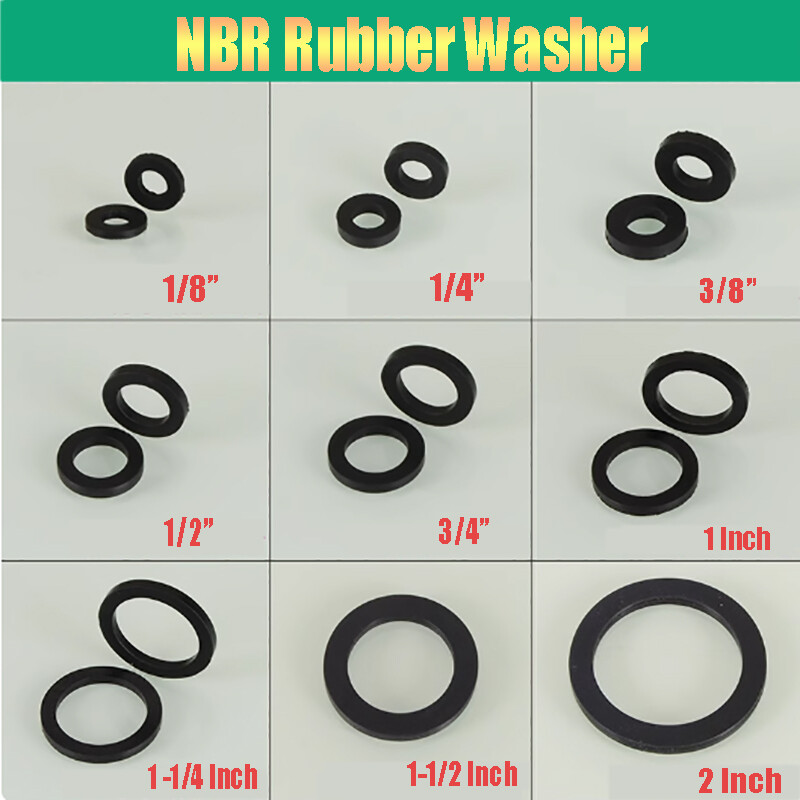
Material Specifications for Industrial Gasket Applications
Suzhou Baoshida Trading Co., Ltd. provides precision-engineered rubber gasket solutions meeting rigorous OEM standards for critical sealing applications. This technical guide details core material specifications for Viton (FKM), Nitrile (NBR), and Silicone (VMQ) formulations under our Gasket Material Series 1.8. These elastomers undergo stringent ASTM D2000 classification testing to ensure dimensional stability, chemical compatibility, and longevity in demanding industrial environments. Material selection directly impacts seal integrity under thermal cycling, fluid exposure, and mechanical stress—factors requiring precise alignment with operational parameters.
Viton (FKM) exhibits superior resistance to high temperatures and aggressive chemicals, including fuels, oils, and acids. Its continuous service range spans -20°C to +230°C, with short-term excursions up to 300°C. This fluorocarbon elastomer maintains resilience in aerospace hydraulic systems and chemical processing equipment where aromatic hydrocarbon exposure occurs. Compression set values remain below 25% after 70 hours at 150°C (ASTM D395 Method B), ensuring reliable sealing force retention. Viton’s inherent flame resistance (UL 94 V-0) further suits safety-critical applications.
Nitrile (NBR) delivers optimal cost-performance balance for petroleum-based fluid sealing. Standard grades operate effectively from -40°C to +120°C, with hydrogenated variants (HNBR) extending to +150°C. It demonstrates exceptional resistance to aliphatic hydrocarbons, lubricants, and water, making it ideal for automotive fuel systems and hydraulic machinery. NBR achieves tensile strengths of 15–20 MPa (ASTM D412) and elongation at break exceeding 300%. However, ozone and ketone resistance remain limited, necessitating protective additives in dynamic applications.
Silicone (VMQ) provides unmatched flexibility across extreme temperatures (-60°C to +200°C continuous, +230°C intermittent). Its biocompatibility and low toxicity comply with FDA 21 CFR 177.2600 for food/pharma use. Silicone maintains elastic recovery under prolonged compression (set <20% at 150°C/70h) but exhibits moderate tensile strength (6–10 MPa) and poor abrasion resistance. Applications include medical device seals, semiconductor manufacturing, and HVAC thermal cycling scenarios where inertness is paramount.
Comparative Material Properties
| Property | Viton (FKM) | Nitrile (NBR) | Silicone (VMQ) |
|---|---|---|---|
| Temperature Range (°C) | -20 to +230 | -40 to +120 | -60 to +200 |
| Tensile Strength (MPa) | 12–18 | 15–20 | 6–10 |
| Compression Set (%)* | ≤25 | ≤30 | ≤20 |
| Fluid Resistance | Fuels, Acids, Oils | Petroleum Oils | Water, Steam |
| Key Limitation | Cost, Low-Temp Flex | Ozone, Ketones | Tear Strength |
| ASTM D2000 Classification | FC 7474 | BK 7474 | EE 7474 |
*Tested per ASTM D395 Method B at 150°C for 70 hours. FC/BK/EE denote specific material types per standard.
Suzhou Baoshida’s Series 1.8 gaskets leverage these material properties through precision molding tolerances (±0.1mm) and custom compound formulations. Engineers must evaluate fluid compatibility charts, dynamic stress requirements, and regulatory certifications when specifying materials. Our technical team provides application-specific validation data to ensure optimal seal performance and compliance with ISO 1629 and SAE AS5528 standards. Material datasheets with full test reports are available upon request for critical OEM integration.
Manufacturing Capabilities
Engineering Capability
At Suzhou Baoshida Trading Co., Ltd., our engineering capability in precision rubber seals is anchored in deep technical expertise and advanced manufacturing insight. Our team comprises five dedicated mould engineers and two specialized rubber formula engineers, enabling us to deliver high-performance gasket solutions tailored to exacting industrial standards. This integrated engineering structure ensures that every stage of development—from material formulation to mould design and final production—is rigorously controlled and optimized for performance, durability, and consistency.
Our rubber formula engineers possess extensive experience in polymer chemistry and elastomer compounding. They are responsible for developing custom formulations that meet specific application requirements such as temperature resistance, chemical exposure, compression set, and mechanical stress. For gasket material 1 8, this means precise control over hardness, tensile strength, and resilience under dynamic sealing conditions. By adjusting the base polymer, filler systems, and curing agents, we ensure that each formulation delivers optimal sealing performance in targeted environments, including automotive, industrial machinery, and fluid handling systems.
Complementing this material expertise, our five mould engineers specialize in precision tooling design for complex rubber components. Utilizing advanced CAD/CAM software and simulation tools, they develop high-tolerance moulds that ensure dimensional accuracy and repeatability. For gasket material 1 8, this translates into consistent geometry, tight tolerance control, and excellent surface finish—critical factors in preventing leakage and ensuring long-term reliability. The team also conducts thorough flow analysis and shrinkage prediction to minimize defects and optimize cycle times during production.
We operate as a full-service OEM partner, capable of managing end-to-end development from prototype to mass production. Our OEM capabilities include design for manufacturability (DFM) reviews, rapid prototyping, material validation, and full-scale compression, transfer, and injection moulding. Clients benefit from reduced development lead times, rigorous quality control, and full traceability throughout the production lifecycle. Our ISO-certified processes ensure compliance with international standards, while our in-house testing laboratory validates material and product performance under real-world conditions.
The synergy between our formula and mould engineering teams allows us to solve complex sealing challenges efficiently. Whether adapting gasket material 1 8 for extreme temperatures or aggressive media exposure, we combine material science with precision engineering to deliver reliable, cost-effective solutions.
Typical Physical Properties of Gasket Material 1 8
| Property | Test Method | Value |
|---|---|---|
| Hardness (Shore A) | ASTM D2240 | 70 ± 5 |
| Tensile Strength | ASTM D412 | ≥ 10 MPa |
| Elongation at Break | ASTM D412 | ≥ 250% |
| Compression Set (22 hrs, 70°C) | ASTM D395 | ≤ 20% |
| Operating Temperature Range | — | -40°C to +120°C |
| Specific Gravity | ASTM D297 | 1.45 ± 0.05 |
| Fluid Resistance (IRMOG 707) | ASTM D471 | Volume Change: ≤ +15% |
Customization Process
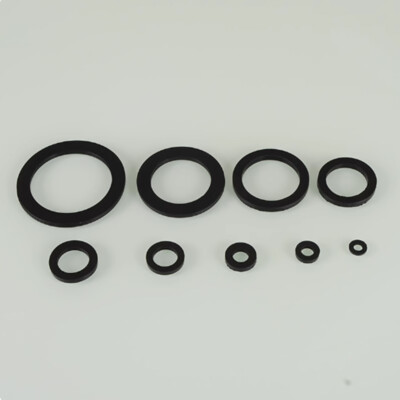
Gasket Material 1 8 Customization Process: Precision Engineering Pathway
Suzhou Baoshida Trading Co., Ltd. executes a rigorously controlled customization sequence for Gasket Material 1 8, ensuring absolute alignment with client engineering specifications and operational demands. This four-phase methodology eliminates guesswork, mitigates risk, and guarantees seamless transition from concept to volume output.
Drawing Analysis initiates the workflow. Our engineering team conducts a granular CAD file audit, cross-referencing dimensional tolerances (per ISO 3302-1), surface finish requirements (Ra ≤ 3.2 µm), and functional interface points. Critical attention is paid to compression set limits, groove geometry compatibility, and potential stress concentration zones. We reject assumptions; every chamfer, radius, and draft angle is validated against material behavior models. Client feedback on this analysis is mandatory before progression, preventing downstream rework.
Formulation leverages Suzhou Baoshida’s proprietary compound database and OEM partner lab capabilities. Material scientists select base polymers (typically NBR or EPDM for Gasket Material 1 8), then precisely calibrate filler ratios, cure systems, and additive packages to meet the validated performance envelope. Key parameters—such as Shore A hardness, compression set at 100°C, and fluid resistance—are computationally simulated prior to lab mixing. This phase ensures the compound achieves target properties without compromising processability or cost efficiency.
Prototyping employs client-approved tooling under controlled production-equivalent conditions. We produce 50–100 units per batch, subjecting them to accelerated life testing per ASTM D2000 standards. Critical validation includes:
Compression deflection force (per SAE J2208)
Fluid immersion resistance (oil, coolant, brake fluid)
Thermal cycling stability (-40°C to +150°C)
Dimensional stability via CMM inspection
Prototypes undergo iterative refinement until all specs are consistently met, documented in a formal validation report.
Mass Production activates only after client sign-off on prototypes. Suzhou Baoshida implements real-time Statistical Process Control (SPC) across OEM partner facilities. Every production lot undergoes:
In-line hardness and tensile strength checks
100% visual inspection via automated vision systems
Batch traceability via serialized lot coding
Final audit against the original drawing and material spec sheet
We maintain buffer stock for JIT delivery while enforcing zero-defect protocols, with all data archived for 10 years.
Gasket Material 1 8 Core Performance Specifications
| Property | Test Standard | Target Value | Tolerance |
|————————-|—————|——————–|—————|
| Hardness (Shore A) | ASTM D2240 | 70 | ±5 |
| Tensile Strength | ASTM D412 | 15 MPa min | +2.0 MPa |
| Elongation at Break | ASTM D412 | 250% min | +50% |
| Compression Set (22h/100°C) | ASTM D395 | 25% max | -5% |
| Fluid Resistance (IRM 903) | ASTM D471 | Volume Swell ≤15% | ±3% |
| Operating Temp Range | N/A | -40°C to +150°C | N/A |
This disciplined approach transforms client drawings into mission-critical sealing solutions, with Suzhou Baoshida managing technical risk and supply chain integrity at every stage. Our OEM network’s adherence to IATF 16949 ensures repeatability, while material traceability meets stringent automotive and industrial compliance mandates.
Contact Engineering Team
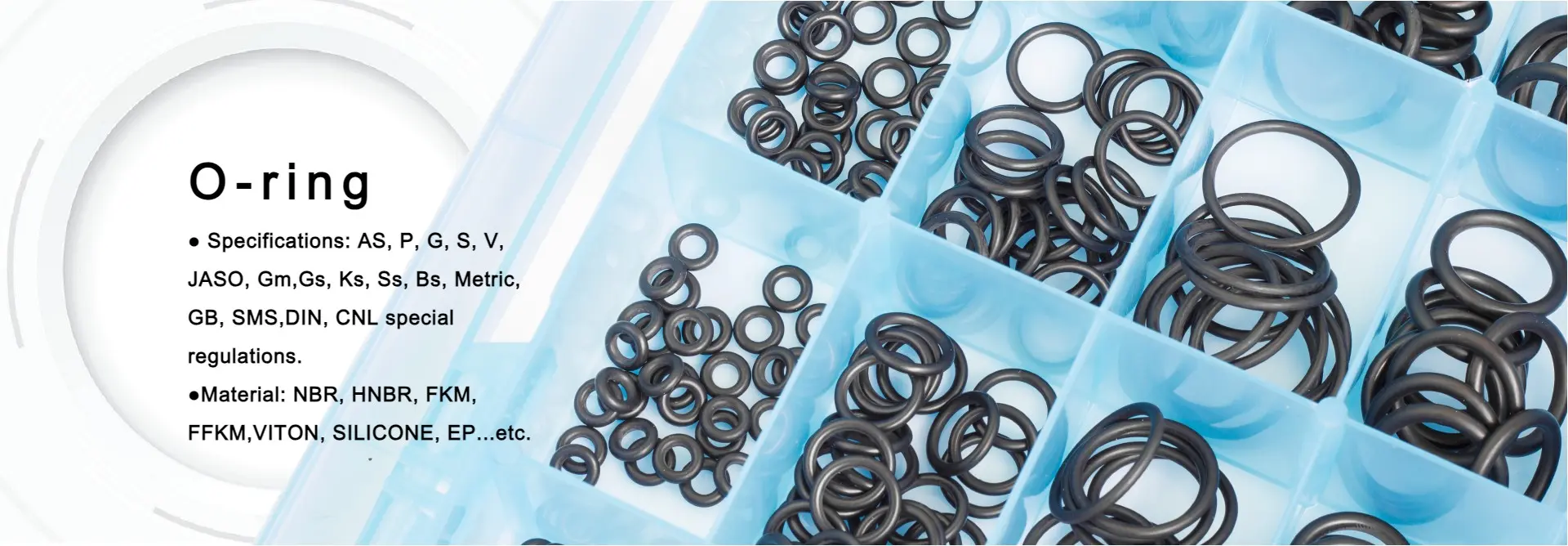
For industrial manufacturers requiring high-performance gasket solutions, selecting the correct material is critical to ensuring system integrity, longevity, and operational safety. At Suzhou Baoshida Trading Co., Ltd., we specialize in precision-engineered rubber seals and gasket materials tailored to meet the demanding requirements of automotive, aerospace, petrochemical, and heavy machinery industries. Our flagship product, gasket material 1 8, is formulated to deliver reliable sealing performance under extreme temperature fluctuations, chemical exposure, and mechanical stress.
Gasket material 1 8 is a composite elastomer blend engineered for consistent compression recovery, low creep relaxation, and excellent resistance to oils, fuels, and industrial fluids. This material is particularly suited for applications where dimensional stability and long-term resilience are non-negotiable. Whether deployed in high-pressure flange joints or dynamic sealing environments, gasket material 1 8 maintains a secure seal, minimizing leakage risks and reducing maintenance downtime.
To ensure compatibility with your specific application, we recommend consulting with our technical team to evaluate operating conditions such as temperature range, media exposure, and compressive load. Our engineers provide material certification, batch traceability, and custom fabrication services—including die-cutting, water jet cutting, and CNC molding—to deliver gaskets that match your exact specifications.
The following table outlines the key technical specifications of gasket material 1 8:
| Property | Test Method | Value |
|---|---|---|
| Hardness (Shore A) | ASTM D2240 | 75 ± 5 |
| Tensile Strength | ASTM D412 | ≥12 MPa |
| Elongation at Break | ASTM D412 | ≥250% |
| Compression Set (22 hrs, 150°C) | ASTM D395 | ≤25% |
| Temperature Range | — | -40°C to +150°C |
| Fluid Resistance | ASTM D471 (IRM 903) | Volume Change < +15% after 70 hrs |
| Specific Gravity | ASTM D297 | 1.45 ± 0.05 |
| Thickness Tolerance | ISO 3302 | ±0.1 mm (for 1.5–3.0 mm thickness) |
Suzhou Baoshida Trading Co., Ltd. operates at the intersection of advanced material science and industrial application expertise. Our quality management system is aligned with ISO 9001 standards, ensuring every batch of gasket material 1 8 meets stringent performance benchmarks. We support global supply chains with responsive logistics, technical documentation, and OEM collaboration frameworks.
For immediate technical consultation or sample requests, contact Mr. Boyce, our dedicated OEM Manager. Mr. Boyce brings over 12 years of experience in rubber formulation and industrial sealing solutions, providing clients with precise material recommendations and engineering support. Reach out via email at [email protected] to discuss your project requirements, request material data sheets, or initiate a qualification process for gasket material 1 8.
Partner with Suzhou Baoshida to integrate scientifically validated, high-reliability gasket materials into your manufacturing workflow. Your system’s performance begins with the right seal.
⚖️ O-Ring Weight Calculator
Estimate rubber O-ring weight (Approx).