
Technical Contents
Engineering Guide: Gasket Tote
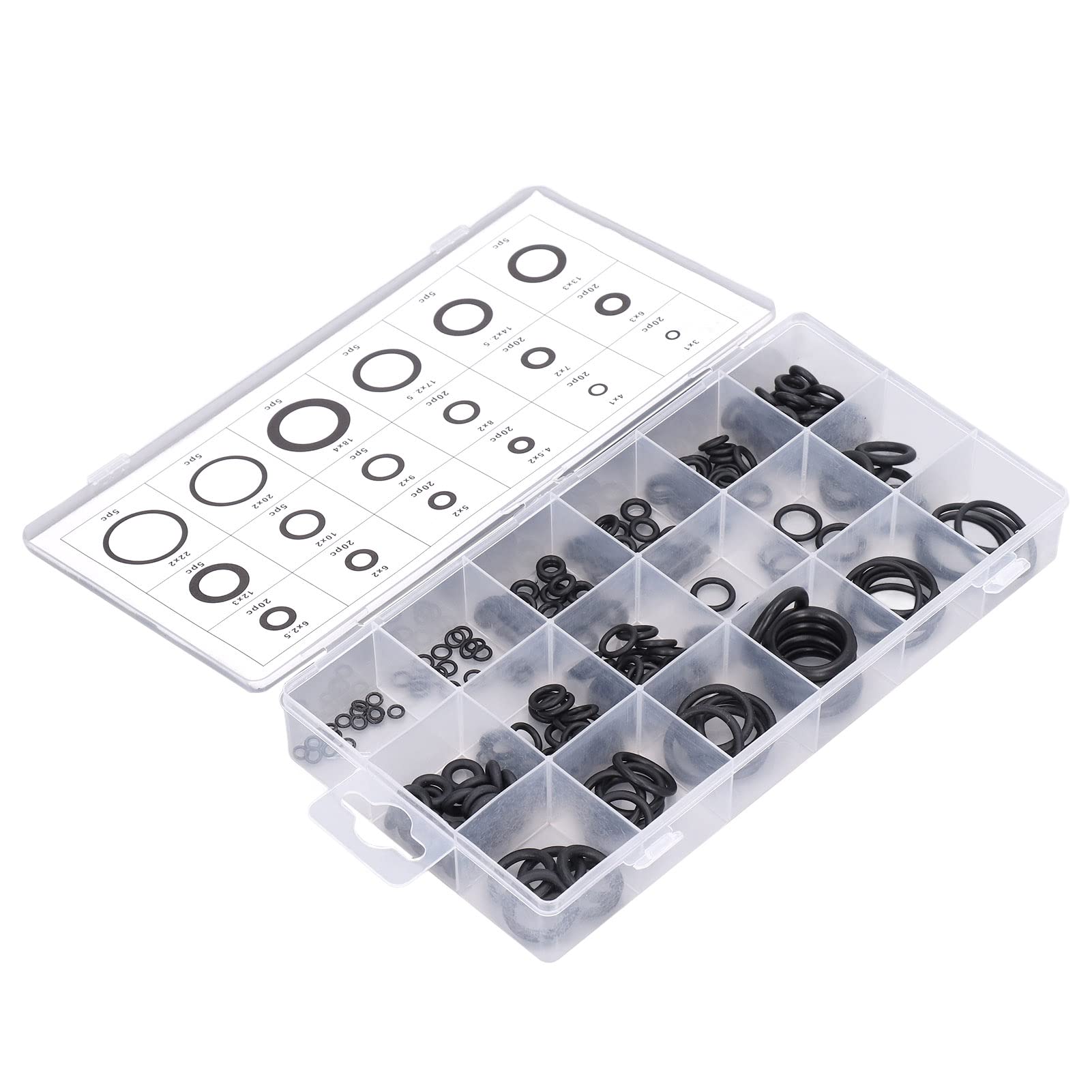
Engineering Insight: The Critical Role of Material Selection in Gasket Tote Performance
In the precision-driven domain of industrial sealing solutions, the gasket tote represents a specialized component designed to maintain integrity across dynamic environments involving pressure fluctuations, thermal cycling, and chemical exposure. While often perceived as a commodity item, the performance and longevity of a gasket tote are fundamentally governed by material selection—a factor frequently overlooked when opting for off-the-shelf alternatives. Standardized gasket totes, mass-produced for broad applicability, lack the tailored material properties required to meet the nuanced demands of specific industrial processes. This mismatch leads to premature failure, unplanned downtime, and increased total cost of ownership.
Material selection directly influences key performance parameters such as compression set resistance, tensile strength, thermal stability, and chemical compatibility. For instance, a gasket tote exposed to aromatic hydrocarbons in petrochemical processing will rapidly degrade if fabricated from standard nitrile rubber (NBR), despite its widespread use in general-purpose sealing. Conversely, a fluorocarbon (FKM) compound offers superior resistance to such media but may be unnecessarily costly in low-temperature, non-aggressive environments. The optimal choice requires a systematic evaluation of operational variables, including maximum operating temperature, fluid type, pressure differentials, and service duration.
Off-the-shelf gasket totes often fail because they are engineered for average conditions, not worst-case scenarios. They typically utilize generic elastomer formulations that sacrifice performance margins to meet cost targets. In high-cycle applications, such as automated assembly lines where gasket totes undergo repeated compression and relaxation, materials with poor resilience or high compression set—like low-grade EPDM or regrind-containing compounds—will lose sealing force over time, leading to leakage paths and contamination risks. Furthermore, thermal aging in continuous high-temperature environments accelerates degradation in non-optimized materials, resulting in cracking, hardening, or embrittlement.
At Suzhou Baoshida Trading Co., Ltd., we approach gasket tote fabrication through application-specific material engineering. By aligning elastomer chemistry with operational profiles, we ensure long-term reliability and compliance with OEM performance standards. Our formulations are validated through accelerated life testing and fluid immersion protocols, guaranteeing performance under real-world conditions.
The following table outlines common elastomer options and their suitability for key industrial parameters:
| Material | Temperature Range (°C) | Key Chemical Resistances | Typical Applications | Compression Set Resistance |
|---|---|---|---|---|
| NBR (Nitrile) | -30 to +100 | Aliphatic oils, water, hydraulic fluids | General industrial, automotive | Moderate |
| EPDM | -50 to +150 | Steam, water, ketones, alcohols | HVAC, pharmaceutical | Good |
| FKM (Viton®) | -20 to +200 | Aromatic hydrocarbons, acids, fuels | Petrochemical, aerospace | Excellent |
| Silicone | -60 to +200 | Ozone, UV, water | Medical, food processing | Fair |
| FFKM | -15 to +300 | Aggressive solvents, strong acids | Semiconductor, ultra-high purity | Outstanding |
Precision material selection is not an incremental improvement—it is the foundation of reliable sealing performance. Relying on generic gasket totes risks system integrity and operational continuity. At Baoshida, we engineer for exactness, ensuring every gasket tote meets the mechanical, thermal, and chemical demands of its intended application.
Material Specifications
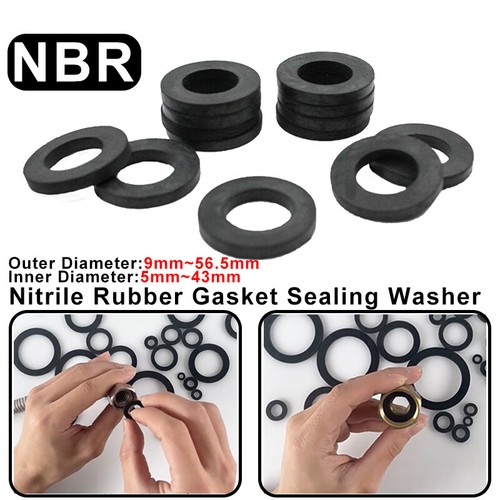
Material Specifications for Precision Gasket Totes
Gasket totes demand engineered elastomer solutions that balance chemical compatibility, thermal stability, and mechanical resilience under dynamic sealing conditions. At Suzhou Baoshida Trading Co., Ltd., our OEM formulations prioritize dimensional integrity and service life across demanding industrial cycles. Material selection directly impacts performance in fluid containment, pressure differentials, and environmental exposure. Below we detail the core elastomer options for gasket tote applications: Viton (FKM), Nitrile (NBR), and Silicone (VMQ), emphasizing application-specific critical parameters.
Viton (FKM) excels in high-temperature and aggressive chemical environments, offering exceptional resistance to fuels, oils, acids, and chlorinated solvents. Its operational range spans -20°C to +230°C continuous service, with short-term peaks at 300°C. This fluorocarbon rubber maintains seal integrity in aerospace hydraulic systems, chemical processing tote seals, and semiconductor manufacturing where purity and thermal stability are non-negotiable. Hardness typically ranges from 60 to 90 Shore A, with low compression set ensuring long-term recovery.
Nitrile (NBR) provides optimal cost-performance for petroleum-based fluid applications, demonstrating robust resistance to aliphatic hydrocarbons, water, and hydraulic fluids. Its standard operating window is -30°C to +120°C, extendable to +150°C with peroxide curing. Widely deployed in automotive fuel handling totes, industrial lubrication systems, and general-purpose sealing, NBR delivers reliable tensile strength (15-25 MPa) and abrasion resistance. Hardness options (50-90 Shore A) accommodate varied compression load requirements, though ozone and ketone exposure necessitate alternative materials.
Silicone (VMQ) is indispensable for extreme temperature flexibility and biocompatibility, functioning from -60°C to +200°C continuously. Its inertness meets FDA/USP Class VI standards, making it ideal for pharmaceutical, food-grade, and ultra-pure water tote applications. While exhibiting lower tensile strength (6-10 MPa) than NBR or FKM, silicone’s unparalleled low-temperature flexibility and resistance to oxidation ensure consistent sealing under thermal cycling. Hardness ranges from 30 to 80 Shore A, supporting sensitive surface protection needs.
The comparative analysis below details key specifications for informed OEM material selection:
| Material | Temperature Range (°C) | Key Chemical Resistance | Primary Applications | Hardness Range (Shore A) |
|---|---|---|---|---|
| Viton (FKM) | -20 to +230 | Fuels, acids, solvents, oils | Chemical processing, aerospace, semiconductors | 60–90 |
| Nitrile (NBR) | -30 to +120 (+150*) | Petroleum oils, water, hydraulic fluids | Automotive, industrial fluid handling | 50–90 |
| Silicone (VMQ) | -60 to +200 | Water, steam, oxygen, mild chemicals | Pharma, food-grade, medical | 30–80 |
*Peroxide-cured variants only. All values per ASTM D2000 classification.
Suzhou Baoshida Trading Co., Ltd. validates all formulations through accelerated aging tests per ISO 188 and compression set analysis (ASTM D395). Material selection must account for fluid composition, temperature profiles, and regulatory requirements to prevent premature seal failure. Our engineering team collaborates with OEM partners to optimize compound specifications for gasket tote performance under real-world operational stressors, ensuring compliance with ISO 9001 quality management systems. Precision in elastomer chemistry translates directly to tote reliability and total cost of ownership.
Manufacturing Capabilities
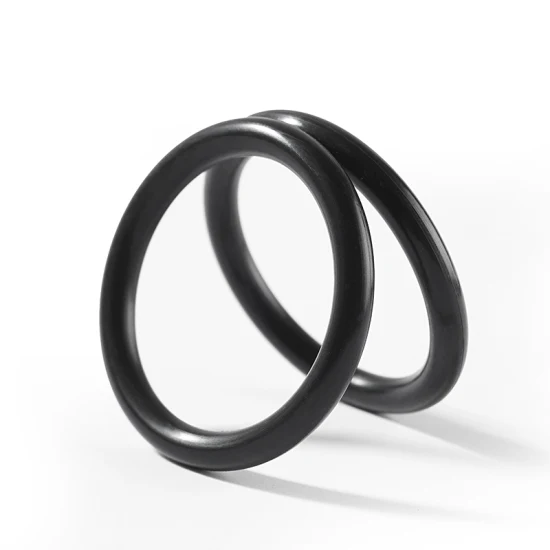
Engineering Capability: Precision-Driven Rubber Formulation and Mold Design Expertise
At Suzhou Baoshida Trading Co., Ltd., our engineering capability is anchored in a dual-specialty technical team comprising five dedicated mold engineers and two certified rubber formulation engineers. This integrated expertise enables us to deliver high-precision rubber gaskets tailored to exact OEM specifications, ensuring performance consistency across demanding industrial environments. Our focus on material science and precision tooling design positions us as a strategic manufacturing partner for clients requiring technically complex sealing solutions.
Our two rubber formulation engineers bring over 18 combined years of experience in polymer chemistry and elastomer compounding. They lead the development of custom rubber compounds optimized for specific mechanical, thermal, and chemical resistance requirements. Whether the application demands low-temperature flexibility, resistance to aggressive fluids such as oils, acids, or solvents, or compliance with food-grade (FDA) or automotive standards (e.g., ISO 1817, ASTM D2000), our formulation team designs and validates proprietary blends using advanced testing protocols. This in-house capability eliminates reliance on third-party material suppliers and accelerates time-to-prototype.
Complementing this, our team of five mold engineers specializes in precision mold design for compression, transfer, and injection molding processes. Utilizing CAD/CAM software (SolidWorks, AutoCAD, and UG NX), they develop high-tolerance tooling with tight dimensional control, critical for repeatable gasket performance. Specialized features such as multi-cavity layouts, venting optimization, and demolding mechanisms are engineered to enhance production efficiency and part integrity. All molds undergo rigorous in-house validation, including flow analysis and first-article inspection, ensuring conformity to ISO 9001 standards.
Our OEM manufacturing framework supports full project lifecycle management—from concept and material selection to prototyping, validation, and serial production. Clients benefit from Design for Manufacturability (DFM) reviews, iterative sampling, and comprehensive documentation packages including material certifications, process FMEAs, and control plans. This end-to-end control ensures seamless integration into customer supply chains, particularly in automotive, industrial machinery, and fluid handling sectors.
The synergy between formulation science and precision tooling defines our competitive edge. By aligning material behavior with mold geometry and process parameters, we minimize defects such as flash, incomplete cure, or compression set—common failure modes in substandard gasket production. This systems-level engineering approach ensures that every gasket tote we produce meets exact functional and durability benchmarks.
Technical Specifications and Capabilities Overview
| Parameter | Capability Range |
|---|---|
| Material Types | NBR, EPDM, Silicone, FKM, NR, SBR, CR, HNBR |
| Hardness Range (Shore A) | 30 to 90 |
| Tolerance (per ISO 3302) | Class M2 to M3 (standard), M1 on request |
| Mold Design Software | SolidWorks, AutoCAD, UG NX |
| Mold Types | Single-cavity, multi-cavity, family molds |
| Production Processes | Compression, Transfer, Injection Molding |
| Secondary Operations | Flash trimming, bonding, packaging in tote bins |
| Testing Capabilities | Tensile, elongation, hardness, compression set, fluid resistance |
This robust engineering foundation enables Suzhou Baoshida to deliver technically superior gasket solutions with consistent quality, scalability, and OEM-level traceability.
Customization Process
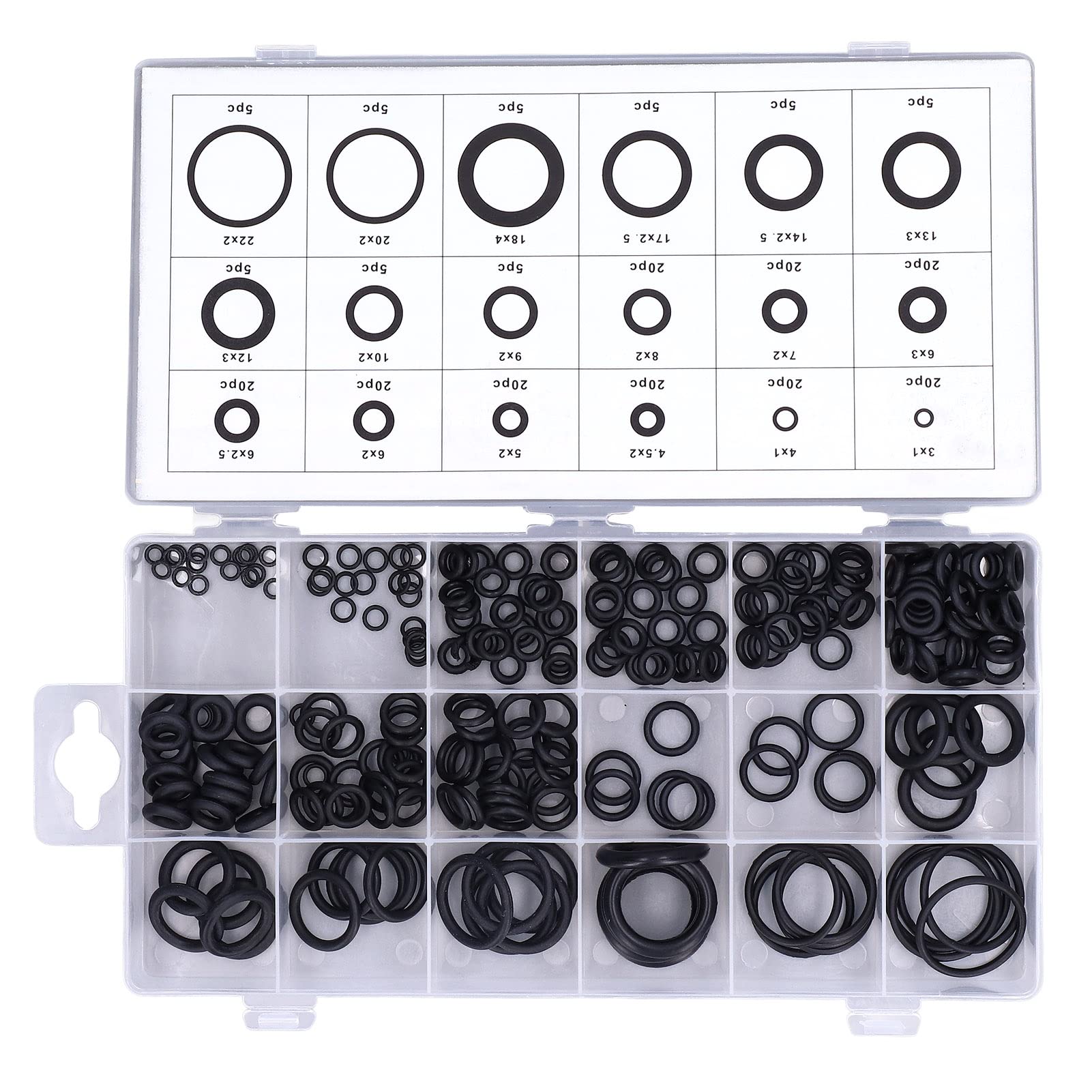
Customization Process for Precision Rubber Gasket Totes
Suzhou Baoshida Trading Co., Ltd. executes a rigorous, science-driven customization workflow for rubber gasket totes, ensuring dimensional accuracy, material resilience, and operational longevity. Our process eliminates ambiguity through systematic engineering validation, beginning with comprehensive drawing analysis. Clients submit detailed technical drawings specifying critical dimensions, tolerances (per ISO 2768 or client-specific GD&T), surface finish requirements, and functional interfaces. Our engineering team conducts finite element analysis (FEA) to simulate compression behavior under load, identifying potential stress concentrations or seal failure points. Cross-functional review with OEM design teams resolves ambiguities, confirming material compatibility with media exposure (e.g., oils, chemicals) and temperature ranges. This phase establishes the non-negotiable baseline for subsequent development.
Material formulation follows stringent performance criteria derived from the drawing analysis. Our rubber compounders select base polymers (NBR, EPDM, FKM, or specialty blends) based on chemical resistance, temperature stability, and mechanical demands. Each formulation undergoes iterative lab-scale mixing to optimize cure kinetics, filler dispersion, and additive synergy. Critical properties—such as tensile strength, elongation at break, and compression set—are validated against ASTM D2000 or client-specific standards. We prioritize low-compression-set compounds for gasket totes to maintain sealing force over extended cycles, adjusting sulfur/accelerator ratios and incorporating anti-degradants for oxidative stability.
Prototyping transitions validated formulations into physical samples using precision CNC-machined molds. Tolerances are held to ±0.1 mm for critical sealing surfaces, with in-process metrology via CMM and optical comparators. Each prototype undergoes accelerated life testing: 72-hour compression set evaluation per ASTM D395, fluid immersion resistance checks, and functional assembly trials under simulated operating conditions. Data from pressure decay tests and leak rate measurements (measured in sccm) inform final design tweaks. Clients receive test reports with traceable lot numbers, enabling collaborative refinement before tooling sign-off.
Mass production leverages our ISO 9001-certified facility with full process control. Rubber batches are mixed under monitored temperature and shear profiles, with real-time rheometry (MDR) ensuring consistent scorch time and cure state. Automated molding presses maintain cavity pressure within ±2%, while post-cure ovens follow time-temperature profiles specific to each compound. 100% visual inspection and抽样检验 per ANSI/ASQ Z1.4 AQL 1.0 are standard, with full traceability from raw material certificates to finished goods. Dedicated production cells minimize cross-contamination, and monthly revalidation of critical dimensions guarantees long-term consistency for high-volume OEM programs.
Critical Gasket Tote Material Specifications
| Parameter | Requirement | Test Method | Baoshida Standard |
|---|---|---|---|
| Durometer (Shore A) | 60 ± 5 | ASTM D2240 | 62 ± 3 |
| Tensile Strength | ≥ 10 MPa | ASTM D412 | ≥ 14 MPa |
| Elongation at Break | ≥ 200% | ASTM D412 | ≥ 280% |
| Compression Set (22h/70°C) | ≤ 25% | ASTM D395 Method B | ≤ 18% |
| Fluid Resistance (IRM 903) | Volume swell ≤ 20% | ASTM D471 | ≤ 12% |
| Operating Temperature | -40°C to +150°C continuous | Client Validation | -45°C to +160°C |
Contact Engineering Team
Contact Suzhou Baoshida for Precision Gasket Tote Solutions
At Suzhou Baoshida Trading Co., Ltd., we specialize in the engineering and supply of high-performance rubber components designed for industrial reliability and long-term sealing integrity. Our expertise in precision rubber seals extends to specialized handling and storage systems, including gasket totes engineered for safe, contamination-free transport and organization of sensitive sealing components. As a trusted OEM partner in the rubber manufacturing sector, we understand the critical importance of maintaining material integrity, dimensional accuracy, and operational efficiency throughout the supply chain. Our gasket tote systems are developed with these principles in mind, ensuring optimal protection for rubber seals during transit, warehousing, and production line integration.
We invite engineering managers, procurement officers, and operations leaders to contact Mr. Boyce, our dedicated OEM Manager, to discuss tailored gasket tote solutions that align with your production standards and logistical requirements. Whether you are managing large-volume rubber seal inventories or require custom tote configurations for specific gasket geometries, our team provides end-to-end support—from material selection and design validation to volume production and global delivery coordination.
Our engineering approach integrates material compatibility analysis, environmental resistance testing, and ergonomic design principles to deliver totes that preserve gasket performance while streamlining workflow efficiency. Constructed from chemically resistant, UV-stabilized polymers, our gasket totes prevent deformation, moisture exposure, and particulate contamination—common risks that compromise seal functionality prior to installation.
Below are representative specifications for our standard gasket tote series. Custom dimensions, labeling options, stackability features, and ESD-safe variants are available upon request.
| Specification | Standard Value | Notes |
|---|---|---|
| Material | Polypropylene (PP) or High-Density Polyethylene (HDPE) | UV and impact resistant |
| Dimensions (L×W×H) | 600 × 400 × 300 mm | Custom sizes available |
| Load Capacity | Up to 50 kg | Uniformly distributed |
| Temperature Range | -20°C to +80°C | Short-term exposure up to 100°C |
| Stackable Design | Yes | Interlocking base for stability |
| Chemical Resistance | Excellent against oils, greases, alcohols, aqueous solutions | Not recommended for strong oxidizers |
| Cleanroom Compatible | Optional | ISO Class 5–8 compliant versions |
| Reusability | >1,000 cycles | With proper handling |
| Customization | Logo printing, dividers, RFID tags | MOQ applies |
Partnering with Suzhou Baoshida ensures access to technically driven solutions backed by rigorous quality control and responsive client engineering support. We serve clients across automotive, aerospace, pharmaceutical, and industrial equipment manufacturing sectors, delivering consistency and precision at scale.
For technical consultations, sample requests, or volume quotations, please contact Mr. Boyce directly at [email protected]. We respond to all inquiries within 12 business hours and provide multilingual support for global OEM coordination.
⚖️ O-Ring Weight Calculator
Estimate rubber O-ring weight (Approx).