
Technical Contents
Engineering Guide: Gasketing Material
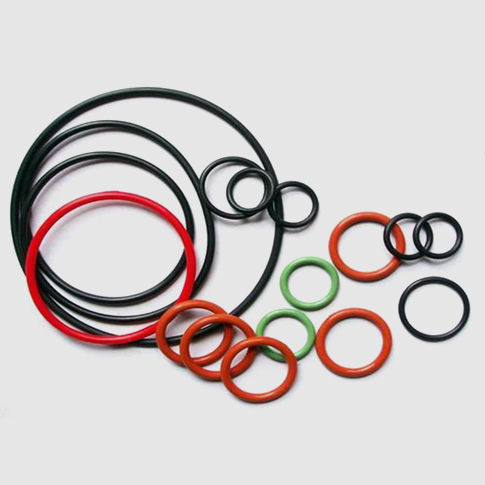
Engineering Insight: Material Selection Imperatives in Precision Gasketing
The functional integrity of any sealing system hinges critically on the precise selection of gasketing material. Off-the-shelf solutions, while seemingly cost-effective, frequently precipitate premature failure under demanding industrial conditions due to inadequate consideration of the specific operational environment. Generic materials often lack the tailored molecular architecture required to withstand the synergistic effects of temperature extremes, chemical exposure, pressure fluctuations, and dynamic stresses inherent in modern manufacturing processes. This mismatch manifests as compression set, extrusion, hardening, cracking, or catastrophic seal loss, leading to unplanned downtime, safety hazards, and significant remediation costs far exceeding the initial material savings. Understanding the fundamental material properties and their interaction with the application parameters is not merely advisable; it is an engineering necessity for reliable, long-term performance.
Material selection transcends basic compatibility charts. It requires deep analysis of the fluid media composition—including trace contaminants and potential oxidation byproducts—the peak and cyclic temperature profile, the magnitude and duration of compressive load, surface finish of flanges, and the required service life. An elastomer suitable for static water sealing at ambient temperatures may rapidly degrade when exposed to hot biodiesel or intermittent steam. Similarly, a compound resistant to aliphatic hydrocarbons might swell catastrophically in aromatic solvents. Off-the-shelf gaskets typically represent a compromise formulation optimized for broad market appeal, not the specific chemical cocktail or thermal cycling profile of a particular OEM application. This inherent compromise inevitably leads to suboptimal resilience and shortened service intervals.
Suzhou Baoshida Trading Co., Ltd. emphasizes engineered material solutions over generic substitutes. Our approach involves rigorous application analysis followed by precise compound formulation, leveraging advanced polymer science to balance critical properties. The table below illustrates key performance differentiators between common elastomer families, highlighting why a one-size-fits-all approach fails:
| Material Type | Continuous Temp Range (°C) | Key Fluid Resistance | Critical Weakness (Off-the-Shelf Risk) | Typical Failure Mode in Mismatched Application |
|---|---|---|---|---|
| NBR (Nitrile) | -30 to +120 | Mineral oils, water, aliphatic hydrocarbons | Poor ozone/weathering; limited high-temp stability | Hardening & cracking in outdoor steam lines |
| EPDM | -50 to +150 | Water, steam, alkalis, brake fluids | Swelling in mineral oils, fuels, aromatics | Extrusion loss in hydraulic systems with petroleum fluid |
| FKM (Viton®) | -20 to +230 | Wide range of oils, fuels, acids, solvents | Poor low-temp flexibility; cost | Brittleness in cryogenic cycling applications |
| Silicone | -60 to +200 | Water, oxygen, ozone, moderate chemicals | Poor tear strength; incompatible with concentrated acids | Tearing during installation in high-surface-roughness flanges |
True reliability stems from matching the elastomer’s fundamental chemistry—its polymer backbone, crosslink density, and additive package—to the exact operational stresses. Suzhou Baoshida Trading Co., Ltd. partners with OEMs to move beyond catalog specifications, developing precision-engineered gasketing materials that deliver predictable performance under defined conditions. This eliminates the hidden costs of generic solutions, ensuring operational continuity and safeguarding asset integrity through scientifically validated material science. The investment in tailored formulation pays exponential dividends in system uptime and lifecycle cost reduction.
Material Specifications
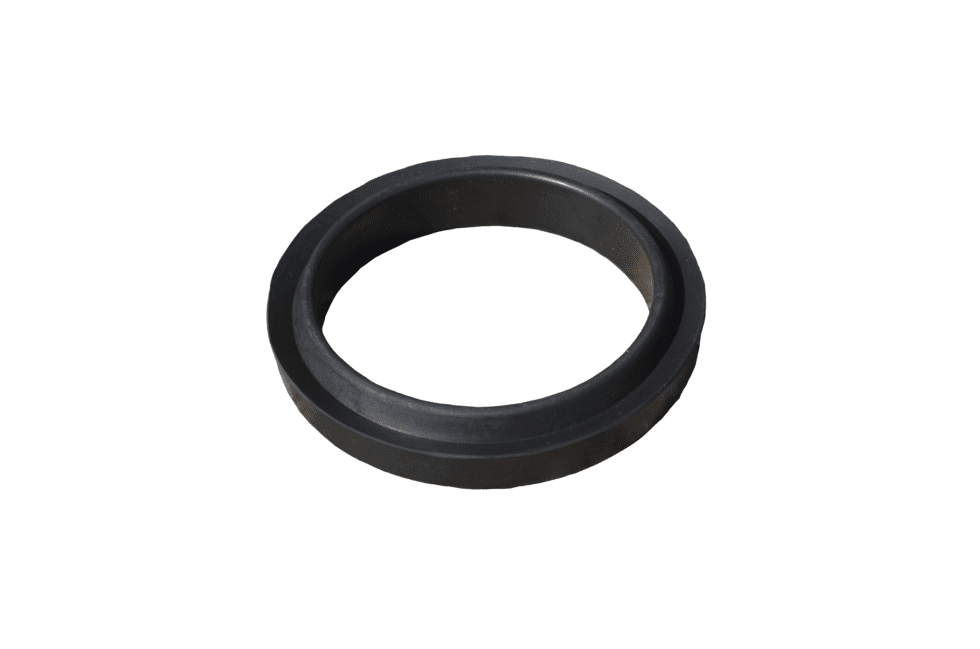
Material selection is a critical determinant in the performance and longevity of precision rubber seals used in gasketing applications. At Suzhou Baoshida Trading Co., Ltd., we specialize in engineered sealing solutions that meet the rigorous demands of industrial, automotive, aerospace, and chemical processing environments. Our core materials—Viton (FKM), Nitrile (NBR), and Silicone (VMQ)—are selected based on their distinct chemical resistance, temperature stability, mechanical properties, and compatibility with dynamic or static sealing requirements.
Viton is a fluorocarbon-based elastomer renowned for its exceptional resistance to high temperatures, oils, fuels, and a broad range of aggressive chemicals. With continuous service capability up to 230°C and intermittent exposure tolerance beyond 250°C, Viton is ideal for extreme environments such as engine compartments, chemical reactors, and oilfield equipment. Its low gas permeability and excellent aging characteristics make it a preferred choice for high-reliability applications where failure is not an option.
Nitrile rubber, or Buna-N, offers superior resistance to aliphatic hydrocarbons, mineral oils, and greases, making it one of the most widely used elastomers in hydraulic and fuel systems. Operating effectively within a temperature range of -30°C to 120°C, Nitrile provides excellent abrasion resistance and tensile strength. While its performance degrades in the presence of ozone, weathering, and polar solvents, its cost-effectiveness and robust mechanical properties ensure its dominance in general-purpose industrial sealing.
Silicone rubber excels in extreme temperature applications, maintaining flexibility from -60°C to 200°C. It demonstrates outstanding resistance to UV radiation, ozone, and weathering, making it suitable for outdoor and medical-grade applications. However, its relatively low tensile strength and poor resistance to oils and fuels limit its use in high-stress mechanical environments. Silicone is frequently specified in food processing, pharmaceutical, and electrical insulation applications due to its inertness and non-toxic composition.
The following table summarizes key physical and chemical properties of these materials to assist in informed material selection:
| Property | Viton (FKM) | Nitrile (NBR) | Silicone (VMQ) |
|---|---|---|---|
| Temperature Range (°C) | -20 to 230 | -30 to 120 | -60 to 200 |
| Tensile Strength (MPa) | 15–20 | 10–25 | 5–10 |
| Elongation at Break (%) | 150–300 | 200–500 | 200–700 |
| Hardness (Shore A) | 60–90 | 50–90 | 30–80 |
| Resistance to Oils/Fuels | Excellent | Excellent | Poor |
| Resistance to Ozone/UV | Excellent | Good | Excellent |
| Resistance to Acids/Bases | Excellent | Moderate | Good |
| Gas Permeability | Low | Moderate | High |
Each material presents a unique balance of performance attributes. The final selection must consider operational temperature, media exposure, mechanical stress, regulatory compliance, and lifecycle requirements. Suzhou Baoshida Trading Co., Ltd. supports OEMs and industrial partners with material testing, custom formulation, and precision manufacturing to ensure optimal seal performance across diverse operating conditions.
Manufacturing Capabilities
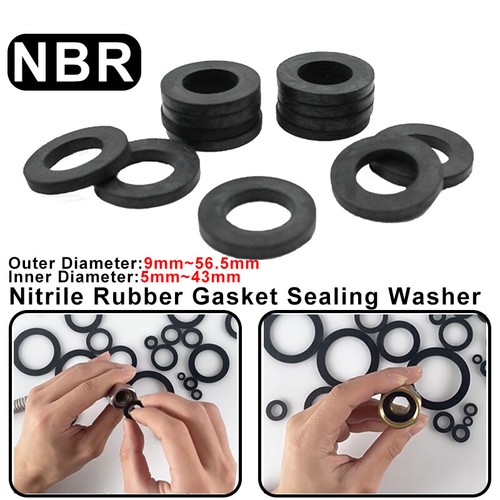
Engineering Capabilities in Precision Gasket Material Development
Suzhou Baoshida Trading Co., Ltd. leverages deep technical expertise to deliver mission-critical gasketing solutions for demanding industrial applications. Our core strength resides in an integrated engineering team comprising five dedicated Mold Engineers and two specialized Rubber Formula Engineers. This dual-discipline structure ensures seamless alignment between material science and manufacturing execution, eliminating traditional handoff inefficiencies. Our Formula Engineers possess advanced proficiency in polymer chemistry, enabling precise customization of elastomer compounds to meet exact fluid compatibility, thermal stability, and compression set requirements. Simultaneously, our Mold Engineering cohort applies finite element analysis (FEA) and mold flow simulation to optimize cavity design, gating systems, and curing parameters—guaranteeing dimensional accuracy within ±0.05mm tolerance bands across complex geometries.
Material innovation is driven by rigorous molecular architecture design. We systematically adjust filler systems, crosslink density, and additive packages to achieve target performance metrics without compromising processability. For instance, our proprietary low-compression set EPDM formulations maintain seal integrity after 1,000+ hours at 150°C, while custom nitrile blends withstand aggressive biofuels with <15% volume swell. This precision extends to OEM collaborations, where we co-develop materials from initial concept through validation testing, ensuring seamless integration with client assembly processes and end-use environments.
Our OEM framework operates as a true engineering partnership. Clients provide functional specifications and operational constraints; we translate these into optimized material and mold solutions via iterative prototyping. The table below illustrates standard performance benchmarks achievable across common elastomer families, though all formulations are tailored to project-specific demands.
| Material Type | Hardness Range (Shore A) | Temp Range (°C) | Key Fluid Resistance | Compression Set (22h/100°C) |
|---|---|---|---|---|
| EPDM | 40–90 | -55 to +150 | Steam, Brake Fluid, Ozone | ≤25% |
| NBR | 50–95 | -30 to +120 | Hydraulic Oil, Aliphatic Fuels | ≤30% |
| FKM | 60–90 | -20 to +230 | Aromatic Fuels, Acids, Jet Fuel | ≤20% |
End-to-end control defines our OEM process. From CAD-based mold design validation to in-house rheometry and mechanical testing, we maintain strict adherence to ISO 9001 protocols. Every compound undergoes ASTM D2000 classification verification, with traceable lot documentation for full supply chain transparency. Our engineers conduct on-site application audits to correlate laboratory data with real-world field performance, driving continuous refinement. This closed-loop methodology has consistently reduced client leakage failures by 40%+ in automotive and energy sector deployments.
Suzhou Baoshida’s engineering synergy—where formula science meets precision tooling—delivers gasketing systems that exceed functional lifespan expectations while minimizing total cost of ownership. We transform material constraints into competitive advantages through data-driven development and unwavering process discipline.
Customization Process
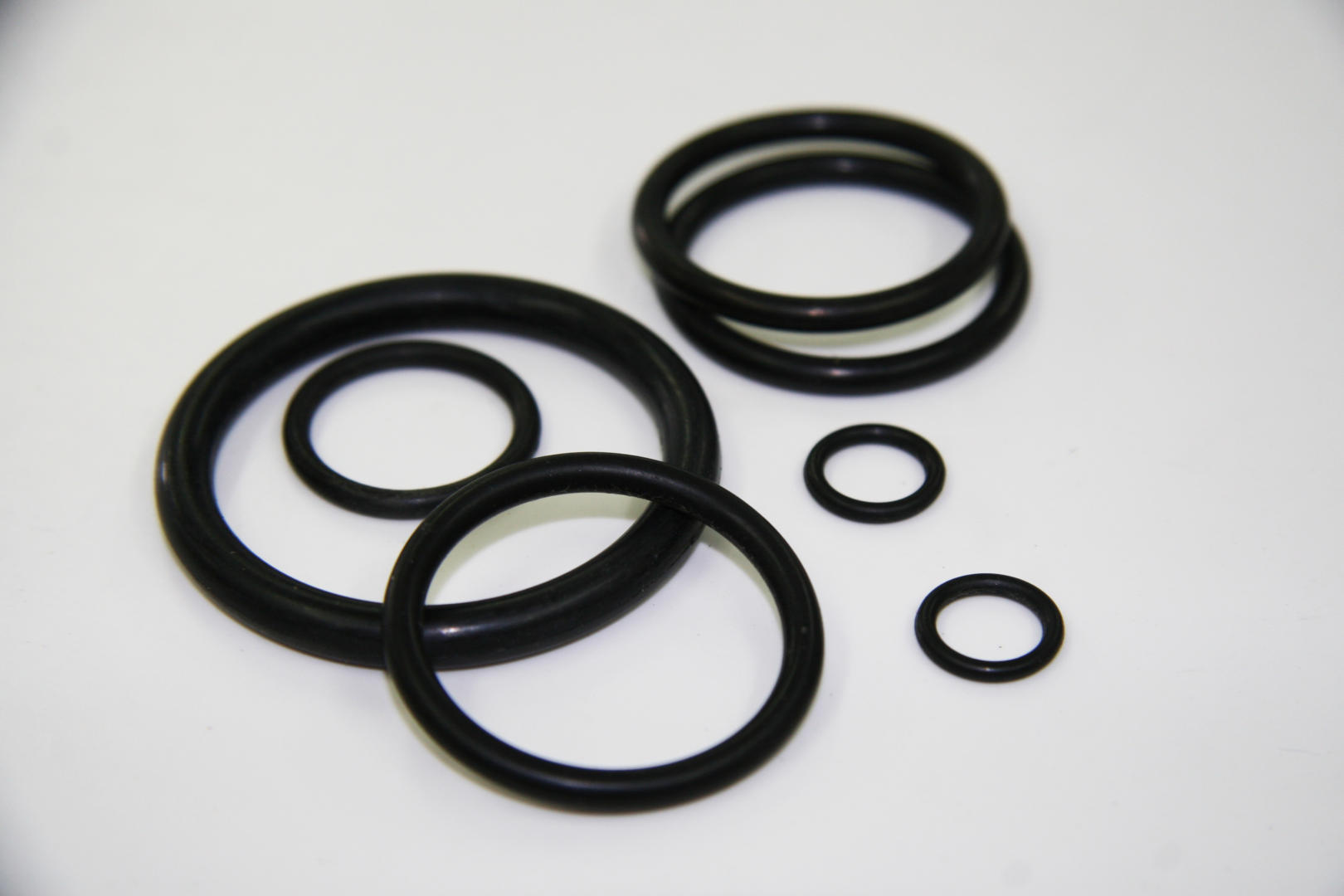
Drawing Analysis
The customization process for precision rubber gasketing materials begins with a comprehensive drawing analysis. At Suzhou Baoshida Trading Co., Ltd., we evaluate every technical drawing provided by the client to extract critical dimensional tolerances, sealing interface geometry, and application-specific requirements. Our engineering team cross-references ISO 3302 and ISO 2768 standards to validate manufacturability and identify potential design constraints. This phase includes a detailed assessment of groove dimensions, compression ratios, and environmental exposure zones. We ensure that all geometric features—such as lips, sealing beads, and vent channels—are compatible with both the selected elastomer and the intended molding process. Any discrepancies or optimization opportunities are communicated to the client with technical recommendations prior to proceeding.
Formulation Development
Following drawing validation, our rubber formulation engineers initiate material development tailored to the operational environment. The selection of polymer base—be it NBR, EPDM, FKM, or silicone—is determined by temperature range, chemical exposure, compression set resistance, and mechanical stress. Additives such as reinforcing fillers, antioxidants, plasticizers, and curing agents are precisely balanced to achieve the target hardness (Shore A 40–90), tensile strength, and elongation at break. Each formulation is documented under internal control number and subjected to preliminary simulation testing using ASTM D2000 guidelines. This ensures the compound meets the required performance class for heat aging, fluid immersion, and volume swell. All formulations are traceable and compliant with REACH and RoHS directives.
Prototyping and Validation
Once the compound is finalized, we proceed to prototype tooling and sample production. Utilizing CNC-machined prototype molds, small-batch compression or injection molding generates physical samples for dimensional and functional verification. Prototypes undergo rigorous testing, including compression deflection analysis (ASTM F36), leakage testing under simulated operating conditions, and accelerated aging per ASTM D573. Dimensional reports generated via CMM (Coordinate Measuring Machine) are compared against client drawings to confirm conformance. Client feedback is incorporated at this stage, allowing for mold adjustments or compound refinements before final approval.
Mass Production and Quality Control
Approved prototypes transition into full-scale production using hardened steel molds and automated rubber molding lines. Every production batch is subject to in-process inspection and final quality audit. Statistical process control (SPC) monitors key parameters such as cure time, mold temperature, and flash thickness. All finished gaskets are visually inspected, dimensionally sampled, and tested for physical properties in our accredited lab.
The following table outlines typical material specifications achievable through our customization process:
| Property | Test Method | Typical Range |
|---|---|---|
| Hardness (Shore A) | ASTM D2240 | 40–90 |
| Tensile Strength | ASTM D412 | 8–22 MPa |
| Elongation at Break | ASTM D412 | 150–600% |
| Compression Set (70h, 70°C) | ASTM D395 | ≤25% |
| Operating Temperature | — | -40°C to +230°C (FKM) |
| Fluid Resistance | ASTM D471 | Custom formulation dependent |
This structured approach ensures that every custom gasket meets the highest standards of precision, durability, and performance.
Contact Engineering Team
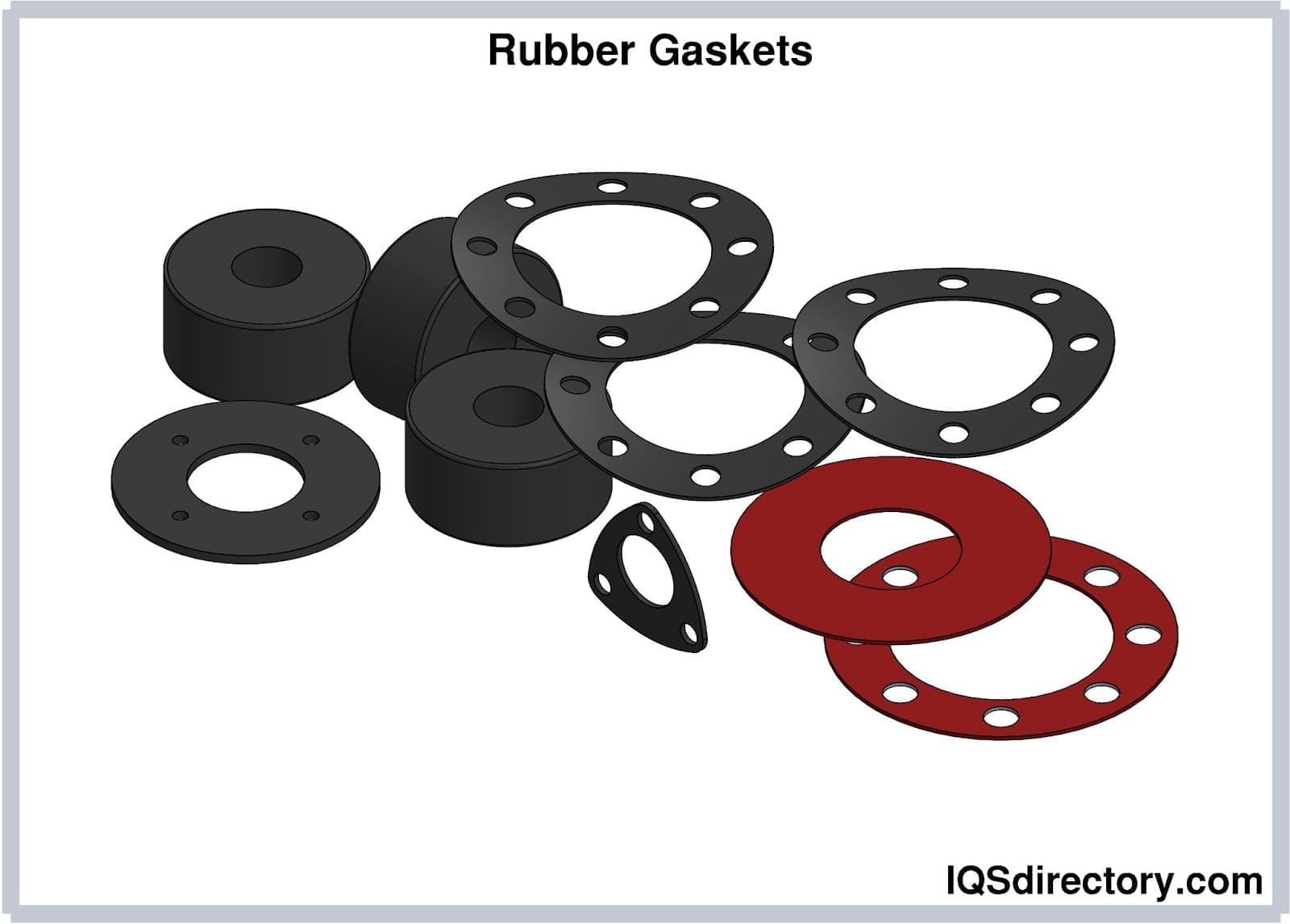
Initiate Precision Gasket Solutions Through Technical Collaboration
Selecting optimal gasketing material transcends standard procurement; it demands rigorous material science alignment with your specific operational parameters. At Suzhou Baoshida Trading Co., Ltd., our engineering team specializes in resolving complex sealing challenges where conventional off-the-shelf solutions fail. We integrate polymer chemistry expertise with real-world OEM application data to formulate compounds that withstand extreme thermal cycling, aggressive chemical exposure, and sustained mechanical stress. Our proprietary compounding process ensures dimensional stability and longevity critical for aerospace, automotive powertrain, and semiconductor manufacturing environments.
The following table outlines core performance metrics for our engineered elastomer families, validated per ASTM D2000 and ISO 3601 standards. These values represent baseline capabilities; all formulations undergo iterative refinement to match your fluid compatibility, compression load, and service life requirements.
| Material Type | Temperature Range (°C) | Key Chemical Resistance | Compression Set (70h/100°C) | Typical Applications |
|---|---|---|---|---|
| Hydrogenated NBR (HNBR) | -40 to +150 | Oils, fuels, acids | ≤ 25% | Automotive turbochargers, fuel systems |
| Perfluoroelastomer (FFKM) | -15 to +327 | Plasma, strong acids/bases | ≤ 15% | Semiconductor CVD chambers, chemical processing |
| Silicone (VMQ) | -60 to +230 | Water, ozone, steam | ≤ 20% | Medical devices, food-grade seals |
| Ethylene Propylene (EPDM) | -50 to +150 | Brake fluids, glycols | ≤ 22% | HVAC systems, coolant manifolds |
Material selection is merely the foundation. Our value lies in translating your engineering constraints into functional sealing performance. We conduct finite element analysis (FEA) to predict gasket behavior under flange distortion and thermal gradients, preventing costly field failures. For high-volume OEM programs, our Suzhou facility implements real-time rheometry monitoring during curing to maintain ±0.5 Shore A hardness tolerance—critical for consistent sealing force. Each compound batch includes full traceability from raw material certificates to final physical test reports, ensuring compliance with IATF 16949 and AS9100 frameworks.
Partnering with Suzhou Baoshida means engaging directly with rubber formulation specialists, not generalist sales representatives. Mr. Boyce, our dedicated OEM Manager and Rubber Formula Engineer, possesses 14 years of experience optimizing elastomer systems for Tier-1 automotive and industrial equipment manufacturers. He will collaborate with your R&D team to review joint designs, analyze failure modes from existing seals, and develop validation protocols specific to your assembly process. This technical partnership reduces prototyping cycles by 30-50% while eliminating material-related warranty claims.
Do not compromise sealing integrity with generic material substitutions. Contact Mr. Boyce immediately to initiate a technical consultation. Provide your application’s pressure-temperature profile, media exposure details, and dimensional constraints for a targeted compound recommendation within 48 hours. Email [email protected] with subject line “Gasket Engineering Request: [Your Company Name]” to receive our Material Compatibility Matrix and OEM Collaboration Checklist. Suzhou Baoshida guarantees engineered solutions—not just materials—that secure your product’s performance legacy. Your next-generation sealing challenge begins with precise chemistry. Act now.
⚖️ O-Ring Weight Calculator
Estimate rubber O-ring weight (Approx).