
Technical Contents
Engineering Guide: Gates Industrial Valves And Flanges
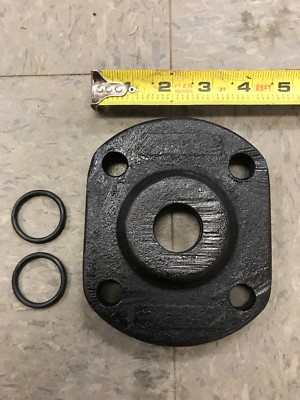
Engineering Insight: gates industrial valves and flanges
Material selection in industrial valves and flanges is not a secondary consideration—it is a foundational engineering decision that directly impacts system integrity, operational longevity, and safety. At Suzhou Baoshida Trading Co., Ltd., we emphasize that off-the-shelf rubber components, while cost-attractive, often lead to premature failure in demanding industrial environments. This is particularly critical in gate valves and flanged connections, where sealing performance under variable pressure, temperature, and chemical exposure is non-negotiable.
Standard rubber formulations used in mass-produced seals are typically designed for general-purpose applications. They lack the tailored resistance required when handling aggressive media such as sour gas, aromatic hydrocarbons, or highly acidic or alkaline fluids. In gate valves, where the sealing mechanism relies on precise compression between the wedge and seat, elastomer degradation leads to leakage paths, seat extrusion, or stem seal failure. Similarly, flange gaskets made from generic NBR or EPDM compounds can swell, harden, or crack when exposed to non-ideal media, compromising the entire joint integrity.
The failure of off-the-shelf solutions stems from a one-size-fits-all approach. Industrial processes vary widely—offshore platforms demand resistance to seawater and H₂S, while chemical processing units require compatibility with chlorinated solvents. Using a standard gasket or O-ring without chemical compatibility analysis risks unplanned downtime, environmental hazards, and costly remediation. At Baoshida, we advocate for application-specific rubber engineering, where material selection is driven by fluid type, operating temperature, pressure cycles, and environmental exposure.
For instance, fluorocarbon rubber (FKM) offers superior resistance to high temperatures and hydrocarbons, making it ideal for refinery gate valves. Conversely, peroxide-cured EPDM demonstrates exceptional steam and ozone resistance, suitable for power plant flange joints. In highly corrosive environments, PTFE-encapsulated seals provide a near-inert barrier, combining the flexibility of rubber with the chemical inertness of fluoropolymers.
Understanding these distinctions allows engineers to move beyond generic replacements and toward optimized sealing solutions. The table below outlines key rubber materials and their performance characteristics relevant to industrial valves and flanges.
| Material | Temperature Range (°C) | Key Chemical Resistances | Typical Use Case |
|---|---|---|---|
| NBR (Nitrile) | -30 to +100 | Oils, water, aliphatic hydrocarbons | General-purpose hydraulic systems |
| EPDM | -50 to +150 | Steam, water, alkalis, oxygenated solvents | Power generation, water treatment |
| FKM (Viton®) | -20 to +200 | Aromatic hydrocarbons, acids, fuels | Oil & gas, chemical processing |
| Silicone | -60 to +180 | Ozone, UV, temperature extremes | Non-critical seals, low-torque applications |
| PTFE | -200 to +260 | Virtually all chemicals, solvents | High-purity, aggressive media applications |
Material selection is not merely about compatibility—it is about predictive performance. By prioritizing engineered rubber solutions over generic alternatives, industrial operators ensure reliability, reduce lifecycle costs, and maintain compliance with safety standards. At Baoshida, we support OEMs and end-users with material analysis and custom formulation to match the exact demands of their gate valves and flanged systems.
Material Specifications
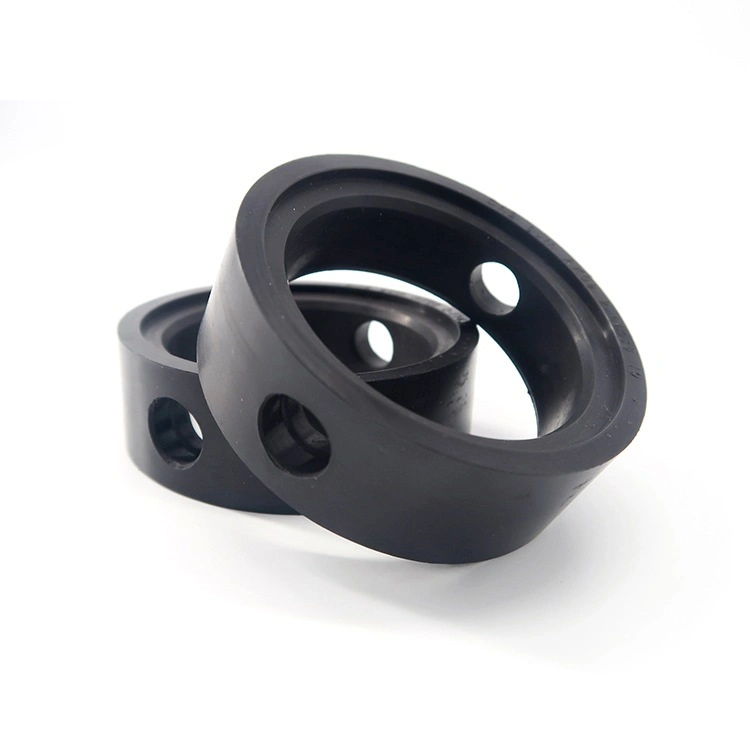
Material Specifications for Industrial Valve and Flange Sealing Elements
Suzhou Baoshida Trading Co., Ltd. provides engineered rubber solutions optimized for critical sealing applications in industrial valves and flanges. Precise material selection directly impacts system integrity, longevity, and operational safety under demanding chemical, thermal, and pressure conditions. This section details the technical specifications of three primary elastomers: Viton (FKM), Nitrile (NBR), and Silicone (VMQ), ensuring OEMs and end-users align material properties with application requirements.
Viton fluorocarbon rubber delivers exceptional resistance to high temperatures, aggressive chemicals, and hydrocarbons. Its operational range spans -20°C to +230°C, with intermittent exposure up to 300°C. Viton excels in environments involving aromatic and chlorinated hydrocarbons, jet fuels, acids, and hydraulic fluids, making it ideal for refinery valves, chemical processing flanges, and aerospace fluid systems. Compression set values remain low (<25% per ASTM D395) at 200°C after 70 hours, ensuring reliable sealing force retention. However, its cost premium necessitates justification through extreme service conditions.
Nitrile butadiene rubber offers an optimal balance of petroleum resistance, mechanical strength, and cost efficiency for general industrial applications. Standard NBR compounds function effectively between -30°C and +100°C, with high-acrylonitrile variants extending to +125°C. It demonstrates excellent resistance to aliphatic hydrocarbons, water, hydraulic oils, and greases but degrades in ozone, ketones, and phosphate ester-based fluids. Compression set typically ranges from 15% to 30% at 100°C, suitable for water treatment valves, hydraulic manifold flanges, and automotive fuel systems where cost sensitivity is paramount.
Silicone rubber provides unmatched flexibility at extreme temperatures and superior resistance to ozone, UV, and steam. Its operational envelope covers -60°C to +200°C, with specialty grades reaching +230°C. Silicone maintains elasticity in cryogenic conditions and resists degradation from steam sterilization, making it indispensable for pharmaceutical and food-grade sanitary valves. Limitations include poor tensile strength, susceptibility to퀵 abrasion, and swelling in non-polar solvents like aliphatic hydrocarbons. Compression set values range from 20% to 40% at 150°C, requiring careful design consideration for dynamic seals.
The comparative analysis below summarizes critical performance parameters per ASTM standards:
| Material | Temperature Range (°C) | Key Chemical Resistances | Compression Set (ASTM D395) | Typical Valve/Flange Applications |
|---|---|---|---|---|
| Viton (FKM) | -20 to +230 | Aromatic hydrocarbons, acids, jet fuels, hydraulic fluids | <25% at 200°C (70h) | Refinery gate valves, chemical reactor flanges, aerospace hydraulic systems |
| Nitrile (NBR) | -30 to +125 | Aliphatic hydrocarbons, water, hydraulic oils, greases | 15-30% at 100°C (70h) | Water distribution valves, hydraulic manifold flanges, fuel handling systems |
| Silicone (VMQ) | -60 to +200 | Steam, ozone, UV, water, alcohols | 20-40% at 150°C (70h) | Pharmaceutical diaphragm valves, food-grade clamp flanges, cryogenic seals |
Suzhou Baoshida Trading Co., Ltd. leverages advanced compounding expertise to tailor these base polymers with specialized additives, enhancing properties such as plasma resistance for semiconductor valves or low-extractables formulations for biopharmaceutical flanges. Material selection must account for fluid compatibility, thermal cycling, pressure differentials, and regulatory compliance. Consult our engineering team for application-specific compound validation per ISO 2230 or customer-defined test protocols to ensure optimal sealing performance and regulatory adherence.
Manufacturing Capabilities
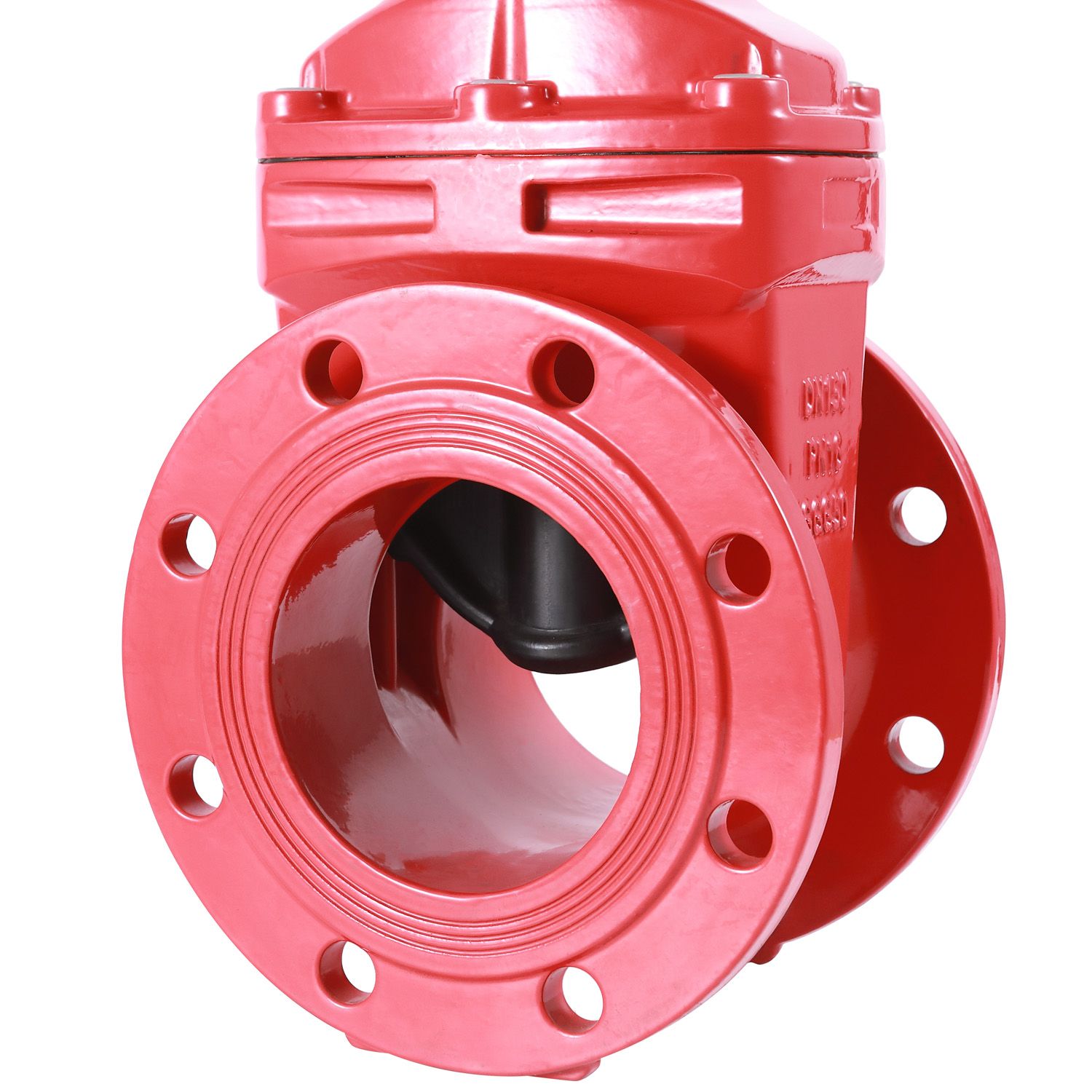
Engineering Capability
At Suzhou Baoshida Trading Co., Ltd., our engineering framework is built on deep technical expertise in industrial rubber formulation and precision mold design, specifically tailored for high-performance applications in valves and flanges. Our team comprises five dedicated mold engineers and two specialized rubber formula engineers, enabling us to deliver fully integrated OEM solutions that meet the stringent demands of industrial fluid control systems. This dual-engineering capability ensures that both the material science and mechanical design aspects of rubber components are optimized in parallel, reducing development cycles and enhancing product reliability.
Our mold engineers utilize advanced CAD/CAM software, including SolidWorks and AutoCAD, to design precision molds that ensure tight tolerances, consistent part geometry, and long service life. Each mold is engineered with thermal efficiency, wear resistance, and ease of maintenance in mind, supporting high-volume production without compromising quality. Finite element analysis (FEA) is routinely applied to simulate mold filling, cooling behavior, and stress distribution, minimizing defects and optimizing cycle times.
Complementing this is our in-house rubber formulation capability. Our two formula engineers specialize in developing custom elastomer compounds for industrial valve and flange seals, focusing on resistance to temperature extremes, pressure cycling, and aggressive media such as oils, steam, and industrial chemicals. We formulate and test NBR, EPDM, FKM, silicone, and Neoprene compounds, adjusting hardness, compression set, tensile strength, and elongation to meet exact OEM specifications. All formulations are validated through accelerated aging, fluid immersion, and dynamic sealing tests in simulated operational environments.
This synergy between mold design and material science allows us to offer true OEM manufacturing services. We support clients from concept to量产 (mass production), providing prototyping, DFM analysis, material validation, and full documentation packages including material certifications (e.g., RoHS, REACH) and test reports. Our facility is equipped with hydraulic presses, curing ovens, and precision measuring instruments to ensure every rubber component meets the required dimensional and performance criteria.
We maintain strict process control through documented standard operating procedures and real-time monitoring of key parameters such as cure time, temperature, and pressure. This ensures batch-to-batch consistency and full traceability—critical for industries such as oil & gas, chemical processing, and power generation.
Below is a summary of our core engineering and material capabilities:
| Parameter | Specification |
|---|---|
| Mold Design Software | SolidWorks, AutoCAD, MoldFlow |
| Mold Tolerance | ±0.05 mm |
| Rubber Hardness Range (Shore A) | 40–90 |
| Standard Elastomers | NBR, EPDM, FKM, Silicone, Neoprene |
| Temperature Resistance Range | -40°C to +250°C (depending on compound) |
| Pressure Rating (Seal Design) | Up to 40 MPa |
| OEM Documentation Support | Material Certs, Test Reports, DFM, PPAP |
Our engineering team is committed to innovation, reliability, and technical collaboration, ensuring that every rubber solution we deliver enhances the performance and longevity of industrial valve and flange systems.
Customization Process
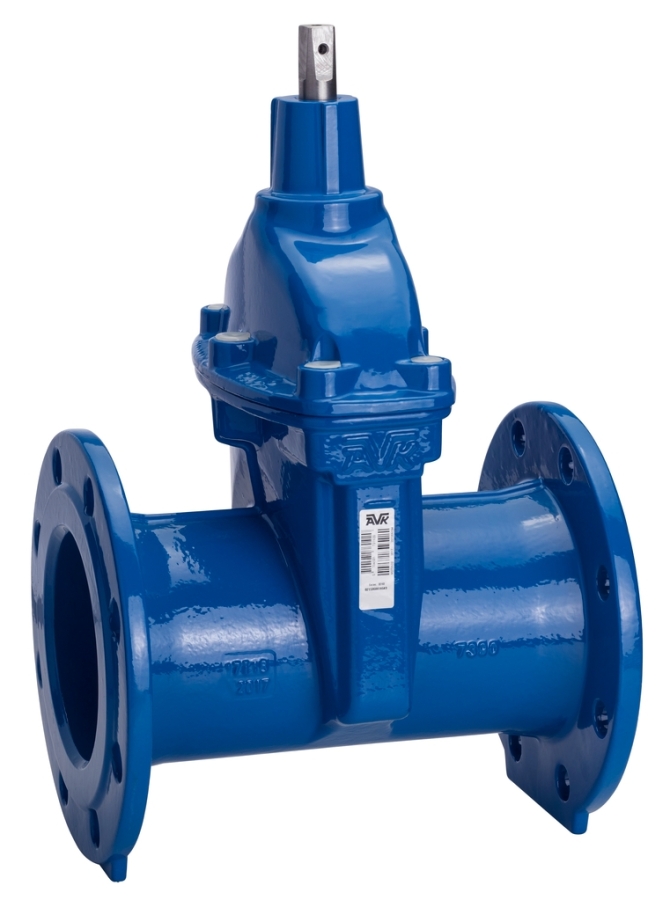
Customization Process for Industrial Valve and Flange Sealing Solutions
At Suzhou Baoshida Trading Co., Ltd., our customization workflow for industrial valves and flanges integrates rigorous material science with precision manufacturing to deliver sealing solutions that meet exact operational demands. This four-phase process ensures compatibility with extreme pressures, temperatures, and chemical exposures inherent in oil and gas, petrochemical, and power generation applications.
Drawing Analysis initiates the workflow. Our engineering team conducts a comprehensive review of client-provided CAD models and technical specifications, focusing on dimensional tolerances, surface finish requirements, and interface geometry. Critical parameters such as groove dimensions, compression set limits, and dynamic movement ranges are validated against ISO 3601 and ASME B16.20 standards. This phase identifies potential sealing interface conflicts early, such as inadequate squeeze ratios or incompatible flange surface roughness, preventing costly redesigns during prototyping. Material compatibility with media (e.g., sour gas, hydraulic fluids) is cross-referenced against our proprietary chemical resistance database.
Formulation Development leverages Suzhou Baoshida’s polymer expertise to engineer bespoke rubber compounds. Based on the operational profile from Drawing Analysis, we select base polymers—such as HNBR for high-temperature oil resistance or FFKM for aggressive chemical service—and optimize filler systems, cure packages, and stabilizers. Key properties like compression set, tensile strength, and low-temperature flexibility are precisely tuned. For instance, a valve stem seal requiring -40°C flexibility in arctic conditions may utilize a peroxide-cured EPDM blend with specialized plasticizers, whereas a refinery flange gasket exposed to 200°C hydrocarbons demands a reinforced FKM compound with molybdenum disulfide additives.
Prototyping validates the formulation under simulated service conditions. We produce 3–5 prototype units using client-specified tooling or our rapid prototyping dies. Each prototype undergoes accelerated aging tests per ASTM D2000, dynamic compression testing, and full-scale pressure cycling in our hydraulic test rigs. Performance data—including leakage rates at 1.5x operating pressure and post-test hardness retention—are documented in a validation report. Client feedback on prototype fitment and function triggers iterative refinements; a typical flange gasket prototype cycle achieves final approval within 15 business days.
Mass Production commences only after formal client sign-off on prototypes. Our ISO 9001-certified facility employs statistical process control (SPC) on critical parameters like cure time, durometer, and flash thickness. Every production batch undergoes 100% visual inspection and抽样 testing per AQL 1.0, with full material traceability from raw polymer lots to finished goods. For high-volume valve stem seals, we implement automated vision systems to verify concentricity within ±0.05mm tolerances.
The table below summarizes how custom formulations address critical application challenges compared to standard compounds:
| Property | Standard NBR (ASTM D2000 AA) | Baoshida Custom FKM Blend | Improvement Target |
|---|---|---|---|
| Heat Resistance (°C) | 120 | 250 | Extended service life in steam systems |
| Compression Set (%) | 35 | 12 | Reduced leakage in high-cycle valves |
| H2S Swell Resistance | Poor | Excellent | Zero failure in sour gas environments |
| Low-Temp Flexibility (°C) | -30 | -50 | Reliable operation in arctic climates |
This disciplined approach ensures Suzhou Baoshida’s custom rubber components achieve zero field failures while optimizing lifecycle costs for OEM valve and flange assemblies.
Contact Engineering Team
For industrial operations demanding precision, durability, and leak-free performance, the selection of high-quality valves and flanges is critical. At Suzhou Baoshida Trading Co., Ltd., we specialize in advanced rubber-integrated industrial valve and flange solutions engineered to meet the rigorous demands of sectors including petrochemical, water treatment, power generation, and heavy manufacturing. Our product line, developed in alignment with international standards such as ASME, API, and ISO, ensures compatibility, reliability, and extended service life under extreme pressure, temperature, and corrosive conditions.
We offer a comprehensive range of industrial valves—such as gate, globe, check, ball, and butterfly valves—paired with precision-machined flanges in multiple configurations, including weld neck, slip-on, blind, and socket weld types. Each component is designed to integrate seamlessly with elastomeric sealing systems, leveraging our expertise in rubber formulation to deliver superior sealing performance, vibration damping, and thermal insulation. Our rubber compounds are customized based on operational parameters, including resistance to oil, ozone, steam, and abrasive media, ensuring optimal compatibility and longevity.
All components are manufactured under strict quality control protocols, with full material traceability and third-party certifications available upon request. Whether you require standard configurations or custom-engineered solutions for non-standard piping systems, our technical team supports end-to-end development—from design validation to on-site implementation.
To ensure your project meets performance, timeline, and compliance objectives, direct engagement with our technical OEM manager is recommended. Mr. Boyce leads our industrial rubber solutions division with over 15 years of experience in polymer engineering and fluid system integration. He is your dedicated point of contact for technical inquiries, material selection guidance, and project-specific customization.
Below is a representative specification table for a standard gate valve and flange assembly integrated with EPDM rubber sealing:
| Parameter | Specification |
|---|---|
| Valve Type | Rising Stem Gate Valve |
| Size Range | DN50 – DN600 (2″ – 24″) |
| Pressure Rating | Class 150 – 600 (PN16 – PN100) |
| Flange Standard | ASME B16.5, ISO 7005-1 |
| Body Material | ASTM A216 WCB, Stainless Steel (CF8, CF8M) |
| Seal Material | EPDM, Nitrile, Viton, or custom compound |
| Operating Temperature | -30°C to +180°C (depending on elastomer) |
| Face-to-Face Dimension | ASME B16.10 |
| Testing Standard | API 598, ISO 5208 |
| Connection Type | RF (Raised Face), RTJ available |
| Certifications | CE, ISO 9001, Material Test Reports (MTRs) |
Partnering with Suzhou Baoshida means access to technically driven solutions backed by material science expertise and global supply chain reliability. For project consultation, technical documentation, or sample requests, contact Mr. Boyce directly at [email protected]. Our team responds to all inquiries within 12 business hours and supports multilingual communication for international clients. Let us help you optimize system integrity through engineered rubber integration in your next valve and flange application.
⚖️ O-Ring Weight Calculator
Estimate rubber O-ring weight (Approx).