
Technical Contents
Engineering Guide: Globe Vave
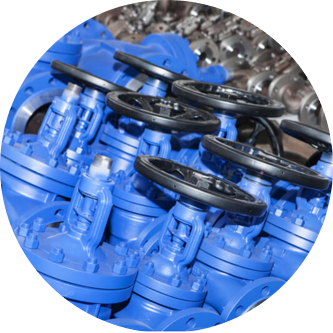
Engineering Insight: The Critical Role of Material Selection in Globe Valve Performance
In industrial fluid control systems, the globe valve remains a cornerstone component due to its precise throttling capability and reliable shut-off performance. However, despite its widespread use, premature failure remains a persistent issue—particularly in demanding environments involving high temperature, corrosive media, or abrasive flow conditions. At Suzhou Baoshida Trading Co., Ltd., our experience in industrial rubber solutions reveals a recurring root cause: inappropriate material selection. Off-the-shelf globe valves, while cost-effective and readily available, are typically engineered for generic operating conditions. Their standardized elastomer seals and internal linings often fail to withstand the specific chemical and mechanical stresses encountered in real-world applications.
The core function of a globe valve relies heavily on the integrity of its sealing surfaces—especially the disc and seat interface. In many standard models, these components utilize general-purpose rubber compounds such as natural rubber (NR) or low-grade nitrile (NBR). While adequate for water or mild hydraulic fluids, these materials degrade rapidly when exposed to aggressive chemicals like sulfuric acid, chlorinated solvents, or ozone-rich atmospheres. Swelling, cracking, and loss of tensile strength compromise sealing performance, leading to leakage, reduced efficiency, and unplanned downtime.
Furthermore, thermal stability is frequently underestimated. Many commodity valves employ elastomers with limited temperature resistance. For instance, EPDM may perform well in hot water applications up to 135°C, but begins to degrade beyond that threshold. In contrast, fluorocarbon (FKM) or perfluoroelastomer (FFKM) seals maintain integrity at temperatures exceeding 200°C and resist a broader chemical spectrum. Selecting the correct elastomer is not a matter of over-engineering—it is a necessity for operational reliability.
Another overlooked factor is abrasion resistance. In slurry-handling or high-velocity applications, particulate matter in the fluid stream can erode standard rubber linings, exposing metal substrates to corrosion and accelerating wear. Specialty compounds such as hydrogenated nitrile (HNBR) or highly cross-linked EPDM offer superior resistance, extending service life significantly.
To illustrate the performance differentials, consider the following comparative material specifications relevant to globe valve sealing applications:
| Material | Temperature Range (°C) | Key Chemical Resistances | Abrasion Resistance | Typical Use Case |
|---|---|---|---|---|
| NBR | -30 to +100 | Oils, fuels, aliphatic hydrocarbons | Moderate | Hydraulic systems, water/oil lines |
| HNBR | -40 to +150 | Oils, steam, some acids | High | Petrochemical, high-pressure systems |
| EPDM | -50 to +135 | Hot water, steam, alkalis | Moderate | HVAC, water treatment |
| FKM | -20 to +200 | Acids, solvents, aromatics | Good | Chemical processing, semiconductor |
| FFKM | -15 to +300 | Nearly all industrial chemicals | Excellent | Ultra-high purity, aggressive media |
At Suzhou Baoshida Trading Co., Ltd., we emphasize application-specific engineering. A globe valve is only as reliable as its weakest material component. Standardized solutions may reduce initial procurement costs, but they often increase total cost of ownership due to frequent replacement and system interruptions. Precision material selection—aligned with fluid chemistry, temperature profile, and mechanical stress—ensures long-term performance, safety, and efficiency in industrial operations.
Material Specifications
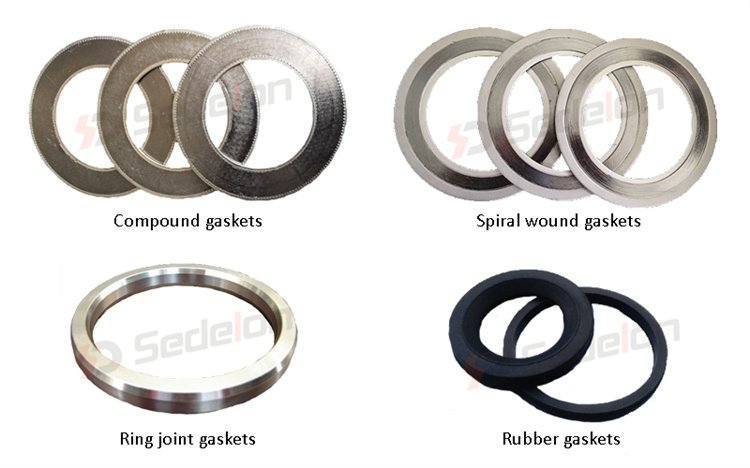
Material Specifications for Globe Valve Sealing Elements
Selection of elastomeric sealing materials directly determines the operational integrity and service life of industrial globe valves under demanding conditions. At Suzhou Baoshida Trading Co., Ltd., we rigorously evaluate Viton, Nitrile, and Silicone compounds against OEM performance criteria, prioritizing chemical compatibility, thermal stability, and mechanical resilience. Each polymer exhibits distinct advantages for specific fluid handling environments, necessitating precise material alignment with application parameters.
Viton fluoroelastomers (FKM) deliver exceptional resistance to aggressive chemicals, including aromatic hydrocarbons, chlorinated solvents, and high-temperature oils. With a continuous service temperature range of -20°C to +230°C and intermittent peaks up to 250°C, Viton excels in petroleum refining, chemical processing, and aerospace applications where seal degradation from harsh media is a critical failure risk. Its high cost is justified in scenarios demanding zero permeability and long-term stability under extreme thermal cycling.
Nitrile rubber (NBR) remains the industry standard for cost-effective sealing in hydraulic systems, fuel handling, and general industrial machinery. Offering robust resistance to aliphatic hydrocarbons, water, and hydraulic fluids, NBR operates reliably between -30°C and +100°C, with specialized high-acrylonitrile grades extending this to +120°C. Its tensile strength (15-25 MPa) and abrasion resistance make it ideal for dynamic sealing applications, though performance degrades significantly when exposed to ozone, ketones, or phosphate ester fluids.
Silicone (VMQ) provides unmatched flexibility across extreme temperatures (-60°C to +200°C), coupled with excellent resistance to oxidation, ozone, and steam. While its low tensile strength (5-8 MPa) and poor resistance to petroleum-based fluids limit use in high-pressure hydrocarbon systems, silicone is indispensable for food-grade, pharmaceutical, and high-purity steam applications requiring non-toxic compliance and consistent sealing at cryogenic or elevated temperatures.
The following table summarizes critical comparative specifications for engineering validation:
| Material | Hardness Range (Shore A) | Continuous Temp Range (°C) | Key Fluid Resistances | Primary Industrial Applications |
|---|---|---|---|---|
| Viton (FKM) | 60-90 | -20 to +230 | Aromatic hydrocarbons, acids, jet fuels, steam | Petrochemical processing, aerospace hydraulics, chemical transfer |
| Nitrile (NBR) | 50-90 | -30 to +100 (+120 special grades) | Aliphatic hydrocarbons, water, hydraulic oils | Automotive fuel systems, industrial hydraulics, general machinery |
| Silicone (VMQ) | 30-80 | -60 to +200 | Water, steam, alcohols, ozone | Food and beverage processing, medical devices, semiconductor manufacturing |
Material selection must account for synergistic effects of pressure, media concentration, and dynamic stress. Suzhou Baoshida Trading Co., Ltd. mandates empirical validation through ASTM D2000 testing protocols to confirm compression set, fluid immersion, and thermal aging performance prior to OEM integration. Misalignment between elastomer properties and operational parameters accelerates extrusion, hardening, or swelling—compromising valve shutoff integrity and increasing lifecycle costs. Our engineering team provides application-specific compound formulations to ensure globe valves meet ISO 5208 leakage standards under real-world service conditions, directly supporting client reliability objectives in critical flow control systems.
Manufacturing Capabilities
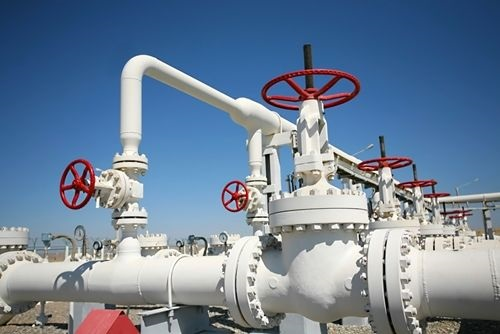
Engineering Capability: Precision-Driven Rubber Solutions for Globe Valve Applications
At Suzhou Baoshida Trading Co., Ltd., our engineering capability is anchored in deep technical expertise and a rigorous scientific approach to industrial rubber formulation and mold design. With a dedicated team comprising five certified mold engineers and two specialized rubber formula engineers, we deliver high-performance elastomeric components tailored for globe valve systems used in demanding industrial environments. Our integrated engineering framework ensures seamless development from concept to production, meeting exact OEM specifications and international performance standards.
Our mold engineering team brings over 60 collective years of experience in precision tooling for rubber-to-metal bonded components critical to globe valve functionality. Each engineer is proficient in advanced CAD/CAM systems, including SolidWorks and AutoCAD, enabling rapid prototyping, tolerance optimization, and finite element analysis (FEA) for stress and compression behavior. This technical depth ensures that every mold is engineered for dimensional accuracy, cycle efficiency, and long-term durability under high-pressure and high-temperature conditions.
Complementing mold design is our in-house rubber formulation capability. Our two formula engineers specialize in developing custom elastomeric compounds that meet specific chemical resistance, thermal stability, and mechanical performance requirements. Utilizing Fourier-transform infrared spectroscopy (FTIR) and thermogravimetric analysis (TGA), we validate material integrity and performance consistency across batches. This scientific approach allows us to formulate EPDM, NBR, FKM, and silicone compounds optimized for sealing efficiency, low compression set, and extended service life in globe valve applications.
Our OEM capabilities are built on a foundation of technical collaboration and process transparency. We work directly with original equipment manufacturers to reverse-engineer legacy parts, improve material performance, and reduce total cost of ownership. From initial design review to final validation, we maintain full traceability through documented control plans, first article inspections (FAI), and PPAP submissions. This end-to-end ownership enables us to support low-volume custom orders as well as high-volume production runs with consistent quality.
The following table outlines key engineering specifications and capabilities relevant to our globe valve rubber components:
| Parameter | Specification |
|---|---|
| Material Types | EPDM, NBR, FKM, Silicone, CR, IIR |
| Hardness Range (Shore A) | 40–90 |
| Operating Temperature Range | -40°C to +230°C (depending on compound) |
| Tensile Strength | Up to 22 MPa |
| Elongation at Break | Up to 550% |
| Compression Set (ASTM D395) | ≤20% after 70 hours at 100°C |
| Fluid Resistance | Water, steam, oils, acids, hydrocarbons |
| Bond Strength (Rubber-to-Metal) | ≥15 kN/m (per ISO 106) |
| Mold Tolerance | ±0.05 mm |
| Production Capacity | 50,000–200,000 units/month (depending on size) |
Through the synergy of advanced mold engineering and scientific rubber formulation, Suzhou Baoshida delivers engineered elastomeric solutions that enhance the reliability and performance of globe valves across oil & gas, power generation, and chemical processing industries.
Customization Process
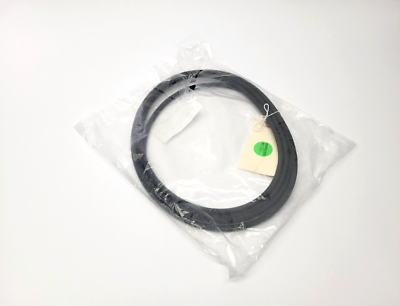
Customization Process for Industrial Globe Valve Rubber Components
At Suzhou Baoshida Trading Co., Ltd., our customization process for globe valve rubber components integrates material science with precision manufacturing to ensure optimal performance in demanding industrial environments. This structured approach guarantees compliance with OEM specifications while mitigating operational risks such as leakage, chemical degradation, or premature seal failure.
Drawing Analysis initiates the workflow. Our engineering team conducts a rigorous review of client-provided CAD models and technical drawings against ASME B16.10 and ISO 5208 standards. Critical dimensions, surface finish requirements (Ra ≤ 1.6 μm), and geometric tolerances (GD&T) are validated using 3D metrology software. Concurrently, we assess material compatibility with media exposure—hydrocarbons, steam, or acids—and operating conditions (temperature, pressure cycles). This phase identifies potential stress points, such as extrusion gaps in stem seals, and defines critical-to-quality parameters for formulation.
Formulation Development leverages our 15+ years of compound expertise. Based on drawing analysis, we select base polymers (e.g., NBR for oil resistance, EPDM for steam, or FKM for high-temperature acids) and engineer bespoke compounds. Key variables include filler ratios (e.g., 40–60 phr silica for abrasion resistance), cure systems (peroxide vs. sulfur), and additive packages (e.g., 5 phr antioxidant for extended service life). Each formulation undergoes predictive testing via Mooney Viscometry (ASTM D1646) and ODR analysis (ASTM D5289) to optimize scorch time and crosslink density before prototyping.
Prototyping employs CNC-machined molds for rapid validation. We produce 10–15 sample seals per iteration, subjecting them to accelerated life testing per ASTM D2000:
Compression set at 100°C for 70 hours (target: ≤25%)
Fluid immersion in ASTM No. 3 oil (volume swell ≤15%)
Dynamic cycling at 10,000 strokes (leakage rate < 10⁻⁶ mbar·L/s)
Client feedback on dimensional conformity and functional performance drives iterative refinements, typically resolving 95% of issues within two cycles.
Mass Production commences only after formal client sign-off. Our ISO 9001-certified facility deploys automated injection molding with real-time cavity pressure monitoring (±0.5% tolerance). Every batch undergoes 100% visual inspection and statistical process control (SPC) for critical dimensions. Material traceability is maintained via blockchain-linked lot numbers, with full certification dossiers (including ASTM D2000 classification codes) provided per shipment.
Critical Rubber Properties for Globe Valve Seals
| Property | Test Standard | Target Range | Industrial Significance |
|---|---|---|---|
| Hardness (Shore A) | ASTM D2240 | 70–85 | Balances sealing force and extrusion resistance |
| Tensile Strength | ASTM D412 | ≥15 MPa | Prevents tearing during valve actuation |
| Compression Set (70h/100°C) | ASTM D395 | ≤25% | Ensures long-term sealing integrity |
| Volume Swell (ASTM Oil #3) | ASTM D471 | ≤15% | Maintains dimensional stability in oil |
| Low-Temperature Flex | ASTM D1329 | -30°C (Brittle Pt) | Prevents seal cracking in cold starts |
This end-to-end process reduces time-to-market by 30% while ensuring globe valve components meet stringent OEM durability and safety requirements. Suzhou Baoshida’s commitment to scientific rigor transforms complex operational challenges into reliable, high-performance rubber solutions.
Contact Engineering Team
Contact Suzhou Baoshida for Advanced Globe Valve Rubber Solutions
When precision, durability, and performance define your industrial valve requirements, partnering with a trusted expert in rubber formulation and sealing technology becomes essential. At Suzhou Baoshida Trading Co., Ltd., we specialize in engineered rubber components tailored for globe valves used in high-pressure, high-temperature, and chemically aggressive environments. Our expertise spans material selection, custom compounding, and OEM integration, ensuring that every rubber element meets the exact operational demands of your valve systems.
Globe valves are critical in regulating flow across industries such as oil and gas, chemical processing, power generation, and water treatment. The reliability of these valves hinges significantly on the performance of internal rubber components, including seals, diaphragms, and seat gaskets. Off-the-shelf elastomers often fail under sustained stress, leading to leakage, downtime, and safety risks. At Suzhou Baoshida, we address these challenges through scientifically formulated rubber compounds designed for optimal compression set resistance, tensile strength, and chemical compatibility.
Our engineering team works directly with OEMs and industrial manufacturers to analyze application parameters—temperature range, media exposure, cycle frequency, and pressure differentials—to develop customized elastomer solutions. Whether you require EPDM for steam resistance, FKM for hydrocarbon exposure, or NBR for cost-effective oil resistance, our formulations are rigorously tested to meet international standards including ASTM D2000, ISO 3601, and API 6A.
We invite you to contact Mr. Boyce, our dedicated OEM Manager and Rubber Formula Engineer, to discuss your globe valve rubber requirements. Mr. Boyce brings over 12 years of experience in industrial elastomer applications and leads technical collaboration from concept to production. He will assist in material selection, prototype development, and quality validation, ensuring seamless integration into your manufacturing workflow.
Below are typical rubber material specifications we offer for globe valve applications:
| Material | Hardness (Shore A) | Temperature Range (°C) | Key Resistance Properties | Common Standards |
|---|---|---|---|---|
| NBR (Nitrile) | 60–90 | -30 to +100 | Oil, fuel, water, hydraulic fluids | ASTM D2000, ISO 3601 |
| EPDM | 50–80 | -40 to +150 | Steam, hot water, ozone, weathering | API 6A, ISO 2230 |
| FKM (Viton®) | 65–85 | -20 to +200 | Aromatic hydrocarbons, acids, high-temp oils | AMS 7254, ISO 2230 |
| Silicone | 40–70 | -60 to +180 | Extreme temperatures, UV, ozone | ASTM D2000, ISO 3601 |
| Neoprene | 50–75 | -40 to +120 | Flame resistance, weathering, mild chemicals | UL Recognized, ISO 3601 |
All materials are produced under ISO 9001-certified processes, with full traceability and batch testing reports available upon request. We support low-volume prototyping and high-volume production with lead times optimized for global supply chains.
For technical consultation, sample requests, or quotation support, reach out to Mr. Boyce directly at [email protected]. Let Suzhou Baoshida be your strategic partner in advancing globe valve performance through precision rubber engineering.
⚖️ O-Ring Weight Calculator
Estimate rubber O-ring weight (Approx).