
Technical Contents
Engineering Guide: Great Stuff Polyurethane Foam
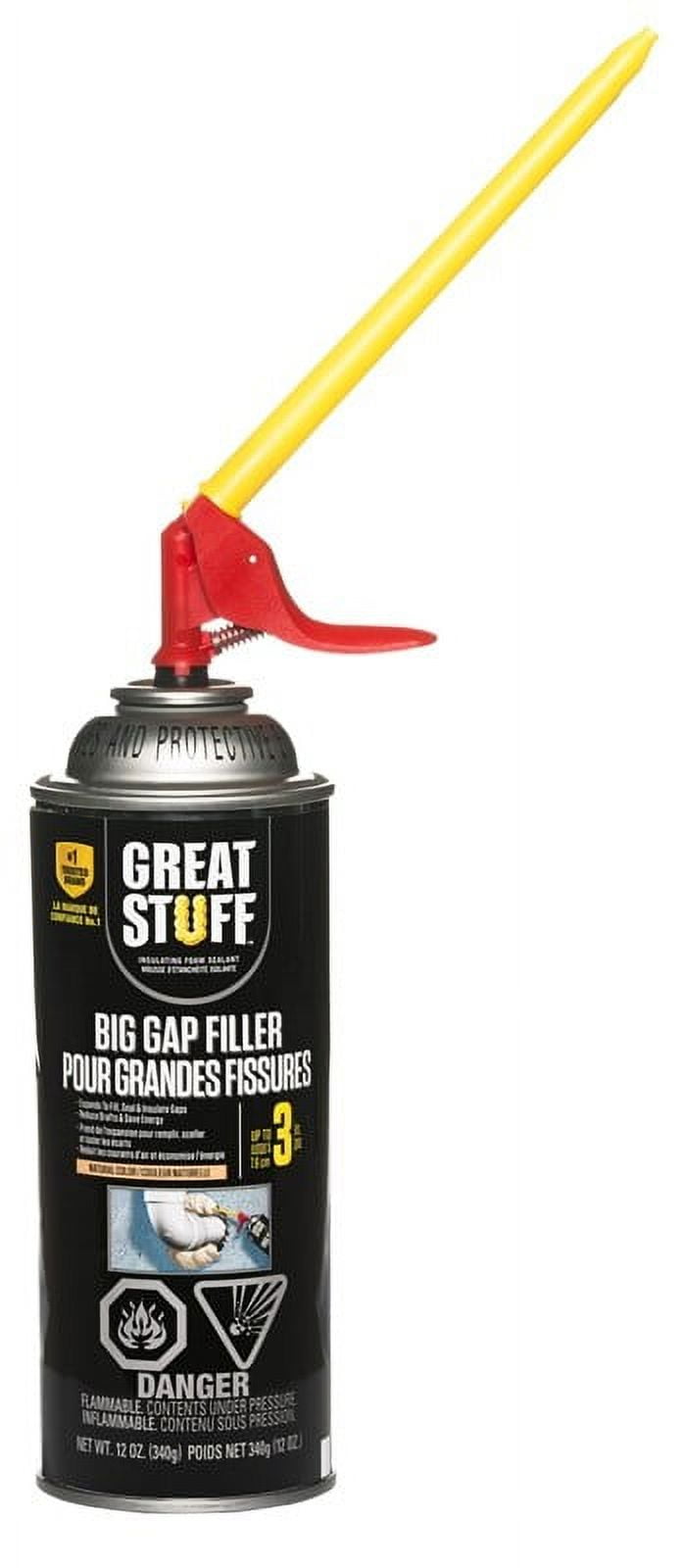
Engineering Insight: The Critical Role of Material Selection in Polyurethane Foam Applications
In industrial environments where performance, durability, and precision are non-negotiable, the selection of polyurethane foam cannot be treated as a generic procurement decision. While consumer-grade products such as “Great Stuff” polyurethane foam are readily available and marketed for ease of use, they are engineered for short-term sealing and insulation in non-critical applications. These off-the-shelf solutions frequently fail under the mechanical, thermal, and chemical stresses inherent in industrial rubber systems. Understanding the engineering parameters behind foam performance is essential to avoid premature degradation, system failure, and costly downtime.
Polyurethane foams vary significantly in cellular structure, cross-link density, and chemical formulation. Consumer foams like Great Stuff are typically one-component, moisture-cured systems designed for gap filling in construction. They exhibit high expansion ratios, which can lead to unpredictable dimensional behavior and internal stress when confined. Their closed-cell structure provides initial insulation and moisture resistance, but lacks the reinforcement, aging resistance, and compression set performance required in industrial sealing, gasketing, or vibration damping applications.
In contrast, engineered polyurethane foams developed for industrial use are formulated with controlled expansion, enhanced elastomeric recovery, and resistance to oils, ozone, UV exposure, and temperature extremes. These materials are often two-component systems, allowing precise control over cure kinetics and final physical properties. When integrated into rubber assemblies—such as dynamic seals, automotive insulation, or machinery mounts—only formulations that maintain integrity under cyclic loading and environmental exposure ensure long-term reliability.
A key failure mode observed with consumer foams in industrial settings is compression set degradation. Under continuous load, these foams lose their ability to rebound, leading to loss of sealing force and eventual leakage. Additionally, their poor adhesion to industrial substrates without surface priming introduces delamination risks. Thermal stability is another limiting factor; many commercial foams begin to degrade above 100°C, whereas industrial applications may demand continuous service at 120°C or higher.
Material selection must therefore be driven by application-specific engineering data, not convenience or cost alone. The table below compares critical performance metrics between consumer-grade “Great Stuff” foam and engineered industrial polyurethane foam.
| Property | Great Stuff (Consumer Foam) | Engineered Industrial Polyurethane Foam |
|---|---|---|
| Density (kg/m³) | 25–35 | 80–200 |
| Compression Set (22h at 70°C) | >50% | <20% |
| Tensile Strength (MPa) | 0.1–0.2 | 0.8–2.5 |
| Operating Temperature Range | -20°C to 100°C | -40°C to 130°C |
| Elongation at Break (%) | 100–150 | 200–400 |
| Chemical Resistance | Low (degrades with oils, solvents) | High (formulated for oil, fuel, ozone resistance) |
| Adhesion to Metals/Rubbers | Requires primer, moderate | High, with or without primer |
At Suzhou Baoshida Trading Co., Ltd., we emphasize material integrity as the foundation of industrial rubber solutions. Substituting engineered foams with consumer alternatives may appear cost-effective initially but results in compromised performance and increased lifecycle costs. Precision engineering demands precision materials.
Material Specifications
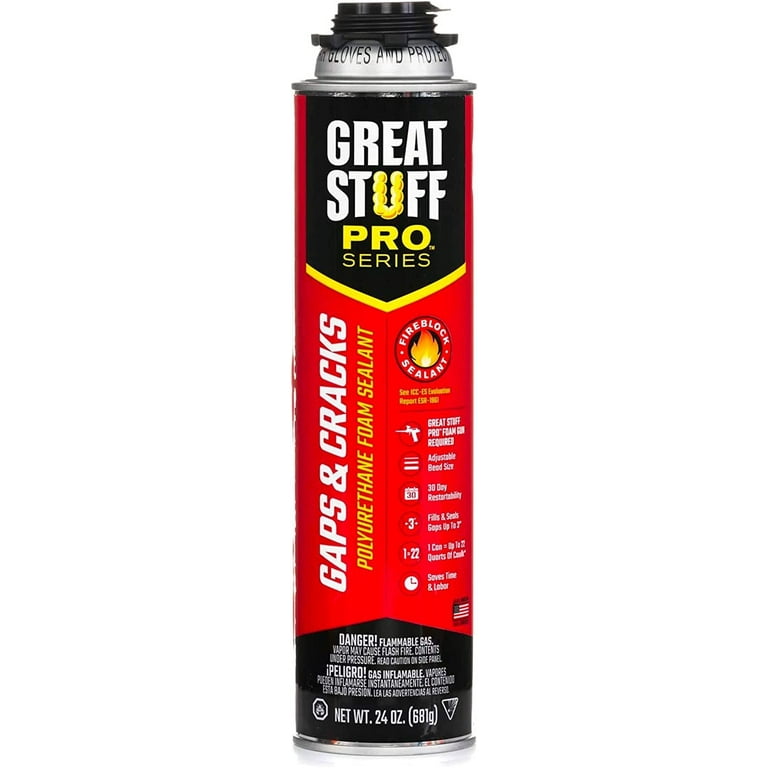
Material Specifications for Critical Elastomer Selection in Industrial Applications
Suzhou Baoshida Trading Co., Ltd. provides precision-engineered elastomer solutions for demanding industrial environments. While polyurethane foam products like Great Stuff serve specific sealing and insulation purposes, this section details core rubber materials essential for OEM manufacturing: Viton® (FKM), Nitrile (NBR), and Silicone (VMQ). These elastomers are rigorously formulated for performance under extreme thermal, chemical, and mechanical stress. It is critical to clarify that Great Stuff is a polyurethane-based foam product line and distinct from the solid elastomer compounds discussed herein. Selection must align with application-specific parameters to ensure longevity and safety.
Viton® (Fluoroelastomer – FKM) delivers unparalleled resistance to high temperatures, aggressive chemicals, and fuels. Its molecular structure maintains integrity in continuous service up to 250°C, with short-term excursions to 300°C. Viton® excels in aerospace, automotive fuel systems, and chemical processing equipment due to exceptional resistance to oils, acids, and halogenated solvents. Standard compounds achieve tensile strengths of 12–18 MPa and hardness values of 60–90 Shore A. Low-temperature flexibility remains limited (typically -20°C), necessitating specialty grades for sub-zero applications.
Nitrile Rubber (NBR) is the industry standard for oil and fuel resistance in cost-sensitive applications. Optimized for petroleum-based fluids, hydraulic systems, and mechanical seals, NBR operates effectively between -40°C and 120°C. Its acrylonitrile content directly correlates with oil resistance; high-ACN grades (45–50%) offer superior fluid barrier properties but reduced low-temperature flexibility. Typical tensile strength ranges from 10–25 MPa, with elongation at break exceeding 300%. Hardness spans 40–90 Shore A, allowing customization for dynamic or static sealing requirements.
Silicone Rubber (VMQ) provides the broadest operational temperature range among standard elastomers, functioning reliably from -60°C to 230°C. Its inert, biocompatible nature makes it ideal for medical devices, food processing, and high-voltage insulation. Silicone exhibits excellent resistance to ozone, UV radiation, and water vapor but limited resilience against petroleum derivatives and low-molecular-weight fluids. Base compounds feature tensile strengths of 6–12 MPa and elongation of 400–800%, with hardness grades from 20–80 Shore A. Specialty formulations enhance tear strength for dynamic applications.
The following table summarizes critical performance metrics for informed material selection:
| Material | Temperature Range (°C) | Tensile Strength (MPa) | Elongation at Break (%) | Hardness Range (Shore A) | Key Chemical Resistances |
|---|---|---|---|---|---|
| Viton® (FKM) | -20 to 250 | 12–18 | 150–300 | 60–90 | Fuels, oils, acids, halogenated solvents |
| Nitrile (NBR) | -40 to 120 | 10–25 | 300–600 | 40–90 | Petroleum oils, aliphatic hydrocarbons, water |
| Silicone (VMQ) | -60 to 230 | 6–12 | 400–800 | 20–80 | Ozone, UV, water vapor, steam, weak acids/bases |
Suzhou Baoshida emphasizes that material substitution without rigorous compatibility testing risks catastrophic seal failure. Our OEM engineering team validates formulations against ASTM D2000 standards and application-specific fluid exposure protocols. Contact our technical department to review chemical compatibility charts, compression set data, and custom compound development for mission-critical applications. Precision in elastomer selection directly correlates with system reliability and lifecycle cost reduction.
Manufacturing Capabilities
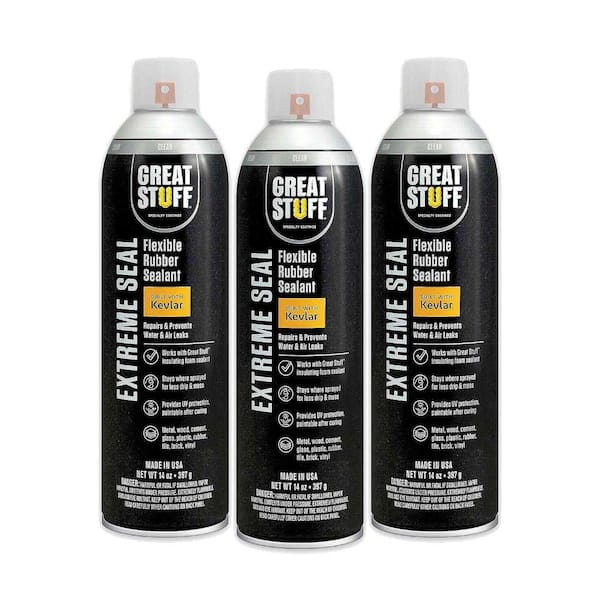
Suzhou Baoshida Trading Co., Ltd. operates at the forefront of industrial rubber solutions, delivering precision-engineered polyurethane foam products tailored to the exacting demands of global OEMs. Our Engineering Capability division is anchored by a dedicated team of seven core specialists—five Mould Engineers and two Rubber Formula Engineers—united by a singular mission: to translate complex technical requirements into high-performance, manufacturable solutions using ‘great stuff’ polyurethane foam systems.
Our Mould Engineers bring over 70 combined years of experience in precision tooling design, CNC machining integration, and mold flow analysis. They specialize in creating robust, high-cycle molds optimized for polyurethane foam expansion dynamics, ensuring consistent cell structure, dimensional accuracy, and minimal waste. Utilizing advanced CAD/CAM platforms such as SolidWorks and AutoCAD, the team designs molds with precise venting, gating, and temperature control systems that directly influence foam density, adhesion, and curing behavior. Each mold is validated through simulation software to predict filling patterns and potential defects, significantly reducing time-to-production for custom OEM projects.
Complementing this expertise are our two in-house Rubber Formula Engineers, who possess deep knowledge in polyurethane chemistry, additive integration, and material performance optimization. They formulate custom ‘great stuff’ polyurethane foam blends by adjusting isocyanate-to-polyol ratios, catalyst concentrations, blowing agents, and reinforcing fillers to meet specific mechanical, thermal, and environmental requirements. Whether the application demands high resilience, acoustic damping, thermal insulation, or chemical resistance, our formula team tailors the foam at the molecular level—ensuring compatibility with substrates, processing conditions, and end-use environments.
This integrated engineering approach enables Suzhou Baoshida to offer full OEM service capability—from concept and material selection to mold design, prototyping, and serial production. We support low-volume prototyping as well as high-volume manufacturing, with strict adherence to ISO 9001 quality standards and traceability protocols. Our facility is equipped with automated dispensing systems, climate-controlled curing chambers, and in-line quality inspection tools to maintain consistency across production batches.
The following table summarizes key technical parameters achievable with our engineered polyurethane foam solutions:
| Property | Typical Range | Test Standard |
|---|---|---|
| Density | 20–200 kg/m³ | ISO 845 |
| Tensile Strength | 100–400 kPa | ISO 1798 |
| Elongation at Break | 100–300% | ISO 1798 |
| Compression Set (22h, 70°C) | ≤ 10% | ISO 1856 |
| Thermal Conductivity | 0.022–0.035 W/(m·K) | ISO 8301 |
| Operating Temperature Range | -40°C to +120°C | — |
| Closed Cell Content | ≥ 90% | ISO 4590 |
By combining advanced mold engineering with precise chemical formulation, Suzhou Baoshida delivers turnkey polyurethane foam solutions that meet the rigorous performance standards of automotive, construction, HVAC, and industrial equipment sectors. Our OEM partners benefit from reduced development cycles, superior material performance, and scalable manufacturing—all backed by deep technical expertise in industrial rubber systems.
Customization Process
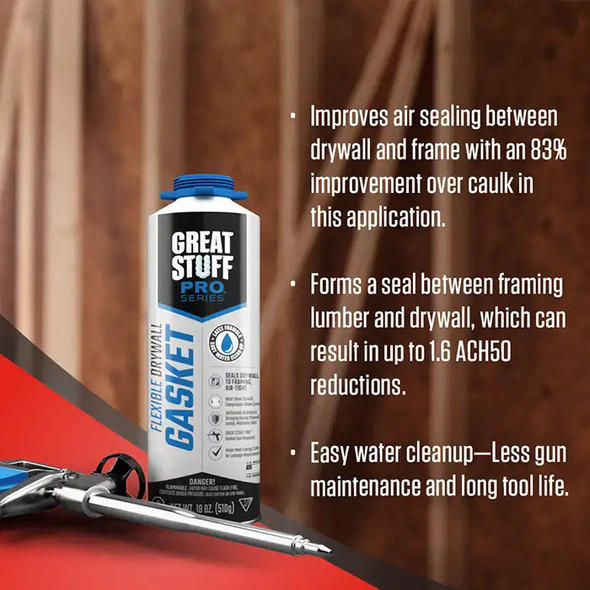
Customization Process for Industrial Polyurethane Foam Solutions
At Suzhou Baoshida Trading Co., Ltd., our customization process for Great Stuff polyurethane foam integrates rigorous engineering protocols to ensure seamless alignment with OEM manufacturing requirements. This four-stage workflow transforms client specifications into high-performance foam components, prioritizing dimensional accuracy, chemical resilience, and production scalability.
Drawing Analysis initiates the process with comprehensive CAD file evaluation. Our engineering team scrutinizes geometric tolerances, wall thickness gradients, and draft angles to identify potential flow inconsistencies or void risks during molding. Finite element analysis (FEA) simulates cavity pressure distribution and material fill dynamics, preempting defects like sink marks or incomplete encapsulation. Critical parameters—such as thermal expansion coefficients and substrate adhesion zones—are cross-referenced against ISO 10289 standards to validate feasibility. This phase typically concludes within 72 hours, delivering a technical feasibility report with actionable design refinements.
Formulation leverages proprietary chemistry adjustments to meet application-specific demands. Base polyol and isocyanate ratios are recalibrated to achieve target density, hardness, and thermal stability ranges. For automotive gasket applications requiring -40°C flexibility, we incorporate hydrophobic polyethers and chain extenders to suppress moisture absorption. Conversely, industrial insulation components undergo flame-retardant additive integration (e.g., triphenyl phosphate) while maintaining UL 94 V-0 compliance. Every formulation batch undergoes rheological testing to confirm optimal pot life and cure kinetics for the client’s molding cycle time.
Prototyping validates performance through ASTM D3574 and ISO 1856 protocols. Three iterative sample batches are produced under controlled conditions (23°C ±2°C, 50% RH), with strict monitoring of demold times and surface integrity. Key metrics—including compression set (≤15% at 70°C), tensile strength, and closed-cell content—are quantified. Clients receive a full test dossier with micro-CT scans verifying cell structure uniformity. Non-conformities trigger immediate formula recalibration, ensuring zero deviation in mass production.
Mass Production deploys validated parameters across our ISO 9001-certified lines. Real-time IoT sensors track temperature gradients within ±0.5°C and mixing head pressure differentials to maintain batch consistency. Statistical process control (SPC) charts monitor critical dimensions via automated vision systems, with CpK ≥1.67 enforced. All batches undergo traceability tagging for raw material lot tracking and REACH compliance documentation.
Critical foam specifications achievable through this workflow include:
| Property | Range (Customizable) | Test Standard |
|---|---|---|
| Density | 20–300 kg/m³ | ASTM D1622 |
| Hardness (Shore A) | 10–90 | ASTM D2240 |
| Tensile Strength | 0.3–5.0 MPa | ASTM D412 |
| Compression Set (50%) | ≤10–25% (70°C/22h) | ASTM D3574 |
This end-to-end methodology ensures Suzhou Baoshida delivers polyurethane foam solutions optimized for operational longevity and manufacturing efficiency, reducing client time-to-market by 30% while eliminating field failure risks. All processes adhere to stringent environmental and safety frameworks, including ISO 14001 and OHSAS 18001 certifications.
Contact Engineering Team
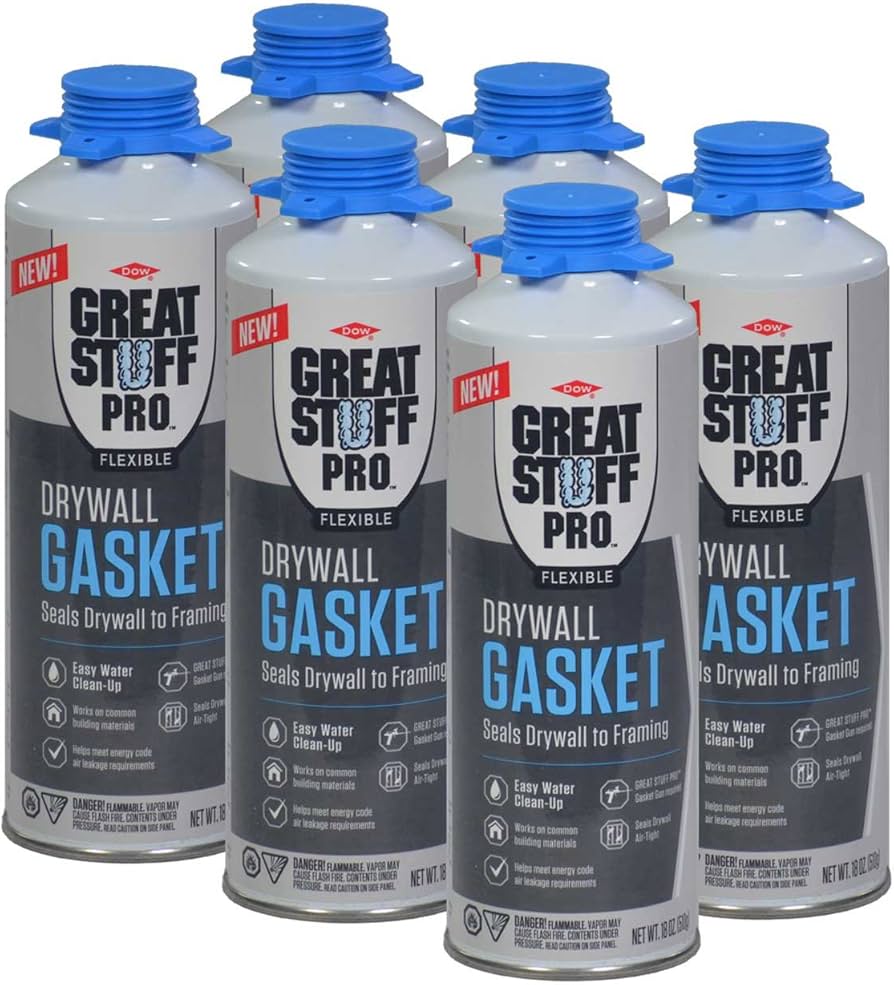
For industrial manufacturers and OEMs seeking high-performance polyurethane foam solutions, Suzhou Baoshida Trading Co., Ltd. stands as a trusted partner in the field of advanced rubber materials and engineered sealing systems. Our technical expertise, combined with rigorous quality control and global supply chain capabilities, ensures that every product we deliver meets the exacting standards of modern industrial applications. Among our most widely specified materials is Great Stuff Polyurethane Foam, a versatile, closed-cell expanding foam used in sealing, insulation, and gasketing across automotive, construction, HVAC, and transportation sectors.
Great Stuff Polyurethane Foam is engineered to provide superior adhesion, moisture resistance, and thermal insulation. When applied correctly, it expands to fill gaps, creates airtight seals, and maintains structural integrity across a wide temperature range. At Suzhou Baoshida, we supply both standard and customized formulations of this material, tailored to meet specific density, hardness, expansion ratio, and curing time requirements. Our technical team works directly with OEMs to ensure compatibility with substrates such as metal, plastic, and composite materials, and to optimize application processes including spray, pour, and mold-in-place methods.
We understand that performance consistency and supply reliability are critical in industrial manufacturing. That is why all our polyurethane foam products undergo strict batch testing and comply with international standards including ISO 9001, RoHS, and REACH. Our logistics network supports just-in-time delivery to facilities across Asia, Europe, and North America, minimizing downtime and inventory overhead.
To ensure seamless integration into your production workflow, we offer full technical documentation, material safety data sheets (MSDS), and on-site engineering support upon request. Whether you are developing a new thermal break system, improving weather sealing in outdoor enclosures, or enhancing vibration damping in transport assemblies, our team is equipped to support your project from concept to commercialization.
Below are the typical technical specifications for Great Stuff Polyurethane Foam as supplied by Suzhou Baoshida:
| Property | Standard Value | Test Method |
|---|---|---|
| Density | 30–35 kg/m³ | ASTM D1622 |
| Closed Cell Content | ≥90% | ASTM D2856 |
| Tensile Strength | 120–150 kPa | ASTM D412 |
| Elongation at Break | 100–120% | ASTM D412 |
| Compression Set (22h, 23°C) | ≤10% | ASTM D3574 |
| Thermal Conductivity | 0.022–0.026 W/(m·K) | ASTM C518 |
| Operating Temperature Range | -40°C to +90°C | — |
| Expansion Ratio | 20–30:1 | — |
For technical inquiries, sample requests, or to discuss custom formulation options, contact Mr. Boyce, OEM Account Manager at Suzhou Baoshida Trading Co., Ltd. Direct your questions to [email protected]. Our team responds to all industrial partner inquiries within 24 business hours and is prepared to support urgent project timelines. Partner with Suzhou Baoshida for precision-engineered polyurethane foam solutions that deliver consistent performance and long-term reliability in demanding environments.
⚖️ O-Ring Weight Calculator
Estimate rubber O-ring weight (Approx).