
Technical Contents
Engineering Guide: Grey Foam Sheets
Engineering Insight: The Critical Role of Material Selection in grey foam sheets
In industrial manufacturing, grey foam sheets are frequently utilized for applications requiring compression sealing, vibration damping, thermal insulation, and environmental sealing. While they may appear functionally interchangeable at first glance, the performance of grey foam sheets is profoundly influenced by the precision of material selection. Off-the-shelf solutions, often sourced for cost efficiency or rapid delivery, commonly fail under real-world operational demands due to overlooked material properties and environmental compatibility.
Generic foam sheets are typically formulated using standard polymer blends such as EVA, polyethylene, or neoprene, with minimal customization in cell structure, density, or additive composition. These materials may exhibit acceptable initial performance but degrade rapidly when exposed to temperature extremes, UV radiation, ozone, oils, or repeated mechanical stress. In dynamic environments—such as automotive sealing, HVAC systems, or industrial enclosures—such degradation leads to compression set, loss of resilience, and ultimately, system failure.
At Suzhou Baoshida Trading Co., Ltd., we emphasize engineered material selection as a foundational step in developing reliable grey foam sheet solutions. Our approach begins with a detailed analysis of application parameters: operating temperature range, exposure to chemicals or weathering agents, required compression deflection, and expected service life. Only with this data can an optimal foam formulation be developed—balancing closed-cell integrity, tensile strength, elongation at break, and resistance to aging.
For example, a standard polyethylene foam may suffice in a dry, indoor setting with minimal load. However, in an outdoor electrical enclosure subject to thermal cycling and moisture ingress, a chloroprene-nitrile blended foam with enhanced ozone and oil resistance becomes essential. Similarly, applications requiring repeated compression—such as gasketing in machinery—demand foams with low compression set and high recovery rates, properties not guaranteed in mass-produced variants.
Material consistency is another critical differentiator. Off-the-shelf foams often exhibit batch-to-batch variability in density and thickness tolerance, leading to inconsistent sealing performance. Our engineered grey foam sheets are produced under controlled conditions with strict QC protocols, ensuring dimensional accuracy and uniform physical properties across production runs.
The table below outlines key performance characteristics of our engineered grey foam sheets compared to typical off-the-shelf alternatives.
| Property | Engineered Grey Foam Sheet | Standard Off-the-Shelf Foam |
|---|---|---|
| Density (kg/m³) | 80–120 (customizable) | 60–90 (fixed range) |
| Compression Deflection @ 25% (kPa) | 20–45 | 15–30 |
| Compression Set (22h, 70°C) | ≤15% | ≤35% |
| Temperature Range | -40°C to +120°C | -20°C to +80°C |
| Tensile Strength (MPa) | ≥0.8 | ≥0.4 |
| Elongation at Break (%) | ≥150 | ≥100 |
| Fluid Resistance | Oil, water, UV (enhanced) | Limited to water only |
Selecting the right grey foam sheet is not a matter of dimensional fit alone—it is a technical decision rooted in material science. At Suzhou Baoshida, we partner with OEMs to ensure that every foam component is engineered for longevity, reliability, and performance in its intended environment.
Material Specifications
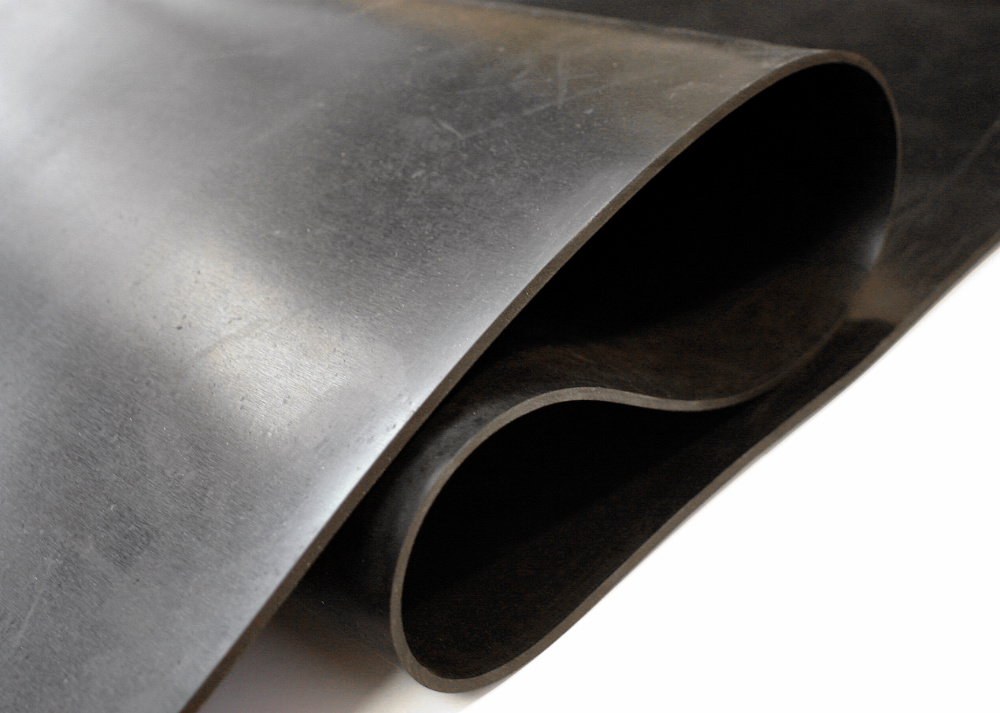
Material Specifications for Industrial Grey Foam Sheets
Suzhou Baoshida Trading Co., Ltd. delivers precision-engineered grey foam sheets for critical industrial sealing and insulation applications. The grey pigment formulation—achieved through controlled integration of carbon black and silica—enhances UV stability, chemical resistance, and dimensional consistency without compromising base polymer performance. All materials comply with ASTM D2000 standards for rubber classification, with grey foam variants rigorously tested for compression set, thermal aging, and fluid resistance. Below we detail the core elastomer options engineered for demanding B2B environments.
Viton grey foam sheets represent the premium solution for extreme chemical and thermal exposure. This fluorocarbon-based material maintains structural integrity in aggressive hydrocarbon derivatives, acids, and jet fuels at continuous temperatures up to 250°C. Its low gas permeability and exceptional resistance to ozone degradation make it indispensable in aerospace and semiconductor manufacturing. Compression set values remain below 25 after 70 hours at 200°C, ensuring long-term sealing reliability in static applications.
Nitrile grey foam sheets provide an optimal balance of cost efficiency and performance for general industrial use. With superior resistance to petroleum-based oils, greases, and aliphatic hydrocarbons, these sheets excel in automotive gasketing, hydraulic systems, and machinery insulation. The material operates effectively from -30°C to 120°C continuous service, with hardness customizable between 40–90 Shore A. Critical for OEM cost control, Nitrile foam achieves compression sets under 35 at 100°C, minimizing maintenance cycles in fluid-handling equipment.
Silicone grey foam sheets dominate applications requiring extreme temperature flexibility and biocompatibility. Capable of withstanding -60°C to 230°C excursions, this material retains elasticity in cryogenic seals and high-heat electronics insulation. Its inherent resistance to water vapor, steam, and mild acids supports medical device manufacturing and food processing compliance. Compression set values of 20–30 at 150°C ensure repeatable performance in dynamic sealing scenarios where thermal cycling occurs.
The comparative specifications below guide material selection based on operational parameters. All values reflect standardized testing per ASTM protocols at 23°C unless noted.
| Material Property | Viton Grey Foam | Nitrile Grey Foam | Silicone Grey Foam |
|---|---|---|---|
| Density (g/cm³) | 0.65–0.85 | 0.45–0.60 | 0.45–0.65 |
| Hardness Range (Shore A) | 50–80 | 40–90 | 30–80 |
| Continuous Temp Range (°C) | -20 to +250 | -30 to +120 | -60 to +230 |
| Compression Set (% at max temp) | ≤25 (200°C) | ≤35 (100°C) | ≤30 (150°C) |
| Key Chemical Resistance | Fuels, acids, ozone | Oils, greases, water | Steam, water, mild acids |
| Typical Industrial Applications | Jet engine seals, chemical reactors | Automotive gaskets, hydraulic systems | Medical device insulation, food processing seals |
OEM integration requires matching material properties to specific environmental stressors. Viton is non-negotiable for aggressive chemical exposure above 150°C, while Nitrile offers the most economical solution for standard oil-resistant applications. Silicone remains unmatched for wide-temperature resilience in regulated industries. Suzhou Baoshida provides custom formulation adjustments—including closed-cell density optimization and adhesive backing—to meet exact sealing force and compression recovery requirements. Partner with our engineering team to validate material selection against your application’s thermal, chemical, and mechanical profiles before production scaling.
Manufacturing Capabilities
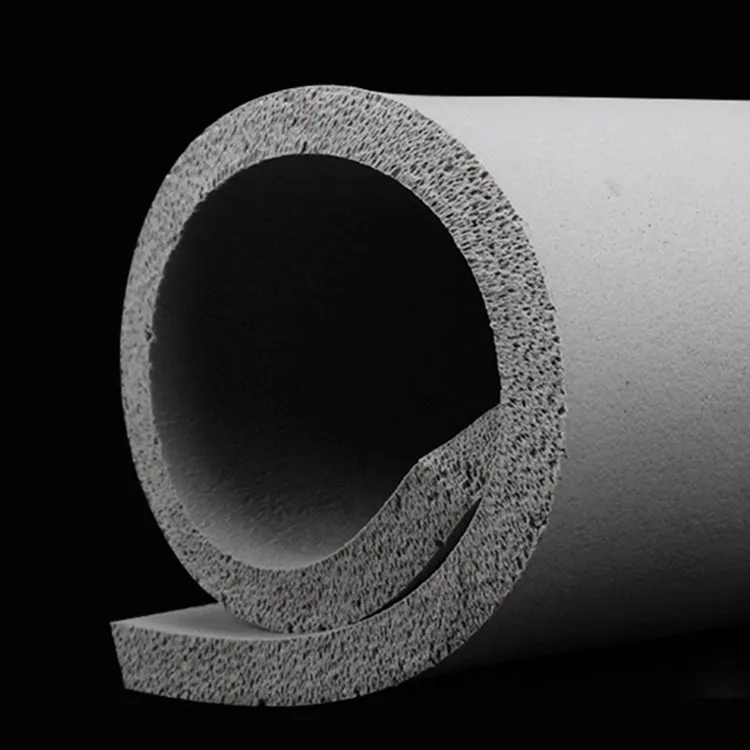
Suzhou Baoshida Trading Co., Ltd. maintains a robust engineering foundation tailored to the precise demands of industrial rubber manufacturing, particularly in the development and production of grey foam sheets. Our engineering capability is anchored by a dedicated team of five specialized mould engineers and two advanced formula engineers, enabling us to deliver technically superior, application-specific rubber solutions under strict OEM protocols. This integrated expertise ensures that both material composition and physical design are optimized in tandem, resulting in products that meet exact performance, durability, and dimensional requirements.
Our formula engineers possess deep knowledge in polymer chemistry and compounding, focusing on fine-tuning the elastomeric properties of grey foam sheets to achieve desired characteristics such as compression set resistance, thermal stability, and cell structure uniformity. By manipulating base polymers, cross-linking systems, blowing agents, and stabilizers, they develop proprietary formulations that balance softness, resilience, and long-term sealing performance. These formulations are especially critical in applications involving dynamic sealing, vibration damping, or environmental isolation, where consistent material behavior under variable conditions is essential.
Complementing this chemical precision, our five mould engineers specialize in precision tooling design and process optimization for continuous and batch production of foam sheet profiles. They utilize advanced CAD/CAM systems and finite element analysis (FEA) to simulate flow dynamics and curing behavior, ensuring uniform expansion and minimal dimensional deviation during vulcanization. Their expertise extends to designing multi-cavity molds, custom die profiles, and automated stripping systems that support high-volume OEM manufacturing with minimal waste and maximum repeatability.
The synergy between formulation and mould engineering allows Suzhou Baoshida to offer full OEM service integration—from concept and material selection to prototype validation and mass production. We support custom thicknesses, densities, and surface textures, including peelable release films and laminated backings for ease of integration into downstream assembly processes. Our facility adheres to ISO 9001 standards, with in-house testing capabilities for compression deflection, aging, and environmental resistance to ensure compliance with international industrial norms.
The following table outlines the standard technical specifications achievable for our grey foam sheets, with customization available upon engineering review:
| Property | Standard Range | Test Method |
|---|---|---|
| Hardness (Shore 00) | 20 – 60 | ASTM D2240 |
| Density (g/cm³) | 0.25 – 0.45 | ASTM D3574 |
| Thickness Range (mm) | 1.0 – 20.0 | Custom Tooling |
| Compression Set (22h, 70°C) | ≤ 20% | ASTM D395B |
| Tensile Strength (MPa) | 0.8 – 2.0 | ASTM D412 |
| Elongation at Break (%) | 150 – 300 | ASTM D412 |
| Operating Temperature | -40°C to +100°C | Continuous |
This engineering-led approach ensures that every grey foam sheet produced meets the functional and regulatory demands of industries such as automotive, electronics, construction, and industrial equipment. Suzhou Baoshida Trading Co., Ltd. remains committed to innovation, precision, and OEM partnership at the highest technical level.
Customization Process
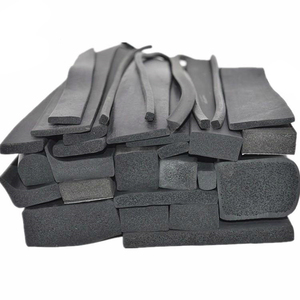
Grey Foam Sheet Customization Process: Precision Engineering Pathway
Suzhou Baoshida Trading Co., Ltd. implements a rigorously controlled customization workflow for industrial grey foam sheets, ensuring final products meet exact OEM specifications for performance and application integrity. This structured process eliminates ambiguity and mitigates production risk through systematic engineering validation. The pathway commences with comprehensive Drawing Analysis. Our engineering team conducts a detailed technical review of client-provided CAD files or dimensional schematics, focusing on critical geometric tolerances per ISO 2768-mK standards, functional surface requirements, and application-specific stress points. We identify potential manufacturability constraints early, such as minimum wall thickness feasibility or complex feature replication limits inherent to closed-cell foam extrusion and molding processes. Client collaboration at this stage is essential to align design intent with material behavior.
Subsequent to drawing validation, the Formulation phase begins. Our rubber chemists develop a proprietary compound tailored to the mechanical and environmental demands specified. Key parameters include target density, compression set resistance, thermal stability range, and fluid compatibility. Adjustments to the base EPDM or NBR polymer matrix involve precise manipulation of crosslink density, filler loading (e.g., calcium carbonate, silica), and specialized additives for flame retardancy (UL 94 HF-1) or ozone resistance. Each formulation is modeled using rheological data to predict flow characteristics during molding, ensuring dimensional stability and surface finish consistency. Material safety data sheets (MSDS) and RoHS/REACH compliance documentation are generated concurrently.
Prototyping utilizes the approved formulation to produce functional samples via the intended production method—typically compression molding or continuous vulcanization extrusion. Three initial prototype batches undergo stringent empirical validation against all critical specifications. Dimensional accuracy is verified using calibrated CMM equipment, while mechanical properties are tested per ASTM D3574 and ISO 1856 standards. Client feedback on prototype performance within their assembly or operational environment is integrated for final compound or process fine-tuning. Only upon signed client approval of physical samples does the project advance.
Mass Production initiates under full statistical process control (SPC). Raw material batches undergo incoming inspection with traceable certificates of conformance. Production lines operate with real-time monitoring of vulcanization temperature profiles, pressure cycles, and line speed to maintain compound integrity. In-process checks occur hourly for density, hardness (Shore A), and visual defects. Final inspection includes 100% dimensional verification on critical features and batch-level testing for compression set and tensile properties. All grey foam sheets ship with full material traceability documentation and a comprehensive quality certificate validating adherence to the agreed technical schedule.
Key Grey Foam Sheet Specification Parameters
| Property | Standard Test Method | Typical Range for Industrial Grey Foam | Significance |
|---|---|---|---|
| Density | ASTM D3574, Test A | 0.35 – 0.85 g/cm³ | Weight, insulation value, cost efficiency |
| Hardness (Shore A) | ASTM D2240 | 15 – 60 A | Sealing force, compression recovery |
| Compression Deflection | ASTM D575 | 10 – 100 kPa @ 25% deflection | Load-bearing capacity, sealing effectiveness |
| Compression Set (22h) | ASTM D3574, Method B | ≤ 25% @ 70°C | Long-term sealing integrity, resilience |
| Tensile Strength | ASTM D412 | 0.5 – 2.0 MPa | Durability during handling/installation |
| Elongation at Break | ASTM D412 | 100% – 300% | Flexibility, resistance to tearing |
| Operating Temperature | Material Specification | -40°C to +120°C (EPDM) / -30°C to +100°C (NBR) | Application environment suitability |
Contact Engineering Team
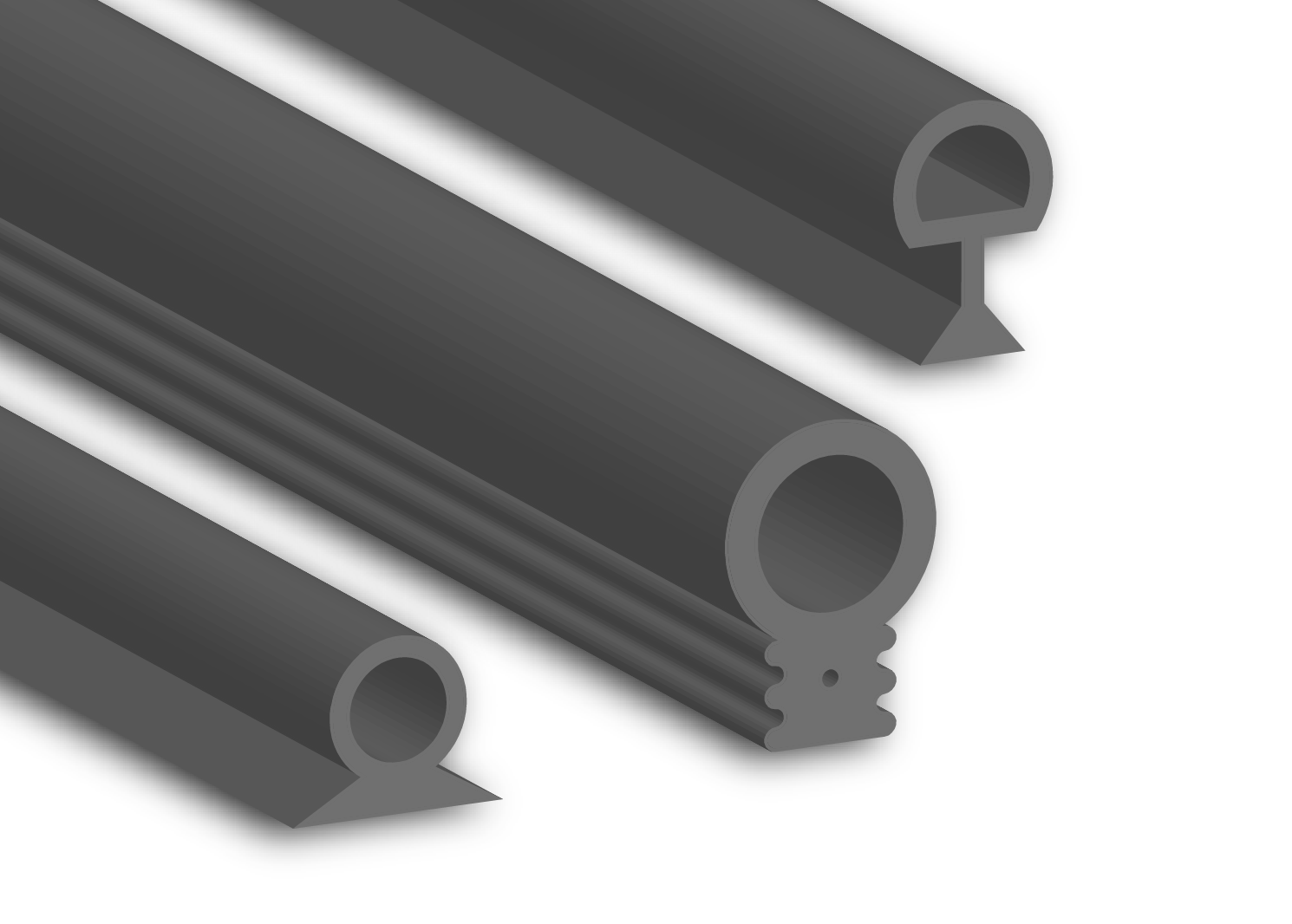
For industrial manufacturers seeking high-performance grey foam sheets tailored to demanding applications, Suzhou Baoshida Trading Co., Ltd. stands as a trusted leader in advanced rubber solutions. Our engineered foam products are developed to meet rigorous industry standards, combining resilience, thermal stability, and chemical resistance for reliable performance across automotive, construction, electronics, and industrial sealing sectors. As your strategic partner in material innovation, we deliver not only premium-grade products but also expert technical guidance to ensure optimal integration into your production processes.
Grey foam sheets from Suzhou Baoshida are formulated using precision-compounded synthetic rubber and closed-cell foam technology, offering excellent compression recovery, low water absorption, and consistent density. These attributes make them ideal for gasketing, insulation, vibration damping, and environmental sealing where dimensional stability and durability are critical. Every batch undergoes stringent quality control protocols, including tensile strength testing, aging resistance evaluation, and dimensional tolerance verification, ensuring compliance with international standards such as ISO 9001 and RoHS.
To support seamless integration into your manufacturing workflow, we offer customizable sheet dimensions, adhesive lamination options, and die-cutting compatibility. Whether you require sheets in standard sizes or engineered to exact thickness, width, and hardness specifications, our technical team collaborates closely with clients to deliver solutions optimized for performance and cost-efficiency.
Below are the key technical specifications of our standard grey foam sheet product line:
| Property | Value | Test Method |
|---|---|---|
| Color | Grey | Visual |
| Material | EPDM / CR / NBR (customizable) | ASTM D1418 |
| Density | 0.45–0.65 g/cm³ | ASTM D3574 |
| Hardness (Shore A) | 30–60 | ASTM D2240 |
| Tensile Strength | ≥1.2 MPa | ASTM D412 |
| Elongation at Break | ≥150% | ASTM D412 |
| Compression Set (25%, 24h) | ≤25% | ASTM D395 |
| Temperature Range | -40°C to +120°C (short-term +150°C) | — |
| Cell Structure | Closed-cell | Microscopy |
| Standard Sheet Sizes | 1m x 2m, 1.2m x 10m, roll formats | Custom upon request |
| Thickness Range | 1 mm to 50 mm | ISO 2768 |
For detailed technical data sheets, sample requests, or engineering consultations, we invite you to contact Mr. Boyce, OEM Account Manager at Suzhou Baoshida Trading Co., Ltd. With extensive experience in industrial rubber applications and global supply chain coordination, Mr. Boyce provides personalized support to ensure your material requirements are met with precision and timeliness. Reach out via email at [email protected] to discuss your project specifications, volume requirements, or customization needs. Our team responds promptly to all technical inquiries and is equipped to assist with material selection, compliance documentation, and logistics planning for international delivery. Partner with Suzhou Baoshida and experience the difference of a supplier committed to technical excellence and customer-driven innovation.
⚖️ O-Ring Weight Calculator
Estimate rubber O-ring weight (Approx).