
Technical Contents
Engineering Guide: Gum-Like Latex Of Certain Tropical Trees
Engineering Insight: Material Selection Imperatives for Natural Latex Applications
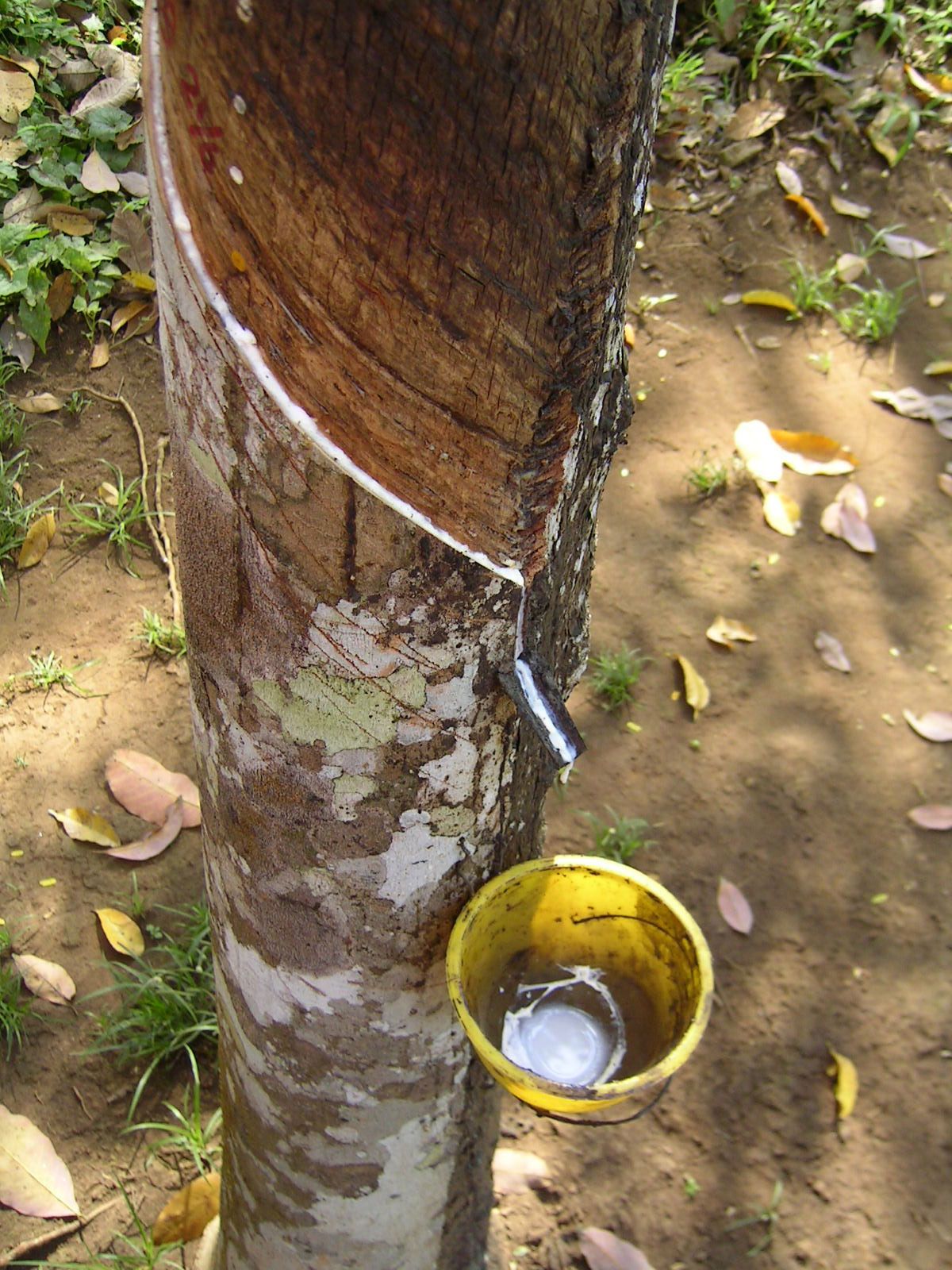
Material selection constitutes the foundational engineering decision in industrial rubber component manufacturing, particularly when utilizing gum-like latex derived from specific tropical trees, primarily Hevea brasiliensis. Off-the-shelf natural latex concentrates frequently fail to meet the stringent performance demands of critical industrial applications, leading to premature component degradation, system failure, and significant operational costs. Generic formulations prioritize cost and basic processability over the precise chemical and physical stability required for demanding environments. Unmodified natural latex exhibits inherent vulnerabilities: susceptibility to ozone cracking without specialized antiozonants, limited thermal stability above 70°C, variable viscosity impacting coating uniformity, and sensitivity to mechanical shear during processing. These characteristics, acceptable for low-stress consumer goods, become critical failure points in automotive seals, medical device diaphragms, or industrial vibration dampeners where consistent elasticity, chemical resistance, and long-term fatigue performance are non-negotiable.
The core issue lies in the complex interplay between raw latex properties and the final vulcanized network. Natural latex is not a monolithic material; its composition varies significantly based on plantation location, tapping methods, and initial preservation. Off-the-shelf concentrates often lack the rigorous batch-to-batch consistency control essential for OEM manufacturing. Crucially, they omit the tailored additive packages necessary to address specific application stresses. Standard stabilizers may prevent coagulation during storage but do nothing to enhance resistance to hydraulic fluids, fuel exposure, or dynamic compression set. The vulcanization kinetics of unmodified latex are frequently mismatched to high-speed industrial molding cycles, resulting in under-cured products with poor tensile strength or over-cured, brittle components. This mismatch directly compromises the crosslink density and polymer chain entanglement critical for performance.
The following table outlines key specification parameters where industrial-grade engineered latex diverges significantly from generic off-the-shelf concentrates:
| Parameter | Generic Off-the-Shelf Latex | Industrial-Grade Engineered Latex | Critical Impact on Performance |
|---|---|---|---|
| Dry Rubber Content (DRC) | 30-35% | 60-62% (Precisely Controlled) | Consistent solids content ensures accurate compound mixing and final part dimensions |
| Ammonia Level | 0.6-0.8% | 0.2-0.4% (Optimized) | Lower levels reduce corrosion risk in metal molds while maintaining stability |
| Particle Size Distribution | Broad, Uncontrolled | Narrow, Targeted (0.3-0.5 μm) | Uniform particle size enables defect-free films and consistent mechanical properties |
| Preservative System | Basic Ammonia | Multi-Component (e.g., KOH/ROS) | Enhanced storage stability without compromising cure kinetics or biocompatibility |
| Additive Integration | Minimal/None | Precision-Engineered Package | Tailored antidegradants, viscosity modifiers, and cure accelerators for specific duty cycles |
Suzhou Baoshida Trading Co., Ltd. addresses these challenges through rigorous OEM-focused material science. We source Hevea latex under controlled agricultural protocols and implement multi-stage purification and stabilization processes. Our engineering team develops bespoke additive formulations integrated directly into the latex phase, ensuring molecular-level homogeneity impossible with post-vulcanization modifications. This precision approach controls vulcanization exotherm, optimizes crosslink architecture for the target application, and delivers the consistent, high-fidelity material properties demanded by Tier-1 automotive and medical device manufacturers. Material selection is not procurement; it is the first and most critical engineering step in ensuring component reliability. Generic latex concentrates represent a performance gamble; engineered solutions represent a calculated assurance of function.
Material Specifications
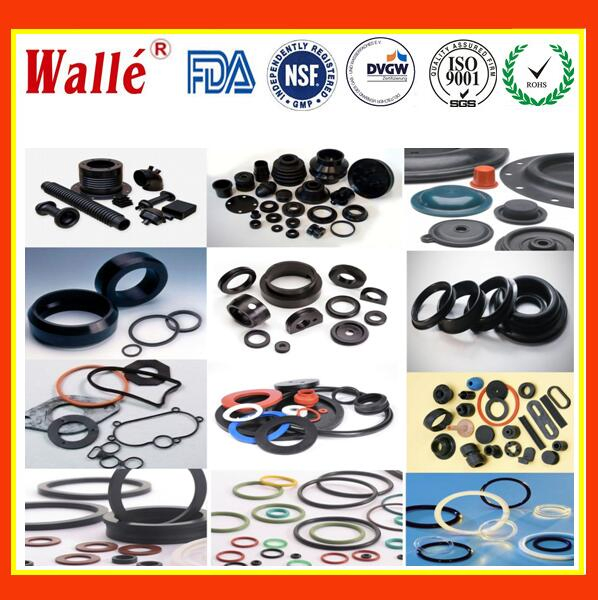
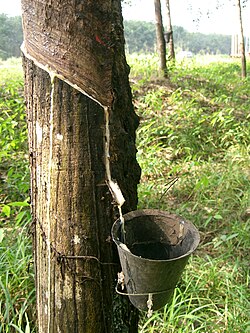
The term “gum-like latex of certain tropical trees” traditionally refers to natural rubber, a polymeric material derived primarily from the Hevea brasiliensis tree. While natural rubber remains foundational in many industrial applications, modern manufacturing demands have necessitated the development of synthetic elastomers with enhanced performance characteristics. At Suzhou Baoshida Trading Co., Ltd., we specialize in advanced industrial rubber solutions, providing engineered materials tailored to meet rigorous operational requirements. Our focus includes high-performance elastomers such as Viton, Nitrile (NBR), and Silicone, each offering distinct advantages in chemical resistance, thermal stability, and mechanical durability.
Viton, a fluorocarbon-based elastomer manufactured by Chemours (formerly DuPont), exhibits exceptional resistance to high temperatures, oils, fuels, and a broad range of chemicals. It is particularly suited for aerospace, automotive, and chemical processing environments where long-term stability under extreme conditions is critical. With continuous service capabilities up to 230°C and intermittent resistance to temperatures as high as 300°C, Viton outperforms most elastomers in high-heat sealing applications.
Nitrile rubber, or acrylonitrile butadiene rubber (NBR), is one of the most widely used synthetic rubbers in industrial settings due to its excellent resistance to aliphatic hydrocarbons, oils, and fuels. Its performance is highly dependent on the acrylonitrile content, which can be adjusted to optimize oil resistance versus low-temperature flexibility. Nitrile seals are commonly found in hydraulic systems, fuel handling equipment, and mechanical seals where cost-effective, reliable performance is required.
Silicone rubber, a polymer with a siloxane backbone, offers outstanding thermal stability across a wide temperature range, typically from -60°C to 200°C, with specialty grades performing beyond these limits. While not as mechanically robust as Viton or Nitrile, silicone excels in applications requiring flexibility, electrical insulation, and biocompatibility. It is frequently used in medical devices, food-grade seals, and high-temperature insulation components.
Each of these materials presents a unique balance of properties, and selection must be guided by the specific environmental and mechanical demands of the application. Below is a comparative overview of key performance metrics for Viton, Nitrile, and Silicone rubber.
| Property | Viton (FKM) | Nitrile (NBR) | Silicone (VMQ) |
|---|---|---|---|
| Temperature Range (°C) | -20 to 230 | -30 to 120 | -60 to 200 |
| Tensile Strength (MPa) | 15–20 | 10–25 | 5–8 |
| Elongation at Break (%) | 200–300 | 200–500 | 200–700 |
| Hardness (Shore A) | 60–90 | 50–90 | 30–80 |
| Resistance to Oils/Fuels | Excellent | Good to Excellent | Poor |
| Resistance to Ozone/UV | Excellent | Good | Excellent |
| Compression Set Resistance | Excellent | Moderate | Good |
| Electrical Insulation | Fair | Fair | Excellent |
| Biocompatibility | Limited | No | Yes (medical grade) |
At Suzhou Baoshida Trading Co., Ltd., we provide technical support to ensure optimal material selection based on operational parameters, regulatory compliance, and lifecycle performance.
Manufacturing Capabilities
Natural Rubber Latex Engineering Excellence
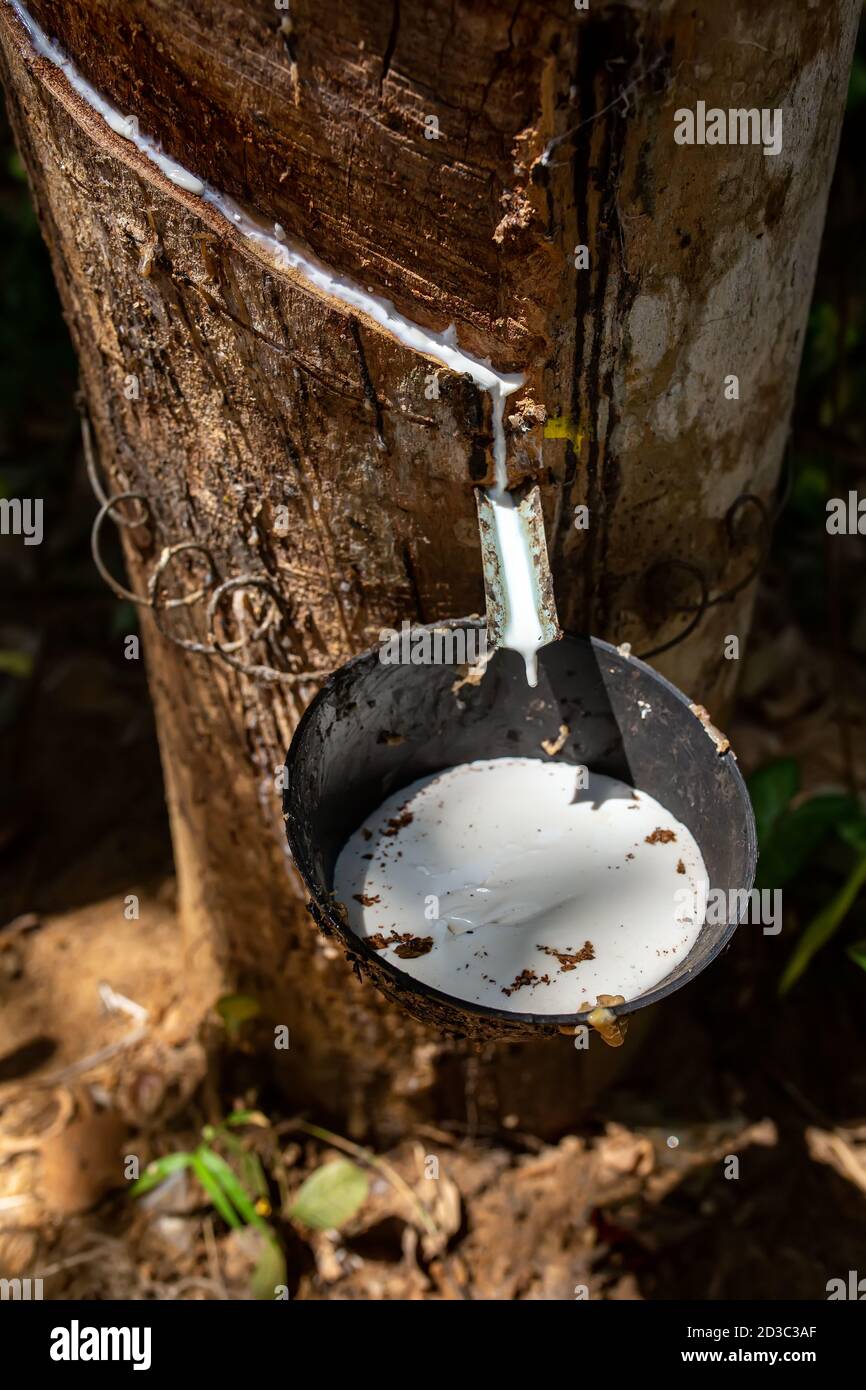
Suzhou Baoshida Trading Co., Ltd. delivers precision-engineered solutions for high-purity field latex concentrate derived from Hevea brasiliensis and other tropical sources. Our technical mastery transforms raw natural rubber into mission-critical components for automotive seals, medical devices, and industrial gaskets. Central to this capability is an integrated engineering team comprising five dedicated Mold Engineers and two specialized Rubber Formula Engineers. This structure ensures seamless alignment between material science and manufacturing execution, eliminating traditional handoff inefficiencies in B2B rubber production.
Our Formula Engineers optimize latex compounding at the molecular level, tailoring properties like tensile strength, elongation, and thermal stability to meet stringent OEM specifications. They rigorously validate formulations against ASTM D1076 and ISO 2004 standards, adjusting vulcanization systems, filler dispersion, and preservation protocols to achieve consistent lot-to-lot reproducibility. Concurrently, our Mold Engineering team designs and validates tooling for complex geometries, utilizing CAD/CAM simulations to prevent flow defects, minimize flash, and extend mold lifecycle. This dual-engineering approach reduces prototyping cycles by 30% and ensures first-article compliance for high-volume OEM programs.
As a certified OEM partner, we manage end-to-end production under strict confidentiality agreements. Our facility supports low-volume prototyping through full-scale manufacturing, with integrated traceability from raw material testing to final shipment. All processes adhere to IATF 16949 frameworks, featuring real-time SPC monitoring of critical parameters like coagulum consistency and vulcanization kinetics. Clients receive comprehensive technical dossiers including material safety data sheets, process validation reports, and accelerated aging studies.
Technical Specifications for Natural Rubber Latex Concentrate
| Property | Test Method | Standard Value | Tolerance |
|---|---|---|---|
| Dry Rubber Content | ASTM D1275 | 60.0% | ±0.5% |
| Mooney Viscosity (ML 1+4 @ 100°C) | ASTM D1646 | 65 | ±3 |
| Ash Content | ASTM D2214 | ≤0.5% | — |
| Alkalinity | ASTM D1076 | 0.3–0.6% | ±0.05% |
| Ammonia Preservation | ISO 2004 | 0.7% | +0.1% / -0.05% |
| Mechanical Stability Time | ISO 125 | ≥700 seconds | — |
We prioritize sustainable sourcing through FSC-certified plantations and closed-loop water recovery systems, ensuring ecological responsibility without compromising performance. Our engineering team collaborates directly with client R&D departments to resolve material-interface challenges—such as adhesion to thermoplastics or chemical resistance in aggressive media—through iterative DOE protocols. This technical partnership model has enabled 98% on-time delivery for Tier-1 automotive and medical device manufacturers across APAC and Europe. By embedding formula and mold expertise within a single workflow, Suzhou Baoshida guarantees that natural rubber’s innate elasticity and resilience are harnessed to exacting industrial standards, transforming botanical raw materials into engineered reliability.
Customization Process
Drawing Analysis: The Foundation of Precision Rubber Manufacturing
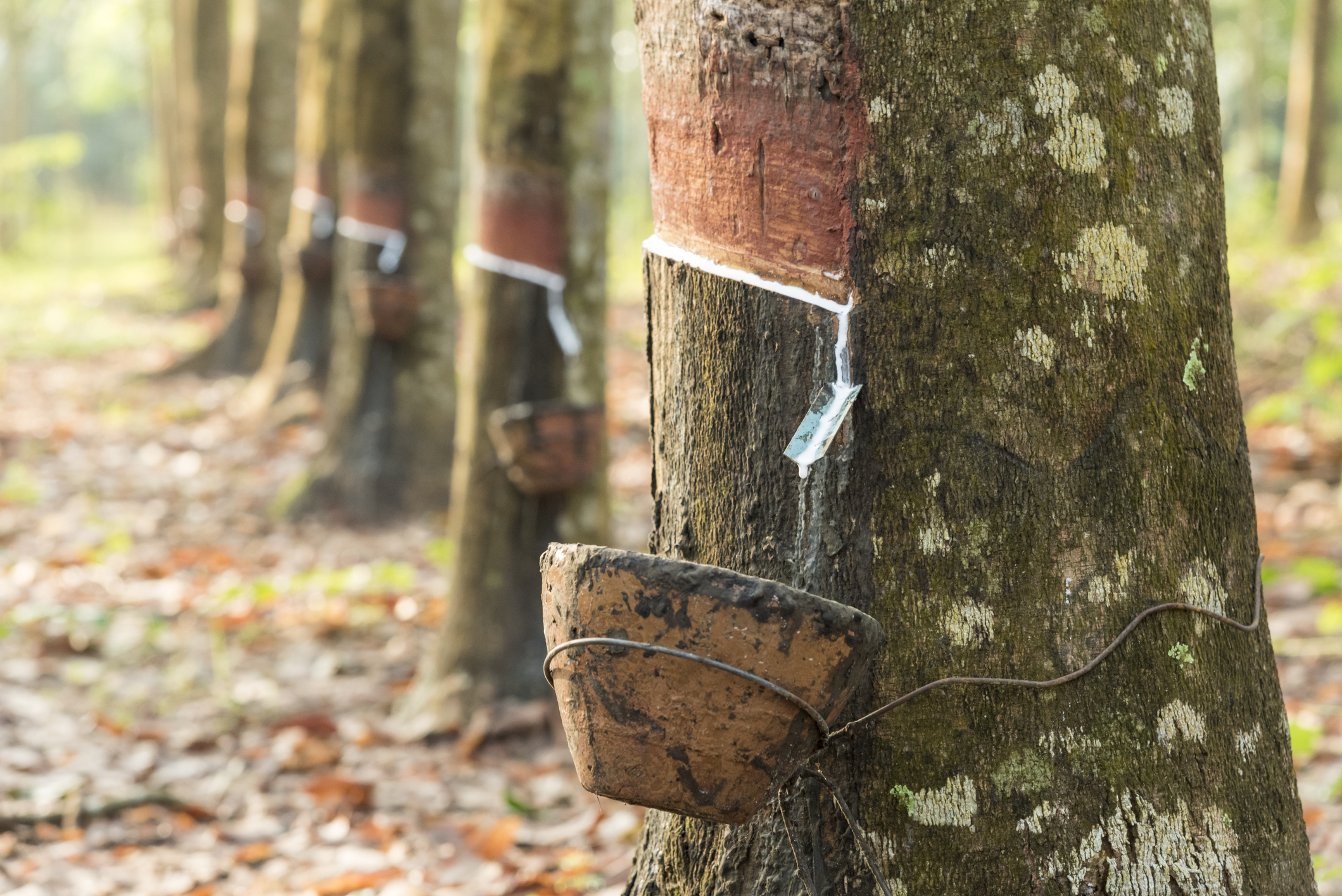
At Suzhou Baoshida Trading Co., Ltd., the customization process for industrial rubber components derived from the gum-like latex of certain tropical trees begins with rigorous drawing analysis. This initial phase is critical in translating client specifications into manufacturable designs. Our engineering team conducts a comprehensive review of technical drawings, focusing on dimensional tolerances, geometric complexity, surface finish requirements, and environmental performance criteria. We assess material compatibility with operational conditions such as temperature extremes, chemical exposure, and mechanical stress. Any discrepancies or design inefficiencies are flagged, and our OEM engineers collaborate directly with the client to optimize part geometry for both performance and processability. This stage ensures that the final product will meet exact functional demands while minimizing production risks.
Formulation: Tailoring Material Properties at the Molecular Level
Following drawing validation, our rubber formula engineers develop bespoke formulations based on natural latex sourced from select tropical tree species. These raw materials are prized for their high elasticity, tensile strength, and biodegradability, making them ideal for specialized industrial applications. The formulation process involves precise blending of latex with vulcanizing agents, accelerators, fillers, and stabilizers to achieve target physical properties. Parameters such as Shore hardness, elongation at break, compression set, and aging resistance are meticulously calibrated. Each compound is documented under controlled batch protocols to ensure full traceability. Our formulation strategy balances performance with cost-efficiency, adhering strictly to international standards including ISO 2230 and ASTM D1418.
Prototyping: Validating Design and Material Synergy
Once the compound is finalized, we proceed to prototyping using advanced molding techniques such as compression, transfer, or injection molding—selected based on part geometry and volume requirements. Prototypes are subjected to a battery of laboratory tests, including tensile strength measurement, thermal cycling, and dynamic mechanical analysis. Dimensional inspection is performed using coordinate measuring machines (CMM) to verify conformance to drawing specifications. Client feedback is integrated at this stage, allowing for iterative improvements before tooling finalization. This phase typically lasts 2–3 weeks, depending on complexity.
Mass Production: Scalable Precision with Quality Assurance
Upon prototype approval, we transition to mass production in our ISO-certified facility. Automated mixing, precision molding, and real-time quality monitoring ensure batch-to-batch consistency. Every production run undergoes statistical process control (SPC), with random sampling tested against the original specifications.
Below are typical performance specifications achievable with our customized natural latex rubber formulations:
| Property | Test Method | Typical Value Range |
|---|---|---|
| Tensile Strength | ASTM D412 | 18–25 MPa |
| Elongation at Break | ASTM D412 | 700–900% |
| Shore A Hardness | ASTM D2240 | 40–70 |
| Compression Set (22h, 70°C) | ASTM D395 | ≤20% |
| Specific Gravity | ASTM D297 | 0.92–0.96 |
| Operating Temperature Range | — | -40°C to +80°C |
Suzhou Baoshida Trading Co., Ltd. ensures every stage—from drawing analysis to mass production—is executed with scientific rigor and industrial precision, delivering rubber solutions that meet the highest OEM standards.
Contact Engineering Team
Contact Suzhou Baoshida for Precision Natural Latex Solutions
Suzhou Baoshida Trading Co., Ltd. operates at the intersection of rigorous material science and industrial scalability, specializing in the procurement and technical formulation of Hevea brasiliensis natural latex. As your dedicated OEM partner, we resolve critical supply chain vulnerabilities while ensuring batch-to-batch consistency essential for high-integrity rubber manufacturing. Our engineering team possesses 12+ years of field experience optimizing latex for demanding applications including medical gloves, automotive seals, and industrial adhesives. We do not merely supply raw material; we co-engineer formulations addressing colloidal stability, vulcanization kinetics, and environmental compliance per ISO 20077 and ASTM D1076 standards.
The following table details baseline specifications for our premium field-latex concentrate, processed via triple-centrifugation to eliminate non-rubber impurities. All parameters are verified through in-house Mooney viscometry, infrared spectrometry, and accelerated aging protocols.
| Parameter | Standard Grade | Premium Grade | Test Method |
|---|---|---|---|
| Dry Rubber Content (DRC) | 60.0 ± 0.5% | 61.5 ± 0.3% | ASTM D1275 |
| Volatile Fatty Acid (VFA) | ≤ 0.40 | ≤ 0.25 | ISO 506 |
| Ammonia Content | 0.70 ± 0.05% | 0.60 ± 0.03% | ISO 125 |
| Viscosity (Mooney ML) | 45 ± 5 | 40 ± 3 | ASTM D1646 |
| Mechanical Stability Time | ≥ 720 sec | ≥ 1200 sec | ISO 124 |
Industrial clients face escalating challenges in securing latex with predictable coagulation behavior and minimal protein content. Suzhou Baoshida mitigates these risks through vertically integrated traceability—from plantation audits in Thailand and Indonesia to our Suzhou-based QC lab. We implement real-time DRC adjustments during concentration to counter seasonal yield fluctuations, ensuring your production lines never halt due to viscosity drift. For mission-critical applications, our engineers develop custom stabilization packages using potassium oleate or ethanolamine, reducing ammonia dependency while enhancing shelf life beyond 180 days.
Partnering with us means accessing OEM-level technical stewardship. Mr. Boyce, our Lead Rubber Formulation Engineer, personally oversees client-specific projects from feasibility analysis through scale-up validation. His expertise in emulsion polymer chemistry has resolved 200+ formulation failures for Tier-1 automotive and medical device manufacturers. When standard grades cannot meet your tensile strength or extractable protein thresholds, we deploy fractional distillation and membrane filtration to achieve bespoke performance metrics.
Initiate your technical consultation today. Contact Mr. Boyce directly at [email protected] with your target specifications, volume requirements, and application constraints. Include reference code BD-LX2024 to expedite sample dispatch and formulation review. We respond to all engineering inquiries within 4 business hours with actionable data—not generic brochures. For urgent OEM projects requiring expedited DNV-GL certification support, indicate PRIORITY OEM in your email subject line. Suzhou Baoshida delivers not just latex, but engineered reliability for your production ecosystem.
⚖️ O-Ring Weight Calculator
Estimate rubber O-ring weight (Approx).