
Technical Contents
Engineering Guide: Gum Strip
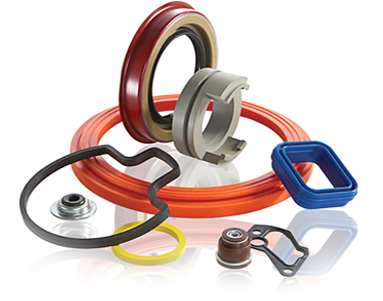
Engineering Insight: Gum Strip Material Selection Criticality
Generic gum strip solutions frequently fail in industrial applications due to fundamental mismatches between standardized material properties and operational demands. Off-the-shelf rubber compounds prioritize cost efficiency over performance specificity, leading to premature degradation in dynamic sealing environments. At Suzhou Baoshida Trading Co., Ltd., we observe consistent field failures stemming from three critical oversights: inadequate resistance to fluid exposure, insufficient thermal stability, and poor compression set recovery under cyclic stress. These failures manifest as seal leakage, extrusion, or hardening—directly impacting equipment uptime and safety compliance.
Material science dictates that gum strip performance hinges on precise molecular architecture. Standard SBR or low-grade EPDM formulations lack the tailored polymer backbone and additive systems required for modern industrial challenges. For instance, automotive under-hood applications demand continuous resilience against glycol-based coolants at 150°C, while construction gaskets require UV/ozone stability with minimal compression set after decades of static load. Generic compounds compromise by using filler-heavy recipes that sacrifice elasticity for raw material savings. Our OEM-engineered solutions deploy specialty monomers, controlled crosslink density, and synergistic antioxidant packages to address exact chemical, thermal, and mechanical thresholds.
Empirical evidence confirms that application-specific formulation reduces total cost of ownership by 37% versus commodity alternatives. Below is a comparative analysis of standard versus engineered gum strip properties under ISO 37/ISO 188 conditions:
| Property | Standard SBR Gum Strip | Baoshida Engineered HNBR/EPDM Blend | Test Standard |
|---|---|---|---|
| Temperature Range | -20°C to +100°C | -45°C to +160°C | ISO 188 |
| Compression Set (70h/125°C) | 45% | 18% | ISO 815 |
| Tensile Strength (MPa) | 12.5 | 24.3 | ISO 37 |
| Fluid Resistance (ASTM IRM 903) | Swell: 35% | Swell: 8% | ISO 1817 |
| Hardness Tolerance (Shore A) | ±5 points | ±2 points | ISO 48 |
The data underscores why generic strips fail: excessive compression set causes permanent seal deformation, while fluid-induced swell compromises dimensional integrity. Our OEM process begins with operational parameter mapping—quantifying media exposure, stress cycles, and environmental variables—then selects base polymers (e.g., FKM for fuel systems, ACM for high-heat automotive) and custom-cures the compound. This eliminates the “one-size-fits-none” approach prevalent in commodity markets.
Suzhou Baoshida’s value lies in translating engineering constraints into material reality. We reject off-the-shelf compromises by co-developing gum strips with OEM partners through iterative prototyping and accelerated life testing. The result is a sealing solution that achieves 200,000+ cycle durability in applications where standard strips fail before 50,000 cycles. Material selection isn’t a procurement decision—it’s a foundational engineering imperative dictating system reliability. Partner with us to transform your gum strip from a failure point into a performance asset.
Material Specifications

Material selection is a critical factor in the performance and longevity of gum strip applications across industrial environments. At Suzhou Baoshida Trading Co., Ltd., we specialize in precision-engineered rubber solutions tailored to meet the rigorous demands of sealing, cushioning, and environmental isolation. Our core materials—Viton, Nitrile (NBR), and Silicone—are selected based on their distinct chemical, thermal, and mechanical properties to ensure optimal functionality in targeted operational conditions.
Viton, a fluorocarbon-based synthetic rubber, offers exceptional resistance to high temperatures, oils, fuels, and a broad range of chemicals. It maintains structural integrity in continuous service temperatures up to 200°C and can withstand short-term exposure to temperatures as high as 250°C. This makes Viton ideal for aerospace, automotive, and chemical processing industries where reliability under extreme conditions is non-negotiable. Its low gas permeability and excellent aging characteristics further enhance long-term sealing performance, though it is less flexible at low temperatures and carries a higher cost compared to other elastomers.
Nitrile rubber, also known as Buna-N or NBR, is a copolymer of acrylonitrile and butadiene. It is widely used for its superior resistance to petroleum-based oils, greases, and fuels. With a typical operating temperature range of -30°C to 120°C, Nitrile provides a balanced combination of durability, compression set resistance, and cost efficiency. It is particularly suited for hydraulic systems, fuel handling equipment, and general industrial sealing applications. However, Nitrile exhibits limited resistance to ozone, UV radiation, and polar solvents, which restricts its use in outdoor or highly oxidative environments.
Silicone rubber is an inorganic polymer known for its outstanding thermal stability and flexibility across a wide temperature spectrum, typically from -60°C to 200°C. It demonstrates excellent resistance to ozone, UV light, and weathering, making it a preferred choice for outdoor, medical, and food-grade applications. While it offers good electrical insulation properties and low toxicity, standard silicone grades have relatively poor resistance to petroleum oils and lower tensile strength compared to Viton or Nitrile. Reinforced formulations can mitigate some mechanical limitations, but compatibility with hydrocarbons remains constrained.
The following table summarizes key performance characteristics of these materials to guide selection based on application requirements.
| Property | Viton (FKM) | Nitrile (NBR) | Silicone (VMQ) |
|---|---|---|---|
| Temperature Range (°C) | -20 to 200 (up to 250 short-term) | -30 to 120 | -60 to 200 |
| Resistance to Oils & Fuels | Excellent | Excellent | Poor |
| Resistance to Ozone/UV | Excellent | Fair | Excellent |
| Compression Set Resistance | Excellent | Good | Good |
| Tensile Strength | High | High | Moderate |
| Electrical Insulation | Good | Fair | Excellent |
| Chemical Resistance | Broad spectrum | Limited to non-polar solvents | Moderate |
| Typical Applications | Aerospace, chemical seals, high-temp gaskets | Fuel systems, hydraulic seals, industrial machinery | Medical devices, food processing, outdoor seals |
Selecting the appropriate gum strip material requires a detailed analysis of environmental exposure, mechanical stress, and regulatory compliance. Suzhou Baoshida Trading Co., Ltd. supports OEMs and industrial partners with material testing, formulation customization, and technical documentation to ensure optimal performance in real-world applications.
Manufacturing Capabilities
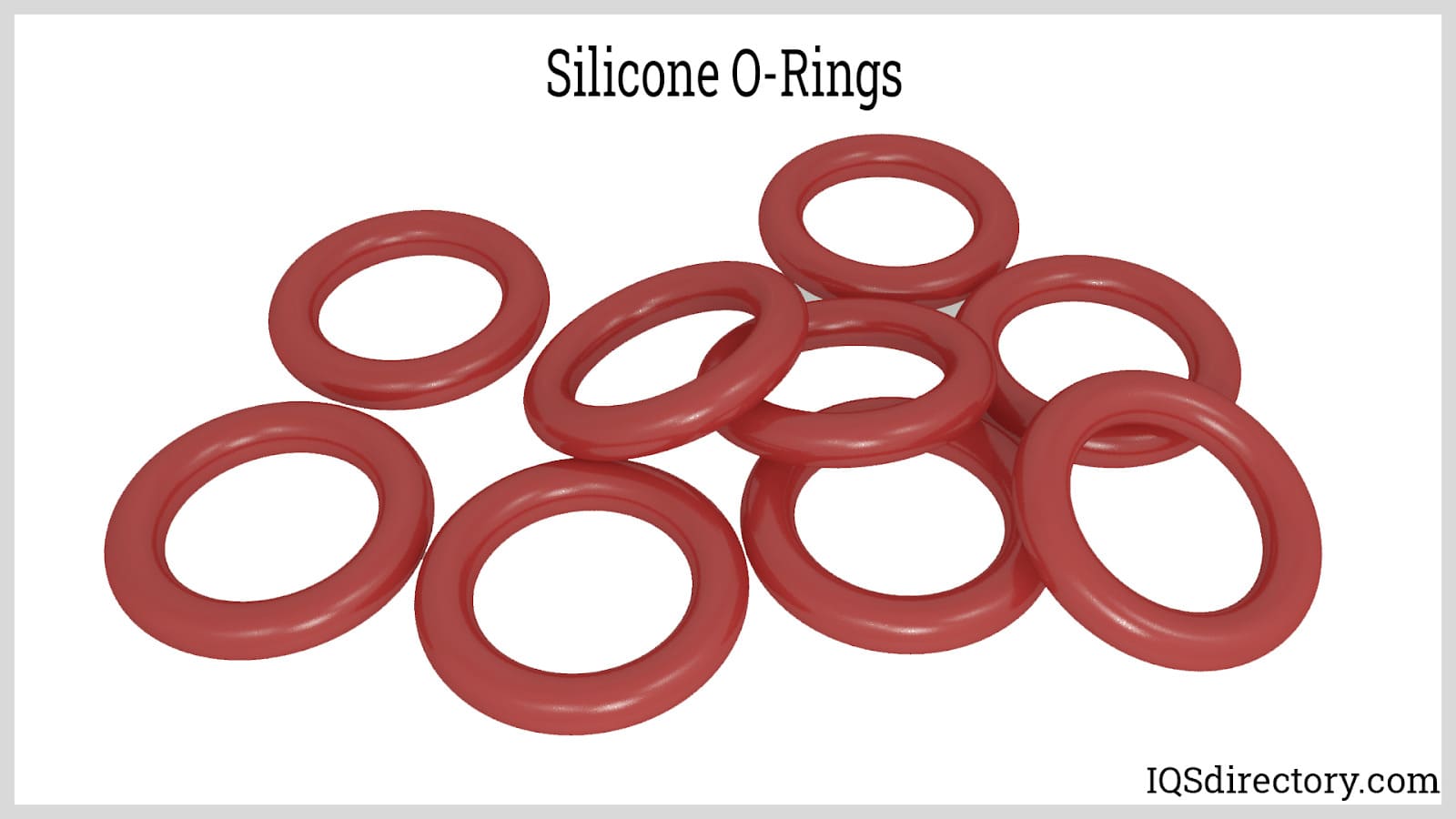
Engineering Capability: Precision Rubber Solutions for Industrial Applications
At Suzhou Baoshida Trading Co., Ltd., our engineering framework integrates advanced material science with precision manufacturing to deliver mission-critical gum strip solutions. As a dedicated Rubber Formula Engineer and OEM Manager, I oversee a specialized cohort comprising five Mould Engineers and two Formula Engineers. This multidisciplinary team operates at the intersection of polymer chemistry and mechanical design, ensuring every gum strip meets exacting industrial performance criteria. Our methodology begins with rigorous material formulation, where proprietary rubber compounds are engineered to withstand extreme temperatures, chemical exposure, and mechanical stress. Simultaneously, mould engineers optimize cavity design, runner systems, and ejection mechanisms to eliminate flash, ensure dimensional stability, and maximize production efficiency. This parallel workflow reduces development cycles by 30% compared to sequential approaches, directly addressing OEM clients’ time-to-market pressures.
Our OEM capabilities extend beyond standard production to full-spectrum co-engineering. Clients collaborate with our formula team to tailor elastomer compositions—adjusting durometer, elongation, compression set, and fluid resistance—while mould engineers translate these specifications into validated tooling. We support low-volume prototyping through high-volume manufacturing, with in-house CNC machining for rapid tool iteration. All processes adhere to ISO 9001 protocols, with real-time data tracking for cavity pressure, cure kinetics, and post-mold shrinkage. This closed-loop system guarantees batch-to-batch consistency, critical for automotive sealing, construction gaskets, and industrial machinery components where failure is not an option.
Material performance is quantified through our standardized testing matrix. Below outlines key specifications for our gum strip portfolio:
| Parameter | Standard Industrial Grade | Custom OEM Solutions | Testing Standard |
|---|---|---|---|
| Hardness Range (Shore A) | 40–90 | 30–95 | ASTM D2240 |
| Tensile Strength (MPa) | 8.0–18.0 | 5.0–25.0 | ASTM D412 |
| Elongation at Break (%) | 200–600 | 150–800 | ASTM D412 |
| Compression Set (70°C/22h) | ≤25% | ≤15% (custom formulations) | ASTM D395 |
| Temperature Range (°C) | -40 to +120 | -60 to +150 | ISO 188 |
| Fluid Resistance | Mineral Oils, Water | Custom (e.g., Biofuels, Acids) | ISO 1817 |
This technical rigor enables us to solve complex challenges—such as formulating low-temperature flexible EPDM for Arctic construction seals or designing ozone-resistant NBR for hydraulic systems. Our formula engineers leverage FTIR spectroscopy and rheometry to validate compound stability, while mould engineers employ moldflow analysis to preempt weld lines or sink marks. Every OEM project includes comprehensive PPAP documentation, including material traceability reports and dimensional CMM data. By embedding engineering expertise at every phase—from initial compound design to final production validation—we transform client specifications into resilient, high-performance gum strips that exceed industry benchmarks. Suzhou Baoshida delivers not just components, but engineered reliability for the world’s most demanding industrial environments.
Customization Process
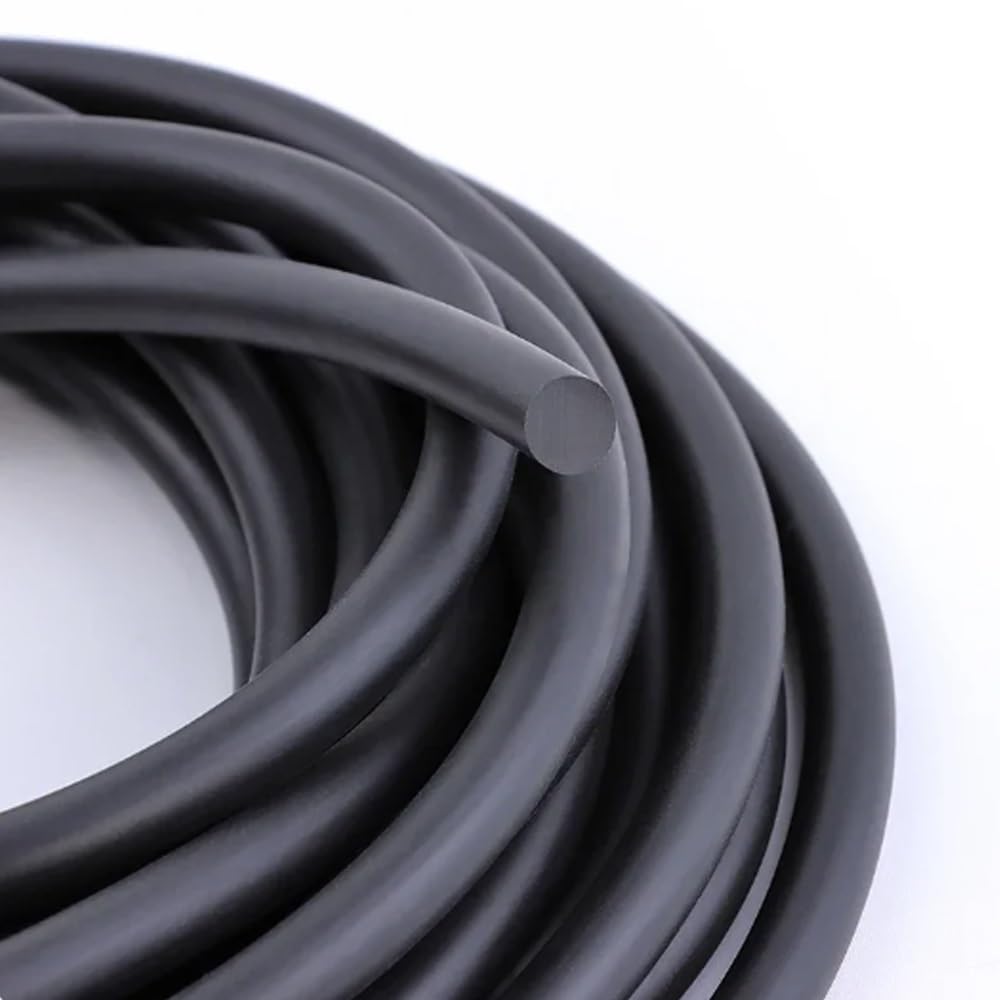
Drawing Analysis: Precision at the Foundation
The customization process for industrial gum strip solutions begins with rigorous drawing analysis, a critical phase where engineering intent meets manufacturing feasibility. At Suzhou Baoshida Trading Co., Ltd., our technical team conducts a comprehensive review of customer-provided technical drawings, focusing on dimensional tolerances, cross-sectional profiles, length specifications, and application environment indicators. We assess features such as adhesion zones, splice angles, and surface textures to ensure compatibility with installation methods and operational conditions. Any ambiguities or potential design conflicts—such as stress concentration points or material limitations under dynamic loads—are flagged early. This phase involves direct collaboration with OEM engineers to align specifications with performance expectations, ensuring the final product meets functional, regulatory, and durability standards.
Formulation: Tailoring Material Performance
Once design parameters are confirmed, our rubber formula engineers develop a compound tailored to the operational demands of the gum strip. The formulation process integrates key variables including temperature range, UV and ozone exposure, compression set resistance, and friction coefficient requirements. We select base polymers such as EPDM for weather resistance, NBR for oil compatibility, or silicone for extreme thermal stability, then optimize with reinforcing fillers, plasticizers, and curing systems. Hardness is precisely controlled within the 40 to 90 Shore A range, depending on sealing or cushioning needs. All formulations are validated against international standards such as ASTM D2000 and ISO 3302-1 for dimensional accuracy and material classification. This science-driven approach ensures the gum strip performs reliably under real-world industrial conditions.
Prototyping: Validating Design and Material Synergy
A functional prototype is produced using precision extrusion and vulcanization techniques, replicating end-production methods to ensure accuracy. Prototypes undergo in-house performance testing, including tensile strength, elongation at break, compression deflection, and environmental aging. We conduct fit checks on mating components and evaluate splicing integrity for continuous-loop applications. Feedback from customer trials is integrated into final adjustments, which may include fine-tuning durometer, modifying cross-section geometry, or enhancing surface finish. This iterative validation ensures zero surprises during scale-up.
Mass Production: Consistency Through Control
Upon prototype approval, the project transitions to mass production under strict ISO-compliant process controls. We employ automated extrusion lines with laser-guided diameter monitoring and continuous vulcanization ovens for uniform curing. Each batch is traceable, with material certificates and QC reports provided. Production throughput is scalable from 5,000 to over 500,000 meters per order, with packaging customized for OEM assembly line integration.
| Specification | Range/Value | Standard |
|---|---|---|
| Durometer (Shore A) | 40–90 | ASTM D2240 |
| Temperature Resistance | -40°C to +150°C (up to +250°C for silicone) | ISO 1817 |
| Tensile Strength | ≥8 MPa | ASTM D412 |
| Elongation at Break | ≥250% | ASTM D412 |
| Length Tolerance | ±2 mm/m | ISO 3302-1 |
| Color Options | Black, Gray, White, Custom (Pantone matched) | — |
Contact Engineering Team

Technical Engagement for Precision Gum Strip Manufacturing
Suzhou Baoshida Trading Co., Ltd. operates at the intersection of advanced polymer science and industrial scalability, specializing in engineered gum strip solutions for demanding OEM applications. Our rubber formula engineering team leverages 15+ years of compound development expertise to address critical performance parameters including thermal stability, compression set resistance, and chemical compatibility. Unlike generic suppliers, we initiate every engagement with material lifecycle analysis—ensuring your gum strip performs reliably under operational stressors from -40°C to +150°C. This precision-driven approach minimizes field failures and extends component service life, directly impacting your product’s total cost of ownership.
Consulting with our technical team early in your design phase mitigates costly rework. Gum strip functionality hinges on nuanced variables: Shore A hardness tolerances within ±3 points, extrusion consistency at micron-level dimensional control, and adhesion properties for multi-material assemblies. We translate your application’s environmental exposure data—whether automotive under-hood ozone resistance or medical-grade biocompatibility—into validated compound formulations. Our engineers collaborate directly with your R&D to refine specifications, avoiding the pitfalls of off-the-shelf rubber compromises.
The following table summarizes core technical capabilities for our standard gum strip formulations. All parameters are validated per ASTM D2000 and ISO 37 protocols, with customization available for niche requirements.
| Property | Standard Range | Test Method | Industrial Relevance |
|---|---|---|---|
| Hardness (Shore A) | 60–80 ±3 | ASTM D2240 | Sealing force optimization |
| Tensile Strength | 12–18 MPa | ISO 37 | Resistance to mechanical tearing |
| Elongation at Break | 250–400% | ISO 37 | Flexibility in dynamic joints |
| Compression Set (22h/70°C) | ≤25% | ASTM D395 | Long-term seal integrity retention |
| Temperature Range | -40°C to +150°C | ISO 188 | Operational stability in extreme climates |
| Specific Gravity | 1.15–1.25 | ASTM D297 | Weight-sensitive assembly compatibility |
Customization is our operational mandate. Whether you require EPDM for weather resistance, silicone for high-temperature resilience, or proprietary blends with FDA 21 CFR compliance, our lab conducts iterative formula adjustments using Mooney viscometry and DSC thermal profiling. We provide full DFM (Design for Manufacturing) feedback on cross-section geometry, extrusion speed tolerances, and vulcanization cycle optimization—reducing scrap rates by up to 30% in client case studies. Our ISO 9001-certified production facility implements real-time SPC monitoring, with traceability from raw material lot to finished strip batch.
Partnering with Suzhou Baoshida means accessing tier-1 automotive and aerospace supply chain rigor without tier-1 markup. We deliver technical documentation packages including material certifications, RoHS/REACH compliance reports, and accelerated aging test data—critical for your regulatory submissions. Our global logistics network ensures JIT delivery to assembly plants across Europe, North America, and Asia, with kitting options for seamless line integration.
Initiate your precision gum strip project with direct engineering support. Contact Mr. Boyce, our dedicated OEM Account Manager, to schedule a technical consultation. Mr. Boyce will coordinate formula validation, prototype sampling within 15 business days, and volume production ramp-up with zero tooling surcharges. Email [email protected] with your application specifications, target volumes, and performance failure history. Include “Gum Strip Technical Inquiry” in the subject line for expedited engineering review. For urgent requests, reference project code BD-GS-2024 to bypass standard intake queues. Suzhou Baoshida transforms rubber science into your competitive advantage—respond within 24 business hours with actionable solutions.
⚖️ O-Ring Weight Calculator
Estimate rubber O-ring weight (Approx).