
Technical Contents
Engineering Guide: Hard Rooftop Tents
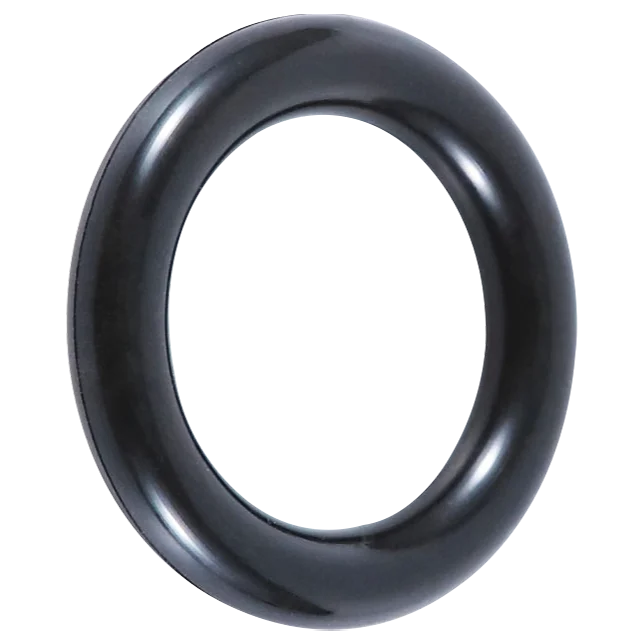
Material Selection in Hard Rooftop Tent Design: An Engineering Imperative
In the design and manufacturing of hard rooftop tents, material selection is not merely a cost-driven decision—it is a foundational engineering requirement. These structures operate under extreme environmental stress: prolonged UV exposure, wide thermal cycling, mechanical loading during deployment, and resistance to moisture and chemical degradation. Off-the-shelf rubber and polymer solutions, while economically attractive, frequently fail to meet the comprehensive performance demands of this application. Generic materials often lack the tailored compound formulation needed to balance flexibility, durability, and weather resistance, resulting in premature cracking, seal failure, and compromised structural integrity.
At Suzhou Baoshida Trading Co., Ltd., we emphasize that industrial rubber components in hard rooftop tents—particularly sealing profiles, hinge gaskets, and vibration dampeners—must be engineered with precision. Standard elastomers such as low-grade EPDM or reprocessed TPE may initially appear suitable due to their nominal weather resistance. However, they often degrade under cyclic mechanical stress or fail to maintain compression set performance after repeated use. This leads to water ingress, air leakage, and increased noise transmission—critical failures in premium outdoor equipment.
The superior alternative lies in custom-formulated thermoset rubbers and high-performance thermoplastic elastomers engineered for long-term resilience. For instance, fully cured, high-purity EPDM with optimized sulfur cross-linking offers superior ozone and UV resistance. Similarly, silicone rubber (VMQ) provides exceptional thermal stability from -60°C to +200°C, making it ideal for extreme climates. These materials are not interchangeable; their selection must align with the tent’s operational profile, geographic use case, and expected service life.
Moreover, compatibility with adjacent materials—such as aluminum housing, polycarbonate windows, and stainless-steel fasteners—must be evaluated. Galvanic corrosion, adhesive bonding performance, and coefficient of thermal expansion mismatches can all undermine system reliability if not addressed at the material specification stage.
Below is a comparison of common elastomers used in rooftop tent applications, highlighting key performance characteristics relevant to industrial design.
| Material | Temperature Range (°C) | UV Resistance | Compression Set (%) @ 70°C, 22h | Tensile Strength (MPa) | Typical Use Case |
|---|---|---|---|---|---|
| Standard EPDM | -40 to +120 | Moderate | 25–35 | 8–10 | Basic seals, low-cost models |
| High-Purity EPDM | -50 to +150 | Excellent | 15–20 | 12–15 | Premium weather sealing |
| Silicone (VMQ) | -60 to +200 | Excellent | 20–25 | 6–9 | High-temperature zones, arid climates |
| TPE (Styrenic) | -30 to +110 | Poor | 30–40 | 10–14 | Temporary seals, low-cycle use |
| Fluorosilicone (FVMQ) | -50 to +175 | Good | 18–22 | 7–10 | Chemical-resistant environments |
Material selection must be guided by empirical testing and lifecycle modeling, not assumptions. At Baoshida, we support OEMs with compound development, accelerated aging studies, and finite element analysis to ensure rubber components perform reliably over 10+ years of real-world use. The cost of failure—warranty claims, brand erosion, and field recalls—far exceeds the investment in engineered material solutions.
Material Specifications
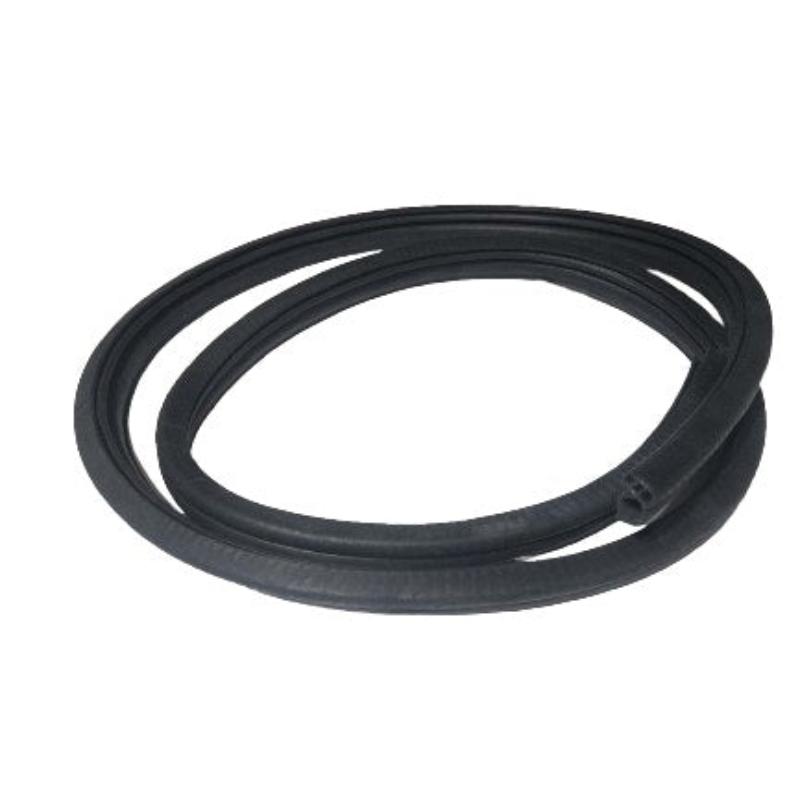
Material Specifications for Hard Rooftop Tent Sealing Systems
Suzhou Baoshida Trading Co., Ltd. provides precision-engineered rubber solutions for hard rooftop tent critical sealing components. Material selection directly impacts weatherproofing, structural integrity, and service life under extreme environmental stress. We rigorously evaluate Viton® (FKM), Nitrile (NBR), and Silicone (VMQ) against ASTM D2000 and ISO 37 standards to ensure compliance with automotive-grade durability requirements. Each polymer offers distinct performance profiles essential for UV exposure, thermal cycling, and chemical resistance in mobile applications.
Viton® fluoroelastomers deliver superior resistance to automotive fluids, ozone, and high temperatures. Standard grades maintain integrity from -20°C to +230°C, with short-term excursions to 300°C. Tensile strength ranges 10–15 MPa (ASTM D412), elongation at break 150–300%, and hardness 60–90 Shore A. Its exceptional resistance to brake fluids, fuels, and hydraulic oils makes it ideal for seals exposed to vehicle undercarriage contaminants. Compression set remains below 25% after 70 hours at 150°C (ASTM D395), ensuring long-term sealing force retention.
Nitrile rubber (NBR) provides optimal cost-performance balance for general-purpose sealing. Operating range spans -30°C to +120°C, with specialty hydrogenated grades (HNBR) extending to +150°C. Typical tensile strength is 15–25 MPa, elongation 250–450%, and hardness 50–90 Shore A. NBR excels in resistance to aliphatic hydrocarbons, water, and compressed air but shows limited ozone resistance. Its low compression set (15–25% at 100°C) and abrasion resistance suit it for dynamic gasket interfaces subject to frequent opening/closing cycles.
Silicone (VMQ) dominates extreme-temperature and UV-exposed applications. It functions reliably from -60°C to +200°C, with phenyl-modified variants reaching -100°C. Tensile strength is moderate (5–8 MPa), but elongation exceeds 400%, and hardness ranges 30–80 Shore A. Silicone’s unparalleled UV/ozone resistance prevents surface cracking during prolonged sun exposure, while low-temperature flexibility ensures seal conformity in arctic conditions. Gas permeability is higher than FKM/NBR, necessitating design compensation for internal pressure differentials.
Comparative Material Properties for Rooftop Tent Seals
| Property | Viton® (FKM) | Nitrile (NBR) | Silicone (VMQ) |
|---|---|---|---|
| Temperature Range (°C) | -20 to +230 | -30 to +120 | -60 to +200 |
| Tensile Strength (MPa) | 10–15 | 15–25 | 5–8 |
| Elongation at Break (%) | 150–300 | 250–450 | 400–700 |
| Hardness (Shore A) | 60–90 | 50–90 | 30–80 |
| Fuel/Oil Resistance | Excellent | Good | Poor |
| Compression Set (100°C) | <25% | 15–25% | 20–35% |
| Cost Tier | Premium | Economical | Moderate |
Engineers should specify Viton® for under-hood proximity seals requiring chemical resilience, NBR for cost-sensitive dynamic interfaces, and Silicone for external weatherstripping exposed to solar radiation. Suzhou Baoshida validates all formulations through accelerated aging tests per SAE J2236, ensuring 10,000+ cycle durability in rooftop tent deployment mechanisms. Material certifications and custom compound development are available upon OEM technical review.
Manufacturing Capabilities
Suzhou Baoshida Trading Co., Ltd. operates at the forefront of industrial rubber solutions, delivering precision-engineered materials and components tailored for high-performance applications. Within the domain of hard rooftop tent manufacturing, our engineering capabilities serve as a cornerstone for product durability, weather resistance, and long-term structural integrity. Our team comprises five dedicated mould engineers and two specialized rubber formula engineers, enabling us to control every phase of development—from concept to final production—ensuring optimal performance under extreme environmental conditions.
The integration of mould and material engineering allows us to address complex design challenges inherent in hard rooftop tent systems. Mould engineers utilize advanced CAD/CAM software and finite element analysis (FEA) to develop robust, dimensionally accurate moulds that support high-volume production with minimal variance. These designs are optimized for cycle efficiency, part symmetry, and material flow, which are critical when producing large, load-bearing enclosures exposed to mechanical stress and UV degradation. Concurrently, our rubber formula engineers focus on polymer selection, cross-link density, and additive integration to formulate elastomers that meet exacting OEM specifications for hardness, tensile strength, and thermal stability.
Our proprietary rubber formulations are engineered to withstand temperature extremes ranging from -40°C to +120°C, making them ideal for outdoor applications where thermal cycling is frequent. Through dynamic vulcanization techniques and reinforced filler systems, we achieve enhanced resistance to ozone, UV radiation, and abrasion—key factors in extending the service life of sealing profiles, hinge gaskets, and structural dampeners used in hard rooftop tents. Each formulation is subjected to rigorous testing protocols, including accelerated aging, compression set analysis, and Shore A hardness validation.
OEM collaboration is central to our operational model. We support custom design input, rapid prototyping, and DFM (Design for Manufacturability) feedback to ensure seamless integration with client assembly lines. Our facility maintains full traceability and compliance with ISO 9001 standards, supporting consistent batch-to-batch reproducibility.
Below is a summary of key material and engineering specifications we routinely achieve for hard rooftop tent applications:
| Property | Typical Value | Test Standard |
|---|---|---|
| Hardness (Shore A) | 55–75 | ASTM D2240 |
| Tensile Strength | ≥12 MPa | ASTM D412 |
| Elongation at Break | ≥300% | ASTM D412 |
| Compression Set (22h, 70°C) | ≤25% | ASTM D395 |
| Operating Temperature Range | -40°C to +120°C | Internal Protocol |
| UV Resistance (3000h QUV) | No cracking, minimal color shift | ASTM G154 |
With a vertically integrated engineering approach, Suzhou Baoshida ensures that every rubber component in a hard rooftop tent system performs reliably across years of deployment. Our dual expertise in mould design and compound formulation positions us as a strategic partner for OEMs demanding precision, scalability, and material science excellence.
Customization Process
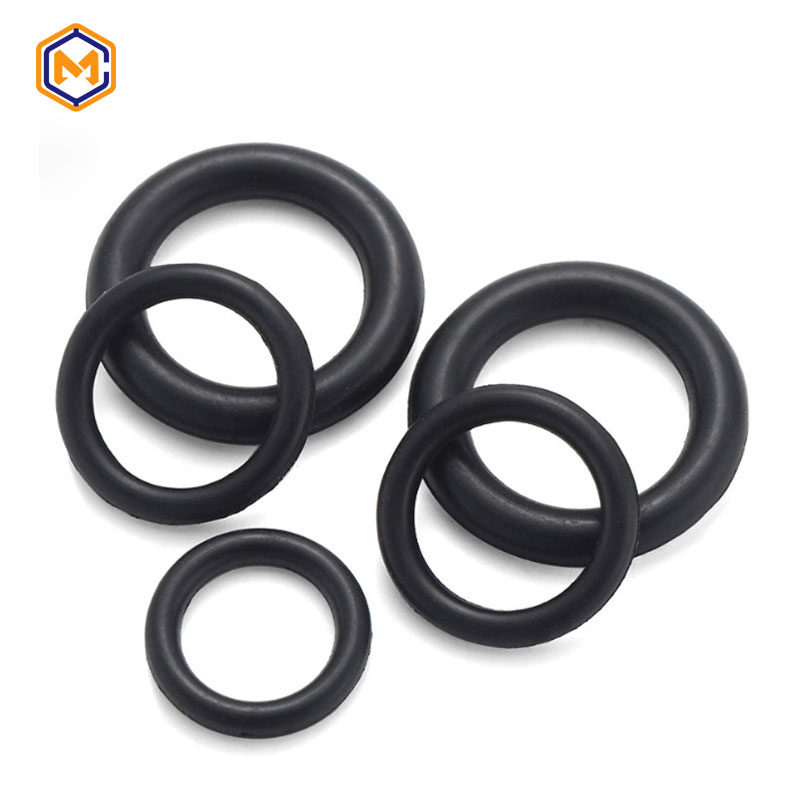
Customization Process for Industrial Rubber Components in Hard Rooftop Tents
Suzhou Baoshida Trading Co., Ltd. implements a rigorously structured customization workflow to engineer rubber solutions for hard rooftop tents, ensuring optimal performance under extreme environmental stress. Our process begins with Drawing Analysis, where our engineering team conducts a comprehensive review of client-provided CAD models and technical specifications. We assess critical factors including load distribution, dynamic flex requirements, UV exposure zones, and thermal expansion coefficients. Finite element analysis (FEA) validates structural integrity under simulated conditions such as 150 km/h wind loads and -40°C to +120°C temperature cycles. Material thickness tolerances are cross-referenced against ISO 2768-mK standards to prevent assembly failures. This phase concludes with a formal deviation report addressing geometric conflicts or material feasibility gaps.
Following approval, Formulation Development commences in our ISO 17025-accredited laboratory. We prioritize elastomer selection based on the tent’s operational profile: high-abrasion zones demand reinforced TPE blends, while sealing interfaces require low-compression-set EPDM. Our proprietary database of 1,200+ rubber compounds informs initial formulations, which are refined through iterative testing of key parameters. Critical adjustments include optimizing silica filler dispersion for ice-adhesion resistance and incorporating UV stabilizers at 2.5–3.5 phr concentrations to prevent surface cracking. All formulations undergo accelerated aging per ASTM D573 before advancing to prototyping.
Prototyping leverages dual-stage validation. First, CNC-machined molds produce 10–15 sample units for dimensional verification via CMM (Coordinate Measuring Machine) against GD&T callouts. Second, functional testing occurs in our environmental chamber: samples endure 500-hour QUV exposure, 10,000-cycle compression fatigue tests, and salt spray corrosion trials (ASTM B117). Performance metrics are benchmarked against client thresholds; deviations trigger formulation recalibration. Only upon achieving ≤0.15mm warpage and 95% retention of tensile strength do parts receive mass production clearance.
Mass Production integrates real-time quality governance. Automated mixing systems maintain batch consistency with ±0.5% compound weight variance, while in-line spectrometers monitor cure state via dielectric analysis. Every 500th unit undergoes destructive testing per ISO 37 for tensile properties and ISO 815 for compression set. Statistical Process Control (SPC) charts track critical dimensions, with automatic press shutdown if CpK falls below 1.67. Final inspection includes 100% visual checks for surface defects and batch-level ozone resistance validation. This closed-loop system ensures zero-defect delivery for OEM partners.
Key elastomer specifications for rooftop tent applications are summarized below:
| Material | Tensile Strength (MPa) | Elongation at Break (%) | Hardness (Shore A) | Temperature Range (°C) | Key Application |
|---|---|---|---|---|---|
| Standard EPDM | 10.5–12.0 | 350–400 | 65–70 | -50 to +150 | Weatherstripping seals |
| Custom TPE Blend | 14.0–16.5 | 550–650 | 80–85 | -45 to +130 | Hinge pivot bushings |
| Reinforced Silicone | 8.0–9.5 | 450–500 | 55–60 | -60 to +200 | Transparent window gaskets |
This methodology guarantees rubber components that withstand 15,000+ deployment cycles while maintaining sealing integrity, directly supporting OEMs in achieving 10-year product lifespans. Suzhou Baoshida’s integration of material science and precision manufacturing eliminates field failure risks inherent in generic solutions.
Contact Engineering Team
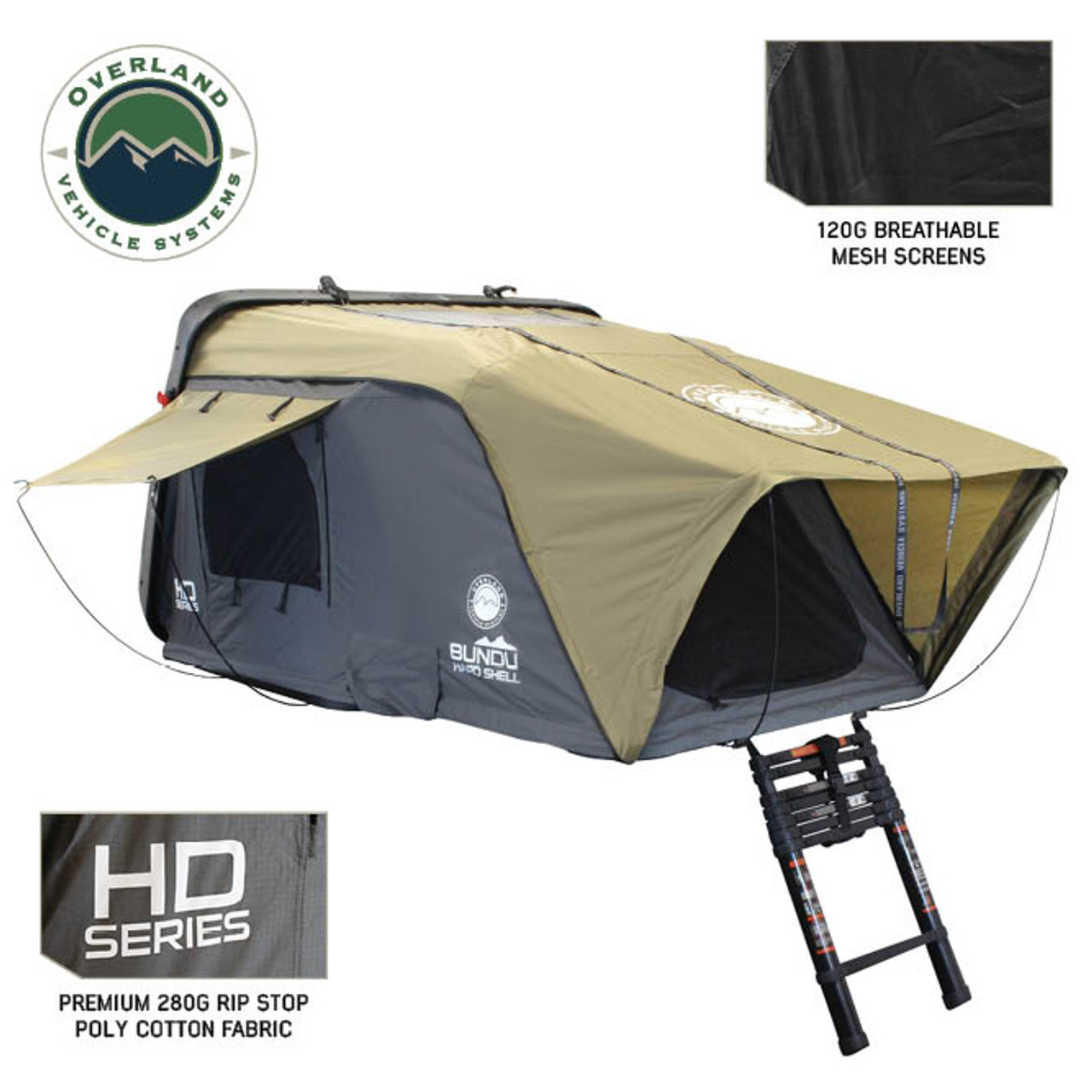
For manufacturers and OEMs engaged in the design and production of hard rooftop tents, selecting the right industrial rubber components is critical to ensuring long-term durability, weather resistance, and structural integrity. At Suzhou Baoshida Trading Co., Ltd., we specialize in high-performance rubber solutions engineered specifically for demanding outdoor applications. Our expertise spans sealing systems, vibration dampers, weatherstripping, and custom-molded elastomeric parts that meet the rigorous environmental and mechanical requirements of modern rooftop shelter systems.
Hard rooftop tents are subjected to extreme temperature fluctuations, UV exposure, moisture ingress, and dynamic stress during deployment and travel. Standard rubber materials often degrade prematurely under these conditions, leading to leaks, seal failure, and compromised user safety. Our formulations—based on EPDM, silicone, and specialty fluoroelastomers—are designed to withstand over 10,000 cycles of compression, maintain elasticity from -40°C to +150°C, and resist ozone, salt spray, and prolonged UV radiation. These properties are essential for maintaining airtight enclosures, smooth mechanical operation, and long service life in expedition-grade vehicles.
We work directly with OEM engineering teams to co-develop rubber components tailored to your tent’s hinge mechanisms, locking interfaces, roof panel joints, and hydraulic or pneumatic actuation systems. Our in-house R&D facility allows rapid prototyping, material testing, and DFM optimization to accelerate time-to-market. All compounds are compliant with REACH, RoHS, and ISO 1817 standards, and we support full traceability through batch-controlled manufacturing.
The following table outlines key rubber material options and their performance characteristics relevant to hard rooftop tent applications:
| Material | Hardness (Shore A) | Temp Range (°C) | UV Resistance | Compression Set (%) | Typical Application |
|---|---|---|---|---|---|
| EPDM 70 | 70 ± 5 | -50 to +130 | Excellent | ≤20 @ 70°C, 22h | Roof seals, weatherstripping |
| Silicone 60 | 60 ± 5 | -40 to +150 | Excellent | ≤25 @ 150°C, 70h | Window gaskets, transparent panel seals |
| NBR/PVC Blend 80 | 80 ± 5 | -30 to +100 | Moderate | ≤22 @ 70°C, 22h | Hinge boots, mechanical covers |
| FKM 75 | 75 ± 5 | -20 to +200 | Outstanding | ≤15 @ 200°C, 70h | High-stress actuator seals |
Partnering with Suzhou Baoshida means access to precision rubber engineering backed by decades of industrial application experience. We support low to high-volume production runs with consistent quality, on-time delivery, and technical documentation including material certifications, PPAP files, and 3D print-compatible tooling designs.
To discuss your next-generation hard rooftop tent project, contact Mr. Boyce directly at [email protected]. Include your technical specifications, annual volume requirements, and target launch timeline to initiate a detailed engineering consultation. Let us help you build smarter, longer-lasting outdoor mobility solutions with advanced rubber technology.
⚖️ O-Ring Weight Calculator
Estimate rubber O-ring weight (Approx).