
Technical Contents
Engineering Guide: Hard Tents
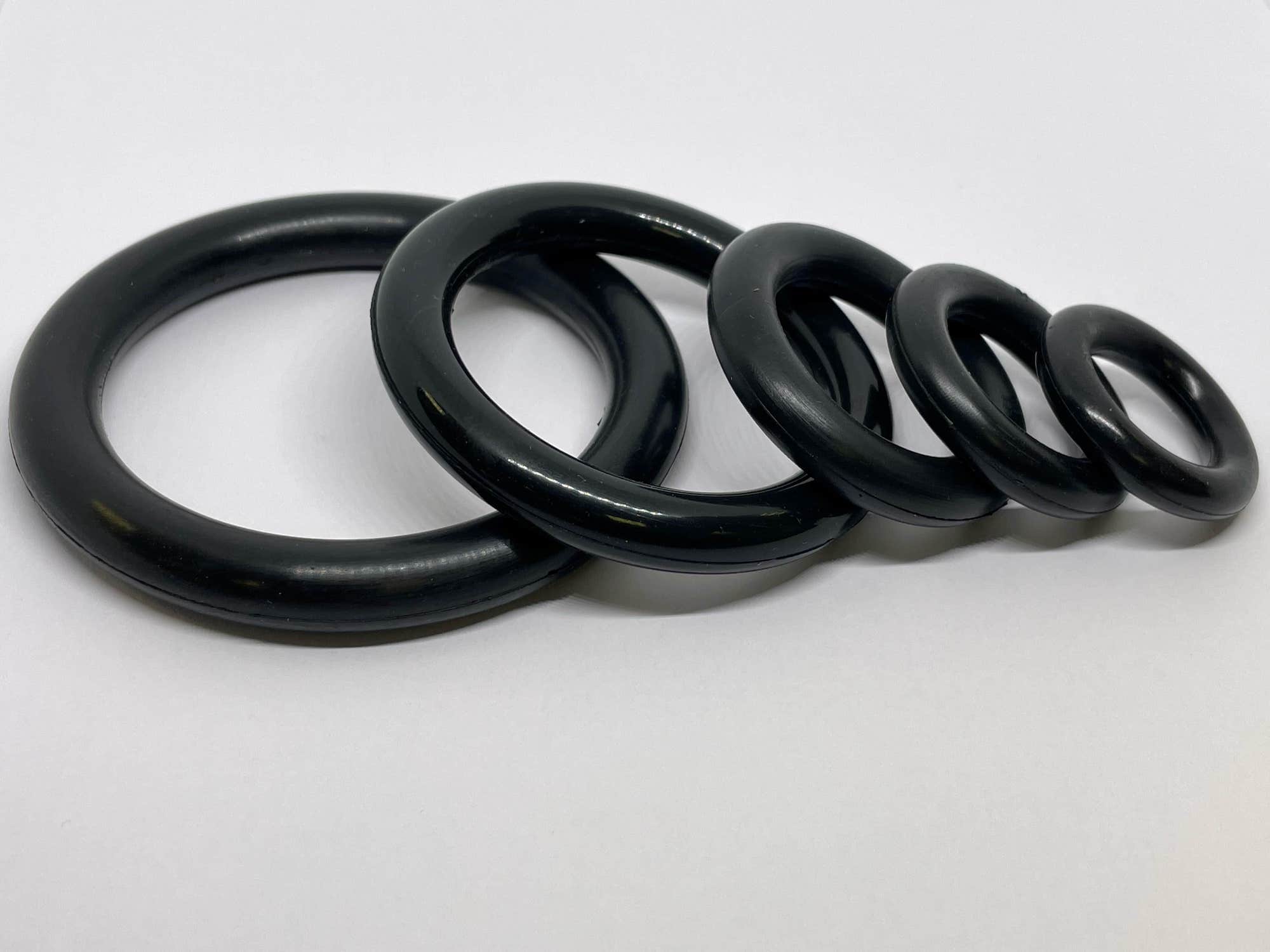
Engineering Insight: Material Selection for Hard Tent Applications
Field observations consistently demonstrate that off-the-shelf rubber compounds fail prematurely in hard tent structures under operational stress. These failures manifest as catastrophic cracking at stress points, loss of seal integrity, and accelerated degradation from environmental exposure. Generic formulations lack the tailored polymer architecture necessary to withstand the unique combination of thermal cycling, UV radiation, ozone concentration, and mechanical fatigue inherent in temporary rigid shelters. Standard commercial rubbers prioritize cost over performance, omitting critical stabilizer packages and polymer backbone modifications required for sustained structural resilience.
The core issue lies in insufficient molecular stability. Off-the-shelf ethylene propylene diene monomer (EPDM) or silicone compounds often utilize low-purity monomers and inadequate antioxidant systems. When exposed to diurnal temperature swings exceeding 60°C and continuous UV flux, unmodified polymer chains undergo chain scission and crosslink density reduction. This results in embrittlement within 12–18 months—well below the 5-year minimum service life demanded by military and disaster response OEMs. Compression set failure is equally critical; standard compounds exhibit >35% permanent deformation after 1,000 hours at 70°C, compromising gasket sealing force and enabling moisture ingress.
Suzhou Baoshida addresses these deficiencies through precision-engineered formulations. Our OEM-grade compounds incorporate high-vinyl norbornene terpolymers with custom-synthesized hindered amine light stabilizers (HALS) and triazine-based UV absorbers. This molecular design maintains crosslink integrity during thermal aging while resisting ozone attack down to 50 ppm. The following table quantifies performance differentials against industry-standard alternatives:
| Property | Standard Off-the-Shelf EPDM | Baoshida OEM-Engineered Compound | Test Standard |
|---|---|---|---|
| Tensile Retention after 1,000h @ 100°C | 65% | 95% | ASTM D573 |
| Compression Set (22h @ 70°C) | 38% | 18% | ASTM D395 |
| Ozone Resistance (100 ppm, 40°C) | Severe cracking (24h) | No cracks (168h) | ASTM D1149 |
| Shore A Hardness Change (Δ) | +12 | +3 | ASTM D2240 |
These specifications translate directly to operational reliability. Our compound’s 18% compression set ensures consistent sealing force retention across 5,000+ deployment cycles, while superior UV stability prevents surface chalking that compromises reflectivity and thermal management. Crucially, the narrow hardness deviation (+3 Shore A) maintains dimensional stability in hinge and latch mechanisms—eliminating the binding failures common with generic materials.
OEM partnerships succeed only when material science aligns with application physics. Baoshida’s formulation process begins with finite element analysis of stress distribution in tent frame joints, followed by accelerated aging protocols replicating 7 years of field exposure in 90 days. This eliminates the guesswork of off-the-shelf solutions, delivering compounds where every additive serves a validated engineering purpose. For hard tents operating in extreme environments, material selection isn’t a cost line—it’s the foundation of mission continuity.
Material Specifications
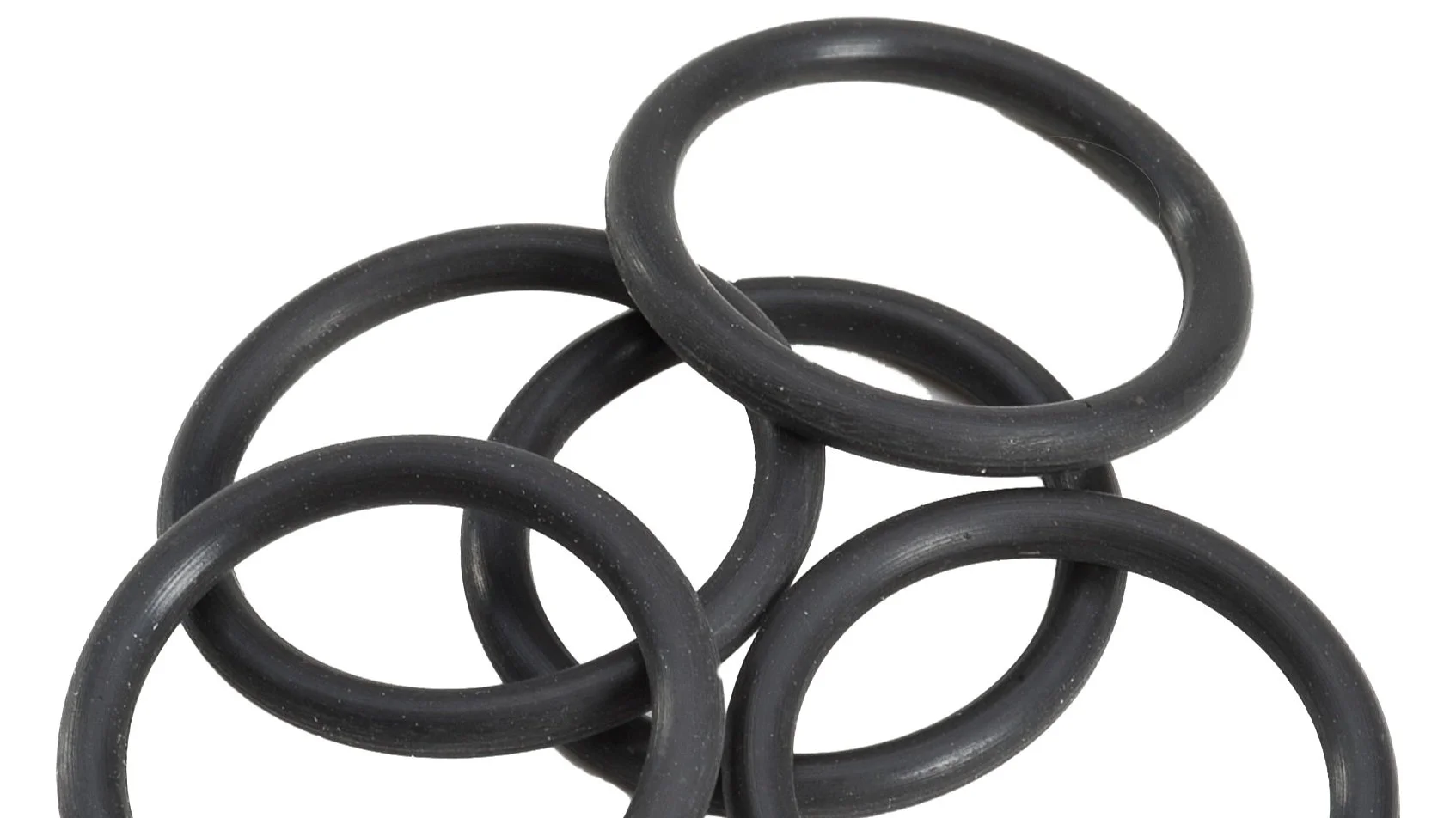
Material selection is a critical determinant in the performance, durability, and application suitability of hard tents used in industrial environments. At Suzhou Baoshida Trading Co., Ltd., we specialize in engineered rubber solutions that meet the rigorous demands of aerospace, automotive, chemical processing, and heavy machinery sectors. Our expertise in high-performance elastomers ensures that hard tent components—such as seals, gaskets, and protective enclosures—deliver optimal resistance to temperature extremes, chemical exposure, and mechanical stress. The three primary elastomers utilized in these applications are Viton (FKM), Nitrile (NBR), and Silicone (VMQ), each offering distinct advantages depending on operational conditions.
Viton is a fluorocarbon-based rubber renowned for its exceptional thermal stability and resistance to a broad spectrum of chemicals, including hydrocarbons, acids, and fuels. With continuous service capabilities up to 230°C and intermittent peaks reaching 260°C, Viton is ideal for high-temperature sealing applications in aggressive chemical environments. Its low gas permeability and excellent aging characteristics make it a preferred choice for critical aerospace and oilfield equipment where failure is not an option. However, Viton exhibits lower flexibility at sub-ambient temperatures and is generally more expensive than alternative elastomers.
Nitrile rubber, or Buna-N, is a cost-effective solution for applications involving oil, fuel, and hydraulic fluid exposure. It offers good abrasion resistance and tensile strength, with operational temperatures typically ranging from -30°C to 120°C. Nitrile is widely used in automotive and industrial hydraulic systems due to its reliable performance in oil-rich environments. While it lacks the thermal and chemical resistance of Viton, its balance of physical properties and affordability makes it a practical selection for general-purpose hard tent components exposed to petroleum-based media.
Silicone rubber provides outstanding flexibility across extreme temperatures, functioning effectively from -60°C to 200°C, with some formulations tolerating brief excursions to 230°C. It exhibits excellent resistance to ozone, UV radiation, and weathering, making it suitable for outdoor or elevated-temperature environments. Silicone is also valued for its electrical insulation properties and low toxicity, often used in food-grade or medical-adjacent applications. However, it has relatively poor resistance to petroleum-based fluids and lower mechanical strength compared to Viton and Nitrile.
The following table summarizes key performance characteristics of these materials to guide selection for hard tent manufacturing:
| Property | Viton (FKM) | Nitrile (NBR) | Silicone (VMQ) |
|---|---|---|---|
| Temperature Range (°C) | -20 to 230 | -30 to 120 | -60 to 200 |
| Tensile Strength (MPa) | 15–20 | 10–20 | 5–8 |
| Elongation at Break (%) | 200–300 | 250–400 | 200–600 |
| Hardness (Shore A) | 60–90 | 50–90 | 30–80 |
| Fluid Resistance (Oil/Fuel) | Excellent | Excellent | Poor |
| Chemical Resistance | Excellent | Moderate | Good (ozone/UV) |
| Compression Set Resistance | Excellent | Good | Good |
| Electrical Insulation | Moderate | Moderate | Excellent |
Selecting the appropriate elastomer requires a comprehensive evaluation of environmental exposure, mechanical loading, and lifecycle expectations. Suzhou Baoshida Trading Co., Ltd. provides technical consultation and customized material testing to ensure optimal performance in your hard tent applications.
Manufacturing Capabilities
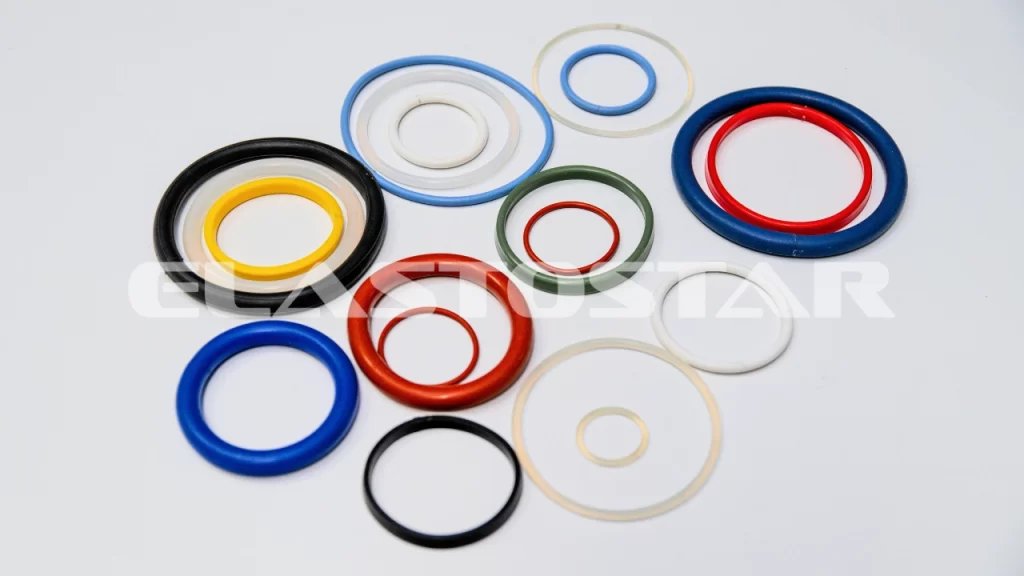
Engineering Capability: Precision Rubber Solutions for Hard Tent Applications
Suzhou Baoshida Trading Co., Ltd. leverages a dedicated team of seven specialized engineers to deliver mission-critical rubber components for industrial hard tent systems. Our core strength lies in the strategic integration of five Mold Engineers and two Formula Engineers, ensuring seamless synergy between material science and manufacturing precision. Mold Engineers optimize cavity design, runner systems, and thermal management for complex geometries inherent in hard tent structural seals, hinges, and weatherproofing elements. Concurrently, Formula Engineers develop proprietary rubber compounds tailored to extreme environmental stressors—UV exposure, temperature fluctuations, and mechanical fatigue—common in temporary shelters. This dual-expertise model eliminates siloed development, accelerating time-to-market while guaranteeing material-performance alignment with OEM specifications.
Our OEM workflow begins with collaborative CAD analysis to identify stress points and sealing requirements unique to hard tent frameworks. Mold Engineers then execute 3D mold flow simulations to predict material behavior during vulcanization, adjusting gate locations and cooling channels to prevent warpage in large-format parts. Simultaneously, Formula Engineers formulate compounds balancing Shore A hardness (50–90 range), tensile strength (12–25 MPa), and low-temperature flexibility down to -50°C. Critical to hard tent reliability, we prioritize compression set resistance below 25% after 70 hours at 100°C—ensuring gaskets maintain sealing integrity through repeated deployment cycles. All compounds undergo rigorous ASTM D2000 validation for ozone, fluid resistance, and thermal aging before prototyping.
Material performance is systematically quantified through standardized testing protocols. The table below summarizes key properties of our primary rubber formulations for hard tent applications:
| Compound Type | Hardness (Shore A) | Tensile Strength (MPa) | Temperature Range (°C) | Compression Set (70h/100°C) | Key Application Focus |
|---|---|---|---|---|---|
| Custom EPDM | 60–80 | 18–22 | -50 to +150 | ≤20% | Weatherproof seals, UV resistance |
| High-Silicone | 50–70 | 12–15 | -60 to +230 | ≤15% | Extreme cold/hot zone joints |
| Reinforced NBR | 70–90 | 20–25 | -30 to +120 | ≤25% | Fuel/oil-resistant structural mounts |
Quality assurance is embedded at every phase through in-house SGS-certified testing. Dimensional accuracy is maintained within ±0.15mm tolerance via real-time cavity pressure monitoring during molding, while material consistency is verified through batch-specific rheometry and FTIR spectroscopy. Our engineers provide full documentation—from material traceability certificates to mold validation reports—ensuring compliance with ISO 9001 and OEM-specific quality frameworks. This end-to-end technical ownership enables Suzhou Baoshida to solve complex challenges in hard tent durability, such as preventing gasket extrusion under wind load or maintaining seal resilience after 500+ deployment cycles. Partner with us for rubber solutions engineered to perform where temporary structures demand permanent reliability.
Customization Process
Drawing Analysis: Precision Engineering at the Foundation
The customization process for industrial rubber components used in hard tent applications begins with rigorous drawing analysis. At Suzhou Baoshida Trading Co., Ltd., engineering teams conduct a comprehensive review of client-provided technical drawings, focusing on dimensional tolerances, geometric complexity, and functional requirements. This stage involves cross-referencing design specifications with material behavior under operational stress, including UV exposure, temperature fluctuations, and mechanical loading typical in outdoor deployment. Critical features such as sealing surfaces, attachment points, and flex zones are evaluated for manufacturability and long-term performance. Any discrepancies or potential failure points are flagged for collaborative redesign, ensuring alignment between design intent and production feasibility.
Rubber Formulation: Tailoring Material Properties
Following drawing validation, the formulation phase determines the optimal rubber compound to meet performance demands. Hard tents require materials with high tensile strength, ozone and UV resistance, and stable mechanical properties across a broad temperature range (typically -40°C to +120°C). Suzhou Baoshida leverages proprietary compound libraries based on EPDM, silicone, and chloroprene rubber systems, selecting base polymers according to environmental exposure and regulatory standards. Additives such as reinforcing fillers, anti-degradants, and flame retardants are precisely metered to achieve target hardness (Shore A 50–80), elongation at break (>250%), and compression set resistance (<30% at 70°C for 24 hours). Each formulation is documented under strict quality control protocols, ensuring batch-to-batch consistency and traceability.
Prototyping: Validating Design and Material Synergy
A functional prototype is produced using precision molding techniques—either compression, transfer, or injection molding—depending on part geometry and volume requirements. Prototypes undergo a battery of performance tests, including accelerated aging, tensile testing, and fit-checks with mating components in simulated field conditions. This phase serves as a critical validation checkpoint, confirming that the rubber part maintains structural integrity and sealing performance under dynamic stress. Feedback from prototype testing informs final adjustments to both the compound and mold design, minimizing risk prior to full-scale production.
Mass Production: Scalable Quality Assurance
Upon client approval of the prototype, the project transitions to mass production. Suzhou Baoshida employs automated rubber processing lines with in-line monitoring systems to maintain dimensional accuracy and material consistency. Each production batch is subject to statistical process control (SPC), with periodic sampling for full ASTM D412 and D2000 compliance testing. Logistics are coordinated for just-in-time delivery, supporting OEM assembly schedules without compromising quality.
| Property | Test Standard | Typical Value |
|---|---|---|
| Hardness (Shore A) | ASTM D2240 | 60–75 |
| Tensile Strength | ASTM D412 | ≥12 MPa |
| Elongation at Break | ASTM D412 | ≥280% |
| Compression Set (70°C, 24h) | ASTM D395 | ≤25% |
| Operating Temperature | — | -40°C to +120°C |
Contact Engineering Team
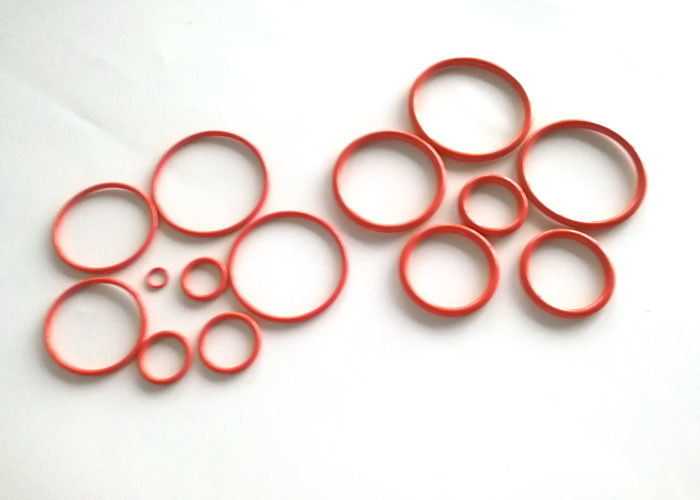
Contact Suzhou Baoshida for Precision Rubber Solutions in Hard Tent Manufacturing
Suzhou Baoshida Trading Co., Ltd. stands at the forefront of industrial rubber compounding and OEM manufacturing, delivering engineered elastomeric components critical to the structural integrity and longevity of hard tent systems. With over 15 years of specialized expertise in high-performance rubber formulations, we address the unique challenges inherent in temporary rigid shelters—extreme weather exposure, cyclic compression fatigue, and stringent dimensional stability requirements. Our ISO 9001-certified processes ensure every seal, gasket, and structural joint meets exacting aerospace, military, and industrial specifications. Unlike generic suppliers, we develop custom polymer matrices tailored to your hard tent’s operational environment, optimizing resistance to UV degradation, ozone cracking, and thermal cycling from -50°C to +150°C. This precision engineering directly translates to reduced field failures, extended service life, and compliance with MIL-STD-810G or ISO 12236 standards for deployable shelters.
Material science is non-negotiable in hard tent applications where millimeter-level tolerances dictate performance. Our proprietary EPDM and silicone compounds undergo rigorous validation through dynamic mechanical analysis (DMA) and accelerated aging protocols, ensuring consistent compression set retention below 25% after 1,000 hours at 70°C. The table below outlines key performance benchmarks achievable through our formulation protocols:
| Parameter | Test Standard | Typical Value | Application Relevance |
|---|---|---|---|
| Tensile Strength | ASTM D412 | 18–22 MPa | Resists tearing during deployment |
| Compression Set (22h/70°C) | ASTM D395 | ≤ 18% | Maintains seal integrity over time |
| Hardness (Shore A) | ASTM D2240 | 60 ± 5 | Balances flexibility & load bearing |
| Temperature Range | ISO 188 | -50°C to +150°C | Survives arctic to desert extremes |
| Flame Resistance | UL 94 | HB/V-0 | Meets safety mandates for enclosed |
These specifications are not theoretical ideals but baseline outputs from our pilot production runs, validated through third-party laboratories. We collaborate closely with OEM design teams during the DFM phase to mitigate material-related risks early—such as optimizing durometer gradients for hinge points or integrating conductive fillers for EMI shielding in command tents. Our vertical integration, spanning raw material sourcing to vulcanization and metrology, guarantees lot-to-lot consistency essential for global supply chains.
Initiate your hard tent project with Suzhou Baoshida’s engineering team to transform material constraints into competitive advantages. Mr. Boyce, our Lead Rubber Formulation Engineer and OEM Program Manager, possesses 12 years of hands-on experience solving complex elastomer challenges for defense and infrastructure clients. He will conduct a technical deep dive into your application’s stress points, environmental profiles, and lifecycle expectations to architect a compound solution—not merely supply a commodity. Contact Mr. Boyce directly at [email protected] to schedule an engineer-to-engineer consultation. Include your target specifications, production volume, and critical failure modes for a rapid feasibility assessment. Suzhou Baoshida operates under strict NDA protocols and delivers prototype validation within 15 business days, accelerating your time-to-market without compromising on the molecular precision that defines mission-critical rubber components. Partner with us to ensure your hard tents perform when reliability is non-negotiable.
⚖️ O-Ring Weight Calculator
Estimate rubber O-ring weight (Approx).