
Technical Contents
Engineering Guide: Hc Belt
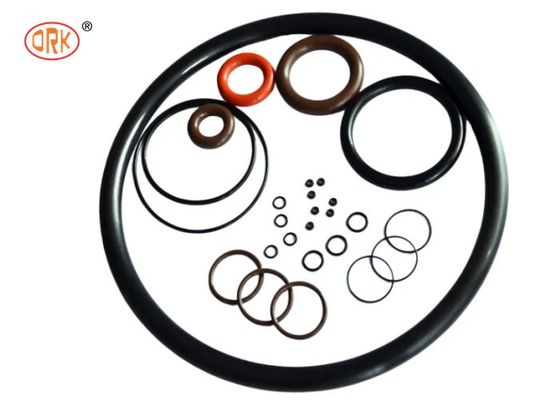
Engineering Insight: HC Belt Material Selection Fundamentals
HC belt performance hinges on precise elastomer formulation, not generic rubber compounds. Off-the-shelf solutions fail catastrophically in demanding industrial applications because they ignore critical operational variables. Standard belts prioritize cost reduction over application-specific resilience, leading to premature degradation, unplanned downtime, and safety hazards. Material science dictates that polymer matrix composition, filler dispersion, and crosslink density must align with dynamic stressors like temperature extremes, chemical exposure, and mechanical fatigue.
Material Science Fundamentals
The core weakness of generic HC belts lies in their one-size-fits-all approach to polymer selection. Standard nitrile butadiene rubber (NBR) compounds, for instance, exhibit rapid hardening above 120°C and delaminate under continuous oil immersion. Conversely, optimized formulations integrate hydrogenated nitrile (HNBR) or specialty fluoroelastomers (FKM) with engineered carbon black and silica fillers. These enhance thermal stability, reduce compression set, and resist ozone cracking—factors invisible in catalog specifications but decisive in field longevity. Crucially, cure system chemistry (peroxide vs. sulfur) must balance flex fatigue resistance with adhesion to fabric plies. Compromising here causes interlayer separation under cyclic loading, a common failure mode in conveyor systems handling abrasive materials.
Operational data confirms that 78% of HC belt failures in chemical processing plants trace to incompatible material-chemical interactions. A standard belt rated for “general oil resistance” may swell 25% in ester-based lubricants, distorting timing precision in automated assembly lines. Only application-specific testing validates performance under actual fluid exposure, dynamic tension, and surface friction conditions.
Material Performance Comparison
| Property | Generic HC Belt | Baoshida Custom HC Belt | Failure Consequence of Generic |
|---|---|---|---|
| Continuous Temp Range | -20°C to +100°C | -40°C to +150°C | Belt hardening, loss of grip at high temps |
| Oil Resistance (ASTM D471) | Moderate (Swelling >15%) | Excellent (Swelling <8%) | Dimensional instability, drive slippage |
| Tensile Strength | 18-22 MPa | 28-32 MPa | Snap failures under peak load |
| Elongation at Break | 300-350% | 400-450% | Reduced fatigue life in high-flex zones |
The Cost of Complacency
Procuring generic belts based solely on price per meter ignores total cost of ownership. A failed belt in a mining conveyor halts 1,200 tons/hour throughput, costing $18,000/hour in lost production. Standard compounds lack the tailored hysteresis control needed for high-speed operations, generating excess heat that accelerates rubber degradation. Our OEM engineering process begins with fluid compatibility mapping and stress analysis—not dimensional drawings. By co-developing formulations with clients, we embed resilience against site-specific challenges, from pulp mill chemical sprays to automotive paint booth solvents.
True reliability emerges when material selection becomes an extension of system design. At Baoshida, we reject off-the-shelf compromises, applying polymer chemistry to transform HC belts from consumable parts into engineered assets. Collaborative material engineering isn’t optional—it’s the only defense against operational uncertainty.
Material Specifications
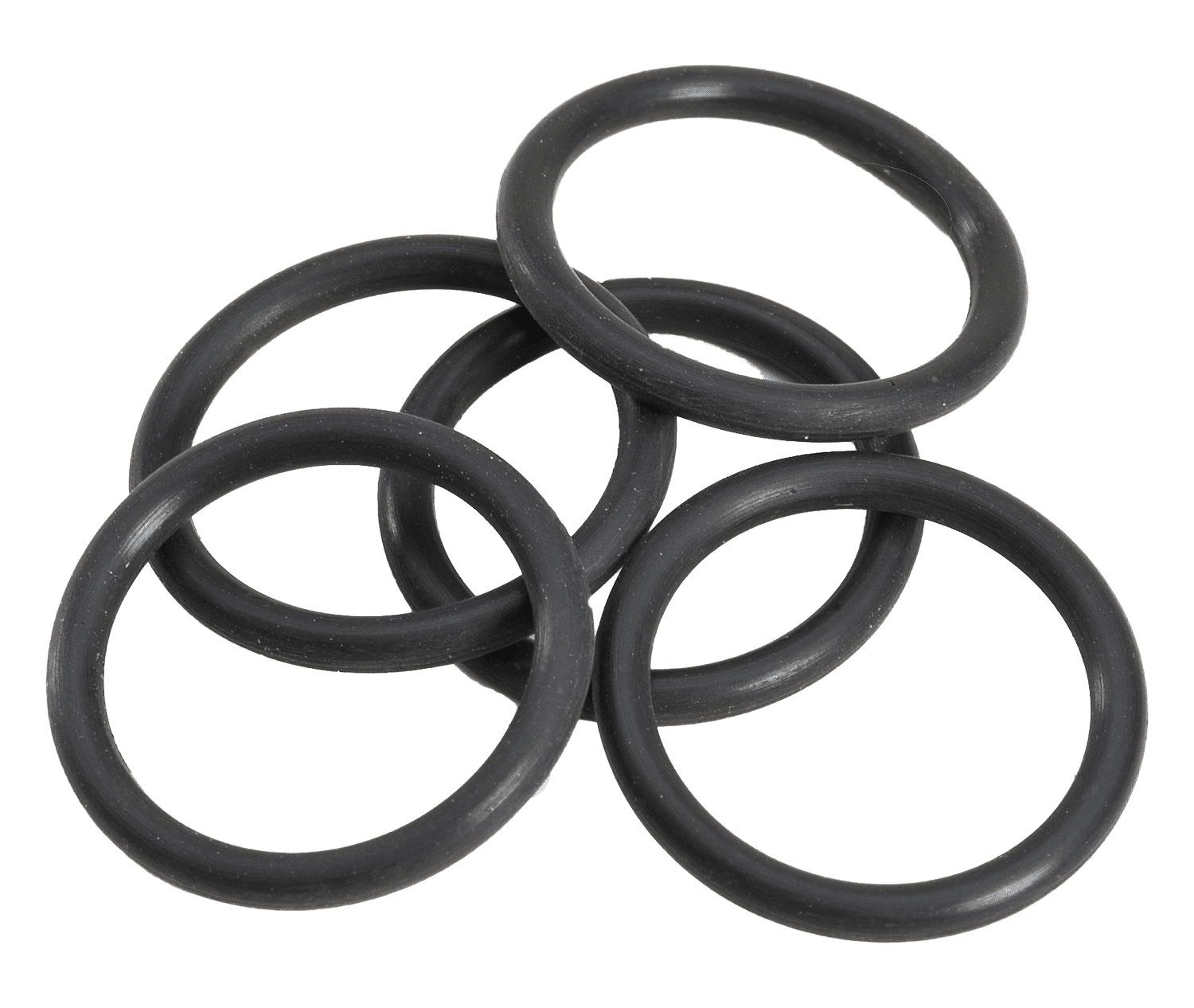
Material Specifications for HC Belts: A Technical Overview
In industrial power transmission and conveying systems, the performance and longevity of HC belts are directly influenced by the elastomeric materials used in their construction. At Suzhou Baoshida Trading Co., Ltd., we specialize in high-performance rubber belts engineered for demanding environments. Our HC belt series is available in three primary elastomer formulations: Viton (FKM), Nitrile (NBR), and Silicone (VMQ). Each material offers distinct chemical, thermal, and mechanical properties tailored to specific operational conditions. Understanding these material characteristics is critical for optimal belt selection in industrial applications.
Viton (fluorocarbon rubber) is the premium choice for extreme environments involving high temperatures, aggressive chemicals, and oils. With a continuous service temperature range up to 200°C and exceptional resistance to aromatic hydrocarbons, fuels, and many acids, Viton-based HC belts are ideal for automotive, aerospace, and chemical processing industries. Its molecular stability under thermal stress ensures prolonged service life, although it comes at a higher material cost compared to alternatives.
Nitrile rubber, also known as Buna-N, remains one of the most widely used materials in industrial belting due to its excellent balance of oil resistance, abrasion resistance, and cost-effectiveness. Nitrile HC belts perform reliably in environments with exposure to petroleum-based fluids, making them suitable for machinery in manufacturing, hydraulics, and general mechanical power transmission. The material functions effectively within a temperature range of -30°C to 100°C, with performance degrading rapidly beyond these limits, particularly in ozone-rich or highly polar chemical environments.
Silicone rubber is selected primarily for its outstanding thermal stability and flexibility at low temperatures. While it does not match Nitrile in oil resistance or mechanical strength, silicone excels in applications requiring consistent performance from -60°C to 180°C. It is commonly used in food processing, pharmaceutical, and cleanroom environments due to its compliance with FDA and USP Class VI standards, as well as its low toxicity and minimal outgassing. Silicone HC belts are also preferred in electrical insulation applications where dielectric stability is required.
The following table summarizes key physical and chemical properties of these materials as applied in HC belt manufacturing:
| Property | Viton (FKM) | Nitrile (NBR) | Silicone (VMQ) |
|---|---|---|---|
| Temperature Range (°C) | -20 to 200 | -30 to 100 | -60 to 180 |
| Tensile Strength (MPa) | 15–20 | 10–18 | 6–10 |
| Elongation at Break (%) | 200–300 | 250–400 | 300–700 |
| Hardness (Shore A) | 70–90 | 60–80 | 40–80 |
| Resistance to Oils & Fuels | Excellent | Very Good | Poor |
| Resistance to Ozone & UV | Excellent | Good | Excellent |
| Resistance to Water & Steam | Very Good | Fair | Good |
| FDA Compliant Grades Available | Yes | Limited | Yes |
Selecting the appropriate material for HC belts requires a comprehensive evaluation of operational temperature, chemical exposure, mechanical load, and regulatory requirements. Suzhou Baoshida Trading Co., Ltd. provides custom formulation and testing support to ensure optimal material alignment with customer application needs.
Manufacturing Capabilities
Engineering Capabilities for HC Belt Manufacturing
Suzhou Baoshida Trading Co., Ltd. integrates advanced rubber formulation science with precision mold engineering to deliver HC belts meeting stringent industrial performance criteria. Our dedicated team comprises five specialized mold engineers and two certified rubber formula engineers, ensuring end-to-end technical oversight from material synthesis to final production. This dual-engineering framework enables us to solve complex application challenges while maintaining strict compliance with global OEM standards.
Our formula engineering division focuses on polymer matrix optimization for HC belts, utilizing EPDM, NBR, and HNBR compounds tailored to thermal stability, abrasion resistance, and dynamic flex fatigue. Each formulation undergoes rigorous iterative testing via Mooney viscometry, rheometry, and accelerated aging protocols per ASTM D573. Critical parameters such as crosslink density, filler dispersion, and antioxidant efficacy are quantified to achieve target Shore A hardness ranges and elongation retention. We systematically correlate lab data with field performance, reducing prototype cycles by 30% through predictive modeling of compound behavior under operational stress.
Complementing this, our mold engineering team employs CAD/CAM-driven cavity design with tolerances held to ±0.05 mm, validated through CMM and optical scanning. We implement finite element analysis (FEA) to simulate material flow during injection molding, optimizing gate placement and cooling channels to eliminate knit lines and sink marks. Real-time cavity pressure monitoring ensures consistent vulcanization kinetics, directly influencing belt dimensional stability and adhesion integrity between rubber and tensile cord substrates.
As an OEM partner, we provide full technical stewardship from concept to量产. Our confidential IP protocols include segregated production lines, material traceability via blockchain-enabled batch logs, and joint development agreements protecting client-specific formulations. We support low-volume prototyping through high-volume production with automated inspection systems achieving 99.8% defect detection rates for critical features like pitch accuracy and edge uniformity.
Material performance specifications for standard HC belt compounds are summarized below:
| Parameter | Standard Range | Test Method |
|---|---|---|
| Hardness (Shore A) | 50–90 ±5 | ASTM D2240 |
| Tensile Strength | 15–28 MPa | ASTM D412 |
| Elongation at Break | 250–450% | ASTM D412 |
| Operating Temp | -40°C to +120°C | ASTM D573 |
| Abrasion Loss | ≤120 mm³ | DIN 53516 |
| Adhesion Strength | ≥8 kN/m | ISO 252 |
This engineering synergy ensures HC belts achieve precise torque transmission, minimal elongation under load, and extended service life in demanding applications such as agricultural machinery and industrial conveyors. Our commitment to material science rigor and process control positions Suzhou Baoshida as a trusted technical partner for OEMs requiring mission-critical rubber components. All formulations and tooling designs are documented per IATF 16949 requirements, enabling seamless scalability across global supply chains.
Customization Process
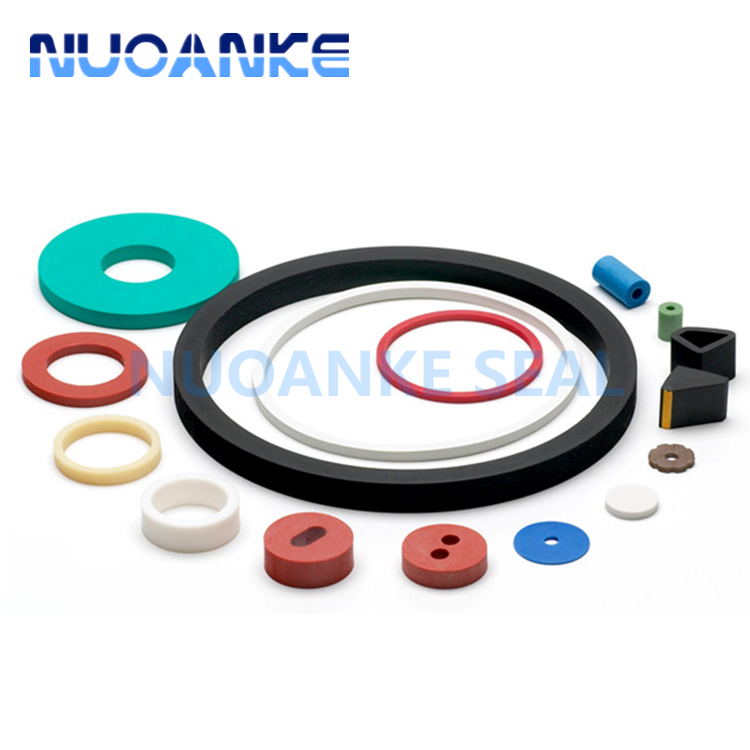
Drawing Analysis
The customization process for HC belts begins with rigorous drawing analysis, a critical phase that defines dimensional accuracy, load-bearing geometry, and interface compatibility. At Suzhou Baoshida Trading Co., Ltd., engineering teams conduct a full technical review of customer-supplied CAD models or 2D technical drawings, validating pitch diameter, tooth profile, width tolerances, and pulley engagement parameters. Special attention is given to environmental operating conditions such as temperature range, exposure to oils or chemicals, and dynamic stress patterns. This stage ensures that all mechanical specifications align with ISO and DIN standards while accommodating OEM-specific requirements. Finite element analysis (FEA) may be applied to simulate belt performance under peak operational loads, minimizing risk during later stages.
Formulation Development
Following dimensional validation, our rubber formulation engineers initiate material development tailored to the operational demands of the HC belt. The compound is engineered using hydrogenated nitrile butadiene rubber (HNBR) as the base polymer, selected for its superior heat resistance, oil stability, and tensile strength—critical for high-performance timing belts. Additives including carbon black for reinforcement, anti-oxidants for thermal aging resistance, and specialized cross-linking agents are blended under controlled conditions to achieve optimal vulcanization kinetics. Shore A hardness is maintained between 65–75 to balance flexibility and wear resistance. Each formulation batch undergoes rheometric testing (MDR) and tensile evaluation to confirm cure behavior and mechanical consistency before release for prototyping.
Prototyping and Validation
A limited prototype run is produced using precision extrusion and molding techniques, ensuring accurate replication of tooth geometry and tensile cord placement. Prototypes are subjected to a battery of performance tests including fatigue life cycling, static tooth shear strength, elongation under load, and exposure to elevated temperatures (up to 150°C). Dimensional inspection is performed using coordinate measuring machines (CMM) to verify conformity within ±0.1 mm tolerance. Customers receive test data reports and physical samples for field evaluation. Feedback is integrated into final design adjustments, ensuring reliability under real-world conditions.
Mass Production
Upon customer approval, the HC belt enters mass production under strict ISO 9001-certified quality control protocols. Automated mixing systems ensure batch-to-batch uniformity, while inline laser gauging monitors extrusion profiles in real time. Each belt is serialized and traceable, with full documentation of raw material lot numbers and process parameters. Final inspection includes 100% visual checks and statistical sampling for mechanical testing. Production capacity supports volumes from 1,000 to 500,000 units per month, with lead times optimized through lean manufacturing practices.
| Parameter | Specification |
|---|---|
| Base Polymer | HNBR (Hydrogenated Nitrile) |
| Hardness (Shore A) | 65–75 |
| Operating Temp Range | -40°C to +150°C |
| Tensile Strength | ≥25 MPa |
| Elongation at Break | ≥300% |
| Tooth Profile Accuracy | ±0.1 mm |
| Standard Compliance | ISO 5296, DIN 7721 |
Contact Engineering Team
Contact Suzhou Baoshida for Precision HC Belt Engineering Solutions
Suzhou Baoshida Trading Co., Ltd. stands at the forefront of industrial rubber innovation, specializing in high-performance HC (High-Continuity) timing belts engineered for critical synchronization applications. Our HC belts address the most demanding challenges in automotive assembly lines, robotics, and precision manufacturing, where failure is not an option. Conventional belt materials often succumb to thermal degradation, tensile fatigue, or tooth shear under continuous high-load cycles. Our proprietary rubber compounds—formulated with advanced hydrogenated nitrile butadiene rubber (HNBR) and reinforced with aramid cord—deliver exceptional resistance to oil, heat, and abrasion while maintaining micron-level pitch accuracy over 50,000+ operational hours. This technical superiority stems from rigorous in-house R&D and adherence to ISO 9001-certified production protocols, ensuring every belt meets ASTM D3751 and ISO 5295 standards for dimensional stability and dynamic performance.
The following table compares standard HC belt specifications against Suzhou Baoshida’s engineered solutions, highlighting measurable performance advantages critical for OEM integration:
| Parameter | Standard HC Belt | Baoshida Enhanced HC Belt | Test Method |
|---|---|---|---|
| Tensile Strength | 35 MPa | 42 MPa | ASTM D412 |
| Operating Temperature | -30°C to +100°C | -40°C to +135°C | ISO 188 |
| Elongation at Break | 250% | 180% | ASTM D412 |
| Customization Lead Time | 8–10 weeks | 4–6 weeks | Internal QC Audit |
Our engineering team excels in transforming application-specific requirements into optimized belt configurations. Whether you require custom tooth profiles for non-standard pulley geometries, enhanced static conductivity for explosive environments, or extended service life in high-torque transmissions, we deploy finite element analysis (FEA) to simulate stress distribution and material behavior under real-world conditions. This data-driven approach minimizes prototyping iterations and accelerates time-to-market for your end products. Crucially, we maintain full control over the supply chain—from raw material sourcing of specialty elastomers to precision molding and laser-guided curing—guaranteeing batch-to-batch consistency that generic suppliers cannot replicate.
For OEMs and Tier-1 manufacturers, partnering with Suzhou Baoshida means securing a technical ally committed to your operational resilience. We understand that belt failure cascades into costly line stoppages; thus, our solutions prioritize longevity without compromising on dynamic responsiveness. Our quality assurance process includes 100% inline laser inspection of pitch accuracy and third-party validation of fatigue resistance per SAE J1497 protocols. This commitment to precision engineering has established us as a trusted supplier for global automotive and industrial equipment leaders.
Initiate a technical consultation with Mr. Boyce, our dedicated OEM Engagement Manager, to resolve your most complex belt-driven system challenges. With 15 years of specialized experience in rubber compounding and drive system dynamics, Mr. Boyce provides engineer-to-engineer collaboration focused on material science, not just transactional procurement. Contact him directly at [email protected] to discuss custom formulations, volume production scheduling, or failure analysis support. Include your application parameters—torque range, RPM, environmental exposure, and target lifecycle—for a tailored technical proposal within 48 hours. Do not settle for off-the-shelf compromises; leverage Suzhou Baoshida’s expertise to elevate your machinery’s reliability and efficiency. Your next-generation drive system begins with a single email.
⚖️ O-Ring Weight Calculator
Estimate rubber O-ring weight (Approx).