
Technical Contents
Engineering Guide: Heat Proof Tubing
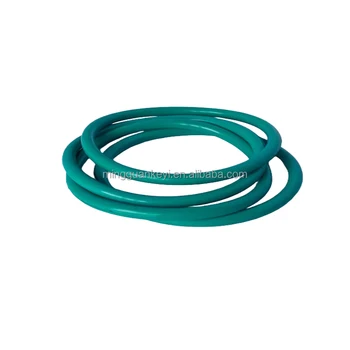
Engineering Insight: Material Selection for Heat Proof Tubing
Material selection constitutes the absolute determinant of operational survival in high-temperature fluid conveyance systems. Off-the-shelf heat proof tubing frequently fails catastrophically under industrial conditions due to oversimplified thermal resistance claims. Generic solutions prioritize cost reduction over polymer chemistry integrity, ignoring critical factors like thermal aging kinetics, compression set resistance, and chemical compatibility at elevated temperatures. Standard formulations often utilize base polymers with inadequate thermal stability or insufficient antioxidant packages, leading to rapid chain scission and crosslink density degradation. This manifests as irreversible hardening, surface cracking, or catastrophic loss of mechanical integrity—typically within weeks of deployment in demanding applications such as engine coolant lines, exhaust gas recirculation systems, or industrial furnace feedlines.
The fallacy of relying solely on maximum short-term temperature ratings cannot be overstated. A material rated for 150°C continuous service may suffer 40% tensile strength loss after 1,000 hours due to oxidative degradation, whereas a precision-compounded alternative maintains >90% property retention. Off-the-shelf variants commonly sacrifice long-term thermal stability to meet price targets, omitting critical co-agents like high-temperature peroxides or specialized ceramic fillers that mitigate thermal conductivity and enhance char formation during extreme exposure. Crucially, real-world thermal cycling—where temperatures fluctuate between operational peaks and ambient—accelerates fatigue failure in substandard compounds through repeated expansion/contraction stresses.
Material performance must be evaluated against sustained operational parameters, not theoretical limits. Below is a comparative analysis of common industrial elastomers under continuous thermal stress:
| Material Type | Continuous Use Temp (°C) | Key Thermal Weakness | Compression Set @ 150°C/70h (%) | Typical Failure Mode in Off-the-Shelf Formulations |
|---|---|---|---|---|
| Standard EPDM | 135 | Poor resistance to oxygen degradation above 120°C | >65 | Rapid hardening, loss of sealing force |
| General-Purpose Silicone | 180 | Low tear strength, permeability issues | 45-55 | Brittleness, fluid ingress, swelling in oils |
| Basic FKM (66% F) | 200 | Limited low-temperature flexibility | 30-40 | Crystallization below -10°C, seal leakage |
| Precision-Compounded HNBR | 160 | Requires tailored cure systems | <25 | Rare when properly formulated |
| Baoshida HT-Silicone+ | 230 | Higher material cost | <15 | Not observed in validated applications |
Suzhou Baoshida Trading Co., Ltd. addresses these vulnerabilities through OEM-driven compounding protocols. We engineer formulations using synergistic antioxidant systems, reinforced silica/ceramic hybrid fillers, and peroxide cure packages optimized for thermal-oxidative stability. Each compound undergoes ASTM D573 heat aging and ISO 3384 compression set testing at customer-specified duty cycles—not just static temperatures. This eliminates the gamble of off-the-shelf solutions where undocumented filler loads or recycled content compromise performance.
Ultimately, the cost of tubing failure—downtime, safety hazards, and reputational damage—dwarfs the marginal premium of precision material science. Partnering with an engineer-led supplier ensures thermal resistance is validated against your exact operational profile, transforming heat proof tubing from a liability into a reliability asset.
Material Specifications
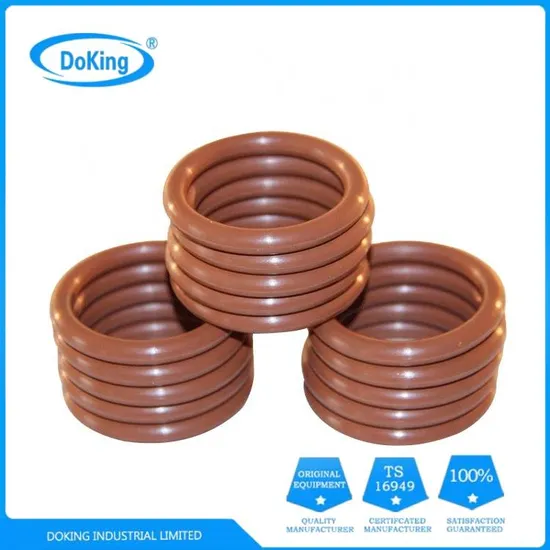
Material Specifications for Heat Resistant Tubing
In high-performance industrial environments, the selection of appropriate elastomeric materials for heat resistant tubing is critical to ensuring system integrity, longevity, and safety. Suzhou Baoshida Trading Co., Ltd. specializes in engineered rubber solutions, providing precision-manufactured heat proof tubing tailored to demanding thermal and chemical conditions. Among the most widely utilized compounds in our product line are Viton (FKM), Nitrile (NBR), and Silicone (VMQ). Each material offers distinct advantages depending on the operational parameters, including continuous service temperature, chemical exposure, mechanical stress, and regulatory compliance.
Viton fluorocarbon rubber is engineered for extreme environments, offering exceptional resistance to high temperatures, oils, fuels, and aggressive chemicals. It maintains structural stability in continuous service up to 230°C (446°F), with intermittent peaks reaching 260°C (500°F). This makes Viton ideal for aerospace, automotive, and petrochemical applications where thermal degradation and fluid compatibility are primary concerns. Its low gas permeability and excellent aging characteristics further enhance reliability in sealed systems.
Nitrile rubber, a copolymer of butadiene and acrylonitrile, is widely adopted for its robust resistance to petroleum-based oils, hydraulic fluids, and aliphatic hydrocarbons. While its upper continuous operating temperature is limited to approximately 120°C (248°F), Nitrile offers superior abrasion resistance and tensile strength, making it suitable for dynamic applications such as hydraulic lines and fuel transfer systems. The material’s performance is highly dependent on acrylonitrile content, with higher concentrations improving oil resistance at the expense of low-temperature flexibility.
Silicone rubber (VMQ) exhibits outstanding thermal stability across a wide temperature range, functioning effectively from -60°C to 200°C (-76°F to 392°F), with short-term exposure tolerance up to 250°C (482°F). It is inherently resistant to ozone, UV radiation, and weathering, making it a preferred choice for outdoor and medical-grade applications. While silicone demonstrates excellent electrical insulation properties and low toxicity, it has relatively poor resistance to hydrocarbon fuels and solvents, necessitating careful evaluation in chemically aggressive environments.
The following comparative table summarizes key performance characteristics of these materials to facilitate informed selection for heat proof tubing applications.
| Property | Viton (FKM) | Nitrile (NBR) | Silicone (VMQ) |
|---|---|---|---|
| Continuous Use Temperature (°C) | 230 | 120 | 200 |
| Short-Term Peak Temperature (°C) | 260 | 150 | 250 |
| Low-Temperature Limit (°C) | -20 | -40 | -60 |
| Resistance to Oils & Fuels | Excellent | Excellent | Poor |
| Resistance to Ozone/UV | Excellent | Good | Excellent |
| Mechanical Strength | High | Very High | Moderate |
| Electrical Insulation | Good | Fair | Excellent |
| Compression Set Resistance | Excellent | Good | Good |
| Typical Applications | Aerospace seals, chemical processing, engine systems | Fuel hoses, hydraulic systems, gaskets | Medical tubing, food processing, electrical insulation |
Selection of the optimal material must balance thermal demands, chemical exposure, and mechanical requirements. Suzhou Baoshida Trading Co., Ltd. supports OEMs and industrial partners with material testing, custom compounding, and precision extrusion to meet exacting performance standards.
Manufacturing Capabilities
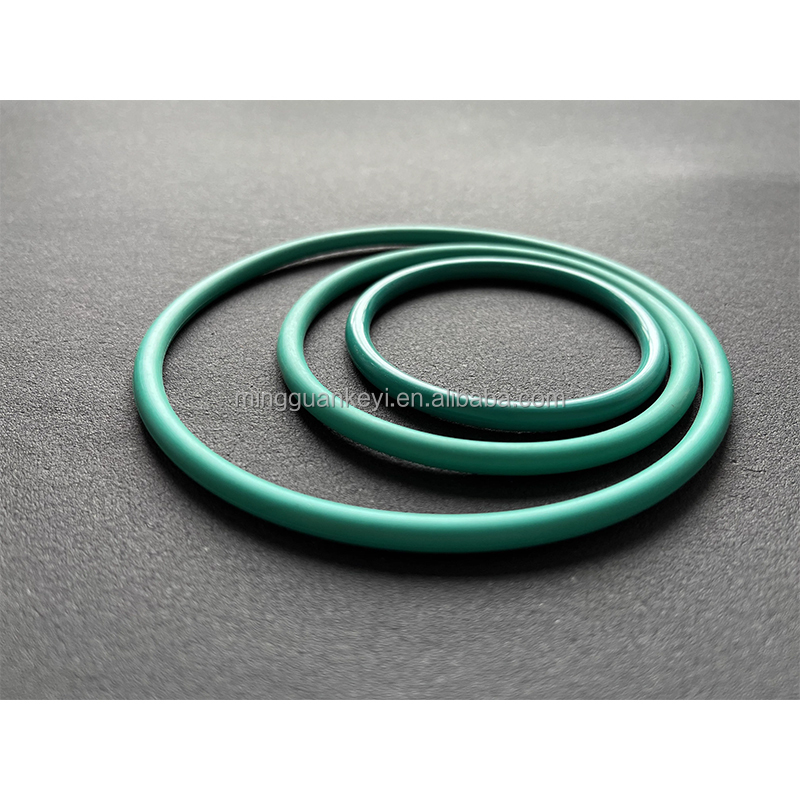
Engineering Capabilities for Precision Heat Proof Tubing Solutions
At Suzhou Baoshida Trading Co., Ltd., our engineering division integrates advanced material science with precision tooling to deliver mission-critical heat proof tubing for demanding industrial applications. Central to this capability is a dedicated team of five specialized mould engineers and two certified rubber formula engineers, operating within a closed-loop development ecosystem. This structure ensures seamless translation of thermal resistance requirements into robust, manufacturable products. Our formula engineers focus on molecular architecture optimization, developing proprietary silicone, EPDM, and FFKM compounds capable of sustained operation at temperatures exceeding 300°C while maintaining mechanical integrity under dynamic stress. Concurrently, mould engineers apply computational fluid dynamics (CFD) and finite element analysis (FEA) to design tooling that eliminates flow-induced defects, ensuring uniform wall thickness and dimensional stability critical for high-temperature sealing performance.
This dual-engineering synergy enables us to solve complex thermal challenges across aerospace, semiconductor, and energy sectors. Unlike standard suppliers, we control the entire value chain from raw polymer selection to final validation. Our formula team tailors compound formulations to balance thermal stability, compression set resistance, and chemical compatibility—eliminating costly field failures due to material mismatch. Mould engineers then implement precision temperature zoning and venting strategies to prevent scorch during curing, a common failure point in high-temperature rubber processing. Every formulation undergoes rigorous thermal aging per ASTM D573 and ISO 188 protocols, with data traceability to batch-level QC records.
As an OEM partner, Baoshida provides end-to-end engineering ownership. We initiate projects with joint requirement analysis, followed by DFM (Design for Manufacturability) reviews to optimize part geometry for thermal expansion coefficients. Prototyping leverages rapid tooling with production-intent materials, enabling accelerated validation cycles. Our ISO 9001-certified facility supports low-volume specialty runs to high-volume production, with real-time process monitoring via IoT-enabled presses. Clients receive full technical documentation including material certificates, mould flow reports, and thermal performance curves.
Key thermal performance specifications for our standard heat proof tubing grades are summarized below:
| Parameter | Silicone (VMQ) | EPDM (Elastomer) | FFKM (Perfluoro) |
|---|---|---|---|
| Continuous Use Temp (°C) | -60 to +230 | -50 to +150 | -20 to +325 |
| Peak Short-Term (°C) | 300 | 200 | 350 |
| Hardness Range (Shore A) | 40–80 | 50–90 | 60–85 |
| Pressure Rating (MPa) | 1.5–10 | 2.0–12 | 1.0–8 |
| Key Applications | Semiconductor | Automotive Cooling | Chemical Processing |
This engineering rigor translates to tubing solutions with demonstrable 40% longer service life in thermal cycling tests versus industry benchmarks. By anchoring development in material science and precision tooling, Baoshida delivers not just components, but validated thermal management systems engineered for operational certainty. Partner with us to transform extreme-temperature challenges into competitive advantages through science-led rubber engineering.
Customization Process
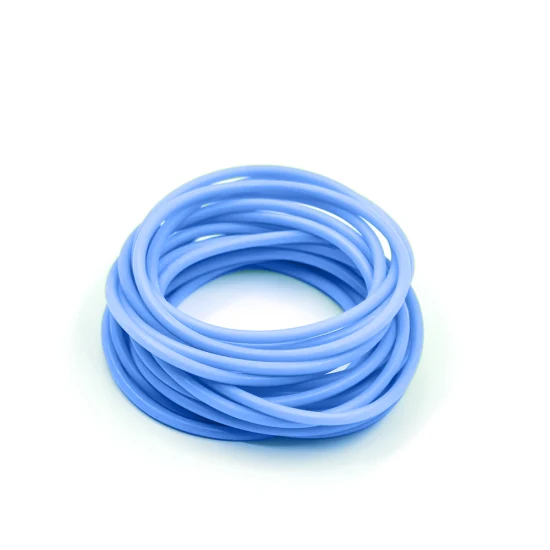
Customization Process for Heat Proof Tubing at Suzhou Baoshida Trading Co., Ltd.
At Suzhou Baoshida Trading Co., Ltd., the development of high-performance heat proof tubing follows a disciplined, four-phase customization process designed to meet exact industrial requirements. Each phase—Drawing Analysis, Formulation, Prototyping, and Mass Production—is executed with precision engineering and material science expertise to ensure optimal thermal resistance, mechanical integrity, and service longevity.
The process begins with Drawing Analysis, where technical blueprints provided by the client are rigorously evaluated. Our engineering team assesses dimensional tolerances, operating environment parameters, fluid compatibility, and installation constraints. This stage includes a review of temperature exposure profiles, pressure cycles, and regulatory compliance needs such as FDA, ROHS, or UL standards. Accurate interpretation of these drawings ensures that the final product aligns with both functional and safety specifications.
Following drawing validation, the Formulation phase commences. Our rubber chemists select base polymers based on thermal stability requirements. Common elastomers include silicone (VMQ), fluorocarbon (FKM), ethylene propylene diene monomer (EPDM), and chloroprene (CR), each offering distinct advantages in temperature range and chemical resistance. Additives such as ceramic fillers, heat stabilizers, and reinforcing agents are precisely compounded to enhance thermal degradation resistance and mechanical strength. The formulation is optimized using rheometry, thermogravimetric analysis (TGA), and differential scanning calorimetry (DSC) to validate performance under simulated operating conditions.
Once the compound is finalized, we proceed to Prototyping. Extrusion tooling is manufactured or adjusted according to the client’s dimensional specifications. Small-batch tubing samples are produced under controlled conditions and subjected to a battery of tests, including continuous and intermittent heat exposure, burst pressure testing, compression set, and ozone resistance. Clients receive physical samples along with full material test reports (MTRs) for verification. Feedback is integrated into iterative refinements until performance criteria are fully met.
Upon client approval, the project transitions to Mass Production. Our automated extrusion lines, equipped with laser gauging for real-time diameter control, ensure consistency across large volumes. In-process quality checks, including hardness testing and visual inspection, are conducted at defined intervals. Final products are packaged per customer specifications, with full traceability maintained through batch coding and documentation.
The following table outlines typical performance specifications for our standard heat resistant tubing formulations:
| Material | Continuous Use Temperature | Peak Short-Term Exposure | Hardness Range (Shore A) | Key Applications |
|---|---|---|---|---|
| VMQ (Silicone) | -60°C to +200°C | +250°C | 40–80 | Medical, Food Processing, Electronics |
| FKM (Fluorocarbon) | -20°C to +200°C | +250°C | 60–90 | Automotive, Aerospace, Chemical Seals |
| EPDM | -50°C to +150°C | +180°C | 50–85 | HVAC, Industrial Water Systems |
| CR (Neoprene) | -40°C to +120°C | +150°C | 50–75 | Electrical Insulation, General Industry |
This structured approach ensures that every heat proof tubing solution delivered by Suzhou Baoshida Trading Co., Ltd. is scientifically validated, industrially reliable, and tailored to the operational demands of modern manufacturing environments.
Contact Engineering Team
Contact Suzhou Baoshida for Precision Heat-Resistant Tubing Solutions
Suzhou Baoshida Trading Co., Ltd. operates at the forefront of industrial rubber engineering, specializing in thermoset elastomer formulations for extreme thermal environments. Our heat-proof tubing solutions are engineered to withstand continuous operational stresses where standard polymers fail, ensuring system integrity in critical applications across automotive, aerospace, semiconductor manufacturing, and energy sectors. We prioritize material science rigor over generic product offerings, leveraging proprietary silica-reinforced silicone and fluorocarbon (FKM) compounds validated against ASTM D2000 and ISO 3601 standards. Each formulation undergoes accelerated aging tests at 150% of rated temperatures to guarantee longevity under real-world cyclic thermal loads.
Material performance is non-negotiable in high-heat scenarios. The table below details our core heat-resistant tubing specifications, reflecting decades of OEM collaboration and in-field validation. These values represent minimum guaranteed properties after 72 hours of thermal exposure at maximum continuous service temperature.
| Material Type | Max Continuous Temp (°C) | Key Properties | Common Applications |
|---|---|---|---|
| High-Purity Silicone | 300 | Ultra-low outgassing, FDA 21 CFR 177.2600 compliant | Semiconductor tooling, medical sterilization |
| Perfluoroelastomer (FFKM) | 325 | Chemical inertness to 1,500+ solvents, plasma resistance | Semiconductor CVD chambers, aerospace hydraulics |
| Nitrile-Phenolic Hybrid | 175 | Abrasion resistance >120 mg loss (DIN 53516), low compression set | Automotive turbocharger intercooler lines |
| Ceramic-Filled FKM | 250 | Thermal conductivity 0.35 W/m·K, flame resistance UL 94 V-0 | Battery thermal runaway mitigation, defense systems |
Industrial failures stemming from inadequate thermal management incur significant downtime costs—often exceeding material replacement expenses by 20x. Standard off-the-shelf tubing frequently exhibits premature hardening, seal leakage, or catastrophic degradation when exposed to intermittent spikes above 200°C. Our engineered approach begins with your specific thermal profile: we analyze peak transient temperatures, media compatibility, pressure cycles, and regulatory constraints to formulate a bespoke solution. This includes custom durometer ranges (40–90 Shore A), multi-layer constructions for thermal barrier optimization, and laser-etched traceability for critical assemblies.
Partnering with Suzhou Baoshida means direct access to rubber compounding expertise typically siloed within manufacturing giants. As your OEM manager and lead formula engineer, I personally oversee technical consultations to translate your operational challenges into validated material specifications. We eliminate guesswork through free pre-production thermal mapping services and prototype validation under your exact service conditions.
Initiate your thermal reliability upgrade with a single action. Contact Mr. Boyce, our dedicated technical OEM manager, at [email protected] for an engineer-to-engineer consultation. Include your target operating temperature profile, media exposure details, and dimensional requirements to receive a formal compound recommendation within 24 business hours. Suzhou Baoshida commits to zero-obligation material analysis—submit your failure samples for complimentary forensic testing to identify root-cause thermal weaknesses. For urgent projects requiring sub-15-day prototyping, reference code HTT-2024 in your correspondence to expedite resource allocation. Your systems deserve materials engineered for thermal extremes, not merely rated for them. Reach out today to secure performance-certified heat-proof tubing solutions.
⚖️ O-Ring Weight Calculator
Estimate rubber O-ring weight (Approx).