
Technical Contents
Engineering Guide: Heat Resistant Clear Plastic
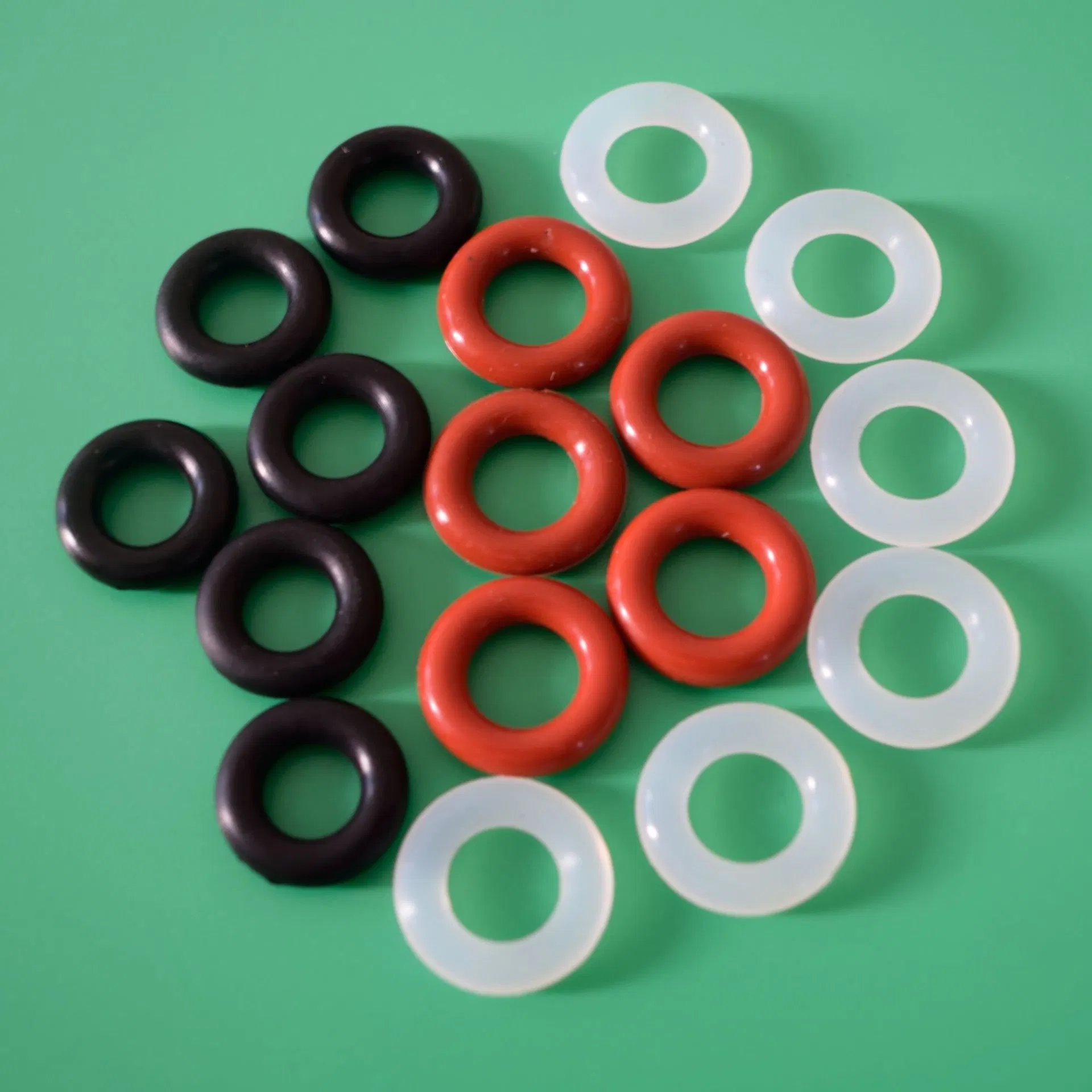
Engineering Insight: Heat Resistant Clear Plastic – The Critical Role of Material Selection
In industrial environments where thermal stability and optical clarity are non-negotiable, the selection of heat resistant clear plastic is not merely a matter of specification compliance—it is a determinant of system integrity, longevity, and operational safety. At Suzhou Baoshida Trading Co., Ltd., our expertise in industrial rubber solutions extends into the nuanced domain of polymer performance under extreme conditions. We emphasize that off-the-shelf thermoplastics often fail in high-heat applications due to inherent limitations in thermal degradation thresholds, coefficient of thermal expansion, and long-term creep resistance.
Standard transparent polymers such as polycarbonate (PC) or acrylic (PMMA) are frequently marketed as “heat resistant,” yet their continuous use temperatures rarely exceed 120°C. When exposed to prolonged thermal cycles beyond this threshold, these materials experience yellowing, embrittlement, and loss of optical transmission—failures that compromise both function and safety in precision equipment. In contrast, engineered thermoplastics like polycyclohexylenedimethylene terephthalate (PCT), polyetheretherketone (PEEK), and transparent grades of polyimide (PI) offer superior thermal performance, maintaining clarity and mechanical strength at temperatures exceeding 200°C.
Material selection must also account for environmental interactions. For instance, in automotive under-hood sensors or industrial lighting housings, exposure to oils, UV radiation, and thermal cycling demands a holistic evaluation of chemical resistance and dimensional stability. Off-the-shelf solutions often neglect these synergistic stressors, leading to premature failure modes such as microcracking or delamination. Custom-formulated compounds, on the other hand, can be tailored to balance optical clarity with thermal resilience and chemical inertness—critical for OEMs in aerospace, semiconductor processing, and high-performance automotive sectors.
Furthermore, processing methodology impacts final performance. Injection molding parameters, mold design, and post-processing annealing cycles significantly influence residual stress and birefringence in transparent components. Without precise control, even high-grade resins can exhibit internal stresses that accelerate failure under thermal load. This underscores the necessity of integrated material and process engineering—a capability that distinguishes purpose-built solutions from generic alternatives.
The table below outlines key performance specifications of select heat resistant clear plastics relevant to industrial applications.
| Material | Continuous Use Temperature (°C) | Tensile Strength (MPa) | HDT @ 1.8 MPa (°C) | Light Transmission (%) | Key Applications |
|---|---|---|---|---|---|
| Polycarbonate (PC) | 115–130 | 60–70 | 135–145 | 88–90 | Instrument covers, lighting |
| PCT (Transparent) | 180–200 | 85–95 | 220–230 | 85–88 | LED reflectors, sensors |
| PEEK (Clear variant) | 240–250 | 90–100 | 280–300 | 75–80 | Aerospace, semiconductor |
| Polyimide (Optical grade) | 260–300 | 100–120 | 310–330 | 80–85 | High-temp windows, optics |
At Suzhou Baoshida, we advocate for a systems-level approach to material selection—where thermal performance, optical requirements, and environmental resilience are evaluated in concert. Only through such precision engineering can heat resistant clear plastics fulfill their role in next-generation industrial systems.
Material Specifications
Material Specifications: Heat-Resistant Elastomers for Demanding Industrial Applications
Suzhou Baoshida Trading Co., Ltd. clarifies a critical industry distinction: true heat-resistant clear plastics (e.g., polycarbonate, acrylic) fall outside our core competency in industrial rubber solutions. Elastomers inherently lack optical clarity at elevated temperatures due to polymer crystallinity and filler requirements. However, select high-performance rubbers offer translucency with exceptional heat resistance for specialized OEM applications. We detail three rigorously tested materials—Viton® (FKM), Nitrile (NBR), and Silicone (VMQ)—focusing on thermal stability, chemical compatibility, and functional transparency limits. These compounds undergo stringent ASTM D2000 and ISO 37 validation for dimensional stability and compression set below 20% at maximum service temperatures.
Viton® fluorocarbon rubber (FKM) delivers the highest thermal ceiling among commercial elastomers, sustaining continuous service at 230°C with intermittent peaks to 260°C. Its molecular structure provides unparalleled resistance to jet fuels, hydraulic fluids, and aromatic hydrocarbons. While inherently opaque, low-fill formulations achieve faint translucency below 150°C, making it suitable for high-temperature sight glasses in aerospace fuel systems where optical clarity is secondary to chemical integrity.
Nitrile rubber (NBR) balances cost efficiency with moderate heat resistance (continuous use up to 120°C). Standard grades exhibit poor transparency due to carbon black reinforcement, but peroxide-cured, low-acrylonitrile variants (e.g., 34% ACN) maintain 10–20% light transmission below 100°C. This makes NBR viable for translucent fluid-handling components in automotive coolant systems, though aggressive ozone exposure accelerates opacity.
Silicone (VMQ) represents the optimal compromise for applications demanding both heat resistance and partial visibility. Platinum-cured silicone compounds sustain continuous operation at 200°C (short-term to 230°C) while retaining 50–70% translucency up to 150°C. Its inert Si-O backbone resists steam, water, and polar solvents but swells in non-polar hydrocarbons. Medical-grade translucent silicone tubing is widely adopted in pharmaceutical sterilization processes where visual flow monitoring is critical.
Comparative Specifications of Heat-Resistant Elastomers
| Material Type | Continuous Use Temperature | Transparency Level | Key Chemical Resistances | Primary Industrial Applications |
|---|---|---|---|---|
| Viton® (FKM) | -20°C to 230°C | Opaque (faint translucency <150°C) | Jet fuels, acids, hydraulic fluids | Aerospace seals, chemical pump diaphragms |
| Nitrile (NBR) | -30°C to 120°C | Translucent (10–20% transmission <100°C) | Aliphatic hydrocarbons, water-based fluids | Automotive coolant hoses, fuel line O-rings |
| Silicone (VMQ) | -60°C to 200°C | Translucent (50–70% transmission <150°C) | Steam, water, alcohols, acids | Medical tubing, semiconductor gaskets, food-grade seals |
All materials undergo Baoshida’s proprietary post-cure stabilization to minimize outgassing and permanent set. Note: True optical clarity degrades above 150°C in all elastomers due to thermal oxidation of polymer chains. For applications requiring >90% light transmission above 100°C, engineered plastics remain the solution—but Suzhou Baoshida specializes in rubber formulations where thermal resilience, sealing force, and chemical inertness outweigh absolute transparency. Our OEM team validates each compound against client-specific fluid exposure protocols and thermal cycling profiles to prevent field failures. Contact our technical division for application-specific formulation adjustments or accelerated aging test data.
Manufacturing Capabilities
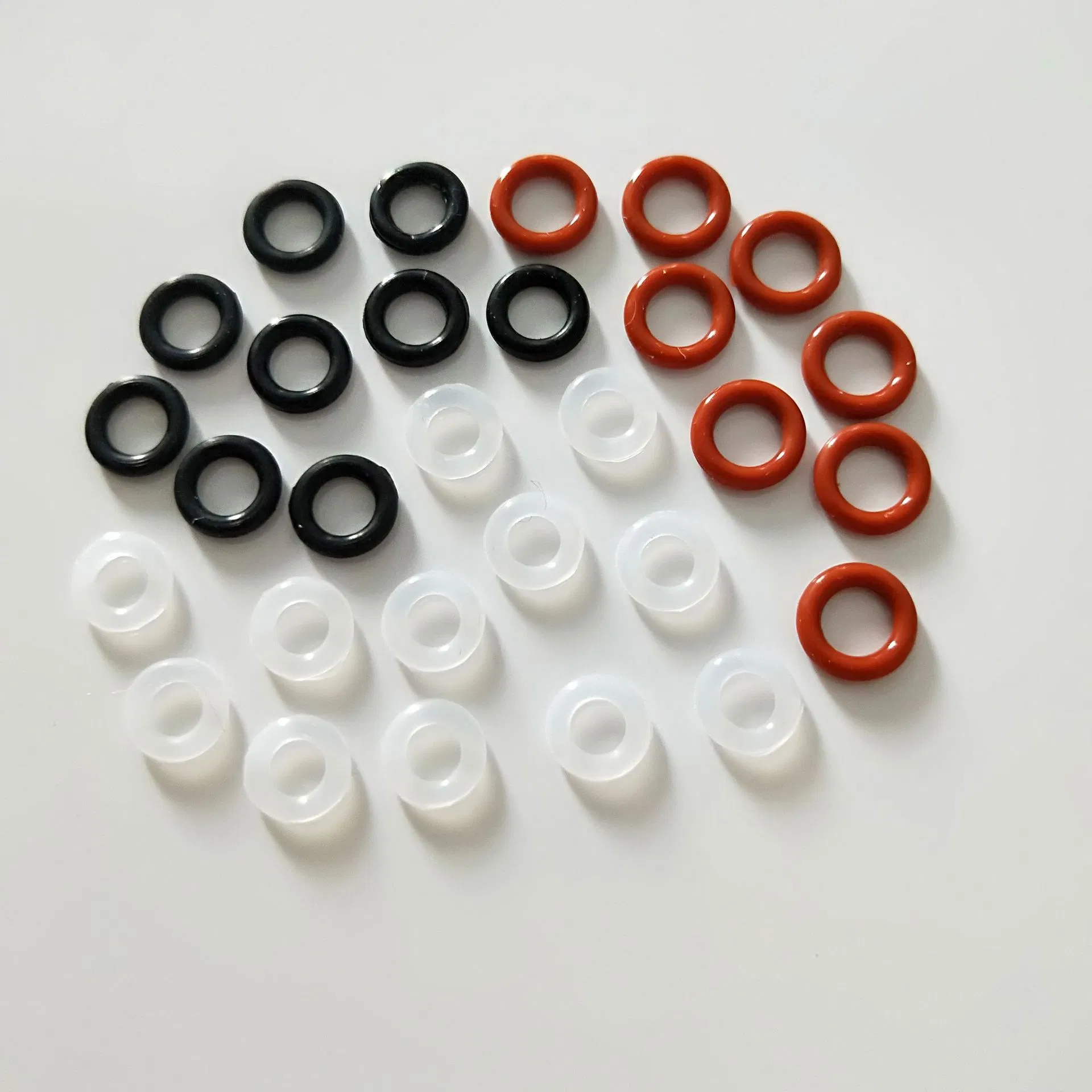
Engineering Expertise in High-Performance Heat Resistant Clear Plastics
At Suzhou Baoshida Trading Co., Ltd., our engineering capability forms the backbone of our industrial rubber solutions, particularly in the development and production of heat resistant clear plastics tailored for demanding OEM applications. With a dedicated team of five certified mould engineers and two specialized rubber formula engineers, we integrate material science with precision engineering to deliver thermally stable, optically clear polymer components that meet rigorous industrial standards.
Our formula engineers focus on optimizing polymer blends to achieve superior thermal resistance without sacrificing optical clarity or mechanical integrity. Through advanced compounding techniques, we formulate proprietary elastomeric and thermoplastic systems based on silicone, fluorosilicone, and specialty-modified acrylics—materials known for their stability at elevated temperatures. These formulations are rigorously tested under simulated operational conditions to ensure performance consistency across temperature cycles, UV exposure, and chemical environments.
Complementing our material expertise, our five in-house mould engineers specialize in precision tooling design for complex geometries and tight tolerance applications. Utilizing 3D CAD/CAM systems and mold flow simulation software, we design and validate moulds that ensure uniform wall thickness, minimal stress points, and optimal gate placement—critical factors in producing clear plastic components free from birefringence, warpage, or internal voids. This synergy between formulation and mould design enables us to produce parts with consistent clarity, dimensional accuracy, and long-term thermal resilience.
Our OEM capabilities are built on a foundation of co-engineering collaboration. We work directly with clients from concept to量产 (mass production), offering full technical support including material selection, design for manufacturability (DFM), prototype validation, and process optimization. Whether the application requires transparent seals, sight windows, sensor covers, or high-temperature gaskets, our team ensures the final product meets exact functional and regulatory requirements.
All development and production processes adhere to ISO 9001 quality management standards, with traceability maintained at every stage. We support low-volume prototyping and high-volume manufacturing with scalable injection and compression moulding platforms, ensuring seamless transition from design validation to full-scale supply.
The following table outlines the typical performance specifications achievable with our engineered heat resistant clear plastic systems:
| Property | Test Method | Typical Value |
|---|---|---|
| Continuous Use Temperature | UL 746B | Up to 200°C (silicone), 230°C (fluorosilicone) |
| Peak Short-Term Exposure | Thermal Analysis | 300°C (for 1 hour) |
| Tensile Strength | ASTM D412 | 6.5–9.0 MPa |
| Elongation at Break | ASTM D412 | 250–400% |
| Hardness (Shore A) | ASTM D2240 | 50–80 |
| Light Transmission (1 mm thickness) | ASTM D1003 | ≥85% (visible spectrum) |
| Thermal Aging Resistance (168h @ 150°C) | ASTM D573 | <20% change in tensile strength |
By combining deep formulation knowledge with precision mould engineering, Suzhou Baoshida delivers reliable, high-performance heat resistant clear plastic solutions for automotive, aerospace, medical, and industrial automation sectors. Our OEM partnerships benefit from technical agility, material innovation, and a commitment to engineering excellence.
Customization Process
Customization Process for Heat Resistant Clear Plastic Components
At Suzhou Baoshida Trading Co., Ltd., our OEM customization process for heat resistant clear plastic components begins with rigorous drawing analysis. Engineering teams dissect client-provided CAD files and technical specifications to identify critical dimensions, optical clarity requirements, and thermal exposure conditions. We validate geometric tolerances against material flow behavior during injection molding, ensuring features like thin walls or complex undercuts remain manufacturable. This phase includes consultation on draft angles and gate placement to minimize internal stress that could compromise transparency under thermal cycling. Non-conformance risks are documented and resolved collaboratively before progression.
Material formulation follows, where our rubber science expertise intersects with advanced polymer chemistry. We select base resins such as polysulfone (PSU) or polyetherimide (PEI) for continuous service up to 180°C, then engineer custom additive packages to enhance specific properties. Key considerations include thermal stabilizers to prevent yellowing, refractive index modifiers for optical clarity, and nucleating agents to control crystallization. Each formulation undergoes accelerated aging tests per ASTM E1888, with adjustments made until the compound achieves target performance across the operational temperature spectrum. Client approval of the final compound datasheet is mandatory prior to prototyping.
Prototyping employs precision injection molding under controlled humidity and temperature conditions. We produce 5–10 initial units for dimensional verification via CMM and optical testing using spectrophotometry per ASTM D1003. Thermal shock validation involves cycling samples between -40°C and peak service temperature for 100+ cycles while monitoring haze development and tensile strength retention. Prototypes undergo client functional testing in actual assemblies; feedback drives iterative refinements to gate design or cooling parameters. Only when all specifications are consistently met do we release the process for mass production.
Mass production leverages our ISO 9001-certified manufacturing lines with real-time SPC monitoring. Each batch undergoes in-process checks for melt flow index (ASTM D1238), color consistency (ΔE < 0.5), and dimensional stability. Final inspection includes 100% visual screening for defects and random sampling for thermal endurance validation. Traceability is maintained via serialized lot coding, with full material certifications provided. Our closed-loop system ensures deviations trigger immediate corrective action, guaranteeing sustained compliance with your technical requirements.
Key Performance Specifications for Heat Resistant Clear Plastics
| Property | Target Value | Test Standard | Notes |
|---|---|---|---|
| Continuous Use Temp | 150–180°C | UL 746B | Based on 10,000-hour lifespan |
| Peak Short-Term Temp | 220°C | ISO 11357 | 5-minute exposure tolerance |
| Visible Light Transmittance | ≥88% (3mm) | ASTM D1003 | Measured at 550nm wavelength |
| Haze | ≤1.5% | ASTM D1003 | Critical for optical clarity |
| Shore D Hardness | 85–95 | ASTM D2240 | Balances rigidity and impact |
| Tensile Strength | ≥60 MPa | ISO 527 | Retained after thermal aging |
This structured workflow ensures seamless transition from concept to high-volume supply, with Suzhou Baoshida maintaining stringent control over material integrity and optical performance throughout the product lifecycle.
Contact Engineering Team
For industrial manufacturers seeking high-performance heat resistant clear plastic materials, Suzhou Baoshida Trading Co., Ltd. provides precision-engineered polymer solutions tailored to demanding thermal and optical requirements. As a trusted OEM manager and rubber formula engineer, we specialize in advanced thermoplastics and elastomeric composites that maintain structural integrity and optical clarity under elevated temperature conditions. Our expertise spans material formulation, performance validation, and scalable supply for sectors including automotive, aerospace, electronics, and industrial equipment manufacturing.
Selecting the correct heat resistant clear plastic requires a detailed understanding of application-specific parameters such as continuous operating temperature, thermal shock resistance, UV stability, mechanical load, and chemical exposure. At Suzhou Baoshida, we offer a curated range of transparent polymers engineered to perform reliably in environments exceeding 150°C, with select formulations stable up to 220°C. Our technical team conducts rigorous in-house testing to ensure dimensional stability, light transmission retention, and long-term durability under thermal cycling.
Below is a comparative overview of key heat resistant clear plastic materials available through our supply network:
| Material | Continuous Use Temp (°C) | Tensile Strength (MPa) | Light Transmission (%) | HDT @ 1.8 MPa (°C) | Key Applications |
|---|---|---|---|---|---|
| Polycarbonate (PC) | 135 | 60–70 | 88–90 | 147 | Enclosures, lenses, safety glazing |
| Polyetherimide (PEI) | 170 | 100–110 | 80–85 | 207 | Aerospace components, medical devices |
| Polysulfone (PSU) | 150 | 70–75 | 85–88 | 185 | Fluid handling, sterilizable parts |
| Transparent PEEK | 220 | 90–100 | 75–80 | 160 | High-temp seals, semiconductor fixtures |
| Modified PETG | 90 | 50–55 | 90+ | 85 | Prototyping, low-heat displays |
Each material is evaluated for compatibility with rubber integration processes, including overmolding, bonding, and co-curing techniques. Our engineering team supports clients in optimizing material pairings between heat resistant plastics and specialty rubber compounds such as FKM, HNBR, and silicone, ensuring long-term adhesion and performance under thermal stress.
We invite manufacturers and design engineers to contact Mr. Boyce, OEM Manager and Rubber Formula Engineer at Suzhou Baoshida Trading Co., Ltd., for technical consultation and sample procurement. Mr. Boyce leads material development initiatives and oversees client-specific formulation adjustments to meet exact performance criteria. Whether you require small-batch testing or full-scale production support, our team ensures rapid response and precise material delivery.
For immediate assistance, reach out via email at [email protected]. Include your project specifications, environmental requirements, and target volume to receive a tailored material recommendation and quotation. Suzhou Baoshida is committed to advancing industrial material performance through science-driven solutions and responsive technical partnership.
⚖️ O-Ring Weight Calculator
Estimate rubber O-ring weight (Approx).