
Technical Contents
Engineering Guide: Heat Resistant Insulation Board
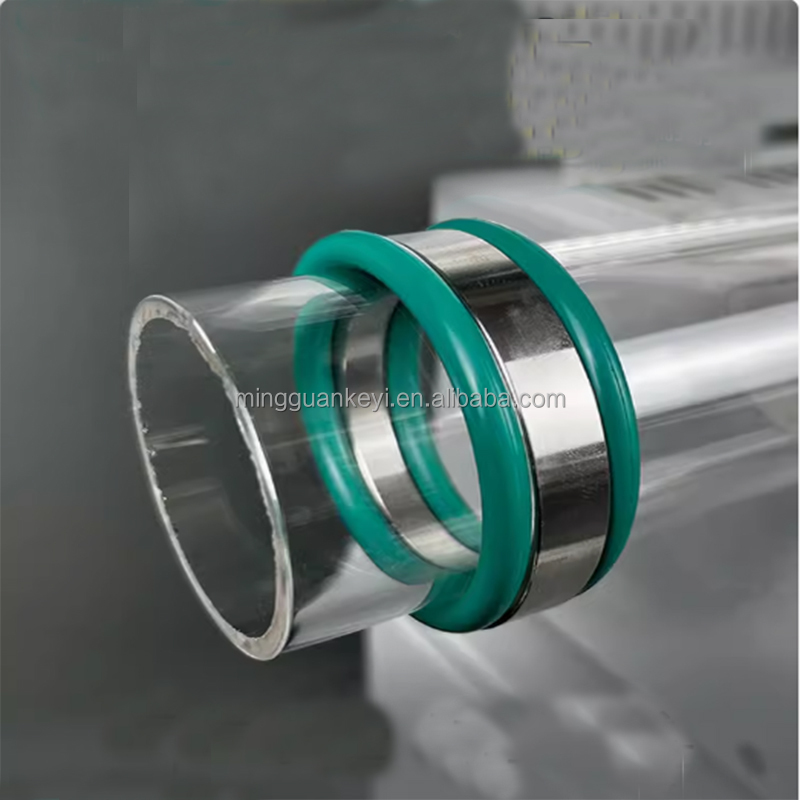
Engineering Insight: The Critical Role of Material Selection in Heat Resistant Insulation Boards
In industrial environments where thermal management is paramount, the selection of heat resistant insulation board is not merely a matter of compliance—it is a fundamental engineering decision that directly impacts system longevity, safety, and operational efficiency. While off-the-shelf insulation solutions are often marketed as universal fixes, they frequently fail under real-world thermal and mechanical stress due to inadequate material engineering. At Suzhou Baoshida Trading Co., Ltd., we emphasize that effective thermal insulation must be designed with precision, accounting for temperature profiles, mechanical loading, chemical exposure, and long-term dimensional stability.
Standard insulation boards, typically fabricated from generic silicone rubber or low-grade composites, exhibit thermal degradation when exposed to sustained temperatures above 200°C. These materials often experience embrittlement, shrinkage, or delamination—failures that compromise both insulation performance and equipment integrity. The root cause lies in the absence of tailored polymer architectures and reinforcing fillers that maintain structural coherence under thermal cycling. In contrast, engineered rubber-based insulation boards utilize high-purity silicone matrices reinforced with ceramic microspheres, aramid fibers, or silica aerogels. These components synergistically enhance thermal resistance while preserving flexibility and compressive strength.
Another critical oversight in commodity insulation is the neglect of thermal conductivity behavior across temperature gradients. Many standard products report low thermal conductivity at ambient conditions but fail to maintain this performance at elevated temperatures. True high-performance insulation must demonstrate stable thermal resistance (R-value) from ambient to peak operating temperatures. This requires not only low intrinsic thermal conductivity but also minimized convective and radiative heat transfer within the material matrix—achieved through closed-cell structures and infrared-reflective additives.
Equally important is chemical compatibility. In industrial settings, insulation boards may be exposed to oils, solvents, or acidic vapors. Off-the-shelf products often lack resistance to such agents, leading to swelling, softening, or decomposition. Engineered solutions incorporate chemically inert polymer systems with cross-linked networks that resist swelling and maintain dielectric strength.
The following table outlines key performance specifications that differentiate engineered heat resistant insulation boards from standard alternatives:
| Property | Standard Insulation Board | Engineered Insulation Board (Baoshida) |
|---|---|---|
| Continuous Use Temperature | Up to 200°C | Up to 300°C (short-term to 350°C) |
| Thermal Conductivity (at 250°C) | 0.18 W/m·K | 0.12 W/m·K |
| Compressive Strength | 0.8 MPa | 2.5 MPa |
| Linear Shrinkage (24h @ 250°C) | ≤5% | ≤1.5% |
| Dielectric Strength | 12 kV/mm | 18 kV/mm |
| Chemical Resistance | Limited (oils, acids) | Excellent (broad chemical inertness) |
Material selection is not a secondary consideration—it is the foundation of reliable thermal management. At Suzhou Baoshida Trading Co., Ltd., our rubber-based heat resistant insulation boards are formulated for mission-critical applications where failure is not an option. By rejecting generic solutions and embracing engineered materials, industrial systems achieve sustained performance, reduced downtime, and enhanced safety margins.
Material Specifications
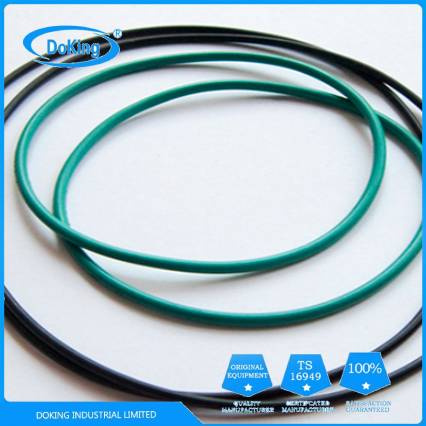
Material Specifications for Heat Resistant Insulation Boards
Selecting the appropriate elastomer for heat resistant insulation boards is critical for maintaining structural integrity and performance under thermal stress. At Suzhou Baoshida Trading Co., Ltd., we rigorously evaluate Viton (FKM), Nitrile (NBR), and Silicone (VMQ) based on industrial application demands. Each material exhibits distinct thermal stability, mechanical properties, and chemical resistance profiles essential for insulation efficacy. Continuous service temperature defines operational limits, while tensile strength and elongation ensure resilience against mechanical deformation during thermal cycling. Compression set resistance is equally vital, as it dictates long-term sealing capability after repeated exposure to elevated temperatures. Hardness (Shore A) influences compressibility and surface contact, directly impacting insulation efficiency. These parameters must align with ASTM D2000 standards to guarantee reliability in demanding environments such as automotive exhaust systems, industrial ovens, and energy infrastructure.
Viton (FKM) demonstrates superior high-temperature performance with a continuous service range up to 230°C. Its fluorocarbon structure provides exceptional resistance to thermal degradation, oils, and aggressive chemicals, making it ideal for aerospace and chemical processing insulation. Typical tensile strength ranges from 15–20 MPa, with elongation at break between 200–300%. Viton maintains low compression set (<25% after 22 hours at 150°C), ensuring persistent sealing force under cyclic thermal loads. Nitrile (NBR) offers cost-effective performance for moderate-temperature applications, with a maximum continuous service temperature of 120°C. It excels in fuel and oil resistance but exhibits reduced thermal stability beyond 100°C. NBR formulations achieve 10–15 MPa tensile strength and 250–400% elongation, though compression set values rise significantly above 100°C (>35% at 100°C), limiting longevity in sustained high-heat scenarios. Silicone (VMQ) provides the broadest operational temperature window, functioning reliably from -60°C to 200°C. Its inorganic backbone delivers outstanding flexibility at cryogenic temperatures and stability up to 200°C, though mechanical strength is lower (5–8 MPa tensile) compared to FKM or NBR. Silicone’s compression set remains moderate (20–30% at 200°C), but it lacks chemical resistance to hydrocarbons, restricting use to non-fuel-exposed insulation applications.
The comparative analysis below summarizes critical specifications for informed material selection. All data reflects standard cured compounds per ASTM testing protocols.
| Material | Continuous Temp Range (°C) | Tensile Strength (MPa) | Elongation (%) | Hardness (Shore A) | Compression Set (%)* | Primary Industrial Applications |
|---|---|---|---|---|---|---|
| Viton (FKM) | -20 to 230 | 15–20 | 200–300 | 60–80 | <25 | Jet engine insulation, chemical reactors |
| Nitrile (NBR) | -30 to 120 | 10–15 | 250–400 | 50–75 | >35 | Automotive gaskets, hydraulic systems |
| Silicone (VMQ) | -60 to 200 | 5–8 | 300–600 | 40–70 | 20–30 | Appliance thermal barriers, medical devices |
*Compression Set tested per ASTM D395 Method B at specified temperature for 22 hours.
Material selection must balance thermal requirements, chemical exposure, and mechanical stress. Viton is optimal for extreme heat and chemical resistance despite higher cost. Nitrile serves cost-sensitive, oil-rich environments below 120°C. Silicone addresses wide-temperature flexibility where chemical exposure is minimal. Suzhou Baoshida Trading Co., Ltd. provides OEM-customized formulations to meet exact thermal insulation specifications, ensuring compliance with ISO 9001 quality protocols and sector-specific regulatory frameworks. Our engineering team collaborates with clients to validate material performance under real-world operational profiles.
Manufacturing Capabilities
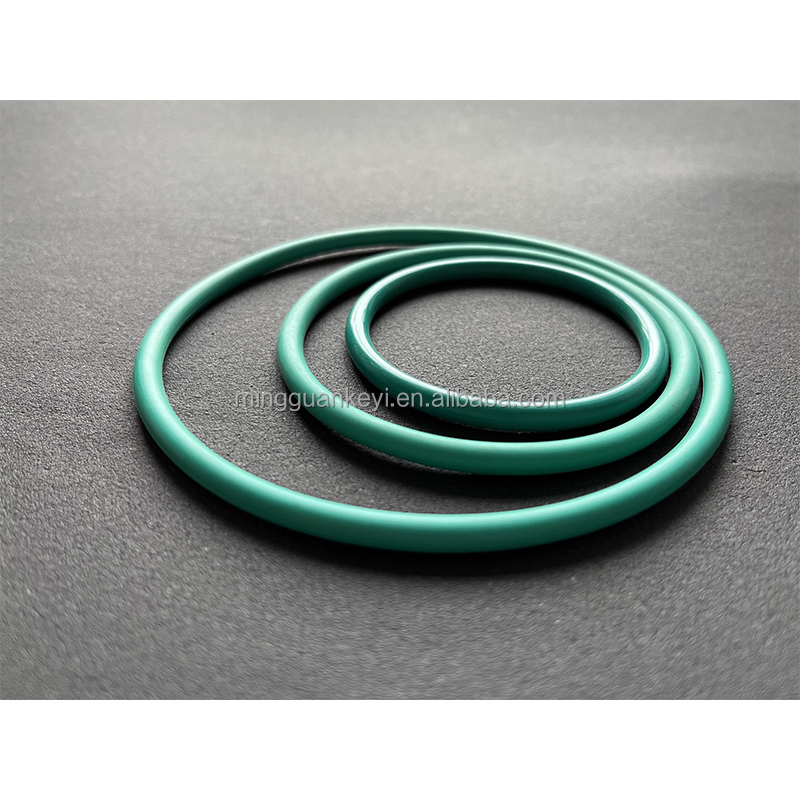
Suzhou Baoshida Trading Co., Ltd. maintains a robust engineering infrastructure specifically tailored for the development and production of high-performance heat resistant insulation boards within the industrial rubber solutions sector. Our engineering capability is anchored by a dedicated team of five mould engineers and two specialized rubber formulation engineers, enabling end-to-end control from concept to final product. This integrated technical team ensures precision in material design, mould integrity, and manufacturability, meeting the exacting demands of industrial applications where thermal stability, mechanical resilience, and dimensional accuracy are critical.
Our mould engineers possess extensive experience in designing and optimizing compression, transfer, and injection moulds for complex insulation geometries. They utilize advanced CAD/CAM software and perform finite element analysis (FEA) to simulate thermal and mechanical behavior during curing cycles. This proactive approach minimizes defects such as flash, incomplete vulcanization, or warpage, ensuring consistent part quality across large production runs. Mould designs are further validated through prototype tooling and iterative testing, guaranteeing compatibility with high-temperature processing and long service life under repeated thermal cycling.
Complementing this is our in-house rubber formulation expertise. The two formula engineers on staff specialize in developing custom elastomeric compounds engineered for sustained performance at elevated temperatures. Utilizing a systematic approach to polymer selection, filler reinforcement, and curative systems, they formulate materials primarily based on silicone, EPDM, and fluororubber (FKM) matrices. These compounds are optimized for thermal resistance, low compression set, and resistance to oxidation and environmental degradation. Each formulation undergoes rigorous laboratory testing, including thermogravimetric analysis (TGA), dynamic mechanical analysis (DMA), and long-term heat aging per ASTM and ISO standards, to validate performance claims.
As an OEM manufacturer, Suzhou Baoshida offers full technical collaboration with clients to co-develop insulation solutions tailored to specific operational environments. We support custom shapes, thicknesses, and performance thresholds, with the ability to integrate functional features such as sealing edges, mounting flanges, or multi-layer composites. Our production lines are equipped for small-batch prototyping and scalable to high-volume manufacturing, all under ISO 9001-certified quality management protocols.
The following table summarizes typical performance specifications for our standard heat resistant insulation board formulations:
| Property | Silicone (VMQ) | EPDM | Fluororubber (FKM) |
|---|---|---|---|
| Continuous Use Temperature | -60°C to +200°C | -50°C to +150°C | -20°C to +230°C |
| Peak Short-Term Exposure | Up to 300°C | Up to 180°C | Up to 300°C |
| Hardness Range (Shore A) | 40–80 | 50–85 | 60–90 |
| Tensile Strength (MPa) | ≥8.0 | ≥9.0 | ≥10.0 |
| Elongation at Break (%) | ≥200 | ≥250 | ≥150 |
| Compression Set (22h, 150°C) | ≤25% | ≤30% | ≤20% |
| Flame Resistance (UL94) | V-0 | V-1 | V-0 |
This technical foundation enables Suzhou Baoshida to deliver reliable, application-specific insulation solutions that meet or exceed global industrial standards.
Customization Process
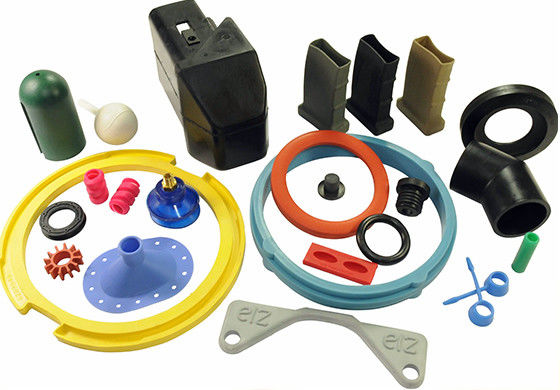
Customization Process for Heat Resistant Insulation Board Manufacturing
At Suzhou Baoshida Trading Co., Ltd., our industrial rubber solutions prioritize precision engineering for heat resistant insulation boards. The customization process begins with rigorous Drawing Analysis, where client technical specifications undergo comprehensive scrutiny. Our engineering team evaluates dimensional tolerances, thermal exposure profiles, mechanical load requirements, and environmental factors such as chemical resistance or UV exposure. Critical parameters including maximum continuous service temperature, thermal conductivity thresholds, and compression set limits are cross-referenced against material science databases to identify feasibility constraints. This phase ensures alignment between client expectations and manufacturable realities, preventing downstream deviations.
Subsequent Formulation leverages our proprietary polymer science expertise. Based on the drawing analysis, we select base elastomers—typically silicone, EPDM, or fluorocarbon compounds—and engineer custom additives for optimal thermal stability. Key considerations include peroxide versus sulfur curing systems for high-temperature resilience, ceramic or silica fillers to enhance thermal barrier properties, and anti-degradation packages to mitigate oxidative aging. Each formulation is computationally modeled to predict performance under specified thermal cycling conditions, ensuring the compound achieves target properties without compromising processability.
Prototyping validates theoretical formulations through physical iteration. We fabricate small-batch samples using client-specified manufacturing methods (e.g., compression molding or continuous extrusion) and subject them to accelerated life testing. Samples undergo ASTM E177 thermal aging, ISO 3307 compression set analysis at 250°C, and thermal conductivity measurements per ASTM C177. Dimensional accuracy is verified against CAD drawings using CMM technology. Client feedback on prototype performance triggers iterative refinements until all specifications are met within ±2% tolerance.
Mass Production commences only after formal client sign-off on validated prototypes. Our ISO 9001-certified facility implements strict process controls: real-time rheometer monitoring during mixing, laser-guided thickness calibration in curing presses, and 100% batch thermal imaging to detect internal defects. Every production run includes third-party certified test reports for thermal stability, mechanical integrity, and flame resistance (UL 94 V-0 compliance where required). Traceability is maintained via blockchain-enabled lot tracking, ensuring full accountability from raw material sourcing to shipment.
Critical Specification Evolution Through Customization Stages
| Parameter | Drawing Analysis Target | Prototype Validation Tolerance | Mass Production Tolerance |
|---|---|---|---|
| Continuous Service Temp | 280°C | ±5°C | ±3°C |
| Thermal Conductivity | ≤0.15 W/m·K | ±0.01 W/m·K | ±0.005 W/m·K |
| Density | 1.25 g/cm³ | ±0.03 g/cm³ | ±0.015 g/cm³ |
| Compression Set (250°C/24h) | ≤25% | ±3% | ±2% |
| Hardness (Shore A) | 65 ± 5 | ±3 | ±2 |
This structured approach eliminates guesswork in thermal insulation manufacturing. By embedding scientific rigor at each phase—from initial drawing dissection to production-line execution—Suzhou Baoshida guarantees insulation boards that withstand extreme operational environments while meeting exact client engineering requirements. Our OEM partnership model transforms complex thermal challenges into reliable, scalable industrial solutions.
Contact Engineering Team
For industrial manufacturers seeking high-performance heat resistant insulation boards, Suzhou Baoshida Trading Co., Ltd. stands as a trusted partner in advanced rubber-based thermal solutions. With a focus on precision engineering and material integrity, we deliver insulation products designed to withstand extreme thermal environments while maintaining structural stability and safety. Our heat resistant insulation boards are formulated using proprietary rubber composites that combine thermal endurance with mechanical resilience, making them ideal for applications in steel processing, foundries, petrochemical plants, and high-temperature gasketing systems.
At Suzhou Baoshida, we understand that thermal insulation is not just about temperature resistance—it’s about system reliability, energy efficiency, and operational safety. That is why our insulation boards are rigorously tested across multiple parameters including continuous operating temperature, compressive strength, thermal conductivity, and resistance to thermal aging. Each batch is manufactured under strict quality controls to ensure consistency, dimensional accuracy, and compliance with international industrial standards.
Our technical team, led by Mr. Boyce, brings over 15 years of experience in rubber formulation and industrial application engineering. Mr. Boyce specializes in customizing insulation solutions based on client-specific thermal profiles, environmental exposure, and mechanical load requirements. Whether you need a standard-grade board for general-purpose heat shielding or a high-density variant for dynamic sealing under thermal cycling, we provide tailored recommendations backed by material data and field performance.
To support informed decision-making, we provide detailed technical specifications for our standard heat resistant insulation board formulation. These values represent typical performance under controlled test conditions and may be adjusted for custom formulations.
| Property | Test Method | Typical Value |
|---|---|---|
| Continuous Operating Temperature | ASTM E135 | Up to 300°C (572°F) |
| Peak Short-Term Exposure | ISO 175 | 350°C (662°F) for 2 hours |
| Thermal Conductivity | ASTM C168 | 0.18 W/m·K at 100°C |
| Compressive Strength | ASTM D575 | ≥ 12 MPa |
| Hardness (Shore A) | ASTM D2240 | 85 ± 5 |
| Density | ISO 2781 | 1.45 g/cm³ |
| Linear Shrinkage (24h @ 300°C) | DIN 53513 | ≤ 2.0% |
| Dielectric Strength | ASTM D149 | 15 kV/mm |
We invite engineers, procurement managers, and R&D teams to engage directly with Mr. Boyce for technical consultations, sample requests, or custom formulation development. Our goal is to ensure that your thermal management challenges are met with scientifically sound, application-optimized solutions. Contacting Suzhou Baoshida is the first step toward enhancing the thermal efficiency and longevity of your industrial systems.
For immediate assistance, please reach out to Mr. Boyce via email at [email protected]. We respond to all technical inquiries within 24 business hours and offer material data sheets, test reports, and sample kits upon request. Partner with Suzhou Baoshida Trading Co., Ltd.—where rubber science meets industrial performance.
⚖️ O-Ring Weight Calculator
Estimate rubber O-ring weight (Approx).