
Technical Contents
Engineering Guide: High Density Polyurethane Sheet
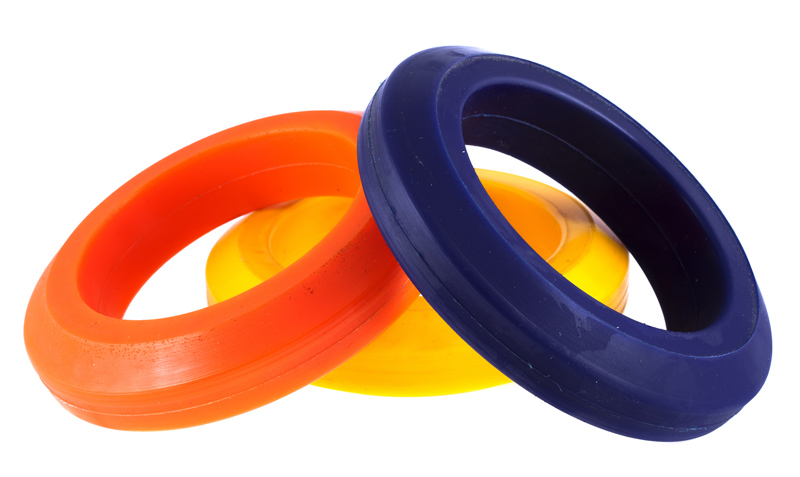
Engineering Insight: High Density Polyurethane Sheet – The Critical Role of Material Selection
In industrial applications where mechanical stress, abrasion resistance, and dimensional stability are paramount, high density polyurethane sheets are often selected for their superior performance over conventional elastomers and plastics. However, despite their widespread availability, off-the-shelf formulations frequently fail to meet the rigorous demands of specialized manufacturing environments. This inconsistency stems from a fundamental misunderstanding: not all polyurethanes are engineered equally. Material selection must be driven by application-specific parameters, not generic product availability.
High density polyurethane is a thermoset polymer formed through the reaction of isocyanates with polyols, where the resulting network structure determines hardness, resilience, and chemical resistance. Off-the-shelf variants typically utilize standardized formulations optimized for broad utility, not targeted performance. These general-purpose sheets may exhibit premature wear, compression set, or thermal degradation when exposed to dynamic loads, elevated temperatures, or aggressive media. For instance, a standard 90 Shore A sheet may perform adequately in light-duty gasketing but will rapidly degrade in a high-impact mining screen or a continuous-motion printing roller.
The root cause of failure lies in the absence of tailored chemistry. High-performance applications require precise control over crosslink density, phase separation between hard and soft segments, and additive integration (e.g., fillers, UV stabilizers, or flame retardants). At Suzhou Baoshida Trading Co., Ltd., we prioritize engineered solutions by collaborating with OEMs to define operational parameters—load cycles, temperature range, media exposure, and service life expectations—before formulating. This approach ensures that the final sheet material exhibits optimal hysteresis, tensile strength, and elongation at break for the intended use.
Additionally, processing methods significantly influence final properties. Cast versus extruded polyurethane sheets exhibit different molecular alignment and anisotropy, affecting performance under shear or tensile stress. Off-the-shelf products rarely disclose processing history, leaving engineers to assume uniformity where none exists.
To illustrate the performance variance, consider the comparative data below for a custom-formulated high density polyurethane sheet versus a common off-the-shelf alternative:
| Property | Custom High Density Polyurethane | Off-the-Shelf Polyurethane |
|---|---|---|
| Hardness (Shore A/D) | 95A / 48D | 90A / 45D |
| Tensile Strength | 48 MPa | 32 MPa |
| Elongation at Break | 450% | 380% |
| Tear Resistance | 110 kN/m | 75 kN/m |
| Compression Set (22 hrs, 70°C) | 12% | 23% |
| Operating Temperature Range | -40°C to +100°C | -30°C to +80°C |
| Abrasion Loss (DIN 53516, mm³) | 45 | 78 |
As demonstrated, even modest differences in formulation yield substantial performance gaps. For mission-critical components in automotive, printing, or material handling industries, these discrepancies directly impact uptime, safety, and total cost of ownership.
At Suzhou Baoshida Trading Co., Ltd., we advocate for precision material engineering over commoditized sourcing. High density polyurethane sheets must be treated not as generic components, but as engineered systems designed for functional reliability.
Material Specifications
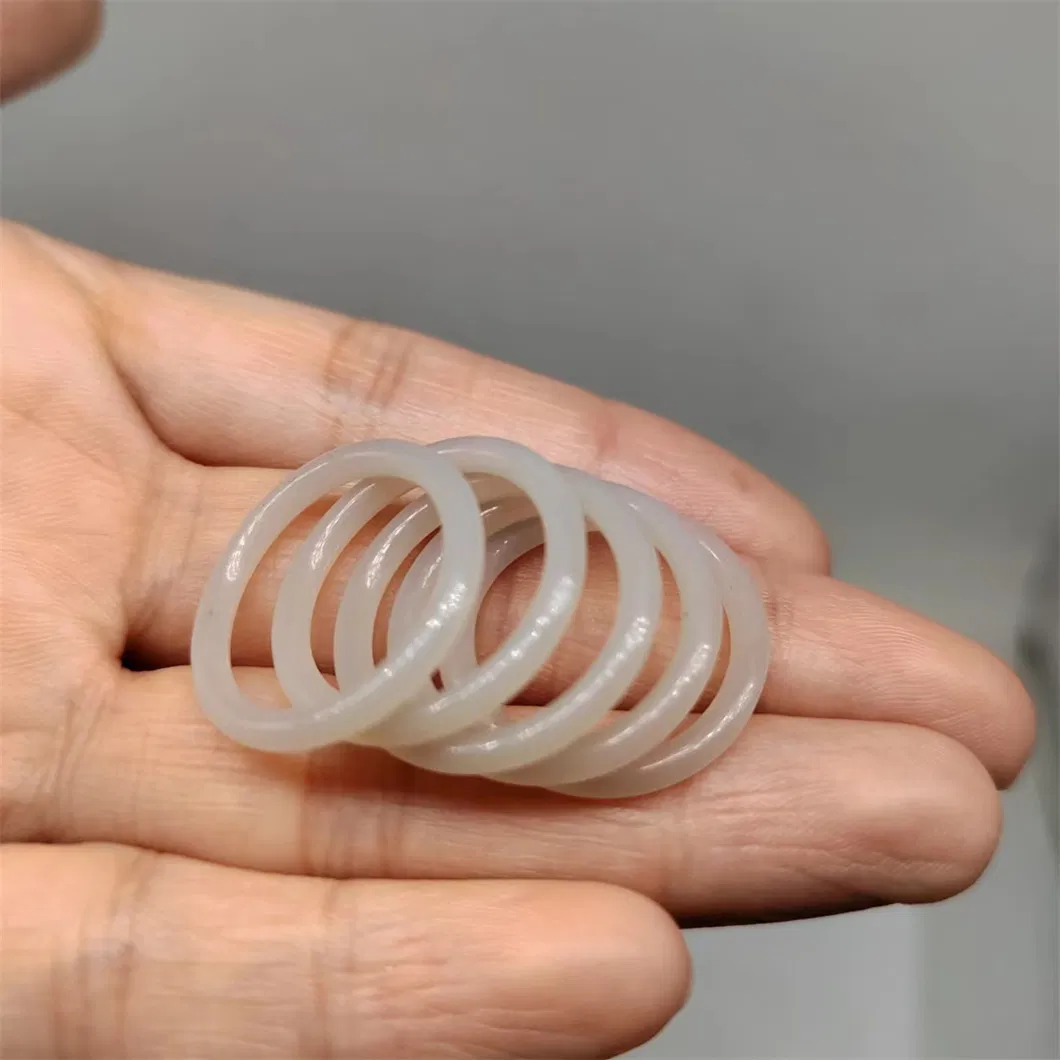
Material Specifications for High Density Polyurethane Sheets and Comparative Elastomer Analysis
Suzhou Baoshida Trading Co., Ltd. provides high density polyurethane sheets engineered for demanding industrial sealing, wear, and vibration damping applications. These sheets exhibit exceptional tensile strength (typically 40–60 MPa), abrasion resistance exceeding conventional rubbers by 300%, and hardness ranges of 70–95 Shore A. Key properties include low compression set (≤20% per ASTM D395), operating temperatures from -40°C to +100°C continuous, and superior resistance to oils, greases, and oxygenated solvents. Unlike thermoset elastomers, polyurethane maintains structural integrity under repeated flexing, critical for dynamic sealing interfaces in hydraulic and pneumatic systems. Its molecular structure—combining polyester or polyether polyols with isocyanates—delivers tailored performance for OEM specifications, particularly where mechanical durability outweighs extreme thermal demands.
For applications requiring alternative elastomer solutions, Viton, Nitrile, and Silicone remain industry standards. Below is a technical comparison of critical properties relevant to sealing and gasketing performance. Note that high density polyurethane excels in mechanical resilience but may not match the thermal or chemical extremes of these materials.
| Property | Viton (FKM) | Nitrile (NBR) | Silicone (VMQ) |
|---|---|---|---|
| Base Composition | Fluorocarbon (66% F) | Acrylonitrile-Butadiene (18–50% ACN) | Polysiloxane |
| Hardness Range (Shore A) | 50–90 | 40–90 | 30–80 |
| Temp Range (°C) | -20 to +230 | -30 to +120 | -60 to +200 |
| Tensile Strength (MPa) | 8–20 | 10–30 | 4–12 |
| Compression Set (%) | ≤20 (24h @ 150°C) | ≤30 (70h @ 100°C) | ≤25 (22h @ 200°C) |
| Key Chemical Resistance | Halogenated solvents, acids, jet fuels | Aliphatic hydrocarbons, water, hydraulic fluids | Water, ozone, UV radiation |
| Critical Limitation | Poor ketone resistance; high cost | Limited aromatic/aromatic solvent resistance | Low tensile strength; poor oil resistance |
Viton dominates in aerospace and chemical processing due to its unparalleled resistance to aggressive fluids and high temperatures, though its cost is 3–5× that of Nitrile. Nitrile remains the cost-effective solution for fuel and oil handling in automotive systems but degrades rapidly in ozone-rich environments. Silicone is indispensable for extreme low-temperature flexibility and biocompatibility but lacks mechanical robustness for high-pressure sealing.
High density polyurethane bridges performance gaps where NBR’s mechanical limits are exceeded yet Viton’s cost is unjustified. Its abrasion resistance outperforms all listed elastomers, making it ideal for scraper seals in construction equipment or conveyor belt linings. Suzhou Baoshida’s formulations adhere to ISO 188 and ASTM D2000 standards, with traceable lot documentation for OEM compliance. Clients should prioritize polyurethane for mechanical duty cycles exceeding 1 million strokes, while selecting Viton, Nitrile, or Silicone based on specific chemical exposure and thermal profiles. Consult our engineering team for application-specific compound validation.
Manufacturing Capabilities
Suzhou Baoshida Trading Co., Ltd. operates at the forefront of industrial rubber solutions, delivering engineered high density polyurethane sheet products tailored to the exacting demands of advanced manufacturing sectors. Our engineering capability is anchored in a dedicated team of five specialized mould engineers and two certified rubber formula engineers, ensuring comprehensive control over material development, tooling design, and production scalability. This integrated technical team enables us to deliver precision-engineered solutions that meet stringent OEM performance criteria across automotive, industrial machinery, and heavy equipment applications.
Our formula development process is rooted in scientific analysis and material science. The two in-house rubber formula engineers focus on optimizing polyurethane formulations for specific performance attributes such as abrasion resistance, compression set, tensile strength, and thermal stability. By adjusting isocyanate and polyol ratios, incorporating reinforcing fillers, and fine-tuning curing kinetics, we produce high density polyurethane sheets with consistent cross-link density and mechanical integrity. Each formulation is validated through accelerated aging tests, dynamic mechanical analysis (DMA), and real-world simulation to ensure long-term reliability under operational stress.
Complementing material expertise, our five mould engineers specialize in precision tooling for compression, transfer, and continuous sheet molding processes. They utilize advanced CAD/CAM software and finite element analysis (FEA) to optimize mold flow, minimize internal stresses, and ensure dimensional accuracy across large-format sheets. This synergy between material science and mold engineering allows for tight tolerance control (±0.1 mm) and surface finishes tailored to functional or aesthetic requirements. All tooling is manufactured in-house or through tightly controlled partner facilities, enabling rapid prototyping and design iteration.
We offer full OEM service integration, supporting clients from concept validation to mass production. Our engineering team collaborates directly with OEM design departments to interpret technical drawings, conduct design for manufacturing (DFM) reviews, and develop qualification test plans. With the capability to produce custom sheet dimensions up to 2000 mm × 1000 mm and thicknesses ranging from 2 mm to 50 mm, we accommodate both low-volume specialty runs and high-volume production schedules. All manufacturing is conducted under ISO 9001-certified quality management systems, with full traceability and batch testing documentation.
The following table outlines the standard technical specifications for our high density polyurethane sheet offerings:
| Property | Test Method | Typical Value |
|---|---|---|
| Density | ASTM D792 | 1.15 – 1.25 g/cm³ |
| Hardness (Shore A/D) | ASTM D2240 | 85A – 75D |
| Tensile Strength | ASTM D412 | 35 – 55 MPa |
| Elongation at Break | ASTM D412 | 300 – 500% |
| Tear Strength | ASTM D624 | 80 – 120 kN/m |
| Compression Set (22 hrs, 70°C) | ASTM D395 | ≤ 15% |
| Operating Temperature Range | — | -40°C to +100°C |
Through the convergence of advanced formulation science, precision tooling engineering, and scalable OEM manufacturing, Suzhou Baoshida delivers high density polyurethane sheet solutions that meet the highest standards of industrial performance and reliability.
Customization Process
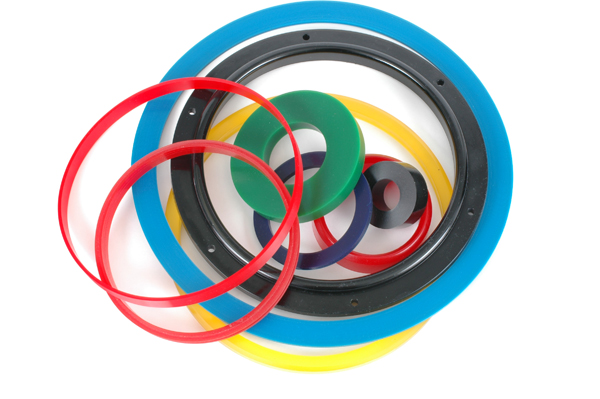
High-Density Polyurethane Sheet Customization Process
At Suzhou Baoshida Trading Co., Ltd., our industrial rubber solutions prioritize engineering precision for high-density polyurethane (HDPU) sheet customization. This process ensures material properties align strictly with client application demands, from static load-bearing components to dynamic sealing systems. We execute a four-phase methodology, eliminating guesswork through data-driven validation at each stage.
Drawing Analysis
Initial technical assessment begins with rigorous dimensional and functional scrutiny of client-provided CAD drawings or specifications. Our engineering team evaluates critical factors including tolerance bands (±0.05mm achievable), edge geometry, surface finish requirements (Ra ≤ 3.2μm), and environmental exposure conditions. This phase identifies potential manufacturability conflicts early, such as undercuts exceeding standard demolding capabilities or thickness variations impacting cure uniformity. Client-supplied performance targets—like continuous operating temperature ranges (-40°C to +120°C) or chemical resistance profiles—are cross-referenced against ISO 188 and ASTM D471 standards to define baseline parameters.
Formulation
Based on the drawing analysis, our rubber formula engineers develop a tailored HDPU compound. Key variables adjusted include isocyanate index (typically 0.95–1.05 for optimal crosslink density), polyol molecular weight selection (500–2000 g/mol), and catalyst systems governing gel time. Additives are precision-dosed to achieve target properties: nano-silica for abrasion resistance, halogen-free flame retardants meeting UL94 V-0, or conductive carbon blacks for static dissipation. Every formulation undergoes computational modeling to predict phase separation risks and curing kinetics before physical mixing.
Prototyping
Validated formulations enter our pilot production line for small-batch prototyping. Sheets are cast under controlled conditions (80–110°C mold temperature, 50–100 bar pressure) with real-time rheometry monitoring. Three prototypes undergo independent third-party testing per client-specified protocols. Critical properties are verified against contractual obligations:
| Property | Standard HDPU Range | Customizable Range | Test Standard |
|---|---|---|---|
| Density (g/cm³) | 1.10–1.25 | 0.95–1.35 | ASTM D792 |
| Shore A Hardness | 70–95 | 60–98 | ASTM D2240 |
| Tensile Strength (MPa) | 25–45 | 18–55 | ASTM D412 |
| Elongation at Break (%) | 300–500 | 200–600 | ASTM D412 |
| Compression Set (22h) | ≤25% | ≤15% | ASTM D395 |
Clients receive full test reports with batch-specific certificates of conformance.
Mass Production
Upon prototype approval, we transition to ISO 9001-certified mass production. Our 5,000m² facility employs automated metering-mixing units with ±0.5% dosing accuracy and climate-controlled curing chambers. In-process quality checks occur every 30 minutes, including durometer verification and visual defect scanning. Final sheets undergo 100% thickness profiling via laser micrometers and batch-level retesting of critical properties. We maintain traceability through serialized lot numbering, ensuring full material pedigree from raw polyol drums to packaged sheets. This closed-loop process guarantees repeatability across 10,000+ meter production runs while adhering to strict delivery schedules.
Suzhou Baoshida’s engineering-led approach transforms complex HDPU sheet requirements into reliable industrial components, minimizing client risk through quantifiable process control.
Contact Engineering Team
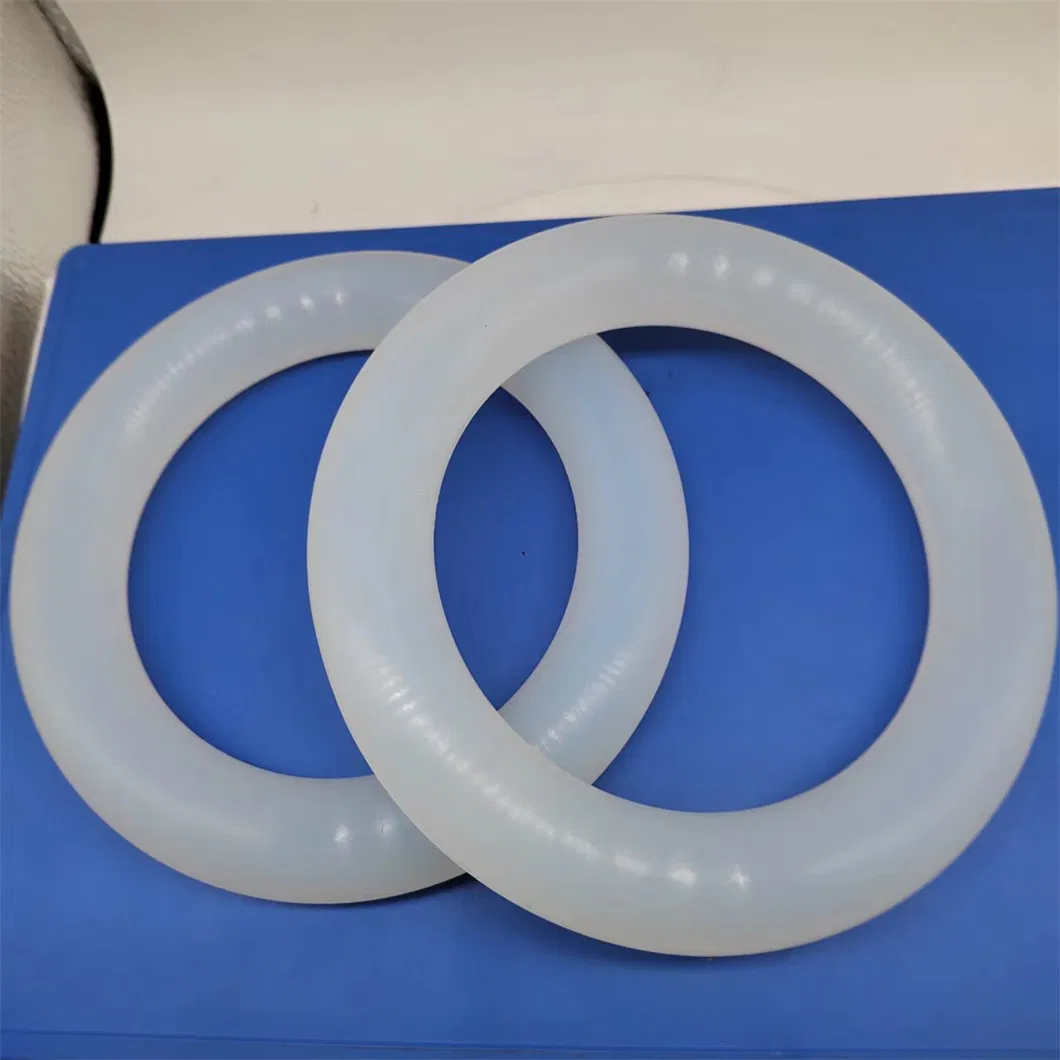
For industrial manufacturers seeking high-performance materials, Suzhou Baoshida Trading Co., Ltd. delivers engineered rubber and polymer solutions tailored to demanding applications. Our specialty in high density polyurethane sheet products ensures superior mechanical strength, abrasion resistance, and dimensional stability across a wide range of operating conditions. As a trusted OEM partner in the industrial rubber sector, we combine material science expertise with precision manufacturing to meet the exacting standards of automotive, machinery, automation, and heavy equipment industries.
High density polyurethane sheet is engineered for applications requiring resilience under compression, resistance to wear, and long-term durability. Unlike conventional rubber or lower-grade polymers, our polyurethane formulations offer enhanced load-bearing capacity, oil and grease resistance, and excellent performance in dynamic environments. Whether used in sealing components, wear strips, gaskets, or industrial rollers, our sheets provide consistent quality and reliable service life.
We offer a range of hardness grades, thicknesses, and sheet dimensions to suit diverse engineering needs. All materials undergo rigorous quality control, including tensile strength testing, elongation verification, and hardness calibration, ensuring compliance with international industrial standards. Our production lines support both small-batch prototyping and large-scale volume orders, with options for custom coloring, surface texturing, and precision cutting to customer blueprints.
Below are the standard technical specifications for our high density polyurethane sheet:
| Property | Value / Range | Test Method |
|---|---|---|
| Hardness (Shore A/D) | 80–95A / 45–60D | ASTM D2240 |
| Tensile Strength | ≥30 MPa | ASTM D412 |
| Elongation at Break | ≥400% | ASTM D412 |
| Tear Resistance | ≥120 kN/m | ASTM D624 (Die B) |
| Compression Set (22 hrs, 70°C) | ≤15% | ASTM D395 |
| Operating Temperature Range | -30°C to +90°C (short peaks to +110°C) | — |
| Abrasion Loss (Taber, 1000 rev) | ≤60 mg | ASTM D1044 |
| Density | 1.18–1.22 g/cm³ | ASTM D792 |
| Available Thickness | 1 mm to 100 mm | Custom tolerances |
| Sheet Dimensions | Up to 1200 mm × 2000 mm | Custom cutting available |
To ensure seamless integration into your production workflow, our technical team provides full support—from material selection and prototyping to performance validation. We collaborate directly with OEMs to align our polyurethane sheet specifications with your functional requirements, environmental exposure, and lifecycle expectations.
For inquiries, technical consultation, or sample requests, contact Mr. Boyce at Suzhou Baoshida Trading Co., Ltd. Reach out via email at [email protected] to discuss your project specifications, volume requirements, or custom formulation needs. Our team responds promptly to all technical and commercial queries, ensuring efficient communication and timely delivery. Partner with a trusted supplier in industrial rubber solutions—choose Suzhou Baoshida for quality, precision, and performance-engineered polyurethane materials.
⚖️ O-Ring Weight Calculator
Estimate rubber O-ring weight (Approx).