
Technical Contents
Engineering Guide: High Heat Insulation Material
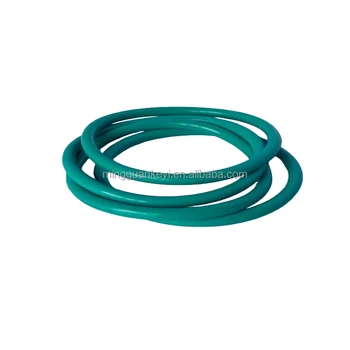
Engineering Insight: High Heat Insulation Material – The Critical Role of Material Selection
In industrial applications involving elevated thermal exposure, the performance of high heat insulation materials is not merely a function of thermal resistance but a direct consequence of precise material engineering. At Suzhou Baoshida Trading Co., Ltd., we emphasize that off-the-shelf insulation solutions frequently fail under real-world operational stress due to an oversimplified approach to material selection. Standardized products often assume uniform operating conditions, neglecting dynamic variables such as thermal cycling, mechanical compression, chemical exposure, and long-term aging. These factors, when unaccounted for, lead to premature degradation, compromised safety, and increased total cost of ownership.
The failure of generic insulation materials typically manifests in one or more of the following ways: thermal conductivity drift, embrittlement, outgassing, or dimensional instability. For example, silicone rubber compounds marketed as “high temperature” may claim continuous use up to 200°C, yet exhibit significant property loss beyond 180°C when exposed to compressive loads over time. Similarly, EPDM-based insulators, while excellent for weather resistance, begin oxidative degradation above 150°C, rendering them unsuitable for sustained high-heat environments.
Material selection must therefore be application-specific, guided by a comprehensive understanding of the operational envelope. At Baoshida, our engineered rubber solutions are formulated with reinforced silicone, fluorosilicone, and specialty elastomers designed for thermal stability up to 300°C. These compounds incorporate ceramic fillers and high-purity reinforcing agents to minimize thermal conductivity while maintaining mechanical integrity. Crucially, we subject all formulations to accelerated aging tests under simulated service conditions, ensuring performance consistency across extended duty cycles.
A critical advantage of custom-engineered insulation lies in the ability to balance multiple performance parameters. Off-the-shelf materials often optimize for a single attribute—such as peak temperature rating—at the expense of others like compression set resistance or flame retardancy. In contrast, our formulations are tuned to deliver balanced performance across thermal, mechanical, and chemical domains.
The following table outlines key performance characteristics of selected high heat insulation materials commonly deployed in industrial settings:
| Material | Continuous Use Temp (°C) | Thermal Conductivity (W/m·K) | Compression Set (22h, 150°C) | Key Advantages | Limitations |
|---|---|---|---|---|---|
| High-Purity Silicone Rubber | 200–250 | 0.18–0.22 | ≤20% | Excellent flexibility, low outgassing | Moderate chemical resistance |
| Fluorosilicone Rubber | 230–275 | 0.19–0.23 | ≤18% | Superior fuel and oil resistance | Higher cost, limited elongation |
| Ceramic-Filled Silicone | 250–300 | 0.15–0.18 | ≤15% | Low thermal conductivity, high stability | Reduced elasticity |
| Viton® (FKM) | 200–230 | 0.17–0.20 | ≤25% | Outstanding chemical resistance | Poor low-temperature performance |
Selecting the appropriate high heat insulation material demands more than reviewing datasheets—it requires a systems-level engineering approach. At Suzhou Baoshida, we partner with OEMs to co-develop solutions that meet exact thermal, mechanical, and environmental requirements, ensuring reliability, safety, and long-term cost efficiency.
Material Specifications
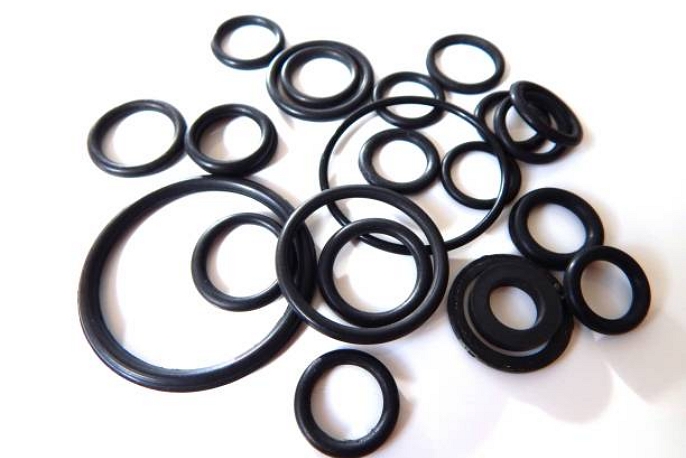
Material Specifications for High Heat Insulation Applications
Suzhou Baoshida Trading Co., Ltd. provides precision-engineered elastomeric solutions for extreme thermal environments. Selecting the optimal material for high heat insulation requires rigorous analysis of continuous operating temperature, chemical compatibility, and mechanical resilience. Viton (FKM), Nitrile (NBR), and Silicone (VMQ) represent critical options, each exhibiting distinct performance boundaries under thermal stress. Continuous exposure beyond material limits induces irreversible degradation, including hardening, cracking, or loss of sealing integrity. Our OEM-grade formulations undergo ASTM D2000 and ISO 37 validation to ensure compliance with aerospace, automotive, and industrial sealing standards.
The comparative specifications below detail core thermal and mechanical properties essential for high-heat insulation design. Data reflects standard-grade compounds cured per industry protocols; custom formulations may extend specific parameters.
| Material | Continuous Temp Range (°C) | Short-Term Peak (°C) | Compression Set (70°C/22h, %) | Key Fluid Resistances | Critical Limitations |
|---|---|---|---|---|---|
| Viton (FKM) | -20 to +230 | 300 | ≤20 | Hydrocarbons, acids, steam | Poor ketone/amine resistance |
| Nitrile (NBR) | -30 to +120 | 150 | ≤35 | Oils, aliphatic fuels | Limited ozone/weathering stability |
| Silicone (VMQ) | -60 to +200 | 260 | ≤25 | Water, oxygen, mild chemicals | Low tensile strength; poor fuel resistance |
Viton demonstrates superior thermal stability for prolonged exposure up to 230°C, maintaining sealing force under aggressive media like jet fuels and hydraulic fluids. Its low compression set ensures dimensional retention in static seals, though cost premiums necessitate targeted deployment. Nitrile remains cost-effective for moderate heat scenarios below 120°C, excelling in oil-rich environments but failing rapidly above 150°C due to chain scission. Silicone offers unparalleled low-temperature flexibility and non-toxic compliance, yet its mechanical weakness in dynamic applications restricts use to gaskets or non-load-bearing insulation.
Suzhou Baoshida emphasizes that fluid exposure compounds thermal degradation. For instance, NBR swells catastrophically in aromatic fuels at 100°C, while Viton withstands similar conditions at 200°C. Compression set values directly correlate with seal longevity; values exceeding 40% typically indicate functional failure in critical joints. OEM clients must cross-reference media compatibility charts with temperature profiles during material selection. Our engineering team validates all compounds via TGA (Thermogravimetric Analysis) to quantify decomposition onset temperatures, ensuring real-world alignment with published specs.
Ultimate material choice hinges on the intersection of peak thermal load, chemical exposure duration, and mechanical stress. Suzhou Baoshida’s technical consultancy provides application-specific testing protocols, including multi-axis thermal cycling and fluid immersion trials, to de-risk insulation system design for demanding industrial deployments.
Manufacturing Capabilities

Suzhou Baoshida Trading Co., Ltd. maintains a robust engineering framework tailored to the development and production of high heat insulation materials within the industrial rubber sector. Our engineering capability is anchored by a dedicated team of five mould engineers and two specialized rubber formula engineers, enabling end-to-end control over product design, material formulation, prototyping, and manufacturing. This integrated approach ensures precision, consistency, and compliance with the exacting demands of high-temperature applications across automotive, aerospace, energy, and heavy industrial sectors.
Our mould engineering team possesses extensive experience in designing and optimizing complex rubber moulds for high heat environments. Utilizing advanced CAD/CAM software and precision CNC machining techniques, the team develops moulds that ensure dimensional accuracy, thermal stability, and long service life. Each design undergoes rigorous thermal and pressure simulation to validate performance under operational stress, minimizing defects and maximizing production efficiency. The engineers collaborate closely with clients during the development phase to refine geometries, venting systems, and gating strategies specific to high-temperature vulcanization processes.
Complementing this expertise are our two in-house rubber formula engineers, who specialize in developing custom elastomeric compounds capable of withstanding continuous exposure to temperatures exceeding 300°C. By leveraging deep knowledge of polymer chemistry, filler systems, and curing mechanisms, they formulate high-performance silicone, FKM (fluoroelastomer), and ACM (acrylate rubber) compounds tailored to specific thermal, mechanical, and chemical resistance requirements. These formulations are validated through accelerated aging tests, thermogravimetric analysis (TGA), and dynamic mechanical analysis (DMA) to ensure long-term reliability in extreme conditions.
As an OEM partner, Suzhou Baoshida offers full-service manufacturing solutions—from concept to mass production. We support low-volume prototyping and high-volume automated production, maintaining strict ISO-compliant quality control systems throughout. Our facility is equipped with state-of-the-art mixing, molding, and testing equipment, allowing seamless transition from design to delivery.
The following table outlines the key technical specifications achievable with our engineered high heat insulation materials:
| Property | Test Standard | Typical Value |
|---|---|---|
| Continuous Use Temperature | ASTM D573 | Up to 300°C (Silicone), 250°C (FKM) |
| Tensile Strength | ASTM D412 | 8–12 MPa |
| Elongation at Break | ASTM D412 | 150–300% |
| Compression Set (24h @ 250°C) | ASTM D395 | ≤ 35% |
| Thermal Conductivity | ASTM C168 | 0.18–0.25 W/m·K |
| Hardness (Shore A) | ASTM D2240 | 50–80 |
This combination of advanced engineering talent, material science expertise, and OEM scalability positions Suzhou Baoshida as a trusted partner in high heat insulation material development. We deliver engineered rubber solutions that meet the highest industrial standards for performance, durability, and safety.
Customization Process
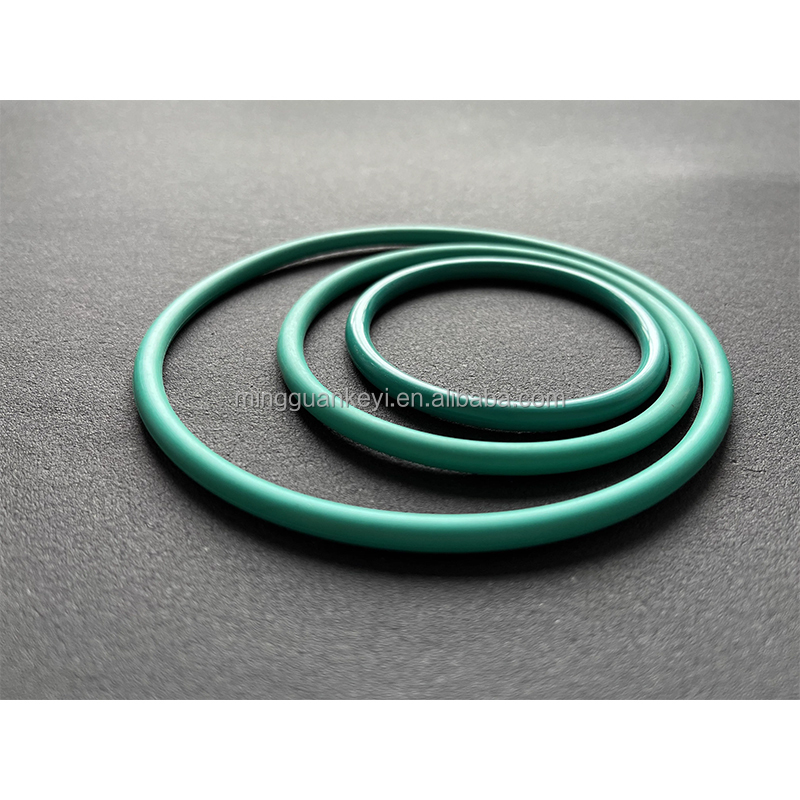
Customization Process for High Heat Insulation Rubber Components
At Suzhou Baoshida Trading Co., Ltd., our customization workflow for high heat insulation rubber materials integrates rigorous engineering validation with scalable manufacturing. This systematic approach ensures optimal thermal performance, durability, and compliance with OEM specifications under extreme operational conditions.
Drawing Analysis
Initial technical assessment begins with comprehensive scrutiny of client-provided engineering drawings and performance requirements. Our engineers evaluate dimensional tolerances, environmental exposure parameters (e.g., continuous temperature range, chemical contact, mechanical stress), and regulatory standards (ASTM D2000, ISO 37). Critical focus areas include identifying potential thermal degradation zones, compression set risks, and interface compatibility with adjacent materials. Finite element analysis (FEA) may be employed to simulate thermal expansion behavior, ensuring design integrity before material selection.
Formulation Development
Based on drawing analysis, our rubber compounding team designs a proprietary high-heat-resistant formulation. Key considerations include polymer base selection (e.g., silicone, FKM, or specialized ACM blends), reinforcing fillers for thermal stability, and synergistic antioxidant packages. Each compound undergoes thermogravimetric analysis (TGA) and differential scanning calorimetry (DSC) to validate decomposition thresholds and glass transition temperatures. Formulations are optimized to balance heat resistance with critical secondary properties: tensile strength retention after aging, low compression set at target temperatures, and flame retardancy per UL 94 ratings.
Prototyping and Validation
Precision prototypes are manufactured using client-specified tooling or rapid-prototype molds. Three iterative validation phases follow:
1. Dimensional Verification: CMM inspection against GD&T callouts.
2. Thermal Cycling Tests: Exposure to 500+ cycles between -40°C and maximum service temperature.
3. Functional Performance: Compression set measurement (ASTM D395), thermal conductivity validation, and fluid resistance testing.
Client feedback on prototype performance triggers formulation or process refinements until all KPIs are met.
Mass Production Readiness
Upon prototype approval, we transition to full-scale production under ISO 9001-certified protocols. Each batch undergoes strict in-process quality control:
Real-time rheometer monitoring during mixing
Continuous vulcanization temperature profiling
100% visual inspection and automated dimensional checks
Final products are certified with material test reports (MTRs) detailing hardness, tensile properties post-aging, and thermal stability data. Our production lines maintain traceability from raw material lot to finished component, ensuring consistency across volumes from 1,000 to 500,000 units.
Key Thermal Performance Specifications
The table below summarizes typical achievable properties for our high-heat insulation compounds:
| Property | Silicone Rubber | FKM (Viton®) | ACM Blend | Test Standard |
|---|---|---|---|---|
| Continuous Service Temperature | -60°C to 250°C | -20°C to 230°C | -40°C to 175°C | ASTM D2240 |
| Peak Short-Term Resistance | 300°C | 275°C | 200°C | ISO 188 |
| Thermal Conductivity (W/m·K) | 0.15–0.25 | 0.18–0.22 | 0.12–0.18 | ASTM C177 |
| Compression Set (22h/200°C) | ≤25% | ≤30% | ≤35% | ASTM D395 Method B |
| Flame Resistance (UL 94) | V-0 | V-1 | HB | UL 94 |
This structured customization pathway—grounded in material science and industrial pragmatism—delivers mission-critical insulation solutions that withstand the most demanding thermal environments while meeting OEM cost and timeline constraints.
Contact Engineering Team
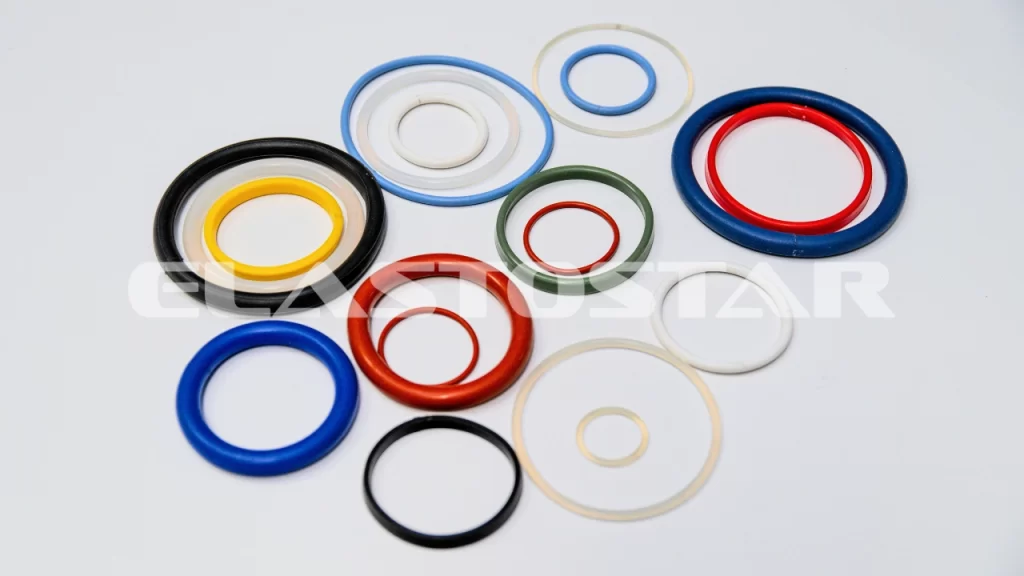
For industrial manufacturers operating in extreme thermal environments, selecting the correct high heat insulation material is not merely a matter of performance—it is a critical factor in safety, longevity, and operational efficiency. At Suzhou Baoshida Trading Co., Ltd., we specialize in advanced industrial rubber solutions engineered to withstand prolonged exposure to elevated temperatures while maintaining structural integrity and insulating efficacy. Our high heat insulation materials are formulated using proprietary elastomeric compounds that deliver superior thermal resistance, low thermal conductivity, and exceptional mechanical durability under stress.
Our product line includes silicone rubber sheets, ceramic-loaded composites, and reinforced elastomeric foams designed specifically for applications in automotive exhaust systems, industrial furnace linings, aerospace components, and high-temperature gasketing. Each material is rigorously tested to ensure compliance with international standards, including ASTM E177, ISO 8301, and UL 94 flame ratings. We understand that every industrial application presents unique challenges, which is why we offer custom formulation services to meet specific thermal, chemical, and mechanical requirements.
To assist engineers and procurement managers in making informed decisions, we provide detailed technical data sheets and application support from our team of rubber formulation specialists. Below is a representative specification table for our standard high heat insulation materials:
| Material Type | Continuous Use Temp (°C) | Peak Temp Resistance (°C) | Thermal Conductivity (W/m·K) | Tensile Strength (MPa) | Hardness (Shore A) | Fire Rating |
|---|---|---|---|---|---|---|
| Silicone Rubber Sheet | 200 | 260 | 0.18–0.22 | 6.5–8.0 | 50–80 | UL 94 V-0 |
| Ceramic-Filled Silicone | 250 | 315 | 0.15–0.19 | 5.0–7.0 | 60–75 | UL 94 V-0 |
| Intumescent Elastomeric Foam | 180 | 300 | 0.04–0.06 | 0.8–1.2 | 30–45 (Shore 00) | ASTM E84 Class A |
| Glass-Fiber Reinforced Mat | 220 | 280 | 0.12–0.16 | 9.0–12.0 | 70–85 | M1 (EN 13501-1) |
These materials are available in sheet, roll, molded, and die-cut forms, with thicknesses ranging from 0.5 mm to 25 mm. Custom densities, colors, and surface treatments are also available upon request.
For technical consultation, sample requests, or volume pricing inquiries, contact Mr. Boyce, OEM Manager and Rubber Formula Engineer at Suzhou Baoshida Trading Co., Ltd. With over 15 years of experience in elastomer development and industrial supply chain management, Mr. Boyce leads our client integration and custom engineering initiatives. He is available to review your thermal insulation challenges and recommend optimized material solutions tailored to your production environment.
Reach out directly via email at [email protected] to initiate a technical dialogue. Include your application parameters, operating conditions, and performance targets to receive a targeted material recommendation within 24 business hours. At Suzhou Baoshida, we are committed to delivering precision-engineered rubber solutions that perform under pressure—because in high heat environments, compromise is not an option.
⚖️ O-Ring Weight Calculator
Estimate rubber O-ring weight (Approx).