
Technical Contents
Engineering Guide: High Temp Concrete Mix
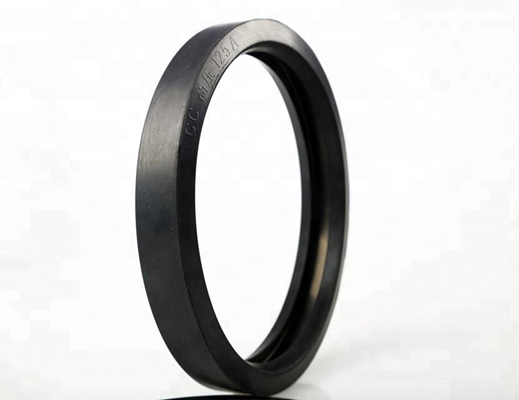
Engineering Insight: Material Selection in High-Temperature Concrete Mix Applications
In industrial environments where high-temperature concrete mixes are processed, transported, or contained, the integrity of supporting equipment—particularly seals, gaskets, and liners—is paramount. These components are frequently exposed to extreme thermal conditions, aggressive alkaline environments, and mechanical stress. Standard elastomeric materials often fail prematurely under such conditions, leading to unplanned downtime, safety risks, and increased maintenance costs. The root cause lies in improper material selection, where off-the-shelf rubber solutions are applied without accounting for the specific chemical and thermal dynamics of high-temperature concrete.
High-temperature concrete mixes, commonly used in refractory linings, kiln construction, and industrial flooring, can exceed 150°C during curing and service. At these temperatures, conventional rubber compounds such as natural rubber (NR) or standard nitrile (NBR) undergo rapid thermal degradation. This results in hardening, cracking, and loss of elasticity—compromising sealing performance. Additionally, the highly alkaline nature of wet concrete (pH 12–13) accelerates hydrolysis in ester-based elastomers like standard polyurethanes (PU), further reducing service life.
Material failure is not merely a function of temperature alone but a synergistic effect of heat, chemical exposure, and mechanical loading. For instance, a gasket compressed between two flanges in a concrete delivery chute may appear functional at ambient temperature but loses resilience and sealing force after repeated thermal cycling. This phenomenon is often overlooked when selecting generic rubber products based solely on initial cost or availability.
At Suzhou Baoshida Trading Co., Ltd., we emphasize engineered elastomer solutions tailored to the operational envelope of high-temperature concrete applications. Materials such as hydrogenated nitrile (HNBR), fluorocarbon (FKM), and specially compounded silicone (VMQ) exhibit superior resistance to both thermal aging and alkaline attack. These polymers maintain flexibility and compression set resistance at elevated temperatures, ensuring long-term sealing integrity.
The table below compares key elastomer properties relevant to high-temperature concrete environments:
| Material | Continuous Use Temp (°C) | Alkali Resistance | Compression Set (24h @ 150°C) | Key Limitation |
|---|---|---|---|---|
| NBR | 100 | Poor | >40% | Degrades rapidly above 120°C |
| HNBR | 150 | Good | <25% | Higher cost than NBR |
| FKM | 200 | Excellent | <20% | Poor resistance to steam hydrolysis |
| VMQ | 180 | Good | <30% | Low tensile strength, prone to tearing |
| EPDM | 135 | Excellent | <35% | Poor oil resistance, limited in mixed environments |
Selecting the appropriate elastomer requires a holistic analysis of service conditions, including peak temperature, exposure duration, chemical contact, and mechanical stress. Off-the-shelf solutions often fail because they are optimized for general-purpose use, not the unique demands of high-temperature concrete processing. By prioritizing material science and application-specific engineering, industrial operators can achieve significant gains in reliability and cost-efficiency across their systems.
Material Specifications
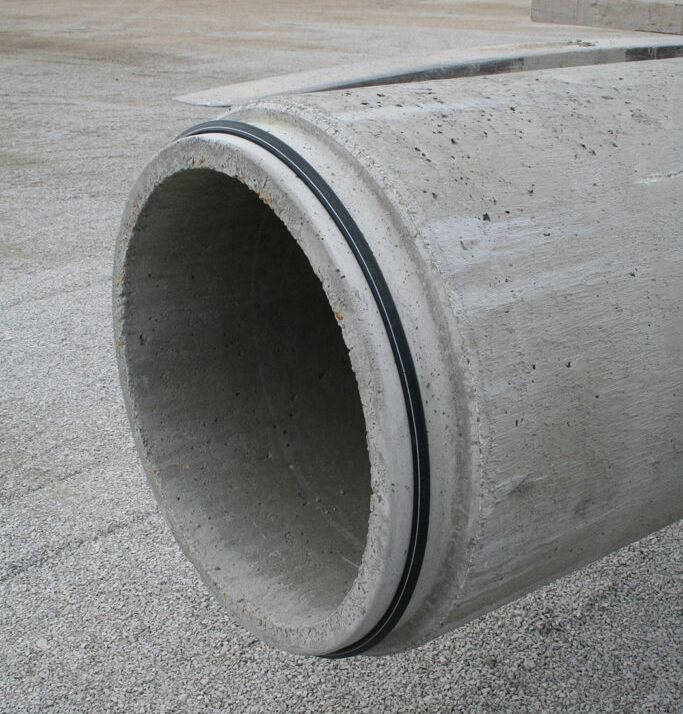
Material Specifications for High-Temperature Concrete Formwork Sealing Applications
Selecting the appropriate elastomer for high-temperature concrete formwork seals is critical to prevent leakage, ensure structural integrity, and withstand the aggressive chemical and thermal environment during curing. Concrete mixtures generate significant exothermic heat during hydration, often exceeding 80°C, while exposing seals to highly alkaline conditions (pH 12–13) and abrasive aggregates. At Suzhou Baoshida Trading Co., Ltd., we rigorously formulate Viton, Nitrile, and Silicone compounds to meet ASTM D2000 and ISO 3601 standards, prioritizing compression set resistance, chemical stability, and thermal endurance. Each material offers distinct performance trade-offs essential for OEM integration into formwork systems.
The comparative analysis below details core specifications validated through accelerated aging tests per ASTM D573 (heat resistance) and immersion in saturated calcium hydroxide solution (simulating concrete alkalinity). Hardness values are standardized to 70±5 Shore A for direct comparability, though custom durometers are available for specialized sealing geometries. Compression set testing followed ASTM D395 Method B at 100°C for 22 hours, directly correlating to real-world formwork demolding performance after steam curing cycles.
| Property | Viton (FKM) | Nitrile (NBR) | Silicone (VMQ) |
|---|---|---|---|
| Continuous Use Temperature (°C) | -20 to +250 | -30 to +120 | -60 to +230 |
| Peak Short-Term Exposure (°C) | 300 | 150 | 260 |
| Compression Set (%, max) | 15 | 35 | 25 |
| Resistance to Concrete Alkalinity | Excellent | Moderate | Good |
| Resistance to Cement Additives | Outstanding | Poor | Fair |
| Tensile Strength (MPa, min) | 12 | 10 | 7 |
| Key Concrete Application Notes | Optimal for steam-cured precast; resists plasticizers & accelerators | Cost-effective for ambient-cure applications; degrades above 100°C | Limited to non-structural seals; poor tear strength with aggregate contact |
Viton demonstrates unparalleled stability in high-heat steam-curing environments (up to 250°C), maintaining seal integrity against alkaline hydrolysis and organic additives like lignosulfonates. Its low compression set ensures repeatable gasket performance across 50+ formwork cycles, though material costs are 3–4× higher than NBR. Nitrile remains viable for low-temperature pours but suffers rapid hardening and seal failure above 100°C due to oxidative chain scission. Silicone offers broad temperature coverage but exhibits inferior mechanical strength in abrasive concrete mix scenarios, with tear resistance 40% lower than Viton under ASTM D624 testing.
For mass-pour foundations exceeding 90°C hydration peaks, Viton is non-negotiable for critical joints. Nitrile suits temporary formwork in mild climates, while Silicone is restricted to non-load-bearing expansion joints. Suzhou Baoshida provides OEMs with application-specific compound certifications, including 30-day immersion test reports in Type I Portland cement slurry. All materials undergo ISO 1817 chemical resistance validation prior to shipment, ensuring compliance with EN 197-1 cement standards. Consult our engineering team to optimize material selection based on your curing protocols and formwork design parameters.
Manufacturing Capabilities
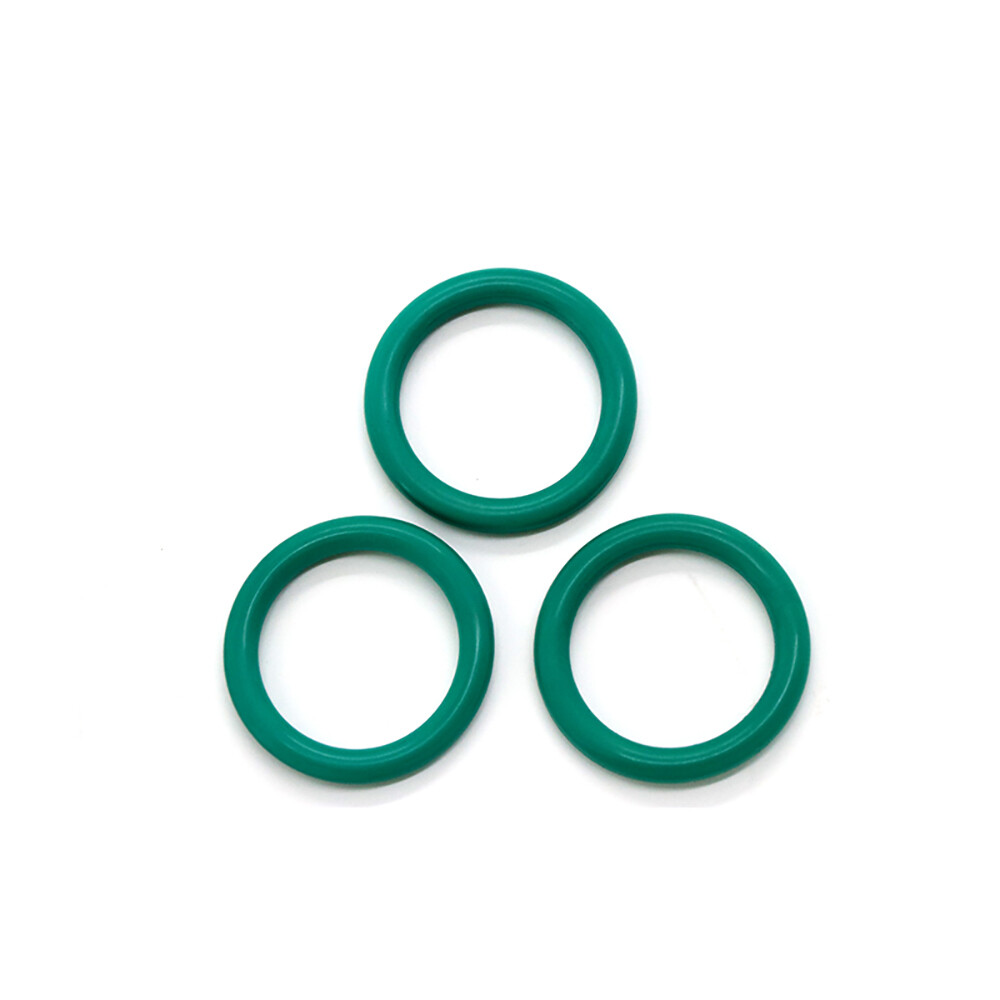
Engineering Capability
At Suzhou Baoshida Trading Co., Ltd., our engineering capability is anchored in deep technical expertise and a disciplined approach to material science and mold design. With a dedicated team comprising five certified mold engineers and two specialized rubber formulation engineers, we deliver precision-engineered rubber solutions tailored to the demanding requirements of industrial applications, including environments involving high-temperature concrete mixing systems. Our integrated engineering workflow ensures that every component is optimized for performance, durability, and compatibility under extreme thermal and mechanical stress.
Our mold engineers utilize advanced CAD/CAM software and finite element analysis (FEA) to develop robust mold designs that ensure consistent part geometry, dimensional accuracy, and efficient production cycles. Each mold is rigorously evaluated for thermal expansion, wear resistance, and ejection dynamics—critical factors when producing seals and gaskets exposed to high-temperature concrete environments. The team’s experience spans multi-cavity molds, insert molding, and overmolding techniques, enabling us to support complex OEM designs with tight tolerances.
Complementing our mold engineering strength is our in-house rubber formulation capability. Our two formula engineers specialize in developing custom elastomer compounds that resist thermal degradation, abrasion, and chemical exposure—common challenges in concrete mixing and processing equipment. By controlling the polymer base, filler content, vulcanization system, and additive package, we engineer rubber materials that maintain elasticity and structural integrity at continuous service temperatures up to 250°C. This level of formulation control is essential for components such as drum seals, chute gaskets, and hydraulic rod seals used in high-temp concrete mixers.
Our OEM capabilities are built on a foundation of collaborative engineering. We work directly with equipment manufacturers to reverse-engineer legacy parts, improve material performance, and reduce total cost of ownership. From concept validation to production release, we manage every stage of development with full documentation, including material test reports, mold flow analysis, and PPAP submissions. This end-to-end control ensures seamless integration into our clients’ manufacturing and maintenance supply chains.
The following table outlines key technical capabilities and material performance specifications relevant to high-temperature concrete mixing applications:
| Parameter | Specification |
|---|---|
| Continuous Service Temperature | Up to 250°C |
| Tensile Strength (ASTM D412) | 12–18 MPa |
| Hardness Range (Shore A) | 60–90 ±5 |
| Compression Set (24h at 200°C) | ≤25% |
| Elongation at Break | 250–400% |
| Mold Design Software | SolidWorks, AutoCAD, Moldflow |
| OEM Documentation Support | PPAP, IMDS, RoHS, Material Certifications |
Through a fusion of material science and precision engineering, Suzhou Baoshida delivers reliable, high-performance rubber components that meet the rigorous demands of modern concrete processing machinery.
Customization Process
Customization Process for High-Temperature Concrete Mix Rubber Components
At Suzhou Baoshida Trading Co., Ltd., our customization process for high-temperature concrete mix applications follows a rigorous engineering workflow to ensure material integrity under extreme thermal and chemical stress. This begins with Drawing Analysis, where we dissect OEM technical schematics to identify critical performance parameters. We assess dimensional tolerances per ISO 2768-mK, seal interface geometries, and thermal expansion coefficients. Crucially, we map exposure conditions—including intermittent peaks up to 250°C, alkaline concrete slurry contact, and abrasive aggregate wear—to define material failure thresholds. This phase integrates finite element analysis (FEA) simulations to predict stress points under thermal cycling, ensuring design feasibility before material selection.
Formulation Development then commences using proprietary compound libraries validated against ASTM D2000 standards. We prioritize polymer backbones with inherent thermal stability, such as fluorocarbon (FKM) or hydrogenated nitrile (HNBR), modified with ceramic-reinforced silica fillers to resist concrete-induced abrasion. Key adjustments include optimizing peroxide curing systems for flat torque curves at 200–250°C and incorporating acid-scavenging additives to neutralize alkali hydroxide byproducts from cement hydration. Each formulation undergoes computational chemistry screening via Moldex3D to model crosslink density versus compression set at target temperatures, eliminating empirical guesswork.
Prototyping leverages our in-house 200-ton hydraulic press and precision CNC molds to produce ISO 37 test specimens and functional prototypes. Every batch undergoes accelerated life testing: 72-hour exposure in simulated concrete slurry (pH 12.5) at 220°C, followed by tensile strength retention checks per ASTM D412 and dynamic mechanical analysis (DMA) for glass transition temperature shifts. We validate seal performance in custom jigs replicating mixer drum pressure cycles (0–15 bar), with real-time leakage monitoring. Client feedback on prototype durability directly refines the compound before scaling.
Mass Production initiates only after OEM sign-off on PPAP Level 3 documentation. Our Suzhou facility employs IoT-enabled Banbury mixers with closed-loop temperature control (±1°C accuracy) and laser micrometer inline inspection for dimensional consistency. Each production lot includes traceable batch records with rheometer curves, TGA thermograms for filler dispersion verification, and third-party SGS reports for REACH/ROHS compliance. We maintain dedicated production cells for high-temp compounds to prevent cross-contamination, with automated X-ray fluorescence screening for sulfur content uniformity critical to vulcanization kinetics.
Material selection is guided by operational severity, as summarized below for common high-temp concrete applications:
| Material Type | Max Continuous Temp (°C) | Acid/Alkali Resistance | Abrasion Index (DIN 53516) |
|---|---|---|---|
| FKM (6FKM) | 250 | Excellent | 85 mm³ |
| ACM (H-ACM) | 180 | Good | 110 mm³ |
| EPDM (Perox) | 150 | Poor | 140 mm³ |
This structured approach ensures rubber components withstand concrete mixer thermal degradation cycles while meeting OEM longevity targets. Suzhou Baoshida’s integration of computational modeling, accelerated validation, and statistical process control delivers zero-defect solutions for demanding construction environments.
Contact Engineering Team
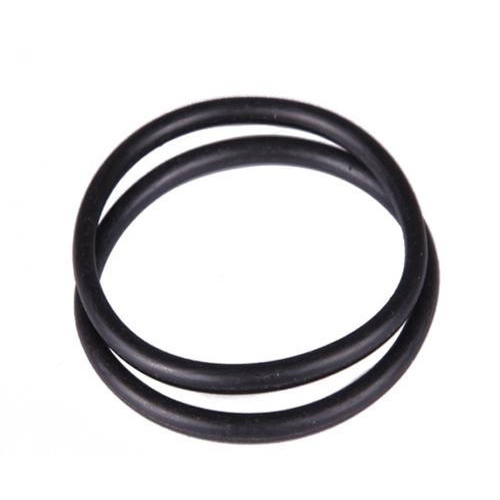
For industrial operations requiring extreme durability and performance under thermal stress, Suzhou Baoshida Trading Co., Ltd. delivers precision-engineered rubber solutions tailored to the most demanding environments. Our expertise extends directly into specialized applications involving high-temperature concrete mix systems, where material integrity, thermal resistance, and long-term reliability are non-negotiable. As a trusted OEM partner in industrial rubber technology, we provide custom formulations that address the unique challenges of high-temperature concrete processing, including thermal expansion, chemical exposure, and mechanical wear.
Our advanced rubber compounds are designed to withstand continuous exposure to elevated temperatures while maintaining structural stability and sealing efficiency. Whether used in pump linings, gaskets, expansion joints, or conveyor components, our materials ensure operational continuity in environments where standard elastomers fail. We formulate with high-performance polymers such as EPDM, silicone, fluororubber (FKM), and specialty silicone blends, each selected and tested for compatibility with high-temperature concrete mixes and associated curing processes.
Partnering with Suzhou Baoshida means access to engineered rubber solutions backed by rigorous quality control, in-house R&D, and deep application knowledge. We collaborate closely with clients to analyze operating conditions, define performance parameters, and develop customized products that meet exact technical requirements. Our manufacturing capabilities support low to high-volume production with strict adherence to international standards, including ISO 9001 certification protocols.
To ensure seamless integration into your high-temperature concrete systems, we provide full technical documentation, material test reports, and on-demand engineering support. Our team specializes in translating industrial challenges into durable rubber-based solutions, minimizing downtime and maximizing service life.
For immediate technical consultation or custom formulation support, contact Mr. Boyce, OEM Manager and Rubber Formula Engineer at Suzhou Baoshida Trading Co., Ltd. He leads material development and client engineering services, ensuring every product delivers optimal performance in real-world conditions. Reach out directly via email at [email protected] to discuss your application requirements, request samples, or initiate a joint development project.
Below is a representative specification table for one of our high-temperature resistant rubber formulations commonly used in concrete processing equipment:
| Property | Test Method | Value |
|---|---|---|
| Material Type | Visual/IR | Silicone Rubber (High-Temp Grade) |
| Hardness (Shore A) | ASTM D2240 | 65 ± 5 |
| Tensile Strength | ASTM D412 | ≥ 9.0 MPa |
| Elongation at Break | ASTM D412 | ≥ 250% |
| Operating Temperature Range | Continuous/Intermittent | -60°C to +280°C / Up to +350°C |
| Compression Set (22 hrs, 250°C) | ASTM D395 | ≤ 25% |
| Resistance to Alkali & Cement Slurry | Immersion Test (7 days) | Excellent |
| Flame Resistance | UL94 | V-0 Rated |
All specifications are subject to customization based on client needs. Contact Mr. Boyce to receive full technical data sheets or to schedule a technical review of your high-temp concrete mix application. Suzhou Baoshida is committed to engineering excellence—let us develop the right rubber solution for your industrial challenge.
⚖️ O-Ring Weight Calculator
Estimate rubber O-ring weight (Approx).