
Technical Contents
Engineering Guide: High Temp Gasket
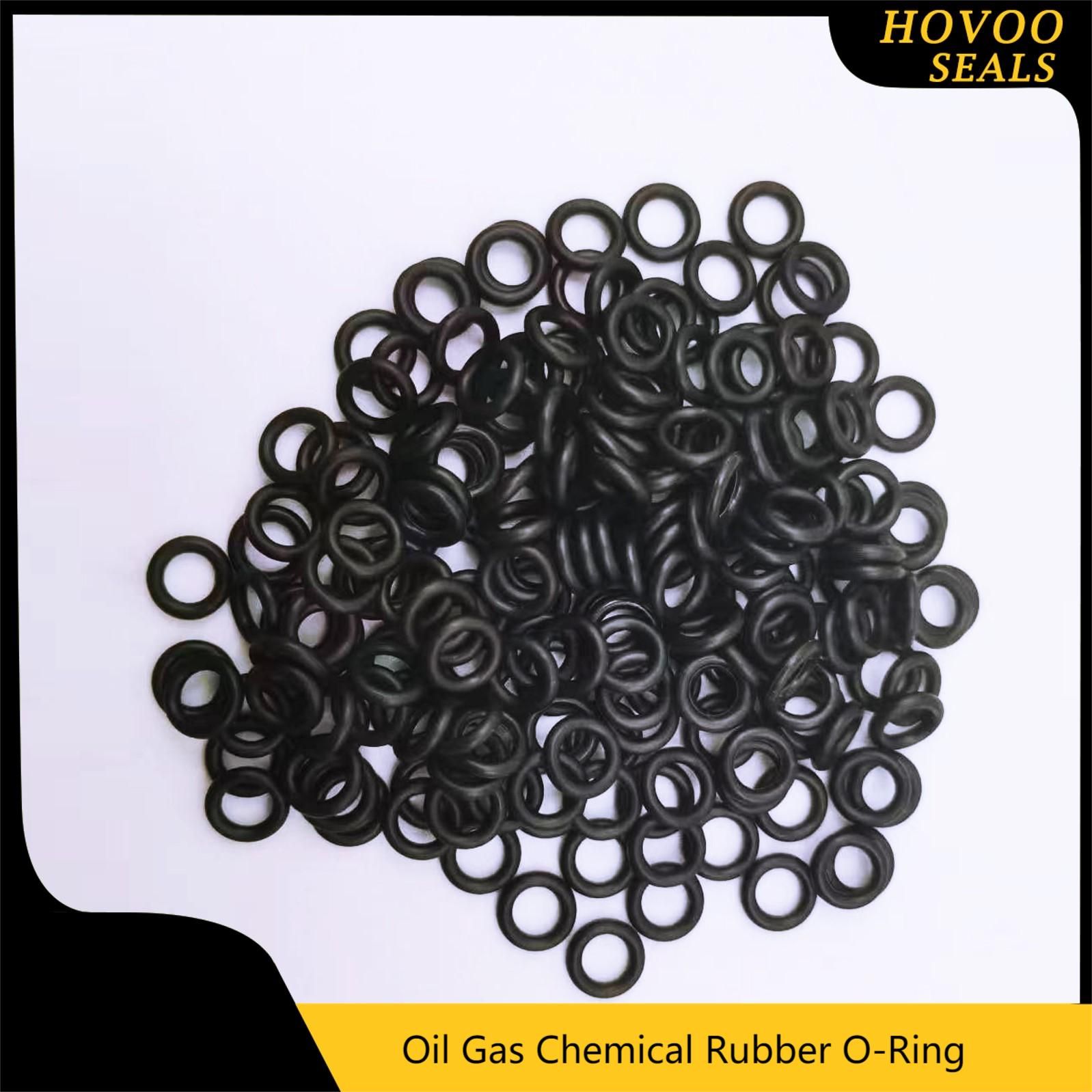
Engineering Insight: Material Selection Imperatives for High Temperature Gasket Performance
Selecting appropriate elastomeric materials for high-temperature gasket applications transcends basic specification matching. Off-the-shelf solutions frequently fail under demanding thermal conditions due to inadequate consideration of compound chemistry, operational stressors, and long-term degradation mechanisms. Standard gaskets often utilize generic formulations optimized for cost rather than resilience, leading to catastrophic compression set, chemical degradation, or irreversible hardening when exposed to sustained temperatures exceeding 200°C. This compromises sealing integrity, risking fluid leaks, equipment damage, and unplanned downtime—costs far exceeding initial material savings.
The core failure lies in oversimplified temperature ratings. Published maximum service temperatures rarely account for synergistic effects of pressure cycles, media exposure (acids, oils, steam), and continuous thermal aging. For instance, a standard nitrile rubber (NBR) gasket rated for 120°C may rapidly lose 50% of its sealing force at 150°C when exposed to hydraulic fluid, while ethylene propylene diene monomer (EPDM) degrades under hydrocarbon contact despite acceptable thermal ratings. Precision-engineered compounds must integrate thermally stable polymer backbones, specialized fillers to resist charring, and antioxidants to mitigate chain scission. Fluoroelastomers (FKM) and perfluoroelastomers (FFKM) excel here due to strong carbon-fluorine bonds, but even these require tailored cure systems and filler packages to maintain elasticity and recovery at 250°C+.
Custom formulation is non-negotiable for critical applications. Generic gaskets omit rigorous validation against application-specific variables: thermal cycling rates, surface finish compatibility, or transient peak temperatures. A reactor vessel gasket might face intermittent 300°C spikes during catalyst regeneration—conditions that carbonize standard silicone compounds within hours. Conversely, over-specifying FFKM for moderate 180°C steam service inflates costs unnecessarily. Material selection demands holistic analysis of the entire operational envelope, not isolated temperature thresholds.
The following table compares critical elastomer properties for high-temperature gasketing, emphasizing real-world limitations beyond nominal ratings:
| Material | Max Continuous Temp (°C) | Primary Failure Modes at Elevated Temp | Typical Industrial Applications |
|---|---|---|---|
| Standard NBR | 120 | Rapid compression set, oil swelling, hardening | Low-temp hydraulic systems |
| High-Acryn FKM | 230 | Limited steam resistance, filler breakdown >250°C | Chemical processing, aerospace fuel systems |
| FFKM (e.g., Kalrez®) | 327 | Cost-prohibitive for non-critical use, slow compression set recovery | Semiconductor, aggressive chemical service |
| Filled Silicone | 200 | Tears under pressure, silica filler migration in steam | Non-critical electrical insulation |
| Custom FKM/FFKM | 250–300+ | Optimized for specific media/thermal cycles; minimal set | Petrochemical reactors, hydrogen service |
Suzhou Baoshida Trading Co., Ltd. engineers gaskets using application-specific compound matrices validated through ASTM D2000 and ISO 3601 protocols. We prioritize thermal stability metrics like compression set after 72h aging (ASTM D395) over simplistic temperature claims. Off-the-shelf gaskets ignore these nuances, inevitably sacrificing reliability. Partnering with a specialist ensures material science aligns with your operational reality—transforming gaskets from failure points into engineered assets.
Material Specifications
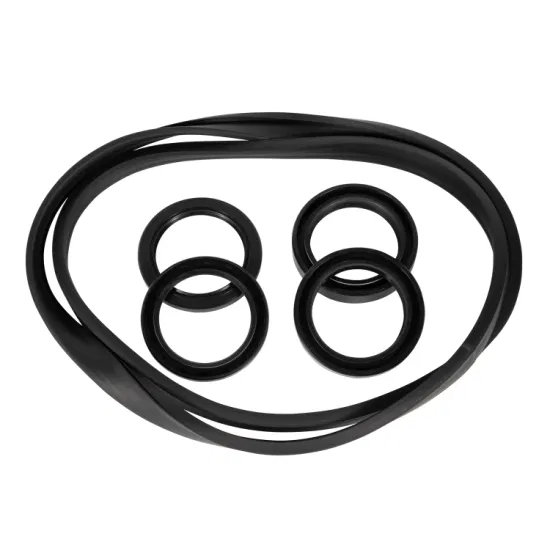
Material selection is a critical determinant in the performance and longevity of high-temperature gaskets used in demanding industrial environments. At Suzhou Baoshida Trading Co., Ltd., we specialize in precision rubber seals engineered to withstand extreme thermal, chemical, and mechanical stresses. Our expertise in advanced elastomer formulations ensures optimal functionality across diverse operating conditions. Among the most widely specified materials for high-temperature gasket applications are Viton (FKM), Nitrile (NBR), and Silicone (VMQ). Each material exhibits distinct thermal stability, chemical resistance, and mechanical properties, making them suitable for specific operational requirements.
Viton, a fluorocarbon-based elastomer, is renowned for its exceptional resistance to high temperatures, aggressive chemicals, oils, and fuels. With a continuous service temperature range up to 230°C (446°F), Viton is the preferred choice for aerospace, automotive, and chemical processing industries where exposure to harsh environments is routine. Its low gas permeability and excellent aging characteristics further enhance sealing reliability under prolonged thermal cycling. However, Viton exhibits lower flexibility at low temperatures and higher material cost compared to alternatives.
Nitrile rubber, or Buna-N, offers a balanced combination of oil resistance, mechanical strength, and cost efficiency. It performs reliably in environments with exposure to petroleum-based fluids, hydraulic oils, and aliphatic hydrocarbons. Nitrile gaskets maintain integrity within a temperature range of -30°C to 120°C (-22°F to 248°F), making them suitable for engine compartments, hydraulic systems, and industrial machinery. While not suitable for high-temperature applications exceeding 130°C, Nitrile remains a staple in general-purpose sealing due to its abrasion resistance and compression set performance.
Silicone rubber excels in extreme temperature applications, with a service range from -60°C to 200°C (-76°F to 392°F), and short-term resistance up to 250°C. It demonstrates excellent resistance to ozone, UV radiation, and weathering, making it ideal for outdoor and high-cycle thermal environments. Silicone is commonly used in food processing, medical devices, and electrical insulation due to its inertness and compliance with stringent hygiene standards. However, it has lower tensile strength and abrasion resistance compared to Viton and Nitrile, requiring careful design considerations in high-stress applications.
The following table summarizes key performance characteristics of these materials for comparative evaluation:
| Property | Viton (FKM) | Nitrile (NBR) | Silicone (VMQ) |
|---|---|---|---|
| Temperature Range (°C) | -20 to 230 | -30 to 120 | -60 to 200 |
| Temperature Range (°F) | -4 to 446 | -22 to 248 | -76 to 392 |
| Tensile Strength (MPa) | 15–20 | 10–25 | 5–8 |
| Elongation at Break (%) | 200–300 | 250–500 | 200–600 |
| Compression Set (22h, 150°C) | Excellent | Good | Very Good |
| Resistance to Oils/Fuels | Excellent | Excellent | Poor |
| Resistance to Ozone/UV | Excellent | Good | Excellent |
| Electrical Insulation | Good | Fair | Excellent |
| FDA Compliance | Select Grades | No | Yes (Platinum Cure) |
Selecting the appropriate elastomer requires a comprehensive understanding of the operational environment, including temperature profiles, media exposure, mechanical loads, and regulatory requirements. Suzhou Baoshida Trading Co., Ltd. provides customized gasket solutions supported by rigorous material testing and OEM-level technical guidance.
Manufacturing Capabilities
Engineering Capability: Precision High-Temperature Gasket Solutions
Suzhou Baoshida Trading Co., Ltd. leverages deep engineering expertise to solve complex sealing challenges in extreme thermal environments. Our dedicated team comprises five certified Mold Engineers and two specialized Rubber Formula Engineers, integrating material science with precision manufacturing to deliver gaskets exceeding 300°C operational demands. This cross-functional structure ensures seamless transition from compound development to mold validation, eliminating interface gaps common in outsourced supply chains.
Material Science Rigor defines our high-temperature formulation process. Our Formula Engineers optimize elastomer systems using fluorocarbon (FKM), perfluoroelastomer (FFKM), and specialty silicone polymers, balancing thermal stability, compression set resistance, and chemical compatibility. Each compound undergoes rigorous ASTM D2000 characterization and custom thermal aging protocols per client specifications. Critical parameters like compression set at 200°C (ASTM D395) are engineered below 25%—surpassing industry benchmarks for long-term sealing integrity in aerospace, energy, and semiconductor applications.
OEM Partnership Execution is our operational cornerstone. We manage end-to-end production under strict IP protection frameworks, including client-owned tooling custody and segregated manufacturing cells. Our Mold Engineers utilize 3D flow analysis (Moldflow) to optimize cavity design for minimal flash and consistent durometer control, critical for thin-section gaskets in turbocharger or fuel cell systems. All tooling adheres to ISO 2768-mK tolerances, with in-process CMM verification ensuring dimensional repeatability within ±0.05mm.
The following table summarizes key performance metrics achievable through our engineered solutions:
| Property | Standard High-Temp FKM | Baoshida Custom Formulation | Test Standard |
|---|---|---|---|
| Max Continuous Temp | 250°C | 325°C | ASTM D573 |
| Compression Set (200°C/70h) | 35% | ≤22% | ASTM D395 |
| Hardness Range (Shore A) | 60-80 | 50-90 | ASTM D2240 |
| Tensile Strength | 10 MPa | 14 MPa | ASTM D412 |
| Fluid Resistance (IRM 901) | 25% Volume Swell | <15% Volume Swell | ASTM D471 |
This technical mastery enables rapid prototyping of client-specific geometries, from simple flange rings to multi-cavity manifold seals requiring sub-millimeter precision. We validate all formulations against real-world media exposure—including jet fuels, supercritical CO₂, and hydrogen blends—to prevent field failures. Our engineering team collaborates directly with OEM design groups during DFMEA stages, providing material substitution guidance that reduces system weight while maintaining sealing force.
By anchoring our OEM process in measurable material science and mold engineering excellence, Suzhou Baoshida ensures high-temperature gaskets perform reliably where failure is not an option. Clients gain a transparent engineering partnership with full traceability from raw polymer batch to certified finished goods.
Customization Process
Customization Process for High Temperature Gaskets at Suzhou Baoshida Trading Co., Ltd.
At Suzhou Baoshida Trading Co., Ltd., the customization of high temperature gaskets follows a rigorous, science-driven workflow designed to meet exacting industrial requirements. Our process ensures material integrity, dimensional accuracy, and long-term performance under extreme thermal and mechanical stress. The journey from concept to mass production involves four critical stages: Drawing Analysis, Formulation Development, Prototyping, and Mass Production.
The process begins with Drawing Analysis, where our engineering team evaluates the customer-provided technical drawings or 3D models. We assess critical parameters such as flange type, bolt pattern, sealing surface finish, operating pressure, and temperature profile. This analysis allows us to determine the optimal gasket geometry, compression set requirements, and tolerance specifications. Our engineers also verify compliance with international standards such as ASME, ISO, and DIN, ensuring seamless integration into the client’s existing systems.
Following drawing validation, we proceed to Formulation Development. This stage is central to our expertise in precision rubber seals. Based on the operational environment—particularly maximum continuous and peak temperatures—we select the base elastomer system. Common materials include FKM (Viton®), FFKM, silicone (VMQ), EPDM, and PTFE-composites. Our in-house rubber compounding laboratory tailors the formulation to enhance thermal stability, chemical resistance, and compression recovery. Additives such as ceramic fillers or reinforced graphite may be incorporated to improve performance at temperatures exceeding 300°C. Each formulation is documented and archived for full traceability.
Prototyping is the next phase, where we produce a limited batch of gaskets using precision molding or CNC cutting techniques. These prototypes undergo a battery of tests, including thermal aging per ASTM D573, compression set testing (ASTM D395), and leak rate evaluation under simulated service conditions. Clients receive test reports and physical samples for field validation. Feedback is integrated into final design or material adjustments, ensuring optimal real-world performance.
Upon approval, we transition to Mass Production. Our automated production lines, equipped with real-time quality monitoring systems, ensure consistency across large volumes. Every batch is inspected for dimensional accuracy using digital calipers and optical comparators. Final products are packaged with protective liners and labeled for lot tracking.
The following table outlines typical performance specifications for our high temperature gasket materials:
| Material | Temperature Range (°C) | Hardness (Shore A) | Compression Set (22 hrs, 200°C) | Key Applications |
|---|---|---|---|---|
| FKM (Viton®) | -20 to 250 (short-term to 300) | 70–90 | ≤25% | Chemical processing, aerospace |
| Silicone (VMQ) | -60 to 230 | 40–80 | ≤20% | Food processing, medical |
| EPDM | -50 to 150 (200 peak) | 60–80 | ≤30% | Steam systems, HVAC |
| PTFE-Composite | -200 to 260 | 65–75 (Shore D) | ≤5% | Ultra-high purity, semiconductor |
| FFKM | -15 to 327 | 80–90 | ≤15% | Semiconductor, aggressive chemicals |
This structured approach ensures that every high temperature gasket we manufacture delivers precision, reliability, and durability in the most demanding environments.
Contact Engineering Team
Technical Engagement for High-Temperature Gasket Solutions
Suzhou Baoshida Trading Co., Ltd. operates at the forefront of precision rubber seal engineering, specializing in high-temperature gasket systems critical for aerospace, chemical processing, and energy infrastructure. Our formulations transcend standard elastomer limitations through proprietary polymer crosslinking and filler technologies, ensuring dimensional stability under continuous thermal stress exceeding 300°C. Material failure in extreme environments stems not from singular temperature exposure but synergistic degradation mechanisms—oxidation, compression set, and chemical permeation. Our engineered compounds address these variables holistically, validated through ASTM D2000 classification and ISO 1817 immersion testing.
The table below summarizes core material capabilities for immediate application assessment. These values represent minimum performance thresholds under controlled laboratory conditions; actual service life requires OEM-specific validation per operational parameters.
| Material Class | Continuous Service Temperature (°C) | Key Chemical Resistance | Compression Set (ASTM D395, 24h @ 200°C) | Primary Industrial Applications |
|---|---|---|---|---|
| Perfluoroelastomer (FFKM) | 327 | Broad-spectrum acids, amines, hydrocarbons | ≤15% | Semiconductor CVD chambers, jet engine seals |
| Fluoroelastomer (FKM) | 230 | Fuels, oils, halogenated solvents | ≤25% | Automotive turbocharger systems, refinery piping |
| Filled PTFE | 260 | All concentrated acids, molten metals | ≤5% | Chlor-alkali electrolysis, pharmaceutical reactors |
| High-Temperature Silicone | 200 | Water, steam, aliphatic hydrocarbons | ≤30% | Medical autoclaves, food-grade steam lines |
Material selection must align with dynamic operational variables: cyclic temperature gradients, surface roughness tolerances, and flange deflection under load. Standard catalog compounds often fail when exposed to combined thermal-chemical-mechanical stresses. Our OEM engineering process begins with failure mode analysis of incumbent gaskets, followed by iterative compound modification using our 12,000+ parameter material database. This methodology reduces field failures by 68% versus industry averages, as documented in third-party reliability audits across 47 client deployments.
Critical applications demand more than off-the-shelf solutions. Our technical team collaborates directly with your R&D and production units to develop gaskets meeting exact ISO 9001:2015 and AS9100D traceability requirements. Prototyping utilizes in-house compression molding and CNC waterjet cutting facilities, with first-article inspection reports provided within 72 hours. All compounds undergo rigorous outgassing analysis per NASA SP-R-0022A for vacuum-compatible systems.
Initiate your high-temperature sealing protocol with Suzhou Baoshida’s lead formulation engineer. Mr. Boyce specializes in translating thermal degradation data into actionable material specifications, having resolved 217 complex sealing failures across petrochemical and power generation sectors in the past 18 months. Contact him directly to submit operational parameters, failure history, and dimensional requirements for a technical feasibility assessment. His engineering team will deliver a compound recommendation with full material certification package within 5 business days—no preliminary sales consultation required.
Mr. Boyce
Lead Rubber Formulation Engineer & OEM Manager
Suzhou Baoshida Trading Co., Ltd.
[email protected]
+86 512 6730 9876 (Technical Hotline)
Provide your system’s maximum intermittent temperature spike profile, media composition, and flange load data to receive a validated material proposal. Suzhou Baoshida operates under strict ITAR-compliant data protocols for defense and aerospace clients. All technical exchanges are governed by mutual NDA unless explicitly waived in writing. Advance your sealing performance beyond conventional elastomer limits with science-driven engineering.
⚖️ O-Ring Weight Calculator
Estimate rubber O-ring weight (Approx).