
Technical Contents
Engineering Guide: High Temp Gasket Paper
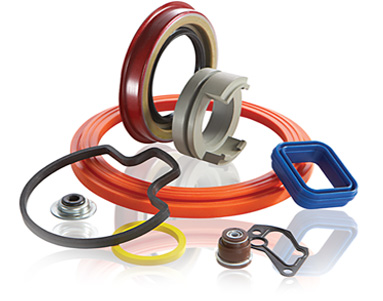
Engineering Insight: Material Selection in High Temperature Gasket Paper
In high-performance industrial sealing applications, gasket failure is often traced not to design flaws or improper installation, but to inadequate material selection. High temperature gasket paper must endure extreme thermal cycles, chemical exposure, and mechanical compression without degradation. Off-the-shelf gasket materials, while cost-effective and readily available, are typically formulated for general-purpose use and lack the tailored composition required for demanding environments. As a result, premature failure—manifesting as compression set, embrittlement, or chemical breakdown—is common when such generic materials are deployed in critical systems.
At Suzhou Baoshida Trading Co., Ltd., our focus on precision rubber seals demands a scientific approach to material engineering. High temperature gasket paper must balance thermal stability, mechanical resilience, and chemical resistance. Standard cellulose-based or low-grade fiber gasket papers begin to degrade above 150°C, losing tensile strength and dimensional integrity. In contrast, engineered solutions incorporate aramid fibers, nitrile rubber (NBR), or silicone-based compounds, enabling sustained performance at temperatures exceeding 300°C.
The failure of off-the-shelf gasket paper often occurs due to an oversimplification of operating conditions. For example, a gasket may be rated for high temperature in isolation, but in practice, it is simultaneously exposed to lubricants, acids, or steam. Without compatibility across all environmental factors, even brief exposure can initiate micro-cracking or swelling, leading to leakage paths and system downtime.
Material selection must therefore be application-specific. At Baoshida, we analyze the full operational profile—peak temperature, pressure cycles, media exposure, and flange surface finish—to determine the optimal composite formulation. For instance, in turbocharger housings or exhaust manifolds, where thermal cycling is severe, we deploy gasket papers reinforced with ceramic fibers and high-purity nitrile binders. These materials exhibit minimal creep relaxation and retain sealing force over thousands of thermal cycles.
Below is a comparative specification table highlighting the performance differences between standard and engineered high temperature gasket papers.
| Property | Standard Gasket Paper | Engineered High Temp Gasket Paper (Baoshida) |
|---|---|---|
| Maximum Continuous Use Temperature | 150°C | 300°C |
| Tensile Strength | 8 MPa | 18 MPa |
| Compression Set (24h @ 200°C) | 45% | 12% |
| Fluid Resistance (Oil, Coolant, Mild Acids) | Limited | Excellent |
| Base Composition | Cellulose, synthetic rubber | Aramid fibers, nitrile rubber, ceramic filler |
| Density | 1.2 g/cm³ | 1.6 g/cm³ |
The data underscores the performance gap between generic and precision-engineered materials. Selecting the correct high temperature gasket paper is not an incremental cost decision—it is a reliability imperative. At Suzhou Baoshida Trading Co., Ltd., we prioritize long-term system integrity through material science, ensuring every gasket performs under real-world industrial stress.
Material Specifications
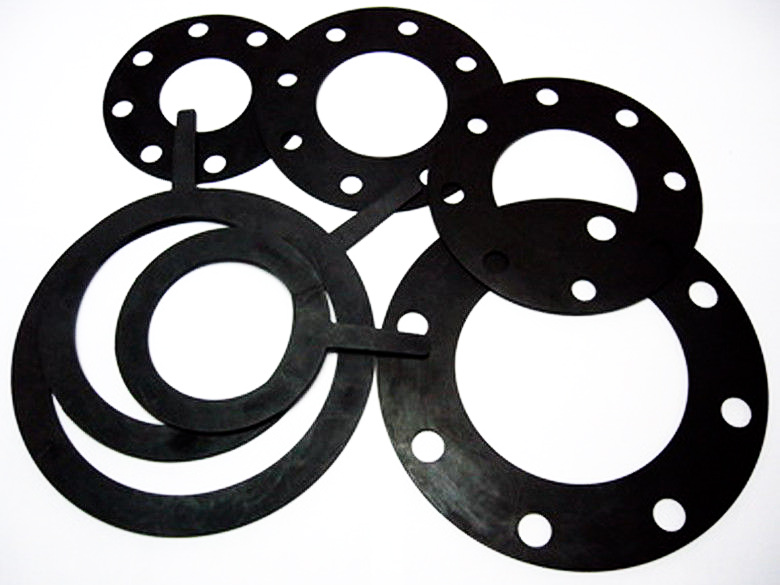
Material Specifications for High-Temperature Gasket Paper
Selecting the optimal elastomeric material for high-temperature gasket paper is critical for ensuring long-term sealing integrity under thermal stress, chemical exposure, and mechanical compression. At Suzhou Baoshida Trading Co., Ltd., we engineer precision rubber seals using rigorously tested compounds tailored to industrial demands. Viton (FKM), Nitrile (NBR), and Silicone (VMQ) represent the cornerstone materials for high-temp applications, each exhibiting distinct performance boundaries. Continuous exposure beyond material-specific thermal limits accelerates degradation, leading to compression set failure, extrusion, or chemical breakdown. Equally vital is compatibility with process media; hydrocarbon fuels, acids, steam, or hydraulic fluids dictate material resilience. Below, we detail quantitative specifications to guide OEM selection, validated per ASTM D2000 and ISO 3601 standards.
The comparative analysis below focuses on three non-negotiable parameters for gasket paper: continuous service temperature, chemical resistance profile, and compression set behavior. Viton excels in aggressive chemical environments but commands premium costs. Nitrile offers cost-effective resilience against oils and fuels yet falters above 120°C. Silicone provides unparalleled flexibility at extreme lows and highs but lacks hydrocarbon resistance. All materials undergo stringent batch testing for density, tensile strength, and hardness to meet ISO 9001 protocols.
| Material Type | Continuous Temp Range (°C) | Peak Short-Term Temp (°C) | Key Chemical Resistances | Compression Set @ 22h/150°C (ASTM D395) | Typical Applications |
|---|---|---|---|---|---|
| Viton (FKM) | -20 to +230 | +300 | Fuels, oils, acids, halogens | ≤25% | Aerospace fuel systems, chemical processing valves, automotive turbochargers |
| Nitrile (NBR) | -30 to +120 | +150 | Aliphatic hydrocarbons, water, hydraulic fluids | ≤30% | Hydraulic manifolds, engine oil pans, refrigeration compressors |
| Silicone (VMQ) | -60 to +200 | +260 | Ozone, steam, water, alcohols | ≤20% | Food-grade steam lines, medical device housings, lighting fixtures |
Application engineering requires balancing these specifications against operational realities. For instance, Viton’s resistance to aromatic hydrocarbons makes it indispensable in refinery gasket paper despite its higher density (1.85 g/cm³) versus Nitrile (1.40 g/cm³). Conversely, Silicone’s low compression set (≤20%) ensures reliable sealing in thermal-cycling environments like semiconductor manufacturing, though its susceptibility to silicone fluids necessitates careful media vetting. Nitrile remains the pragmatic choice for cost-sensitive automotive underhood applications where temperatures rarely exceed 120°C, provided exposure to ketones or chlorinated solvents is absent.
Final material validation must incorporate dynamic factors: flange surface finish, bolt torque consistency, and cyclic pressure variations. Suzhou Baoshida Trading Co., Ltd. provides OEMs with application-specific compound formulations, including reinforced Viton variants for creep resistance up to 260°C. Request our full technical datasheets with aging curves per ASTM D573 to model service life under your exact thermal-chemical profile. Precision sealing begins with data-driven material science.
Manufacturing Capabilities
Engineering Capability in High-Temperature Gasket Paper Development
At Suzhou Baoshida Trading Co., Ltd., our engineering team is the cornerstone of our leadership in precision rubber seals, particularly in the development and production of high-temperature gasket paper. Our in-house technical team comprises five dedicated mould engineers and two specialized rubber formula engineers, enabling us to deliver fully integrated OEM solutions from concept to mass production. This multidisciplinary structure allows seamless coordination between material science and manufacturing design—critical for achieving consistent performance in extreme thermal environments.
Our formula engineers focus on polymer chemistry tailored to high-temperature resistance, optimizing elastomer blends such as nitrile (NBR), fluorocarbon (FKM), and silicone (VMQ) with advanced fillers and stabilizers. These formulations are engineered to maintain sealing integrity under continuous exposure to temperatures ranging from -40°C to over 300°C, depending on the application. Through iterative lab testing and accelerated aging protocols, we refine compound performance to resist compression set, oxidation, and fluid degradation—key failure modes in high-heat industrial systems.
Parallel to material development, our five mould engineers ensure that gasket geometry, thickness tolerance, and surface finish meet exacting OEM specifications. Utilizing CAD/CAM tools and precision steel rule die-cutting techniques, we produce gasket paper in custom shapes and sizes with tight dimensional control (±0.1 mm for critical features). This synergy between compound design and manufacturing precision allows us to support clients across automotive turbocharger systems, industrial boilers, and aerospace auxiliary power units where reliability under thermal cycling is non-negotiable.
We operate under strict ISO 9001-certified processes, with full traceability from raw material batch to final product certification. Our OEM capabilities include private labeling, co-engineering of new gasket designs, and rapid prototyping with turnaround as fast as 7–10 days. Clients benefit from our vertical integration: we control both the compounding and conversion stages, minimizing supply chain risk and ensuring consistent quality.
The following table outlines typical physical and thermal properties of our standard high-temperature gasket paper formulations:
| Property | Test Method | NBR-Based | FKM-Based | Silicone (VMQ) |
|---|---|---|---|---|
| Temperature Range (°C) | ASTM D1418 | -40 to +150 | -20 to +300 | -40 to +260 |
| Hardness (Shore A) | ASTM D2240 | 65–85 | 70–90 | 50–70 |
| Tensile Strength (MPa) | ASTM D412 | ≥12 | ≥10 | ≥6 |
| Elongation at Break (%) | ASTM D412 | ≥200 | ≥150 | ≥250 |
| Compression Set (22h @ max temp) | ASTM D395 | ≤35% | ≤25% | ≤30% |
| Thickness Tolerance (mm) | ISO 3302 | ±0.10 | ±0.10 | ±0.10 |
Through continuous investment in material R&D and precision engineering, Suzhou Baoshida delivers high-temperature gasket paper solutions that meet the evolving demands of global OEMs. Our technical team stands ready to co-develop next-generation sealing materials for demanding thermal environments.
Customization Process
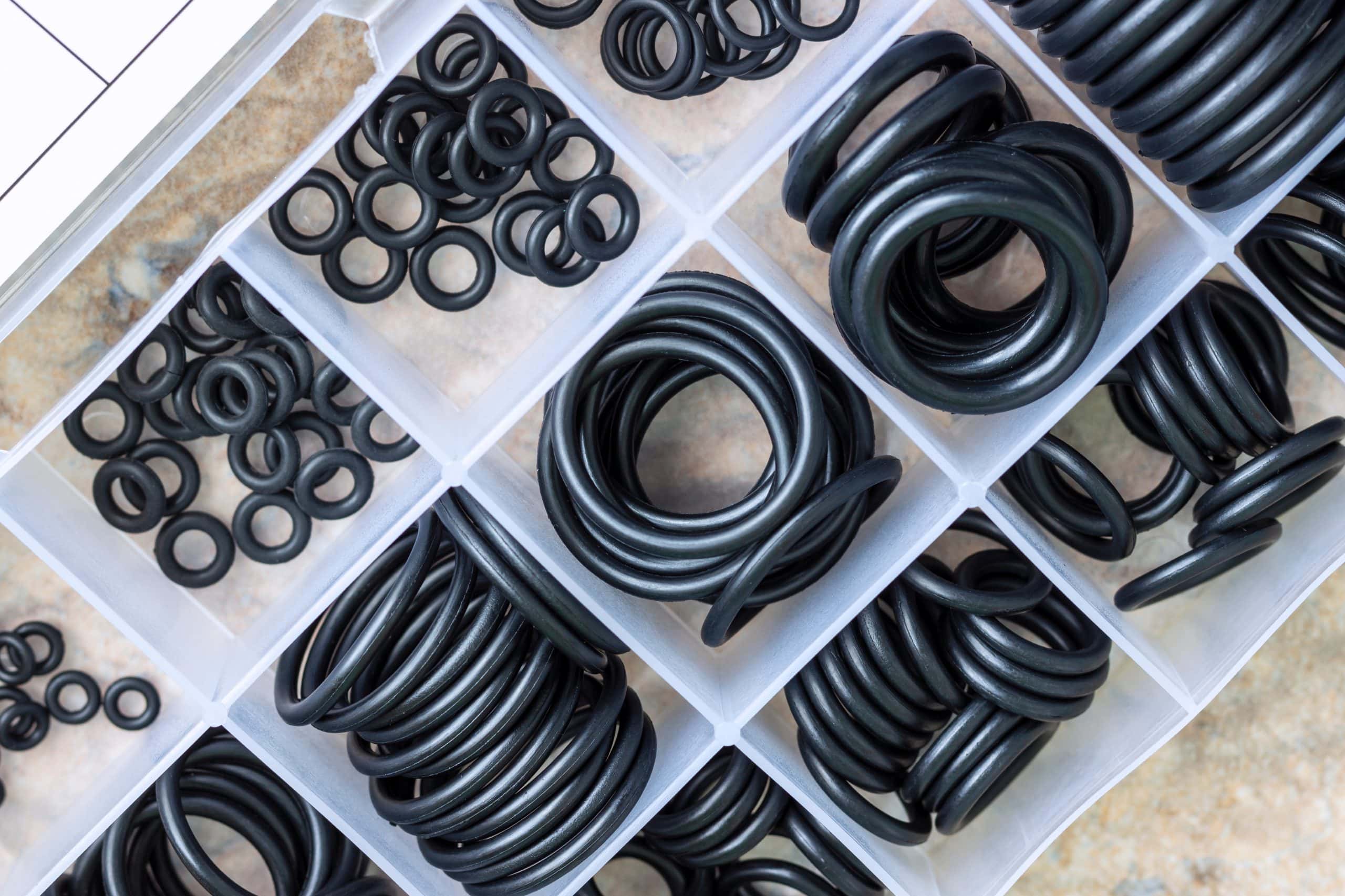
High-Temperature Gasket Paper Customization Process
At Suzhou Baoshida Trading Co., Ltd., our customization process for high-temperature gasket paper integrates rigorous engineering protocols to ensure precision sealing solutions for extreme thermal environments. This systematic approach guarantees material compatibility, dimensional accuracy, and long-term reliability under operational stress.
Drawing Analysis
Initial customization begins with comprehensive technical drawing evaluation. Our engineering team dissects client specifications, focusing on critical parameters such as flange geometry, surface finish requirements, operating temperature gradients, and chemical exposure profiles. Tolerances are cross-referenced against ISO 9001-certified metrology standards to identify potential sealing interface risks. Dimensional deviations exceeding ±0.05mm trigger collaborative redesign consultations, ensuring the gasket geometry aligns with dynamic load conditions while preventing compression set failure.
Formulation Development
Based on thermal and chemical constraints identified in the analysis phase, our rubber compounders engineer bespoke formulations using aramid fiber-reinforced elastomeric matrices. Key variables include optimizing filler dispersion (e.g., ceramic microspheres for thermal insulation), crosslink density for resilience above 300°C, and polymer selection (typically hydrogenated nitrile rubber or fluorosilicone blends). Each formulation undergoes accelerated aging simulations per ASTM D573, with compression set values rigorously maintained below 15% after 72 hours at maximum service temperature.
Prototyping and Validation
Prototype batches are manufactured using precision calendering equipment with ±0.02mm thickness control. Physical properties are validated through:
Thermal cycling tests from -40°C to 350°C (per ASTM D865)
Permeability assessment under 10MPa pressure (ASTM F37)
Chemical resistance screening against specified media (e.g., synthetic lubricants, acids)
Client-supplied flange assemblies undergo leak testing per EN 1591-1, with torque retention data provided for installation protocol refinement.
Mass Production Execution
Upon prototype approval, production transitions to our ISO/TS 16949-certified facility. Continuous inline monitoring tracks critical process parameters:
Vulcanization temperature uniformity (±2°C)
Fiber orientation alignment via real-time rheometry
Dimensional stability checks at 30-minute intervals
Final inspection includes 100% visual examination for surface defects and random batch sampling for tensile strength, hardness (Shore A 60–90), and thermal conductivity verification. All documentation adheres to AS9100 traceability requirements, with material certificates detailing lot-specific performance data.
Critical Performance Specifications
The table below summarizes achievable parameters for custom high-temperature gasket paper formulations:
| Property | Standard | Performance Range | Test Method |
|---|---|---|---|
| Continuous Use Temp | ISO 188 | -40°C to 320°C | ASTM D573 |
| Max. Short-Term Temp | ISO 3795 | 350°C | ASTM D865 |
| Compressive Strength | ASTM F36 | 25–40 MPa | ASTM D575 |
| Compression Set (22h) | ASTM D395 | ≤12% @ 250°C | ASTM F36 |
| Permeability (N₂) | ASTM E96 | ≤0.05 cm³·mm/m²·day·kPa | ASTM D1434 |
This structured workflow ensures Suzhou Baoshida delivers gasket paper solutions engineered for zero-leak integrity in aerospace, energy, and industrial powertrain applications, where thermal stability directly impacts system safety and longevity.
Contact Engineering Team
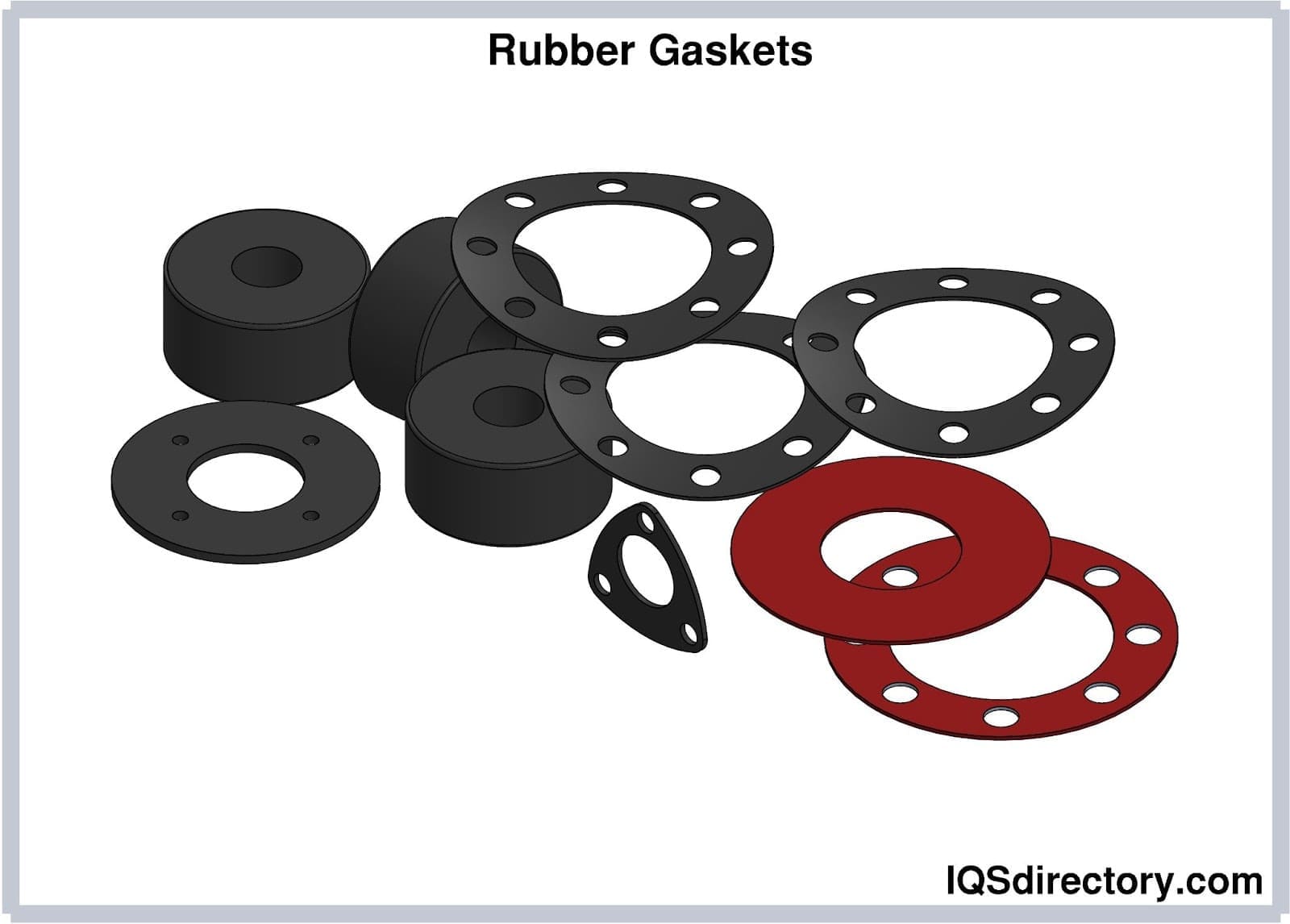
For precision-critical applications in aerospace, petrochemical, automotive, and industrial manufacturing sectors, the performance of high-temperature gasket paper can determine system integrity, safety, and operational longevity. At Suzhou Baoshida Trading Co., Ltd., we specialize in engineered rubber sealing solutions tailored to extreme thermal and mechanical environments. Our high temp gasket paper formulations are developed under strict quality control protocols to meet international standards, ensuring consistent compressibility, recovery, and resistance to thermal degradation.
Our formulations utilize advanced elastomeric compounds, including nitrile rubber (NBR), ethylene propylene diene monomer (EPDM), and silicone-based matrices, reinforced with aramid fibers or graphite for enhanced thermal stability. These materials are calibrated to perform reliably in continuous service temperatures ranging from -40°C to over 300°C, depending on the grade. Each sheet is manufactured with uniform density and thickness tolerance to ensure leak-free sealing under fluctuating pressure and thermal cycling conditions.
We understand that OEMs and Tier-1 suppliers require not only superior material performance but also traceability, batch consistency, and rapid technical support. Our production lines are ISO 9001-certified, and all gasket papers undergo rigorous testing for tensile strength, compression set, fluid resistance, and thermal aging per ASTM and DIN standards. Whether you require custom sheet sizes, die-cut components, or formulation adjustments for specific fluid media, Suzhou Baoshida delivers scalable solutions with short lead times.
Below are representative technical specifications for our standard high temp gasket paper grades:
| Property | Grade HT-60 | Grade HT-80 | Grade HT-100 | Test Method |
|---|---|---|---|---|
| Hardness (Shore A) | 60 ± 5 | 80 ± 5 | 100 ± 5 | ASTM D2240 |
| Thickness Range (mm) | 0.5 – 3.0 | 0.5 – 3.0 | 0.5 – 3.0 | ISO 3302 |
| Continuous Use Temp | 150°C | 200°C | 300°C | ASTM D573 |
| Max. Short-Term Peak | 200°C | 260°C | 350°C | ASTM D865 |
| Tensile Strength | ≥ 8 MPa | ≥ 10 MPa | ≥ 12 MPa | ASTM D412 |
| Elongation at Break | ≥ 150% | ≥ 120% | ≥ 100% | ASTM D412 |
| Compression Set (22h, 150°C) | ≤ 25% | ≤ 30% | ≤ 35% | ASTM D395 |
| Fluid Resistance | Excellent in oils, water, glycols | Good in steam, weak acids | Outstanding in hot air, mild chemicals | ASTM D471 |
To discuss your specific gasket paper requirements, including volume procurement, technical validation, or sample testing, contact Mr. Boyce, OEM Account Manager at Suzhou Baoshida Trading Co., Ltd. Mr. Boyce brings over 12 years of experience in rubber sealing solutions and serves as the primary technical liaison between our R&D team and global manufacturing partners. He will assist in material selection, provide DFM feedback, and coordinate rapid prototyping or batch delivery as needed.
Reach Mr. Boyce directly via email at [email protected]. Include your application parameters, performance expectations, and preferred sample specifications to accelerate technical evaluation. We respond to all inquiries within 6 business hours and offer virtual technical consultations in English, Mandarin, and German. For time-sensitive projects, we maintain stock inventory in Jiangsu and can dispatch samples or production orders within 48 hours of order confirmation.
Partner with Suzhou Baoshida for high temp gasket paper that meets the demands of modern industrial engineering—where precision, durability, and responsiveness are non-negotiable.
⚖️ O-Ring Weight Calculator
Estimate rubber O-ring weight (Approx).