
Technical Contents
Engineering Guide: High Temp Plastic
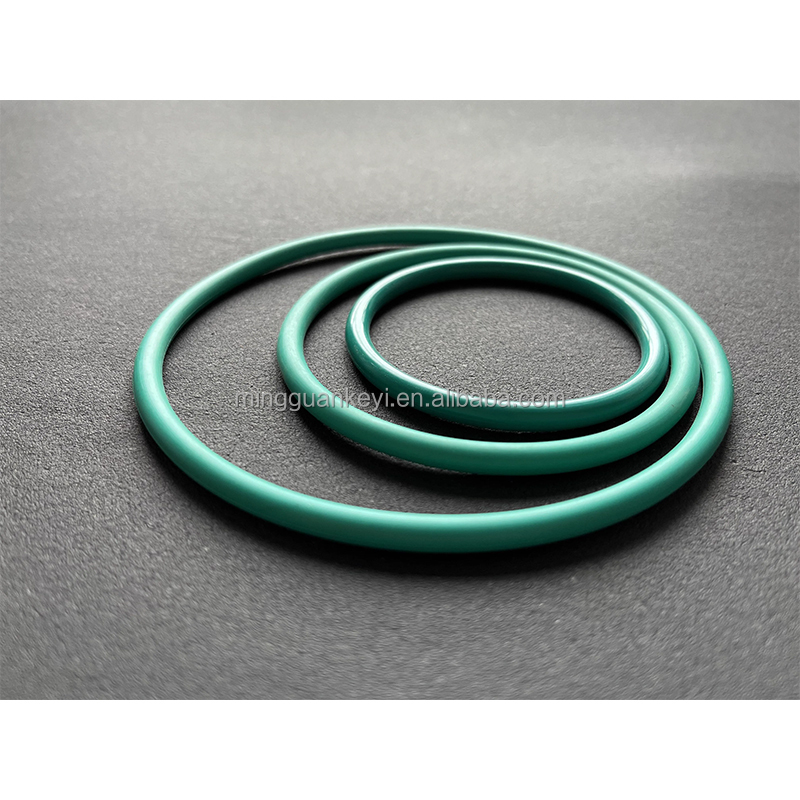
Engineering Insight: High-Temperature Plastics in Demanding Industrial Applications
Material selection is a foundational element in the design and manufacturing of industrial components exposed to extreme thermal environments. High-temperature plastics are engineered to maintain structural integrity, mechanical strength, and chemical resistance at elevated operating temperatures—often exceeding 150°C and, in some cases, approaching 300°C. However, the assumption that standard or off-the-shelf thermoplastics can perform reliably under such conditions leads to frequent field failures, costly downtime, and compromised safety. At Suzhou Baoshida Trading Co., Ltd., we emphasize that successful deployment of high-temperature plastics requires a deep understanding of application-specific stressors, including continuous heat exposure, thermal cycling, mechanical load, and chemical compatibility.
Off-the-shelf plastic materials such as standard nylon (PA6), acetal (POM), or polyethylene (PE) may exhibit adequate performance at ambient temperatures but undergo rapid degradation when exposed to sustained heat. These materials typically exhibit low heat deflection temperatures (HDT), leading to dimensional instability, creep, and loss of tensile strength. Moreover, oxidative degradation accelerates at elevated temperatures, causing embrittlement and surface cracking. In dynamic sealing or load-bearing applications, such degradation manifests as premature failure, leakage, or mechanical seizure.
True high-temperature engineering plastics are formulated with advanced polymer architectures and reinforced with fillers such as glass fiber, carbon fiber, or PTFE to enhance thermal stability and wear resistance. Materials like polyether ether ketone (PEEK), polyphenylene sulfide (PPS), polyamide-imide (PAI), and polytetrafluoroethylene (PTFE) are representative of this class. These polymers possess aromatic backbones and rigid molecular structures that resist thermal breakdown and maintain performance under prolonged exposure to heat.
The table below outlines key thermal and mechanical properties of selected high-temperature plastics commonly specified in industrial rubber and polymer solutions:
| Material | Continuous Use Temp (°C) | Tensile Strength (MPa) | Heat Deflection Temp (°C, 1.8 MPa) | Key Applications |
|---|---|---|---|---|
| PEEK | 250 | 90–100 | 149–160 | Aerospace seals, semiconductor components |
| PPS | 200 | 65–80 | 108–115 | Automotive sensors, chemical pump parts |
| PAI | 260 | 140–160 | 270–280 | High-load bearings, electrical insulators |
| PTFE | 260 | 20–35 | 55–65 | Low-friction seals, gaskets |
| PI (Polyimide) | 300+ | 70–90 | 340–360 | Cryogenic and extreme-heat environments |
Selecting the appropriate high-temperature plastic is not merely a function of thermal rating but involves a holistic analysis of the operational environment. For instance, while PTFE offers exceptional thermal range, its low mechanical strength limits use in high-load scenarios. Conversely, PAI delivers outstanding strength and rigidity but at higher cost and processing complexity.
At Suzhou Baoshida Trading Co., Ltd., we support OEMs and industrial manufacturers with precision-engineered polymer solutions tailored to exact service conditions. Relying on generic materials may reduce initial costs, but the long-term reliability and safety of critical systems demand scientifically grounded material selection.
Material Specifications
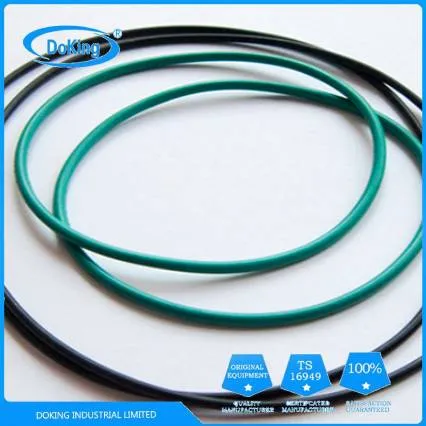
Material Specifications: High-Temperature Elastomer Selection Guide
Suzhou Baoshida Trading Co., Ltd. emphasizes precise material science in industrial rubber solutions. While the term “high-temp plastic” is occasionally misapplied, this section addresses critical elastomers engineered for extreme thermal environments: Viton (FKM), Nitrile (NBR), and Silicone (VMQ). These materials are chemically distinct from thermoplastics and thermosets, offering unique polymer chain dynamics essential for sealing, damping, and insulation under thermal stress. Continuous service temperature—not short-term peak resistance—defines operational viability. Below we detail intrinsic properties governing performance in demanding OEM applications.
Viton (Fluoroelastomer, FKM) represents the premium solution for aggressive thermal-chemical exposure. Its fluorine-carbon backbone delivers exceptional resistance to jet fuels, hydraulic fluids, and aromatic hydrocarbons at continuous temperatures up to 230°C (446°F). Standard grades achieve 15-20 MPa tensile strength with 200-300% elongation. Critical limitations include poor flexibility below -20°C and high material cost. Viton is indispensable in aerospace fuel systems and chemical processing seals where failure is non-negotiable.
Nitrile Rubber (NBR) provides optimal cost-performance balance for oil and fuel resistance below 120°C (248°F). With acrylonitrile content dictating oil resistance (typically 34-45%), standard grades reach 10-15 MPa tensile strength and 300-500% elongation. Its vulnerability to ozone, polar solvents, and temperatures exceeding 125°C restricts use in high-heat oxidative environments. NBR remains the dominant choice for automotive O-rings, gaskets, and hydraulic seals due to its abrasion resistance and compression set stability.
Silicone Rubber (VMQ) excels in extreme temperature range but lacks chemical robustness. It maintains flexibility from -60°C to 200°C (392°F) continuous service, with specialty grades tolerating 230°C intermittently. Tensile strength is moderate (6-10 MPa), and elongation exceeds 600%. Silicone’s Achilles’ heel is poor tear strength, high gas permeability, and susceptibility to concentrated acids/bases. It is preferred for food-grade seals, medical devices, and electrical insulation where thermal range outweighs mechanical demands.
Comparative Performance Specifications
| Material | Continuous Temp Range (°C) | Key Strengths | Key Limitations | Typical OEM Applications |
|---|---|---|---|---|
| Viton (FKM) | -20 to 230 | Exceptional chemical/fuel resistance; Low permeability; High thermal stability | Poor low-temp flexibility; High cost; Limited steam resistance | Aerospace fuel systems; Chemical valve seals; Semiconductor processing |
| Nitrile (NBR) | -30 to 120 | Superior oil/fuel resistance; Excellent abrasion resistance; Low compression set | Weak against ozone/polar solvents; Degrades >125°C | Automotive fuel/hydraulic systems; Industrial gaskets; Printing rolls |
| Silicone (VMQ) | -60 to 200 | Ultra-wide temp range; Excellent electrical insulation; Non-toxic | Poor tear strength; High gas permeability; Weak against acids/bases | Medical tubing; Food processing seals; High-temp electrical insulation |
Suzhou Baoshida prioritizes application-specific formulation adjustments. Viton’s peroxide curing enhances heat resistance; hydrogenated NBR (HNBR) extends thermal limits to 150°C; reinforced silicone compounds improve tear strength. Always validate material selection against fluid compatibility charts and dynamic stress testing—generic datasheets cannot replace application engineering. Contact our technical team for OEM-specific compound optimization.
Manufacturing Capabilities
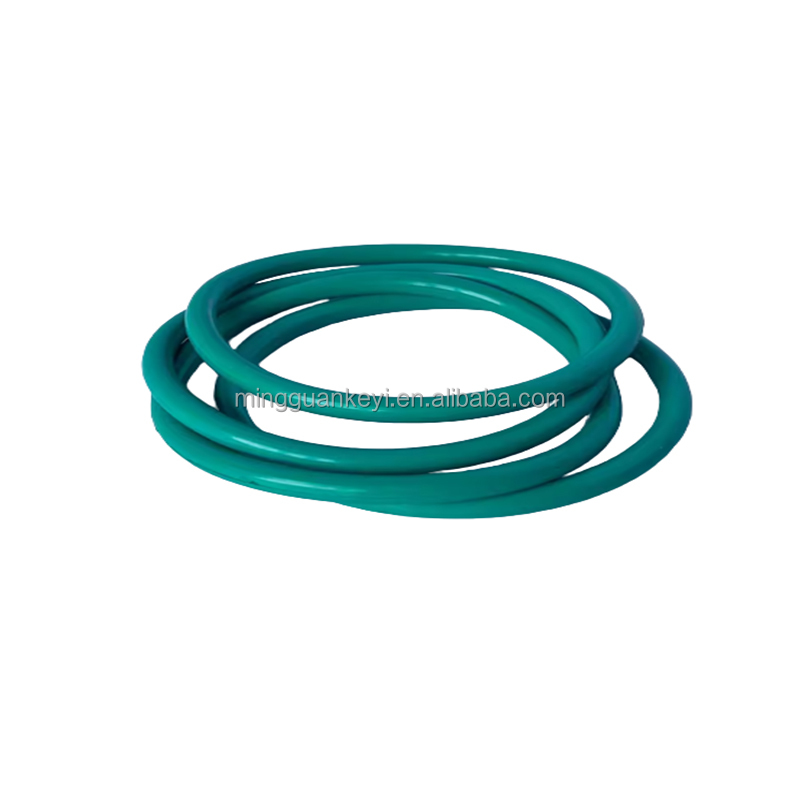
Engineering Capability: Precision-Driven Development for High-Performance Applications
At Suzhou Baoshida Trading Co., Ltd., our engineering capability is anchored in deep technical expertise and a systematic approach to material science and mold design. We maintain a dedicated team of five certified mold engineers and two specialized rubber formula engineers, enabling us to deliver fully integrated OEM solutions tailored to the demanding requirements of high-temperature plastic and elastomer applications. This cross-functional engineering structure ensures seamless coordination from concept to production, guaranteeing both material integrity and dimensional accuracy in every component we manufacture.
Our formula engineers possess advanced knowledge in polymer chemistry and thermal stability mechanisms, allowing them to develop custom rubber compounds capable of withstanding continuous exposure to temperatures exceeding 300°C. By selecting and modifying base polymers such as FKM (fluorocarbon), FFKM (perfluoroelastomer), ACM (acrylate), and HNBR (hydrogenated nitrile), we engineer materials that maintain elasticity, compression resistance, and chemical inertness under extreme thermal stress. These formulations are rigorously tested through thermogravimetric analysis (TGA), differential scanning calorimetry (DSC), and long-term aging protocols to validate performance in real-world industrial environments.
Complementing our material development is a robust mold engineering division. Our five mold engineers utilize advanced CAD/CAM software, including SolidWorks and UG NX, to design precision tooling optimized for complex geometries and tight tolerances. All molds are subjected to finite element analysis (FEA) simulations to predict flow behavior, minimize flash, and ensure uniform curing under high-temperature vulcanization cycles. This proactive design validation reduces prototyping iterations and accelerates time-to-market for OEM clients across automotive, semiconductor, and energy sectors.
We offer full OEM services, from technical consultation and 3D modeling to tooling fabrication, compound development, and batch production. Our in-house capabilities eliminate dependency on third-party vendors, ensuring full traceability, IP protection, and rapid response to design changes. Clients benefit from a single-source solution where material formulation and mold engineering are synchronized for optimal part performance.
The following table summarizes key material properties achievable through our custom formulations under high-temperature conditions:
| Material Type | Continuous Use Temperature (°C) | Hardness Range (Shore A) | Tensile Strength (MPa) | Key Applications |
|---|---|---|---|---|
| FKM | 250–300 | 60–90 | 12–20 | Seals, gaskets, O-rings in engines |
| FFKM | 300–327 | 70–90 | 10–15 | Semiconductor processing, aerospace |
| ACM | 150–180 | 65–85 | 8–12 | Automotive transmission systems |
| HNBR | 150–175 (up to 200 short-term) | 50–80 | 15–25 | Oil & gas downhole tools |
Through the synergy of advanced rubber formulation and precision mold engineering, Suzhou Baoshida delivers technically superior, application-specific solutions that meet the highest standards of industrial reliability.
Customization Process

Customization Process for High-Temperature Rubber Components
At Suzhou Baoshida Trading Co., Ltd., our high-temperature rubber customization process ensures precision engineering from concept to volume production. This systematic approach mitigates thermal degradation risks while meeting stringent industrial performance criteria. The workflow begins with rigorous Drawing Analysis, where our engineering team deconstructs client-provided CAD models and GD&T specifications. We evaluate thermal expansion coefficients, critical sealing surfaces, and potential stress concentrations under operational temperatures. Finite element analysis (FEA) validates structural integrity at elevated temperatures, identifying zones prone to compression set or extrusion. Material compatibility with fluids, gases, and dynamic loads is cross-referenced against ASTM D2000 standards to prevent premature failure.
Formulation follows as the cornerstone of thermal resilience. Leveraging Suzhou Baoshida’s 15-year compounding expertise, we develop proprietary rubber matrices using silicone (VMQ), fluorocarbon (FKM), or perfluoroelastomer (FFKM) bases. Each formulation undergoes iterative Design of Experiments (DOE) to optimize cure kinetics, filler dispersion, and heat stabilizer packages. Key parameters include peroxide vs. sulfur cure systems for >200°C stability, nano-silica reinforcement for tensile retention, and custom antioxidant blends to suppress oxidative chain scission. All compounds comply with ISO 1817 fluid resistance requirements and UL 94 flammability ratings where applicable.
Prototyping transitions theory to empirical validation. We produce 5–10 sample units via precision compression or injection molding, replicating production tooling geometry. Each prototype undergoes accelerated life testing:
Isothermal aging at 250°C for 72 hours (ASTM D573)
Dynamic compression set measurement (ASTM D395)
Thermal cycling between -55°C and 230°C (500 cycles)
Fluid immersion in aggressive media (e.g., Skydrol, biodiesel)
Critical dimensional deviations exceeding ±0.1mm trigger Design for Manufacturing (DFM) adjustments. Performance data is compiled into a Material Test Report (MTR) for client sign-off.
Mass Production integrates real-time quality control with Suzhou Baoshida’s OEM management protocols. Production batches are traced via unique lot codes, with in-process checks on Mooney viscosity (ASTM D1646), cure characteristics (ASTM D5289), and hardness (ASTM D2240). Cavity pressure monitoring ensures uniform vulcanization, while 100% visual inspection per ISO 3302-3 detects surface defects. Final validation includes batch-specific tensile, elongation, and compression set data sheets. Our Suzhou facility maintains IATF 16949-certified processes, guaranteeing ≤50 PPM defect rates for automotive and aerospace clients.
High-Temperature Rubber Material Comparison
| Material Type | Glass Transition (°C) | Max Continuous Temp (°C) | Hardness Range (Shore A) | Primary Industrial Applications |
|---|---|---|---|---|
| Silicone (VMQ) | -125 | 230 | 30–80 | Aerospace seals, medical devices, LED lighting |
| Fluorocarbon (FKM) | -20 | 250 | 50–90 | Automotive fuel systems, chemical pumps, semiconductor |
| Perfluoroelastomer (FFKM) | 10 | 325 | 60–90 | Semiconductor plasma etching, pharmaceutical bioreactors |
This structured workflow ensures Suzhou Baoshida delivers thermally stable rubber components with zero compromise on dimensional accuracy or longevity. Our OEM management framework provides end-to-end accountability from formulation chemistry to certified mass production.
Contact Engineering Team
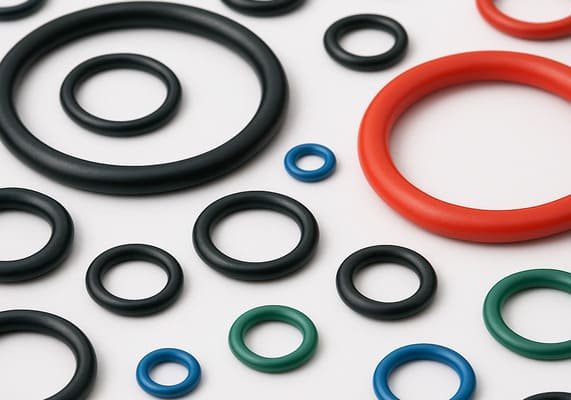
For industrial manufacturers operating in extreme thermal environments, selecting the right high-temperature plastic is not merely a materials decision—it is a critical engineering imperative. At Suzhou Baoshida Trading Co., Ltd., we specialize in advanced polymer and elastomer solutions engineered to withstand prolonged exposure to elevated temperatures, aggressive chemical environments, and mechanical stress. Our expertise in high-temp plastics extends beyond standard commodity resins to include performance polymers such as PEEK, PPS, PI (polyimide), and fluoropolymers like PTFE and FEP, each tailored to meet rigorous industrial specifications.
Our technical team collaborates directly with OEMs, automotive suppliers, semiconductor equipment manufacturers, and energy sector partners to develop customized material formulations that deliver dimensional stability, low outgassing, and long-term thermal resilience. Whether your application involves continuous service at 250°C or intermittent exposure beyond 300°C, our portfolio includes reinforced grades with glass fiber, carbon fiber, or mineral fillers to enhance mechanical strength and creep resistance.
We understand that material selection must balance performance, cost, and manufacturability. That is why we provide comprehensive technical data sheets, application testing support, and prototyping services to ensure compatibility with injection molding, extrusion, or machining processes. Our supply chain is optimized for consistent batch-to-batch quality, with strict QC protocols aligned with ISO 9001 standards.
The following table outlines key high-temperature plastic materials we supply, including their thermal and mechanical characteristics:
| Material | Continuous Use Temp (°C) | Tensile Strength (MPa) | Thermal Conductivity (W/m·K) | Key Applications |
|---|---|---|---|---|
| PEEK | 250 | 90–100 | 0.25 | Aerospace seals, semiconductor wafer carriers |
| PPS | 220 | 70–85 | 0.30 | Automotive under-hood components |
| Polyimide (PI) | 300 | 80–95 | 0.20 | High-vacuum fixtures, insulating films |
| PTFE | 260 | 20–35 | 0.25 | Non-stick linings, chemical pump parts |
| PAI | 260 | 100–120 | 0.35 | High-load bearings, compressor parts |
Partnering with Suzhou Baoshida means gaining access to both high-performance materials and deep application engineering insight. We do not simply supply resins—we deliver engineered solutions backed by decades of industrial experience.
To discuss your specific high-temperature plastic requirements, contact Mr. Boyce, our OEM Manager and Rubber Formula Engineer. Mr. Boyce leads technical client engagement and is available to review material specifications, provide sample submissions, and support design-for-manufacturability initiatives. Reach him directly via email at [email protected] to initiate a technical consultation. Our team responds to all inquiries within 24 business hours and can provide multilingual support for global engineering teams.
For mission-critical applications where failure is not an option, precision material science is the foundation. Suzhou Baoshida Trading Co., Ltd. stands ready to support your next-generation industrial design with rigor, reliability, and responsive partnership. Contact Mr. Boyce today to advance your high-temp plastic strategy.
⚖️ O-Ring Weight Calculator
Estimate rubber O-ring weight (Approx).