
Technical Contents
Engineering Guide: High Temp Rtv Exhaust
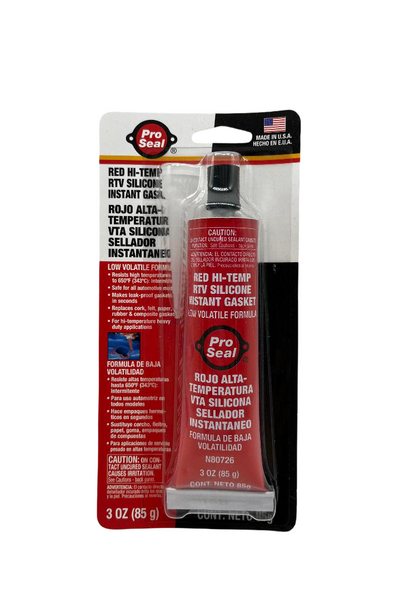
Engineering Insight: High Temp RTV for Exhaust Systems – The Critical Role of Material Selection
In high-performance industrial and automotive applications, the integrity of exhaust system seals directly impacts operational efficiency, emissions compliance, and long-term reliability. One of the most critical yet often underestimated components in this context is the high-temperature RTV (Room Temperature Vulcanizing) silicone used for sealing exhaust manifolds, flanges, and related joints. While many manufacturers opt for commercially available off-the-shelf RTV products, these solutions frequently fail under real-world thermal cycling and chemical exposure conditions. The root cause lies in inadequate material formulation for sustained high-temperature environments.
Standard RTV silicones are typically engineered for general-purpose sealing, such as in HVAC systems or low-heat engine compartments. They often degrade above 260°C, leading to cracking, embrittlement, and loss of adhesion. In contrast, exhaust systems regularly operate between 400°C and 650°C, with peak transient temperatures exceeding 700°C during high-load conditions. At these levels, conventional RTVs rapidly oxidize, lose elastomeric properties, and compromise seal integrity. This failure mode results in exhaust leaks, increased backpressure, reduced fuel efficiency, and potential damage to downstream components such as oxygen sensors and catalytic converters.
The solution lies in purpose-engineered high-temp RTV formulations that incorporate thermally stable silicone polymers, reinforced with ceramic fillers and advanced cross-linking agents. These materials maintain flexibility and adhesion across extreme thermal cycles—from sub-zero startup to sustained high heat—without outgassing or carbonizing. Additionally, resistance to automotive fluids, including oil mist, coolant, and unburned hydrocarbons, is essential for long-term performance in under-hood environments.
At Suzhou Baoshida Trading Co., Ltd., our industrial rubber solutions are developed in alignment with OEM specifications and subjected to rigorous thermal aging, vibration, and chemical resistance testing. We prioritize formulations that exceed ASTM C920 and ISO 11600 standards for high-temperature elastomeric sealants, ensuring compatibility with cast iron, stainless steel, and aluminum substrates commonly used in exhaust assemblies.
The following table outlines key performance specifications of a premium high-temp RTV exhaust sealant compared to a standard commercial-grade alternative:
| Property | Premium High-Temp RTV | Standard RTV |
|---|---|---|
| Continuous Use Temperature | Up to 650°C | Up to 260°C |
| Peak Temperature Resistance | 700°C (short-term) | 315°C (short-term) |
| Thermal Cycling Stability | 1,000+ cycles (-40°C to 650°C) | Fails after 100–200 cycles |
| Tensile Strength | ≥ 1.8 MPa | ~1.0 MPa |
| Elongation at Break | ≥ 350% | ~250% |
| Fuel and Oil Resistance | Excellent | Moderate to Poor |
| Curing Time (25°C, 50% RH) | 24 hours (full cure) | 24 hours (full cure) |
| Adhesion to Metal Substrates | Strong, durable bond | Initial adhesion only |
Selecting the correct RTV is not a cost-driven decision—it is an engineering imperative. Off-the-shelf products may offer short-term savings but result in increased downtime, warranty claims, and system failures. Precision material selection ensures durability, safety, and compliance in demanding exhaust environments.
Material Specifications
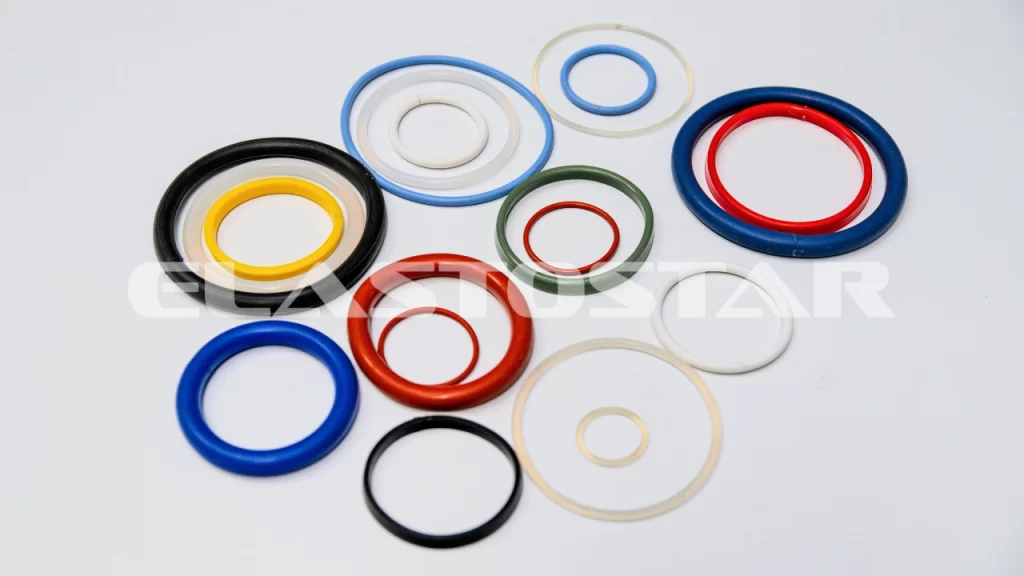
Material Specifications for High-Temperature RTV Exhaust Systems
Selecting the optimal elastomer for high-temperature RTV (Room Temperature Vulcanizing) exhaust applications requires rigorous evaluation of thermal stability, chemical resistance, and mechanical integrity under sustained operational stress. Exhaust systems face extreme thermal cycling (up to 300°C), exposure to aggressive combustion byproducts, and constant vibration. Suzhou Baoshida Trading Co., Ltd. prioritizes materials validated through ASTM D2000 and ISO 37 standards to ensure reliability in OEM manufacturing environments.
Viton (FKM) remains the premier choice for critical exhaust sealing where temperatures exceed 250°C. Its fluorocarbon backbone delivers exceptional resistance to hot oils, acids, and ozone, with continuous service capability up to 300°C. Viton-based RTV formulations exhibit tensile strengths of 10–15 MPa and elongation at break of 150–250%, maintaining seal integrity during rapid thermal transients. Compression set values below 25% after 70 hours at 200°C ensure long-term resilience against gasket failure. However, Viton’s higher cost necessitates strategic application in zones proximal to catalytic converters or turbochargers.
Nitrile (NBR) offers a cost-effective solution for exhaust components operating below 150°C, such as flange seals in cooler manifold sections. Standard NBR RTV compounds provide robust resistance to engine oils and fuels, with tensile strengths of 7–12 MPa and elongation of 200–350%. Its limitation lies in poor high-temperature oxidative stability; prolonged exposure above 150°C accelerates hardening and cracking. NBR is unsuitable for direct contact with nitric acid or phosphate esters common in exhaust gases, and ozone resistance requires supplemental antiozonant additives.
Silicone (VMQ) excels in applications demanding extreme flexibility and broad thermal range (-60°C to 250°C), ideal for exhaust sensor boots or vibration-dampening mounts. Silicone RTV achieves tensile strengths of 5–9 MPa and elongation exceeding 300%, accommodating significant thermal expansion. While resistant to water and steam, standard silicone grades exhibit poor resistance to petroleum-based fluids and compression set values above 30% after 22 hours at 200°C. Reinforced phenyl-methyl variants improve fuel resistance but increase cost.
Comparative Material Specifications for High-Temp RTV Exhaust Applications
| Property | Viton (FKM) | Nitrile (NBR) | Silicone (VMQ) |
|---|---|---|---|
| Continuous Temp Range | -20°C to 300°C | -30°C to 150°C | -60°C to 250°C |
| Peak Short-Term Temp | 325°C | 180°C | 300°C |
| Tensile Strength (MPa) | 10–15 | 7–12 | 5–9 |
| Elongation at Break (%) | 150–250 | 200–350 | 300–500 |
| Compression Set (ASTM D395) | ≤25% @ 200°C/70h | ≤35% @ 150°C/70h | ≤30% @ 200°C/22h |
| Key Fluid Resistance | Hot oils, acids, ozone | Fuels, engine oils | Water, steam |
| Key Limitation | Cost, low-temp flexibility | Poor high-temp stability, ozone vulnerability | Low fuel resistance, high compression set |
Empirical testing confirms Viton’s dominance in high-heat zones, while NBR serves cost-sensitive secondary seals. Silicone’s flexibility is advantageous for dynamic joints but requires fluid compatibility verification. Suzhou Baoshida’s OEM partnerships leverage this data to customize RTV formulations, ensuring exhaust system longevity under ISO/TS 16949 quality protocols. Material selection must align with specific thermal profiles and chemical exposures to prevent premature failure.
Manufacturing Capabilities
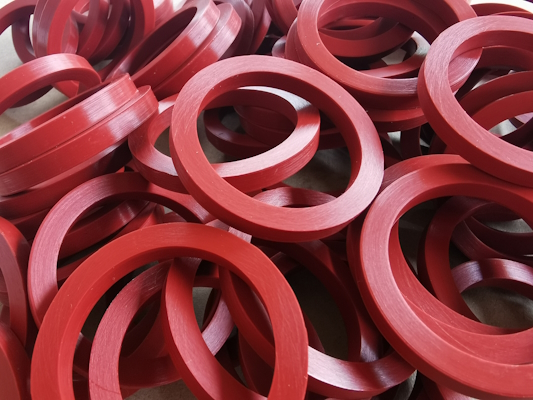
Engineering Capability
At Suzhou Baoshida Trading Co., Ltd., our engineering framework is built on deep technical expertise in industrial rubber solutions, particularly in high-performance applications such as high temperature RTV (Room Temperature Vulcanizing) sealants for exhaust systems. Our team comprises five dedicated mould engineers and two specialized rubber formula engineers, enabling us to deliver precision-engineered products tailored to the rigorous demands of automotive, industrial machinery, and OEM manufacturing environments.
Our mould engineers possess extensive experience in designing and optimizing tooling for complex rubber components. They utilize advanced CAD/CAM software and finite element analysis (FEA) to simulate material behavior under extreme thermal and mechanical stress. This ensures that every mould delivers consistent part geometry, optimal material flow, and extended service life. Their expertise allows us to support clients from concept to production, offering rapid prototyping, design for manufacturability (DFM) reviews, and full-scale tooling validation.
Complementing our mould design strength are our two in-house rubber formula engineers. These specialists focus on developing custom silicone and fluoroelastomer compounds engineered to withstand continuous exposure to temperatures exceeding 300°C. Their work is critical in formulating high temp RTV exhaust sealants with superior thermal stability, excellent adhesion to metal substrates, and resistance to vibration, oil, and combustion byproducts. By controlling the polymer base, cross-linking systems, fillers, and adhesion promoters, we achieve formulations that outperform standard off-the-shelf products.
Our integrated approach allows seamless collaboration between formulation and mould design, ensuring that material properties and part geometry are co-optimized. This synergy is essential in producing RTV sealants that cure reliably, maintain elasticity under thermal cycling, and prevent exhaust gas leakage in demanding operating conditions.
As an OEM partner, Suzhou Baoshida offers full technical support for custom product development. We work directly with client engineering teams to match material specifications to application requirements, including compliance with industry standards such as ISO 11737 and ASTM C581. Our facility supports small-batch development and high-volume production, with strict quality control protocols including rheometry, thermal gravimetric analysis (TGA), and peel adhesion testing.
The following table outlines the key performance specifications of our standard high temp RTV exhaust sealant formulation:
| Property | Test Method | Typical Value |
|---|---|---|
| Service Temperature Range | ASTM D1329 | -60°C to +320°C (peak to +350°C) |
| Tensile Strength | ASTM D412 | ≥ 1.2 MPa |
| Elongation at Break | ASTM D412 | ≥ 250% |
| Hardness (Shore A) | ASTM D2240 | 35 ± 5 |
| Adhesion to Stainless Steel | ASTM C794 | Pass (cohesive failure) |
| Compression Set (250°C, 70h) | ASTM D395 | ≤ 25% |
| Volume Resistivity | ASTM D1169 | >1×10¹⁵ Ω·cm |
This combination of formulation science, precision engineering, and OEM-focused service positions Suzhou Baoshida as a trusted partner in advanced rubber solutions for high-temperature sealing applications.
Customization Process
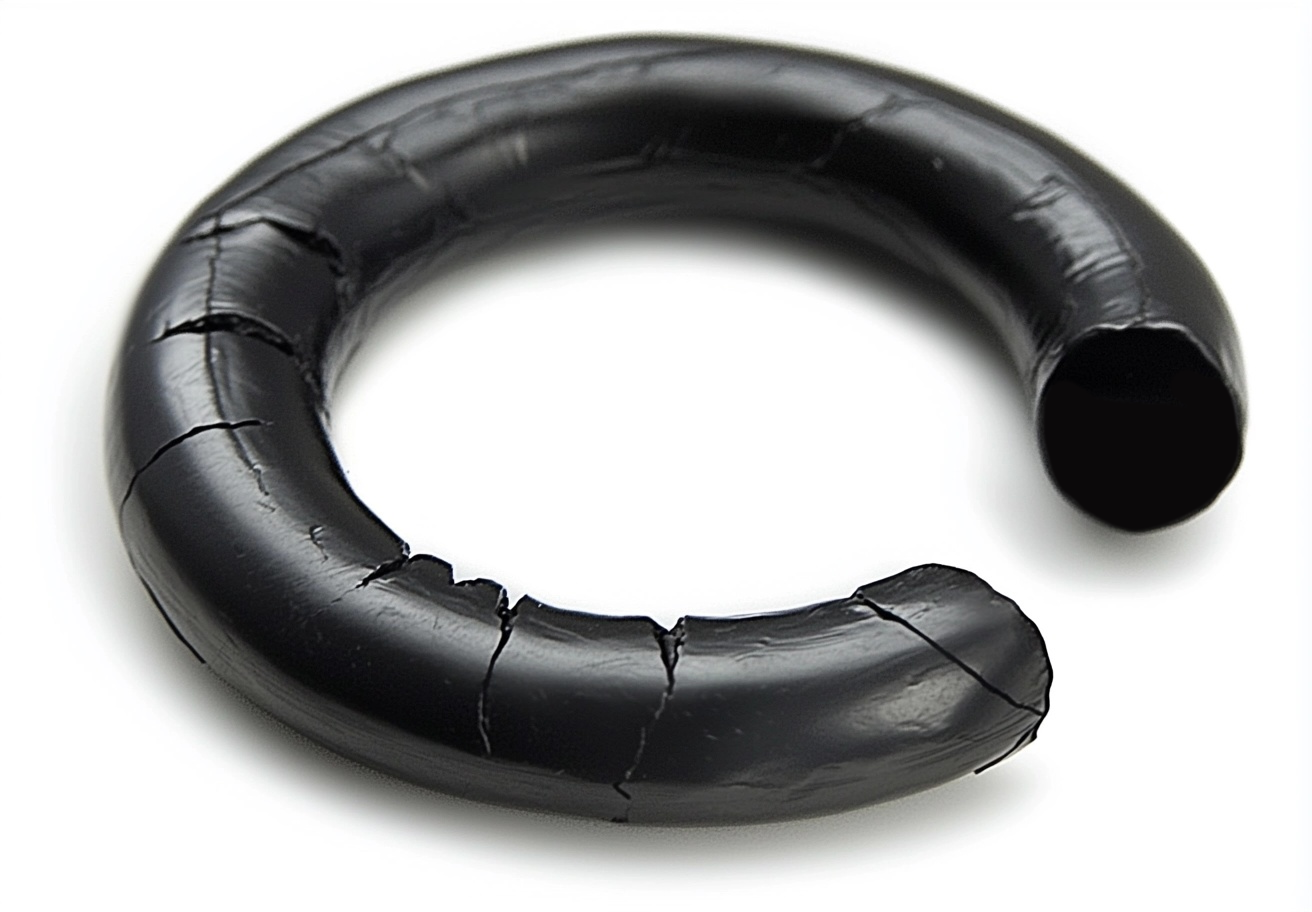
Customization Process for High-Temperature RTV Exhaust Sealants
At Suzhou Baoshida Trading Co., Ltd., our customization process for high-temperature RTV (Room Temperature Vulcanizing) exhaust sealants follows a rigorously defined engineering pathway to ensure OEM specifications are met with absolute precision. This systematic approach eliminates guesswork and guarantees material performance under extreme thermal and mechanical stress.
The process initiates with Drawing Analysis, where our engineering team conducts a collaborative review of the client’s technical drawings and operational parameters. We validate critical factors including joint geometry, substrate materials (e.g., cast iron, stainless steel), dynamic movement tolerances, and peak thermal exposure. This phase identifies potential failure points such as inadequate compression set resistance or chemical incompatibility with exhaust byproducts. Only after mutual agreement on all dimensional and environmental criteria do we proceed to formulation.
Formulation leverages our proprietary silicone chemistry database to engineer a bespoke compound. Base polymers are selected for thermal stability above 300°C, while reinforcing fillers enhance tensile strength and reduce thermal expansion. Catalyst systems are optimized for controlled cure kinetics, ensuring complete cross-linking within the client’s assembly timeline. Additives for oil resistance and adhesion promotion are incorporated based on exhaust system exposure data. Every ingredient ratio undergoes computational simulation to predict behavior under cyclic thermal shock before physical prototyping.
Prototyping involves small-batch production under controlled ISO 9001 conditions. Samples are subjected to accelerated aging tests per ASTM D573 and SAE J200 standards, including 1,000-hour exposure at 350°C and thermal cycling between -40°C and 325°C. Adhesion strength is measured via peel tests on actual client substrates, while compression set is evaluated after 72 hours at peak operating temperature. Client feedback drives iterative refinements until all performance metrics are consistently achieved.
Mass Production commences only after formal client sign-off on validation reports. We implement real-time rheology monitoring during mixing to maintain batch-to-batch consistency, with every 500kg lot undergoing full property verification. Statistical process control (SPC) tracks key variables like viscosity and pot life, while traceability systems link raw material certificates to finished batches. Final inspection includes dimensional checks against the approved drawing and packaging in moisture-proof containers to prevent premature cure.
The following table summarizes critical performance specifications for our standard high-temp RTV exhaust formulation, customizable per OEM requirements:
| Property | Test Standard | Target Value | Acceptance Threshold |
|---|---|---|---|
| Continuous Use Temp | ASTM D2240 | -60°C to 350°C | Min. 325°C |
| Peak Short-Term Temp | ISO 37 | 400°C (2 hrs) | Min. 375°C |
| Tensile Strength | ASTM D412 | 5.0 MPa | Min. 4.0 MPa |
| Elongation at Break | ASTM D412 | 350% | Min. 300% |
| Compression Set (22h/250°C) | ASTM D395 | 20% | Max. 30% |
| Adhesion to Steel | ASTM C794 | Cohesive Failure | No interfacial failure |
This end-to-end process ensures Suzhou Baoshida delivers exhaust RTV solutions that withstand the harshest automotive environments while adhering to stringent global manufacturing standards. Our commitment to data-driven customization minimizes client risk and accelerates time-to-market.
Contact Engineering Team
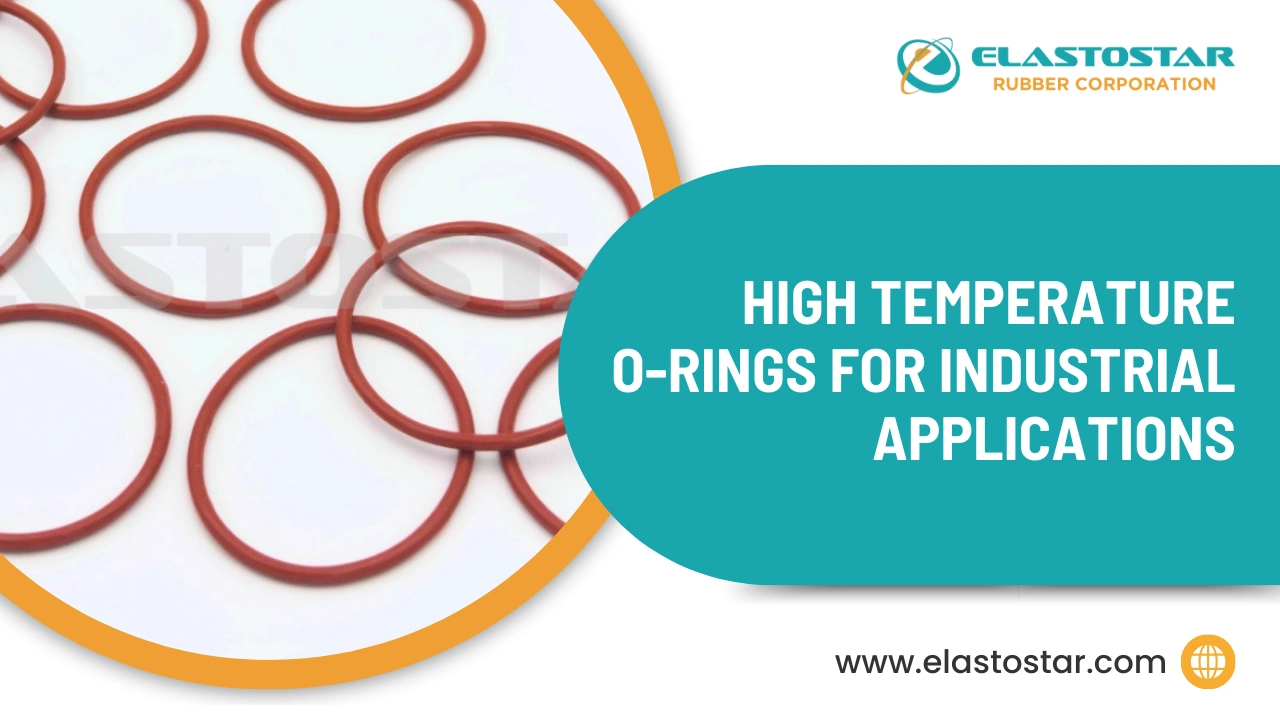
For industrial manufacturers seeking high-performance sealing solutions under extreme thermal conditions, Suzhou Baoshida Trading Co., Ltd. delivers precision-engineered high temperature RTV exhaust sealants designed for reliability and durability. As a trusted OEM partner in the industrial rubber solutions sector, we specialize in advanced silicone-based formulations that maintain integrity across demanding operational environments. Our high temp RTV exhaust products are formulated to withstand continuous exposure to elevated temperatures, vibration, and aggressive chemical atmospheres—common challenges in automotive, aerospace, power generation, and heavy machinery applications.
Engineered for superior adhesion and thermal stability, our RTV sealants eliminate the risk of joint failure in exhaust manifolds, turbocharger housings, and other critical high-heat zones. Whether used in repair, maintenance, or original equipment manufacturing, our formulations cure rapidly to form a durable, flexible, and leak-proof seal that resists cracking, shrinking, and hardening over time. We understand that downtime and sealant failure are unacceptable in industrial operations. That is why our products undergo rigorous quality control and performance validation under simulated real-world conditions.
To ensure compatibility and optimal performance, we offer customized technical support and material data sheets tailored to your specific application requirements. Our engineering team collaborates directly with OEMs and maintenance specialists to recommend the ideal viscosity, cure profile, and temperature resistance grade for your system.
Below are the key technical specifications of our standard high temp RTV exhaust sealant formulation:
| Property | Specification | Test Method |
|---|---|---|
| Operating Temperature Range | -60°C to +315°C (continuous), up to +650°C intermittent | ASTM D4236 |
| Color | Red (custom colors available) | Visual |
| Specific Gravity | 1.38 g/cm³ | ASTM D792 |
| Hardness (Shore A) | 35 ± 5 | ASTM D2240 |
| Tensile Strength | 8.5 MPa | ASTM D412 |
| Elongation at Break | 320% | ASTM D412 |
| Dielectric Strength | 22 kV/mm | ASTM D149 |
| Volume Resistivity | 1.5 × 10¹⁵ Ω·cm | ASTM D257 |
| Application Viscosity | 280,000 cP | Brookfield RVT |
For technical inquiries, sample requests, or volume procurement discussions, contact Mr. Boyce, OEM Manager at Suzhou Baoshida Trading Co., Ltd. Direct collaboration ensures access to application-specific guidance, regulatory compliance documentation, and scalable supply chain solutions. We support global distribution with consistent batch-to-batch quality and on-time delivery performance.
Reach out today to integrate proven high temp RTV exhaust sealing technology into your manufacturing or maintenance workflow. Partner with a leader in industrial rubber solutions committed to innovation, precision, and performance.
Contact Mr. Boyce at [email protected] to initiate technical consultation or request product samples.
⚖️ O-Ring Weight Calculator
Estimate rubber O-ring weight (Approx).