
Technical Contents
Engineering Guide: High Temp Silicone Hose
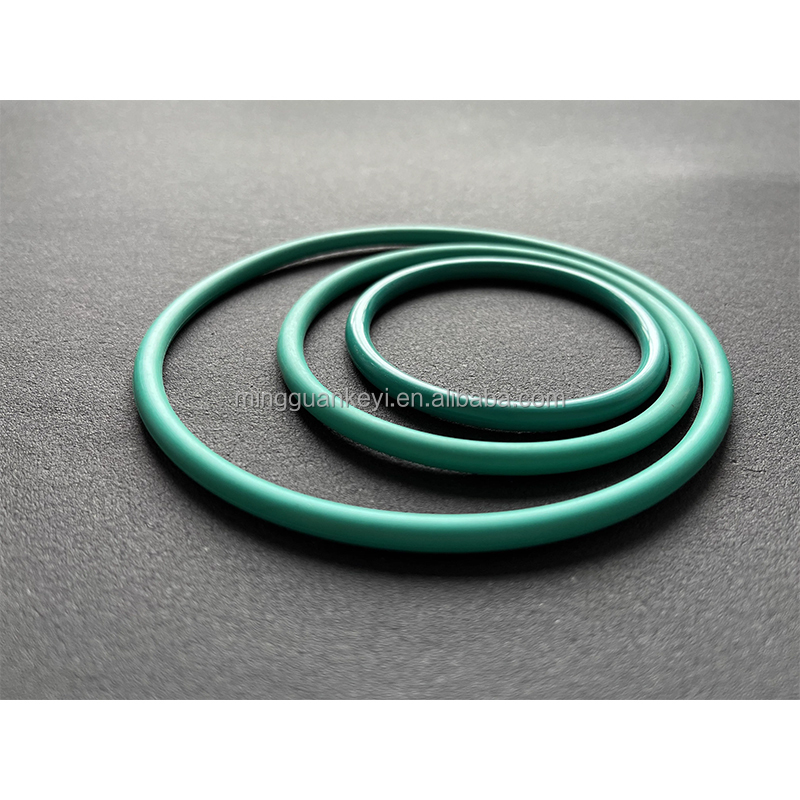
Engineering Insight: Material Selection Imperatives for High-Temperature Silicone Hoses
Industrial applications demanding sustained exposure to extreme thermal environments—such as turbocharger intercooling, exhaust gas recirculation (EGR), and chemical processing—routinely expose silicone hoses to temperatures exceeding 200°C. Generic off-the-shelf silicone solutions frequently fail under these conditions due to inadequate molecular architecture and suboptimal curing systems. Standard commercial silicones often utilize peroxide curing, which generates residual acidic byproducts that catalyze chain scission at elevated temperatures. This initiates irreversible degradation: polymer backbone cleavage reduces tensile strength by 40–60% within 500 hours at 220°C, leading to catastrophic cracking, hardening, or fluid leakage. Crucially, many suppliers misrepresent “high-temp” capabilities by citing short-term peak resistance (e.g., 300°C for 1 hour) rather than sustained operational limits, ignoring real-world thermal cycling fatigue.
The core failure mechanism lies in insufficient vinyl group concentration and improper filler reinforcement. High-purity fumed silica fillers must be surface-treated to prevent agglomeration, while platinum-catalyzed addition curing eliminates corrosive residues. Without precise control of these parameters, compression set exceeds 50% after 72 hours at 200°C—rendering the hose incapable of maintaining seal integrity under clamp load. Fluid compatibility is equally critical; standard silicones swell >25% when exposed to modern biofuels or glycol-based coolants, accelerating permeation and loss of mechanical properties.
Suzhou Baoshida Trading Co., Ltd. addresses these challenges through proprietary high-vinyl silicone formulations with dual-phase filler systems. Our engineered compounds undergo rigorous ASTM D2240 compression set testing and ISO 188 aging cycles to validate performance at 250°C continuous operation. Below is a comparative analysis of critical specifications:
| Property | Generic Silicone Hose | Engineered High-Temp Silicone | Critical Threshold for Industrial Use |
|---|---|---|---|
| Continuous Temp Range | -55°C to +200°C | -65°C to +250°C | >220°C required for EGR systems |
| Tensile Strength (ASTM D412) | 6.5 MPa @ 200°C/500h | 9.8 MPa @ 250°C/1000h | >8.0 MPa to prevent burst failure |
| Elongation at Break | 120% @ 200°C/500h | 240% @ 250°C/1000h | >200% to withstand vibration |
| Compression Set (ISO 188) | 52% @ 200°C/72h | 18% @ 250°C/72h | <25% for reliable sealing |
| Fluid Resistance (ASTM D471) | Swell: 28% in Dexcool® | Swell: 8% in Dexcool® | <15% to prevent permeation leaks |
OEMs selecting non-engineered hoses face compounded risks: unplanned downtime costs averaging $22,000/hour in automotive manufacturing, safety liabilities from fluid leaks, and warranty claims exceeding 15% of unit cost. Material selection is not a cost center but a risk mitigation strategy. Suzhou Baoshida’s application-specific formulations—validated through OEM thermal cycling protocols—ensure dimensional stability and chemical resistance where generic alternatives fail. Investing in molecularly optimized silicone compounds eliminates the false economy of off-the-shelf solutions, directly enhancing system reliability and total cost of ownership.
Material Specifications
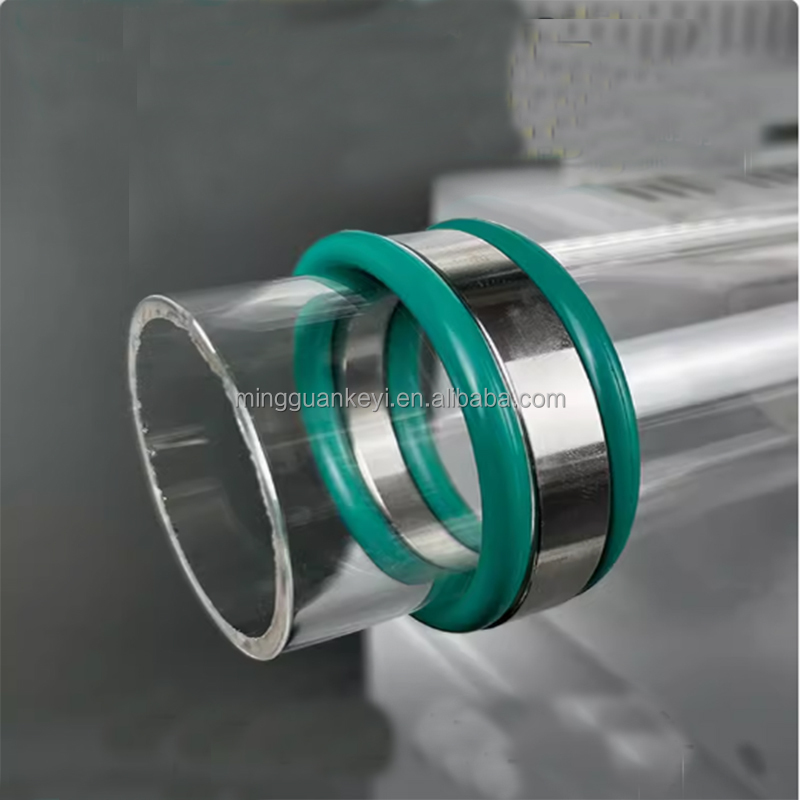
Material Specifications for High-Temperature Silicone Hose
High-temperature silicone hoses are critical components in demanding industrial, automotive, and aerospace applications where thermal stability, chemical resistance, and mechanical durability are paramount. At Suzhou Baoshida Trading Co., Ltd., our engineered rubber solutions are designed to meet rigorous OEM standards, ensuring reliable performance under extreme operating conditions. The selection of base elastomer significantly influences the functional lifespan and application suitability of the hose. Three primary elastomers used in high-performance hose fabrication are silicone, Viton (FKM), and nitrile (NBR). Each material offers distinct advantages depending on temperature range, fluid compatibility, and mechanical stress requirements.
Silicone rubber is the preferred choice for high-temperature environments due to its exceptional thermal resilience. It maintains flexibility and structural integrity from -60°C to +200°C, with short-term exposure capability up to 300°C. Silicone exhibits excellent resistance to ozone, UV radiation, and weathering, making it ideal for outdoor and under-hood applications. It also demonstrates good dielectric properties, which supports use in electrical insulation contexts. However, silicone has lower mechanical strength and abrasion resistance compared to other elastomers, necessitating reinforcement in high-wear scenarios.
Viton, a fluorocarbon-based rubber, provides superior resistance to oils, fuels, and a broad range of chemicals. It operates effectively within a temperature range of -20°C to +230°C, with intermittent exposure up to 250°C. Its molecular structure delivers outstanding performance in fuel and oil transfer systems, particularly in aerospace and high-performance engine applications. While Viton offers excellent thermal and chemical stability, it is less flexible at low temperatures and carries a higher material cost than silicone or nitrile.
Nitrile rubber (NBR) is widely used for its excellent resistance to petroleum-based oils and fuels. It functions reliably between -40°C and +120°C, with some formulations extending to +150°C. NBR provides good abrasion resistance and tensile strength, making it suitable for hydraulic systems and industrial fluid transfer. However, its performance degrades rapidly under high-temperature conditions and it exhibits poor resistance to ozone and UV exposure, limiting outdoor use without protective coatings.
The following table summarizes key material properties to guide material selection:
| Property | Silicone | Viton (FKM) | Nitrile (NBR) |
|---|---|---|---|
| Temperature Range (°C) | -60 to +200 (300 peak) | -20 to +230 (250 peak) | -40 to +120 (+150 peak) |
| Fuel and Oil Resistance | Moderate | Excellent | Good |
| Ozone/UV Resistance | Excellent | Excellent | Poor |
| Flexibility at Low Temp | Very Good | Fair | Good |
| Mechanical Strength | Low to Moderate | Moderate | High |
| Chemical Resistance | Good | Excellent | Moderate |
| Electrical Insulation | Excellent | Good | Fair |
| Typical Applications | Turbocharger hoses, HVAC, medical | Aerospace fuel lines, chemical seals | Hydraulic lines, fuel hoses |
Material selection must balance operational demands with cost efficiency and service life. Suzhou Baoshida Trading Co., Ltd. provides custom formulation and testing support to ensure optimal elastomer performance for your industrial application.
Manufacturing Capabilities
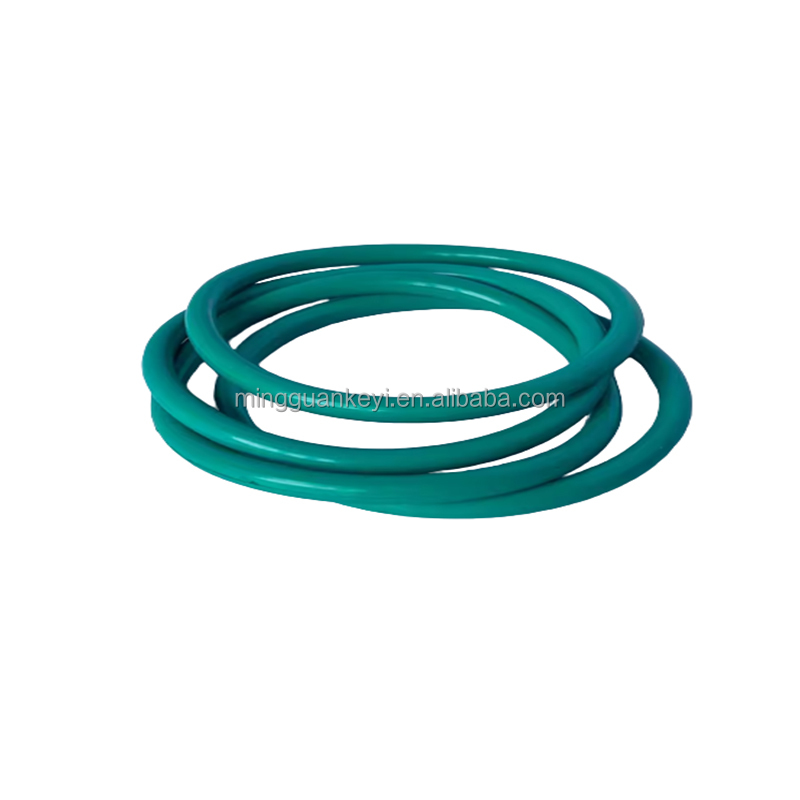
Engineering Excellence in High-Temperature Silicone Hose Manufacturing
At Suzhou Baoshida Trading Co., Ltd., our engineering capabilities form the cornerstone of reliable high-temperature silicone hose production for demanding industrial applications. Our dedicated team comprises five specialized mold engineers and two advanced formula engineers, ensuring end-to-end technical mastery from molecular design to final tooling. This integrated structure enables precise control over material science and manufacturing physics, directly translating to hoses that consistently exceed ASTM D2000 and ISO 3601 standards. Our formula engineers optimize silicone polymer architecture for thermal stability, leveraging platinum-catalyzed curing systems to achieve continuous operational resilience up to 300°C. Concurrently, mold engineers deploy cavity pressure monitoring and thermal simulation software to eliminate flash, knit lines, and dimensional drift during vulcanization—critical for aerospace and energy sector tolerances of ±0.1mm.
This synergy drives our OEM partnership model, where co-engineering begins at the specification phase. Clients provide performance parameters—such as dynamic flex fatigue requirements or chemical exposure profiles—and our team develops bespoke compounds validated through accelerated aging tests per ASTM D573. For instance, we recently engineered a custom fluorosilicone variant for a European turbocharger manufacturer, integrating ceramic fillers to withstand 280°C intermittent exposure to biodiesel particulates while maintaining 85 Shore A durometer consistency. Our mold engineers then fabricated multi-cavity tooling with conformal cooling channels, reducing cycle time by 22% without compromising radial strength. Every OEM project includes full traceability via batch-coded material certificates and 3D-printed prototype validation within 15 business days.
Technical superiority is quantifiable through our standardized versus custom performance metrics, as demonstrated below:
| Property | Standard Platinum-Cured Silicone | Custom OEM-Grade Silicone |
|---|---|---|
| Continuous Temp Range | -60°C to +260°C | -75°C to +300°C |
| Tensile Strength (MPa) | 8.0 (ASTM D412) | 10.5–12.0 (customized) |
| Durometer Tolerance | ±3 Shore A | ±1.5 Shore A |
| Burst Pressure (MPa) | 12.0 (ID 12mm) | 15.0–18.0 (reinforced) |
| Fluid Resistance | Basic oils/fuels | Custom-synthesized for ester-based biofuels |
OEM scalability remains uncompromised through our dual-engineer workflow. Formula adjustments undergo DOE (Design of Experiments) protocols before mold engineers implement tooling modifications via CNC-machined beryllium-copper cores. This eliminates iterative trial runs, cutting time-to-market by 30%. All documentation—including FMEA reports, PPAP submissions, and material safety dossiers—adheres to IATF 16949 frameworks, ensuring seamless integration into global supply chains. For mission-critical applications where thermal degradation risks system failure, Suzhou Baoshida delivers engineered certainty through molecular precision and industrial rigor. Partner with us to transform extreme-environment challenges into validated performance specifications.
Customization Process
Customization Process for High Temperature Silicone Hoses at Suzhou Baoshida Trading Co., Ltd.
At Suzhou Baoshida Trading Co., Ltd., precision and material integrity define our approach to manufacturing high temperature silicone hoses for industrial applications. Our customization process follows a structured, four-phase methodology—Drawing Analysis, Formulation, Prototyping, and Mass Production—ensuring optimal performance under extreme thermal and mechanical conditions.
The process begins with Drawing Analysis, where engineering teams evaluate customer-provided technical schematics. This phase focuses on dimensional accuracy, including inner diameter (ID), outer diameter (OD), wall thickness, bend radius, and end configuration. We assess compliance with international standards such as SAE J20, ISO 1307, and ASTM D2000. Special attention is given to application-specific requirements, such as flex life, pressure ratings, and environmental exposure. Any discrepancies or optimization opportunities are communicated for technical alignment prior to material development.
Following schematic validation, the Formulation stage initiates. Our rubber formula engineers develop a custom silicone compound tailored to the thermal and chemical demands of the intended operating environment. Standard high temp silicone formulations are based on platinum-cured VMQ (vinyl methyl silicone) or FVMQ (fluorosilicone) polymers, capable of continuous service from -60°C to +230°C, with short-term peaks up to +300°C. Additives are precisely metered to enhance ozone resistance, UV stability, and mechanical strength. Hardness is adjusted within the 40–70 Shore A range, depending on flexibility and pressure requirements. All formulations undergo rheological testing, including Mooney viscosity and cure kinetics, to ensure processability and long-term durability.
Once the compound is finalized, Prototyping commences. Using precision extrusion and high-pressure molding techniques, we produce a small batch of hoses for physical validation. Prototypes are subjected to rigorous testing protocols, including burst pressure evaluation, thermal cycling, compression set analysis, and fluid compatibility testing with oils, coolants, or aggressive chemicals. Dimensional inspection is performed using coordinate measuring machines (CMM) to verify conformance to drawing tolerances (±0.2 mm typical). Customer feedback is integrated at this stage to refine design or material parameters.
Upon prototype approval, the project transitions into Mass Production. We deploy automated extrusion lines and continuous vulcanization (hot air or liquid) systems to ensure batch consistency. In-line quality checks, including laser-based diameter monitoring and visual inspection, are conducted throughout the production run. Final products are packaged per client specifications, with full traceability maintained via lot numbering and material certifications (e.g., RoHS, REACH, FDA if applicable).
Our end-to-end customization ensures that each high temperature silicone hose meets exact operational demands, combining engineering rigor with industrial scalability.
| Property | Standard Value | Test Method |
|---|---|---|
| Temperature Range | -60°C to +230°C (up to +300°C intermittent) | ASTM D1329 |
| Hardness | 40–70 Shore A | ASTM D2240 |
| Tensile Strength | ≥8 MPa | ASTM D412 |
| Elongation at Break | ≥250% | ASTM D412 |
| Burst Pressure | 3–10 MPa (varies by wall thickness) | Internal Hydrostatic Test |
Contact Engineering Team
Technical Partnership for High-Temperature Silicone Hose Solutions
Suzhou Baoshida Trading Co., Ltd. specializes in engineered silicone rubber compounds and extruded hose solutions for extreme thermal environments. Our high-temperature silicone hoses undergo rigorous formulation development to ensure structural integrity under continuous exposure to 260°C and intermittent peaks up to 300°C. This performance is critical for industrial applications where thermal degradation compromises system safety and operational continuity, including aerospace propulsion systems, automotive turbocharger interconnects, and chemical processing equipment. Unlike generic elastomers, our platinum-cured silicone formulations resist compression set, ozone attack, and fluid permeation while maintaining flexibility across -60°C to +300°C ranges. Material traceability and batch-specific validation per ASTM D2000 and ISO 3601 standards are non-negotiable elements of our production protocol.
Our engineering team leverages 15+ years of OEM collaboration to solve complex thermal management challenges. We optimize shore hardness, reinforcement layer architecture, and surface treatments to meet exacting pressure pulsation and flex fatigue requirements. The table below summarizes core specifications for our standard high-temp silicone hose series, all manufactured under IATF 16949-certified processes:
| Property | Test Method | Value Range |
|---|---|---|
| Continuous Service Temp | ASTM D573 | -60°C to +260°C |
| Intermittent Peak Temp | ISO 188 | Up to +300°C |
| Burst Pressure (ID 10mm) | SAE J2044 | ≥ 15 MPa |
| Durometer Hardness | ASTM D2240 | 50±5 Shore A |
| Tensile Strength | ASTM D412 | ≥ 8.0 MPa |
| Elongation at Break | ASTM D412 | ≥ 300% |
| Fluid Resistance (IRM 903) | ASTM D471 | ΔW ≤ +15% after 70h @150°C |
Customization is central to our OEM engagement model. We co-develop formulations with clients to address specific fluid compatibility needs—such as biodiesel blends, phosphate esters, or high-purity steam—through tailored polymer backbones and additive packages. Our in-house compounding facility allows rapid iteration of prototypes, while our tooling division supports complex geometries including convoluted profiles and integrated flange connectors. Every hose assembly undergoes 100% helium leak testing and dimensional validation via CMM prior to shipment, ensuring zero-defect delivery for mission-critical systems.
Partner with Suzhou Baoshida to convert thermal management challenges into competitive advantages. Our engineering team provides full technical documentation, including material certificates, FEA stress analysis, and failure mode mitigation protocols. For immediate consultation on custom high-temperature silicone hose requirements, contact Mr. Boyce, OEM Technical Manager, directly at [email protected]. Specify your application parameters, volume expectations, and target qualification standards in your inquiry to accelerate solution development. We respond to all technical requests within 4 business hours with actionable engineering insights—not generic sales propositions. Trust Suzhou Baoshida’s material science expertise to safeguard your systems against thermal failure while optimizing total cost of ownership.
⚖️ O-Ring Weight Calculator
Estimate rubber O-ring weight (Approx).