
Technical Contents
Engineering Guide: High Temp Silicone Sheet
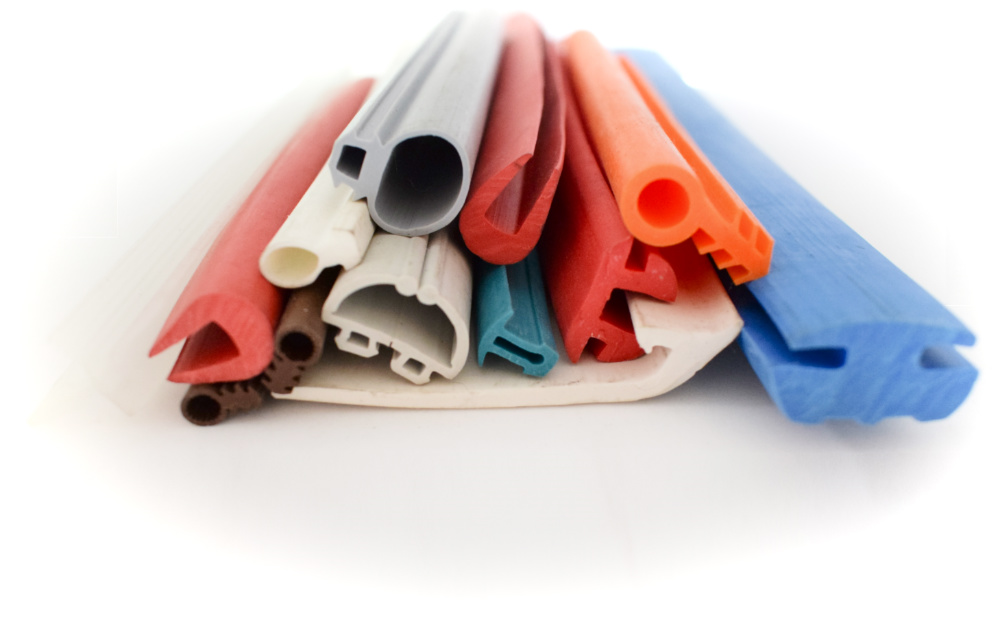
Engineering Insight: High Temperature Silicone Sheet Material Selection Imperatives
Industrial applications demanding continuous operation above 200°C expose critical vulnerabilities in generic silicone sheet products. Off-the-shelf solutions frequently fail due to oversimplified material specifications that ignore dynamic service conditions. Standard commercial grades prioritize cost reduction over performance resilience, leading to premature degradation through thermomechanical fatigue, compression set failure, or chemical incompatibility. These failures manifest as seal leakage, gasket extrusion, or catastrophic component rupture—resulting in unplanned downtime and safety hazards. Material selection must address the interplay of temperature extremes, mechanical stress, fluid exposure, and regulatory compliance, not merely nominal heat resistance.
Generic silicone sheets often utilize high filler loads (e.g., silica >40 phr) to reduce raw material costs, inadvertently compromising elasticity and recovery. Under sustained thermal cycling, these formulations exhibit accelerated compression set (>50% at 200°C/72h per ASTM D395), losing sealing force. Simultaneously, inadequate polymer architecture—such as insufficient phenyl or trifluoropropyl modification—limits stability against jet fuels, hydraulic fluids, or ozone. Commercial grades frequently omit rigorous lot-to-lot consistency validation, introducing variability in cure kinetics that undermines dimensional stability during post-molding operations.
Suzhou Baoshida Trading Co., Ltd. addresses these gaps through engineered custom formulations. We prioritize base polymer molecular weight distribution, selective functionalization, and precision-cure systems to achieve balanced properties. Critical parameters extend beyond peak temperature ratings to include:
| Parameter | Standard Commercial Grade | Engineered Custom Grade (Baoshida) | Test Standard |
|---|---|---|---|
| Continuous Service Temp | 230°C | 260°C | ASTM D2000 |
| Compression Set (200°C/72h) | 45-60% | ≤25% | ASTM D395 Method B |
| Tensile Strength (MPa) | 5.5-7.0 | 8.5-10.0 | ASTM D412 |
| Fuel B Swell (100h/70°C) | +35% to +50% | +15% to +25% | ASTM D471 |
| Hardness Range (Shore A) | ±5 points | ±2 points | ASTM D2240 |
This performance delta stems from eliminating filler-driven compromises. Our platinum-cure systems with controlled vinyl content ensure uniform crosslink density, while tailored phenyl ratios enhance low-temperature flexibility without sacrificing high-heat resilience. Each formulation undergoes fluid immersion testing per OEM specifications—validating resistance to MIL-H-5606, Skydrol, or biodiesel blends that degrade standard materials. Crucially, we implement traceable batch documentation (ISO 9001:2015) to guarantee repeatability, a non-negotiable requirement for aerospace and semiconductor clients.
Material selection is not a commodity decision but a risk-mitigation strategy. Generic sheets fail because their design tolerates performance drift; engineered solutions succeed by anticipating the exact thermodynamic and chemical stresses of your application. Suzhou Baoshida’s OEM partnership model integrates application engineering with formulation science—transforming silicone from a passive component into a reliability-critical asset.
Material Specifications
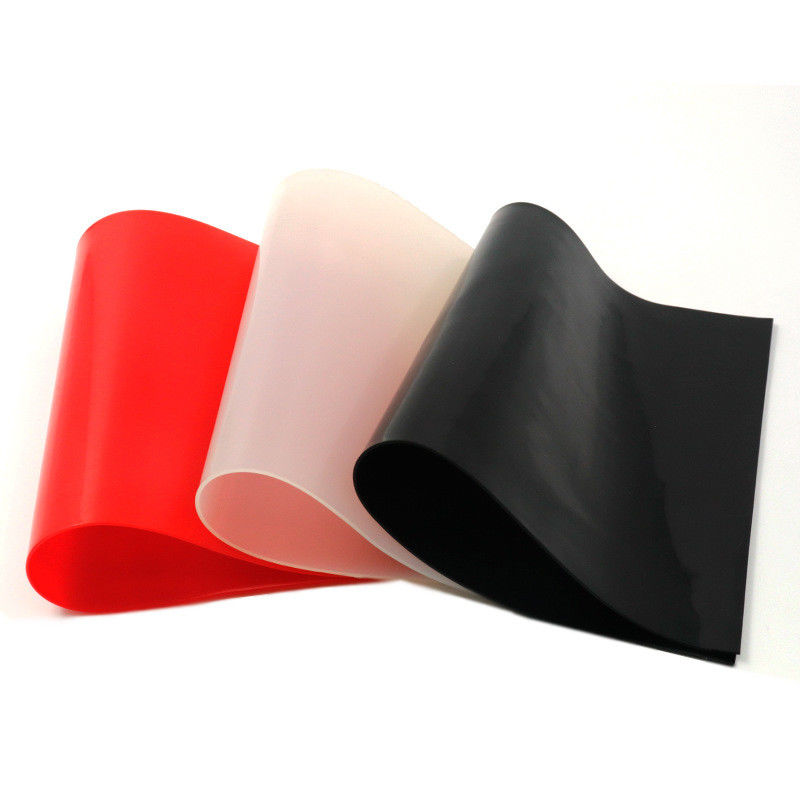
Suzhou Baoshida Trading Co., Ltd. provides high-performance elastomeric solutions tailored for extreme industrial environments. Among our core offerings are high-temperature silicone sheets engineered for thermal stability, chemical resistance, and long-term durability. These sheets are formulated to meet rigorous operational demands across aerospace, automotive, energy, and semiconductor industries. When selecting an elastomeric material for high-temperature applications, it is critical to evaluate performance parameters such as temperature range, chemical compatibility, tensile strength, and compression set resistance. Silicone rubber, along with fluorocarbon (Viton) and nitrile (NBR), represents a key class of industrial elastomers, each with distinct advantages depending on the application environment.
Silicone rubber is widely preferred for high-temperature sealing and insulation due to its exceptional thermal resilience. It maintains flexibility and mechanical integrity from -60°C to +230°C, with short-term exposure capability up to +300°C. Its inorganic backbone structure provides outstanding resistance to ozone, UV radiation, and weathering, making it ideal for outdoor and high-exposure applications. Additionally, silicone exhibits excellent electrical insulation properties, supporting use in electronic encapsulation and high-voltage insulation systems.
Viton, a fluoroelastomer, offers superior chemical resistance to fuels, oils, and aggressive solvents, with an operational temperature range of -20°C to +200°C, extendable to +250°C in intermittent service. While not as flexible at low temperatures as silicone, Viton excels in harsh chemical environments such as engine compartments and chemical processing units. Its high resistance to swelling and degradation in hydrocarbon-rich atmospheres makes it a preferred choice for dynamic sealing applications under combined thermal and chemical stress.
Nitrile rubber, or Buna-N, provides cost-effective performance in oil and fuel environments with a temperature range of -30°C to +100°C, reaching +120°C in limited service. It offers good abrasion resistance and tensile strength but is less suitable for high-temperature or ozone-exposed conditions compared to silicone or Viton. Nitrile is commonly used in hydraulic systems, gaskets, and fuel handling equipment where thermal loads are moderate.
The following table compares key material properties to guide material selection:
| Property | Silicone | Viton (FKM) | Nitrile (NBR) |
|---|---|---|---|
| Temperature Range (°C) | -60 to +230 (+300 short term) | -20 to +200 (+250 intermittent) | -30 to +100 (+120 intermittent) |
| Tensile Strength (MPa) | 6–8 | 12–18 | 10–20 |
| Elongation at Break (%) | 200–400 | 150–300 | 250–500 |
| Hardness (Shore A) | 40–80 | 60–90 | 50–90 |
| Compression Set (22 hrs, 150°C) | 15–25% | 10–20% | 20–35% |
| Fluid Resistance (Oil/Fuel) | Poor | Excellent | Good |
| Electrical Insulation | Excellent | Good | Fair |
| Ozone/UV Resistance | Excellent | Excellent | Poor |
Material selection must balance environmental exposure, mechanical requirements, and lifecycle cost. Suzhou Baoshida Trading Co., Ltd. supports OEMs and industrial partners with custom-formulated high-temperature silicone sheets and technical guidance for optimal material integration.
Manufacturing Capabilities
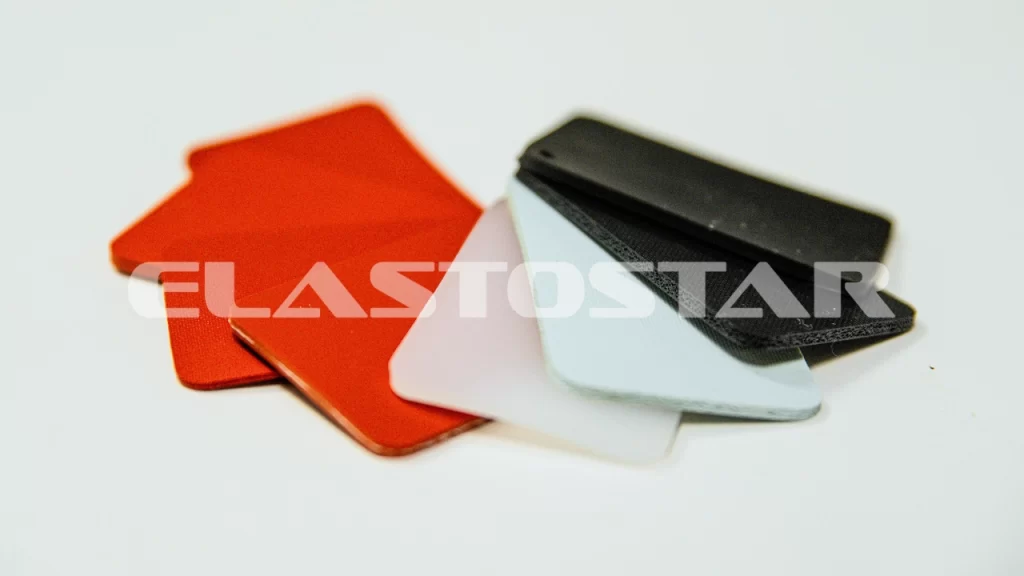
Engineering Capabilities for High-Temperature Silicone Sheet Manufacturing
Suzhou Baoshida Trading Co., Ltd. delivers mission-critical high-temperature silicone sheet solutions through integrated material science and precision engineering. Our dedicated team of five mold engineers and two rubber formula specialists operates at the intersection of polymer chemistry and industrial manufacturing, ensuring every product meets stringent thermal stability and mechanical performance requirements. This synergy enables us to solve complex challenges in aerospace, automotive, and energy sectors where failure is not an option.
Material Formulation Expertise
Our formula engineers leverage proprietary additive systems to enhance thermal resilience beyond standard silicone limitations. Through precise control of vinyl content, filler dispersion, and crosslink density, we achieve continuous service temperatures up to 250°C with peak resistance to 300°C. Critical properties such as compression set, tensile strength retention, and dielectric stability are optimized through iterative DOE (Design of Experiments) protocols. Each formulation undergoes accelerated aging per ASTM D573 and thermal gravimetric analysis (TGA) to validate long-term performance in oxidizing environments. Unlike commodity suppliers, we tailor base polymers for specific client duty cycles—whether cryogenic flexibility or extreme cyclic heating—ensuring no compromise between thermal range and mechanical integrity.
Precision Mold Engineering
The five-member mold engineering team executes complex geometries with micron-level tolerances using advanced CAD/CAM workflows. We specialize in multi-cavity tooling for high-volume OEM production, incorporating thermal management systems to eliminate cure inconsistencies. Finite element analysis (FEA) predicts material flow and vulcanization kinetics, preventing defects like voids or incomplete curing at critical junctions. Our in-house tooling facility supports rapid prototyping iterations, reducing time-to-market by 40% compared to external tooling partners. All molds adhere to ISO 2768-mK standards, with surface finishes ranging from 0.8 μm Ra for optical applications to textured patterns for enhanced adhesion.
OEM Integration Framework
We implement a seven-stage OEM collaboration model starting with joint requirement definition and ending with PPAP documentation. Clients receive full traceability via batch-specific CoA (Certificate of Analysis) reports, including FTIR verification of polymer structure and Shore A hardness validation at elevated temperatures. Our cleanroom molding cells (ISO Class 8) eliminate contamination risks for medical and semiconductor applications. The table below summarizes key performance differentiators:
| Property | Standard Grade | Custom Capability | Test Method |
|---|---|---|---|
| Continuous Use Temp | 200°C | 250°C | ASTM D2240 |
| Peak Short-Term Temp | 260°C | 300°C | ISO 188 |
| Tensile Strength | 6.0 MPa | 8.5 MPa | ASTM D412 |
| Compression Set (22h/200°C) | 25% | ≤15% | ASTM D395 |
| Hardness Range (Shore A) | 40-70 | 30-80 | ASTM D2240 |
Commitment to Technical Partnership
Suzhou Baoshida operates as an extension of your engineering team. We provide material substitution guidance, failure mode analysis, and real-time production data via secure customer portals. With 12+ years serving Tier-1 industrial OEMs, our closed-loop quality system ensures zero non-conformities in critical applications. Partner with us to transform thermal management challenges into competitive advantages through scientifically validated silicone solutions.
Customization Process
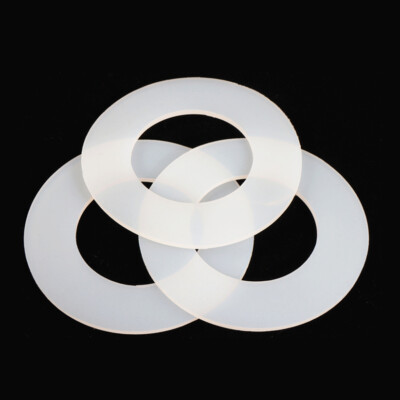
Customization Process for High-Temperature Silicone Sheets
At Suzhou Baoshida Trading Co., Ltd., our industrial rubber solutions are engineered to meet the exacting demands of high-performance applications. The customization process for high-temperature silicone sheets follows a rigorous, four-stage workflow: Drawing Analysis, Formulation, Prototyping, and Mass Production. This structured approach ensures dimensional accuracy, material integrity, and compliance with OEM specifications.
The process begins with Drawing Analysis, where our engineering team evaluates technical schematics provided by the client. Critical parameters such as thickness tolerance, geometric complexity, durometer requirements, and operating environment are assessed. We verify compliance with international standards (e.g., ASTM D2000, ISO 3302) and identify potential manufacturability challenges early. This phase includes cross-functional review with our R&D and quality assurance departments to ensure feasibility and precision.
Next, Formulation Development is conducted in our on-site laboratory. Based on the thermal, mechanical, and chemical resistance requirements, we tailor a proprietary silicone compound. Our high-temperature formulations typically utilize platinum-cured VMQ (vinyl-methyl silicone) polymers, reinforced with high-purity silica and thermally stable additives. The compound is optimized for continuous service up to 250°C, with short-term resistance to 300°C. Electrical insulation, compression set resistance, and FDA compliance (for food-grade variants) are also incorporated as needed.
Once the formulation is finalized, we proceed to Prototyping. Using precision die-cutting, water-jet cutting, or compression molding—depending on part geometry—we produce functional samples. These prototypes undergo rigorous testing, including thermal aging (per ASTM D573), tensile strength (ASTM D412), and hardness verification (ASTM D2240). Dimensional inspection is performed using coordinate measuring machines (CMM) to ensure conformity within ±0.1 mm tolerance. Client feedback is integrated at this stage to refine design or material performance.
Upon approval, the project transitions to Mass Production. Our automated production lines ensure batch consistency, with real-time process monitoring and in-line quality checks. Each batch is traceable, with full material certifications (C of C, RoHS, REACH) provided. We support production runs from 100 to 100,000+ units, with lead times optimized through lean manufacturing practices.
The following table outlines key performance specifications of our standard high-temperature silicone sheet formulations:
| Property | Test Method | Value |
|---|---|---|
| Continuous Service Temperature | ASTM D573 | Up to 250°C |
| Short-Term Peak Resistance | Internal Thermal Cycling | 300°C (2 hrs) |
| Tensile Strength | ASTM D412 | ≥8.0 MPa |
| Elongation at Break | ASTM D412 | ≥250% |
| Hardness (Shore A) | ASTM D2240 | 40–80 (customizable) |
| Compression Set (22h @ 200°C) | ASTM D395 | ≤20% |
| Dielectric Strength | ASTM D149 | ≥18 kV/mm |
This end-to-end customization process ensures that every high-temperature silicone sheet we deliver meets the highest standards of performance, reliability, and repeatability for critical industrial applications.
Contact Engineering Team
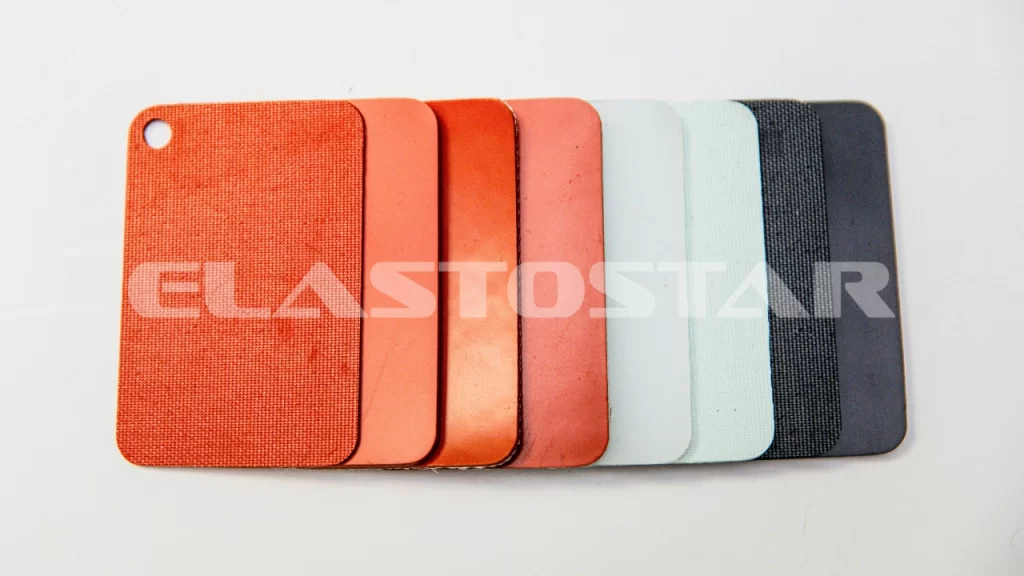
Engineering Partnership for High Temperature Silicone Sheet Solutions
Suzhou Baoshida Trading Co., Ltd. stands at the forefront of industrial elastomer innovation, specializing in engineered high temperature silicone sheet formulations for mission-critical applications. Our technical team possesses deep expertise in polymer chemistry, thermal stability optimization, and OEM manufacturing processes, ensuring materials exceed the rigorous demands of aerospace, automotive, semiconductor, and energy sectors. Unlike commodity suppliers, we prioritize molecular-level customization—adjusting filler systems, cross-link density, and catalyst profiles to achieve precise performance thresholds under extreme thermal cycling, chemical exposure, and mechanical stress. This scientific approach guarantees consistent material behavior where failure is not an option.
Our production facility in Suzhou integrates ISO 9001-certified processes with real-time rheological monitoring, enabling tight control over durometer variance (±2 Shore A), thickness tolerances (±0.05 mm), and thermal degradation resistance. Every batch undergoes stringent validation per ASTM D2000 and AMS 3301 standards, with full traceability from raw material sourcing to finished goods. For OEM partners, we offer collaborative formula development—leveraging FTIR spectroscopy and TGA analysis to tailor glass transition points (Tg) and limiting oxygen index (LOI) to your operational environment. This eliminates field failures caused by generic material specifications and reduces your total cost of ownership through extended service life.
Critical performance metrics for our flagship high temperature silicone sheet are summarized below:
| Property | Test Method | Value Range |
|---|---|---|
| Continuous Service Temperature | ASTM D573 | -60°C to +280°C |
| Peak Short-Term Resistance | ISO 188 | Up to 350°C (2 hours) |
| Tensile Strength | ASTM D412 | 8.0–10.5 MPa |
| Elongation at Break | ASTM D412 | 350–500% |
| Hardness (Shore A) | ASTM D2240 | 40–80 ±2 |
| Compression Set (22h/200°C) | ASTM D395 | ≤25% |
| UL 94 Flammability Rating | UL 94 | V-0 |
These specifications represent baseline capabilities; our engineering team routinely develops formulations exceeding these ranges for specialized applications such as plasma etch chamber gaskets or EV battery thermal interface materials. We recognize that off-the-shelf solutions rarely address complex thermal management challenges in next-generation industrial systems.
Initiate your project with direct engineering consultation by contacting Mr. Boyce, our dedicated OEM Manager. With 14 years of experience in silicone compounding and global supply chain coordination, Mr. Boyce will align our R&D resources with your technical requirements, production volumes, and compliance frameworks. He facilitates seamless transitions from prototype validation to volume manufacturing—ensuring material consistency across 10,000+ meter production runs. Provide your application parameters, environmental stressors, and target cost structure for a customized feasibility assessment within 72 hours.
Do not compromise on thermal performance or supply chain resilience. Email Mr. Boyce at [email protected] with subject line “High Temp Silicone Sheet Technical Inquiry” to schedule a confidential discussion. Include your target temperature profile, regulatory certifications (e.g., FDA 21 CFR, REACH), and annual usage volume. Our Suzhou-based technical team stands ready to deliver engineered silicone solutions that outperform conventional materials while optimizing your manufacturing yield. Partner with precision—contact us today to secure your next-generation material supply.
⚖️ O-Ring Weight Calculator
Estimate rubber O-ring weight (Approx).