
Technical Contents
Engineering Guide: High Temperature Cord
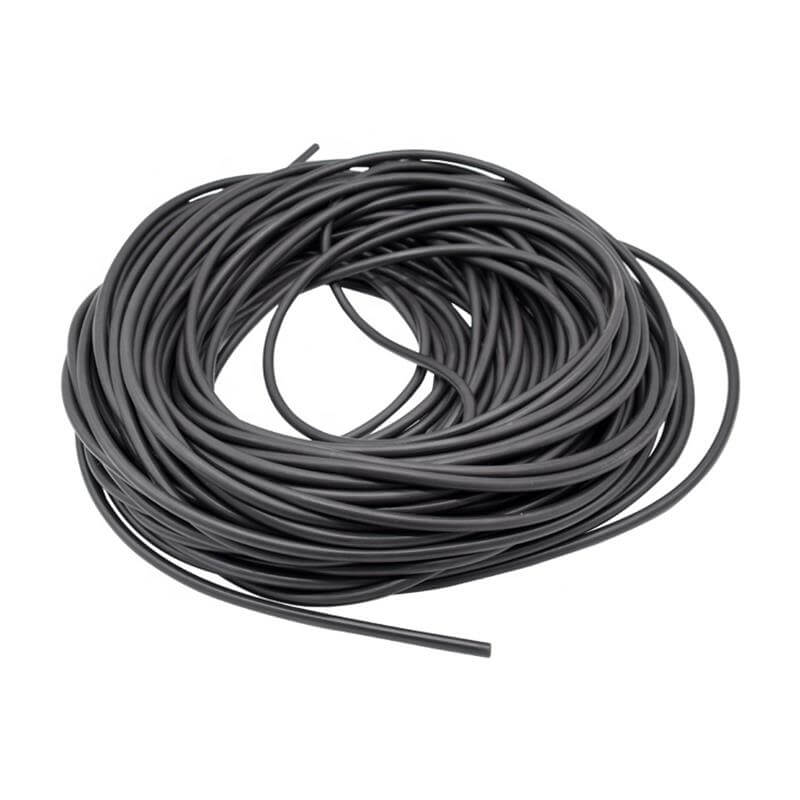
Engineering Insight: High Temperature Cord Material Selection Fundamentals
Industrial sealing applications operating above 150°C present extreme challenges where generic elastomeric cords consistently underperform. Off-the-shelf high temperature cords frequently fail due to inadequate polymer chemistry and compromised formulation strategies prioritizing initial cost over lifecycle integrity. Standard silicone (VMQ) or EPDM cords marketed for elevated temperatures often utilize low-purity base polymers, insufficient heat-stabilizing additives, and non-optimized filler systems. This results in rapid thermal degradation kinetics, manifesting as hardening, cracking, and catastrophic loss of sealing force within weeks under sustained thermal load. The critical flaw lies in the absence of tailored reinforcement and stabilization protocols essential for maintaining molecular chain integrity at operational extremes.
Material selection must address the synergistic effects of temperature, dynamic stress, and fluid exposure. Generic cords typically exhibit poor compression set resistance above 200°C, directly correlating to seal leakage as the elastomer loses elastic recovery. Furthermore, inadequate resistance to oils, coolants, or combustion byproducts accelerates swelling and extraction of critical stabilizers, accelerating failure. Suzhou Baoshida Trading Co., Ltd. emphasizes that true high-temperature performance requires engineered solutions: high-purity vinyl-methyl silicone (VMQ) with platinum curing, fluoroelastomers (FKM) with peroxide systems, or specialized polyimide (PI) compounds. These incorporate advanced silica reinforcement, synergistic antioxidant packages, and controlled crosslink density to resist chain scission and oxidation. The polymer backbone stability and filler-matrix bonding are non-negotiable for applications demanding >250°C continuous service.
The following comparative analysis underscores why material specificity is non-optional:
| Performance Parameter | Standard Off-the-Shelf Cord | Engineered High-Temperature Cord (Suzhou Baoshida) |
|---|---|---|
| Max Continuous Temperature | 180°C | 280°C (VMQ) / 300°C (Specialty FKM) |
| Compression Set (24h @ 250°C) | >65% | <25% |
| Fluid Resistance (Engine Oil, 150°C) | Severe Swelling (>30%) | Minimal Swelling (<10%) |
| Key Failure Mode | Hardening & Cracking (Weeks) | Stable Elastic Recovery (Years) |
| Filler System | Standard Carbon Black | Surface-Modified Fumed Silica |
Relying on commoditized solutions ignores the physics of elastomer thermo-oxidation. Suzhou Baoshida Trading Co., Ltd. implements rigorous OEM qualification protocols, including ASTM D573 heat aging, ISO 3384 compression set testing, and application-specific fluid immersion cycles. Our engineered cords integrate molecular-level stabilization to suppress free radical formation, ensuring dimensional stability and sealing force retention where generic products catastrophically degrade. Material selection is not a cost line item but a fundamental risk mitigation strategy for mission-critical thermal sealing. The initial premium for scientifically validated compounds translates directly to extended service life, reduced downtime, and elimination of field failure liabilities in demanding industrial environments.
Material Specifications
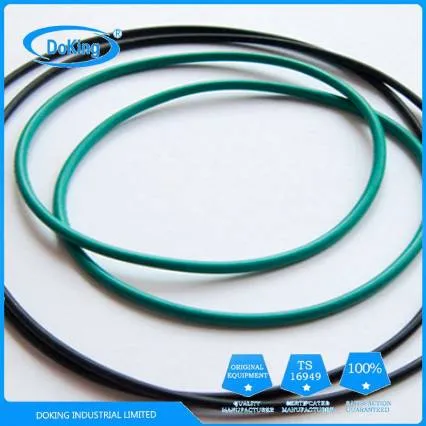
High temperature cord is a critical component in industrial applications where thermal stability, chemical resistance, and mechanical integrity are paramount. Suzhou Baoshida Trading Co., Ltd. specializes in engineered rubber solutions designed to meet the stringent demands of sectors such as automotive, aerospace, oil and gas, and industrial manufacturing. Our high temperature cord formulations are precision-engineered using three primary elastomers: Viton, Nitrile (NBR), and Silicone. Each material offers a distinct performance profile, allowing for optimal selection based on operational environment and functional requirements.
Viton, a fluorocarbon-based rubber, delivers exceptional resistance to high temperatures, aggressive chemicals, oils, and fuels. It maintains structural integrity in continuous service environments up to 230°C, with short-term exposure capability reaching 300°C. This makes Viton the preferred choice for sealing and insulation applications in extreme conditions, particularly in aerospace and chemical processing industries. Its low gas permeability and excellent aging characteristics further enhance long-term reliability.
Nitrile rubber, or acrylonitrile butadiene rubber (NBR), provides a balanced combination of oil resistance, abrasion resistance, and mechanical strength at a cost-effective price point. It performs reliably in continuous temperatures up to 120°C, with peak resistance to aliphatic hydrocarbons and petroleum-based fluids. While not suitable for high ozone or UV exposure without modification, Nitrile remains a dominant material in hydraulic systems, fuel handling, and general industrial sealing where moderate heat and fluid resistance are required.
Silicone rubber excels in extreme temperature flexibility, operating effectively from -60°C to 200°C, with some formulations enduring up to 250°C intermittently. It offers excellent electrical insulation properties, UV stability, and low toxicity, making it ideal for medical, food-grade, and electrical applications. However, its mechanical strength and abrasion resistance are lower than Viton or Nitrile, necessitating careful design considerations in high-stress environments.
The following table summarizes key performance characteristics of each material to facilitate material selection for high temperature cord applications.
| Property | Viton (FKM) | Nitrile (NBR) | Silicone (VMQ) |
|---|---|---|---|
| Continuous Service Temp | -20°C to 230°C | -30°C to 120°C | -60°C to 200°C |
| Short-Term Max Temp | Up to 300°C | Up to 150°C | Up to 250°C |
| Oil & Fuel Resistance | Excellent | Excellent | Poor |
| Chemical Resistance | Outstanding | Good | Moderate |
| Ozone & UV Resistance | Excellent | Fair | Excellent |
| Electrical Insulation | Good | Fair | Excellent |
| Tensile Strength | High | High | Moderate |
| Compression Set Resistance | Excellent | Good | Good |
| Common Applications | Aerospace seals, chemical gaskets | Fuel hoses, O-rings, gaskets | Medical tubing, electrical insulation |
Material selection for high temperature cord must balance thermal demands, chemical exposure, mechanical stress, and regulatory compliance. At Suzhou Baoshida Trading Co., Ltd., we support OEMs and industrial partners with customized formulations and rigorous quality control to ensure performance consistency across production batches.
Manufacturing Capabilities
Engineering Excellence in High Temperature Cord Manufacturing
Suzhou Baoshida Trading Co., Ltd. delivers precision-engineered high temperature cord solutions through integrated material science and advanced tooling expertise. Our dedicated engineering team comprises five specialized mould designers and two rubber formulation scientists, ensuring end-to-end control from compound development to production validation. This synergy enables us to solve complex thermal degradation challenges in demanding industrial applications, including automotive turbocharger hoses, aerospace fluid systems, and energy sector sealing components.
Our formula engineers leverage 15+ years of elastomer research to develop proprietary blends resistant to continuous exposure beyond 250°C. Through systematic filler optimization and peroxide curing systems, we achieve exceptional retention of mechanical properties after 1,000 hours of thermal aging. Critical to this process is our in-house laboratory, which conducts ASTM D2240 hardness profiling, ISO 37 tensile testing, and DIN 53509 compression set analysis under simulated operational conditions. Mould engineers then translate these material specifications into precision tooling, utilizing SolidWorks simulations to eliminate flow-induced weaknesses and ensure uniform cord dimensional stability within ±0.05mm tolerances.
OEM partnerships form the cornerstone of our manufacturing philosophy. We implement a four-phase co-development protocol: joint requirement analysis, iterative prototype validation, production part approval process (PPAP) documentation, and continuous process refinement. Clients retain full intellectual property rights for custom formulations while benefiting from our ISO 9001-certified production lines capable of scaling from 500kg pilot batches to 50MT monthly volumes. This structured approach minimizes time-to-market by 30% compared to industry benchmarks, with first-article approval typically achieved within 15 business days.
Key performance metrics for our standard high temperature cord formulations are summarized below:
| Property | Test Standard | Value | Unit |
|---|---|---|---|
| Continuous Use Temperature | ASTM D573 | 250 | °C |
| Tensile Strength | ISO 37 | 18.5 | MPa |
| Elongation at Break | ISO 37 | 320 | % |
| Compression Set (24h/200°C) | ASTM D395 | 22 | % |
| Hardness (Shore A) | ASTM D2240 | 70 ± 5 | — |
Our technical team maintains direct client collaboration throughout the product lifecycle, providing material traceability down to batch-level curing kinetics data. By embedding OEM requirements into the foundational engineering phase—not as an afterthought—we eliminate costly rework cycles and ensure seamless integration into your assembly processes. Suzhou Baoshida’s commitment to quantifiable performance and scalable precision makes us the strategic partner for mission-critical high temperature cord applications where failure is not an option. Partner with us to transform thermal resilience challenges into competitive advantages.
Customization Process
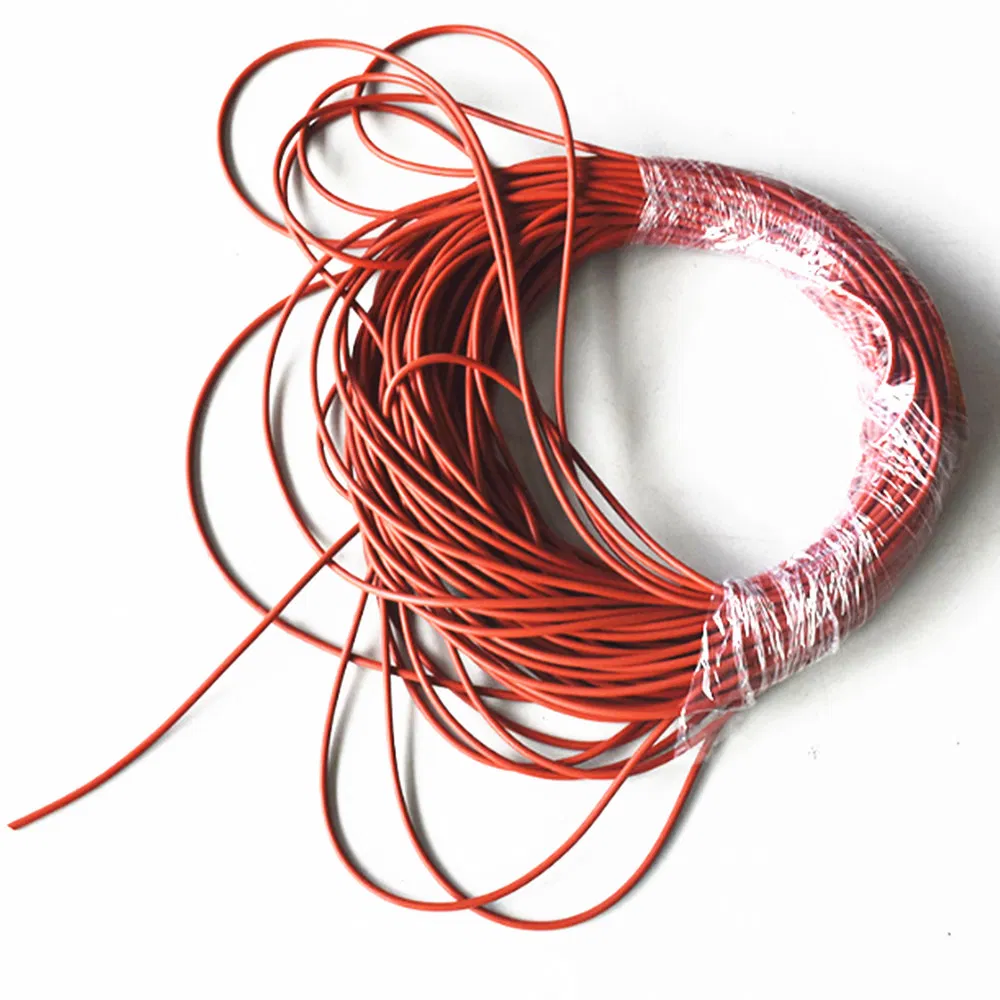
Technical Guide: Customization Process for High Temperature Cord at Suzhou Baoshida Trading Co., Ltd.
At Suzhou Baoshida Trading Co., Ltd., the customization of high temperature cord follows a rigorous, science-driven engineering process designed to meet the demanding requirements of industrial applications. Our methodology ensures material integrity, dimensional accuracy, and performance consistency under extreme thermal conditions. The process begins with Drawing Analysis, where technical blueprints provided by the client are evaluated for compliance with manufacturing feasibility, tolerance standards, and application-specific stress factors. Our engineering team conducts a comprehensive review of cross-sectional geometry, cord diameter, tensile load zones, and intended operating environments. This stage includes finite element analysis (FEA) simulations to predict thermal expansion behavior and mechanical stress distribution.
Following drawing validation, the Formulation phase commences. Our Rubber Formula Engineers develop proprietary elastomer blends based on fluorocarbon (FKM), silicone (VMQ), ethylene propylene diene monomer (EPDM), or perfluoroelastomer (FFKM) systems, depending on the required thermal resistance and chemical exposure profile. Each formulation is optimized for continuous service temperatures ranging from 200°C to over 300°C, with enhanced resistance to oxidation, ozone, and industrial fluids. Additive packages are precision-calibrated to improve compression set resistance, elongation at break, and long-term aging performance. All compounds undergo dynamic mechanical analysis (DMA) and thermogravimetric analysis (TGA) to verify stability under cyclic thermal loading.
The Prototyping stage involves low-volume extrusion and vulcanization using production-grade tooling. Prototype cords are subjected to a battery of laboratory tests, including heat aging per ASTM D573, tensile strength per ASTM D412, and volume swell testing in simulated operational media. Dimensional inspection is performed using laser micrometry and coordinate measuring machines (CMM) to ensure compliance within ±0.05 mm tolerance. Client feedback is integrated at this stage, allowing for iterative refinement of both material and geometry.
Upon approval, the project transitions to Mass Production. Our facility employs continuous extrusion lines with inline laser gauging and nitrogen-cured continuous vulcanization (CV) tunnels to ensure batch-to-batch consistency. Each production lot undergoes full traceability documentation, including raw material batch numbers, cure profiles, and third-party test certifications. Final inspection includes 100% visual screening and statistical mechanical sampling.
Typical High Temperature Cord Specifications
| Property | FKM-Based Cord | VMQ-Based Cord | EPDM-Based Cord |
|---|---|---|---|
| Continuous Use Temperature | 250°C | 200°C | 150°C |
| Peak Short-Term Exposure | 300°C | 230°C | 180°C |
| Tensile Strength (MPa) | ≥15 | ≥8 | ≥10 |
| Elongation at Break (%) | ≥200 | ≥250 | ≥250 |
| Compression Set (22 hrs, 200°C) | ≤35% | ≤25% | ≤30% |
| Fluid Resistance | Excellent (oils, fuels) | Good (water, steam) | Excellent (water, glycols) |
This structured approach ensures that every high temperature cord delivered by Suzhou Baoshida meets the highest standards of industrial reliability and performance.
Contact Engineering Team
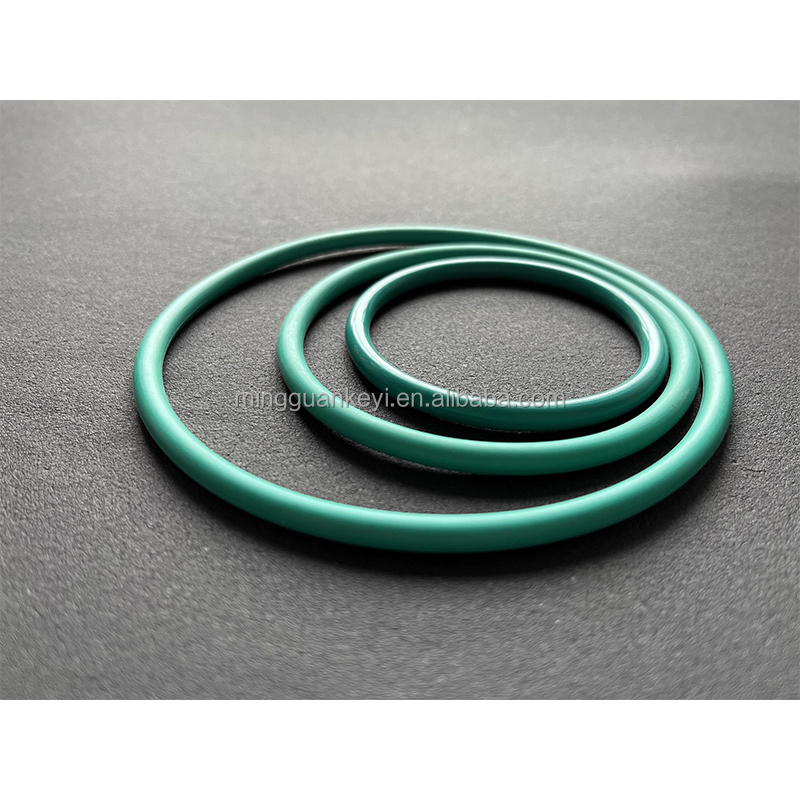
Contact Suzhou Baoshida for Engineered High-Temperature Cord Solutions
When standard elastomeric seals and cords fail under extreme thermal cycling or continuous high-temperature exposure, operational integrity and safety margins deteriorate rapidly. Suzhou Baoshida Trading Co., Ltd. specializes in resolving these critical challenges through scientifically formulated high-temperature cord solutions tailored for aerospace, energy, and industrial OEM applications. Our engineering team leverages proprietary polymer matrix designs and rigorous validation protocols to ensure performance beyond conventional material limits. We do not offer generic off-the-shelf products; instead, we collaborate directly with your R&D and production teams to develop custom cord formulations that meet exacting operational demands, regulatory standards, and lifecycle cost targets. This OEM-centric approach minimizes field failures while optimizing total cost of ownership through enhanced durability and reduced maintenance intervals.
Our high-temperature cord specifications reflect uncompromising material science principles. The table below outlines baseline performance metrics for our most deployed formulations, validated per ASTM and ISO standards. These values represent minimum guaranteed thresholds; actual performance is refined during application-specific development cycles.
| Property | Silicone-Based Cord | Fluorocarbon (FKM) Cord | Testing Standard |
|---|---|---|---|
| Continuous Service Temperature | -60°C to +250°C | -20°C to +315°C | ASTM D573 |
| Peak Short-Term Exposure | +300°C | +350°C | ISO 188 |
| Tensile Strength (MPa) | ≥ 8.0 | ≥ 12.0 | ASTM D412 |
| Elongation at Break (%) | ≥ 250 | ≥ 200 | ASTM D412 |
| Compression Set (70 hrs, 200°C) | ≤ 25% | ≤ 18% | ASTM D395 |
| Fluid Resistance (IRMOG 704) | Excellent | Exceptional | ISO 1817 |
Material selection is never a one-size-fits-all proposition. Suzhou Baoshida’s engineers analyze your specific thermal profile, chemical exposure, mechanical stressors, and regulatory environment to determine the optimal polymer architecture—whether silicone, FKM, FFKM, or advanced hybrid systems. We integrate peroxide curing systems for superior thermal stability and conduct accelerated aging tests to predict 10,000+ hour service life under your operational conditions. Our ISO 9001-certified supply chain guarantees batch-to-batch consistency, while our technical support team provides full documentation, including material certifications and processing guidelines for seamless integration into your manufacturing workflow.
Initiate a precision-engineered solution by contacting Mr. Boyce, our dedicated OEM Relationship Manager. Forward your application requirements, operational parameters, and performance targets directly to [email protected]. Include details such as maximum continuous temperature, dynamic or static loading conditions, fluid exposure media, and dimensional tolerances. Mr. Boyce will coordinate our formulation chemists and application engineers to develop a tailored cord specification and prototype timeline within 24 business hours of receiving your inquiry. Do not compromise on thermal sealing performance—partner with Suzhou Baoshida to transform material limitations into engineering advantages. Your next-generation high-temperature cord solution begins with a single, technically grounded conversation.
⚖️ O-Ring Weight Calculator
Estimate rubber O-ring weight (Approx).