
Technical Contents
Engineering Guide: High Temperature Flexible Hose Pipe
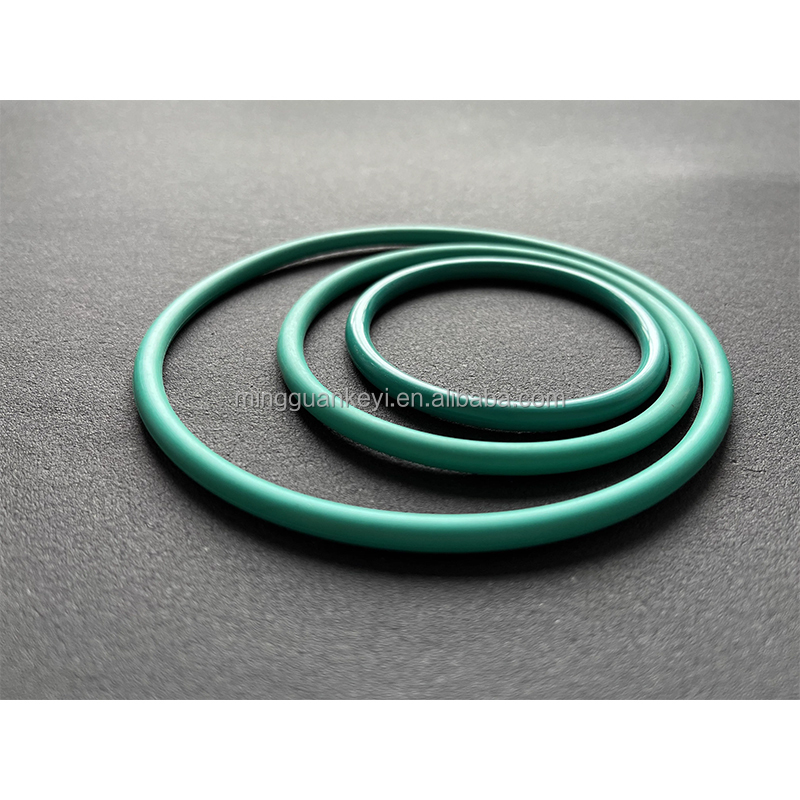
Engineering Insight: Material Selection in High Temperature Flexible Hose Pipe
In industrial applications involving extreme thermal environments, the performance of flexible hose pipe hinges critically on material selection. Off-the-shelf solutions, while cost-effective and readily available, frequently fail under sustained high temperature exposure due to inadequate polymer formulation and reinforcement compatibility. These generic hoses are typically engineered for general-purpose use and lack the tailored compound design required to resist thermal degradation, oxidation, and mechanical fatigue at elevated temperatures.
The core challenge lies in balancing flexibility, pressure resistance, and thermal stability. Standard elastomers such as natural rubber or conventional EPDM begin to degrade above 120°C, exhibiting hardening, cracking, and loss of tensile strength. In contrast, high temperature flexible hoses demand specialty polymers capable of continuous operation beyond 200°C. Fluorocarbon rubber (FKM), silicone rubber (VMQ), and perfluoroelastomers (FFKM) are preferred in critical applications due to their exceptional thermal resilience and chemical inertness. FKM, for instance, maintains integrity up to 250°C and offers superior resistance to oils and fuels, making it ideal for automotive and aerospace exhaust systems.
Reinforcement materials also play a pivotal role. Braided or spiral-wound stainless steel layers are commonly integrated to manage internal pressure and prevent collapse under vacuum conditions. However, mismatched coefficients of thermal expansion between the elastomer and metal reinforcement can lead to delamination or kinking during thermal cycling. Precision in layer adhesion and interfacial bonding is therefore essential to ensure structural coherence across temperature gradients.
Another overlooked factor is long-term aging behavior. Many standard hoses pass short-term heat resistance tests but fail in real-world service due to cumulative oxidative damage. Accelerated aging tests per ASTM D573 and ISO 188 are critical for predicting service life. Additionally, resistance to ozone, UV radiation, and fluid permeation must be evaluated under operational conditions, not just ambient lab settings.
Suzhou Baoshida Trading Co., Ltd. emphasizes engineered-to-order solutions where material selection is driven by application-specific parameters: peak temperature, media type, pressure cycles, and environmental exposure. This approach mitigates the risks associated with generic products and extends service life, reducing downtime and maintenance costs.
The following table outlines key material performance characteristics for high temperature flexible hose applications:
| Material | Continuous Use Temp (°C) | Peak Temp (°C) | Key Advantages | Common Applications |
|---|---|---|---|---|
| FKM (Fluorocarbon) | 200–230 | 250 | Excellent chemical and oil resistance, low gas permeability | Engine turbochargers, chemical processing |
| VMQ (Silicone) | 180 | 200 | High flexibility, low compression set, good dielectric properties | HVAC systems, medical equipment |
| FFKM (Perfluoroelastomer) | 250 | 300 | Extreme chemical and thermal resistance | Semiconductor manufacturing, aerospace |
| EPDM (High-Grade) | 150 | 180 | Good steam resistance, cost-effective | Industrial steam lines, cooling systems |
Material selection is not a compromise—it is the foundation of reliability in high temperature flexible hose systems.
Material Specifications
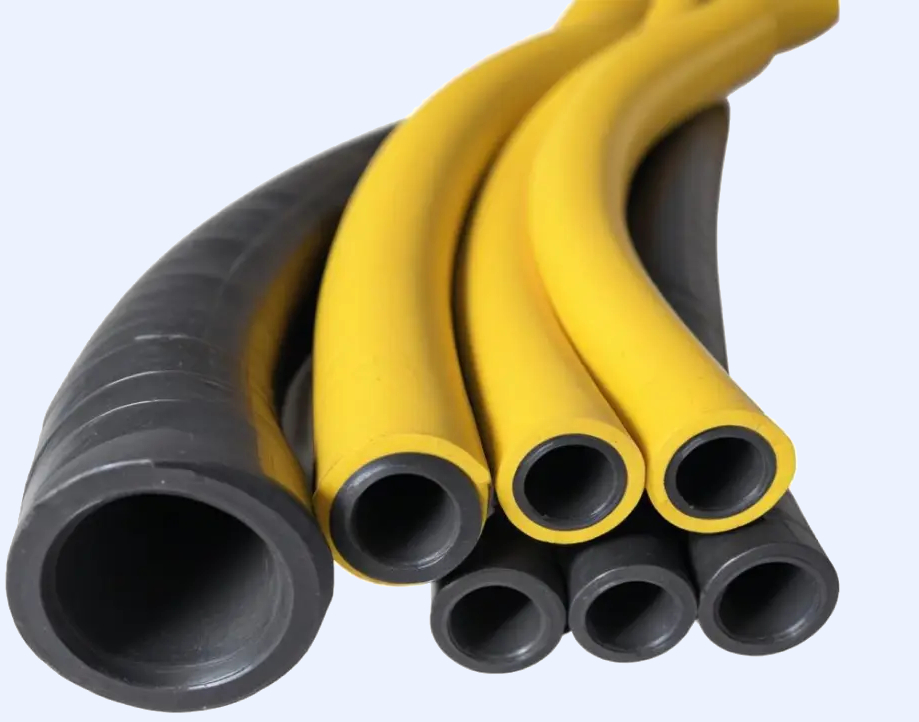
Material Specifications for High Temperature Flexible Hose Pipe
Selecting the appropriate elastomer compound is critical for high temperature flexible hose pipe performance in demanding industrial applications. At Suzhou Baoshida Trading Co., Ltd., our engineering team rigorously evaluates material properties to ensure reliability under thermal stress, chemical exposure, and mechanical flexing. Viton (FKM), Nitrile (NBR), and Silicone (VMQ) represent the primary material families for such hoses, each offering distinct advantages and limitations. Viton fluoroelastomers excel in extreme environments, sustaining continuous service temperatures up to 250°C with intermittent peaks near 300°C. Its molecular structure provides exceptional resistance to jet fuels, hydraulic fluids, aromatic hydrocarbons, and oxidative degradation, making it indispensable for aerospace and petrochemical systems. However, Viton exhibits higher material costs and reduced low-temperature flexibility below -20°C, necessitating careful application assessment.
Nitrile rubber remains a cost-effective solution for moderate-temperature scenarios, typically handling continuous exposure up to 120°C. Its acrylonitrile content directly correlates with oil and fuel resistance, with high-ACN grades (45-50%) minimizing swelling in mineral oils and aliphatic hydrocarbons. NBR hoses are prevalent in automotive engine compartments and hydraulic machinery due to good abrasion resistance and tensile strength. Key constraints include vulnerability to ozone cracking, limited resistance to polar solvents like ketones, and significant stiffness development below -30°C. Protective ozone-resistant covers are often mandatory in outdoor installations.
Silicone rubber delivers unmatched thermal stability across an extensive range, functioning reliably from -60°C to 230°C continuously. Its inert, platinum-cured formulations meet FDA and USP Class VI requirements for food, beverage, and pharmaceutical transfer lines. Silicone maintains flexibility at cryogenic temperatures and resists UV degradation, though it demonstrates lower tensile strength and higher gas permeability than Viton or NBR. Abrasion resistance is comparatively poor, requiring external braiding or textile reinforcement in high-wear applications.
The comparative analysis below details critical specifications for informed material selection. All values reflect standard ASTM D2000 classifications and industry-tested performance thresholds under controlled conditions.
| Material Type | Temperature Range (°C) | Key Chemical Resistances | Mechanical Properties | Primary Applications |
|---|---|---|---|---|
| Viton (FKM) | -20 to +250 (cont.), +300 (intermittent) | Jet fuels, oils, acids, hydraulic fluids, aromatics | High tensile strength (15-20 MPa), low compression set | Aerospace fuel lines, chemical processing, refinery transfer |
| Nitrile (NBR) | -40 to +120 (cont.), +150 (intermittent) | Aliphatic hydrocarbons, mineral oils, water-based fluids | Excellent abrasion resistance, moderate tensile (10-18 MPa) | Automotive hydraulic systems, industrial machinery coolant lines |
| Silicone (VMQ) | -60 to +230 (cont.), +260 (intermittent) | Water, steam, alcohols, mild acids/bases, ozone | Low tensile strength (6-10 MPa), high flexibility | Food processing, medical devices, semiconductor cooling loops |
Material selection must balance temperature profiles, fluid compatibility, mechanical stress, regulatory requirements, and lifecycle costs. Suzhou Baoshida Trading Co., Ltd. provides OEMs with application-specific compound formulations and rigorous validation testing to ensure hose integrity in critical high-temperature operations. Consult our engineering team for tailored solutions addressing your operational parameters.
Manufacturing Capabilities
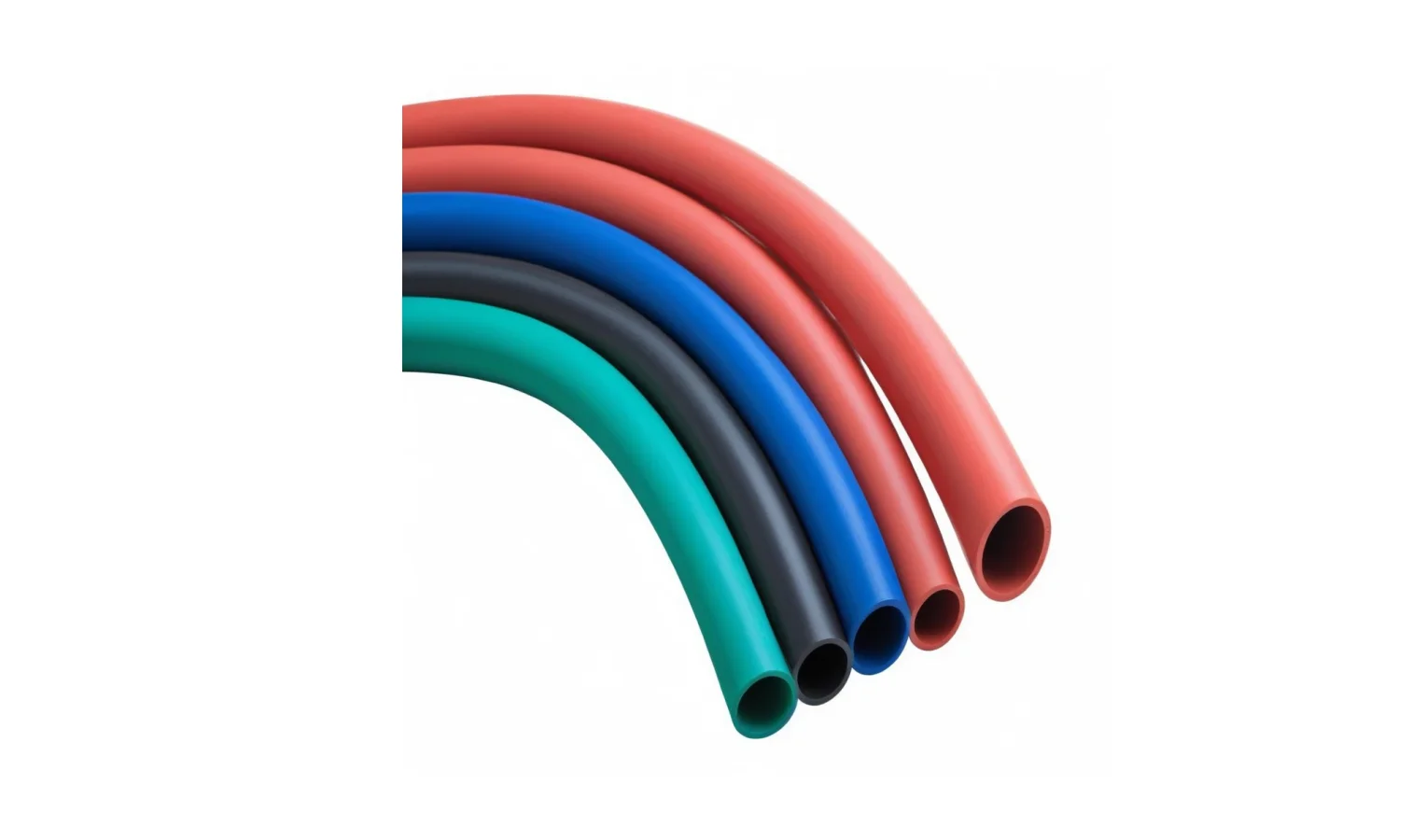
Engineering Capability
At Suzhou Baoshida Trading Co., Ltd., our engineering capability forms the backbone of our industrial rubber solutions, particularly in the development and production of high temperature flexible hose pipes. With a dedicated team of five specialized mould engineers and two advanced rubber formula engineers, we maintain full in-house control over the design, material science, and manufacturing processes. This integrated technical structure enables us to deliver precision-engineered products tailored to the most demanding operational environments.
Our mould engineers possess extensive experience in 3D modeling, finite element analysis (FEA), and rapid prototyping using CAD/CAM systems. They are responsible for designing high-precision steel and aluminum tooling optimized for complex hose geometries, ensuring dimensional accuracy, repeatability, and long-term durability under thermal cycling. Each mould is rigorously tested for flow dynamics, venting efficiency, and thermal uniformity to eliminate defects during the curing process. This precision directly translates into consistent hose wall thickness, uniform reinforcement layer integration, and reliable performance in high-pressure, high-temperature applications.
Complementing our mould expertise, our two rubber formula engineers specialize in elastomer chemistry with a focus on heat-resistant compounds. They develop custom formulations based on silicone (VMQ), fluorocarbon (FKM), ethylene propylene diene monomer (EPDM), and chloroprene (CR) to meet specific thermal, chemical, and mechanical requirements. Each compound is engineered to maintain flexibility at elevated temperatures—up to 300°C for select grades—while resisting degradation from oils, ozone, steam, and aggressive industrial fluids. Our lab conducts accelerated aging tests, compression set analysis, and dynamic flex testing to validate long-term performance before production release.
This synergy between mould design and material science empowers our OEM capabilities. We work directly with clients to co-develop hoses that meet exact dimensional, functional, and regulatory standards—whether for automotive turbocharger systems, industrial exhausts, or chemical processing equipment. Our engineering team supports clients from concept to量产 (mass production), offering DFM (Design for Manufacturability) feedback, prototype validation, and full documentation including material certifications and test reports.
We maintain strict traceability and process control through ISO-compliant workflows, ensuring every hose produced meets the engineered intent. With complete vertical integration of design, formulation, and tooling, Suzhou Baoshida delivers technically superior, application-specific flexible hose solutions for the most challenging high-temperature environments.
| Property | Typical Value | Test Standard |
|---|---|---|
| Max Continuous Operating Temperature | 250°C (up to 300°C intermittent) | ASTM D573 |
| Burst Pressure (6 mm ID) | ≥ 20 MPa | ISO 1402 |
| Flexibility (Dynamic Bend Radius) | 2.5x OD | Internal Test Method |
| Fluid Resistance (Oil, Coolant, Steam) | Excellent | ASTM D471 |
| Material Options | VMQ, FKM, EPDM, CR | — |
Customization Process
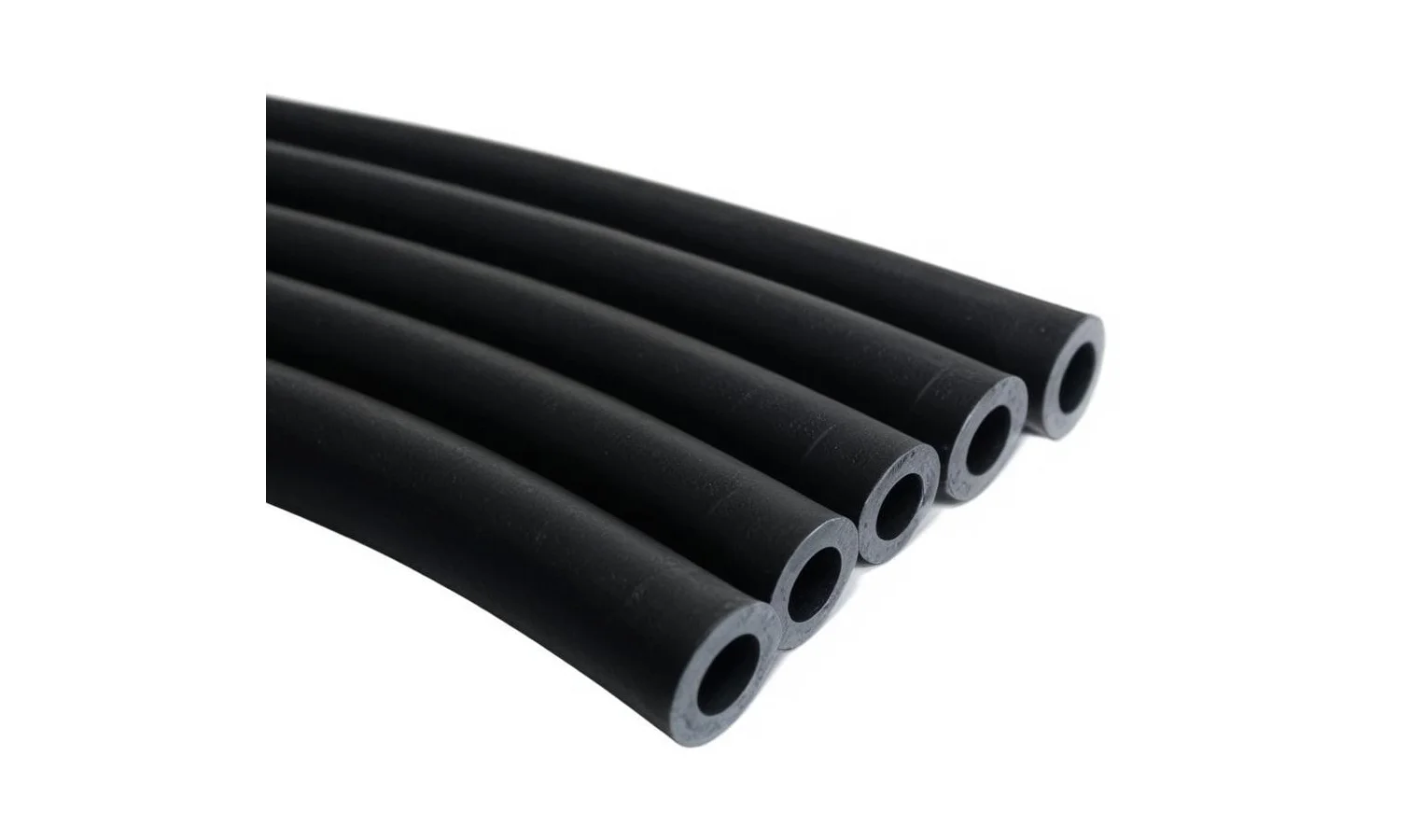
Customization Process for High Temperature Flexible Hose Pipes
At Suzhou Baoshida Trading Co., Ltd., our customization process for high temperature flexible hose pipes is engineered for precision and reliability. We transform client specifications into mission-critical components through a rigorously defined sequence: Drawing Analysis, Formulation Development, Prototyping Validation, and Mass Production. This methodology ensures optimal performance under extreme thermal and mechanical stress.
Drawing Analysis initiates the workflow. Our engineering team conducts granular scrutiny of client-provided technical drawings, focusing on dimensional tolerances, bend radii, flange configurations, and reinforcement layer architecture. Critical parameters such as operating temperature gradients, pressure cycles, and fluid compatibility are cross-referenced against material science databases. This phase identifies potential failure points early, such as stress concentrations at coupling interfaces or inadequate cover thickness for abrasion resistance in dynamic applications.
Formulation Development leverages Suzhou Baoshida’s proprietary elastomer expertise. Based on the drawing analysis, our rubber chemists design custom compounds using fluorocarbon (FKM), perfluoroelastomer (FFKM), or silicone-based polymers. Key variables adjusted include polymer base selection, filler type (e.g., high-purity silica for thermal stability), cure system chemistry, and antioxidant packages. Each formulation undergoes computational modeling to predict compression set at 250°C and thermal aging behavior per ASTM D573. Compound validation includes thermogravimetric analysis (TGA) to confirm decomposition onset above 400°C.
Prototyping validates theoretical models against physical performance. Short-run prototypes are manufactured using client-specified tooling geometries. These undergo accelerated life testing in our climatic chambers, simulating 10,000+ thermal cycles from -40°C to 300°C. Pressure impulse testing per SAE J343 verifies burst strength at 4x maximum working pressure. Fluid resistance is quantified via volume swell measurements after 72-hour immersion in aggressive media like hydraulic fluid HFDU or concentrated acids. Client feedback on prototype flexibility and installation ergonomics is systematically incorporated.
Mass Production integrates closed-loop quality control. Production batches utilize traceable raw material lots with certified CoAs. In-process checks include实时 monitoring of extrusion dimensions via laser gauges and cure state verification through moving die rheometry. Every hose undergoes 100% hydrostatic proof testing at 1.5x rated pressure. Final inspection documents include material traceability logs, pressure test records, and dimensional certification against ASME B16.5. Suzhou Baoshida’s OEM framework ensures seamless scalability from prototype to annual volumes exceeding 50,000 meters.
The following table illustrates how custom formulations enhance critical performance metrics versus standard compounds:
| Performance Parameter | Standard FKM Hose | Baoshida Custom FFKM Hose | Test Standard |
|---|---|---|---|
| Continuous Temp Range | -20°C to 230°C | -45°C to 325°C | ISO 1307 |
| Burst Pressure (DN15) | 42 MPa | 65 MPa | ISO 1402 |
| Volume Swell (Skydrol LD-4) | 18% | <5% | ASTM D471 |
| Compression Set (250°C/70h) | 45% | 18% | ASTM D395 Method B |
This structured approach guarantees hoses meet the exacting demands of aerospace, petrochemical, and power generation sectors, where failure is not an option. Suzhou Baoshida’s engineering-led customization delivers uncompromised integrity for your most challenging high-temperature applications.
Contact Engineering Team
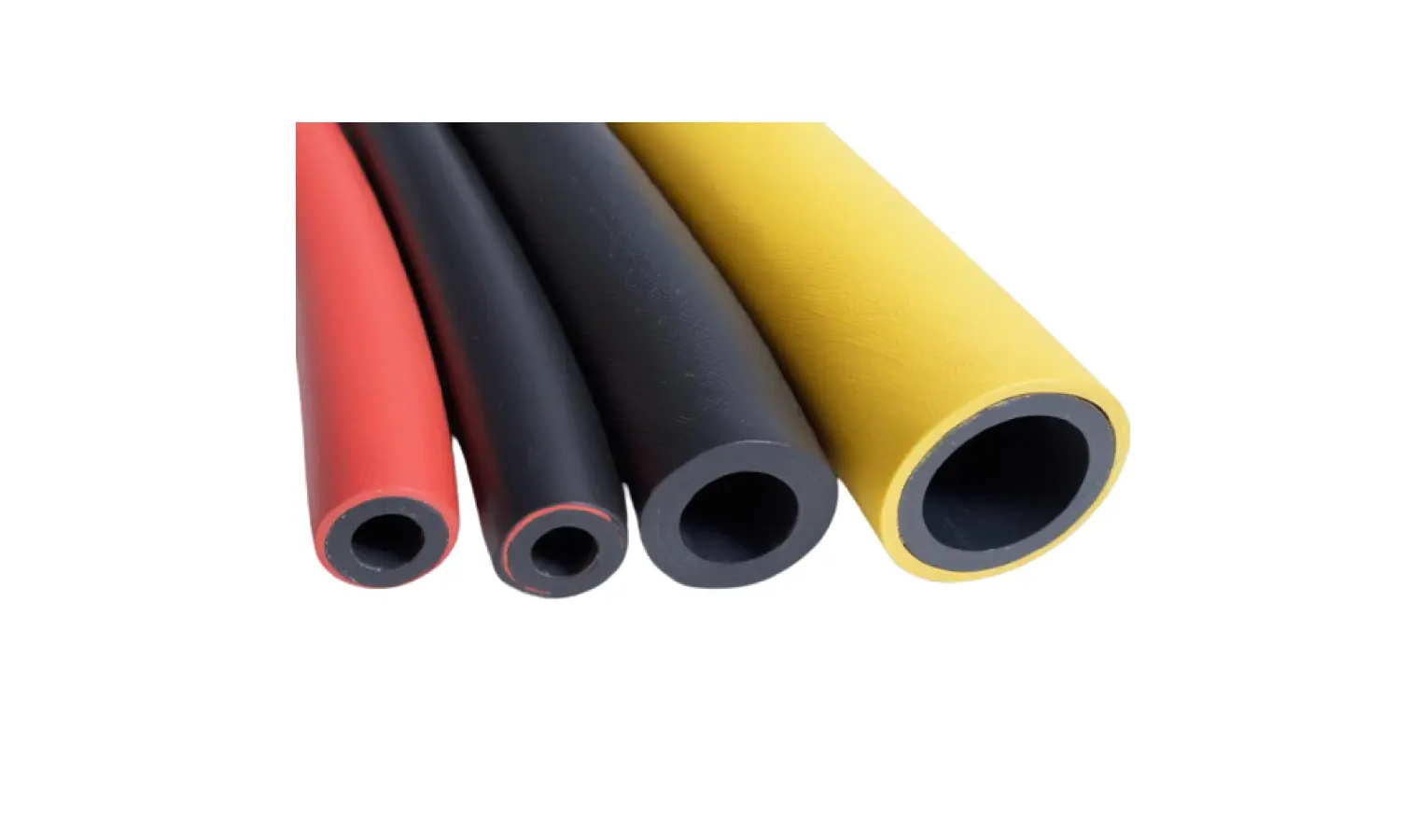
For industrial operations demanding reliability under extreme thermal conditions, selecting the right high temperature flexible hose pipe is critical to maintaining system integrity, safety, and operational continuity. At Suzhou Baoshida Trading Co., Ltd., we specialize in advanced rubber-based industrial solutions engineered to perform in environments where standard hoses fail. Our high temperature flexible hose pipes are designed for applications in petrochemical processing, automotive exhaust systems, power generation, industrial ovens, and aerospace testing—sectors where consistent performance under sustained heat exposure is non-negotiable.
Each hose in our product line undergoes rigorous material testing and structural validation to ensure compliance with international industrial standards. Constructed with multi-layered silicone or fluorocarbon (FKM) rubber compounds, our hoses offer exceptional resistance to continuous operating temperatures up to 300°C, with short-term exposure tolerance reaching 350°C. The reinforcement layers—typically braided or spiral-wound aramid fibers or stainless steel—provide high burst pressure resistance and mechanical durability without compromising flexibility. This combination of thermal stability and structural resilience ensures prolonged service life even in pulsating or vibration-prone systems.
We offer customization options across inner diameter (ID), outer diameter (OD), wall thickness, bend radius, and end fittings to meet exact OEM or retrofit requirements. Whether you require conductive liners for static dissipation, FDA-compliant materials for food-grade applications, or UV- and ozone-resistant outer covers for outdoor installations, our engineering team collaborates directly with clients to deliver purpose-built solutions.
The following table summarizes the key technical specifications of our standard high temperature flexible hose series:
| Parameter | Value Range |
|---|---|
| Material | Silicone Rubber, FKM (Viton® equivalent) |
| Operating Temperature | -60°C to +300°C (short-term up to 350°C) |
| Inner Diameter (ID) | 10 mm to 150 mm |
| Pressure Rating (max) | 15 bar to 45 bar (varies by ID) |
| Vacuum Resistance | Up to 98% vacuum |
| Bend Radius | 1.5x to 3x OD (depending on reinforcement) |
| Reinforcement Layer | Aramid braid, Stainless steel spiral |
| Standards Compliance | ISO 1307, SAE J200, ASTM D2000 |
| Optional Features | Conductive liner, FDA/USP Class VI, CIP/SIP |
Partnering with Suzhou Baoshida means accessing not only high-performance rubber components but also technical expertise backed by years of OEM collaboration and material science innovation. Our team ensures seamless integration of our hoses into complex thermal management systems, supported by comprehensive documentation, batch traceability, and quality assurance protocols.
For technical inquiries, custom design requests, or sample procurement, contact Mr. Boyce at [email protected]. We respond to all industrial partner inquiries within 24 business hours and provide engineering support throughout the evaluation, testing, and implementation phases. Let Suzhou Baoshida be your trusted source for high temperature flexible hose solutions engineered for industrial excellence.
⚖️ O-Ring Weight Calculator
Estimate rubber O-ring weight (Approx).