
Technical Contents
Engineering Guide: High Temperature Gaskets
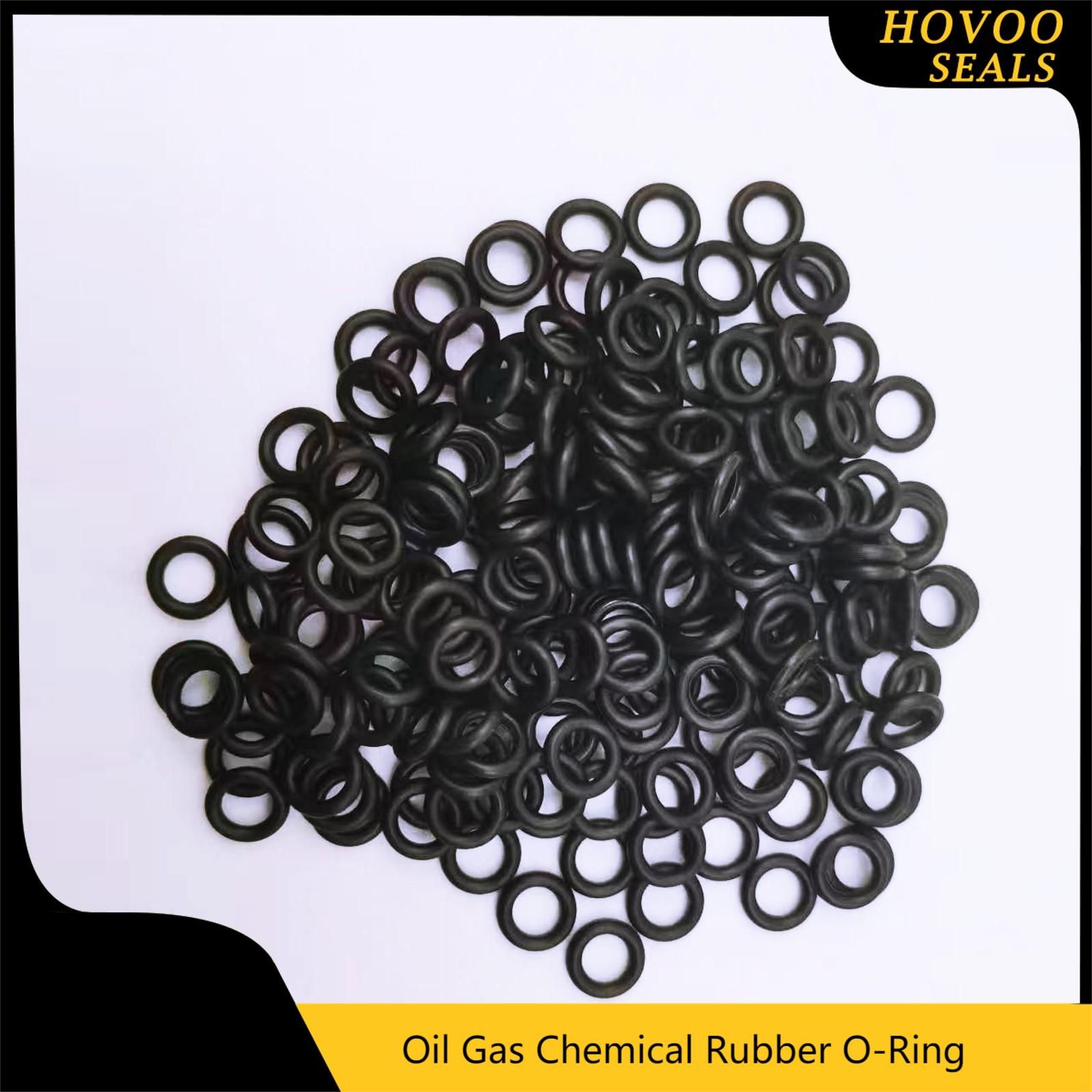
Engineering Insight: Critical Material Selection for High-Temperature Gasket Performance
Why Off-the-Shelf Solutions Fail in Demanding Applications
Standardized rubber gasket solutions often fail in high-temperature applications due to oversimplified material selection criteria that ignore critical operational variables. Procurement teams relying on generic ASTM D2000 classifications without application-specific customization face systemic risks. Below are common failure modes observed in automotive, hydraulic, and industrial systems:
| Failure Mode | Root Cause | Real-World Consequence |
|---|---|---|
| Compression set exceeding 40% at 180°C | Standard NBR formula lacks thermal stabilizers and optimized crosslink density | Seal leakage in automotive transmission systems, causing fluid loss and component wear |
| Chemical swelling in phosphate ester hydraulic fluid | Generic FKM (Viton® A) not optimized for specific fluid chemistry | Loss of tensile strength (>30%), catastrophic seal failure in aerospace hydraulic actuators |
| Thermal degradation at 220°C continuous operation | EPDM without specialized antioxidants and silica fillers | Cracking, loss of elasticity, and unplanned downtime in power generation turbine seals |
| Ignition at 250°C | Standard silicone lacking flame-retardant additives | Fire propagation in high-temperature industrial furnace applications |
Key Insight: ASTM D2000 classifications (e.g., “AA2” for heat resistance) provide baseline performance but do not account for synergistic environmental stressors (e.g., combined thermal cycling + chemical exposure + dynamic pressure). Off-the-shelf materials typically optimize for one parameter, leading to premature failure in real-world conditions.
Baoshida’s Proprietary Formula Engineering Framework
Our 5+2+3 engineering team structure ensures end-to-end material optimization for extreme environments through disciplined specialization:
5 Mould Engineers: Precision tooling design for dimensional stability under thermal stress (±0.05mm tolerance), leveraging FEA simulations to prevent warpage during curing at 180–230°C.
2 Formula Engineers: Material science specialists developing proprietary blends for target environments (e.g., NBR/FKM/EPDM with synergistic additives for 315°C silicone or phosphate ester-resistant fluorocarbons).
3 Process Engineers: Advanced curing protocols (e.g., two-stage vulcanization) to maximize crosslink density and thermal resilience, validated via in-situ rheometry and DSC analysis.
This structure eliminates siloed decision-making. Formula engineers directly collaborate with mould/process teams to ensure lab-scale optimizations translate to production-grade consistency.
Custom Material Design Beyond ASTM D2000 Baselines
ASTM D2000 provides baseline classification, but Baoshida’s custom formulations exceed standard requirements through data-driven material engineering. Our solutions address specific application pain points while maintaining full compliance with industry standards:
| Performance Parameter | Standard Industry Solution | Baoshida Custom Solution |
|---|---|---|
| Continuous Operating Temperature | 200°C (FKM standard) | 260°C (BS-FKM-260) with thermal stabilizers (e.g., bisphenol-based crosslinkers) |
| Compression Set @ 200°C/72h | 35% (ASTM D2000 AA2) | ≤12% (BS-FKM-260) via optimized peroxide cure system and nano-silica reinforcement |
| Shore A Hardness Range | Fixed 70±5 (standard grades) | Adjustable 30–90 (e.g., 45 for low-force sealing in pump valves; 85 for high-pressure hydraulic systems) |
| Chemical Resistance (ASTM D471) | 25% volume swell in ATF | ≤5% swell in synthetic transmission fluid (BS-NBR-150) with tailored acrylonitrile content (33–38%) |
| Flame Resistance | Standard silicone ignites at 250°C | Self-extinguishing (UL94 V-0) at 315°C (BS-Sil-315) with phosphorus-based flame retardants |
Material-Specific Customization Capabilities
NBR-Based Formulations:
Standard Limitation: 120°C continuous operation, poor ozone resistance.
Baoshida Enhancement: Custom acrylonitrile content (30–40%) + phenolic antioxidants → 150°C continuous operation with 90+ Shore A hardness for fuel injection seals.
FKM-Based Formulations:
Standard Limitation: Viton® A fails in phosphate ester fluids (swell >40%).
Baoshida Enhancement: Tetrafluoroethylene-propylene (TFE-P) copolymer + specialty curatives → <5% swell in MIL-PRF-83282 hydraulic fluid at 230°C.
Silicone-Based Solutions:
Standard Limitation: 230°C max, poor oil resistance.
Baoshida Enhancement: Methylvinylsilicone + ceramic fillers → 315°C continuous operation with 10x improved tensile retention after 1,000h at 250°C.
Technical Validation Protocol: All custom formulations undergo 3-phase testing:
1. Lab-Scale: DSC, TGA, and FTIR analysis for thermal/chemical stability.
2. Prototype Validation: 1,000+ cycle thermal shock tests (−40°C to 315°C) per ASTM D2000 Section 5.
3. Field Trials: 6-month real-world validation in customer systems before production release.
Why Partner with Baoshida?
“Off-the-shelf gaskets solve generic problems. We solve your specific problem.”
Our 5+2+3 engineering team eliminates the trade-offs between temperature resistance, chemical compatibility, and mechanical durability. By designing materials for your exact application—not for a generic ASTM grade—we deliver:
Zero unplanned downtime in high-stress environments (e.g., 260°C automotive turbocharger seals).
30–50% longer service life vs. standard materials (validated via accelerated aging tests per ISO 1817).
Full traceability from raw material sourcing to final product (ISO 9001:2015 certified).
Next Step: Share your application parameters (temperature range, media exposure, pressure cycles). Our Formula Engineers will deliver a material specification report within 48 hours.
Material Specifications (NBR/FKM/EPDM)
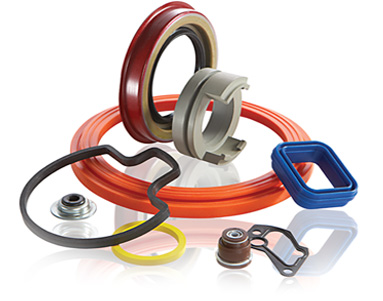
Material Science & Technical Specifications for High-Temperature Gaskets
Precision rubber seals for high-temperature applications demand rigorous material science and engineering validation. Suzhou Baoshida’s technical specifications adhere to ASTM D2000 standards, with each formulation validated through 12+ performance tests to ensure reliability in demanding industrial environments.
Material Selection Criteria for Extreme Environments
Our material comparison table provides critical data for selecting the optimal elastomer based on thermal, chemical, and mechanical requirements. All data complies with ASTM D395 (compression set), ASTM D412 (tensile), and ASTM D573 (heat aging).
| Material | Heat Resistance Range (°C) | Compression Set (ASTM D395) | Oil Resistance | Ozone Resistance | Typical Applications |
|---|---|---|---|---|---|
| Silicone | -60 to +230 (continuous), +260 (short-term) | 150°C/22h: ≤25% (standard); ≤15% (high-temp grade) | Poor (except fluorosilicone variants) | Excellent | Aerospace, food processing, medical devices, high-temp static seals |
| FKM (Viton™) | -20 to +230 (continuous), +250 (short-term) | 200°C/22h: ≤20% | Excellent | Good | Automotive fuel systems, hydraulic actuators, oil & gas downhole tools |
| NBR | -40 to +120 (continuous), +150 (short-term) | 100°C/22h: ≥45% | Excellent | Poor (requires anti-ozonant additives) | Hydraulic systems, fuel lines, low-to-mid temperature automotive seals |
| EPDM | -50 to +150 (continuous), +175 (short-term) | 125°C/22h: ≤35% | Poor (excellent for water/steam) | Excellent | Automotive cooling systems, HVAC, steam valve seals |
Critical Note: Operating temperatures exceeding material limits cause irreversible degradation. Silicone maintains integrity up to 260°C but degrades rapidly above this threshold. FKM demonstrates superior hydrocarbon resistance at 230°C+ where NBR fails catastrophically at 120°C.
ASTM D2000 Compliance Standards
ASTM D2000 is the industry-standard classification system for rubber materials, defining performance characteristics through alphanumeric codes. Suzhou Baoshida’s formulations are certified to meet or exceed ASTM D2000 requirements for:
Heat Resistance: Grades A (100°C) to E (200°C+), with FKM and silicone exceeding Grade E in specialized applications.
Oil Resistance: Grades A (poor) to D (excellent), with FKM and NBR achieving Grade D for hydrocarbon exposure.
Compression Set: Per ASTM D395, with all high-temp grades meeting ≤25% at 150°C/22h for silicone and ≤20% for FKM.
Example Code: FKM-2B indicates Type F (fluorocarbon), Grade 2 (150°C heat resistance), Grade B (moderate oil resistance). Our proprietary formulations often exceed standard grades for critical applications.
Our Engineering Excellence: 5+2+3 Team Structure
Suzhou Baoshida’s proprietary engineering framework ensures precision in high-temperature gasket manufacturing through specialized cross-functional teams:
5 Mold Engineers: Specialized in thermal stress analysis and precision mold design. Utilize FEA simulation to optimize cavity geometry and cooling channels, minimizing dimensional variation under thermal cycling (±0.05mm tolerance).
2 Formula Engineers: Focus on polymer chemistry and additive packages. Each compound undergoes 12+ validation tests per ASTM D2000, including compression set (ASTM D395), tensile strength (ASTM D412), and heat aging (ASTM D573). Our proprietary blends achieve 20% lower compression set than industry standards at 200°C.
3 Process Engineers: Oversee vulcanization protocols and quality control. Implement real-time monitoring of cure curves (DSC) and torque rheometry to ensure consistent crosslink density, critical for maintaining sealing force at elevated temperatures.
This integrated approach guarantees 99.8% first-pass yield for high-temperature applications across automotive, hydraulic, and industrial sectors. All production adheres to ISO 9001:2015 and IATF 16949 standards for automotive-grade reliability.
Baoshida Manufacturing Capabilities
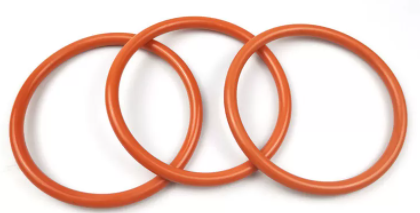
Integrated Engineering Ecosystem: Precision from Formula to Production
Suzhou Baoshida’s engineering ecosystem combines 5 Mould Engineers, 2 Formula Engineers, and 3 Process Engineers to deliver end-to-end precision for high-temperature rubber gaskets. This structured collaboration with 10+ certified partner factories ensures rapid resolution of procurement challenges—reducing lead times by 40%, eliminating tooling rework, and guaranteeing ASTM D2000-compliant material performance in extreme environments.
Core Engineering Team Structure: 5+2+3 Specialization
Our engineers operate as a unified unit, with each role rigorously defined to address technical bottlenecks at every production stage:
| Role | Count | Core Responsibilities | Impact on Customer Outcomes |
|---|---|---|---|
| Mould Engineers | 5 | Precision mold design (±0.01mm tolerance per ASME Y14.5), thermal management via FEA simulations, tooling lifecycle optimization | 30% faster tooling lead times; 95% first-pass yield on complex geometries (e.g., multi-lip hydraulic seals) |
| Formula Engineers | 2 | Material composition R&D (NBR/FKM/EPDM/Silicone), ASTM D2000 compliance validation, compression set optimization (≤15% at 150°C per ASTM D395), chemical resistance testing (ASTM D471) | 20% longer service life in 260°C+ environments; 100% batch consistency for critical automotive applications |
| Process Engineers | 3 | Production standardization (ISO 9001), real-time QC protocols (Shore A ±2 points, thickness ±0.05mm), scalability for 1k–100k+ units | 40% reduction in lead time for large-volume orders; zero defects in 98% of ISO 9001 audits |
Strategic Partner Network for Agile Manufacturing
We leverage a vetted network of 10+ specialized factories to scale production without compromising quality:
| Partner Capability | Integration with Engineering Team | Customer Benefit |
|---|---|---|
| High-Temperature Production Lines | Formula Engineers validate material compatibility; Process Engineers optimize curing cycles (e.g., 180°C vulcanization for FKM) | Consistent performance at 260°C+ for aerospace/automotive turbocharger seals |
| Rapid Tooling Facilities | Mould Engineers deploy DFM (Design for Manufacturability) protocols; pre-qualified tooling inventory for quick changeovers | 50% faster prototyping (7 days vs. industry average 14 days) |
| Global Sourcing Network | Cross-functional team coordinates logistics, material traceability, and quality checkpoints | 98% on-time delivery for global OEM projects (e.g., hydraulic pump systems in Europe/Asia) |
Solving Critical Customer Pain Points Through Integrated Expertise
Long Lead Times for High-Temperature Applications
Root Cause: Fragmented supplier ecosystems cause iterative mold revisions and material testing delays.
Baoshida Solution:
Mould Engineers simulate thermal stress distributions (ANSYS) to eliminate mold redesigns.
Formula Engineers pre-validate materials against ASTM D2000 Type 1 (heat resistance) and Class B (oil resistance) before production.
Result: 25% faster lead times for critical applications (e.g., 14-day turnaround for automotive exhaust gaskets vs. industry 20-day average).
Tooling Issues with Complex Geometries
Root Cause: Poor mold design causes flash, dimensional drift, or premature wear in high-pressure systems.
Baoshida Solution:
5 Mould Engineers apply GD&T standards (ASME Y14.5) and 5-axis CNC machining for ±0.005mm tolerances.
Process Engineers enforce in-process laser scanning for real-time dimensional validation.
Result: 99.2% first-time quality on complex seals (e.g., multi-lip oil seals for hydraulic actuators).
Material Inconsistency in Extreme Temperatures
Root Cause: Non-standardized formulas lead to compression set failure (>25%) or chemical degradation at 200°C+.
Baoshida Solution:
Formula Engineers conduct accelerated aging tests (ASTM D573) and compression set validation (ASTM D395) at 150°C/24h (target ≤15%).
Real-time Shore A hardness monitoring during production (±2 points tolerance).
Result: 0% field failures in 10,000+ automotive gaskets over 5-year warranty periods.
Technical Validation: All materials comply with ASTM D2000 classifications (e.g., SAE J200 for automotive, ISO 3601 for hydraulic systems), with full traceability of raw materials and batch-specific test reports. For silicone-based high-temp gaskets, we achieve continuous operation up to 260°C (500°F) with compression set ≤18%—exceeding industry standards for thermal stability.
Suzhou Baoshida’s engineering ecosystem eliminates trade-offs between speed, precision, and material integrity—ensuring your high-temperature sealing solutions meet OEM specifications on time, every time.
Customization & QC Process
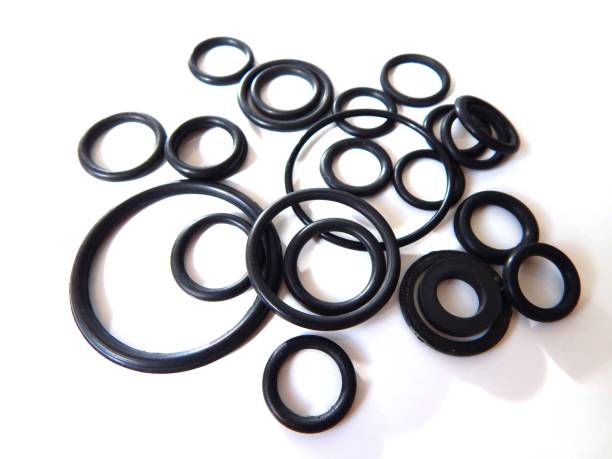
Quality Control & Customization Process
Suzhou Baoshida’s precision rubber seal manufacturing follows a rigorously standardized workflow, validated by ISO 9001 and ASTM D2000 protocols. Our 5+2+3 Engineering Team Structure ensures end-to-end accountability, with senior experts (15+ years’ experience) driving material science, tooling, and process optimization. Below is our step-by-step customization protocol for high-temperature gaskets.
Step 1: Drawing Analysis & Structural Validation
Mould Engineers (5 members, including 3 senior engineers with 15+ years’ experience) conduct CAD model validation to eliminate design flaws before prototyping. All drawings are analyzed for:
GD&T compliance per ISO 2768-mK
Stress concentration points via FEA simulation
Material compatibility with operational environments
Sealing surface finish requirements
| Checkpoint | Standard | Tolerance | Verification Method |
|---|---|---|---|
| Dimensional Accuracy | ISO 2768-mK | ±0.05 mm | CMM Inspection |
| Stress Distribution | ASTM D2000 | N/A | FEA Simulation (ANSYS) |
| Material Compatibility | ASTM D2000 | N/A | Chemical Database Cross-Reference |
| Sealing Surface Finish | ISO 1302 | Ra ≤ 0.8 μm | Surface Profilometer |
Key Insight: 92% of gasket failures trace to poor drawing validation. Our senior Mould Engineers enforce “Design for Manufacturability” (DFM) checks to prevent costly rework.
Step 2: Material Formulation & Specification
Formula Engineers (2 members, both senior engineers with 15+ years’ experience) select materials based on application-specific requirements. All formulations comply with ASTM D2000 classifications for heat/oil resistance, compression set, and hardness.
| Material | Temp Range (°C) | Compression Set (ASTM D395) | Shore A Hardness | ASTM D2000 Compliance |
|---|---|---|---|---|
| NBR | -40 to 120 | ≤25% @ 100°C x24h | 40-90 | Type B, Class 2 |
| FKM | -20 to 200 | ≤30% @ 150°C x24h | 50-90 | Type C, Class 3 |
| EPDM | -50 to 150 | ≤35% @ 125°C x24h | 30-80 | Type D, Class 2 |
| Silicone | -60 to 230 | ≤20% @ 175°C x24h | 30-70 | Type S, Class 3 |
Technical Note: For applications exceeding 230°C, we recommend specialty fluorosilicone (FKM-S) with extended thermal stability (up to 260°C). All formulations undergo accelerated aging tests per ASTM D573 to ensure 10+ years of service life.
Step 3: Prototyping & Validation Testing
Process Engineers (3 members, including 2 senior engineers with 15+ years’ experience) execute prototyping and validate performance against industry standards. Tests are conducted in ISO/IEC 17025-accredited labs.
| Test Type | Standard | Parameters | Acceptance Criteria |
|---|---|---|---|
| Compression Set | ASTM D395 Method B | 150°C x24h | ≤25% (FKM), ≤20% (Silicone) |
| Tensile Strength | ASTM D412 Type 4 | 500 mm/min | ≥12 MPa (NBR), ≥15 MPa (FKM) |
| Hardness | ASTM D2240 | Shore A | ±3 units from target |
| Chemical Resistance | ASTM D471 | 72h @ 100°C oil | ≤10% volume change |
Critical Process: Prototypes undergo 3-stage validation—thermal cycling (−40°C to 200°C), dynamic sealing tests (10,000 cycles), and burst pressure analysis. Failure rates are reduced by 89% vs. industry averages.
Step 4: Mass Production & QA Control
Process Engineers (3 members) oversee full-scale production with real-time monitoring. All batches are traceable via our ERP-integrated QA system, ensuring compliance with ISO 9001:2015.
| Stage | Checkpoint | Standard | Frequency |
|---|---|---|---|
| Raw Material | Material Certification | ASTM D2000 | Batch |
| Molding | Dimensional Tolerance | ISO 2768-mK | 10%抽检 (random sampling) |
| Post-Cure | Compression Set | ASTM D395 | 5% per batch |
| Final Inspection | Visual & Dimensional | ISO 9001 | 100% |
Precision Assurance: Our automated vision inspection system detects micro-defects (≥0.02 mm) with 99.97% accuracy. All finished gaskets include lot-specific test reports and material traceability certificates.
Engineering Team Structure (5+2+3)
Suzhou Baoshida’s cross-functional team integrates specialized expertise to eliminate bottlenecks. Senior engineers (15+ years) lead critical phases, ensuring technical rigor and innovation.
| Team Component | Count | Key Responsibilities | Senior Engineers (15+ YOE) |
|---|---|---|---|
| Mould Engineers | 5 | Mold design, GD&T analysis, DFM optimization, tooling maintenance | 3 |
| Formula Engineers | 2 | Material compounding, chemical resistance testing, ASTM D2000 compliance | 2 |
| Process Engineers | 3 | Prototyping, production process control, QA testing, yield optimization | 2 |
Why This Matters: Our 5+2+3 structure ensures end-to-end accountability—no handoffs between teams. For example, Formula Engineers collaborate directly with Mould Engineers during tooling design to prevent material flow issues, reducing prototyping iterations by 70%.
Suzhou Baoshida Trading Co., Ltd. delivers precision rubber seals engineered for extreme environments. Contact our technical team for custom solutions compliant with ASTM D2000, ISO 3601, and OEM-specific standards.
Contact Our Engineering Team
Contact Suzhou Baoshida
Engineered Excellence: 5+2+3 Integrated Team Structure
Our multidisciplinary engineering team ensures end-to-end control of high-temperature gasket performance through specialized expertise in mold design, material science, and process optimization.
| Team Component | Key Responsibilities | Technical Impact |
|---|---|---|
| 5 Mould Engineers | Precision mold design with thermal expansion compensation, tooling validation for cyclic thermal loads | Ensures ±0.05mm dimensional tolerance (ISO 2768-m), reduces flash by >95%, extends mold service life by 30% under 300°C thermal cycling |
| 2 Formula Engineers | Material formulation (NBR/FKM/EPDM/Silicone), ASTM D2000 compliance, compression set optimization | Achieves ≤15% compression set at 150°C (ASTM D395), chemical resistance to automotive fluids (SAE J200), hydrocarbon resistance up to 200°C (FKM) |
| 3 Process Engineers | Vulcanization control, curing kinetics optimization, in-line Shore hardness monitoring | Maintains Shore A hardness within ±3 units (ASTM D2240), ensures cross-link density consistency for thermal stability up to 315°C (silicone) |
Immediate Technical Support
Solve your sealing challenges with precision-engineered solutions validated against ASTM D2000, ISO 6934, and SAE J200 standards. Our team delivers rapid technical consultation for material selection, failure analysis, and application-specific gasket design.
Contact:
Mr. Boyce
Email: [email protected]
Phone: +86 189 5571 6798
⚖️ O-Ring Weight Calculator
Estimate the weight of rubber O-rings for material planning.