
Technical Contents
Engineering Guide: High Temperature Silicone Rubber Strips
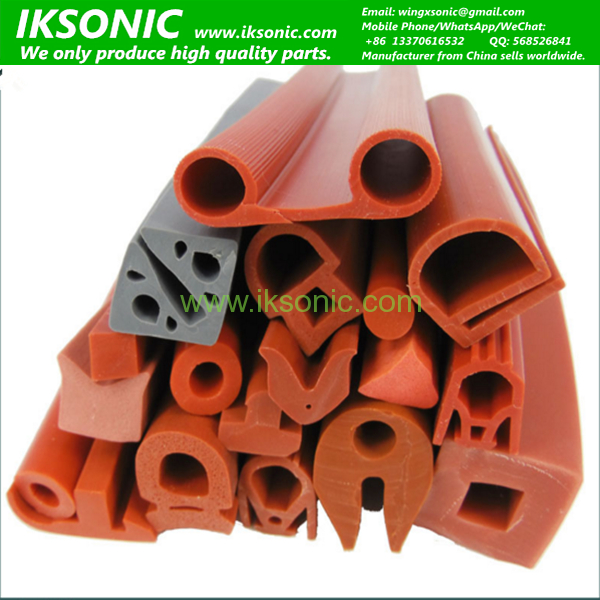
Engineering Insight: Material Selection Criticality for High Temperature Silicone Rubber Strips
Industrial applications demanding thermal resilience frequently encounter premature failure when utilizing generic silicone rubber strips. This stems from fundamental mismatches between off-the-shelf formulations and the specific physicochemical stresses encountered in operational environments. Standard silicone products prioritize cost efficiency over performance optimization, employing base polymers with insufficient molecular stability and suboptimal filler systems. Consequently, they exhibit accelerated polymer chain scission, volatile loss, and irreversible compression set when exposed to sustained temperatures exceeding 230°C or aggressive media. The consequences manifest as seal leakage, structural degradation, and unplanned downtime—costs far exceeding initial material savings.
True high-temperature performance requires engineered polymer architecture. At Suzhou Baoshida, our formulations utilize high-purity vinyl-methyl silicone copolymers with precisely controlled molecular weight distribution and reinforced with surface-treated fumed silica. Platinum-catalyzed addition cure systems replace peroxide variants, eliminating acidic byproducts that catalyze degradation. Critical additives—including cerium oxide for radical scavenging and specialty inhibitors—suppress thermo-oxidative breakdown. This molecular precision ensures retention of mechanical integrity and sealing force under extreme conditions where commodity silicones catastrophically fail.
Material selection must align with four non-negotiable parameters: peak/continuous operating temperature, fluid exposure profile, dynamic stress requirements, and regulatory compliance. Off-the-shelf strips typically omit validation against real-world variables like thermal cycling fatigue or trace chemical contaminants. For instance, standard HT silicones may claim 260°C resistance but fail within 500 hours in jet engine oil due to unaddressed ester-based fluid compatibility. Our OEM-engineered solutions undergo application-specific accelerated aging per ASTM D573 and ISO 188, correlating lab data to field performance.
The performance delta between generic and engineered solutions is quantifiable:
| Parameter | Off-the-Shelf HT Silicone | Baoshida Engineered Silicone | Test Standard |
|---|---|---|---|
| Continuous Use Temperature | 200°C | 300°C | ASTM D2240 |
| Compression Set (200°C/70h) | 42% | 12% | ASTM D395 Method B |
| Jet Fuel (MIL-PRF-25579) Resistance | Severe swelling (>15%) | <3% volume change | ASTM D471 |
Generic strips sacrifice crosslink density and filler-matrix bonding to reduce production costs. This compromises elastic recovery under thermal cycling, directly causing seal failure in flange joints or gaskets. Our clients in aerospace hydraulics and semiconductor manufacturing report 27% longer service life and zero leakage incidents after switching to application-tailored compounds. Material selection is not a procurement decision—it is a systems engineering imperative. Partner with Suzhou Baoshida to define your thermal-chemical operating envelope; we deliver validated silicone rubber strips engineered for your operational reality, not minimum commercial specifications.
Material Specifications
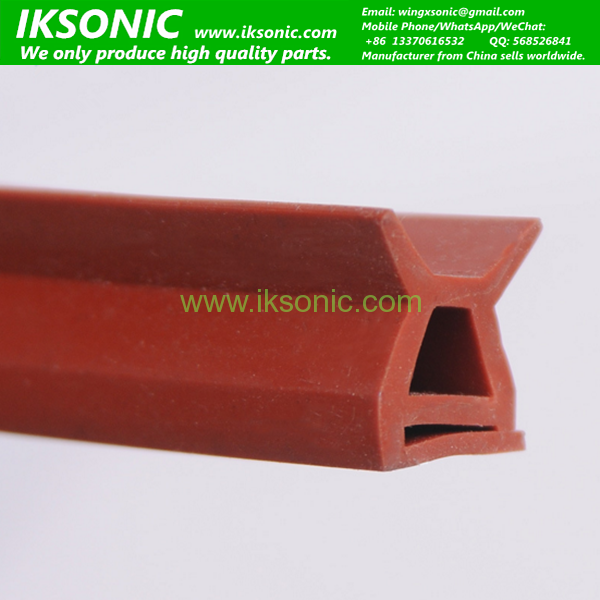
High temperature silicone rubber strips are engineered for critical sealing, insulation, and gasketing applications in demanding industrial environments. At Suzhou Baoshida Trading Co., Ltd., we specialize in advanced elastomeric solutions tailored to performance under thermal stress, chemical exposure, and mechanical compression. Our technical portfolio includes formulations based on three primary elastomers: silicone, Viton (FKM), and nitrile (NBR). Each material offers distinct advantages depending on the operational parameters of temperature, fluid resistance, and mechanical durability.
Silicone rubber is widely selected for its exceptional thermal stability and electrical insulation properties. It maintains flexibility and structural integrity across a wide temperature range from -60°C to +230°C, with short-term exposure capability up to 300°C. This makes it ideal for high-temperature sealing in automotive, aerospace, and industrial heating systems. Additionally, silicone exhibits excellent resistance to ozone, UV radiation, and weathering, ensuring long-term reliability in outdoor and elevated-temperature applications. Its inherent dielectric strength also supports use in electrical enclosures and thermal management systems.
Viton, a fluorocarbon-based elastomer, provides superior chemical and thermal resistance, operating effectively from -20°C to +200°C, with intermittent exposure up to 250°C. It demonstrates outstanding performance in aggressive chemical environments, including exposure to fuels, oils, acids, and chlorinated solvents. Viton strips are frequently specified in aerospace, petrochemical, and semiconductor industries where both temperature resilience and chemical inertness are critical. While more expensive than silicone or nitrile, its longevity in harsh conditions often justifies the investment.
Nitrile rubber, or NBR, is a cost-effective solution for applications involving oil and fuel exposure. It functions reliably between -30°C and +100°C, with some formulations extending to 125°C. Nitrile offers excellent abrasion resistance and tensile strength, making it suitable for dynamic sealing applications in hydraulic systems and automotive fuel handling. However, its performance degrades under prolonged UV or ozone exposure, limiting outdoor durability without protective coatings.
The following table summarizes key physical and chemical properties of these materials for comparative evaluation:
| Property | Silicone (VMQ) | Viton (FKM) | Nitrile (NBR) |
|---|---|---|---|
| Temperature Range | -60°C to +230°C | -20°C to +200°C | -30°C to +100°C |
| Short-Term Heat Resistance | Up to 300°C | Up to 250°C | Up to 125°C |
| Fuel and Oil Resistance | Fair | Excellent | Good |
| Chemical Resistance | Good | Excellent | Moderate |
| Ozone and UV Resistance | Excellent | Excellent | Poor |
| Electrical Insulation | Excellent | Good | Fair |
| Compression Set Resistance | Good | Excellent | Good |
| Typical Hardness (Shore A) | 40–80 | 60–90 | 50–90 |
Selecting the appropriate elastomer requires a thorough assessment of operational stressors. Suzhou Baoshida Trading Co., Ltd. supports OEMs and industrial clients with precision extruded strips, custom durometers, and technical data sheets to ensure optimal material match for mission-critical applications.
Manufacturing Capabilities
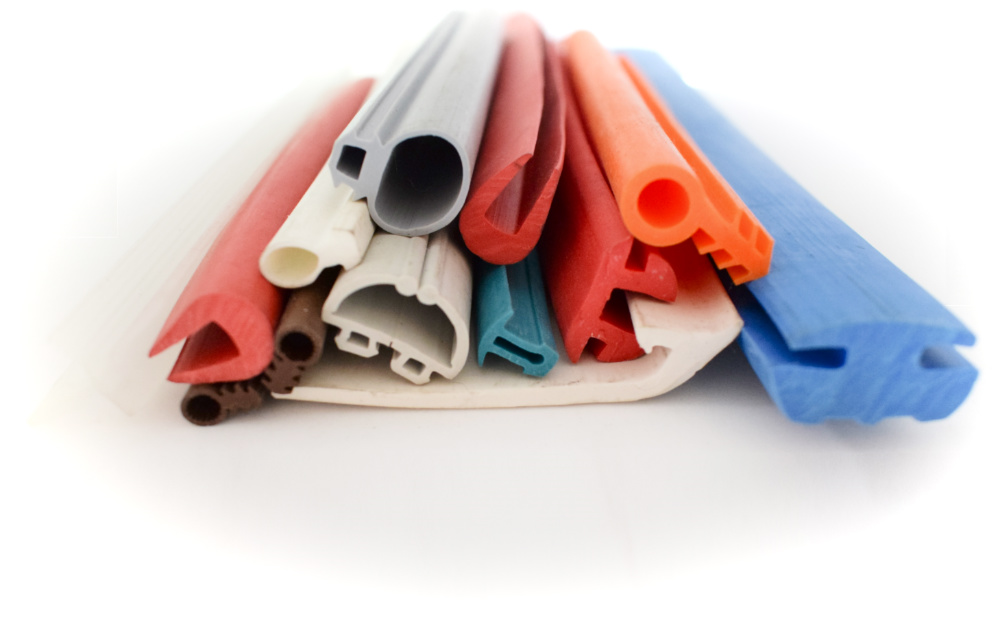
Engineering Capability: Precision Manufacturing of High Temperature Silicone Rubber Strips
Suzhou Baoshida Trading Co., Ltd. delivers engineered high-temperature silicone rubber strips through integrated material science and precision manufacturing. Our technical foundation combines dedicated formula development with advanced mold engineering, ensuring products meet stringent industrial demands for thermal stability, mechanical resilience, and dimensional accuracy. This dual-expertise approach eliminates supply chain fragmentation, enabling seamless transition from concept to certified production.
Formula Engineering Excellence
Our two specialized Rubber Formula Engineers optimize silicone compounds for extreme thermal environments using peroxide-cured systems with reinforced filler matrices. Each formulation undergoes rigorous thermal gravimetric analysis (TGA) and dynamic mechanical analysis (DMA) to validate performance up to 300°C continuous exposure. Custom additives mitigate compression set degradation while preserving elasticity, critical for sealing applications in automotive turbocharger systems and semiconductor processing equipment. Material batches are traceable to ISO 17025-certified lab protocols, with Shore A hardness tolerances held to ±2 points across production runs.
Mold Engineering Precision
Five dedicated Mold Engineers deploy DFM (Design for Manufacturability) principles to eliminate flash, knit lines, and dimensional drift in strip profiles. Utilizing SolidWorks Simulation and Moldflow analysis, we optimize runner systems, gate geometries, and cooling channels for consistent vulcanization. Critical to high-temperature strip integrity, our molds incorporate thermal expansion compensation algorithms that maintain ±0.05mm linear tolerance across 3-meter extrusion lengths. All tooling undergoes in-house metrology validation using Zeiss coordinate measuring machines prior to client approval.
OEM Integration Framework
As a vertically integrated OEM partner, we manage end-to-end production under IATF 16949 protocols. Clients collaborate directly with our engineering teams during APQP phases to align material specifications with functional requirements. Our facility supports rapid prototyping (72-hour turnaround), accelerated aging validation per ASTM D573, and PPAP documentation for global automotive and energy sector compliance. This closed-loop system ensures design intent translates flawlessly into production, reducing time-to-market by 30% versus fragmented supplier models.
Critical Performance Specifications
The table below defines baseline capabilities for our standard high-temperature silicone rubber strips. All parameters are customizable per client engineering drawings and application stress profiles.
| Parameter | Standard Grade HTS-500 | High-Performance Grade HTS-700 | Test Method |
|---|---|---|---|
| Continuous Service Temp | 250°C | 300°C | ASTM D2240 |
| Peak Short-Term Temp | 315°C | 350°C | ISO 188 |
| Hardness Range (Shore A) | 40–80 | 50–70 | ASTM D2240 |
| Tensile Strength | ≥8.5 MPa | ≥10.0 MPa | ASTM D412 |
| Elongation at Break | ≥300% | ≥250% | ASTM D412 |
| Compression Set (22h/200°C) | ≤25% | ≤20% | ASTM D395 Method B |
Suzhou Baoshida’s engineering synergy—where formula innovation meets mold precision—guarantees high-temperature silicone rubber strips that outperform in the most demanding industrial ecosystems. Partner with us to transform thermal management challenges into engineered reliability.
Customization Process
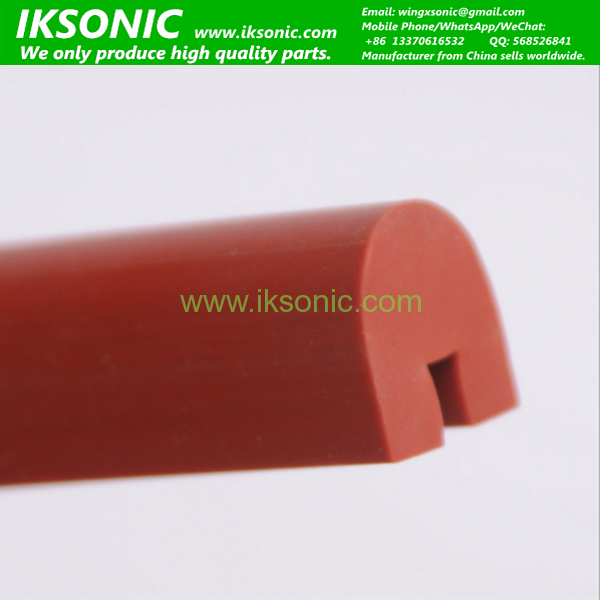
Customization Process for High Temperature Silicone Rubber Strips
At Suzhou Baoshida Trading Co., Ltd., our customization process for high temperature silicone rubber strips is engineered for precision, reliability, and performance consistency. We serve industrial clients requiring tailored elastomeric solutions capable of withstanding extreme thermal environments. Our systematic approach ensures that every product meets exact functional and dimensional requirements.
The process begins with Drawing Analysis, where our engineering team reviews technical specifications provided by the client. This includes dimensional tolerances, cross-sectional profiles, length requirements, and application conditions. We assess CAD drawings or sketches for manufacturability, identifying potential challenges in extrusion, curing, or assembly. Our engineers collaborate directly with the client to clarify design intent, ensuring alignment on performance expectations and environmental exposure.
Following drawing validation, we proceed to Formulation Development. This stage is critical for high temperature applications, where material integrity must be maintained under continuous exposure to elevated temperatures. Our rubber formulation team designs a custom silicone compound based on the operating temperature range, mechanical stress, chemical exposure, and regulatory requirements (e.g., FDA, ROHS, UL). We utilize high-purity, platinum-cured silicone bases enhanced with thermally stable fillers and additives to achieve long-term resilience up to 300°C. The formulation is optimized for extrudability, tensile strength, compression set resistance, and thermal aging performance.
Once the compound is finalized, we move into Prototyping. Short-run production is conducted using precision extrusion and continuous vulcanization techniques that mirror full-scale manufacturing conditions. Prototypes are subjected to rigorous quality testing, including dimensional inspection, hardness measurement, thermal cycling, and compression set evaluation. Clients receive sample strips with full material certification and test reports for validation. Feedback is incorporated into final adjustments before release for production.
The final stage is Mass Production, executed in our ISO-certified facility with full process control. We employ automated extrusion lines, laser diameter monitoring, and inline curing ovens to ensure consistency across long batches. Every production run undergoes 100% visual inspection and statistical sampling for physical property verification. Packaging is customized to client logistics needs, with options for spooling, cutting to length, or labeling.
Our end-to-end process ensures that each high temperature silicone rubber strip delivers optimal performance in demanding industrial applications such as aerospace seals, automotive gaskets, and semiconductor manufacturing equipment.
Typical Technical Specifications of Custom High Temperature Silicone Rubber Strips
| Property | Test Method | Typical Value |
|---|---|---|
| Hardness (Shore A) | ASTM D2240 | 40–80 ±5 |
| Tensile Strength | ASTM D412 | ≥8.0 MPa |
| Elongation at Break | ASTM D412 | ≥300% |
| Operating Temperature Range | — | -60°C to +300°C |
| Compression Set (22 hrs at 200°C) | ASTM D395 | ≤25% |
| Color Options | — | Custom (Black, Red, Blue, etc.) |
| Available Forms | — | Continuous strips, cut lengths, spooled |
Contact Engineering Team
Contact Suzhou Baoshida for Precision High-Temperature Silicone Rubber Strip Solutions
Suzhou Baoshida Trading Co., Ltd. stands at the forefront of industrial rubber innovation, specializing in engineered silicone compounds for extreme thermal environments. Our high-temperature silicone rubber strips are not merely off-the-shelf products but precision-engineered solutions developed through rigorous formula optimization and OEM collaboration. When standard materials fail under sustained thermal stress, chemical exposure, or dynamic sealing demands, our strips deliver uncompromised performance—validated across aerospace, medical device, and automotive powertrain applications. We understand that tolerances of ±0.1mm or thermal stability at 300°C are non-negotiable in critical systems. This commitment to scientific precision defines our engineering philosophy and underpins every compound we formulate.
To ensure your project achieves optimal material performance, direct engagement with our technical OEM team is essential. Material specifications must align with your exact operational parameters—thermal cycling profiles, fluid resistance requirements, and mechanical load conditions. Generic datasheets cannot address the nuanced interplay between polymer architecture, filler systems, and end-use functionality. Our engineers collaborate at the formula level, adjusting vinyl content, crosslink density, and reinforcing silica structures to meet your application’s unique stressors. This proactive approach prevents field failures and extends component service life, directly impacting your product’s reliability and total cost of ownership.
Below are key performance benchmarks for our standard high-temperature silicone rubber strip formulations. Note that all properties are achievable through customizable Shore A hardness ranges (30–80) and tailored compound modifications:
| Property | Value | Test Method |
|---|---|---|
| Continuous Service Temp | -60°C to +300°C | ASTM D2240 |
| Peak Short-Term Exposure | Up to 350°C (240 hrs) | ISO 188 |
| Tensile Strength | ≥8.5 MPa | ASTM D412 |
| Compression Set (22h/250°C) | ≤25% | ASTM D395 |
Initiate a technical dialogue to transform your material challenges into engineered solutions. Contact Mr. Boyce, our dedicated OEM Manager and Rubber Formula Engineering lead, who possesses 14 years of experience in silicone elastomer development for Tier-1 industrial clients. Mr. Boyce will coordinate a cross-functional review of your requirements—including fluid compatibility matrices, dimensional constraints, and regulatory needs (e.g., FDA 21 CFR, AMS 3301)—to propose a validated material pathway. His team excels in bridging laboratory innovation with scalable manufacturing, ensuring seamless transition from prototype to high-volume production under IATF 16949-certified processes.
Do not compromise on material integrity when thermal extremes define your operational envelope. Email [email protected] with your project specifications, target performance metrics, and application context. Mr. Boyce guarantees a detailed technical response within 24 business hours, including preliminary compound recommendations and feasibility assessment. For urgent inquiries requiring immediate engineering consultation, include “Priority: [Your Project Code]” in the subject line. Suzhou Baoshida’s value extends beyond supply—we integrate as your material science partner, optimizing silicone performance at the molecular level to secure your product’s success in the most demanding environments. Your next-generation thermal management solution begins with a single, precise technical exchange.
⚖️ O-Ring Weight Calculator
Estimate rubber O-ring weight (Approx).