
Technical Contents
Engineering Guide: High Temperature Valves
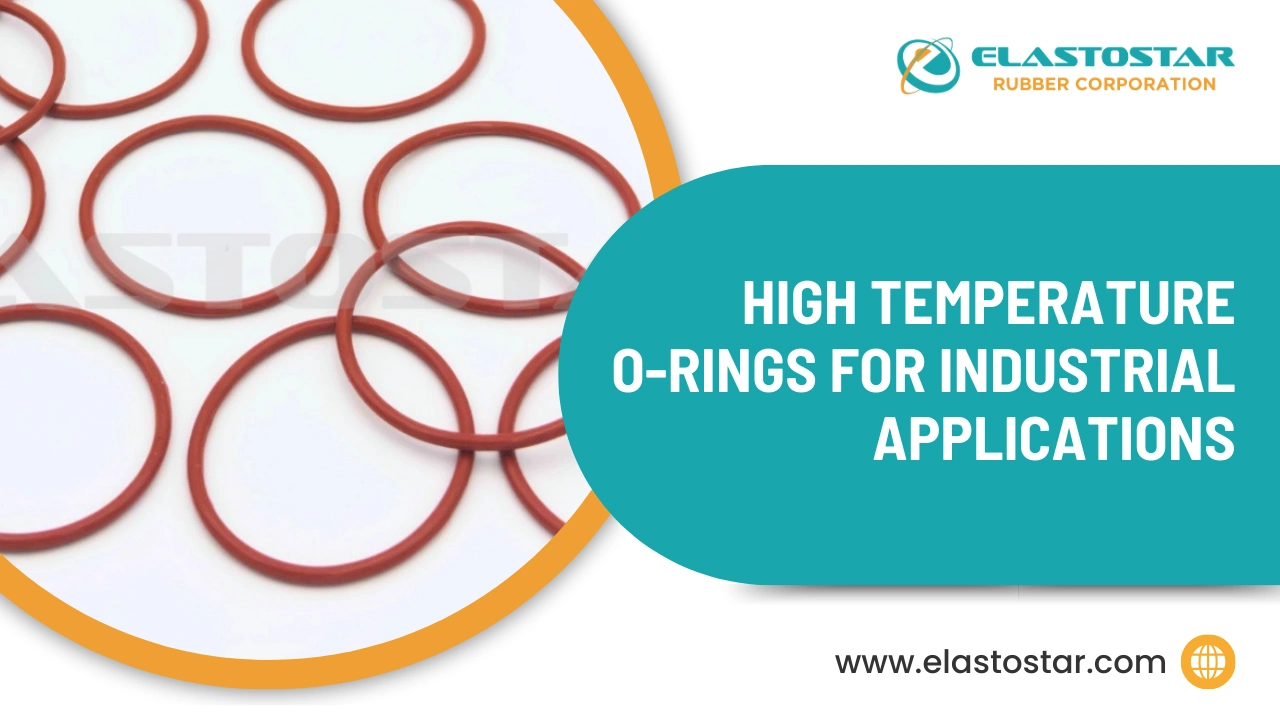
Engineering Insight: Material Selection Imperatives for High Temperature Valves
High temperature valve performance in industrial systems hinges on elastomeric component integrity under extreme thermal stress. Standard valve assemblies frequently encounter premature failure when deployed beyond nominal temperature thresholds, leading to costly downtime, safety hazards, and fluid contamination. This vulnerability stems primarily from inadequate elastomer selection, where off-the-shelf compounds degrade rapidly when exposed to sustained temperatures exceeding 150°C. Thermal oxidation, chain scission, and loss of crosslink density manifest as hardening, cracking, or excessive compression set—compromising seal integrity within critical milliseconds of exposure. Generic solutions often overlook dynamic operational variables such as thermal cycling, chemical exposure, and pressure surges, which accelerate material fatigue beyond laboratory-rated limits.
The core failure mechanism lies in mismatched polymer chemistry. Conventional nitrile rubber (NBR) or ethylene propylene diene monomer (EPDM) seals, common in economical valve designs, exhibit irreversible property loss above 120°C and 150°C respectively. At 200°C, these materials undergo rapid volatilization of plasticizers and antioxidants, resulting in embrittlement and seal leakage. Even fluorocarbon rubber (FKM), marketed for high-heat applications, demonstrates significant compression set above 250°C in continuous service due to backbone instability. Crucially, off-the-shelf compounds rarely account for synergistic degradation from combined thermal, chemical, and mechanical loads—conditions inherent in oil refining, geothermal, or chemical processing valves.
Material performance must be evaluated against application-specific thermal profiles. The following table compares critical elastomer limitations under sustained high-temperature exposure:
| Material | Max Continuous Temp (°C) | Primary Failure Mode at Elevated Temp | Typical Off-the-Shelf Limitation |
|---|---|---|---|
| Standard NBR | 120 | Plasticizer loss → Hardening & Cracking | Lacks thermal stabilizers for >100°C cycling |
| Standard EPDM | 150 | Chain scission → Compression set >50% | Unsuitable for aromatic hydrocarbon exposure |
| Standard FKM | 230 | Base decomposition → Seal extrusion | Fails under thermal cycling >200°C |
| Baoshida Engineered HNBR | 180 | Minimal set (<25%) at 170°C | Custom crosslinkers for 10,000+ thermal cycles |
Suzhou Baoshida Trading Co., Ltd. addresses these gaps through precision elastomer formulation. Our valve seals integrate high-purity hydrogenated nitrile butadiene rubber (HNBR) with proprietary peroxide curing systems and ceramic-reinforced fillers. This yields superior retention of tensile strength (>15 MPa) and compression set resistance (<25%) at 170°C after 1,000 hours—exceeding ASTM D2000 standards for critical service. Crucially, we simulate real-world thermal cycling profiles during OEM validation, not static temperature testing. This approach prevents the “false compliance” of materials that pass short-term specs but fracture under operational transients.
Generic valve seals represent a false economy in high-temperature applications. True reliability demands elastomers engineered for the specific thermal-chemical-mechanical matrix of the end use. At Baoshida, our formulations undergo iterative validation against client-specific duty cycles, ensuring seal longevity where off-the-shelf solutions catastrophically fail. Partner with us to transform valve performance from a maintenance liability into a sustained operational asset.
Material Specifications
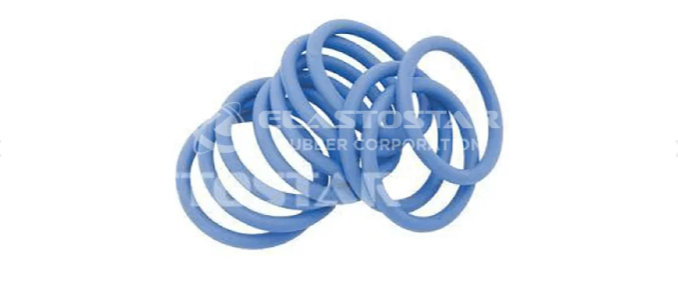
Material selection is a critical engineering decision in the design and manufacturing of high temperature valves, particularly in demanding industrial environments such as oil and gas, chemical processing, and power generation. At Suzhou Baoshida Trading Co., Ltd., we specialize in advanced rubber solutions engineered to withstand extreme thermal and chemical exposure. Our expertise includes the formulation and application of high-performance elastomers such as Viton, Nitrile (NBR), and Silicone, each offering distinct advantages depending on the operational parameters.
Viton, a fluoroelastomer (FKM), is widely recognized for its exceptional resistance to high temperatures, oxidation, and a broad range of aggressive chemicals, including hydrocarbons, acids, and solvents. With a continuous operating temperature range up to 230°C and intermittent exposure tolerance up to 260°C, Viton is ideal for sealing applications in high-temperature valve systems where long-term reliability and minimal compression set are essential. Its low gas permeability and excellent aging characteristics further enhance its suitability in critical service environments.
Nitrile rubber, or acrylonitrile butadiene rubber (NBR), offers robust performance in oil and fuel environments, making it a cost-effective choice for many industrial valve applications. While its thermal resistance is more limited compared to Viton, NBR maintains functionality up to 120°C continuously and can tolerate short excursions to 150°C. Its high abrasion resistance and strong mechanical properties support durable sealing under dynamic conditions. However, NBR is less suitable for exposure to polar solvents, ozone, or aromatic hydrocarbons, which can accelerate degradation.
Silicone rubber (VMQ) provides outstanding flexibility and stability across a wide temperature spectrum, ranging from -60°C to 200°C continuously, with brief exposure capability up to 230°C. It exhibits excellent resistance to ozone and UV radiation, making it suitable for outdoor or high-ambient-temperature applications. While silicone has relatively poor mechanical strength and abrasion resistance compared to Nitrile or Viton, its biocompatibility and low toxicity make it a preferred choice in food, pharmaceutical, and certain sanitary process industries.
The following table summarizes key material properties to guide selection for high temperature valve applications.
| Property | Viton (FKM) | Nitrile (NBR) | Silicone (VMQ) |
|---|---|---|---|
| Continuous Use Temperature | -20°C to 230°C | -30°C to 120°C | -60°C to 200°C |
| Short-Term Max Temperature | Up to 260°C | Up to 150°C | Up to 230°C |
| Chemical Resistance | Excellent | Good (oils, fuels) | Fair to Good |
| Oil and Fuel Resistance | Excellent | Excellent | Poor |
| Compression Set Resistance | Excellent | Good | Fair |
| Abrasion Resistance | Good | Excellent | Poor |
| Ozone and UV Resistance | Excellent | Fair | Excellent |
| Gas Permeability | Low | Moderate | High |
Selecting the optimal elastomer requires a comprehensive evaluation of temperature profiles, media compatibility, mechanical stress, and lifecycle expectations. At Suzhou Baoshida Trading Co., Ltd., our technical team supports OEMs and industrial partners in material qualification and performance validation to ensure sealing integrity in high temperature valve systems.
Manufacturing Capabilities
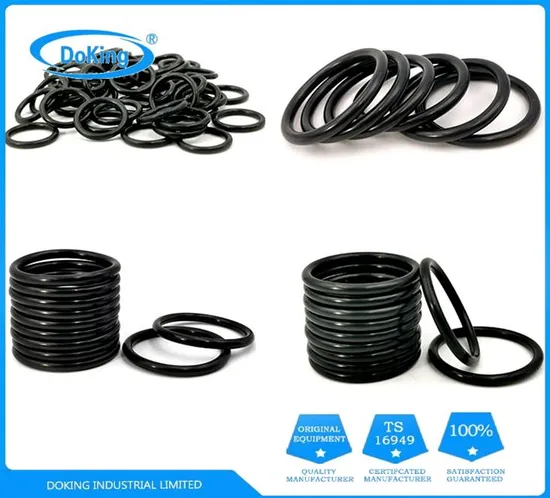
Engineering Capabilities for High Temperature Valve Sealing Solutions
Suzhou Baoshida Trading Co., Ltd. delivers mission-critical rubber components for high temperature valves through integrated material science and precision manufacturing expertise. Our core strength lies in the seamless collaboration between dedicated formula development and advanced mold engineering teams, specifically structured to address the extreme thermal and chemical demands of industrial valve applications. With five specialized mold engineers and two Ph.D.-level rubber formula engineers, we resolve complex sealing challenges where conventional elastomers fail, ensuring operational integrity up to 327°C.
Our formula engineering team pioneers custom elastomer compounds using fluorocarbon (FKM) and perfluoroelastomer (FFKM) base polymers, modified with proprietary fillers and crosslinking systems. This enables exceptional resistance to aggressive media—such as sour gas, steam, and high-pressure hydrocarbons—while maintaining low compression set and consistent sealing force under thermal cycling. Each formulation undergoes rigorous validation via ASTM D2000 and ISO 2230 testing protocols, with iterative adjustments to molecular architecture optimizing performance for specific OEM valve designs.
Complementing this, our mold engineering division employs 3D flow simulation (Moldflow®) and multi-cavity tooling strategies to eliminate knit lines, sink marks, and material degradation during curing. Precision tolerances of ±0.05 mm are consistently achieved for complex geometries, including唇形 seals, O-rings, and custom quad rings. This capability ensures dimensional stability across production runs, directly preventing leakage paths in high-pressure valve stems and seats.
OEM partnerships benefit from our end-to-end control, from initial material selection to final validation. We manage rapid prototyping (7–14 days), tooling fabrication, and full-scale production under ISO 9001-certified processes, with strict IP confidentiality for proprietary valve designs. Clients receive comprehensive material traceability reports and performance data sheets aligned with API 607/6FA fire-safe standards.
Key Material Specifications for High Temperature Valve Applications
| Material Type | Continuous Use Temperature | Compression Set (250°C/70h) | Key Chemical Resistance | Typical Valve Application |
|---|---|---|---|---|
| Custom FFKM (Grade BD-FFKM75) | -15°C to 327°C | ≤15% | H₂S, Amines, Superheated Steam | Subsea Christmas Trees, Refinery Gate Valves |
| Modified FKM (Grade BD-FKMGLT) | -20°C to 250°C | ≤22% | Crude Oil, CO₂, Glycols | Wellhead Chokes, Flow Control Valves |
| Specialty HNBR (Grade BD-HNBRHT) | -30°C to 170°C | ≤28% | Water-Based Fluids, Mild Acids | Pump Seals, Low-Pressure Regulators |
Quality assurance is embedded at every phase, with in-house labs conducting simultaneous DSC/TGA thermal analysis and dynamic mechanical testing. This integrated engineering approach reduces client failure rates by up to 40% versus standard off-the-shelf solutions, directly enhancing valve service life in critical oil & gas, petrochemical, and geothermal operations. Partner with Baoshida for sealing performance that withstands the most severe thermal environments.
Customization Process
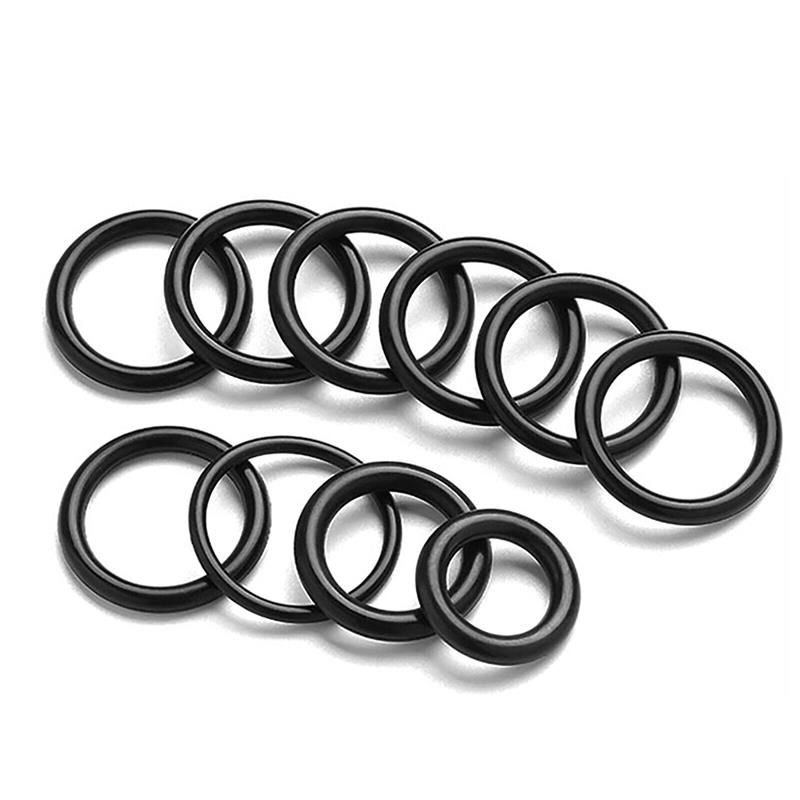
Customization Process for High Temperature Valve Components
At Suzhou Baoshida Trading Co., Ltd., our engineering-driven approach ensures precise adaptation of rubber components for high temperature valve applications. These valves operate under extreme thermal and mechanical stress, requiring materials that maintain integrity above 200°C while resisting compression set, oxidation, and fluid degradation. Our customization process follows a rigorous four-phase methodology: Drawing Analysis, Formulation Development, Prototyping, and Mass Production.
The process begins with Drawing Analysis, where we evaluate technical blueprints provided by OEM partners. This includes dimensional tolerances, sealing interface geometry, flange alignment, and installation constraints. We assess load profiles, cycle frequency, and mating materials to identify potential failure points. Finite element analysis (FEA) may be applied to simulate stress distribution under thermal cycling. This phase ensures that the rubber component will function within the valve’s operational envelope without interference or premature wear.
Following dimensional validation, we proceed to Formulation Development. Our rubber chemists select base polymers based on thermal class and fluid compatibility. For continuous service above 250°C, fluorocarbon rubber (FKM) or perfluoroelastomer (FFKM) are typically preferred. For moderate heat with aggressive media, hydrogenated nitrile (HNBR) or ethylene propylene diene monomer (EPDM) may suffice. Additive packages are engineered to enhance thermal stability, reduce outgassing, and improve compression set resistance. All formulations are cross-referenced against ASTM D2000 and ISO 3601 standards to ensure compliance.
Once the compound is finalized, we initiate Prototyping. Using precision CNC-machined molds or injection tooling, we produce small-batch samples for functional validation. Prototypes undergo rigorous testing, including heat aging at 275°C for 72 hours, compression set per ASTM D395, and exposure to target media (e.g., superheated steam, hot oils, or sour gas). Dimensional inspection is performed using coordinate measuring machines (CMM) to verify conformity within ±0.1 mm tolerance.
Upon successful qualification, we transition to Mass Production. Our automated rubber molding lines operate under strict process control, with real-time monitoring of temperature, pressure, and cure time. Each batch is subject to lot traceability and full material certification. Final inspection includes visual checks, hardness testing, and random sampling for physical property verification.
The table below outlines typical material options and performance specifications for high temperature valve seals:
| Material | Continuous Use Temp (°C) | Key Resistance Properties | Typical Application |
|---|---|---|---|
| FKM (VT-750) | 250 | Oil, ozone, moderate steam | Refinery valves, chemical processing |
| FFKM (Kalrez 7075) | 327 | Extreme heat, acids, solvents | Semiconductor, aerospace |
| HNBR | 150 (up to 175 intermittent) | Dynamic fatigue, water/oil mix | Power plant control valves |
| EPDM | 150 | Steam, water, alkalis | HVAC and industrial steam systems |
This systematic workflow ensures that every custom rubber component meets the exacting demands of high temperature valve environments, delivering reliability, longevity, and compliance with international industrial standards.
Contact Engineering Team
Technical Partnership for High-Temperature Valve Performance
Suzhou Baoshida Trading Co., Ltd. operates at the intersection of advanced polymer science and industrial valve engineering, delivering mission-critical rubber solutions for extreme thermal environments. Our formulations are engineered to exceed OEM specifications in refineries, chemical processing plants, and power generation facilities where valve integrity directly impacts operational safety and efficiency. We recognize that standard elastomers fail catastrophically above 200°C, leading to fugitive emissions, unplanned downtime, and regulatory non-compliance. Our proprietary compounds—validated through ASTM D2000 and ISO 22309 testing—address these challenges through molecular crosslinking precision and filler optimization.
Material selection is non-negotiable in high-temperature valve applications. Generic seals degrade rapidly under thermal cycling, causing compression set, hardening, or chemical attack from aggressive media like sour gas, superheated steam, or aromatic hydrocarbons. Our R&D team tailors base polymers, cure systems, and reinforcement matrices to match your specific process parameters. Below is a comparative specification of our validated elastomer systems for valve stem seals, seat gaskets, and O-rings:
| Material Type | Continuous Temp Range (°C) | Peak Temp (°C) | Key Chemical Resistances | Typical Valve Applications |
|---|---|---|---|---|
| Perfluoroelastomer (FFKM) | -15 to 325 | 350 | H₂S, amines, strong acids, steam | Critical API 6D/607 gate valves |
| High-Purity FKM | -20 to 250 | 280 | Crude oil, CO₂, methanol, caustics | Subsea Christmas trees |
| PTFE-Composite | -200 to 260 | 300 | Solvents, molten metals, cryogenic fluids | Cryogenic LNG isolation valves |
| Silicone-Phenyl | -60 to 230 | 260 | Ozone, radiation, hydraulic fluids | Nuclear reactor control valves |
These materials undergo rigorous in-house validation, including 1,000-hour thermal aging per ASTM D573 and dynamic compression set testing at 250°C. We collaborate with valve OEMs during the design phase to optimize seal geometry, surface finish compatibility, and thermal expansion coefficients—preventing extrusion gaps in trunnion-mounted ball valves or stem packing blowouts in severe-service gate valves. Our technical team provides full traceability via mill certificates and batch-specific rheology data, ensuring compliance with NACE MR0175/ISO 15156 sour service requirements.
Initiate your high-temperature valve project with engineered certainty. Contact Mr. Boyce, our dedicated Rubber Formula Engineer and OEM Manager, to discuss material qualification protocols, custom compound development, or failure analysis of existing seals. Mr. Boyce holds 14 years of field experience in elastomer performance under thermal stress and will coordinate Suzhou Baoshida’s analytical resources—including FTIR spectroscopy, DMA thermal profiling, and finite element analysis—to resolve your specific application hurdles. Provide your valve OEM, media composition, pressure-temperature profile, and cycle frequency for a targeted technical assessment.
Direct engineering collaboration eliminates guesswork in extreme-environment sealing. Email Mr. Boyce at [email protected] with subject line “High-Temp Valve Technical Query – [Your Company Name]” to receive a preliminary material recommendation within 24 business hours. Include applicable standards (e.g., API 602, MSS SP-72) and dimensional requirements for accelerated prototyping. Suzhou Baoshida operates ISO 9001:2015-certified supply chains with 98.7% on-time delivery for critical spare parts—ensuring your maintenance schedules remain uncompromised. Trust our polymer science expertise to transform valve reliability in your most demanding thermal applications.
⚖️ O-Ring Weight Calculator
Estimate rubber O-ring weight (Approx).