
Technical Contents
Engineering Guide: Hose Silicone Rubber
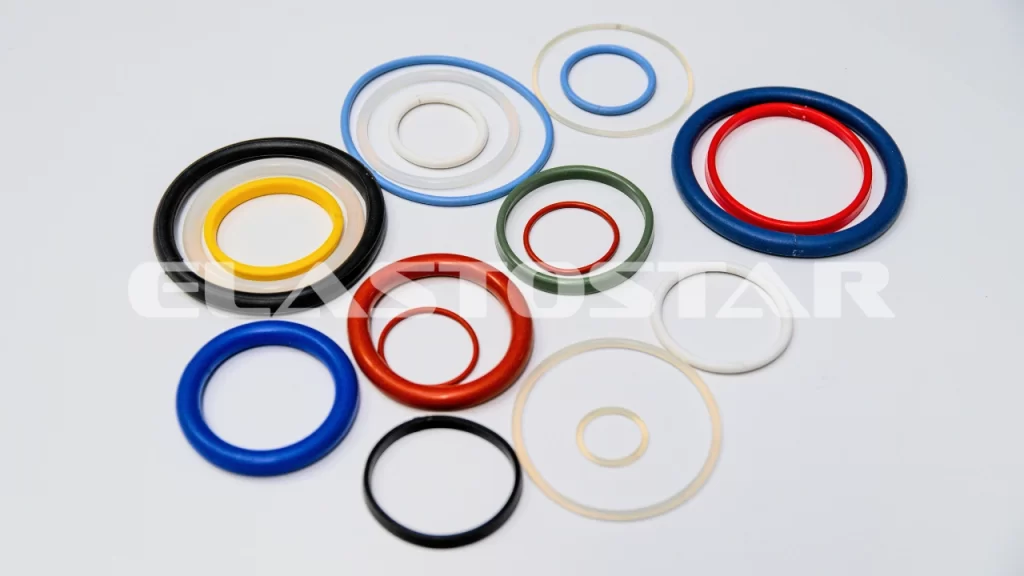
Engineering Insight: The Critical Role of Material Selection in Hose Silicone Rubber Applications
In industrial fluid transfer systems, silicone rubber hoses are often selected for their flexibility, thermal stability, and biocompatibility. However, the assumption that all silicone rubber compounds are interchangeable leads to frequent field failures. Off-the-shelf silicone rubber hoses, while cost-effective in the short term, are typically formulated for general-purpose use and fail to meet the exacting demands of specialized industrial, automotive, or pharmaceutical environments. The root cause of such failures lies not in the inherent limitations of silicone rubber, but in improper material selection relative to operational stressors.
Silicone rubber is a polymer based on siloxane backbones (Si-O-Si), offering exceptional performance across a wide temperature range (-60°C to +200°C). Its molecular structure provides resilience against ozone, UV radiation, and many chemical environments. However, variations in polymer chain length, filler type, crosslink density, and additive packages create significant differences in mechanical strength, compression set resistance, and fluid compatibility. Standard commercial silicone hoses often use high levels of low-cost fillers like precipitated silica, which degrade dynamic performance and increase compression set—leading to premature seal failure in pressurized systems.
Moreover, off-the-shelf products rarely account for fluid interaction beyond basic water or air transfer. Exposure to oils, solvents, or reactive gases can cause swelling, embrittlement, or extractables leaching—particularly in platinum-cured vs. peroxide-cured formulations. For example, in fuel delivery or chemical processing applications, even trace swelling can compromise dimensional stability and lead to hose disengagement or flow restriction.
Another overlooked factor is reinforcement integration. While silicone rubber has excellent flexibility, it lacks the tensile strength of other elastomers. High-pressure applications require precise textile or wire braid integration matched to the elastomer’s elongation and recovery profile. Mismatched reinforcement in generic hoses results in delamination, burst failure, or kinking under repeated flex cycles.
At Suzhou Baoshida Trading Co., Ltd., we emphasize application-specific formulation and construction. Our engineered silicone rubber hoses are developed through a consultative process, evaluating temperature extremes, media compatibility, pressure cycles, and regulatory requirements (e.g., FDA, USP Class VI, REACH). This ensures long-term reliability in critical operations.
Below is a comparison of typical off-the-shelf silicone hose properties versus engineered solutions:
| Property | Off-the-Shelf Silicone Hose | Engineered Silicone Hose (Baoshida) |
|---|---|---|
| Temperature Range | -50°C to +180°C | -60°C to +230°C |
| Tensile Strength | 6–8 MPa | 9–12 MPa |
| Elongation at Break | 300–400% | 450–600% |
| Compression Set (22 hrs, 150°C) | 35–45% | 15–20% |
| Cure System | Peroxide | Platinum or Peroxide (media-specific) |
| Fluid Resistance | Limited to water, air | Customized for oils, acids, solvents |
| Regulatory Compliance | General industrial | FDA, USP Class VI, RoHS available |
Material selection is not a commodity decision—it is an engineering imperative. Relying on generic silicone rubber hoses risks system downtime, safety hazards, and increased total cost of ownership. Precision in formulation, reinforcement, and validation separates functional hoses from failure-prone substitutes.
Material Specifications
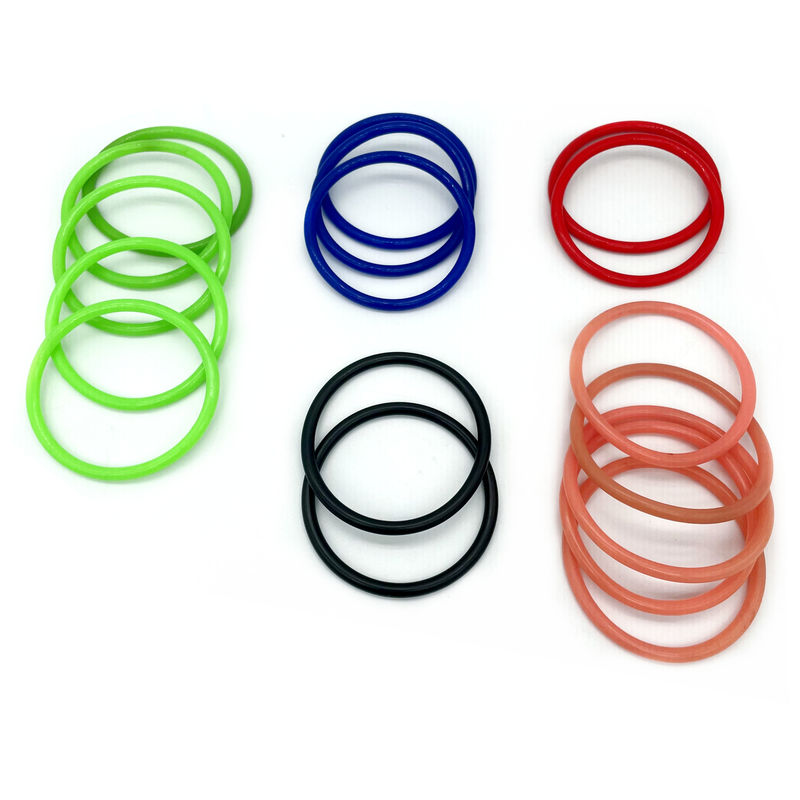
Material Specifications for Industrial Hose Elastomers
Selecting the appropriate elastomer for silicone rubber hoses is critical for performance in demanding industrial applications. At Suzhou Baoshida Trading Co., Ltd., we prioritize precision in material science to ensure hoses withstand operational stresses including temperature extremes, chemical exposure, and mechanical fatigue. Viton (FKM), Nitrile (NBR), and Silicone (VMQ) represent three foundational materials, each with distinct polymer backbones dictating their suitability. Viton excels in high-temperature hydrocarbon resistance due to its fluorocarbon structure, while Nitrile offers cost-effective resilience against oils and fuels. Silicone provides unparalleled flexibility across extreme temperatures but requires reinforcement for pressure handling. All materials must meet ISO 3601 or SAE J514 dimensional standards for seamless OEM integration.
The comparative analysis below details core specifications for informed material selection. Key parameters include temperature tolerance, fluid compatibility, mechanical properties, and application constraints. Hardness is measured per ASTM D2240, tensile strength per ASTM D412, and elongation at break per ASTM D638. Chemical resistance ratings are derived from 72-hour immersion tests at 100°C.
| Material | Temperature Range (°C) | Key Fluid Resistances | Typical Hardness (Shore A) | Tensile Strength (MPa) | Key Limitations |
|---|---|---|---|---|---|
| Viton (FKM) | -20 to 230 | Fuels, oils, acids, solvents | 60–90 | 10–18 | Poor ketone/ester resistance; high cost; stiffens below -15°C |
| Nitrile (NBR) | -40 to 120 | Aliphatic hydrocarbons, water, hydraulic fluids | 50–90 | 10–30 | Swells in ozone/aromatics; limited above 120°C; moderate aging |
| Silicone (VMQ) | -60 to 200 | Water, steam, alcohols, mild chemicals | 30–80 | 5–12 | Low tear strength; permeable to gases; poor hydrocarbon resistance |
Viton is optimal for aerospace and chemical transfer where thermal stability above 200°C is non-negotiable. Its fluorine content provides inertness but necessitates specialized processing equipment. Nitrile remains the standard for automotive fuel and lubrication lines due to abrasion resistance and cost efficiency, though it degrades in ozone-rich environments without protective additives. Silicone’s biocompatibility and ultra-low temperature flexibility make it indispensable for food-grade, medical, and cryogenic applications; however, its low mechanical strength requires fabric reinforcement in high-pressure hoses.
All formulations must undergo rigorous peroxide curing to eliminate volatile residues, particularly for food-contact certifications like FDA 21 CFR 177.2600. Baoshida’s OEM protocols mandate batch-specific compression set testing per ASTM D395 to ensure long-term sealing integrity. For dynamic applications exceeding 150°C, Viton GF grades with bisphenol curing are recommended over standard compounds. Nitrile formulations should incorporate Hycar® HT types for elevated heat resistance. Silicone hoses require platinum-cured high-consistency rubber (HCR) to minimize compression set in steam environments. Consult chemical compatibility charts for specific fluid interactions, as additive packages significantly alter base polymer performance. Final material validation must align with end-use pressure cycling and flex fatigue requirements.
Manufacturing Capabilities
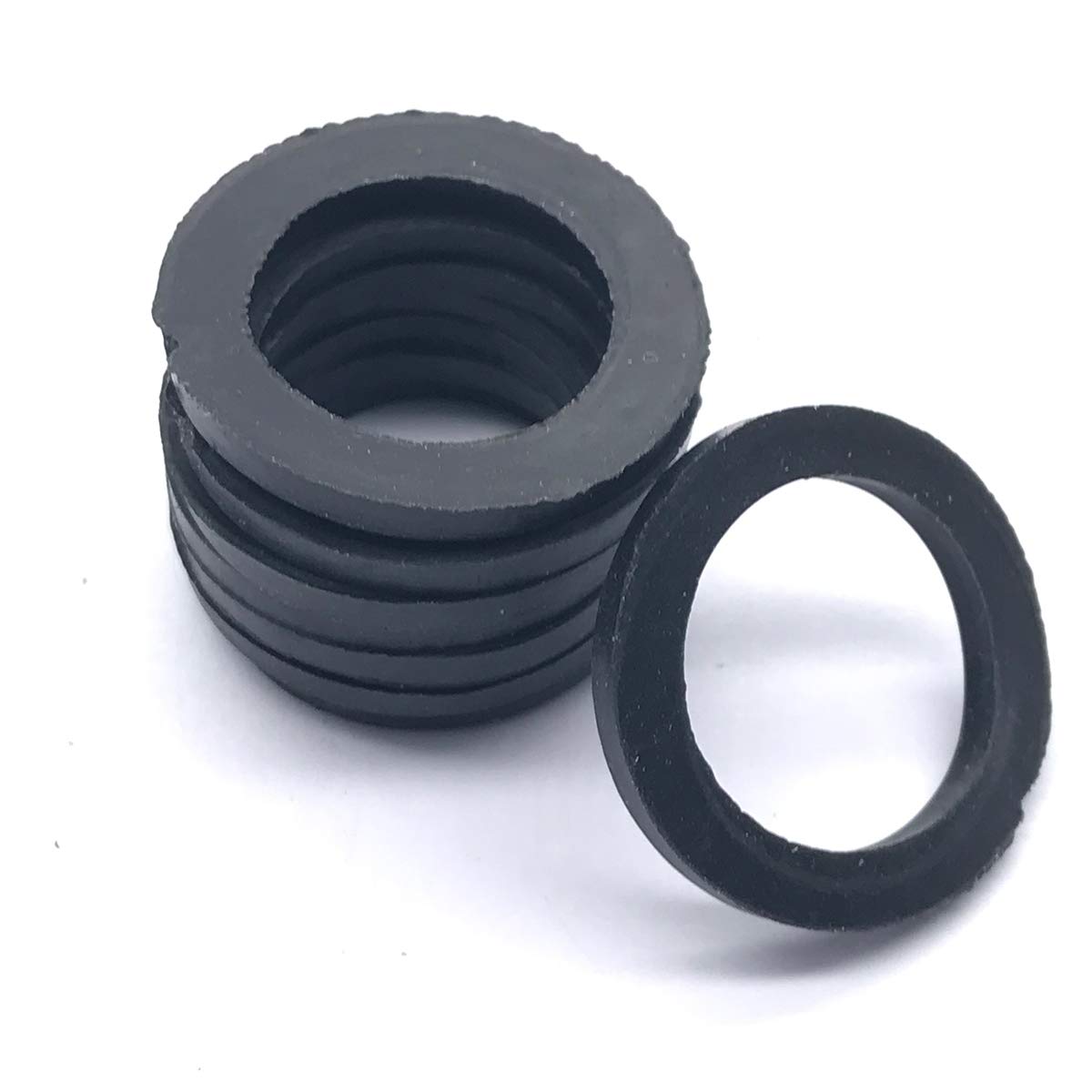
Engineering Capability: Precision-Driven Development for Industrial Silicone Hose Applications
At Suzhou Baoshida Trading Co., Ltd., our engineering capability is anchored in deep technical expertise and a structured approach to industrial rubber formulation and mold design. With a dedicated team comprising five specialized mold engineers and two certified rubber formula engineers, we deliver engineered solutions tailored to the rigorous demands of silicone hose manufacturing. Our in-house engineering division ensures complete control over material development, mold integrity, and production scalability—critical factors for performance-critical applications in automotive, aerospace, medical, and industrial sectors.
Our formula engineers possess advanced knowledge in polymer chemistry, focusing exclusively on high-performance silicone rubber systems. They develop custom formulations that meet specific thermal, mechanical, and chemical resistance requirements. Whether the application demands high-temperature stability up to 250°C, low compression set for sealing integrity, or biocompatibility for medical-grade tubing, our formulations are optimized for reliability and repeatability. We utilize Fourier-transform infrared spectroscopy (FTIR), thermogravimetric analysis (TGA), and rheometry to validate compound performance, ensuring consistency across batches and compliance with international standards such as ISO 10993, FDA 21 CFR, and UL recognition.
Complementing our material science proficiency, our five mold engineers bring precision to geometry, flow dynamics, and tool longevity. They employ 3D CAD modeling (SolidWorks, AutoCAD) and conduct mold flow simulations to predict filling behavior, minimize flash, and optimize gate placement—especially critical in multi-cavity and complex-profile hose tooling. All molds are fabricated using high-grade tool steel with surface treatments for corrosion resistance and extended service life. We support both compression and injection molding processes, enabling flexible production routes depending on volume and part complexity.
Our OEM capabilities are built on a foundation of collaborative development. We work directly with clients to translate technical specifications into functional prototypes and scalable production. From initial concept and material selection to DFM (Design for Manufacturing) review and PPAP documentation, our engineers ensure seamless transition from design to delivery. We maintain strict IP confidentiality and support full traceability through batch coding and material certification.
The integration of formulation science and precision tooling allows us to deliver silicone hoses with consistent wall thickness, excellent surface finish, and reliable performance under dynamic operating conditions. Our engineering team also conducts accelerated aging tests, burst pressure validation, and flex life evaluation to verify long-term durability.
Below is a representative specification range for our standard and custom silicone hose products:
| Property | Value | Test Method |
|---|---|---|
| Hardness (Shore A) | 30–80 | ASTM D2240 |
| Tensile Strength | ≥8 MPa | ASTM D412 |
| Elongation at Break | ≥300% | ASTM D412 |
| Operating Temperature | -60°C to +250°C | ASTM D1329 |
| Compression Set (22h, 150°C) | ≤25% | ASTM D395 |
| Volume Resistivity | ≥1×10¹⁴ Ω·cm | ASTM D1169 |
| FDA / USP Class VI | Available | Compliant formulations |
By combining advanced material engineering with precision mold design and full OEM support, Suzhou Baoshida delivers silicone rubber hose solutions that meet the highest standards of industrial performance and manufacturability.
Customization Process
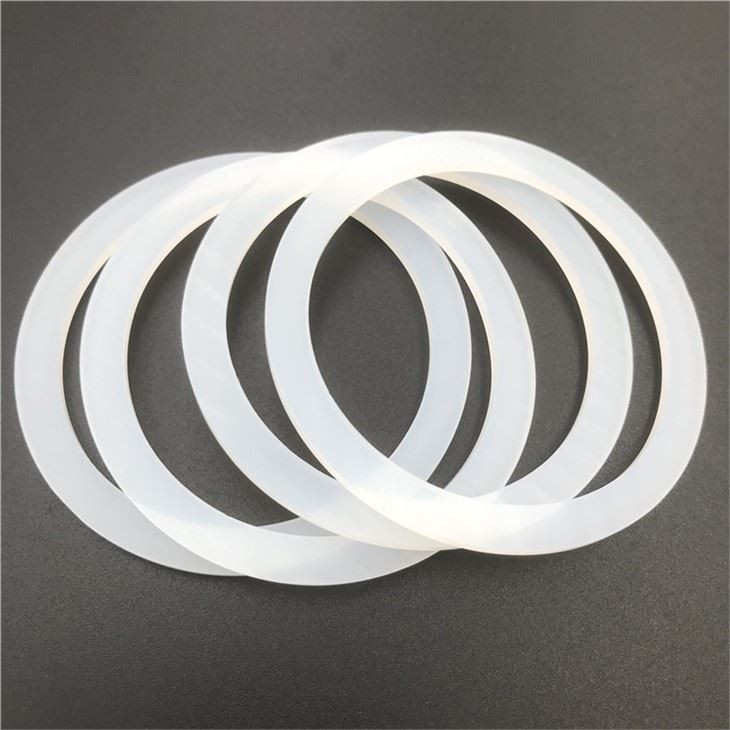
Customization Process for Industrial Hose Silicone Rubber Solutions
At Suzhou Baoshida Trading Co., Ltd., our customization process for silicone rubber hoses integrates rigorous engineering protocols to transform client specifications into high-performance industrial components. This four-phase methodology ensures dimensional accuracy, material resilience, and compliance with sector-specific standards, from initial concept to volume manufacturing.
Drawing Analysis initiates the workflow, where our engineering team conducts a granular assessment of client-provided technical drawings. Critical parameters including inner/outer diameters, wall thickness tolerances, reinforcement layer configurations, and bend radius requirements undergo validation against ISO 3601 and SAE AS5956 standards. We verify pressure ratings, fluid compatibility matrices, and environmental exposure conditions to preempt design conflicts. Any ambiguities in geometric tolerancing or surface finish specifications are resolved collaboratively with the client prior to formulation.
Formulation leverages our proprietary compound database and accelerated aging models to engineer silicone elastomers meeting exact operational demands. Base polymers are selected for thermal stability (–60°C to +230°C continuous service), while fillers, inhibitors, and catalysts are dosed to achieve target compression set resistance (<20% per ASTM D395), tensile strength, and fluid permeation barriers. Platinum-cure systems are prioritized for biocompatibility-critical applications, whereas peroxide-cure variants address cost-sensitive industrial fluid transfer scenarios. Cure kinetics are optimized to balance processing efficiency with crosslink density.
Prototyping employs precision extrusion and vulcanization tooling to produce 3–5 sample batches. Each prototype undergoes third-party validation per ASTM D2000 for physical properties, including burst pressure testing (2x operational rating), ozone resistance (50 ppm, 40°C), and dynamic flex fatigue cycles. Dimensional conformity is confirmed via CMM inspection, with wall thickness uniformity held to ±0.15 mm tolerances. Client feedback on prototype performance triggers iterative refinements until all KPIs are satisfied.
Mass Production commences only after formal sign-off on prototype data. Our ISO 13485-certified facility deploys automated mixing lines with real-time rheometry monitoring to ensure batch-to-batch consistency. In-process controls include daily Mooney viscosity checks and continuous hardness/tensile sampling. Final hoses are serialized, packaged per ESD-safe protocols, and shipped with full material traceability documentation and CoA reports.
Key silicone compound properties are calibrated within the following ranges to suit application demands
| Property | Standard Range | Customizable Range | Test Method |
|---|---|---|---|
| Hardness (Shore A) | 40–70 | 30–80 | ASTM D2240 |
| Tensile Strength (MPa) | 6.0–9.0 | 4.5–12.0 | ASTM D412 |
| Elongation at Break (%) | 300–600 | 250–750 | ASTM D412 |
| Compression Set (%) | ≤20 (22h, 175°C) | ≤15 (optimized) | ASTM D395 |
| Temp. Range (°C) | –60 to +230 | –75 to +260 | ASTM D573 |
This systematic approach minimizes time-to-market while guaranteeing hoses withstand extreme chemical, thermal, and mechanical stresses inherent in industrial fluid transfer systems. Suzhou Baoshida’s OEM partnership model ensures continuous process optimization through production lifecycle.
Contact Engineering Team
Contact Suzhou Baoshida for Premium Hose Silicone Rubber Solutions
When sourcing high-performance hose silicone rubber for demanding industrial applications, precision, consistency, and material integrity are non-negotiable. At Suzhou Baoshida Trading Co., Ltd., we specialize in engineered rubber solutions tailored to meet the exacting standards of automotive, aerospace, medical, and industrial manufacturing sectors. Our expertise in silicone rubber compounding ensures that every hose formulation delivers superior thermal stability, chemical resistance, and mechanical durability under continuous stress and extreme environmental conditions.
We understand that OEMs and Tier suppliers require more than off-the-shelf materials—they demand customized formulations, batch-to-batch repeatability, and responsive technical support. That’s why we invite you to contact Mr. Boyce, our dedicated OEM Manager and Rubber Formula Engineer, to discuss your specific application requirements. Whether you are developing high-temperature air intake hoses, medical-grade peristaltic tubing, or fuel-resistant industrial conduits, Mr. Boyce brings over 12 years of formulation experience to ensure your silicone rubber meets or exceeds performance benchmarks.
Our hose silicone rubber formulations are engineered with controlled polymer architecture, optimized filler dispersion, and advanced curing systems to deliver consistent extrusion characteristics and long service life. We offer both high-consistency rubber (HCR) and liquid silicone rubber (LSR) options, with Shore A hardness ranging from 30 to 80, and operating temperatures from -60°C to +250°C. All materials are compliant with RoHS, REACH, and FDA (where applicable) standards, and can be customized for flame retardancy, conductivity, or UV resistance.
To support your development cycle, we provide full technical data sheets, material safety data sheets (MSDS), and sample batches for validation testing. Our quality management system adheres to ISO 9001:2015, and we maintain strict traceability protocols for every production lot.
For a technical consultation or to request a quotation, contact Mr. Boyce directly at [email protected]. Include your application details, performance requirements, and volume expectations to receive a tailored formulation proposal within 48 hours.
Below are key technical specifications of our standard hose-grade silicone rubber compounds:
| Property | Test Method | Value Range |
|---|---|---|
| Hardness (Shore A) | ASTM D2240 | 30–80 |
| Tensile Strength | ASTM D412 | 6–10 MPa |
| Elongation at Break | ASTM D412 | 400–700% |
| Compression Set (22h, 150°C) | ASTM D395 | ≤25% |
| Operating Temperature | — | -60°C to +250°C |
| Specific Gravity | ASTM D297 | 1.15–1.25 g/cm³ |
| Dielectric Strength | ASTM D149 | 18–22 kV/mm |
| Color Options | — | Translucent, Black, Custom |
Partner with Suzhou Baoshida for silicone rubber that performs—engineered to your exact needs. Reach out to Mr. Boyce today and accelerate your next hose innovation with confidence.
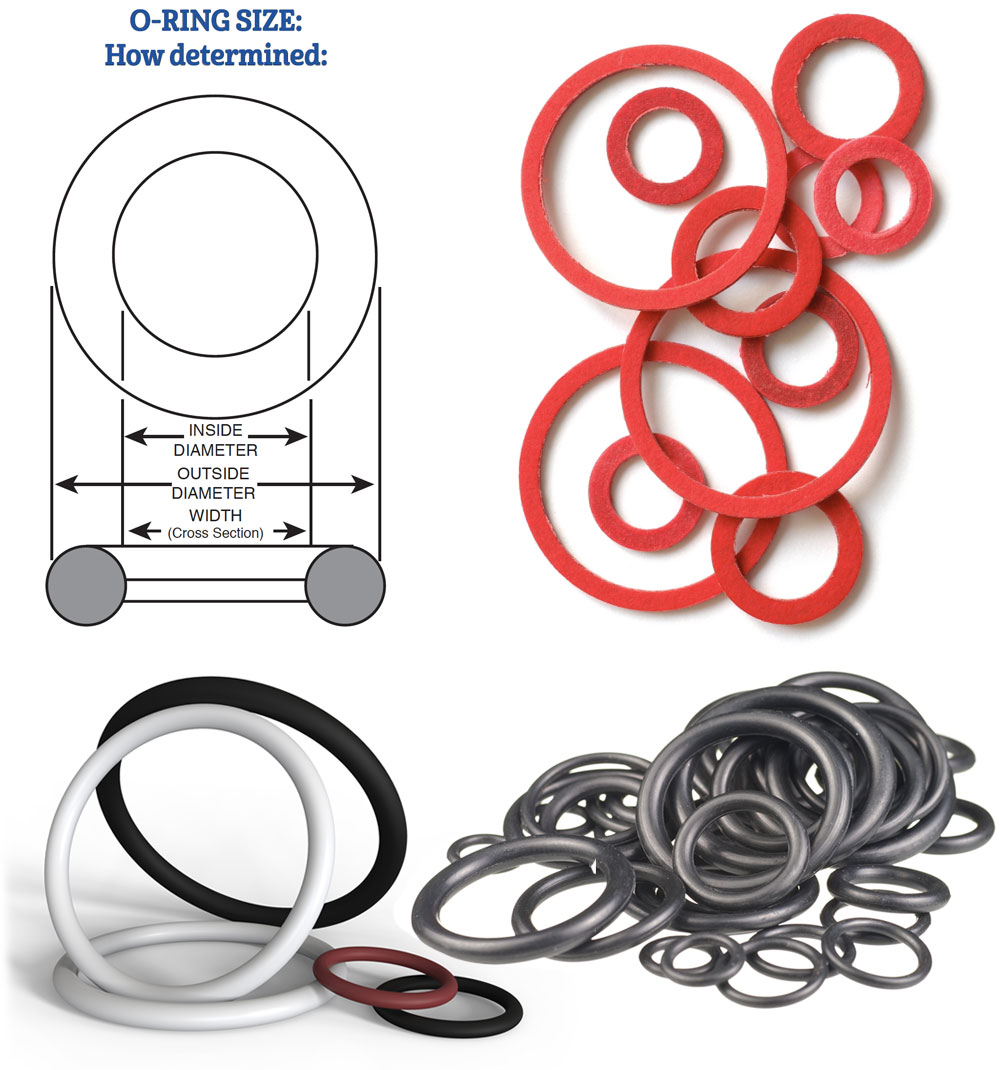
⚖️ O-Ring Weight Calculator
Estimate rubber O-ring weight (Approx).