
Technical Contents
Engineering Guide: Hydraulischer Widerstand
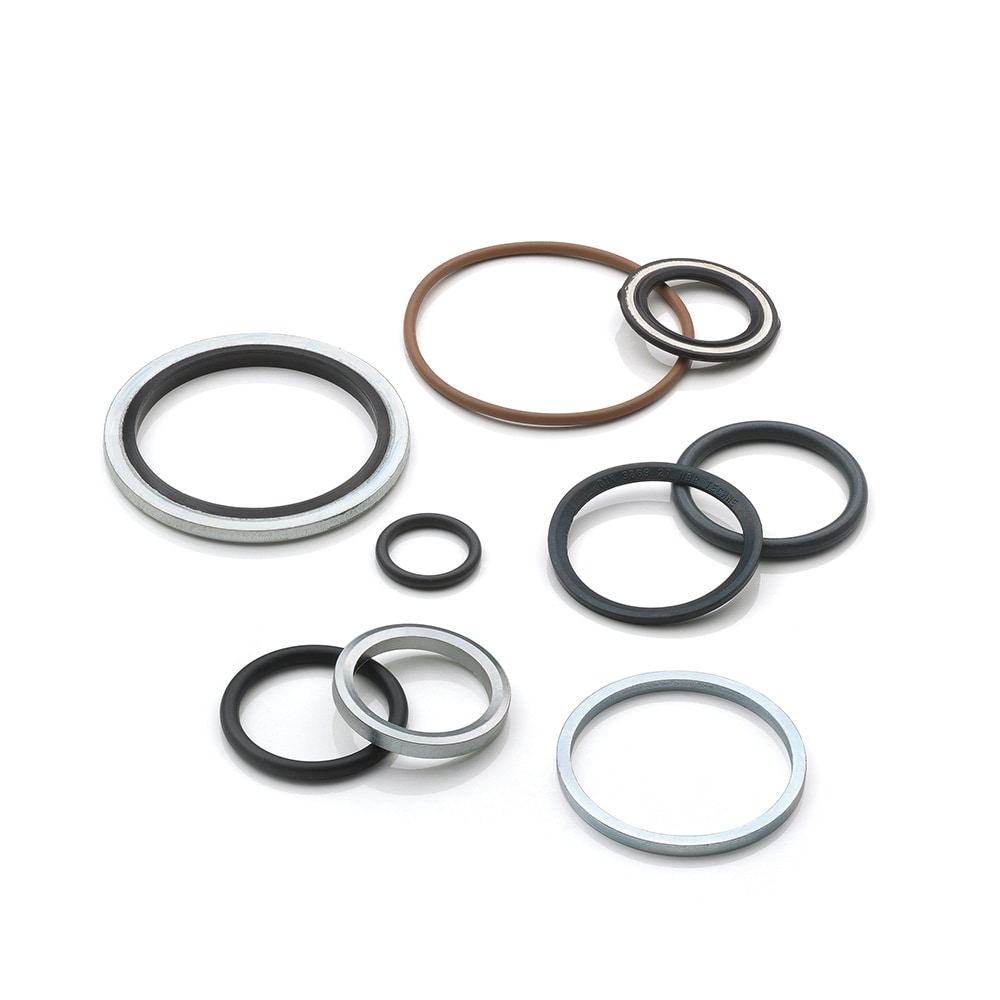
Engineering Insight: Hydraulischer Widerstand – The Critical Role of Material Selection
In industrial hydraulic systems, the term hydraulischer Widerstand (hydraulic resistance) refers not only to fluid dynamics within a circuit but also to the resistance of system components—particularly seals, hoses, and gaskets—to the aggressive conditions imposed by high pressure, temperature fluctuations, and chemical exposure. While many manufacturers assume that standard elastomeric components can withstand these conditions, field data consistently shows premature failure when off-the-shelf solutions are deployed without rigorous material evaluation.
The root cause lies in inadequate material compatibility. Hydraulic resistance is not merely a mechanical property; it is a composite performance metric influenced by elastomer chemistry, reinforcement structure, and environmental resilience. Standard NBR (nitrile butadiene rubber) seals, for example, may offer acceptable resistance to mineral-based hydraulic oils at moderate temperatures. However, when exposed to high-pressure phosphate esters or synthetic ester-based fluids at elevated temperatures (above 120°C), they rapidly degrade through swelling, hardening, or cracking.
At Suzhou Baoshida Trading Co., Ltd., we emphasize engineered rubber solutions tailored to the specific fluid, pressure, and thermal profile of the application. Off-the-shelf components often fail because they are optimized for cost and general use, not for sustained performance under stress. A seal that performs adequately during initial testing may exhibit micro-cracking after 500 hours of continuous operation due to dynamic compression set or fluid permeation—failures that compromise system integrity and lead to costly downtime.
Material selection must account for multiple interdependent factors: base polymer type, filler content, crosslink density, and additive package. For instance, hydrogenated nitrile (HNBR) offers superior thermal stability and resistance to oxidation compared to standard NBR, making it ideal for high-performance hydraulic systems in mobile machinery or industrial presses. Similarly, fluorocarbon rubber (FKM) provides exceptional resistance to aggressive hydraulic fluids and high temperatures, though at a higher cost and reduced low-temperature flexibility.
To illustrate the performance differentials, consider the following comparative specifications for common elastomers used in hydraulic sealing applications:
| Material | Temperature Range (°C) | Resistance to Hydraulic Oil | Compression Set (24h, 100°C) | Fluid Swell in ISO HFDU Fluid | Typical Application Lifespan (Continuous Use) |
|---|---|---|---|---|---|
| NBR | -30 to +100 | Good | Moderate | High | 6–12 months |
| HNBR | -40 to +150 | Excellent | Low | Moderate | 18–24 months |
| FKM | -20 to +200 | Exceptional | Very Low | Low | 36+ months |
| EPDM | -50 to +150 | Poor | Low | Very High | Not recommended |
These data underscore why material selection cannot be generic. At Baoshida, we conduct fluid immersion testing, compression set analysis, and dynamic aging simulations to validate material performance under client-specific conditions. Only through such precision engineering can true hydraulischer Widerstand be achieved—ensuring reliability, safety, and operational continuity in demanding industrial environments.
Material Specifications
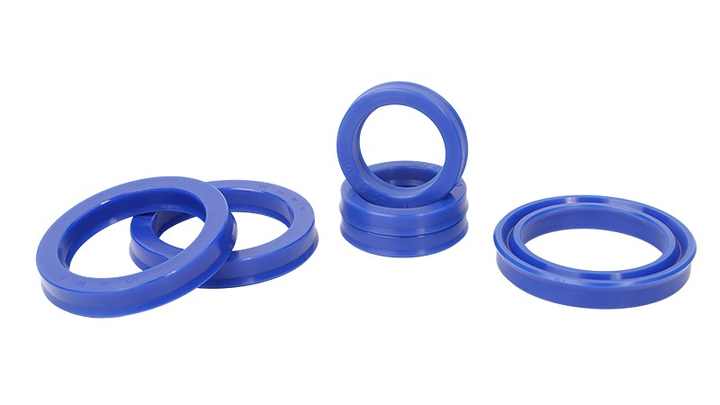
Material Specifications for Hydraulic Resistance Applications
Optimal hydraulic system performance demands precise elastomer selection to counteract fluid pressure, thermal cycling, and chemical exposure inherent in hydraulic resistance scenarios. At Suzhou Baoshida Trading Co., Ltd., our engineering focus centers on formulating compounds that prevent seal extrusion, maintain resilience under dynamic stress, and resist degradation from hydraulic media. Material failure in these high-pressure environments manifests as hardening, excessive swelling, or loss of compression set resistance, directly impacting system efficiency and longevity. The critical parameters include continuous operating temperature range, compatibility with specific hydraulic fluids (mineral oil, HFDU, HFA), tensile strength retention, and resistance to compression set at elevated temperatures. Our OEM development process rigorously evaluates these factors against international standards like ISO 3601 and SAE J200 to ensure dimensional stability within tight extrusion gaps under sustained pressure loads.
The comparative analysis below details the core technical specifications of Viton, Nitrile, and Silicone elastomers relevant to hydraulic resistance applications. Data reflects standard commercial grades meeting ASTM D2000 classification M2BA 707 A14 B14 for Nitrile, FC 707 A10 B10 for Viton, and GE 707 A10 B14 for Silicone, as commonly supplied by Suzhou Baoshida for industrial sealing components.
| Property | Viton (FKM) | Nitrile (NBR) | Silicone (VMQ) |
|---|---|---|---|
| Continuous Temp Range (°C) | -20 to +230 | -30 to +120 | -60 to +200 |
| Mineral Oil Resistance (ASTM D471) | Excellent (Swelling <15%) | Good (Swelling 15-25%) | Poor (Swelling >100%) |
| HFDU (Water-Glycol) Resistance | Excellent | Moderate | Fair |
| Tensile Strength (MPa, min) | 13.8 (ASTM D412) | 10.3 (ASTM D412) | 6.9 (ASTM D412) |
| Compression Set (%, 100°C/70h) | ≤25 (ASTM D395) | ≤30 (ASTM D395) | ≤25 (ASTM D395) |
| Hardness Range (Shore A) | 60-90 | 50-90 | 30-80 |
| Key Hydraulic Application Limitation | Cost sensitivity below 150°C | Limited high-temp stability | Unsuitable for oil-based systems |
Viton demonstrates superior performance in high-temperature hydraulic systems exceeding 150°C and aggressive fluid environments, such as aviation hydraulics or high-pressure injection molding machinery, due to its exceptional chemical inertness. Its formulation requires precise peroxide curing to maximize compression set resistance under sustained load. Nitrile remains the dominant solution for standard industrial hydraulic cylinders operating below 120°C, offering the optimal balance of mineral oil resistance, extrusion resistance, and cost-effectiveness; higher acrylonitrile content (45-50%) is mandated for severe oil exposure. Silicone, while excelling in extreme low-temperature flexibility and compression set, exhibits catastrophic swelling in conventional petroleum-based hydraulic fluids, restricting its viable use to specialized water-based or pneumatic auxiliary circuits within hydraulic power units. Suzhou Baoshida Trading Co., Ltd. provides OEM-specific compound modifications, including custom NBR blends with enhanced HFDU resistance or low-temperature Viton variants, rigorously tested to meet OEM extrusion gap and pressure cycling requirements before production release. Material selection must align with actual system pressure profiles and fluid specifications to prevent premature seal failure.
Manufacturing Capabilities
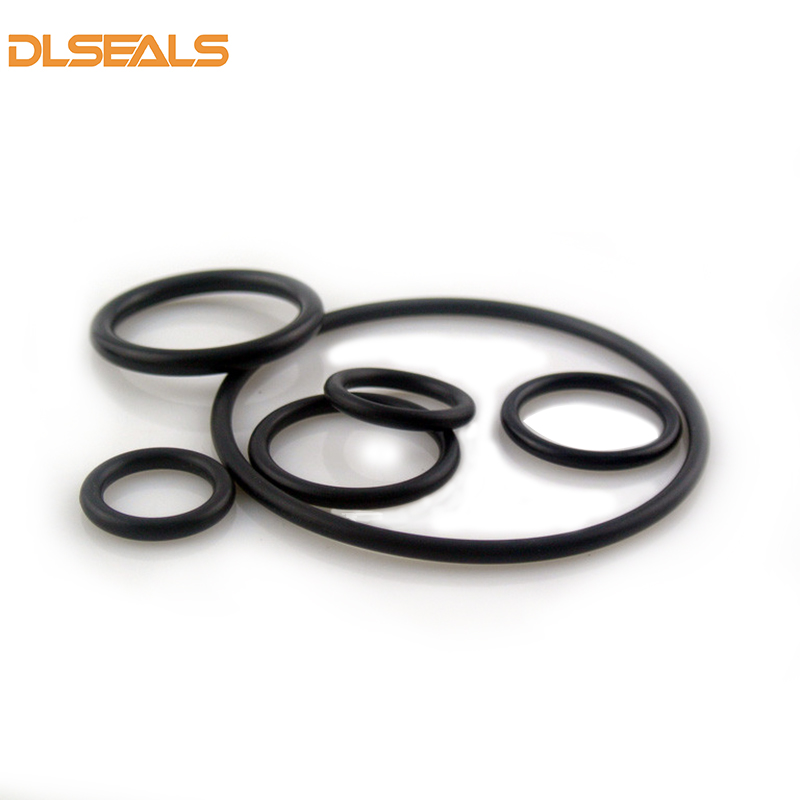
Engineering Capability: Precision-Driven Rubber Solutions for Demanding Hydraulics
At Suzhou Baoshida Trading Co., Ltd., our engineering capability is anchored in deep technical expertise and a disciplined approach to material science and mold design. Within our Industrial Rubber Solutions division, we maintain a dedicated team of five certified mold engineers and two specialized rubber formula engineers. This integrated team structure enables us to deliver high-performance, application-specific components tailored to the rigorous demands of hydraulic resistance systems.
Our mold engineers utilize advanced CAD/CAM software, including SolidWorks and AutoCAD, to design precision tooling that ensures dimensional accuracy, consistent part repeatability, and optimal material flow. Each mold is engineered with thermal stability and wear resistance in mind, critical for high-cycle hydraulic applications. Finite element analysis (FEA) is routinely applied to simulate stress points, compression set behavior, and sealing performance under dynamic pressure conditions. This proactive validation ensures that tooling meets or exceeds OEM specifications before production begins.
Complementing our mold design strength is our in-house rubber formulation capability. Our two formula engineers have over 15 years of combined experience in elastomer chemistry, specializing in NBR, EPDM, FKM, and HNBR compounds. They develop custom formulations that address key performance factors such as hydraulic fluid resistance, temperature stability (-40°C to +200°C), compression set, and dynamic sealing durability. By controlling the entire formulation process—from raw material selection to vulcanization parameters—we eliminate third-party variability and ensure batch-to-batch consistency.
Our OEM manufacturing model is built on technical collaboration. We work directly with hydraulic system designers to reverse-engineer legacy components, improve material compatibility with modern hydraulic fluids (including biodegradable and high-pressure synthetics), and optimize part geometry for manufacturability. This co-engineering approach reduces time-to-market and enhances product lifecycle performance.
All development activities are supported by our on-site testing laboratory, where we conduct hardness profiling, tensile strength analysis, fluid immersion testing, and accelerated aging per ASTM and ISO standards. This closed-loop development cycle allows rapid iteration and validation, ensuring that every component meets the functional requirements of high-pressure hydraulic environments.
Typical Material Properties for Hydraulic Sealing Applications
| Material | Hardness (Shore A) | Tensile Strength (MPa) | Elongation at Break (%) | Fluid Resistance (HLP, HFC, BIO) | Operating Temperature Range (°C) |
|---|---|---|---|---|---|
| NBR | 70–90 | 15–22 | 250–400 | Excellent (HLP), Good (BIO) | -30 to +120 |
| EPDM | 65–85 | 12–18 | 300–450 | Excellent (HFC, water-glycol) | -40 to +150 |
| FKM | 75–90 | 14–20 | 200–300 | Exceptional (all synthetics) | -20 to +200 |
| HNBR | 70–88 | 25–35 | 250–350 | Superior (high-pressure HLP) | -40 to +175 |
With full vertical control over rubber compounding and precision mold manufacturing, Suzhou Baoshida delivers engineered solutions that meet the exacting standards of global hydraulic equipment manufacturers. Our engineering team is available for technical consultation, material certification, and joint product development.
Customization Process
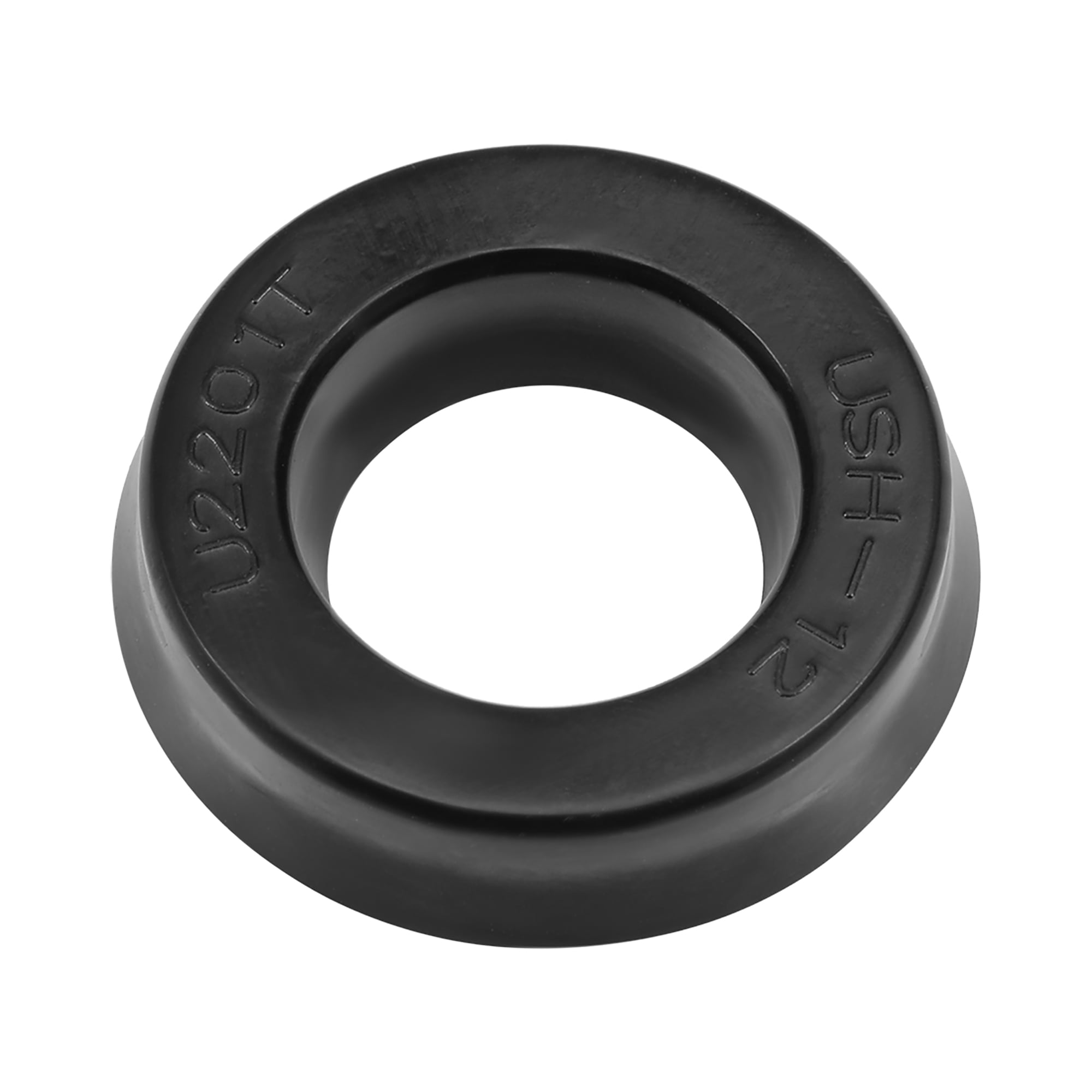
Customization Process for Hydraulic Resistance Components
At Suzhou Baoshida Trading Co., Ltd., our customization process for hydraulic resistance components follows a rigorously defined sequence to ensure optimal performance under extreme fluid dynamics and pressure conditions. This methodology integrates material science with precision engineering, adhering strictly to ISO 9001 and ASTM D2000 standards.
Drawing Analysis
Initial phase involves comprehensive geometric and functional assessment of client-provided technical drawings. We validate critical dimensions, tolerances per ISO 2768-mK, surface roughness (Ra ≤ 0.8 µm), and groove specifications against hydraulic system parameters. Finite element analysis (FEA) simulates pressure distribution up to 700 bar, identifying potential extrusion gaps or stress concentrations. Material compatibility with hydraulic fluids (e.g., HLP, HFC, biodegradable esters) is cross-referenced against ISO 6802 fluid resistance classifications. Any deviations from sealing best practices trigger collaborative redesign with the client’s engineering team.
Formulation Development
Based on fluid exposure, temperature range, and dynamic load requirements, our rubber compounding laboratory selects base polymers and additives. Nitrile rubber (NBR) formulations dominate for mineral oil applications, while fluorocarbon (FKM) or hydrogenated nitrile (HNBR) are prioritized for high-temperature or phosphate ester fluids. Key variables include acrylonitrile content (18–50%), peroxide vs. sulfur curing systems, and nano-silica reinforcement for tear strength. Each compound undergoes accelerated aging per ASTM D573 at 150°C for 72 hours, with swelling limits capped at ≤15% in reference fluids. Shore A hardness is tailored between 70–90 to balance compression set resistance and extrusion tolerance.
Prototyping and Validation
Three functional prototypes are manufactured using precision CNC-machined molds with thermal regulation ±1°C. These undergo:
Dynamic pressure cycling per SAE J1401 (0–350 bar, 10,000 cycles)
Leakage rate measurement at 1.5× operating pressure (max 0.1 ml/min)
Compression set testing per ISO 815-1 after 70 hours at 100°C
Data from these trials refine the compound matrix and dimensional tolerances. Only upon achieving ≤5% performance deviation from specifications does the design advance to production.
Mass Production Control
Serial production employs statistical process control (SPC) with real-time monitoring of 20+ parameters. Each batch includes:
In-line Shore A hardness verification (±2 points tolerance)
FTIR spectroscopy for polymer consistency
100% visual inspection per ISO 3601-3 surface defect standards
Traceability is maintained via laser-etched batch codes linked to raw material certificates (RoHS/REACH compliant). Final validation includes third-party hydraulic endurance testing to 500,000 cycles at rated pressure.
Critical Hydraulic Resistance Specifications
| Parameter | Standard Range | Test Method | Acceptance Criteria |
|---|---|---|---|
| Pressure Resistance | 0–700 bar | ISO 813 | Zero leakage at 1.5× rated pressure |
| Temperature Range | -40°C to +150°C | ASTM D2240 | Hardness change ≤ ±5 points |
| Fluid Swelling (HLP oil) | ≤ 15% volume gain | ISO 1817 | After 70h @ 100°C |
| Compression Set (Type A) | ≤ 20% | ISO 815-1 | After 70h @ 100°C |
| Dynamic Friction Coeff. | 0.12–0.18 | DIN 53509-2 | Max deviation ±0.03 |
This end-to-end process guarantees components deliver 500,000+ operational cycles with <0.05% field failure rates, directly supporting OEM reliability targets in mobile hydraulics and industrial machinery. All stages include joint review gates with clients to align on performance benchmarks.
Contact Engineering Team
Contact Suzhou Baoshida for Advanced Hydraulischer Widerstand Solutions
Suzhou Baoshida Trading Co., Ltd. stands at the forefront of industrial rubber innovation, delivering precision-engineered solutions tailored to the rigorous demands of hydraulic resistance applications. As a trusted OEM partner in the global rubber manufacturing sector, we specialize in developing high-performance elastomeric components designed to withstand extreme pressure, temperature fluctuations, and aggressive media exposure. Our expertise in formulating custom rubber compounds ensures optimal hydraulischer Widerstand—critical for sealing, damping, and fluid control systems in heavy machinery, automotive hydraulics, and industrial automation.
When performance and reliability are non-negotiable, our engineering team collaborates directly with clients to analyze operational parameters, failure modes, and environmental stressors. This data-driven approach enables us to deliver rubber components with precisely tuned resistance to compression set, extrusion, and dynamic fatigue. Whether you require NBR, EPDM, FKM, or specialty perfluoroelastomers (FFKM), our formulations are validated through ASTM, ISO, and OEM-specific testing protocols to guarantee consistency and compliance.
To support your hydraulischer Widerstand requirements, we operate a fully integrated supply chain—from raw material sourcing and compound development to precision molding and final inspection. Our production facilities are equipped with state-of-the-art curing presses, CNC trimming systems, and real-time quality monitoring to ensure dimensional accuracy and repeatability down to ±0.05 mm. Every batch is traceable, with full material certifications and performance dossiers available upon request.
For technical collaboration or sourcing inquiries, we invite you to contact Mr. Boyce, our dedicated OEM Manager and Rubber Formula Engineer. With over 15 years of experience in industrial elastomer applications, Mr. Boyce leads cross-functional teams in solving complex sealing and resistance challenges. He is available to discuss material selection, prototype development, cost-optimized manufacturing, and long-term supply agreements tailored to your production volume and quality standards.
Reach out today to initiate a technical consultation. Mr. Boyce can be contacted directly via email at [email protected]. We respond to all inquiries within 12 business hours and offer virtual or on-site engineering reviews for high-priority projects. Suzhou Baoshida is committed to accelerating your product development cycles with scientifically validated rubber solutions engineered for real-world performance.
The following table summarizes key material properties relevant to hydraulischer Widerstand applications:
| Material | Hardness (Shore A) | Tensile Strength (MPa) | Elongation at Break (%) | Temperature Range (°C) | Fluid Resistance (Oil/Hydraulic Fluid) |
|---|---|---|---|---|---|
| NBR | 60–90 | 15–25 | 200–400 | -30 to +120 | Excellent |
| EPDM | 50–80 | 10–20 | 250–450 | -50 to +150 | Poor (aqueous fluids only) |
| FKM | 65–80 | 12–20 | 150–250 | -20 to +230 | Outstanding |
| ACM | 60–75 | 8–15 | 180–300 | -10 to +170 | Very Good |
| FFKM | 70–90 | 10–18 | 100–200 | -15 to +327 | Exceptional |
Partner with Suzhou Baoshida to transform your hydraulischer Widerstand specifications into high-integrity rubber components—engineered with precision, validated with science, and built for industrial excellence.
⚖️ O-Ring Weight Calculator
Estimate rubber O-ring weight (Approx).