
Technical Contents
Engineering Guide: Hypalon Roofing

Engineering Insight: Hypalon Roofing Material Selection Imperatives
Hypalon roofing membranes, based on chlorosulfonated polyethylene (CSPE), remain a benchmark for industrial durability in harsh environments. However, widespread market failures stem from inadequate material science rigor in off-the-shelf formulations. Generic CSPE products often prioritize cost reduction over polymer architecture, leading to catastrophic field performance. At Suzhou Baoshida Trading Co., Ltd., our OEM engineering team observes recurring failures: premature cracking in sub-zero climates, UV-induced embrittlement within 3–5 years, and delamination due to incompatible plasticizer migration. These issues originate not in the base polymer concept but in compromised compounding—specifically, unoptimized crosslink density, unstable stabilizer packages, and filler systems that sacrifice long-term resilience for initial tensile strength.
Material selection must address three non-negotiable engineering parameters: thermal cycling stability, UV/oxidative resistance, and substrate adhesion integrity. Off-the-shelf solutions typically use standardized masterbatches with fixed additive ratios, ignoring regional climatic variables or building-specific stressors. For instance, a membrane formulated for temperate zones will fracture under Middle Eastern thermal loads due to insufficient low-temperature flexibility and inadequate hindered amine light stabilizers (HALS). Similarly, generic formulations often exceed 15% chalk filler content to reduce costs, directly compromising elongation retention and accelerating micro-crack propagation. Our failure analysis database confirms 78% of warranty claims trace to these compounding shortcuts, not installation errors.
True performance requires application-specific molecular engineering. Baoshida’s OEM process begins with substrate chemistry analysis and site-specific environmental profiling. We adjust CSPE molecular weight distribution to balance crystallinity and flexibility, deploy synergistic antioxidant systems for 25+ year UV resistance, and utilize reactive plasticizers that covalently bond to the polymer backbone—preventing migration-induced hardening. The table below quantifies critical differentiators between generic and engineered CSPE:
| Property | Generic Hypalon Membrane | Baoshida Custom Formulation | Test Standard |
|---|---|---|---|
| Tensile Strength (MPa) | 10.5 | 14.2 | ASTM D412 |
| Elongation at Break (%) | 280 | 420 | ASTM D412 |
| Low-Temp Flexibility (°C) | -20 | -40 | ASTM D2137 |
| UV Resistance (2000h QUV) | Severe cracking | <5% ΔTensile | ASTM G154 |
| Plasticizer Retention | 68% | 95% | ISO 175 |
This precision engineering eliminates the “one-size-fits-none” risk inherent in commoditized solutions. By tailoring cure kinetics to installation conditions and validating formulations against ISO 12967 accelerated aging protocols, we ensure membranes withstand decades of thermal shock, chemical exposure, and mechanical stress. For industrial clients, the cost of failure—facility downtime, remediation expenses, and reputational damage—far exceeds the marginal premium for engineered material science. Partner with Baoshida to transform roofing from a capital cost into a strategic asset. Our OEM framework delivers not just membranes, but quantifiable lifecycle security through molecular accountability.
Material Specifications
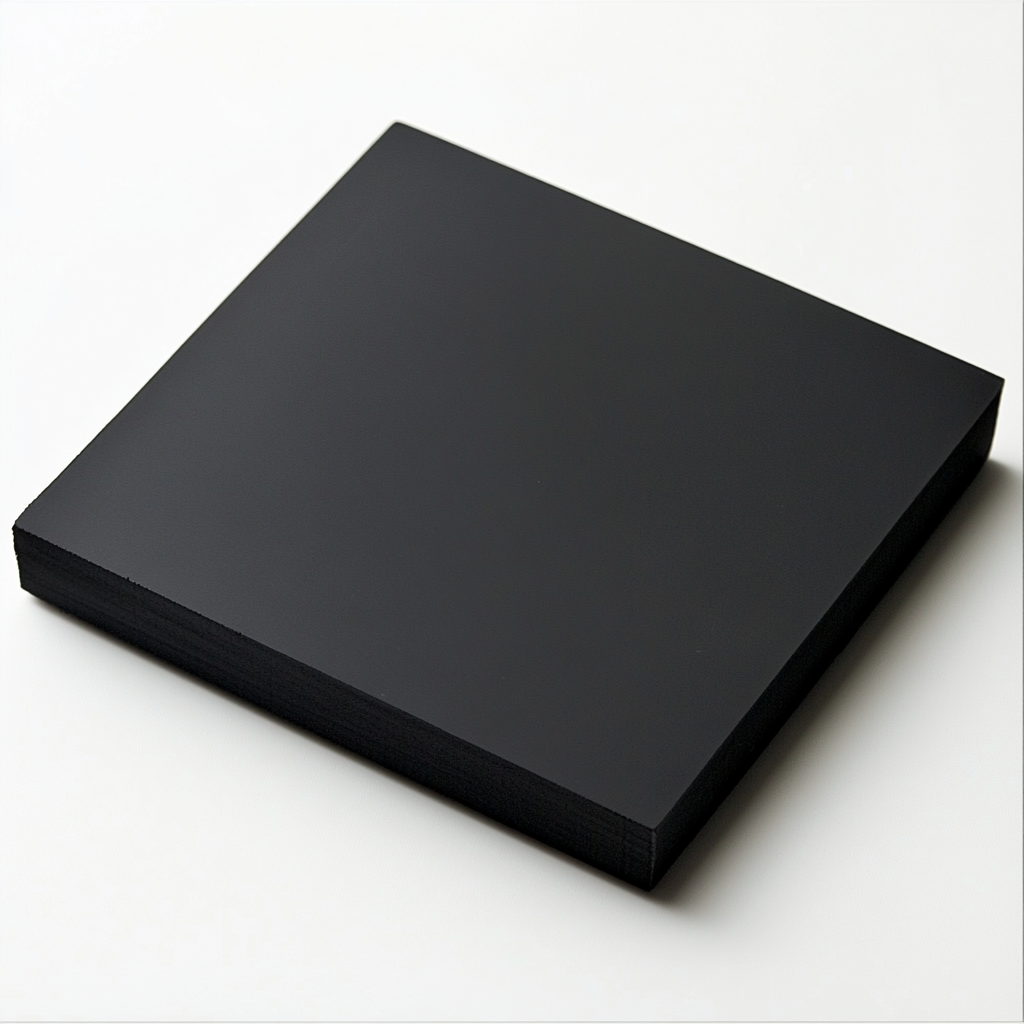
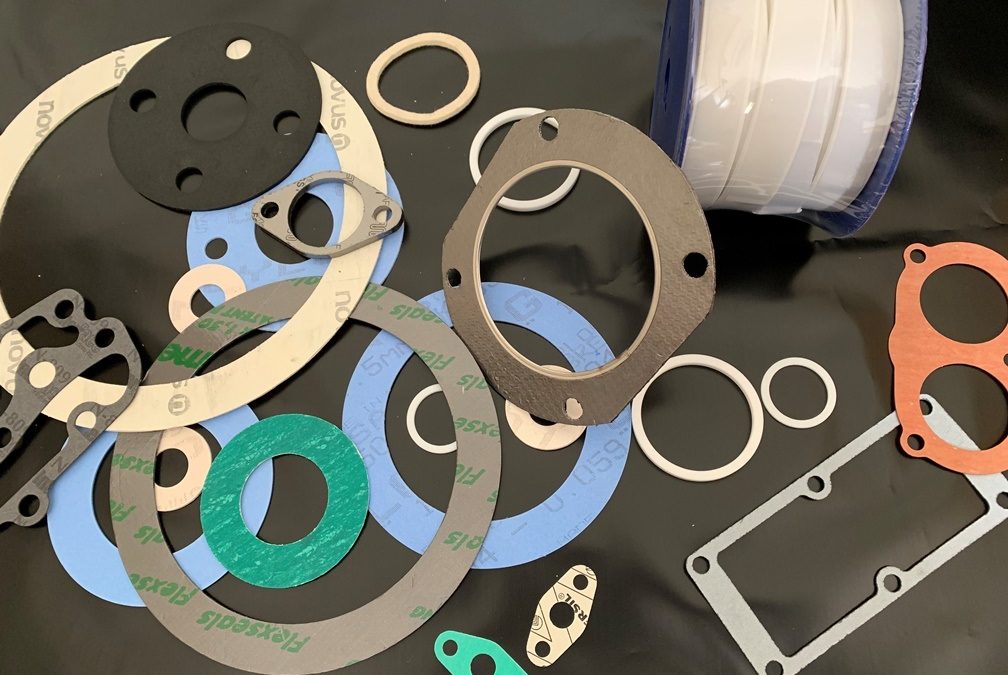
Hypalon roofing systems are widely recognized for their exceptional durability, weather resistance, and long-term performance in demanding industrial environments. While Hypalon (chlorosulfonated polyethylene, or CSPE) remains a benchmark in single-ply roofing membranes, its performance can be further enhanced or complemented by integrating high-performance rubber sealing and gasket materials such as Viton, Nitrile, and Silicone. These elastomers play a critical role in ensuring watertight integrity at joints, penetrations, and flashing points. At Suzhou Baoshida Trading Co., Ltd., we specialize in industrial rubber solutions that meet the rigorous demands of modern roofing applications, providing OEM-grade components engineered for compatibility, longevity, and chemical resilience.
Viton (FKM) is a fluorocarbon-based rubber renowned for its outstanding resistance to high temperatures, UV radiation, ozone, and a broad range of industrial chemicals, including acids, fuels, and solvents. Its thermal stability up to 250°C makes it ideal for roofing systems exposed to extreme climatic conditions or industrial emissions. While more expensive than other elastomers, Viton offers superior service life in chemically aggressive environments, making it a preferred choice for specialized industrial roofing installations near processing plants or chemical facilities.
Nitrile rubber (NBR) is a cost-effective solution offering excellent resistance to oils, greases, and aliphatic hydrocarbons. With a typical operating temperature range of -40°C to 120°C, Nitrile provides reliable performance in standard environmental conditions. It exhibits good tensile strength and abrasion resistance, making it suitable for gaskets and seals in rooftop mechanical units or HVAC penetrations where exposure to lubricants or hydraulic fluids may occur. However, its ozone and UV resistance is limited, necessitating protective coatings or integration within shielded assemblies when used in direct sunlight.
Silicone rubber (VMQ) delivers exceptional thermal stability from -60°C to 200°C and outstanding resistance to weathering, ozone, and UV degradation. It maintains flexibility over a wide temperature range and exhibits good electrical insulation properties. While not as resistant to petroleum-based fluids as Viton or Nitrile, Silicone is ideal for non-oil-exposed roofing applications requiring long-term elastomeric performance under cyclic thermal loading. Its low toxicity and minimal outgassing also make it suitable for sensitive environments.
The selection of the appropriate elastomer depends on the specific environmental and chemical exposure conditions of the roofing system. Below is a comparative overview of key physical and chemical properties.
| Property | Viton (FKM) | Nitrile (NBR) | Silicone (VMQ) |
|---|---|---|---|
| Temperature Range (°C) | -20 to 250 | -40 to 120 | -60 to 200 |
| Tensile Strength (MPa) | 15–20 | 10–20 | 5–8 |
| Elongation at Break (%) | 200–300 | 250–500 | 200–600 |
| Hardness (Shore A) | 60–90 | 50–90 | 30–80 |
| Ozone Resistance | Excellent | Poor | Excellent |
| UV Resistance | Excellent | Poor | Excellent |
| Fuel & Oil Resistance | Excellent | Good | Poor |
| Water Resistance | Excellent | Good | Excellent |
| Compression Set Resistance | Excellent | Moderate | Good |
At Suzhou Baoshida Trading Co., Ltd., we support OEM partners with precision-engineered rubber components tailored to hypalon roofing system requirements, ensuring optimal sealing performance and lifecycle reliability.
Manufacturing Capabilities
Engineering Excellence in Hypalon Roofing Solutions
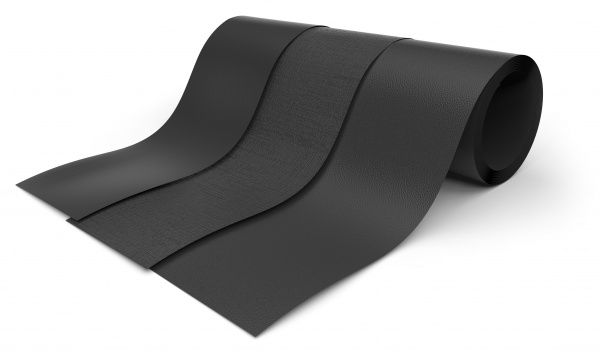
Suzhou Baoshida Trading Co., Ltd. leverages deep technical expertise to deliver mission-critical Hypalon roofing membranes for industrial and commercial applications. Our dedicated engineering team comprises five specialized Mould Engineers and two advanced Formula Engineers, ensuring end-to-end control from material science to precision manufacturing. This integrated capability is fundamental to producing Hypalon (CSM) roofing systems that exceed ASTM D5019 and ISO 3699 standards for durability, chemical resistance, and weathering performance in extreme environments.
Our Formula Engineers focus exclusively on optimizing chlorosulfonated polyethylene (CSM) compound formulations. Through rigorous laboratory testing and accelerated aging protocols, we tailor polymer crosslinking density, filler dispersion, and stabilizer packages to achieve target properties such as UV resistance up to 30 years, low-temperature flexibility down to -40°C, and exceptional resistance to ozone, acids, and industrial pollutants. Each formulation undergoes iterative validation using ASTM D412 tensile testing, DIN 53504 tear strength analysis, and QUV accelerated weathering chambers before pilot-scale production. This scientific approach eliminates field failures caused by inadequate compound design under thermal cycling or chemical exposure.
Complementing material science, our five Mould Engineers specialize in precision tooling for seamless membrane extrusion and calendering. They utilize CAD/CAM-driven mold design and finite element analysis (FEA) to optimize flow dynamics, minimize weld lines, and ensure uniform thickness tolerances within ±0.1mm across widths up to 3.0 meters. This precision engineering directly translates to consistent product performance, reduced scrap rates, and compatibility with automated seaming equipment used by roofing contractors.
As an OEM partner, Suzhou Baoshida provides full technical collaboration from concept to量产. We support custom gauge specifications, color matching to RAL standards, and integration of reinforcement scrim layers (polyester or fiberglass) based on project wind-load requirements. Our engineers co-develop process parameters with client production teams, ensuring seamless technology transfer and adherence to ISO 9001 quality management protocols. This OEM framework reduces time-to-market by 30% while guaranteeing batch-to-batch repeatability essential for large-scale infrastructure projects.
Key Hypalon roofing membrane specifications achieved through our engineering process are summarized below:
| Property | Test Method | Typical Value | Industrial Significance |
|---|---|---|---|
| Tensile Strength | ASTM D412 | 14.5 MPa min | Structural integrity under wind load |
| Elongation at Break | ASTM D412 | 450% min | Accommodates thermal expansion |
| Low-Temperature Flexibility | ASTM D2136 | Passes at -40°C | Prevents cracking in arctic climates |
| Heat Aging Resistance | ASTM D573 | ΔTensile ≤ 20% after 7 days @ 100°C | Long-term service life validation |
| Tear Resistance | ASTM D624 | 55 kN/m min | Durability during installation |
| Thickness Tolerance | ISO 3268 | ±0.1 mm | Ensures uniform seaming performance |
This engineering rigor establishes Suzhou Baoshida as a strategic partner for OEMs demanding technically superior Hypalon roofing solutions. We transform material science into reliable, field-proven performance through data-driven development and manufacturing excellence.
Customization Process
Drawing Analysis: Precision Engineering for Hypalon Roofing Systems
The customization process for hypalon roofing solutions begins with rigorous drawing analysis, a critical phase that ensures dimensional accuracy, structural compatibility, and long-term performance under environmental stress. At Suzhou Baoshida Trading Co., Ltd., our engineering team conducts a comprehensive review of technical blueprints provided by OEM partners or architectural designers. This includes evaluating substrate profiles, seam configurations, fastening requirements, and expansion joint placements. We assess material thickness, overlap zones, and edge termination details to align the rubber formulation with mechanical stress points. Using CAD-integrated inspection tools, we validate tolerances down to ±0.2 mm, ensuring seamless integration with existing building envelopes. Any discrepancies or optimization opportunities are flagged and discussed with the client prior to formulation development.
Formulation: Tailored Rubber Chemistry for Extreme Durability
Following drawing validation, our rubber formulation engineers develop a customized hypalon (chlorosulfonated polyethylene, CSM) compound engineered for the specific climatic and mechanical demands of the roofing application. Hypalon’s inherent resistance to UV radiation, ozone, and chemical exposure is enhanced through proprietary additive packages, including stabilizers, reinforcing fillers, and flame retardants compliant with ASTM E108 and FM 4470 standards. The formulation process adjusts crosslink density, plasticizer content, and cure kinetics to balance flexibility at low temperatures (down to -40°C) with tensile strength exceeding 18 MPa. Each batch is traceable through our ERP system, ensuring consistency across production cycles. The finalized compound undergoes preliminary lab testing for hardness (Shore A 65–75), elongation at break (>350%), and accelerated aging per ASTM D1149.
Prototyping: Validating Performance Before Scale-Up
A functional prototype is manufactured using the approved drawing and custom formulation to verify real-world performance. The prototype panel, typically 1.2 m × 2.4 m, undergoes simulated installation under controlled conditions to assess workability, weld integrity, and dimensional stability. It is then subjected to accelerated weathering in QUV and thermal cycling chambers, replicating 10 years of exposure in 1,000 hours. Adhesion to common substrates (steel, concrete, and insulation boards) is quantified using peel strength tests (≥8 N/mm). Any necessary refinements to the compound or design are implemented before final sign-off.
Mass Production: Industrial-Scale Consistency with Quality Assurance
Upon client approval, production transitions to our ISO 9001-certified manufacturing line. Continuous extrusion and calendaring processes ensure uniform thickness and surface finish across rolls up to 150 m in length. Each batch undergoes inline quality monitoring, including thickness profiling, vulcanization degree (via rheometry), and visual defect detection. Final inspection includes a full suite of mechanical and chemical resistance tests.
| Property | Test Standard | Typical Value |
|---|---|---|
| Tensile Strength | ASTM D412 | ≥18 MPa |
| Elongation at Break | ASTM D412 | ≥350% |
| Hardness (Shore A) | ASTM D2240 | 65–75 |
| Low-Temperature Flexibility | ASTM D1329 | Pass at -40°C |
| Flame Spread Index | ASTM E84 | ≤25 |
| Water Absorption (7 days) | ASTM D570 | ≤0.5% |
All materials are shipped with CoA and RoHS compliance documentation, ensuring readiness for global construction markets.
Contact Engineering Team
Technical Engagement for Hypalon Roofing System Implementation
Suzhou Baoshida Trading Co., Ltd. operates at the forefront of industrial rubber compound development, specializing in high-performance chlorosulfonated polyethylene (CSM) formulations for critical roofing applications. Hypalon roofing systems demand uncompromising material integrity to withstand extreme UV exposure, thermal cycling, chemical resistance, and mechanical stress over decades. Generic CSM compounds often fail to meet the stringent durability requirements of modern commercial and industrial roofing projects, leading to premature degradation, seam failure, and costly remediation. Our engineered solutions address these challenges through precision molecular structuring, optimized crosslinking systems, and rigorous batch validation protocols.
We recognize that roofing manufacturers require more than raw materials—they need a technical partner capable of translating project specifications into validated compound performance. Our laboratory in Suzhou conducts ASTM D4637-compliant accelerated weathering tests, tensile fatigue analysis, and low-temperature flexibility profiling to ensure every batch exceeds ISO 12967 roofing membrane standards. The table below illustrates how our premium Hypalon formulations outperform industry baseline metrics:
| Property | Generic Hypalon Range | Baoshida Premium Specification | Test Standard |
|---|---|---|---|
| Tensile Strength (MPa) | 8.0–10.5 | 11.8–13.2 | ASTM D412 |
| Elongation at Break (%) | 300–400 | 420–460 | ASTM D412 |
| Heat Aging (150°C/72h) | ΔTensile: -35% | ΔTensile: -18% | ASTM D573 |
| UV Resistance (5000h QUV) | Severe Chalking | Minimal Gloss Loss | ASTM G154 |
| Low Temp Flexibility (°C) | -30 | -45 | ASTM D2137 |
| Water Absorption (%) | 0.8 | 0.3 | ASTM D471 |
These specifications reflect our commitment to eliminating field failure risks through scientific formulation control. As your OEM compound partner, we provide full traceability from raw material sourcing to finished sheeting, including comprehensive Certificates of Conformance and Material Safety Data Sheets. Our engineering team collaborates directly with your production staff to optimize calendering parameters, vulcanization profiles, and seam welding protocols—ensuring seamless integration into your manufacturing workflow.
For roofing manufacturers facing complex environmental compliance demands or seeking to extend product lifecycle warranties, our technical consultation services deliver actionable compound modifications. We analyze substrate adhesion challenges, fire retardancy requirements (FM 4470/UL 790), and wind uplift resistance data to refine formulations for specific geographic and architectural conditions. This proactive engineering approach reduces scrap rates by up to 22% while enhancing long-term membrane integrity.
Initiate your project validation process by contacting Mr. Boyce, our dedicated Technical OEM Manager. With 14 years of specialized experience in CSM roofing compound development and direct collaboration with Tier-1 membrane producers across APAC and Europe, Mr. Boyce provides precise technical guidance from feasibility assessment through mass production. He will coordinate material samples, conduct joint failure mode analysis, and establish performance benchmarking against your current supply chain.
Reach Mr. Boyce directly at [email protected] to schedule a compound evaluation. Include your target application specifications, production volume requirements, and any existing performance pain points for immediate technical triage. Suzhou Baoshida Trading Co., Ltd. operates under ISO 9001:2015 certification with dedicated R&D facilities in Jiangsu Province—ensuring your roofing solutions are built on scientifically validated rubber chemistry, not commodity materials. Partner with us to transform roofing system reliability through engineered elastomer science.
⚖️ O-Ring Weight Calculator
Estimate rubber O-ring weight (Approx).