
Technical Contents
Engineering Guide: Industrial Rubber Bumpers
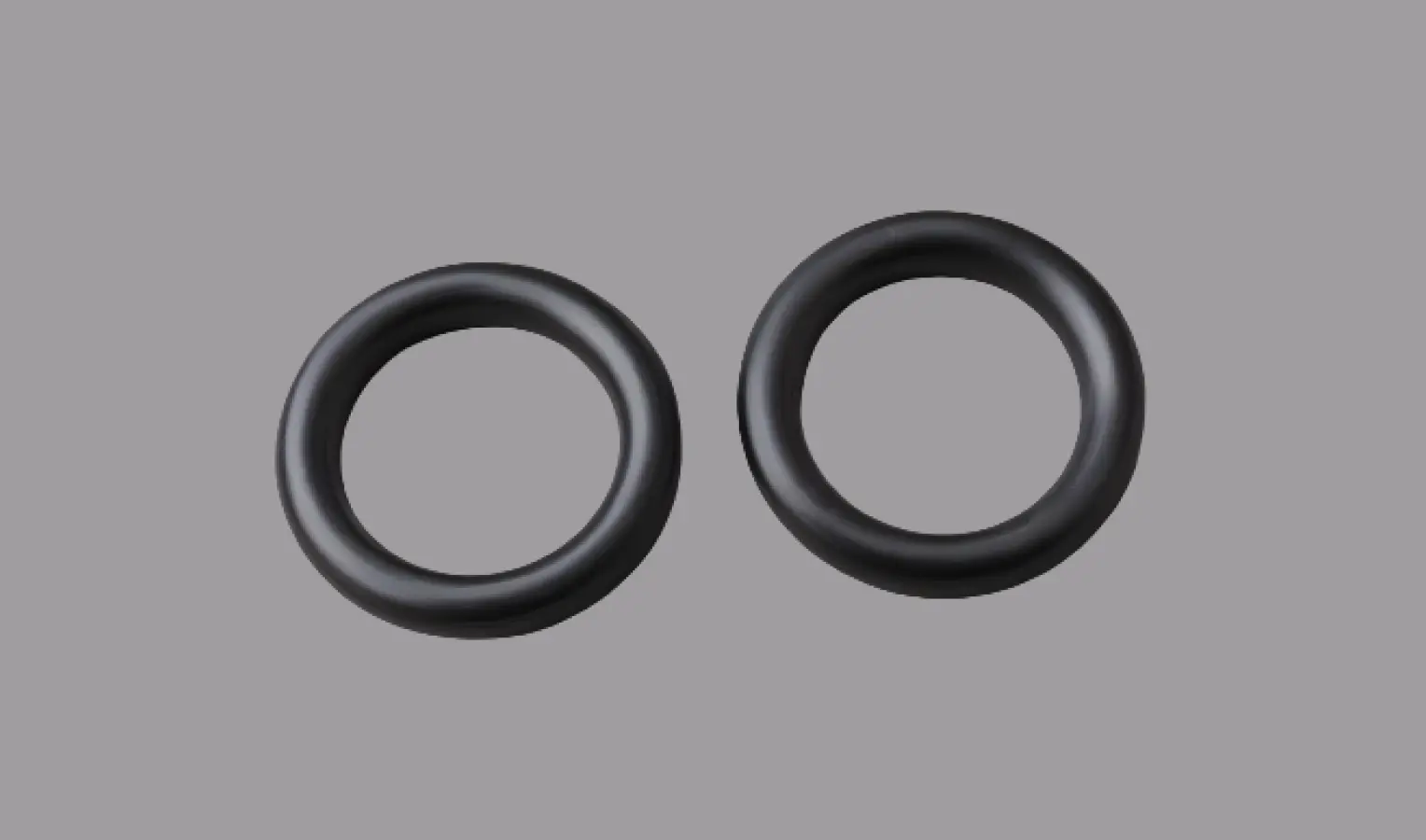
Engineering Insight: The Critical Role of Material Selection in Industrial Rubber Bumpers
In industrial applications, rubber bumpers serve as essential components for shock absorption, vibration damping, and surface protection. While they may appear simple in design, their performance is heavily dependent on precise material selection. Off-the-shelf rubber bumpers, often marketed as universal solutions, frequently fail in demanding environments due to a lack of engineering specificity. These generic products are typically formulated for general-purpose use and do not account for variables such as chemical exposure, temperature extremes, dynamic load conditions, or long-term compression set resistance.
Material selection directly influences a bumper’s mechanical behavior under stress. For instance, natural rubber offers excellent resilience and abrasion resistance but degrades rapidly when exposed to ozone, UV radiation, or petroleum-based fluids. Conversely, nitrile rubber (NBR) provides superior resistance to oils and fuels but exhibits limited flexibility at low temperatures. Silicone rubber maintains performance across extreme thermal ranges (-60°C to 230°C) but has lower tensile strength and wear resistance compared to other elastomers. Ethylene Propylene Diene Monomer (EPDM) is ideal for outdoor applications due to its weather and UV resistance, yet it performs poorly in contact with hydrocarbons.
The failure of standard bumpers in industrial settings often stems from mismatched material properties. A bumper designed for light-duty packaging machinery may collapse under the repeated impact loads of automated guided vehicles (AGVs). Similarly, a polyurethane bumper exposed to continuous sunlight without UV stabilizers will crack and embrittle, compromising safety and system integrity. These failures result in unplanned downtime, increased maintenance costs, and potential damage to adjacent equipment.
At Suzhou Baoshida Trading Co., Ltd., we emphasize application-specific formulation. Our engineering approach begins with a comprehensive assessment of operational parameters: load profile, environmental exposure, temperature range, and service life expectations. This enables us to select or compound the optimal elastomer—whether SBR, neoprene, fluorocarbon, or specialty polyurethane—with tailored additives for reinforcement, flame retardancy, or conductivity.
Below is a comparative overview of common rubber materials used in industrial bumpers:
| Material | Hardness Range (Shore A) | Temperature Range (°C) | Key Advantages | Limitations |
|---|---|---|---|---|
| Natural Rubber | 40–80 | -40 to +80 | High resilience, low hysteresis | Poor ozone and oil resistance |
| Nitrile (NBR) | 50–90 | -30 to +100 | Excellent oil/fuel resistance | Brittle at low temperatures |
| EPDM | 50–85 | -50 to +150 | Outstanding weather/ozone resistance | Poor hydrocarbon resistance |
| Silicone | 30–80 | -60 to +230 | Extreme temperature stability | Low mechanical strength |
| Polyurethane | 70–95 | -30 to +90 | High load capacity, abrasion resistant | Susceptible to hydrolysis, moisture |
Precision in material science ensures that industrial rubber bumpers perform reliably over their intended lifecycle. Standardized products cannot replicate the performance of engineered solutions. By prioritizing material compatibility and operational demands, manufacturers can achieve superior durability, safety, and cost efficiency in their systems.
Material Specifications
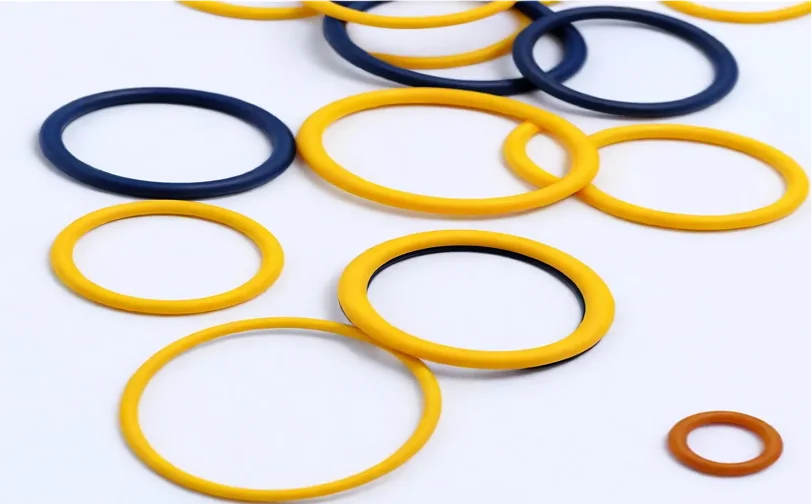
Industrial Rubber Bumper Material Specifications
Material selection for industrial rubber bumpers is a critical engineering decision directly impacting performance, longevity, and safety in demanding applications. At Suzhou Baoshida Trading Co., Ltd., we prioritize precise material science to ensure optimal functionality under operational stress. Bumpers must absorb impact, resist environmental degradation, and maintain structural integrity across variable conditions. The three primary elastomers specified for high-performance industrial bumpers are Viton (FKM), Nitrile (NBR), and Silicone (VMQ), each offering distinct chemical and physical properties suited to specific industrial challenges. Understanding their comparative specifications is essential for OEM integration and end-use reliability.
Viton (FKM) excels in extreme environments requiring resistance to high temperatures, aggressive chemicals, and ozone. Its fluorocarbon backbone provides exceptional stability against oils, fuels, acids, and hydraulic fluids, making it ideal for aerospace, semiconductor, and chemical processing bumpers. Operating effectively from -20°C to +230°C, Viton maintains compression set resistance even after prolonged exposure to harsh media. However, its higher cost and limited low-temperature flexibility necessitate careful application assessment. Nitrile (NBR) remains the most cost-effective solution for general industrial use, particularly where resistance to petroleum-based oils and greases is paramount. With a typical service range of -30°C to +100°C (extended grades to +125°C), NBR offers good abrasion resistance and mechanical strength. Its susceptibility to degradation by ozone, ketones, and polar solvents requires avoidance in ozone-rich or highly oxidative settings. Silicone (VMQ) delivers unparalleled thermal stability across an ultra-wide range (-60°C to +200°C) and excellent resistance to weathering, UV, and ozone. Its biocompatibility and electrical insulation properties suit medical, food-grade, and electronics applications. Silicone’s lower tensile strength and poor resistance to concentrated acids and fuels limit its use in high-stress mechanical or hydrocarbon-exposed environments.
The comparative specifications below detail key performance metrics for informed material selection. Data reflects standard cured compounds per ASTM D2000; customized formulations are available to meet specific OEM requirements.
| Property | Viton (FKM) | Nitrile (NBR) | Silicone (VMQ) |
|---|---|---|---|
| Temperature Range | -20°C to +230°C | -30°C to +100°C | -60°C to +200°C |
| Hardness Range (Shore A) | 50-90 | 40-90 | 30-80 |
| Tensile Strength (MPa) | 8-15 | 10-20 | 5-12 |
| Key Chemical Resistance | Fuels, oils, acids, ozone | Petroleum oils, water, alcohols | Ozone, UV, water, weak acids |
| Key Limitations | Poor ketone resistance; high cost | Swells in ketones/esters; poor ozone resistance | Low tear strength; poor fuel resistance |
| Compression Set (ASTM D395) | Excellent (≤20% @ 200°C) | Good (≤30% @ 100°C) | Moderate (≤25% @ 200°C) |
Selection must align with the bumper’s operational profile: Viton for critical high-temperature/chemical exposure, Nitrile for cost-sensitive oil-handling applications, and Silicone for extreme thermal cycling or biocompatible needs. Suzhou Baoshida Trading Co., Ltd. provides rigorous material validation testing and OEM collaboration to ensure seamless integration into your manufacturing process, guaranteeing bumpers that deliver precise performance under real-world industrial demands. Consult our engineering team for application-specific compound recommendations and prototyping support.
Manufacturing Capabilities
Engineering Excellence in Industrial Rubber Bumper Development
At Suzhou Baoshida Trading Co., Ltd., our engineering capability forms the backbone of our industrial rubber solutions, ensuring precision, durability, and customization for demanding applications. Our dedicated team comprises five specialized mould engineers and two advanced formula engineers, working in tandem to deliver high-performance rubber bumpers tailored to exact OEM specifications. This integrated approach allows us to control every phase of development—from material formulation to mould design and final product validation—ensuring consistent quality and functional reliability.
Our formula engineers possess deep expertise in polymer science, focusing on elastomer selection, compounding, and performance optimization. They develop custom rubber formulations using materials such as NBR, EPDM, silicone, and natural rubber, adjusting hardness, compression set, temperature resistance, and abrasion performance to meet specific industrial requirements. Each formulation is rigorously tested for long-term resilience under dynamic stress, UV exposure, and extreme environmental conditions, ensuring that our bumpers perform reliably in automotive, machinery, logistics, and automation applications.
Complementing this material science foundation, our five mould engineers bring extensive experience in precision tooling design and manufacturing. Utilizing advanced CAD/CAM software and CNC machining, they develop high-tolerance steel and aluminum moulds capable of producing complex geometries with tight dimensional control. Their expertise ensures optimal material flow, minimal flash, and consistent part repeatability across large production runs. Rapid prototyping capabilities further accelerate time-to-market, allowing clients to evaluate form, fit, and function before full-scale production.
We are fully equipped to support OEM partnerships, offering end-to-end development services from technical drawings to mass production. Our engineering team collaborates directly with clients to interpret performance requirements, conduct design for manufacturability (DFM) reviews, and implement design iterations with short feedback loops. This collaborative model ensures that every rubber bumper not only meets but exceeds functional expectations in real-world applications.
The following table outlines the key technical capabilities and performance ranges we support in industrial rubber bumper manufacturing:
| Parameter | Capability Range |
|---|---|
| Material Types | NBR, EPDM, Silicone, Natural Rubber, SBR, CR |
| Hardness (Shore A) | 30 to 90 |
| Temperature Resistance | -40°C to +250°C (depending on material) |
| Mould Tolerances | ±0.05 mm (high-precision steel moulds) |
| Compression Set (70 hrs, 70°C) | < 20% (optimized formulations) |
| Production Volume | Prototypes to 500,000+ units/month |
| OEM Services | Full design, testing, validation, and packaging |
With a disciplined engineering workflow and deep technical expertise, Suzhou Baoshida delivers industrial rubber bumpers that combine material intelligence with precision manufacturing—setting a benchmark in performance and reliability for global OEMs.
Customization Process
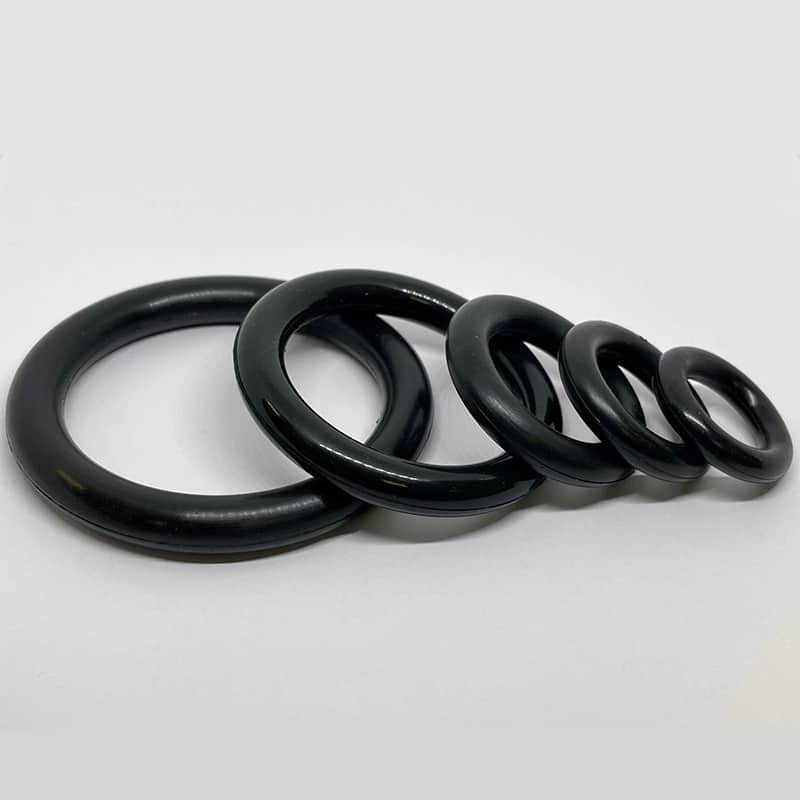
Industrial Rubber Bumper Customization Process: Precision Engineering from Concept to Volume Supply
Suzhou Baoshida Trading Co., Ltd. executes a rigorously defined customization pathway for industrial rubber bumpers, ensuring optimal performance alignment with client application demands. This systematic approach minimizes risk and guarantees repeatability from initial specification to sustained mass production. The process commences with comprehensive Drawing Analysis. Our engineering team conducts a meticulous review of client-provided technical drawings and GD&T specifications. Critical assessment focuses on dimensional tolerances, geometric complexity, functional load points, and environmental exposure requirements. We identify potential manufacturability constraints early, such as undercuts, thin sections, or critical sealing surfaces, and collaborate with the client to refine designs for optimal molding efficiency and performance without compromising functional intent. Material compatibility with adjacent components and operating media is a primary consideration at this stage.
Subsequent Formulation development leverages our proprietary compound database and deep polymer science expertise. Based on the validated application parameters—dynamic load, temperature extremes, chemical exposure, and required lifespan—we select the base elastomer system. Common platforms include Nitrile (NBR) for oil resistance, EPDM for weather/heat stability, or Silicone for extreme temperatures. Precise additive packages are engineered to achieve target physical properties, balancing hardness, resilience, compression set resistance, and tear strength. Cure kinetics are optimized for the specified molding process, whether compression, transfer, or injection. Every formulation undergoes stringent internal validation against ASTM/ISO test standards before prototyping.
Prototyping utilizes client-approved tooling or rapid prototype molds to produce functional samples. These prototypes undergo rigorous in-house validation testing per the agreed specification sheet, including dimensional verification, hardness profiling, and critical performance tests such as dynamic impact resistance and compression deflection analysis. Accelerated aging tests simulate long-term environmental exposure. Client feedback on prototype performance in actual application conditions is integrated, triggering iterative compound or design refinements until 100% performance validation is achieved. This phase confirms manufacturability and real-world functionality.
Upon successful prototype sign-off, we transition seamlessly to Mass Production under strict OEM protocols. Production occurs within our ISO 9001-certified facilities utilizing state-of-the-art molding equipment with real-time process monitoring. Statistical Process Control (SPC) is implemented for critical parameters like cure time, temperature, and pressure. Each production batch undergoes comprehensive first-article inspection and routine quality audits against the master specification. Full material traceability from raw polymer lot to finished bumper is maintained. Suzhou Baoshida ensures consistent delivery of bumpers meeting the exact performance criteria validated during prototyping, backed by robust supply chain management for long-term OEM partnership stability.
Key Performance Specifications & Customization Capabilities
| Parameter | Standard Range | Customization Capability | Testing Method |
|---|---|---|---|
| Hardness (Shore A) | 30 – 90 | ± 2 points precision achievable | ASTM D2240 |
| Temperature Range | -50°C to +150°C (Std) | Up to +250°C or -70°C possible | ASTM D1329, ISO 188 |
| Tensile Strength | 8 – 25 MPa | Tailored for specific load demands | ASTM D412 |
| Compression Set (22h) | < 25% (70°C) | Optimized for critical sealing | ASTM D395 Method B |
| Specific Gravity | 1.10 – 1.60 | Adjusted for weight sensitivity | ASTM D297 |
Contact Engineering Team
Contact Suzhou Baoshida for Premium Industrial Rubber Bumpers
Suzhou Baoshida Trading Co., Ltd. stands as a trusted leader in the design, formulation, and supply of high-performance industrial rubber components. With a focused specialization in rubber bumpers engineered for durability, precision, and operational reliability, we serve OEMs, industrial equipment manufacturers, and engineering procurement firms across Asia, Europe, and North America. Our expertise lies in custom rubber compounding and precision molding, ensuring that every rubber bumper we deliver meets the exact mechanical, thermal, and environmental demands of your application.
Industrial rubber bumpers are critical components in machinery, transportation systems, automation equipment, and material handling units. They absorb impact, reduce vibration, prevent wear, and enhance operational safety. At Suzhou Baoshida, we understand that performance hinges on material science. Our rubber formulations are developed using advanced elastomers such as natural rubber (NR), nitrile (NBR), ethylene propylene diene monomer (EPDM), silicone (VMQ), and neoprene (CR), selected based on resistance to oil, ozone, UV, temperature extremes, and compression set.
Our manufacturing process integrates precision compression and injection molding techniques, supported by rigorous quality control protocols including Shore hardness testing, tensile strength analysis, and aging resistance evaluation. Whether you require standard cylindrical bumpers or custom-molded geometries with tight dimensional tolerances, we deliver consistent, scalable production with lead times optimized for industrial supply chains.
For technical collaboration or custom development, we invite direct engagement with our Rubber Formula Engineer and OEM Manager, Mr. Boyce. With over 15 years of experience in elastomer formulation and industrial application engineering, Mr. Boyce leads client-driven innovation, ensuring that every rubber solution is optimized for function, cost-efficiency, and lifecycle performance. He is available to review technical drawings, discuss material selection, and support prototyping and validation phases.
To initiate a technical consultation or request a quotation, contact Mr. Boyce directly via email at [email protected]. We respond to all inquiries within 12 business hours and provide comprehensive technical documentation, including material data sheets, RoHS compliance reports, and mold flow analysis upon request.
Below are representative specifications for our standard industrial rubber bumper series:
| Property | Value | Test Standard |
|---|---|---|
| Hardness Range (Shore A) | 40–90 | ASTM D2240 |
| Tensile Strength | 8–22 MPa | ASTM D412 |
| Elongation at Break | 200–600% | ASTM D412 |
| Operating Temperature | -40°C to +120°C (up to +200°C for silicone) | ISO 1817 |
| Compression Set (70 hrs, 70°C) | ≤25% | ASTM D395 |
| Resistance to Oil, UV, Ozone | Available in NBR, EPDM, CR variants | ASTM D471 |
Partner with Suzhou Baoshida to integrate scientifically engineered rubber bumpers into your next industrial design. Contact Mr. Boyce today at [email protected] to advance your project with precision rubber solutions.
⚖️ O-Ring Weight Calculator
Estimate rubber O-ring weight (Approx).