
Technical Contents
Engineering Guide: Insulation Valve
Engineering Insight: Material Selection Criticality in Insulation Valve Performance
Industrial insulation valves operate under extreme thermal cycling, chemical exposure, and mechanical stress. Standard off-the-shelf rubber components frequently fail prematurely in these demanding applications, leading to costly leaks, unplanned downtime, and safety hazards. The root cause lies not in valve design per se, but in inadequate elastomer formulation. Generic seals utilize commodity rubber compounds optimized for cost and broad applicability, not the specific degradation mechanisms inherent to thermal insulation systems. These materials exhibit poor resistance to thermal oxidation at sustained elevated temperatures common in steam or cryogenic lines, suffer accelerated compression set under constant load, and lack resilience against aggressive media like hot oils, amines, or superheated water. Consequently, standard EPDM or NBR seals harden, crack, or extrude, compromising the critical sealing interface long before the valve’s mechanical lifespan is exhausted.
Material science dictates that successful insulation valve performance requires engineered elastomers with precisely balanced properties. Suzhou Baoshida Trading Co., Ltd. employs advanced compounding techniques to tailor polymers for the exact thermal profile, fluid compatibility, and pressure requirements of the application. Key differentiators include peroxide-cured fluoroelastomers (FKM) for superior high-temperature stability beyond 200°C, specialty hydrogenated nitrile butadiene rubber (HNBR) for enhanced dynamic resilience in cyclic service, and custom-synthesized fluorosilicones (FVMQ) where extreme low-temperature flexibility down to -55°C is mandatory alongside fuel resistance. Crucially, these formulations optimize critical parameters like compression set resistance to maintain sealing force over years of service, and minimize fluid permeation to prevent media-induced swelling or degradation. Off-the-shelf solutions lack this targeted molecular architecture, resulting in unpredictable failure modes.
The following comparison illustrates the performance gap between standard materials and engineered compounds for insulation valve seals:
| Property | Standard EPDM Seal | Baoshida Engineered FKM Seal |
|---|---|---|
| Continuous Temp Range (°C) | -40 to +150 | -20 to +230 |
| Compression Set (ASTM D395) | 35% (22h @ 150°C) | 12% (70h @ 200°C) |
| Tensile Retention (ASTM D573) | 55% (70h @ 150°C air) | 85% (168h @ 200°C air) |
| Resistance to Amine Scrubbers | Poor (Severe Swelling) | Excellent (Minimal Swell) |
| Fluid Permeation Rate | High | Very Low |
Investing in application-specific elastomer formulation is not a cost premium but a strategic risk mitigation. Generic seals impose hidden costs through frequent replacement cycles, production interruptions, and potential environmental incidents. Suzhou Baoshida Trading Co., Ltd. leverages OEM partnerships to translate rigorous material science into valves that deliver predictable, long-term integrity under the harshest insulation service conditions, ensuring operational continuity and compliance with ISO 22307 sealing performance standards. Material selection is the definitive factor separating valve function from valve failure.
Material Specifications
Material selection for insulation valves in industrial applications requires precise evaluation of chemical compatibility, thermal stability, mechanical performance, and environmental resistance. At Suzhou Baoshida Trading Co., Ltd., we specialize in high-performance rubber solutions tailored for demanding sealing environments. Our expertise in Viton, Nitrile (NBR), and Silicone (VMQ) materials ensures reliable performance across diverse operational conditions. Each elastomer offers distinct advantages depending on the application’s chemical exposure, temperature range, and pressure requirements.
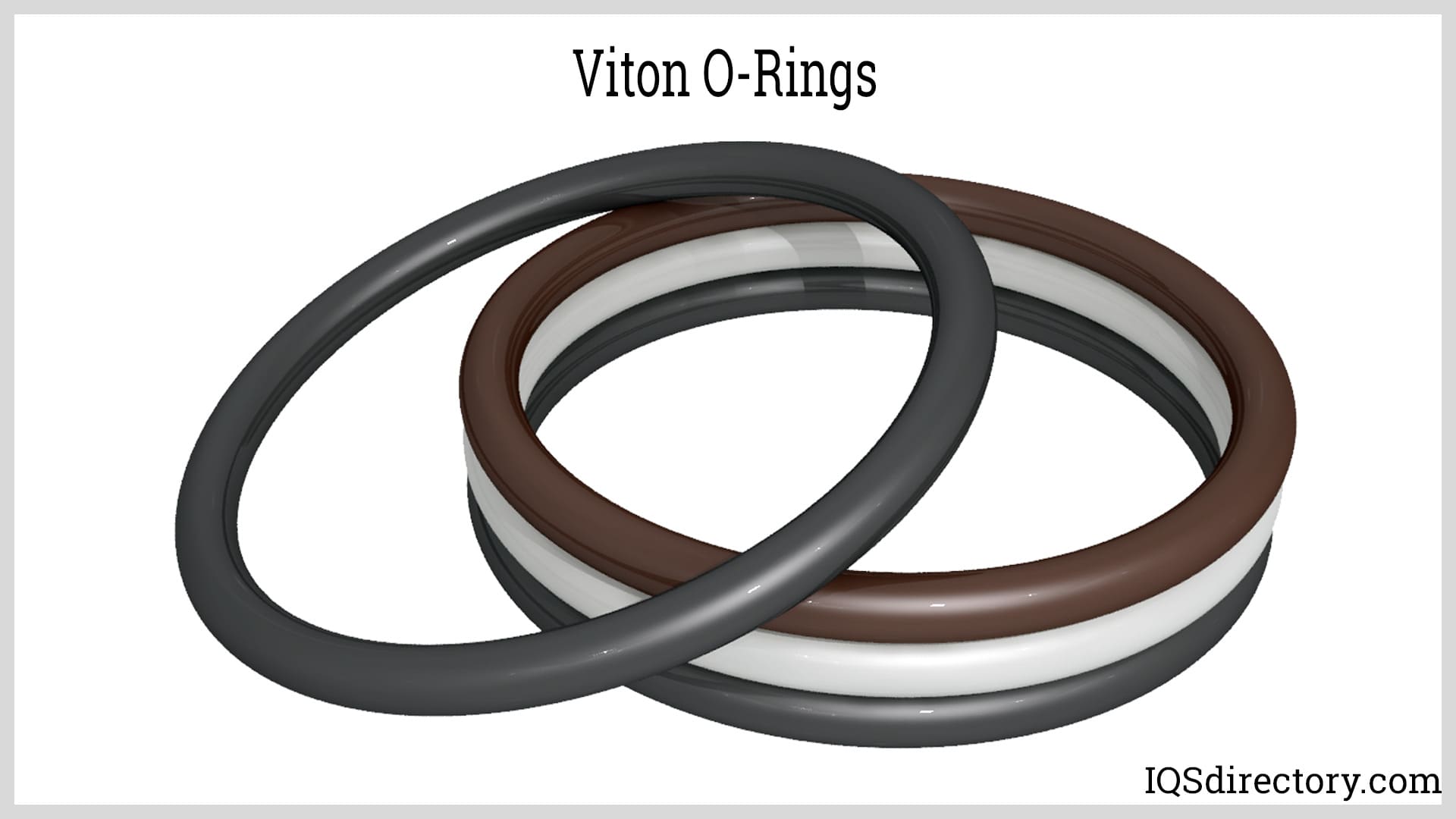
Viton, a fluorocarbon-based rubber (FKM), delivers superior resistance to high temperatures, oils, fuels, and aggressive chemicals. It maintains integrity in continuous service up to 200°C and short-term excursions up to 250°C. This makes Viton an ideal choice for insulation valves used in petrochemical, automotive, and aerospace industries where exposure to hydrocarbons and halogenated solvents is common. Its low gas permeability and excellent aging characteristics further enhance long-term sealing reliability under extreme conditions.
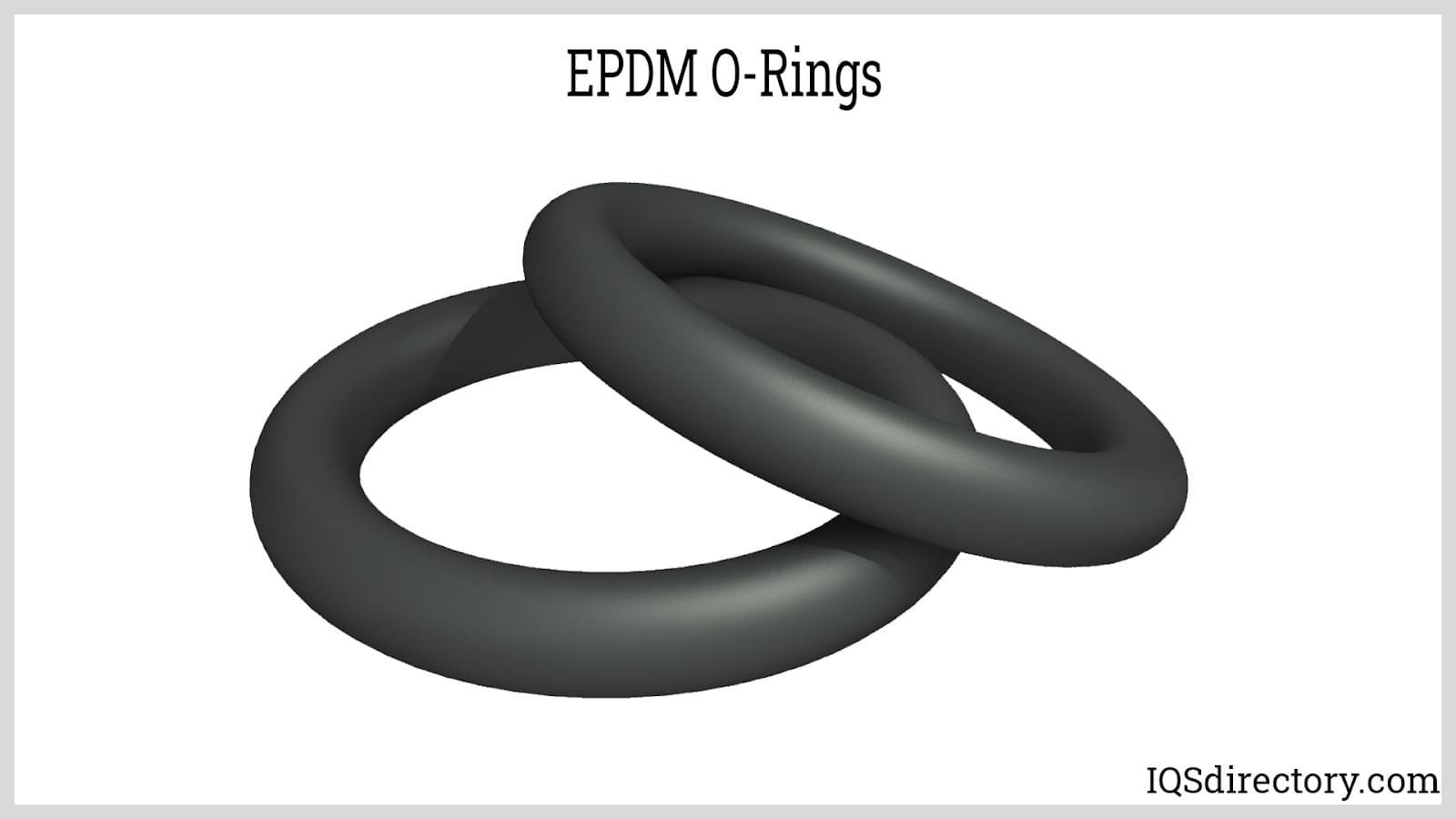
Nitrile rubber, or Buna-N, is widely used for its excellent resistance to petroleum-based oils, hydraulic fluids, and aliphatic hydrocarbons. With a standard operating temperature range of -30°C to 100°C, Nitrile provides cost-effective performance in general industrial applications. It exhibits good abrasion resistance and tensile strength, making it suitable for dynamic sealing applications. However, its performance degrades in the presence of ozone, UV radiation, and polar solvents, limiting its use in outdoor or highly oxidative environments.
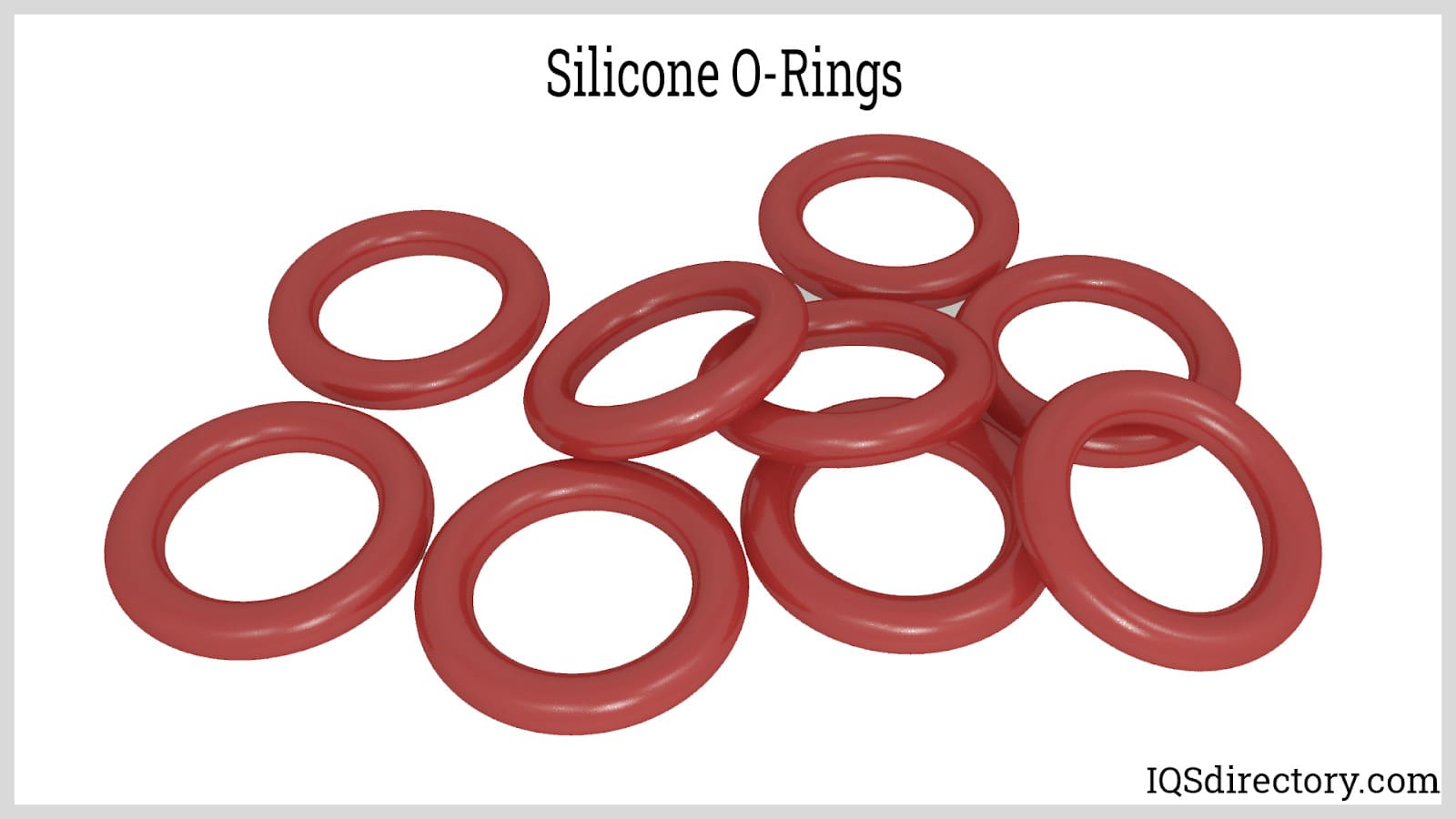
Silicone rubber (VMQ) excels in extreme temperature applications, functioning reliably from -60°C to 200°C. It offers outstanding resistance to UV, ozone, and weathering, making it ideal for outdoor or high-purity environments such as pharmaceutical and food processing industries. While silicone demonstrates low mechanical strength compared to Viton or Nitrile, it provides excellent electrical insulation properties and biocompatibility. It is not recommended for use with petroleum-based fluids due to poor swelling resistance.
The following table compares key physical and chemical properties of these materials to guide optimal selection for insulation valve applications:
| Property | Viton (FKM) | Nitrile (NBR) | Silicone (VMQ) |
|---|---|---|---|
| Temperature Range (°C) | -20 to 200 (up to 250 short-term) | -30 to 100 | -60 to 200 |
| Tensile Strength (MPa) | 15–20 | 10–25 | 5–10 |
| Elongation at Break (%) | 200–300 | 250–500 | 200–600 |
| Hardness (Shore A) | 60–90 | 50–90 | 30–80 |
| Resistance to Oils & Fuels | Excellent | Excellent | Poor |
| Resistance to Ozone/UV | Excellent | Fair | Excellent |
| Compression Set Resistance | Excellent | Good | Good |
| Fluid Compatibility | Hydrocarbons, acids, solvents | Aliphatic hydrocarbons, water, hydraulic fluids | Water, polar solvents, acids (dilute) |
| Typical Applications | Petrochemical, aerospace, high-temp seals | Hydraulic systems, industrial machinery | Medical, food processing, electrical insulation |
Selecting the appropriate elastomer requires balancing performance requirements with cost and environmental exposure. Suzhou Baoshida Trading Co., Ltd. provides customized rubber formulations to meet OEM specifications and international standards, ensuring long-term reliability in critical insulation valve systems.
Manufacturing Capabilities
Engineering Capability: Precision Rubber Solutions for Insulation Valves
Suzhou Baoshida Trading Co., Ltd. leverages integrated engineering expertise to deliver mission-critical insulation valve components for demanding industrial applications. Our dedicated team comprises five specialized mould engineers and two advanced rubber formula engineers, operating within a unified R&D ecosystem. This structure ensures seamless translation of material science into precision-engineered geometries, directly addressing thermal insulation, fluid compatibility, and long-term sealing integrity challenges inherent in valve systems. Unlike conventional suppliers, we prioritize co-engineering from the initial specification phase, eliminating iterative redesigns and accelerating time-to-market for complex sealing solutions.
Our formula engineering team develops proprietary elastomeric compounds tailored to extreme operational parameters. Through rigorous polymer selection, filler optimization, and additive synergism, we achieve exceptional thermal stability, low compression set, and resistance to aggressive media such as steam, hydrocarbons, and chemical solvents. Each formulation undergoes ASTM D2000 verification for critical properties, with custom adjustments for dynamic sealing performance under cyclic temperature loads. The mould engineering division then implements these compounds using precision CNC-machined tooling, incorporating finite element analysis (FEA) to predict flow behavior, minimize knit lines, and ensure dimensional repeatability within ±0.05mm tolerances. This closed-loop process guarantees that material performance aligns exactly with the valve’s functional requirements.
As a certified OEM partner, we provide end-to-end ownership of the manufacturing process, from IP-protected compound development to final validation testing. Clients retain full rights to custom formulations and tooling, with strict confidentiality protocols enforced throughout production. Our facility supports low-volume prototyping through high-volume manufacturing, utilizing automated injection molding systems with real-time process monitoring to maintain batch consistency. Every insulation valve component undergoes 100% dimensional inspection and application-specific functional testing, including thermal cycling and pressure decay validation, ensuring compliance with ISO 9001 and industry-specific standards.
The table below illustrates typical performance parameters for our standard and custom insulation valve compounds, demonstrating our capacity to exceed baseline requirements through targeted formulation science.
| Property | Standard EPDM Compound | Custom High-Temp FKM Compound | Test Standard |
|---|---|---|---|
| Hardness (Shore A) | 65 ± 5 | 70 ± 3 | ASTM D2240 |
| Temperature Range (°C) | -40 to +135 | -25 to +230 | ASTM D573 |
| Compression Set (70h/150°C) | ≤ 25% | ≤ 18% | ASTM D395 |
| Fluid Resistance (IRM 903) | Volume Swell ≤ 15% | Volume Swell ≤ 8% | ASTM D471 |
| Tensile Strength (MPa) | ≥ 10.0 | ≥ 14.5 | ASTM D412 |
This engineering synergy—combining deep material science with precision tooling execution—enables Suzhou Baoshida to solve previously intractable sealing failures in insulation valves. We transform client specifications into validated, production-ready components with documented performance traceability, ensuring operational reliability in power generation, petrochemical, and industrial fluid handling systems. Partner with us to convert material limitations into engineering advantages.
Customization Process
Drawing Analysis
The customization process for industrial rubber insulation valves begins with precise drawing analysis, a critical step that ensures dimensional accuracy, functional compatibility, and compliance with OEM specifications. At Suzhou Baoshida Trading Co., Ltd., our engineering team conducts a comprehensive review of technical blueprints provided by the client, verifying key parameters such as flange dimensions, bore diameter, face-to-face length, and sealing surface profiles. We assess material callouts, pressure ratings, and environmental exposure conditions to determine the feasibility of the design under operational stress. Tolerance stacking, elastomer compression set requirements, and mating component interfaces are evaluated using CAD-based simulation tools to preempt fitment issues. This phase also includes a manufacturability assessment to optimize mold design and reduce production cycle times. Client feedback is integrated iteratively until final approval is obtained.
Formulation Development
Following drawing validation, our rubber formulation engineers develop a proprietary elastomer compound tailored to the valve’s service environment. The selection of polymer base—such as EPDM, NBR, FKM, or silicone—is determined by factors including temperature range, chemical exposure, and required mechanical strength. Additives such as reinforcing fillers, antioxidants, plasticizers, and vulcanizing agents are precision-blended to achieve target hardness (Shore A), tensile strength, elongation at break, and compression set performance. Each formulation is documented under strict batch control protocols and subjected to accelerated aging tests, fluid immersion analysis, and dynamic sealing simulations. This ensures long-term reliability in applications ranging from high-temperature steam systems to aggressive chemical processing environments.
Prototyping and Validation
Once the compound is finalized, low-volume prototyping is initiated using precision compression or transfer molding techniques. Prototypes are machined and inspected per ISO 3302 and ISO 2768 standards for dimensional conformity. Functional testing includes pressure cycling, leak rate measurement under ANSI/FCI 70-2 Class VI standards, and thermal shock evaluation. Performance data is compiled and shared with the client for technical sign-off. Any design or material adjustments are implemented in this stage to mitigate field failure risks. Prototype approval triggers the transition to full-scale production.
Mass Production and Quality Assurance
Mass production is executed in our ISO 9001-certified facility with automated mixing, molding, and curing systems to ensure batch consistency. In-process quality checks, including rheometric testing (ASTM D5289), hardness verification, and visual inspection, are conducted at defined intervals. Final products undergo 100% dimensional sampling and batch-level physical property validation per ASTM standards. All insulation valves are traceable via lot numbering and accompanied by material certifications (e.g., RoHS, REACH, FDA if applicable).
| Parameter | Standard Test Method | Typical Value Range |
|---|---|---|
| Hardness (Shore A) | ASTM D2240 | 55–85 |
| Tensile Strength | ASTM D412 | 8–18 MPa |
| Elongation at Break | ASTM D412 | 200–500% |
| Compression Set (70h, 70°C) | ASTM D395 | ≤25% |
| Operating Temperature | — | -40°C to +200°C (FKM) |
Contact Engineering Team
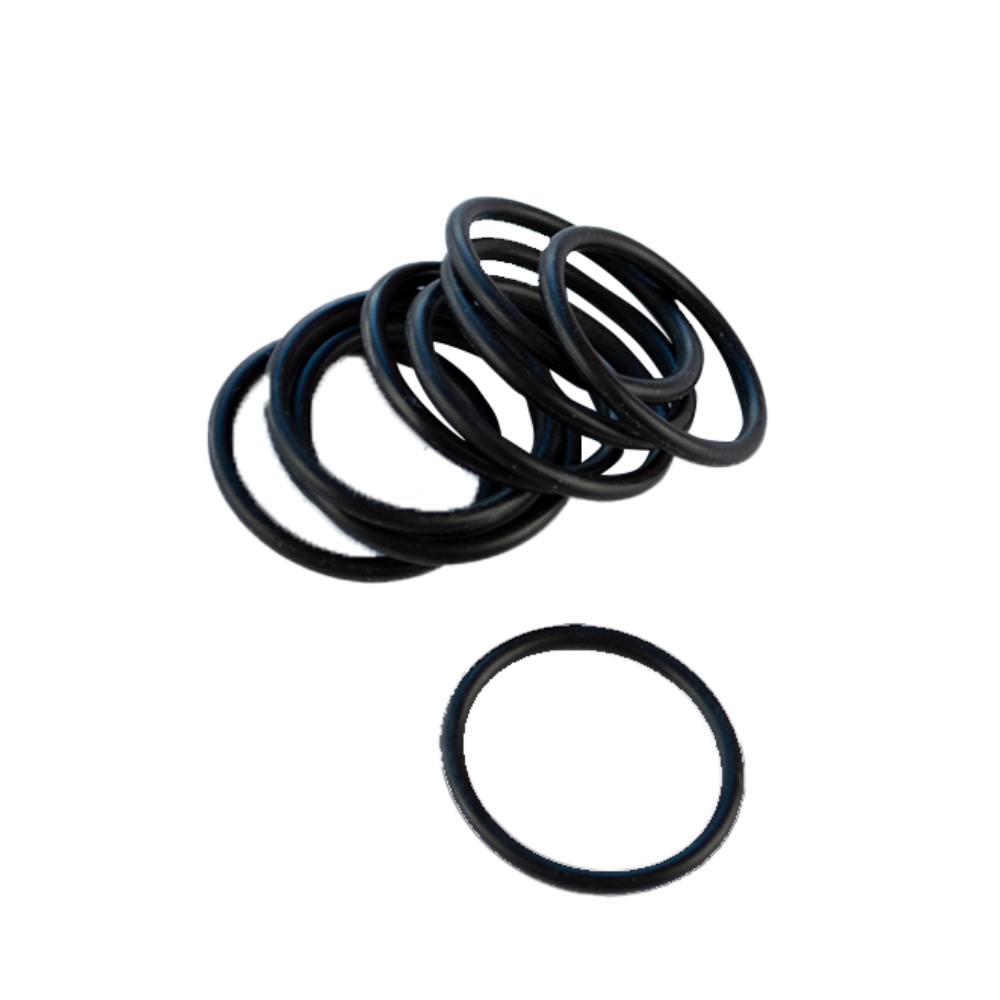
Contact Suzhou Baoshida for Precision Rubber Insulation Valve Solutions
Suzhou Baoshida Trading Co., Ltd. stands as your definitive engineering partner for advanced industrial rubber components, specifically engineered for critical applications like insulation valves within high-performance fluid control systems. Our core competency lies in the scientific formulation and precision manufacturing of elastomeric materials that directly address the demanding thermal, chemical, and mechanical stresses inherent in modern industrial valve operations. Generic rubber compounds fail under the extreme conditions encountered in steam, cryogenic, or aggressive media handling; our proprietary formulations deliver the consistent sealing integrity, thermal stability, and longevity required to minimize downtime and ensure operational safety. As your dedicated OEM manager and rubber formula engineer, I emphasize that successful insulation valve performance is fundamentally rooted in material science—not just component geometry. We translate your specific application parameters—operating temperature extremes, media compatibility requirements, pressure cycles, and regulatory standards—into bespoke rubber compounds optimized for your valve design.
Our engineering process begins with rigorous material characterization and ends with validated production batches meeting exacting dimensional and performance tolerances. The table below outlines the critical performance parameters achievable with our standard and custom insulation valve rubber formulations, demonstrating our capability to exceed typical industry benchmarks.
| Property | Standard EPDM Compound | High-Performance Custom Compound | Test Standard |
|---|---|---|---|
| Temperature Range (°C) | -50 to +150 | -70 to +200 | ASTM D2000 |
| Shore A Hardness | 60 ± 5 | 50 to 80 (Customizable) | ASTM D2240 |
| Tensile Strength (MPa) | ≥ 10.0 | ≥ 15.0 | ASTM D412 |
| Elongation at Break (%) | ≥ 250 | ≥ 350 | ASTM D412 |
| Compression Set (22h, 150°C) | ≤ 30% | ≤ 15% | ASTM D395 Method B |
| Fluid Resistance (IRM 903) | Volume Swell ≤ 25% | Volume Swell ≤ 10% | ASTM D471 |
Engaging Suzhou Baoshida means accessing direct collaboration with the engineers who define your material’s performance envelope. We do not offer off-the-shelf compromises; we develop solutions. Mr. Boyce, our dedicated technical liaison, possesses the dual expertise in rubber chemistry and valve system integration necessary to translate your insulation valve challenges into actionable manufacturing specifications. He will initiate a structured technical dialogue focused on your application’s unspoken demands—cycle life expectations, failure mode analysis, and total cost of ownership—ensuring the proposed rubber solution is validated against real-world operational data, not just datasheet figures. This precision engineering approach eliminates costly field failures and reduces validation timelines significantly.
Initiate your path to superior insulation valve performance immediately. Contact Mr. Boyce directly via email at [email protected] to schedule a confidential technical consultation. Provide your specific valve operating conditions, media composition, and performance targets. Mr. Boyce will respond within 24 business hours with a preliminary material assessment and a clear outline of the next engineering steps. Do not standardize your critical sealing components based on generic catalogs. Partner with Suzhou Baoshida where rubber science meets industrial valve reliability, and let our formulations become the proven foundation of your insulation valve’s operational excellence. Your requirement for failure-resistant sealing starts with a single, precise technical conversation. Reach out to Mr. Boyce today to define the exact material solution your application demands.
⚖️ O-Ring Weight Calculator
Estimate rubber O-ring weight (Approx).