
Technical Contents
Engineering Guide: Interlocking Rubber Pavers Outdoor
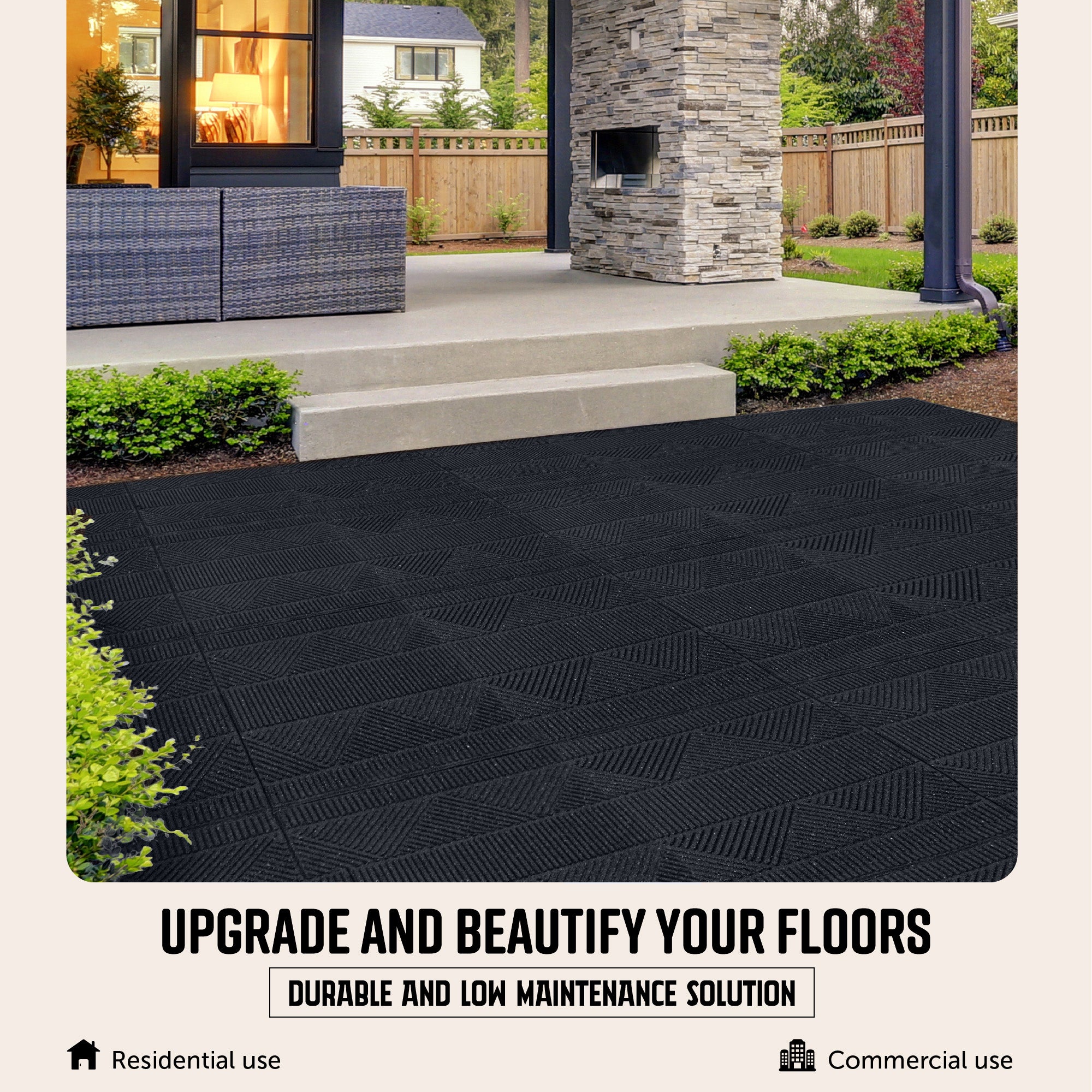
Engineering Insight: Material Selection Imperatives for Interlocking Rubber Pavers
The outdoor performance of interlocking rubber pavers hinges critically on precise material formulation. Off-the-shelf solutions frequently fail due to inadequate consideration of environmental stressors, leading to premature degradation, safety hazards, and significant lifecycle cost escalation. Generic recycled rubber compounds—often sourced from uncontrolled tire streams—contain inconsistent polymer matrices, excessive filler content, and insufficient UV stabilizers. These deficiencies manifest as rapid surface cracking under solar radiation, irreversible compression set from static loads, and catastrophic loss of interlock integrity due to thermal expansion mismatches. Field failures commonly occur within 12–18 months in temperate climates, accelerating to under 6 months in high-UV or freeze-thaw regions. Such failures stem not from rubber’s inherent properties but from the absence of engineered material science protocols.
Industrial-grade pavers demand formulations balancing resilience, weatherability, and structural cohesion. Key requirements include: sustained elasticity to absorb impact energy (critical for playground safety), resistance to ozone-induced cracking, and dimensional stability across -40°C to +70°C operational ranges. Off-the-shelf products typically prioritize low cost over performance, utilizing >30% non-reinforcing fillers (e.g., calcium carbonate) that compromise tensile strength and accelerate UV degradation. Conversely, engineered compounds employ precision-blended SBR/EPDM polymers with nano-dispersed carbon black for UV absorption, coupled with synergistic antioxidant packages validated through accelerated aging protocols. The interlock mechanism itself fails when material coefficients of thermal expansion exceed design tolerances, causing buckling or separation. Only formulations with rigorously controlled crosslink density and filler-polymer bonding maintain dimensional fidelity across thermal cycles.
Suzhou Baoshida Trading Co., Ltd. addresses these challenges through OEM-specific compounding. Our formulations undergo ASTM D4329 cyclic weathering validation (500+ hours QUV-B) and ISO 188 heat aging (70°C x 168h), ensuring performance retention where generic products disintegrate. Below are critical material benchmarks distinguishing engineered solutions from commodity alternatives:
| Property | Off-the-Shelf Failure Point | Engineered Solution Target | Test Standard |
|---|---|---|---|
| UV Resistance (ΔYI) | >15.0 after 200h QUV-B | <5.0 after 500h QUV-B | ASTM D4329 |
| Compression Set (70°C) | >45% after 22h | <25% after 22h | ASTM D395 Method B |
| Tensile Strength | <5.0 MPa | 8.5–10.5 MPa | ASTM D412 |
| Rebound Resilience | <35% | 45–55% | ASTM D1054 |
| Filler Content | >35% (non-reinforcing) | ≤22% (reinforcing silica) | ASTM D5600 |
Material selection directly dictates lifecycle economics. Commodity pavers require replacement every 2–3 years due to surface deterioration and interlock failure, incurring 300% higher TCO versus engineered solutions lasting 8–10 years. Suzhou Baoshida’s OEM partnerships integrate application-specific polymer architecture, ensuring pavers withstand pedestrian/vehicular loads while maintaining slip resistance and aesthetic integrity. This precision engineering eliminates the false economy of initial cost savings, delivering verifiable ROI through durability and reduced maintenance. For industrial clients, material science is not a cost center—it is the foundation of outdoor infrastructure resilience.
Material Specifications
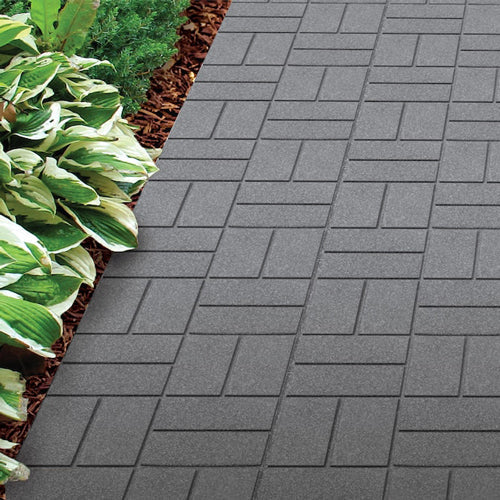
Material Specifications for Interlocking Rubber Pavers: Industrial-Grade Elastomer Options
Interlocking rubber pavers designed for outdoor industrial, commercial, and heavy-duty applications require elastomeric materials that balance durability, environmental resistance, and mechanical performance. At Suzhou Baoshida Trading Co., Ltd., we specialize in advanced rubber formulations tailored to meet the rigorous demands of outdoor infrastructure. The selection of base polymer significantly influences the paver’s service life, chemical compatibility, and resilience under thermal and mechanical stress. Among the most effective materials for such applications are Viton (FKM), Nitrile (NBR), and Silicone (VMQ), each offering distinct performance profiles.
Viton, a fluorocarbon-based rubber, delivers exceptional resistance to high temperatures, UV radiation, ozone, and a broad spectrum of chemicals, including oils, fuels, and acids. This makes it ideal for outdoor installations in industrial zones, fueling stations, or chemical handling areas where exposure to aggressive substances is unavoidable. With an operational temperature range extending from -20°C to +250°C, Viton-based pavers maintain structural integrity under extreme thermal cycling. However, its higher material cost is a consideration for budget-sensitive applications.
Nitrile rubber, or acrylonitrile butadiene rubber (NBR), is widely used for its excellent resistance to petroleum-based oils, greases, and water. It offers good abrasion resistance and tensile strength, making it suitable for outdoor loading docks, garages, and manufacturing floors. NBR performs reliably in temperatures ranging from -30°C to +100°C, with performance declining above this threshold due to hardening or softening. While less resistant to UV and ozone than Viton or Silicone, NBR formulations can be enhanced with stabilizers to improve outdoor longevity.
Silicone rubber (VMQ) excels in extreme temperature environments, with a functional range from -60°C to +200°C. It exhibits outstanding resistance to UV light, ozone, and weathering, making it a top choice for long-term outdoor exposure in variable climates. Silicone pavers retain flexibility and color stability over time, though they exhibit lower abrasion resistance compared to NBR or Viton. This makes them better suited for pedestrian zones, rooftop platforms, or temperature-sensitive environments rather than high-traffic vehicular areas.
Selection among these materials should be based on the specific environmental and mechanical demands of the installation site. Below is a comparative overview of key performance characteristics.
| Property | Viton (FKM) | Nitrile (NBR) | Silicone (VMQ) |
|---|---|---|---|
| Temperature Range (°C) | -20 to +250 | -30 to +100 | -60 to +200 |
| UV Resistance | Excellent | Fair | Excellent |
| Ozone Resistance | Excellent | Poor to Fair | Excellent |
| Oil & Fuel Resistance | Outstanding | Very Good | Poor |
| Abrasion Resistance | Good | Very Good | Moderate |
| Compression Set Resistance | Excellent | Good | Good |
| Typical Outdoor Use Cases | Chemical plants, refineries | Garages, industrial flooring | Rooftops, walkways, cold climates |
Manufacturing Capabilities
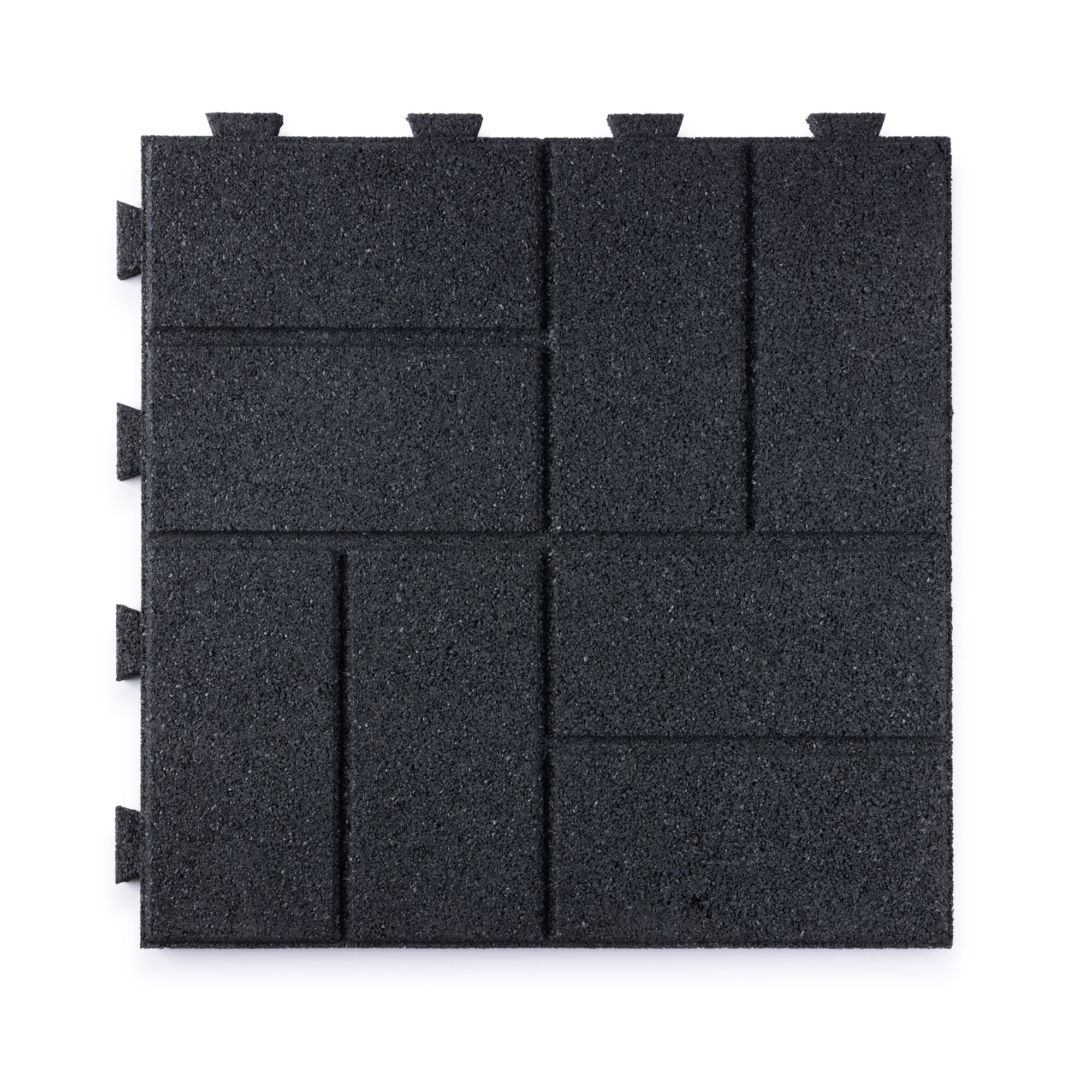
Integrated Engineering Capability for Interlocking Rubber Paver Excellence
Suzhou Baoshida Trading Co., Ltd. leverages a dedicated core of engineering expertise specifically structured to deliver superior interlocking rubber pavers for demanding outdoor applications. Our strength resides in the seamless integration of advanced rubber compounding science and precision mold design, directly addressing the critical performance requirements of durability, weather resistance, and structural integrity inherent in outdoor paving systems. This integrated approach ensures our solutions meet and exceed the rigorous demands of commercial, municipal, and industrial projects.
Our team of two specialized Rubber Formula Engineers possesses deep expertise in polymer science and material formulation. They meticulously develop and optimize proprietary EPDM and SBR-based compounds, focusing on key outdoor performance parameters. This includes engineering resistance to UV degradation and ozone attack through advanced stabilizer packages, ensuring long-term colorfastness and preventing surface cracking. Critical mechanical properties such as tensile strength, elongation at break, and tear resistance are precisely balanced to withstand pedestrian and light vehicular traffic, thermal cycling, and freeze-thaw conditions. Crucially, the formulations achieve optimal Shore A hardness (typically 65±3) for comfortable underfoot feel while maintaining sufficient load-bearing capacity and resilience. Accelerated aging protocols are rigorously applied during development to validate long-term performance predictions under real-world environmental stressors.
Complementing the material science expertise, our five Mold Design and Manufacturing Engineers ensure the precise translation of compound performance into functional, high-volume paver production. They utilize advanced CAD/CAM software to design complex interlocking geometries that guarantee dimensional stability, consistent joint integrity, and effective water drainage pathways – essential features for outdoor safety and longevity. Focus is placed on optimizing mold flow dynamics to eliminate knit lines, ensuring uniform density and consistent physical properties across every paver unit. This precision engineering minimizes flash, reduces waste, and guarantees the tight tolerances required for seamless installation and long-term joint stability, even under thermal expansion and contraction cycles.
This combined engineering capability forms the bedrock of our robust OEM service. We partner closely with clients to translate specific project requirements – encompassing size, shape, color, texture, performance thresholds, and branding – into manufacturable reality. From initial concept refinement and material selection through mold fabrication, process validation, and final production, Baoshida provides end-to-end technical ownership. Our engineers actively collaborate with OEM partners, offering material data sheets, performance validation reports, and process optimization support, significantly reducing time-to-market and ensuring the final product meets exacting specifications and regulatory standards for outdoor use.
The following table outlines key performance specifications achievable through our integrated engineering process for standard interlocking rubber pavers:
| Property | Baoshida Standard Performance | Test Method | Typical Industry Requirement |
|---|---|---|---|
| Material Composition | Proprietary EPDM/SBR Blend | – | Recycled Rubber |
| Density | 1.15 – 1.25 g/cm³ | ASTM D297 | ≥ 1.10 g/cm³ |
| Shore A Hardness | 65 ± 3 | ASTM D2240 | 60 – 70 |
| Tensile Strength | ≥ 7.0 MPa | ASTM D412 | ≥ 5.0 MPa |
| Elongation at Break | ≥ 200% | ASTM D412 | ≥ 150% |
| Compression Set (22h/70°C) | ≤ 15% | ASTM D395 Method B | ≤ 25% |
| Abrasion Resistance | ≤ 120 mm³ loss | ASTM D5963 (Rotary) | ≤ 150 mm³ loss |
| UV Resistance (1000h QUV) | ΔE < 3.0 (Color Change) | ASTM G154 | ΔE < 5.0 |
| Operating Temperature | -40°C to +80°C | Application Test | -30°C to +70°C |
This engineering synergy between material science and precision manufacturing enables Suzhou Baoshida to consistently deliver interlocking rubber pavers that offer exceptional longevity, safety, and aesthetic value for outdoor environments, underpinned by comprehensive OEM flexibility and technical support.
Customization Process
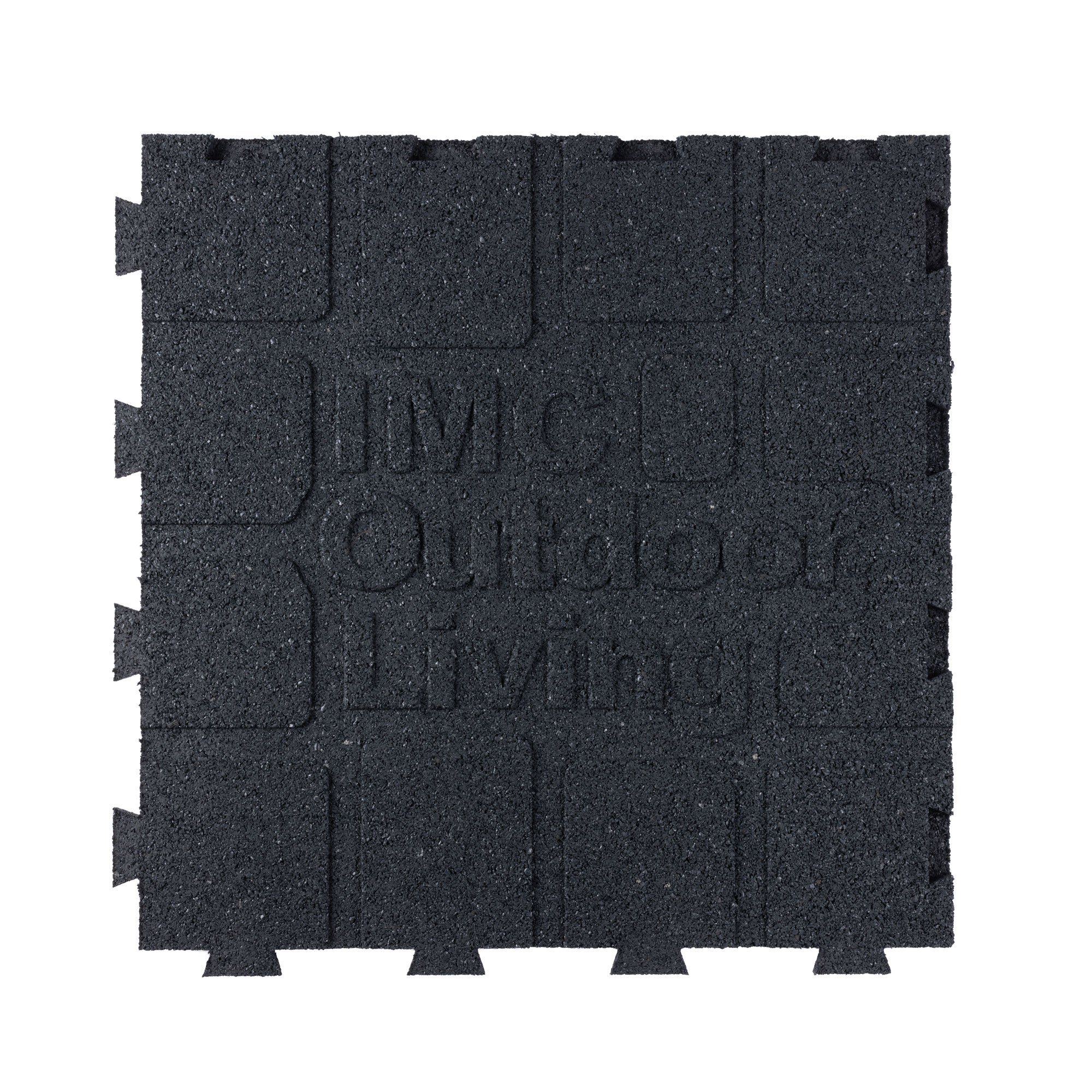
Customization Process for Interlocking Rubber Pavers – Industrial-Grade Solutions
At Suzhou Baoshida Trading Co., Ltd., our customization process for interlocking rubber pavers begins with a comprehensive drawing analysis to ensure dimensional accuracy, structural compatibility, and performance alignment with the intended outdoor application. Technical drawings provided by clients are rigorously evaluated for interlock geometry, surface texture, load-bearing zones, and installation method. This phase involves cross-referencing client specifications with ASTM, ISO, and municipal standards for slip resistance, compression set, and thermal expansion behavior in outdoor environments. Our engineering team conducts tolerance analysis to optimize mold design and ensure long-term interlock integrity under dynamic loading and thermal cycling.
Following drawing validation, the formulation stage tailors the rubber compound to meet site-specific demands. We utilize reclaimed SBR, EPDM, or virgin rubber blends depending on UV resistance, abrasion performance, and temperature range requirements. Additives such as carbon black for UV stabilization, vulcanizing agents for cross-link density, and anti-oxidants for extended service life are precisely metered. Shore A hardness is adjusted between 50 and 85 based on application—softer compounds for playgrounds, harder grades for vehicular zones. Each formulation is modeled using rheometric data to predict cure behavior, compression deflection, and rebound resilience under real-world conditions.
Prototyping is conducted using precision steel molds fabricated in-house, ensuring tight tolerances (±0.3 mm) and consistent surface finish. Physical samples undergo a battery of tests including tensile strength, tear resistance, slip coefficient (ASTM E303), and accelerated weathering (QUV exposure). Interlock functionality is validated through dry-fit assembly and simulated foot/vehicle traffic. Clients receive a technical datasheet and sample units for field evaluation. Feedback is integrated into final mold and compound adjustments before release to production.
Mass production leverages automated compression molding lines with real-time process monitoring. Each batch is traceable via lot numbering, and quality control includes in-line hardness checks, dimensional sampling, and visual inspection for surface defects. Production throughput scales from 5,000 to 50,000 units per month, with packaging options for palletized or container-ready loading. Our integrated supply chain ensures consistent raw material sourcing and on-time delivery to global OEMs and municipal contractors.
Typical Technical Specifications for Custom Interlocking Rubber Pavers
| Property | Test Method | Typical Value Range |
|---|---|---|
| Shore A Hardness | ASTM D2240 | 50–85 |
| Tensile Strength | ASTM D412 | 7–15 MPa |
| Elongation at Break | ASTM D412 | 150–300% |
| Compression Set (22h, 70°C) | ASTM D395 | ≤20% |
| Slip Resistance (DCOF) | ASTM E303 | ≥0.45 (wet) |
| Temperature Range | — | -40°C to +80°C |
| UV Resistance (3000h QUV) | ASTM G154 | ΔE < 3.0 (color stability) |
| Interlock Tolerance | ISO 2768-m | ±0.3 mm |
Contact Engineering Team
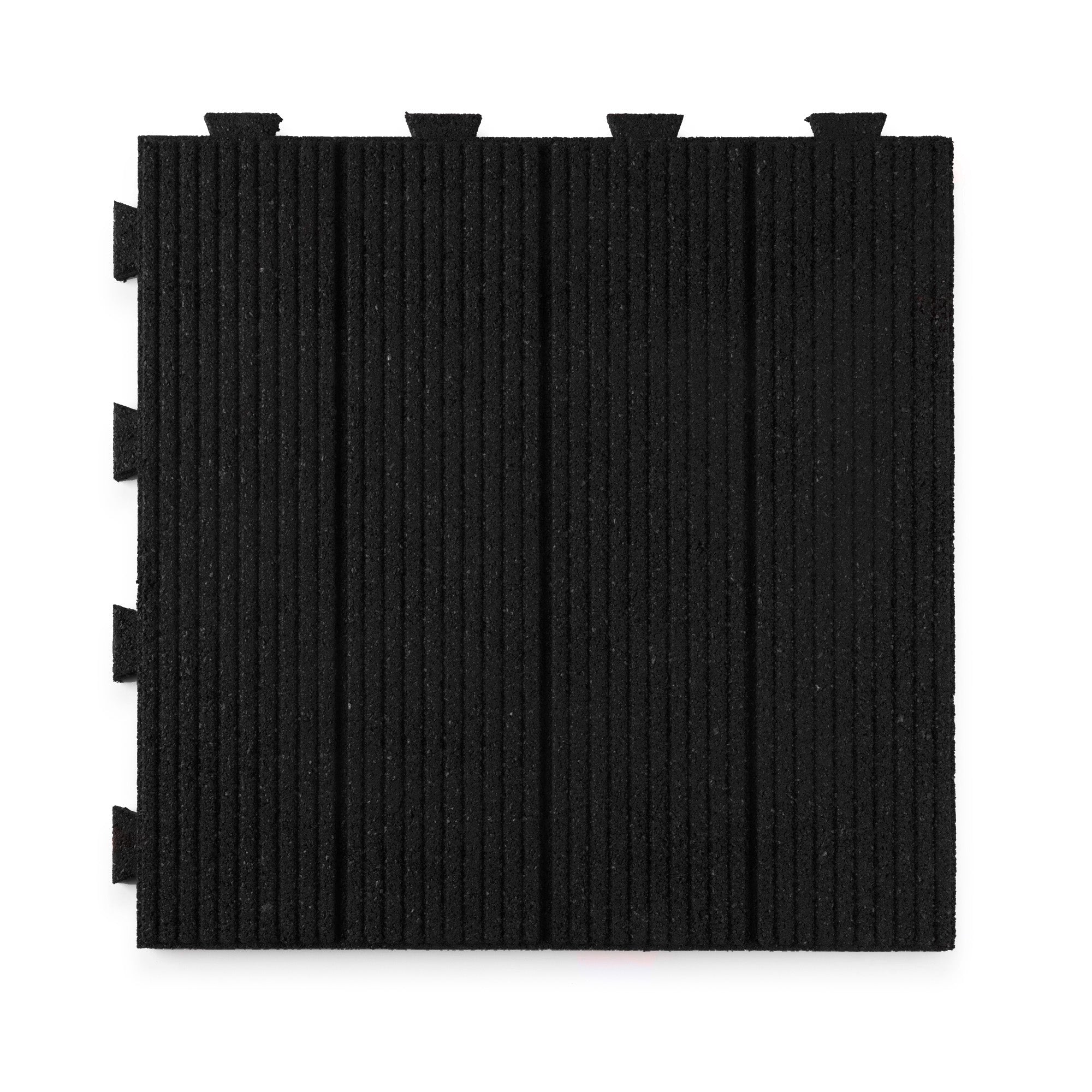
Technical Specifications and Partnership Pathway for Interlocking Rubber Pavers
Suzhou Baoshida Trading Co., Ltd. stands at the forefront of engineered rubber solutions for demanding outdoor infrastructure. Our interlocking rubber pavers are not merely surfacing products; they represent the culmination of precision polymer science, rigorous industrial testing, and adherence to global performance benchmarks. Each paver is formulated to withstand extreme environmental stressors while maintaining structural integrity and slip resistance under heavy pedestrian and vehicular loads. For project engineers, procurement managers, and municipal specifiers requiring guaranteed performance, our technical data sheet provides the critical metrics essential for informed decision-making. The core specifications below validate our commitment to exceeding industry standards for commercial and public space applications.
| Property | Test Standard | Baoshida Performance | Industry Baseline |
|---|---|---|---|
| Shore A Hardness | ASTM D2240 | 70 ± 5 | 60–80 |
| Tensile Strength | ASTM D412 | ≥ 8.5 MPa | ≥ 7.0 MPa |
| Elongation at Break | ASTM D412 | ≥ 250% | ≥ 200% |
| Compression Set (24h) | ASTM D395 | ≤ 15% | ≤ 25% |
| UV Resistance (1000h) | ISO 4892-2 | ΔE < 3.0 | ΔE < 5.0 |
| Slip Resistance (Wet) | DIN 51130 | R11 | R9 |
| Temperature Range | ISO 18882 | -40°C to +80°C | -30°C to +70°C |
These values are not theoretical ideals but batch-certified results derived from our ISO 9001-certified production facilities. Our proprietary vulcanization process ensures consistent cross-link density across every unit, eliminating the performance variance common in commodity rubber products. The polymer matrix incorporates high-purity SBR and EPDM compounds with advanced anti-oxidant packages, directly contributing to the 15+ year service life documented in accelerated aging trials. Crucially, our interlocking geometry—engineered with 2mm precision tolerances—guarantees seamless alignment under dynamic loads, preventing shifting or tripping hazards even on imperfect sub-bases. This dimensional stability is validated through 50,000-cycle fatigue testing per EN 1339 protocols.
For projects where failure is not an option—airport walkways, hospital courtyards, or industrial loading zones—generic solutions introduce unacceptable risk. Suzhou Baoshida delivers engineered certainty. We collaborate directly with OEM partners to customize formulations for specific load requirements, colorfastness needs, or regional climate challenges. Our technical team provides full lifecycle support, from initial CAD-based layout validation to on-site installation supervision, ensuring your specification translates flawlessly into built performance.
Initiate Your Precision Rubber Project Today
Do not compromise on outdoor surface integrity. Contact Mr. Boyce, our dedicated OEM and Technical Sales Manager, to discuss your project’s exacting requirements. Mr. Boyce possesses 12 years of specialized experience in translating complex infrastructure demands into optimized rubber compound solutions. He will provide:
Full technical dossier with third-party test certifications
Customized durability projections based on your site’s microclimate
OEM co-branding and volume pricing structures for qualified partners
Direct access to our polymer engineering lab for joint development
Reach Mr. Boyce via email at [email protected] to schedule a technical consultation. Include your project location, expected traffic load (pedestrian/vehicular), and timeline for immediate prioritization. Suzhou Baoshida does not sell products—we deliver engineered performance with zero tolerance for surface degradation. Partner with us to set the definitive standard for resilient outdoor infrastructure. Your project’s longevity begins with a single technical dialogue.
⚖️ O-Ring Weight Calculator
Estimate rubber O-ring weight (Approx).