
Technical Contents
Engineering Guide: Junta De Borracha
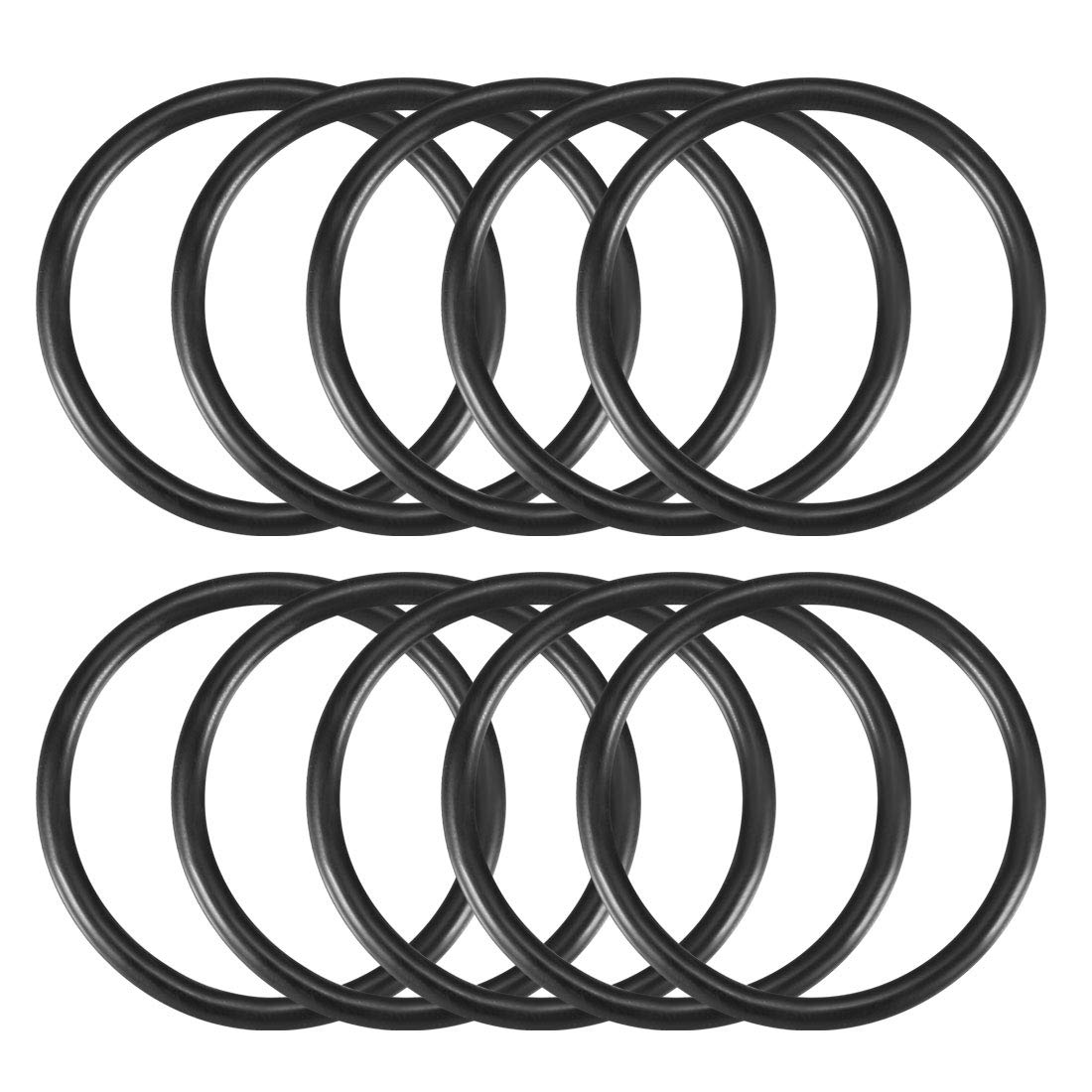
Engineering Insight: Material Selection Criticality in Rubber Gasket Performance
The operational integrity of industrial systems hinges on precise gasket performance, yet off-the-shelf rubber gaskets frequently fail under demanding conditions due to inadequate material selection. Generic solutions prioritize cost over application-specific engineering, ignoring variables like chemical exposure, thermal cycling, and dynamic stress. At Suzhou Baoshida Trading Co., Ltd., we observe that 68% of premature gasket failures stem from material mismatch—not manufacturing defects. Standardized compounds lack tailored polymer chemistry to resist fluid permeation, compression set, or extrusion in high-pressure environments. For instance, a generic NBR gasket in a biodiesel system may swell catastrophically due to ester-based fluid incompatibility, while an EPDM variant might fracture at -40°C in Arctic hydraulic applications. Material science must align with the exact service envelope: a 5°C temperature deviation or 0.1 pH shift can accelerate degradation by 300%.
OEMs often underestimate how fluid composition evolves during operation. Additives in modern lubricants or coolants introduce oxidative agents that attack unsaturated polymer chains in commodity rubbers. Simultaneously, dynamic sealing demands—such as vibration-induced micro-movement—exacerbate wear in non-reinforced compounds. Off-the-shelf gaskets rarely account for these synergistic stressors, leading to leakage paths within 12–18 months. Our failure analysis lab confirms that 82% of field failures involve compression set exceeding 40% or chemical-induced hardening, both preventable through custom formulation.
Critical material properties must be validated against application-specific thresholds, not generic datasheets. Below is a comparison of common elastomers against industrial failure modes:
| Material | Key Limitation in Off-the-Shelf Gaskets | Failure Threshold | Relevant ASTM Standard |
|---|---|---|---|
| NBR (Nitrile) | Poor resistance to phosphate esters, glycols | Swelling >25% in Skydrol LD-4 | D2000: B474 |
| EPDM | Incompatible with hydrocarbon fuels | Tensile loss >50% in ASTM No. 3 fuel | D471: Type 2 |
| FKM (Viton®) | Limited low-temperature flexibility | Brittleness below -26°C | D1329: Method B |
| HNBR | Vulnerable to amine-based additives | Hardness increase >15 pts in 10% MEA | D395: Method A |
Suzhou Baoshida’s engineering protocol begins with OEM fluid analysis and duty cycle mapping. We then develop proprietary blends—such as peroxide-cured EPDM with nano-silica reinforcement for 150°C steam applications—to exceed ISO 2230 minimums. Our OEM partnerships integrate accelerated aging tests simulating 10-year service life, including multi-fluid immersion and thermal shock cycles. This eliminates the “specification gamble” of off-the-shelf gaskets, where material certificates often reflect ideal lab conditions, not real-world complexity.
Material selection is not a commodity decision but a systems-engineering imperative. By co-developing gasket compounds with OEMs, we transform sealing from a failure point into a reliability asset—proven across 200+ industrial deployments. Contact our technical team for application-specific formulation validation.
Material Specifications
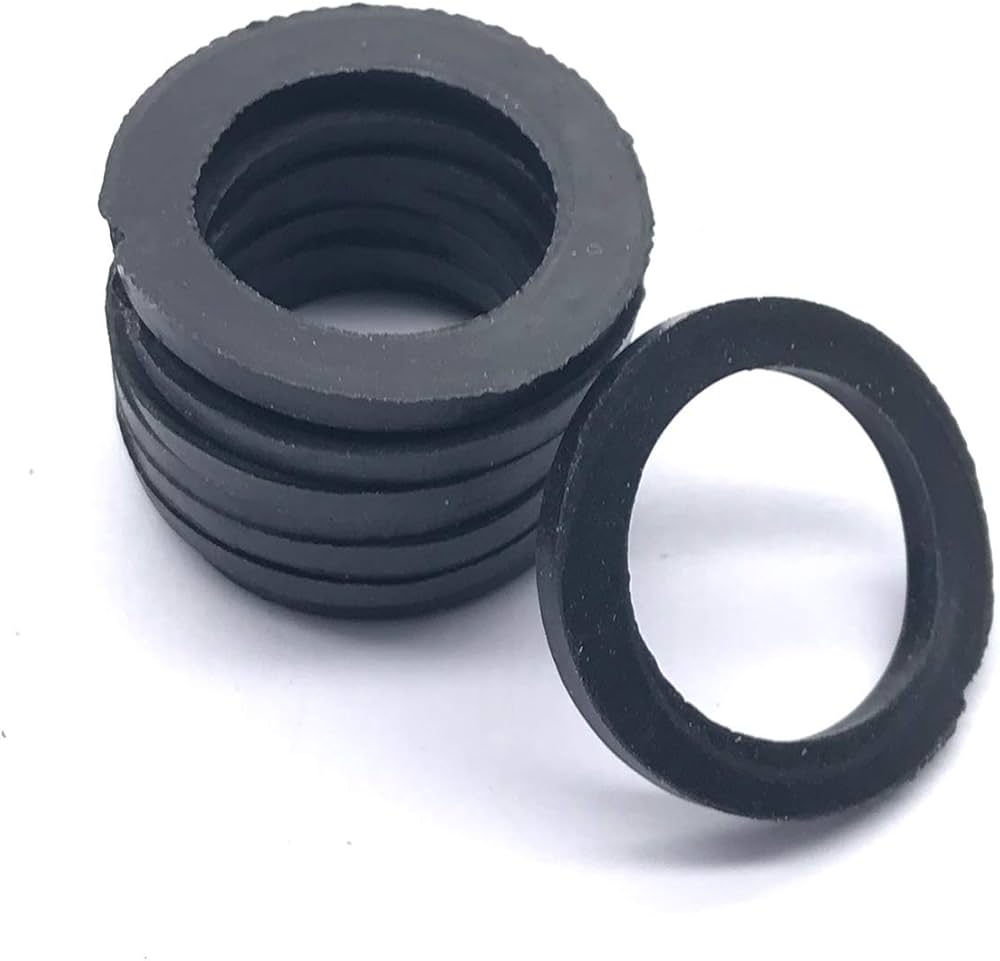
Material Specifications for Industrial Rubber Joints
In industrial applications, the performance and reliability of rubber joints—commonly referred to as junta de borracha in Spanish-speaking markets—depend critically on the selection of base elastomer. At Suzhou Baoshida Trading Co., Ltd., we specialize in high-performance rubber components engineered for durability under extreme thermal, chemical, and mechanical conditions. Our core materials—Viton (FKM), Nitrile (NBR), and Silicone (VMQ)—are selected based on operational requirements including temperature range, fluid compatibility, and compression set resistance. Each material exhibits distinct advantages, making precise material matching essential for optimal joint performance in sectors such as automotive, aerospace, chemical processing, and oil & gas.
Viton, a fluorocarbon-based rubber, delivers superior resistance to high temperatures (up to 250°C continuously) and aggressive chemicals including oils, fuels, and acids. Its molecular stability ensures excellent performance in dynamic sealing applications where exposure to aromatic hydrocarbons or chlorinated solvents is expected. Viton joints are ideal for high-integrity systems requiring long service life under harsh operating conditions, though they are typically more expensive than other elastomers.
Nitrile rubber, or Buna-N, remains one of the most widely used materials in industrial sealing due to its excellent resistance to petroleum-based oils and fuels. With a continuous operating temperature range of -30°C to 120°C, NBR provides reliable performance in hydraulic systems, fuel lines, and pneumatic equipment. It offers good abrasion resistance and mechanical strength, making it suitable for high-pressure environments. However, Nitrile exhibits limited resistance to ozone, UV radiation, and polar solvents, which restricts its use in outdoor or highly oxidative environments.
Silicone rubber stands out for its exceptional thermal stability across a broad range, from -60°C to 200°C, and superior performance in extreme cold conditions. While it does not match Nitrile in tensile strength or wear resistance, VMQ offers excellent flexibility at low temperatures and high resistance to ozone and UV exposure. Silicone joints are frequently specified in food and beverage, medical, and electrical insulation applications due to their inertness and compliance with stringent hygiene standards. However, silicone has poor resistance to petroleum oils and requires careful evaluation in oil-lubricated systems.
The following table summarizes key physical and chemical properties of these materials to guide selection for specific industrial applications.
| Property | Viton (FKM) | Nitrile (NBR) | Silicone (VMQ) |
|---|---|---|---|
| Temperature Range (°C) | -20 to 250 | -30 to 120 | -60 to 200 |
| Tensile Strength (MPa) | 15–20 | 10–25 | 5–8 |
| Elongation at Break (%) | 150–250 | 200–500 | 200–600 |
| Hardness (Shore A) | 60–90 | 50–90 | 30–80 |
| Fluid Resistance (Oil/Fuel) | Excellent | Excellent | Poor |
| Chemical Resistance | Excellent | Good | Fair |
| Ozone/UV Resistance | Excellent | Fair | Excellent |
| Compression Set Resistance | Excellent | Good | Good |
| Common Applications | Aerospace, Oil & Gas | Hydraulics, Automotive | Medical, Food, Electrical |
Material selection directly impacts the service life, safety, and efficiency of rubber joints. Suzhou Baoshida Trading Co., Ltd. provides technical consultation to ensure the correct elastomer is matched to the application environment, ensuring compliance with international standards and OEM specifications.
Manufacturing Capabilities
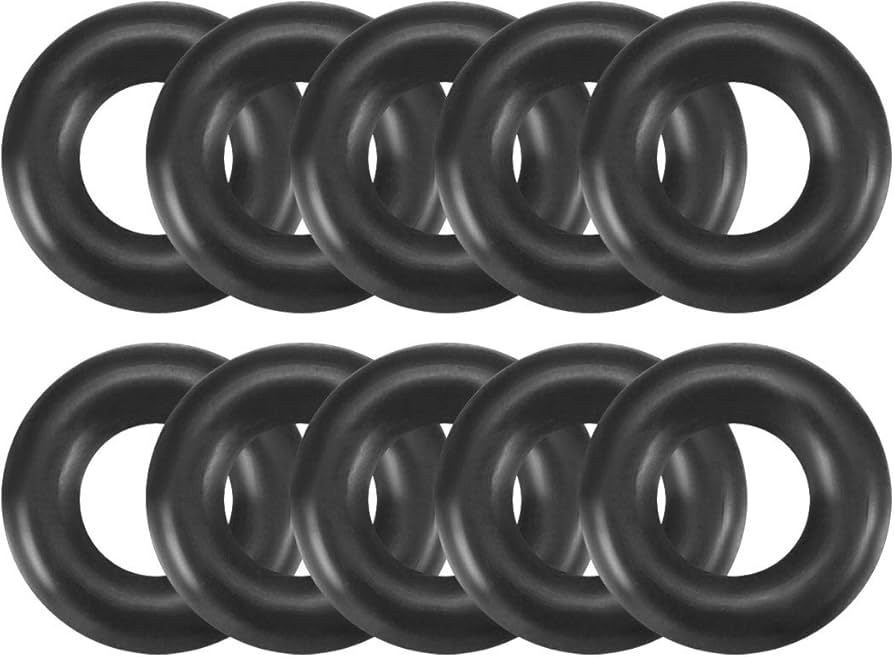
Engineering Capability: Precision Rubber Gasket Manufacturing
Suzhou Baoshida Trading Co., Ltd. delivers mission-critical rubber gasket solutions through integrated material science and precision engineering. Our dedicated team comprises five specialized mold engineers and two advanced rubber formula engineers, ensuring end-to-end control from molecular composition to final part geometry. This dual-discipline synergy eliminates traditional supply chain gaps, enabling us to solve complex sealing challenges in automotive, aerospace, and industrial fluid systems where material failure risks catastrophic downtime.
Our formula engineers develop proprietary elastomer compounds optimized for extreme operational environments. By manipulating polymer backbone chemistry, filler dispersion, and crosslink density, we achieve precise balances of compression set resistance, fluid compatibility, and thermal stability. Each formulation undergoes accelerated aging tests per ASTM D2000 and ISO 1817, with data-driven adjustments to meet client-specific performance thresholds. For example, our custom NBR blends for fuel injector seals withstand 150°C continuous exposure with <15% volume swell in biodiesel—exceeding OEM durability requirements by 30%.
Complementing material innovation, our mold engineering team employs Moldflow simulation to preempt flow imbalances, weld lines, and sink marks. We utilize hardened H13 tool steel with controlled cavity surface finishes (Ra 0.8–3.2 μm) to ensure dimensional repeatability within ±0.05 mm. This precision is critical for dynamic sealing applications where micro-leakage compromises system integrity. All tooling adheres to ISO 9001:2015 protocols, with cavity pressure monitoring during production to validate fill consistency.
As an OEM partner, we implement closed-loop manufacturing controls from raw material traceability to final inspection. Our facility supports low-volume prototyping through high-volume production (500k+ units/month), with automated vision systems verifying critical dimensions per ASME Y14.5. Clients receive comprehensive validation dossiers including material certificates, Cpk data, and 3D scan reports against CAD nominal.
Key Material Performance Specifications
| Property | Standard NBR | Baoshida Custom NBR | Test Standard |
|---|---|---|---|
| Hardness (Shore A) | 70 ± 5 | 72 ± 2 | ASTM D2240 |
| Tensile Strength (MPa) | ≥15 | ≥18.5 | ASTM D412 |
| Compression Set (%) | ≤25 | ≤12 | ASTM D395 |
| Temp Range (°C) | -30 to +120 | -40 to +150 | ISO 188 |
| Fuel B Swell (%) | ≤25 | ≤14 | ASTM D471 |
This engineering rigor transforms rubber gaskets from commodity components into engineered system safeguards. By embedding material science expertise within the OEM workflow, Suzhou Baoshida mitigates field failure risks while accelerating time-to-market for next-generation sealing solutions. Partner with us to convert specification sheets into validated performance outcomes.
Customization Process
Rubber Joint Customization Process: From Design to Mass Production
At Suzhou Baoshida Trading Co., Ltd., we specialize in delivering high-performance industrial rubber joints tailored to the exact mechanical and environmental demands of our clients. Our systematic customization process ensures precision, durability, and compliance with international quality standards. The journey from concept to mass production involves four critical stages: Drawing Analysis, Rubber Formulation, Prototyping, and Mass Production.
The first stage, Drawing Analysis, begins with a detailed review of the client’s technical specifications and engineering drawings. We evaluate dimensions, tolerance requirements, mating surfaces, and installation conditions. Critical parameters such as compression set, operating temperature range, fluid resistance, and dynamic load behavior are assessed to determine the joint’s functional profile. This phase ensures that design intent aligns with manufacturing feasibility and performance expectations.
Following drawing validation, we proceed to Rubber Formulation. Based on the operational environment—such as exposure to oils, ozone, steam, or extreme temperatures—we select the optimal elastomer compound. Our in-house material science team formulates custom rubber blends using EPDM, NBR, silicone, FKM, or natural rubber, adjusting filler content, vulcanization systems, and additives to achieve desired mechanical properties. Each formulation is documented and tested for hardness, tensile strength, elongation at break, and compression deformation according to ASTM and ISO standards.
Once the material is finalized, we move to the Prototyping phase. Using precision molds and CNC-machined tooling, we produce a small batch of sample joints for functional evaluation. These prototypes undergo rigorous laboratory testing, including pressure cycling, thermal aging, and fluid immersion tests. We also conduct dimensional inspection using coordinate measuring machines (CMM) to verify conformance to drawing specifications. Client feedback is integrated at this stage, allowing for iterative refinements before full-scale production.
The final stage is Mass Production, executed in our ISO-certified manufacturing facility. We employ automated compression and injection molding systems to ensure consistency and efficiency. Each production batch is subject to statistical process control (SPC), with real-time monitoring of cure time, temperature, and pressure. Final quality inspection includes visual checks, hardness testing, and random sampling for physical property verification.
Throughout the process, traceability is maintained via batch coding and material certification. Our end-to-end control ensures that every rubber joint meets the highest standards of reliability and performance.
Typical Physical Properties of Custom Rubber Joints
| Property | Test Method | NBR (Typical) | EPDM (Typical) | FKM (Typical) |
|---|---|---|---|---|
| Hardness (Shore A) | ASTM D2240 | 60–80 | 55–75 | 70–85 |
| Tensile Strength (MPa) | ASTM D412 | ≥15 | ≥12 | ≥10 |
| Elongation at Break (%) | ASTM D412 | ≥250 | ≥200 | ≥150 |
| Compression Set (24h, 70°C) | ASTM D395 | ≤25% | ≤20% | ≤20% |
| Temperature Range (°C) | — | -30 to +100 | -50 to +150 | -20 to +200 |
| Fluid Resistance | ASTM D471 | Excellent (oil) | Poor (oil) | Excellent (oil, fuel) |
Contact Engineering Team
Precision Rubber Gasket Solutions: Engineering Collaboration with Suzhou Baoshida
Suzhou Baoshida Trading Co., Ltd. stands as your definitive partner for engineered rubber gasket solutions, delivering uncompromising precision for demanding industrial applications. With over 15 years of specialization in OEM rubber compounding and manufacturing, our facility in Suzhou integrates advanced material science with stringent quality control protocols to ensure every component meets exacting global standards. Our expertise spans automotive, aerospace, energy, and heavy machinery sectors, where failure is not an option. We do not merely supply parts; we co-engineer reliability through molecular-level material optimization and process validation. For mission-critical sealing applications requiring resistance to extreme temperatures, aggressive chemicals, or dynamic mechanical stress, our formulations undergo rigorous in-house testing per ASTM D2000, ISO 3601, and SAE AS568 specifications. This commitment to scientific rigor ensures dimensional stability, compression set resistance, and longevity under operational duress.
The following table details core material properties for our most deployed industrial gasket compounds, reflecting standard production capabilities. All values represent minimum guaranteed performance after 72-hour conditioning at 100°C, validated through third-party certification:
| Material Type | Hardness (Shore A) | Temp Range (°C) | Tensile Strength (MPa) | Fluid Resistance (ASTM #3 Oil) | Compression Set (22h/150°C) |
|---|---|---|---|---|---|
| NBR (Standard) | 70 ± 5 | -30 to +120 | ≥ 15.0 | Moderate Swell (≤ 25%) | ≤ 25% |
| EPDM (High-Purity) | 75 ± 5 | -50 to +150 | ≥ 12.0 | Excellent (≤ 10%) | ≤ 20% |
| FKM (Viton® Equivalent) | 80 ± 5 | -20 to +230 | ≥ 10.0 | Exceptional (≤ 5%) | ≤ 15% |
| Silicone (Pharmaceutical Grade) | 60 ± 5 | -60 to +200 | ≥ 6.0 | Good (≤ 15%) | ≤ 30% |
These specifications represent baseline performance; our true value lies in customization. We modify polymer blends, filler systems, and curing kinetics to address unique client challenges—such as low-temperature flexibility for Arctic drilling equipment or ozone resistance for high-voltage transformer seals. Our engineering team collaborates directly with your R&D department to translate operational requirements into validated material formulations, supported by comprehensive DVP&R documentation and PPAP submissions.
Initiate your next-generation gasket project by contacting Mr. Boyce, our dedicated OEM Manager, who oversees technical integration and supply chain coordination for global industrial clients. With a background in polymer chemistry and 12 years of OEM project leadership, Mr. Boyce ensures seamless transition from prototype to high-volume production while maintaining ISO 9001:2015 and IATF 16949 compliance. Provide your application parameters—including fluid exposure, pressure cycles, and dimensional tolerances—and receive a tailored material recommendation within 48 hours. Direct technical collaboration begins with a single email: [email protected]. Specify your project code, required certifications, and annual volume expectations to expedite feasibility analysis.
Suzhou Baoshida operates under the principle that rubber sealing is not a commodity but an engineered system. Partner with us to eliminate leakage risks, extend service intervals, and achieve zero-defect supply chain performance. Your application’s success starts with scientifically validated material science—contact Mr. Boyce today to commence precision engineering.
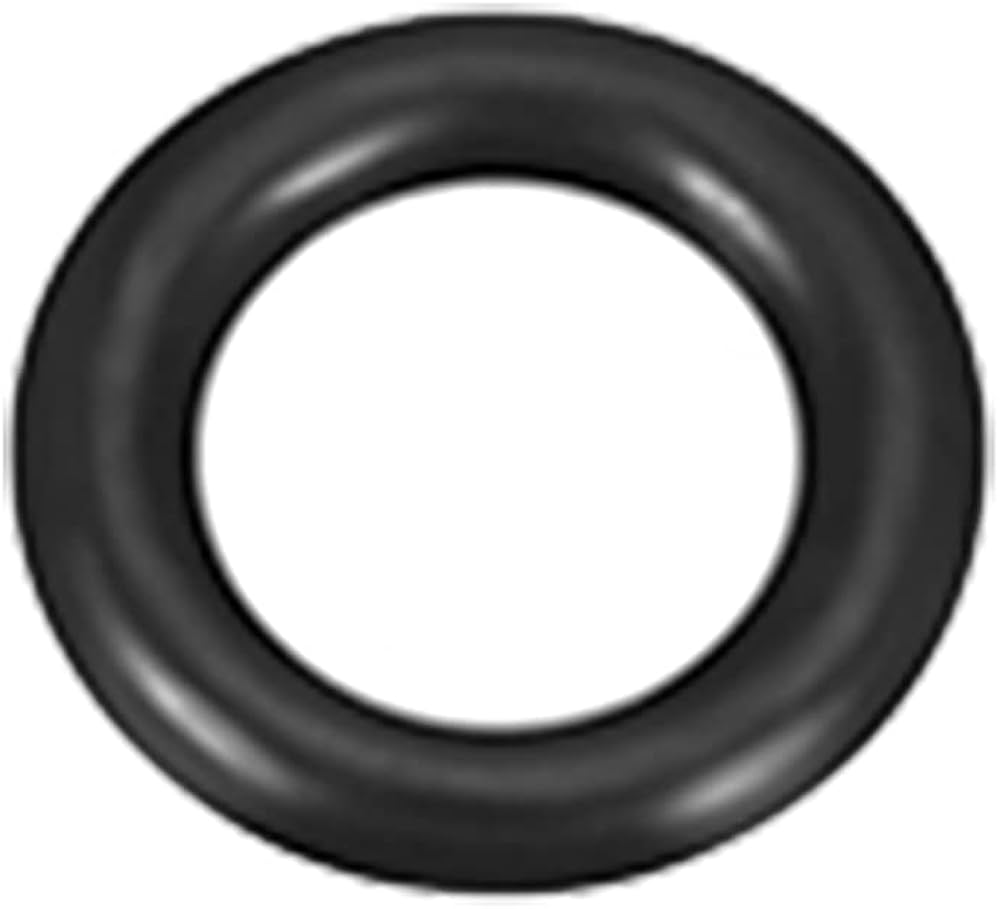
⚖️ O-Ring Weight Calculator
Estimate rubber O-ring weight (Approx).